

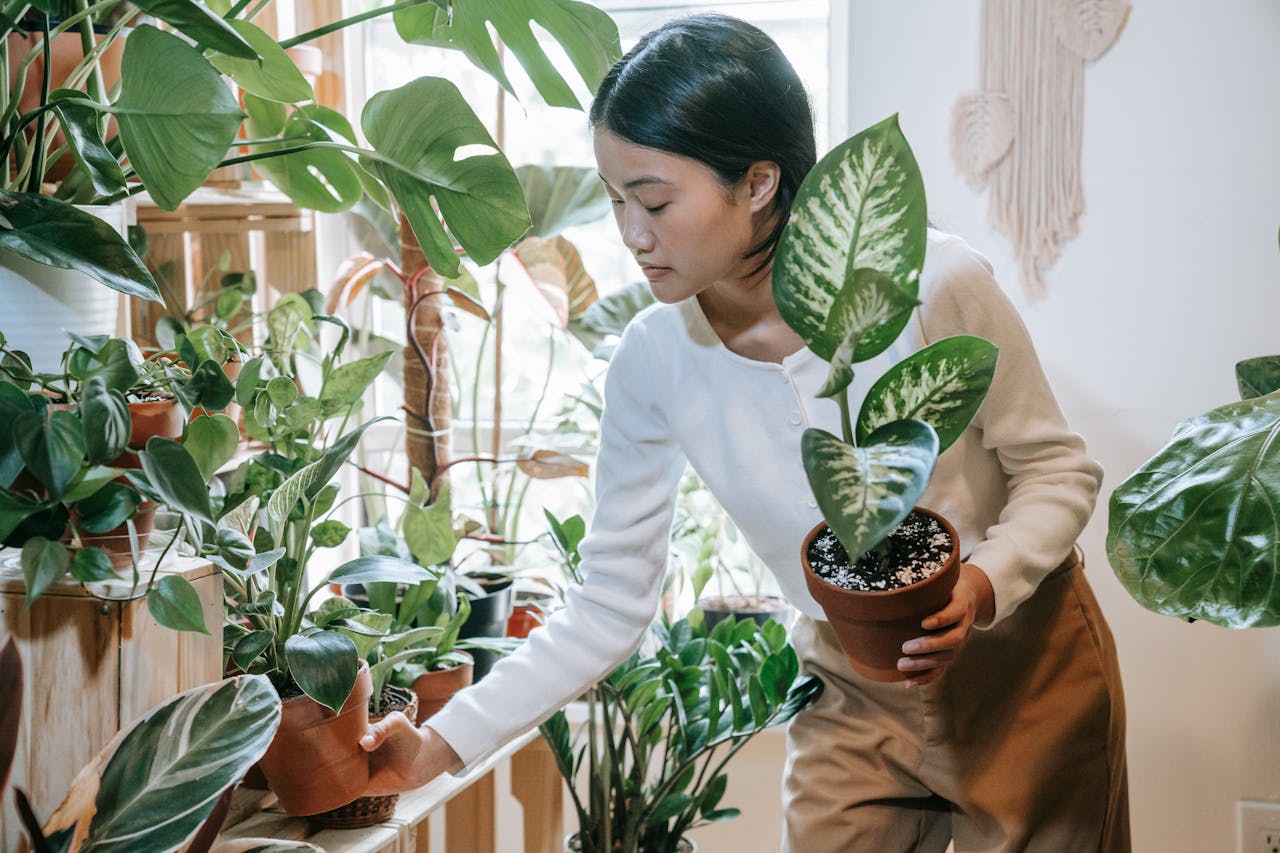
Water-grown houseplants look calm on a windowsill, but the setup is less forgiving than soil. Stagnant water sheds oxygen fast, minerals concentrate, and a single fallen leaf can feed bacteria that soften stems and stain glass.
Houseplant pros treat a jar like a tiny hydroponic system: light, water quality, airflow, and routine matter. Most mishaps come from overfilling, submerging crowns, or letting water sit too long. With clean containers, smart cutting placement, and a steady refresh rhythm, roots stay white, growth stays steady, and the display stays elegant. The payoff is low mess, high clarity, all year indoors.
Pick Plants That Actually Like Water
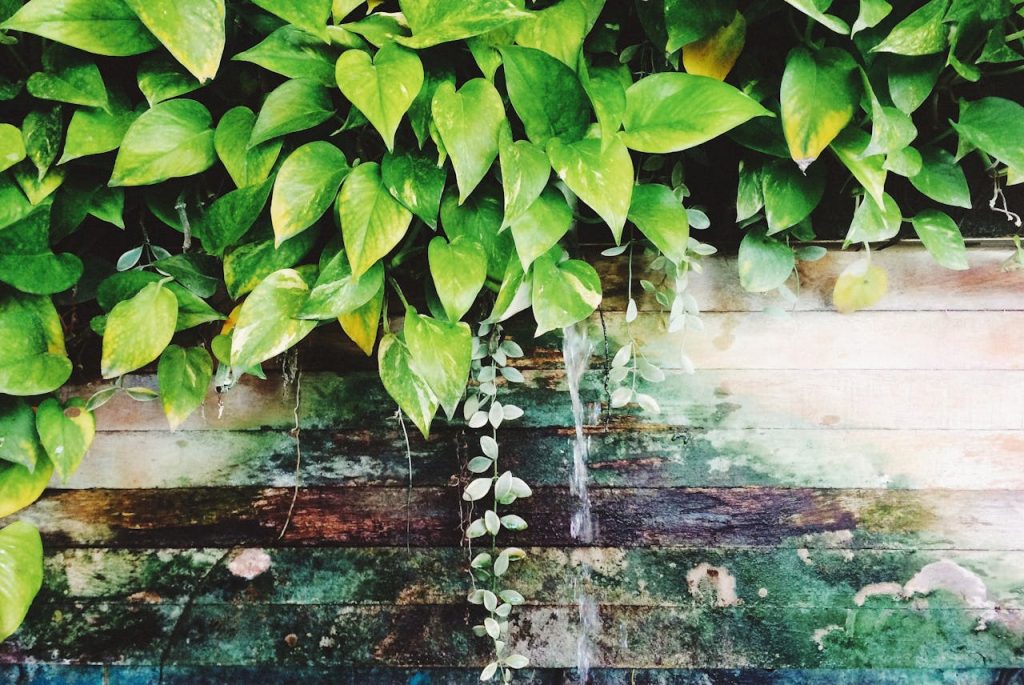
Not every plant enjoys life in a jar. The easiest wins are fast stem growers such as pothos, mint, basil, and lemongrass, plus peace lily when the crown stays above water.
Edibles behave differently. Watercress likes frequent refreshes, while chives and garlic greens prefer the base just barely submerged. Cilantro can root, but it often bolts without stable light and cooler air.
Bulbs are their own category. Hyacinth, amaryllis, and paperwhite narcissus can be propped over pebbles so only the base touches water, which helps the bulb stay firm. Picking the right candidate up front keeps troubleshooting simple later on.
Start With A Truly Clean Container

Most water-growing failures start with a dirty container. Even a clear jar can hold soap film, old algae, or tiny scratches that harbor biofilm, and that film steals oxygen from new roots.
Pros wash glass with hot water and a brush, then rinse until no slip remains. If algae keeps returning, the jar gets a quick dilute bleach rinse, followed by thorough rinsing and a full air-dry.
Bright light on water invites green bloom, so many growers rotate a second jar and swap weekly, or use an opaque vase with a narrow neck. Clean routines keep the water clearer, the scent neutral, and the setup easy on the eyes in any room.
Cut At The Nodes, Keep Leaves Dry
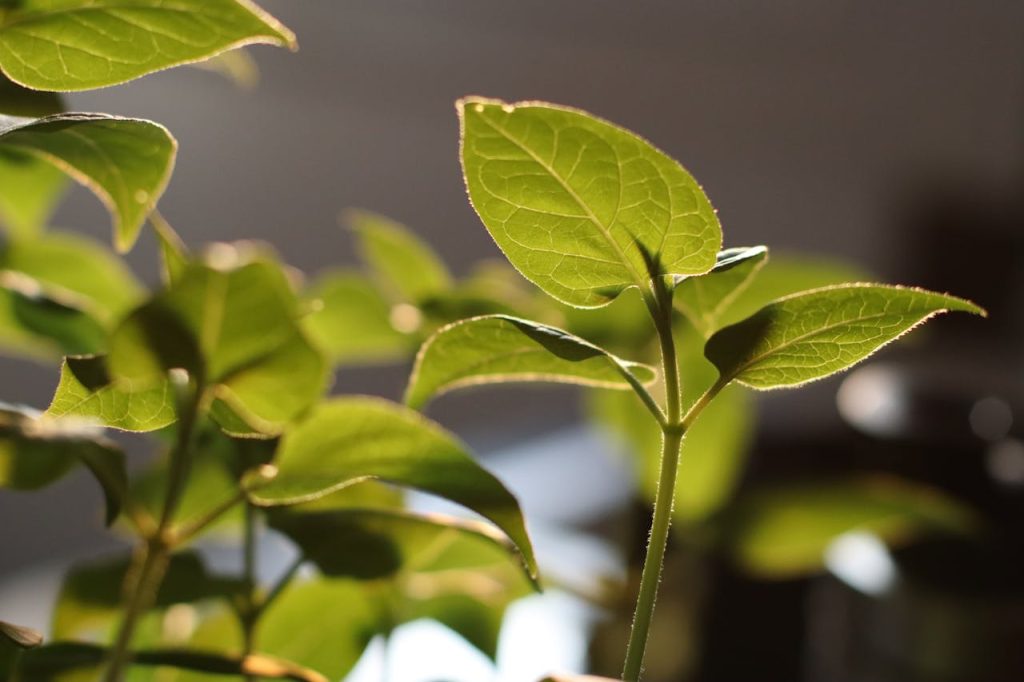
A cutting needs the right anatomy. Stems root from nodes, so pros choose a piece with at least two nodes, then strip any leaves that would sit underwater, because submerged foliage turns to mush and contaminates the jar.
Herbs such as basil and mint respond well when one or two nodes stay submerged and the top growth stays airy. A narrow-neck jar or a few pebbles can hold the stem upright, which stops the cutting from sliding and bruising.
Once roots reach about two in., the plant can stay in water or move to soil, but the handling stays gentle. Tugging breaks fine root hairs, and stress shows up fast in water within days.
Set The Waterline, Protect Crowns
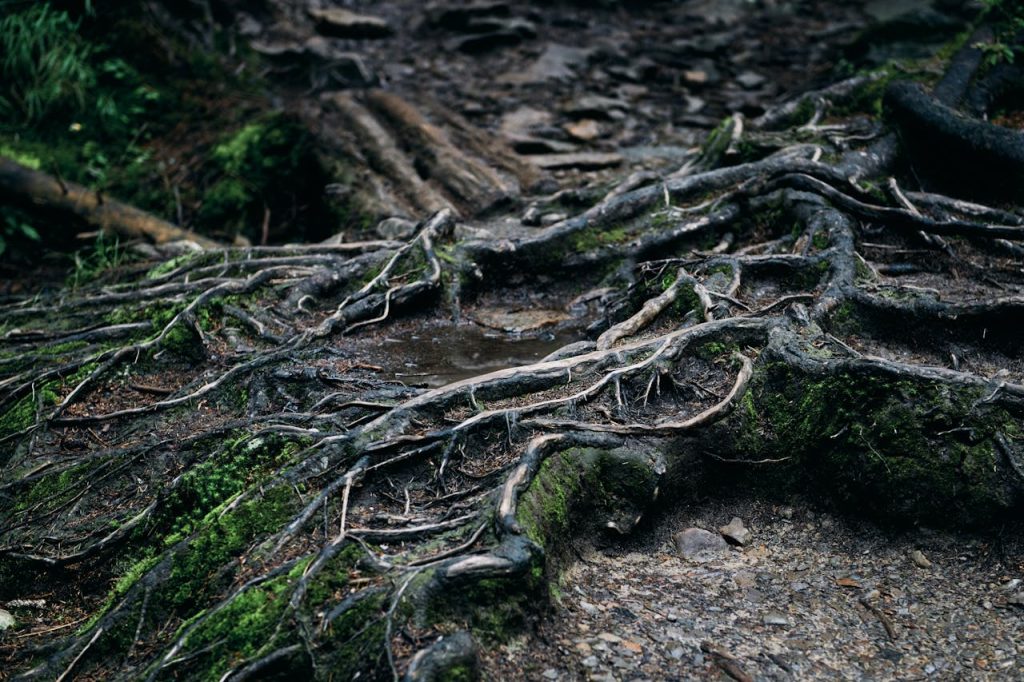
Water depth is the make-or-break detail. For many plants, only roots and the lower stem belong in water, while crowns, bulb tops, and leaf bases need air, or rot starts out of sight.
Peace lily is a clear example: it tolerates low light, but the crown must stay above the waterline. Lemongrass likes one to two in. of water with the stalk upright. Bulbs such as hyacinth and amaryllis do best perched on stones so only the base touches water, keeping the bulb firm while roots reach down.
Pros mark a simple fill line on the glass and resist topping off mindlessly. Stable depth means stable oxygen, and stable oxygen keeps stems crisp.
Change Water On A Real Schedule
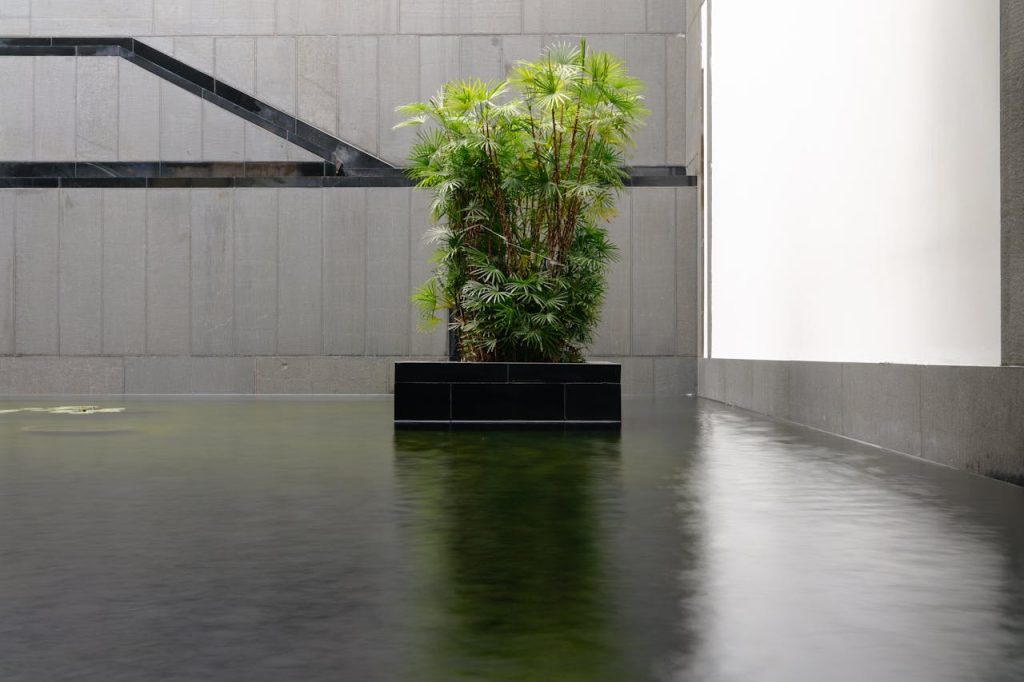
Fresh water is the real maintenance, not a nice extra. In a small jar, oxygen drops and microbes multiply quickly, so pros swap the water every three to five days, and sooner if the water clouds or smells off.
A full change beats topping off, because topping off traps the same waste in the container. During swaps, roots get a gentle rinse, and the jar gets a quick scrub before refilling. If stems look slimy, the cut end gets trimmed back to clean tissue.
That simple rhythm prevents most yellowing, algae, and soft stems. It is the difference between a week-long experiment and a display that lasts for months even in warm rooms.
Use Bright Indirect Light, Not Sunbathing
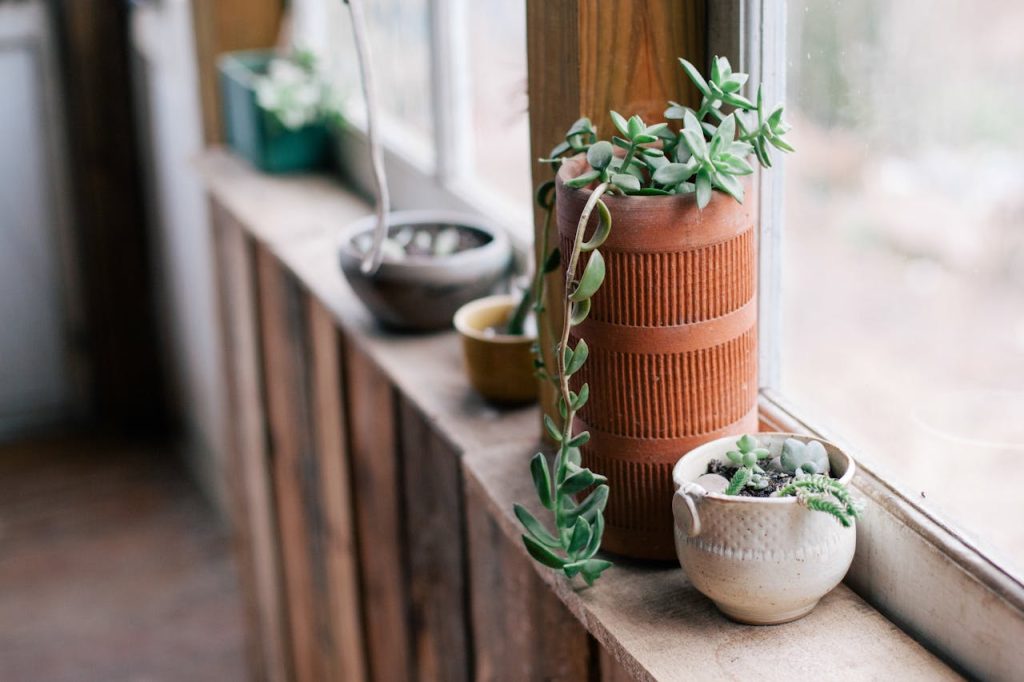
Light drives growth, but it also drives trouble. Direct sun on a jar warms water, accelerates algae, and cooks tender roots, so pros favor bright, indirect light for most cuttings.
Mint, basil, and pothos keep steady color with long days of filtered light, while strong midday sun often triggers limp leaves and green water. When growth leans, the container is rotated instead of moving into harsher light.
Bulbs are different. Many growers start hyacinth, paperwhites, or amaryllis cool and dim while roots form, then shift to brighter light once shoots appear. Matching light to the plant keeps the glass clear and the plant calm.
Choose Water That Leaves Less Residue

Water quality shows up on the roots first. Hard water leaves crust on glass and roots, and heavily chlorinated water can slow new growth, so many pros use filtered or rain water, especially for sensitive plants.
Peace lily is often happier with cleaner water, and herbs can taste sharper when salts are low. If only tap water is available, letting it sit can vent some chlorine, but it will not remove dissolved minerals or chloramine.
A simple habit helps: refills happen at room temperature, not icy or hot. Consistent, clean water reduces brown tips, keeps algae slower, and makes small jars more stable. Clarity matters.
Stabilize Stems With Pebbles Or Narrow Necks
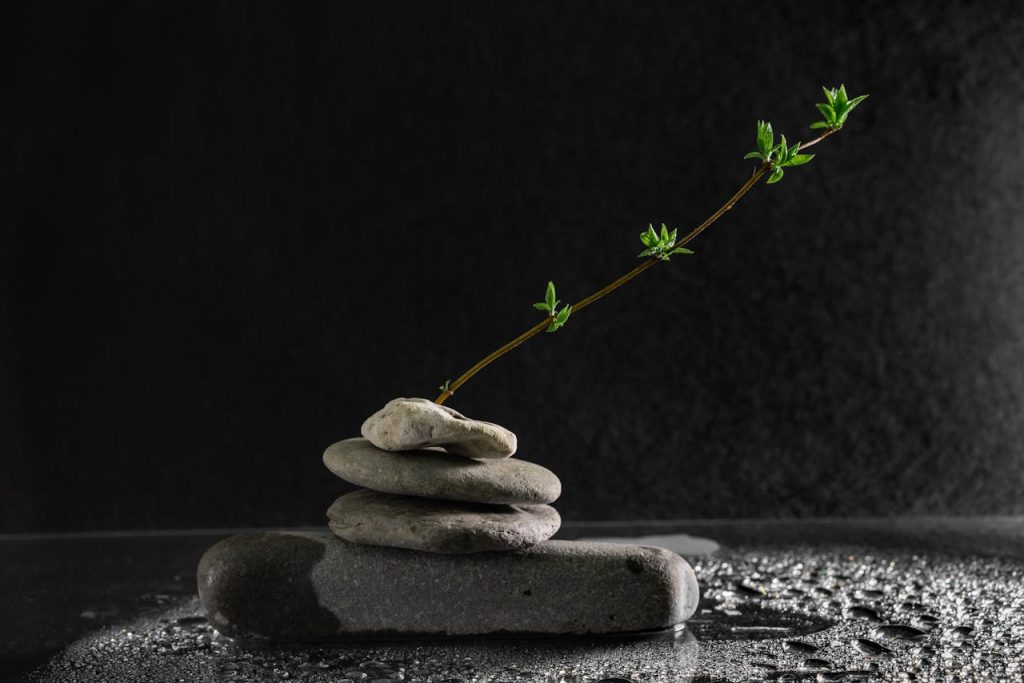
A jar looks simple, but support is part of the system. Cuttings wobble, bruise, and rot when they fall below the waterline, so pros stabilize stems with a narrow-neck vase, clean pebbles, or a small collar that holds the cutting upright. Top-heavy jars tip easily.
For herbs, the goal is clean separation: nodes in water, leaves in air. Chives and garlic greens often succeed when only the white base touches water, leaving the green tops dry and crisp.
Pebbles also create small air gaps where water can move, which helps oxygen reach roots. A stable stem plus a little airflow turns fussy cuttings into reliable growers fast.
Feed Lightly, Or Not At All
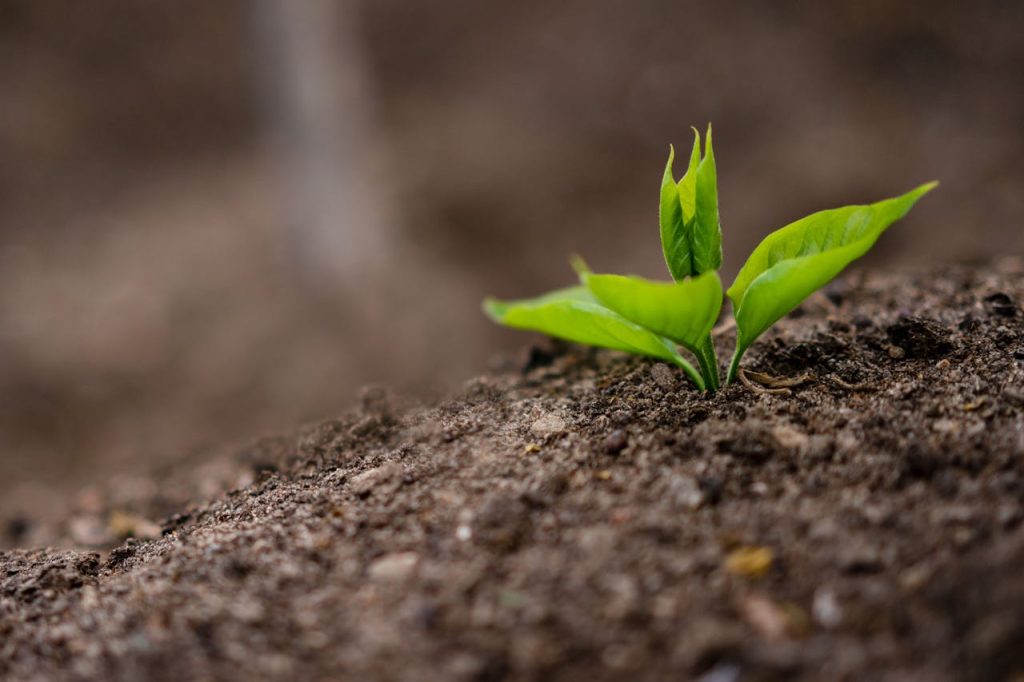
Water grows roots, but it will not feed a plant for long. Once a cutting is established, pros add nutrition sparingly, since concentrated fertilizer in a small jar fuels algae and irritates roots.
A mild hydroponic nutrient at low strength is the common approach. Feeding starts only after a healthy root mass forms, not on day one. Pothos and peace lily often benefit from trace nutrients. If leaves darken or water clouds faster, the dose is reduced.
For short-term edible cuttings such as basil or mint, many growers skip feeding and simply refresh often, harvesting lightly. Restraint keeps growth balanced and the glass attractive.
Read The Roots, Then Transition Carefully
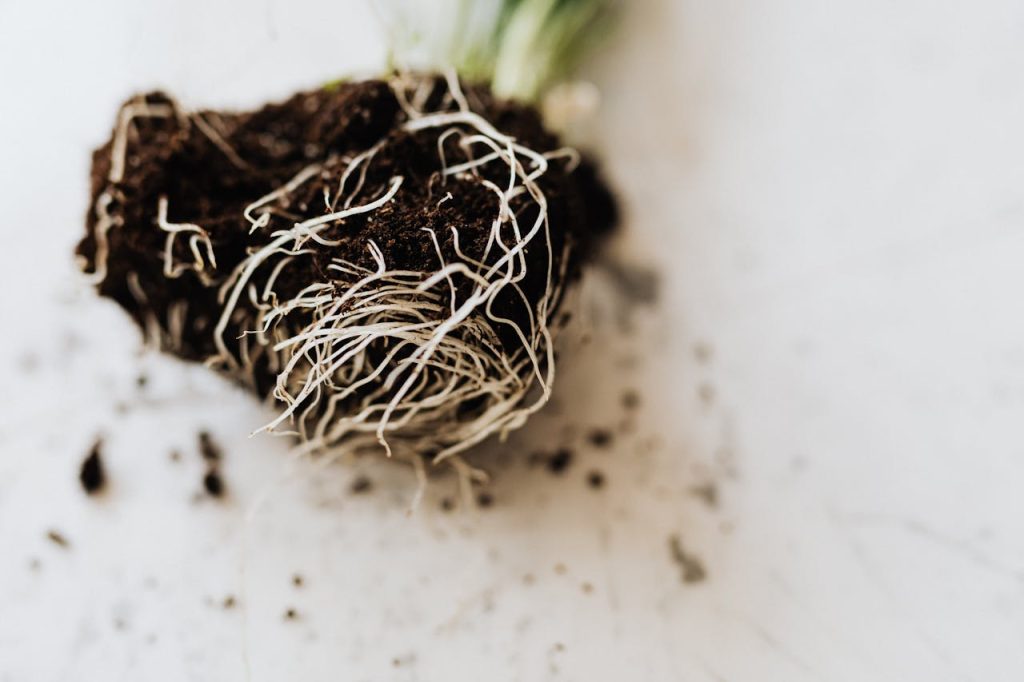
Roots tell the truth. Healthy water roots look pale and firm, while trouble shows up as brown slime, a sour smell, or stems that soften near the waterline. Clues appear early, often.
Pros prune away damaged roots, refresh the jar, and recut stems above any mushy section to restart clean growth. If a plant is meant for soil, the move happens when roots reach about two in., before they tangle into a dense knot.
Transition is gentler when humidity stays steady and the mix stays evenly moist for the first week. Water roots can adapt to soil, but they need time, and patience prevents the dramatic droop that scares most beginners.