

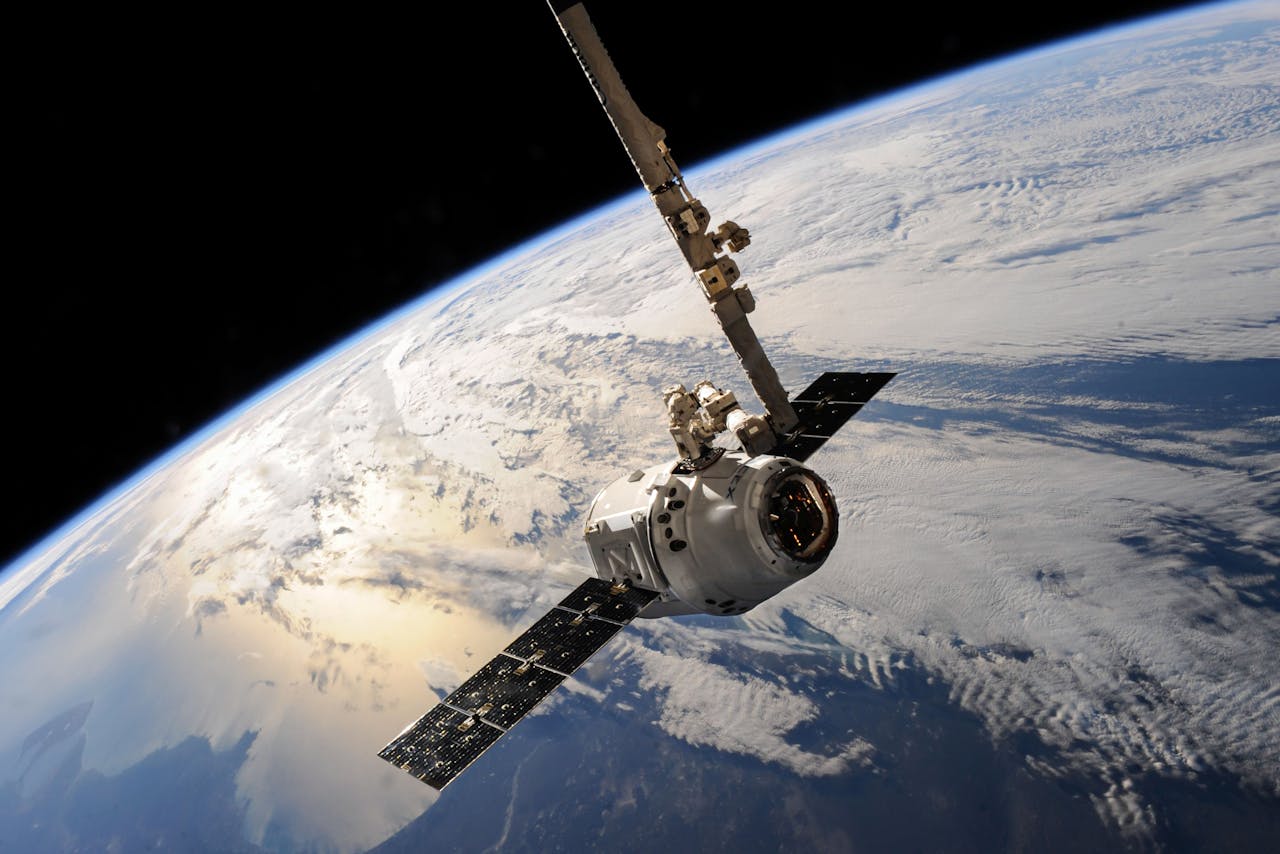
For decades, Earth’s space environment felt like a purely natural system: magnetic fields, solar storms, and the radiation belts. Satellites simply had to endure whatever the Sun and physics delivered.
Then NASA measurements hinted at a crisp inner edge where ultra-fast particles rarely cross. Researchers traced that edge to very low-frequency radio transmissions that have been escaping upward for years from long-range communication on Earth. What began as practical messaging may be quietly shaping near-Earth space, nudging the most intense radiation farther out and making everyday orbits a bit less punishing than expected.
The Invisible Radio Environment Humans Left Behind
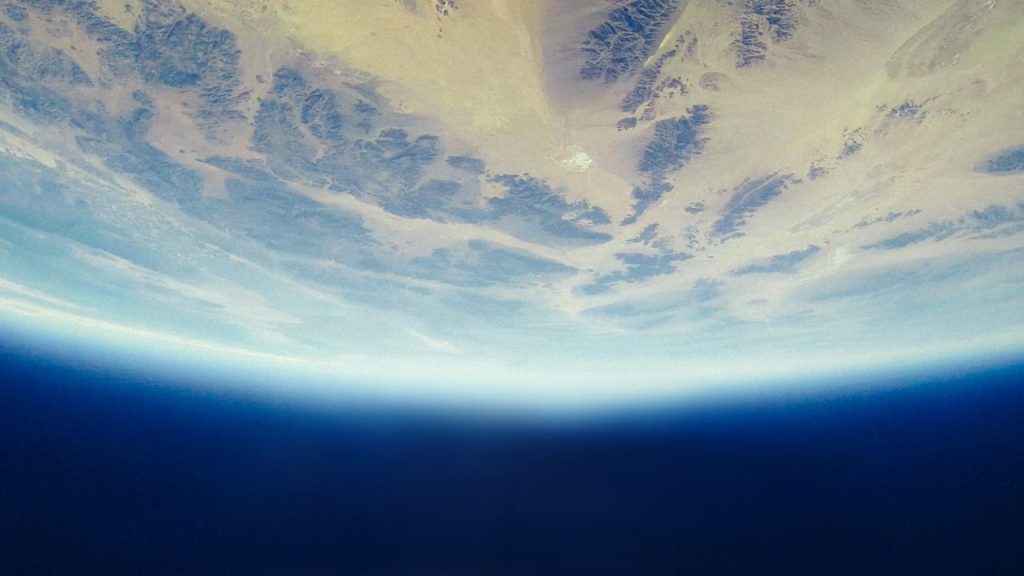
Earth is surrounded by more than air and a magnetic field. Powerful very low-frequency, or VLF, transmitters built for long-range communication, including military systems, also spill energy upward, and those waves can ride magnetic field lines into near-Earth space.
In the thin plasma above the atmosphere, VLF waves jostle charged particles, scattering some electrons into loss paths and thinning the harshest populations in key zones. Decades of transmissions appear to have shaped an electromagnetic shell, a human-made background that behaves like an extra layer of space weather, even though nobody built it for protection.
The Van Allen Belts That Make Space Feel Heavy
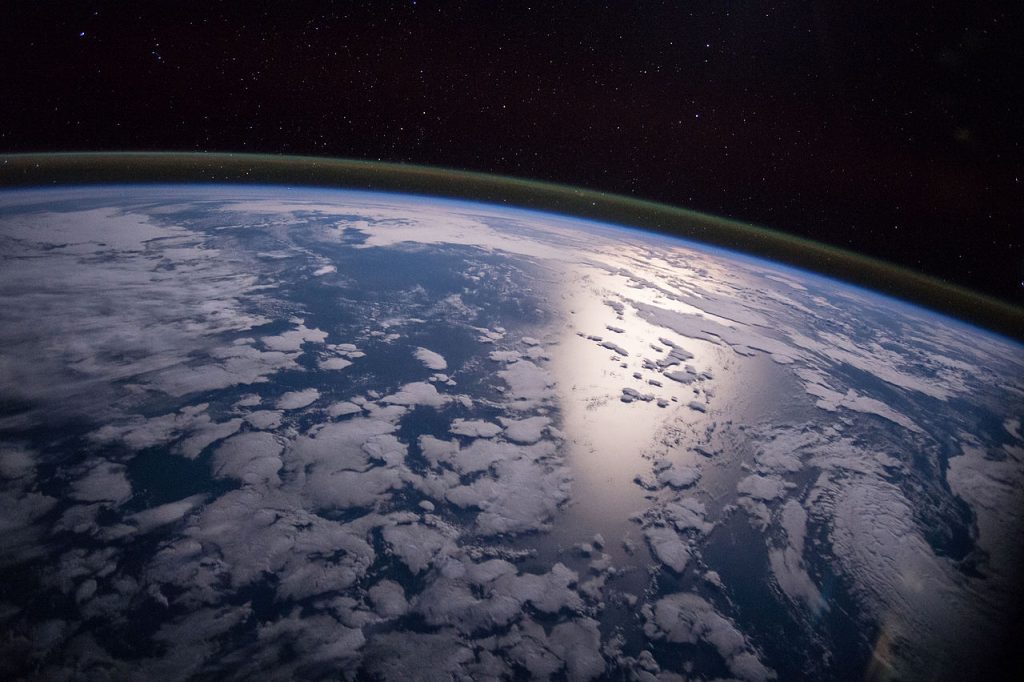
Far above the equator, two major radiation belts wrap around Earth like giant rings. They hold energetic particles trapped by the planet’s magnetic field, and they swell or retreat as solar storms pump energy into the system. Equatorial launch routes often clip parts of the belts on the way to common orbits.
The belts matter because they can degrade spacecraft electronics and shorten mission lifetimes. Any mission crossing them needs shielding and careful planning, and crews face exposure limits. The belts also help drive auroras, a reminder that the same physics can look beautiful from the ground and punishing to hardware.
The Moment Data Revealed a Clean Edge
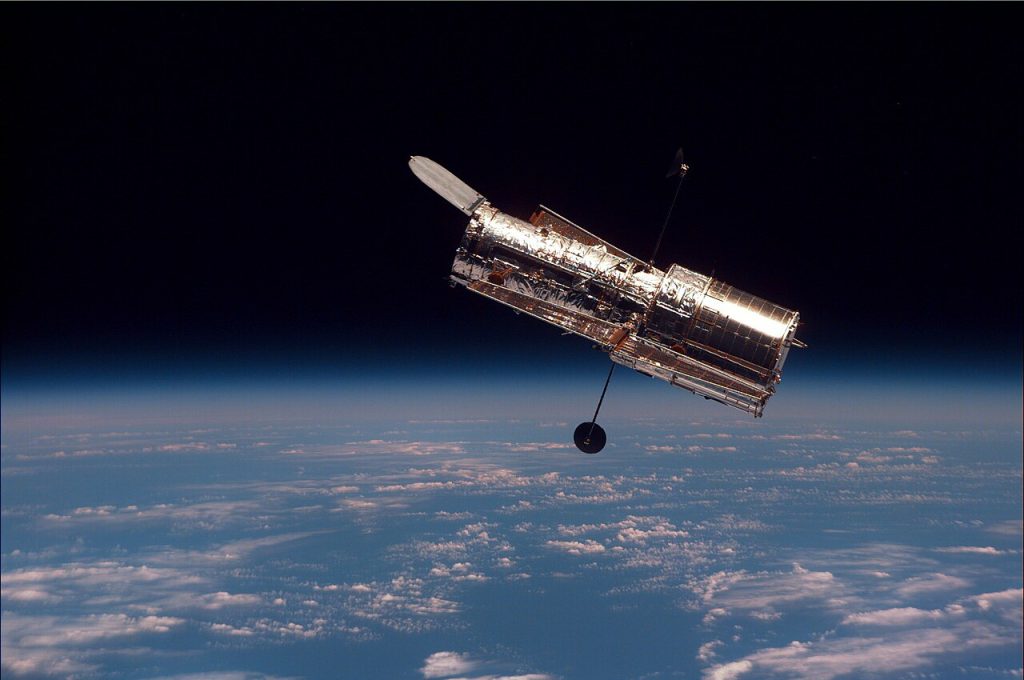
In the early 2010s, NASA launched probes to study the belts in detail, expecting messy gradients and constant change. Instead, instruments repeatedly saw a sharp inner edge for the highest-energy electrons, almost like a line drawn with a ruler in a place that rarely offers straight answers.
That edge did not match older models of the magnetosphere. It hinted that something was blocking inward drift or speeding up particle loss, holding the most extreme electrons farther from Earth than predicted, even after storms. The finding turned a routine mapping mission into a deeper question about what else was shaping the system.
How Old Signals Started Acting Like a Fence
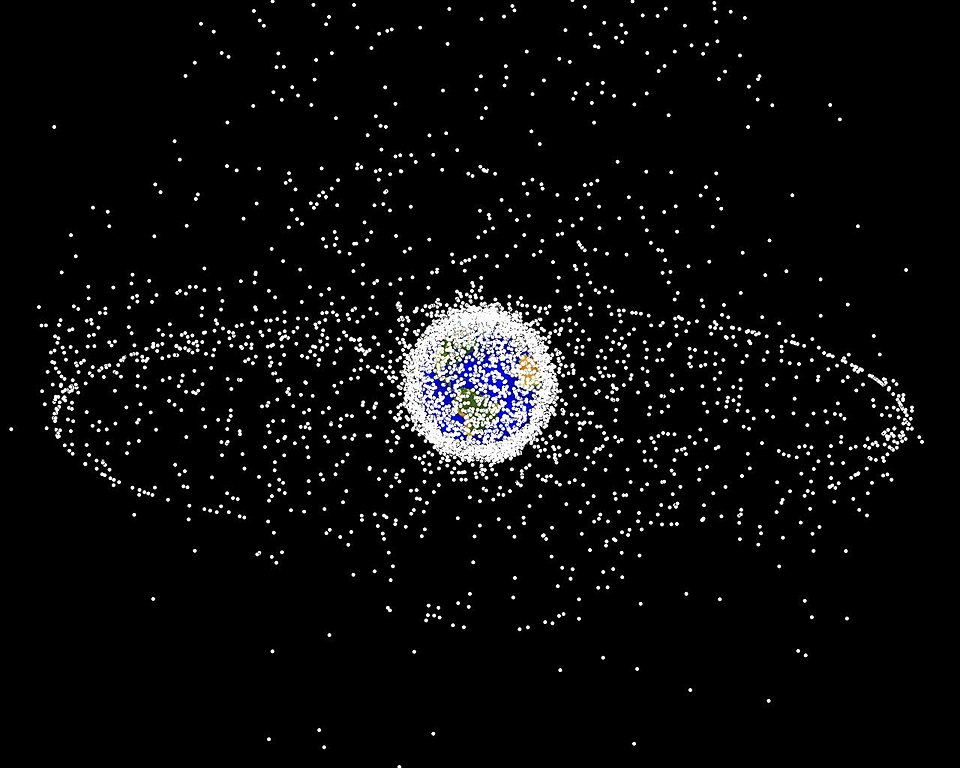
The overlap between the barrier and radio activity first looked like luck. Then researchers showed the boundary tracks regions where VLF wave power is strongest, and VLF waves are proven scatterers of energetic electrons. Much of that VLF comes from long-range ground transmitters used for decades.
Work highlighted in 2017 supported a causal link: the human-made VLF environment can help keep the harshest electrons from drifting inward in certain conditions. It does not cancel space weather, but it can shift the balance enough to matter for satellites. In a system measured in years, small losses add up fast too.
Why Satellite Operators Actually Care
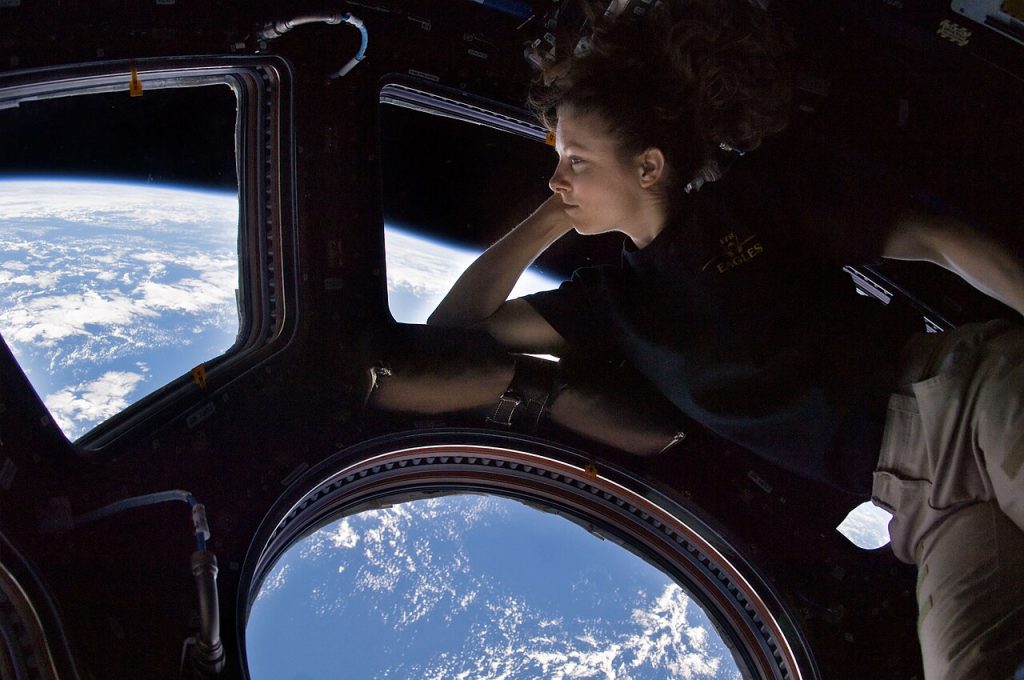
Radiation belt electrons are not abstract. They can flip bits in electronics, deepen sensor noise, and slowly weaken solar panels, which is why operators track storms and engineers plan for worst-case conditions, not average days. Surface charging is also a concern.
If VLF waves help hold the fastest electrons farther out, satellites in some orbits may see fewer extreme spikes during storm recovery. That can mean longer component life and fewer sudden faults, even though shielding and monitoring stay non-negotiable. The barrier is a modest advantage, but in space, modest advantages save real money over years in orbit.
Storms Still Rewrite the Rules
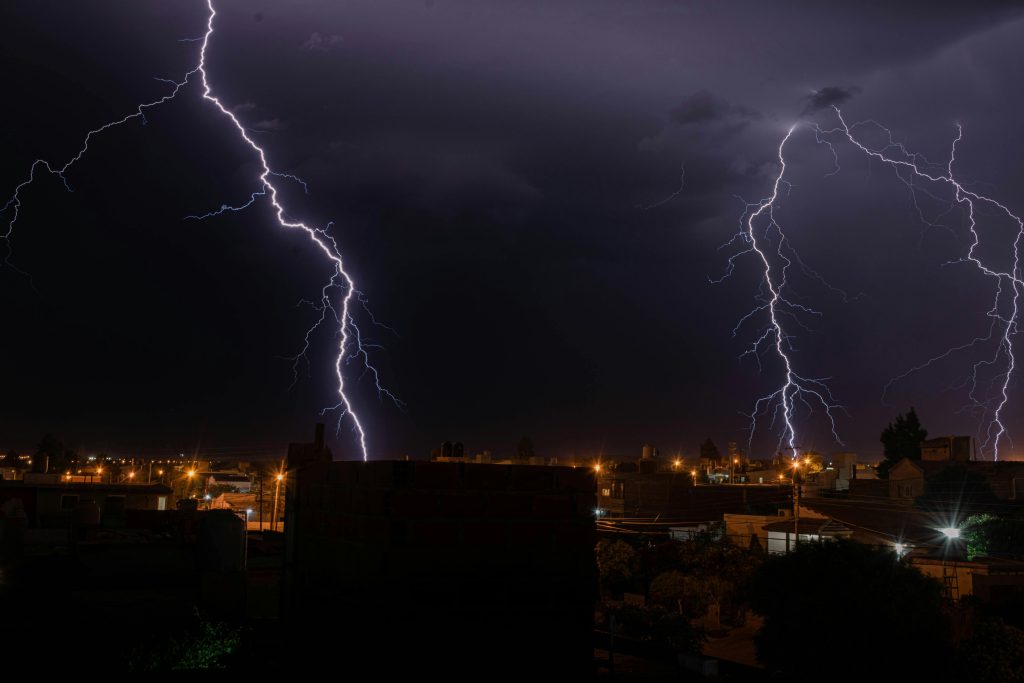
The barrier is not a permanent shield, because storms still reshape the belts quickly. During strong geomagnetic activity, particles are injected, and the outer belt can surge inward before losses catch up. Risk often peaks during recovery, when conditions change hour to hour.
VLF waves seem to matter by shifting the balance between inward drift and particle loss. Sometimes transmitter-linked waves scatter electrons or limit other wave growth nearer Earth, helping preserve the sharp edge. Other times natural dynamics overwhelm everything, and the belts behave as unpredictable as ever. The key takeaway is nuance, not guarantees.
When Spectrum Decisions Become Space Weather
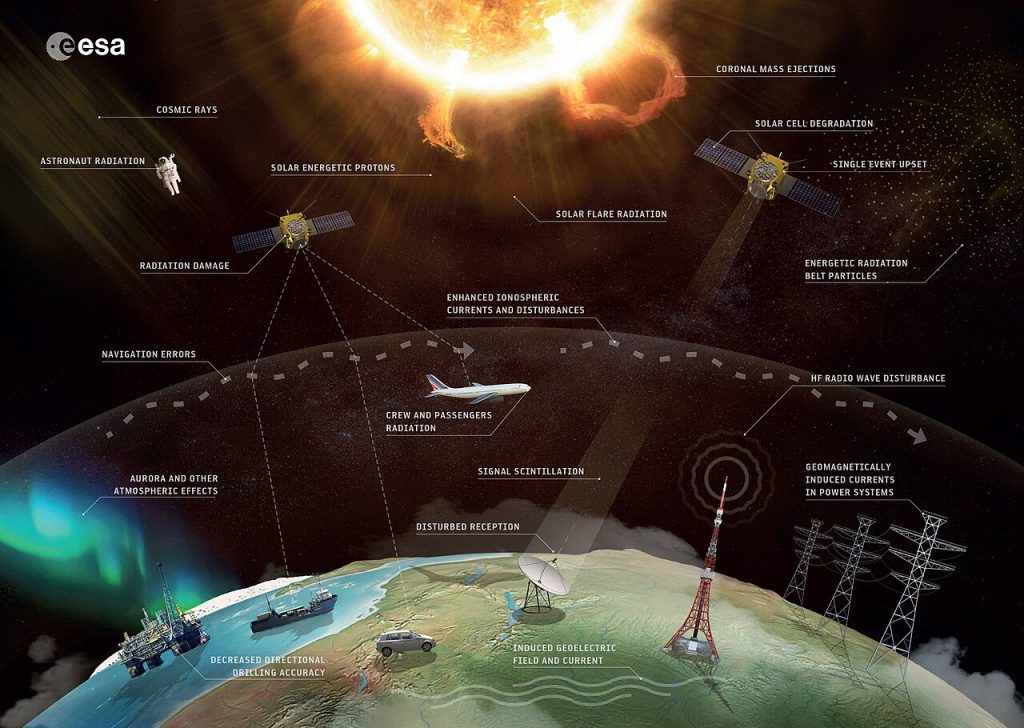
The story also reframes the radio spectrum. Frequencies are regulated to prevent interference, but the focus is usually Earth-side: aviation, maritime safety, broadcasting, and satellite links. New systems still have to coexist with GPS and other critical signals.
VLF shows that radio choices can echo beyond the atmosphere and into the physics of near-Earth space. A crowded spectrum is not only a communications issue, it can be an environmental one, shaping wave activity that particles respond to. That makes monitoring and coordination feel less like bureaucracy and more like practical stewardship of the space neighborhood.
Turning an Accident Into a Useful Tool
Once an accidental effect is measured, it invites a practical question: could similar waves be used on purpose. The idea is not a force field, but targeted wave transmission that encourages trapped particles to scatter into loss paths instead of lingering.
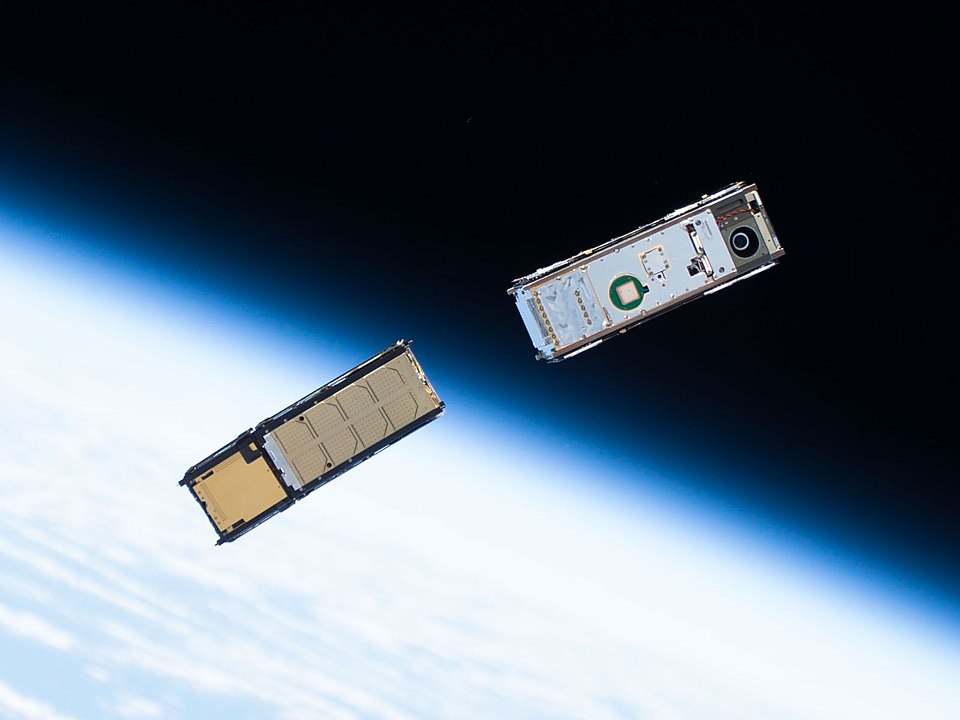
Researchers have floated using controlled VLF to nudge radiation zones during or after major storms, potentially opening safer corridors for spacecraft. Any attempt would need careful testing, because the belts respond differently across storm phases and solar cycles. Still, it is rare to find a lever that sits on the ground, runs on electricity, and reaches into space.
What This Barrier Does Not Do
The barrier does not protect everything, and it does not replace Earth’s atmosphere or magnetic field. It appears to affect the most energetic electrons inside the Van Allen system, shaping where the inner boundary forms.
That narrow scope is the point. It shows that everyday infrastructure can alter near-Earth conditions without anyone voting on it, and that those changes can be measurable, sometimes helpful, and still worth watching. The bigger lesson is responsibility: if unplanned signals can shift the belts, planned choices and better monitoring could make the space environment more predictable for missions to come.
Some of the most meaningful changes in science arrive without ceremony: a pattern in data, a mismatch that refuses to go away, a reminder that human activity leaves fingerprints far beyond city limits. The accidental VLF barrier does not make space safe, but it does make it a little more legible. In that small shift sits a quiet kind of hope: the same species that complicates its world can also learn to read it, and, sometimes, to ease the strain it creates.