

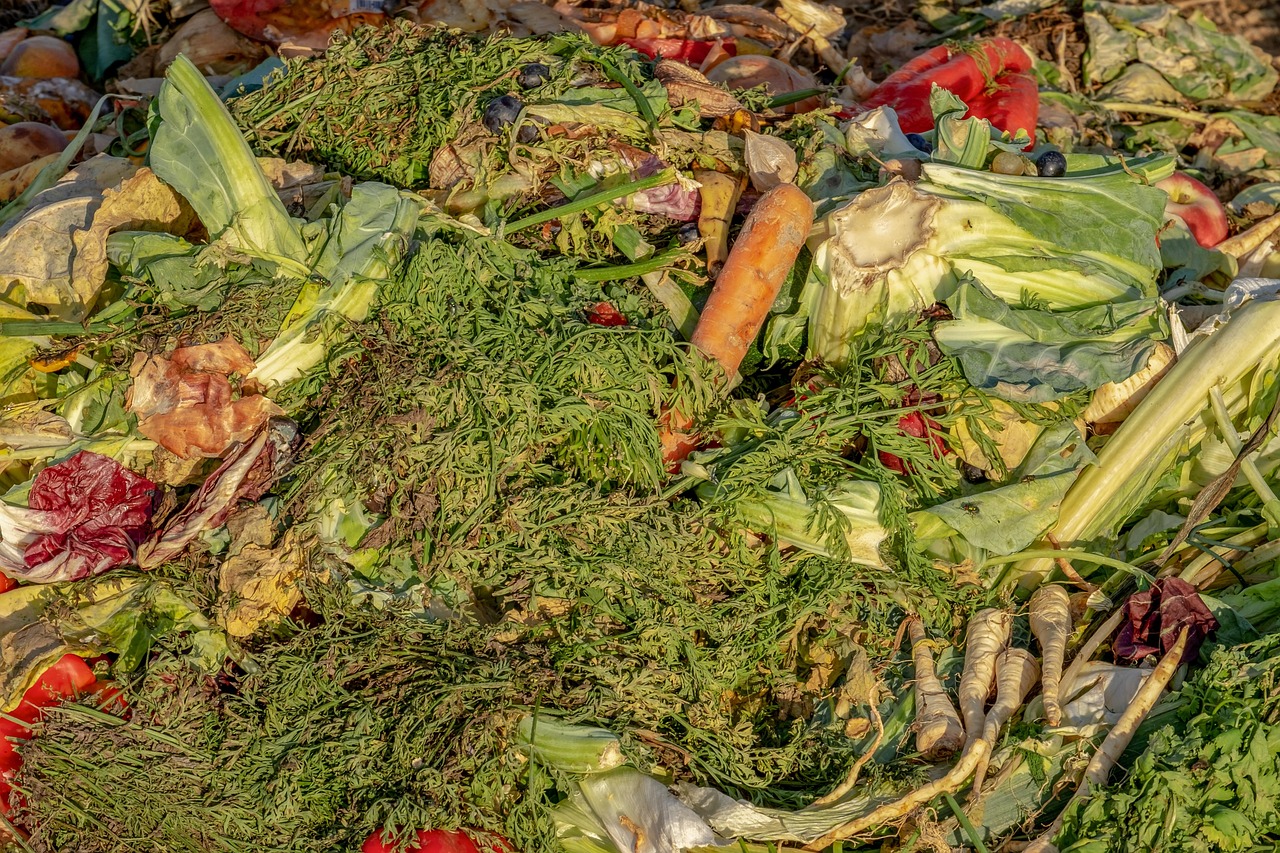
Composting feels like the most forgiving kind of gardening: a bin, a few scraps, and time. Then the smells start, flies appear, or the pile just sits there, cold and stubborn. The nuisance starts at the bin.
Most problems come from one thing: the biology gets pushed out of balance. When the mix turns too wet, too rich, or too exposed, pests get a free meal and microbes slow down. In warm, humid weather, that slide happens fast.
A healthy pile runs like a quiet engine. It stays slightly damp, holds heat, and breaks down steadily, without drama or surprise visitors. Small corrections early beat messy cleanups later.
Adding Meat, Dairy, and Grease
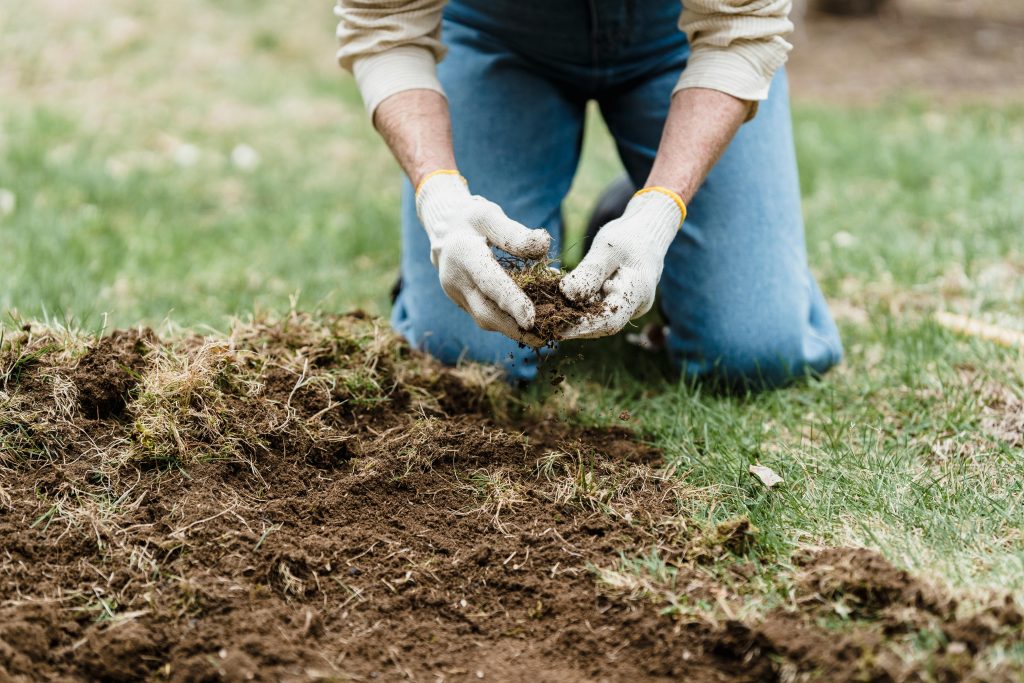
Kitchen scraps are not all equal: meat, bones, cheese, and oily leftovers break down slowly, and the scent travels past fences and sheds long before anything decomposes. Even a small container of greasy takeout can linger for days after rain, turning the bin into a dinner bell for rats, raccoons, feral cats, and curious dogs.
Those rich foods also coat browns and collapse air spaces, pushing the mix toward anaerobic rot, less heat, and more odor, which invites flies and keeps the pile stuck; keeping the feedstock plant-based and capping additions with leaves or shredded cardboard lets microbes work fast without advertising food.
Dumping Grass Clippings in Thick Mats
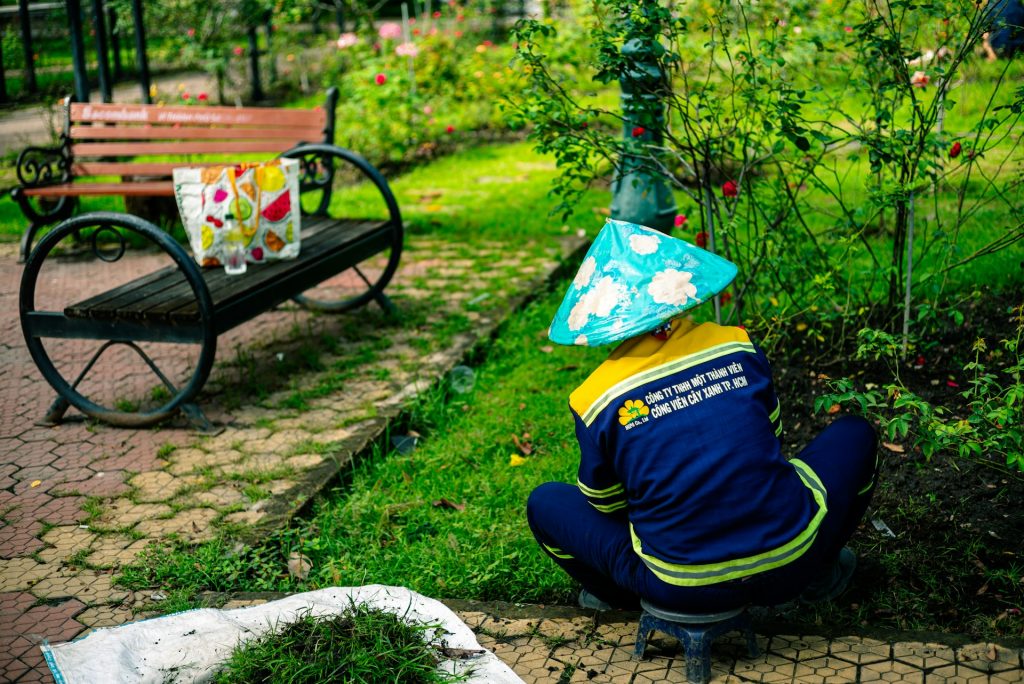
Fresh grass is nitrogen-heavy, but dumped in thick mats it sticks together like felt, especially when a lawn is cut after rain or early-morning dew. That dense layer collapses into a warm, airless pad, and the center turns sour and slick, a smell that pulls flies, gnats, and scavengers that follow odor more than sight.
With airflow blocked, the pile stops heating and decomposition crawls, so clippings should be added in small doses, stirred through, and buffered with leaves, straw, or shredded paper to keep pores open, heat rising, and pests uninterested, instead of forming a green pancake at the bottom within 48 hours.
Forgetting the Browns
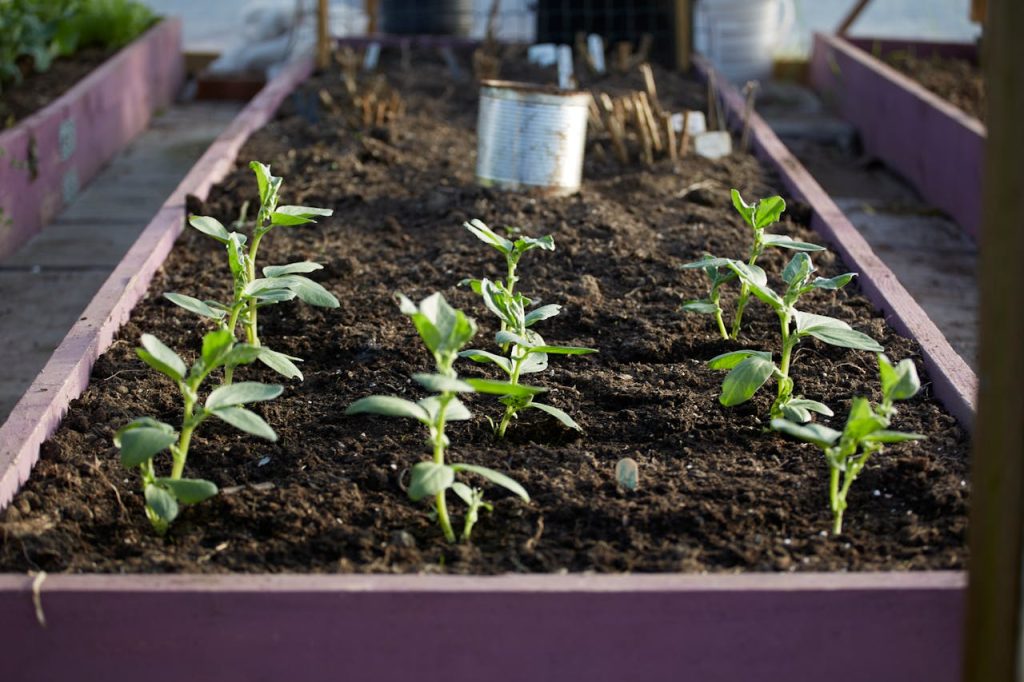
A pile fed mostly with fruit peels, coffee grounds, and other wet kitchen waste looks productive, but without enough dry carbon it turns heavy, shiny, and sour in the middle. Odor becomes the first signal, and that smell draws flies, rodents, and strays, while seepage can invite ants and stain patios.
Browns like leaves, shredded cardboard, and plain paper add structure as much as fuel, creating air pockets that let microbes breathe and heat build; when a fresh addition gets capped with a thick, dry layer, the texture stays springy, the pile stays hotter, and the breakdown keeps moving, even through damp weeks and cool nights.
Leaving Scraps Exposed on Top
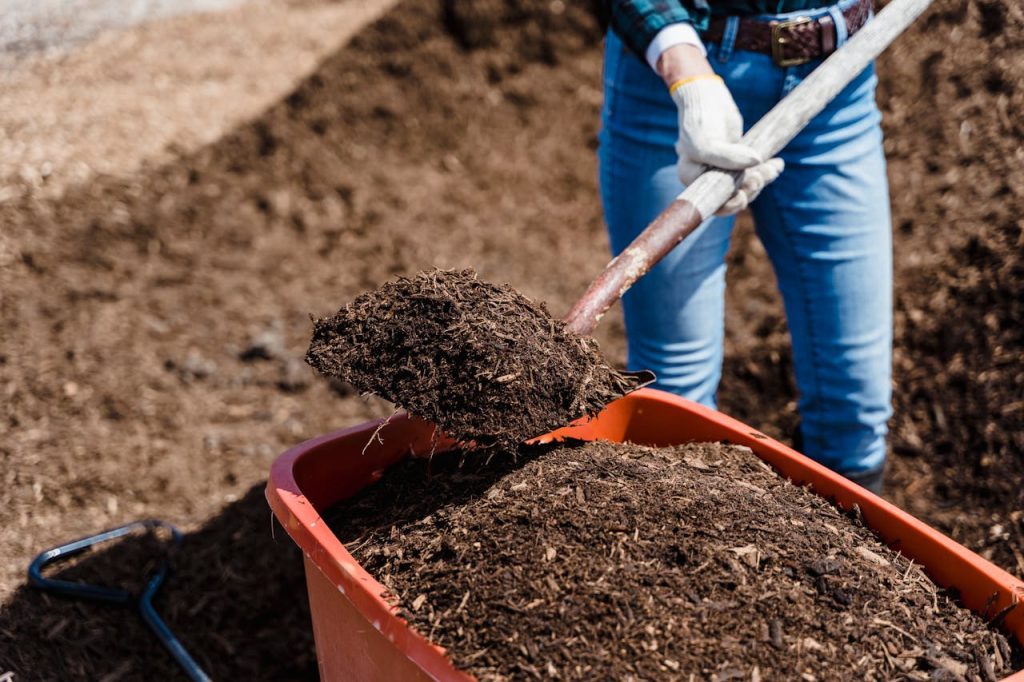
Food left on the surface is a billboard: fruit skins, bread, and trimmings dry out in sun, re-wet at night, and start smelling loud enough to travel. Flies and beetles arrive first, then birds peck and scatter pieces, ants follow crumbs, and larger pests learn that the easiest meal is the one that does not require digging.
Exposure also slows composting because the top crust dries while the middle stays wet, so the pile stops behaving as one system; a thick cap of leaves, straw, or finished compost acts like insulation, traps scent, evens moisture, and keeps the hot, active zone working where microbes can stay busy all week.
Keeping the Pile Too Wet
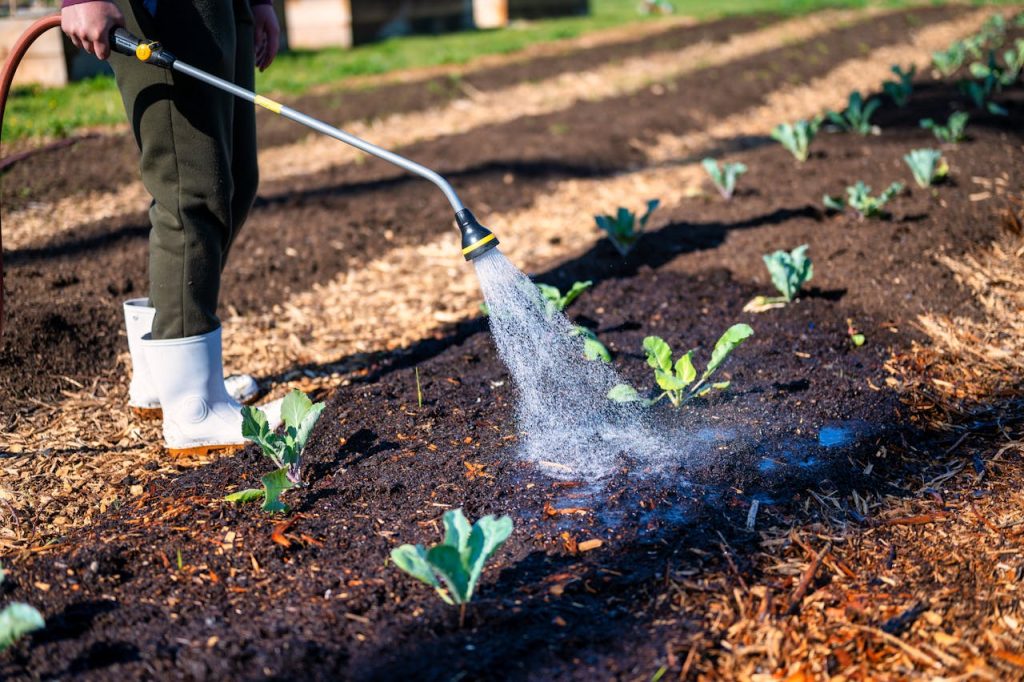
A compost pile should be damp, not soaked, but open bins can take on rain like a bucket, and kitchen-heavy mixes can be watered until they slump. When air spaces fill with water, oxygen disappears, odors rise, and flies and gnats treat the surface like a landing strip, while scavengers follow the smell after dark.
Waterlogging cools aerobic microbes and slows breakdown because the biology cannot breathe, so the pile shifts to slower, stinkier decay; adding generous dry browns, improving drainage under the bin, and keeping a lid or tarp on top helps heat return and prevents leachate from pooling and staining hard surfaces.
Letting the Pile Dry Out
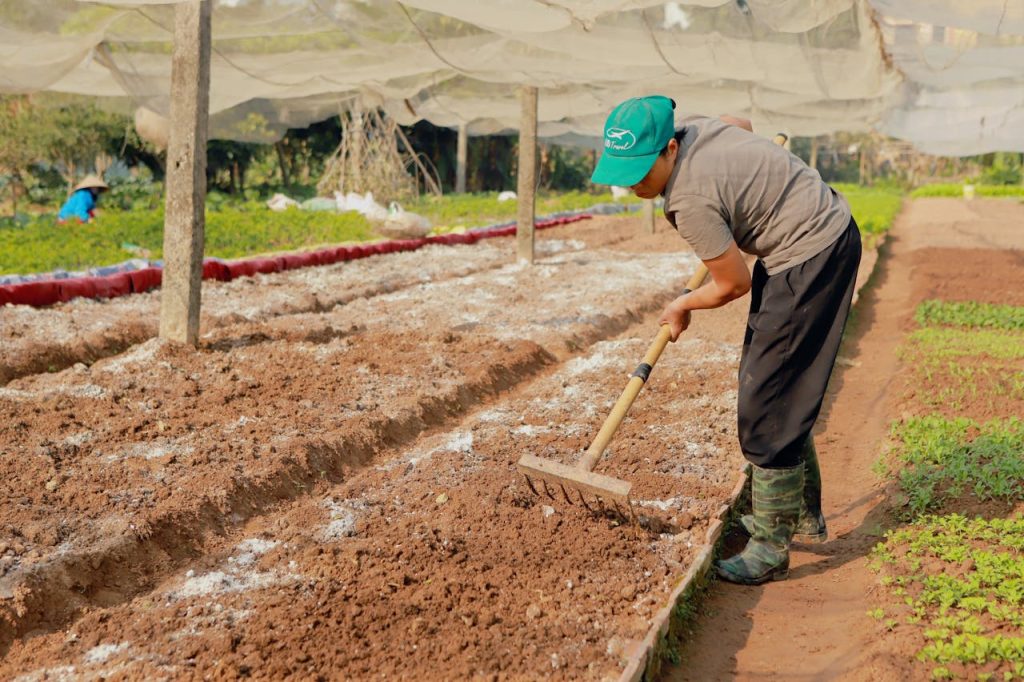
A pile that looks dusty and papery is not composting; it is just holding material in place while sun and wind wick away the moisture microbes need. Without moisture, bacteria and fungi slow down, the core never heats, and food scraps linger long enough to draw scavengers, while ants move in because crumbly warmth suits them.
The stall gives pests time to nest and forage, so light watering during turning and moisture-holding materials like leaves, torn cardboard, and finished compost bring the texture back to a wrung-out sponge and get decomposition moving again before the pile becomes a dry hiding spot for weeks in summer.
Tossing in Big Chunks Uncut
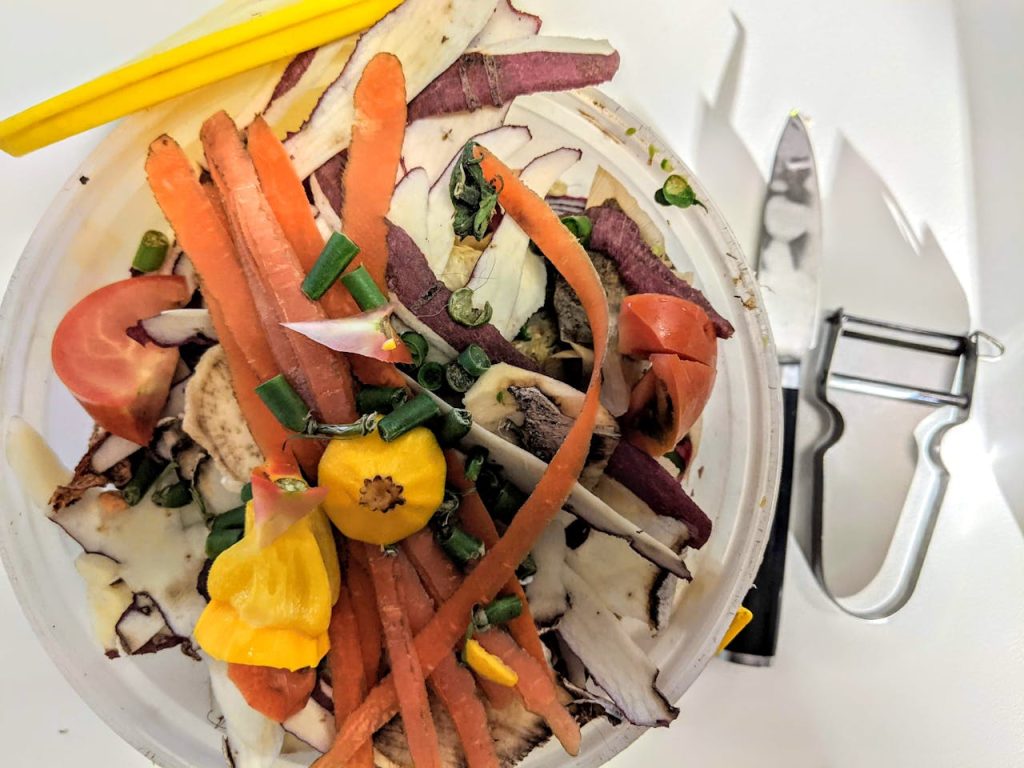
Whole corn cobs, thick stems, and intact melon rinds can take months to soften, so they sit in the pile like durable leftovers that refuse to blend in. That gives pests something to grab and drag, and it can leave hollow pockets where rodents tuck in, especially in winter when the pile is not staying hot.
Smaller pieces expose far more surface area, so microbes heat the core faster and materials disappear instead of lingering, which is why chopping scraps, shredding leaves, tearing cardboard, and snapping sticks keeps the pile compact enough to cook yet porous enough to breathe, and less tempting to chew on when nights get cold.
Skipping Turning and Aeration
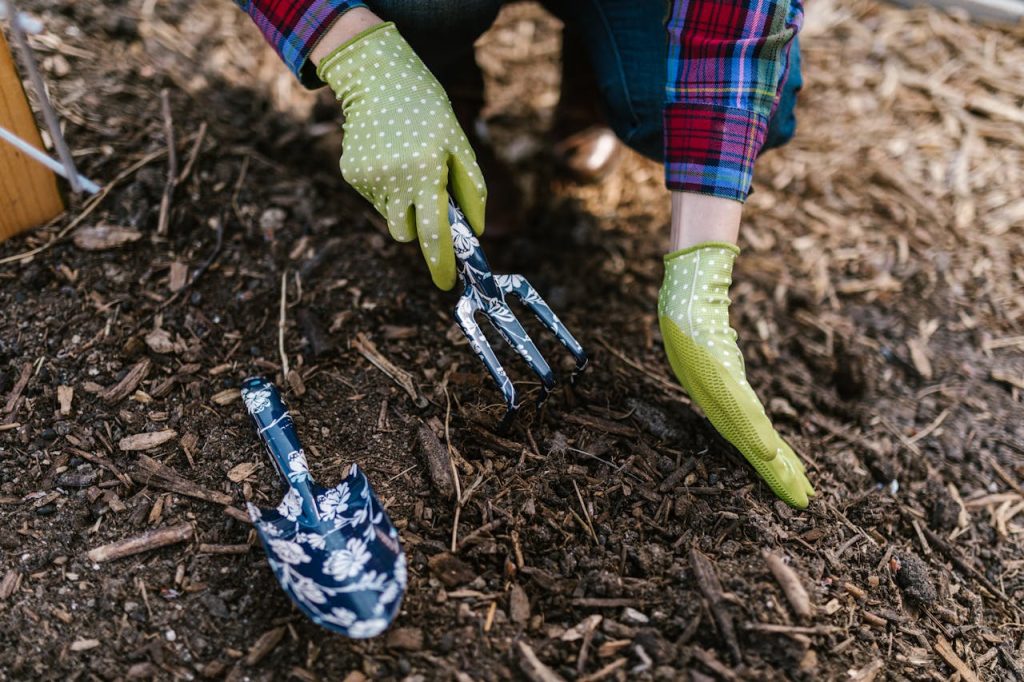
A pile left untouched tends to settle like a damp mattress, with the bottom compacting and the center going low on oxygen, especially in tight plastic bins that do not breathe much. Decomposition shifts from clean heat to slow fermentation, odors leak out, and flies and animals read that stink as a food signal long before the pile ever finishes.
Turning, fluffing, or even poking deep air shafts resets airflow, breaks up mats, and redistributes moisture, moving fresh material into the hot core so temperatures climb and the pile starts shrinking again instead of sitting there as a smelly, pest-friendly lump within days.
Composting Pet Waste in the Main Pile
Dog and cat waste, including used litter, belongs in a controlled system, not mixed into the same pile used for garden compost. Beyond health concerns, the scent can attract other animals looking to mark territory or scavenge, and it can draw flies, which often leads to scattered material and a bin that never stays settled.
It can slow the whole process as well, because a pile that is avoided, handled cautiously, or kept cooler loses the turning and heat that drive breakdown, so pet waste is better managed in dedicated digesters or approved programs while plant-based inputs keep the main pile clean and quick for the garden.