

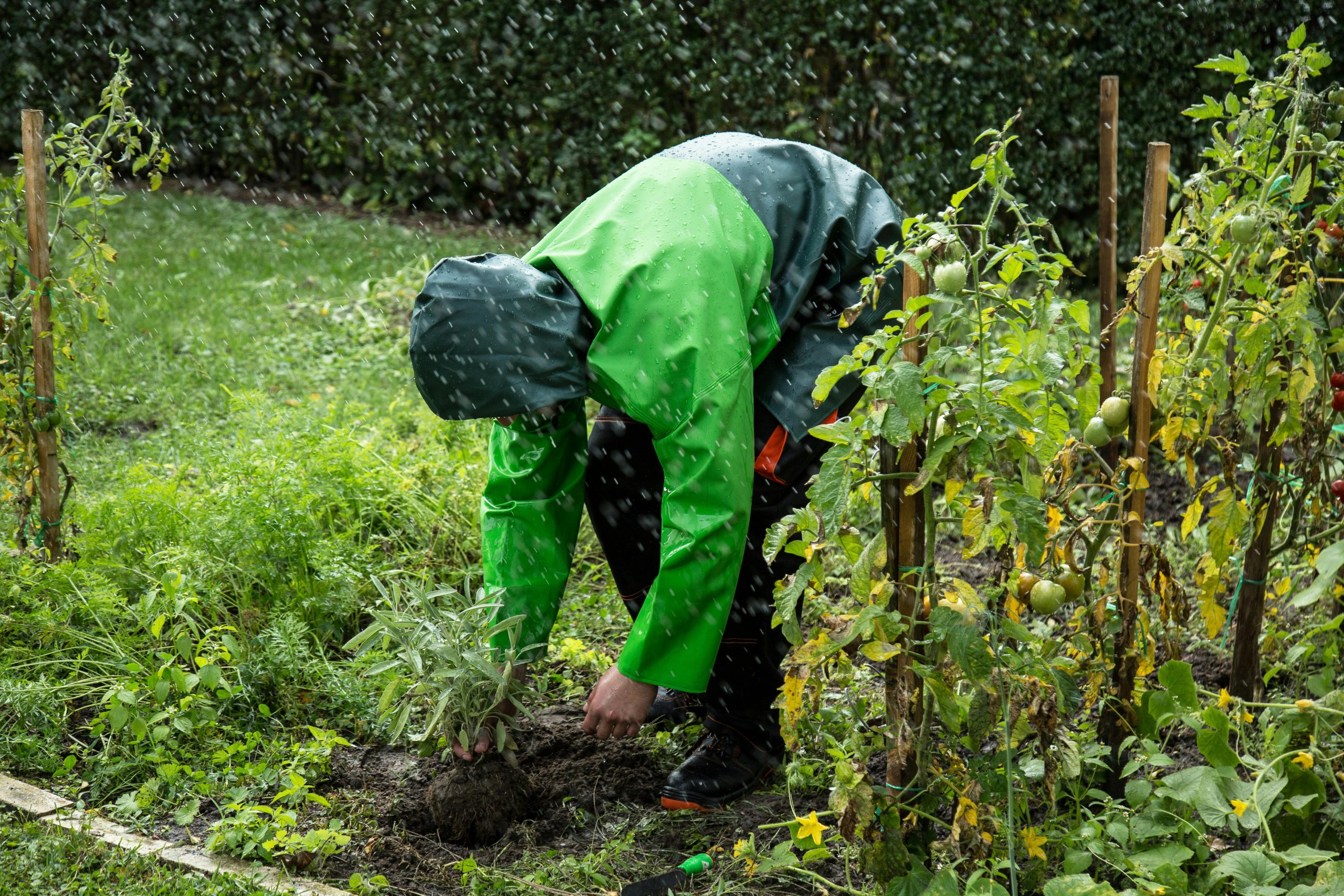
February is the quiet pivot between winter fatigue and spring momentum. Beds may still look sparse, but this month decides whether the coming season feels calm or chaotic. Early, practical work now prevents rushed sowing, weak transplants, pest flare-ups, and tangled pruning later. As daylight lengthens and soil slowly shifts, each small task compounds: roots establish sooner, tools stay reliable, and plant stress drops before growth accelerates. The most productive gardens are rarely built in April alone. They are shaped in February, while timing is still on the gardener’s side.
Start Seeds Indoors Before Outdoor Conditions Catch Up
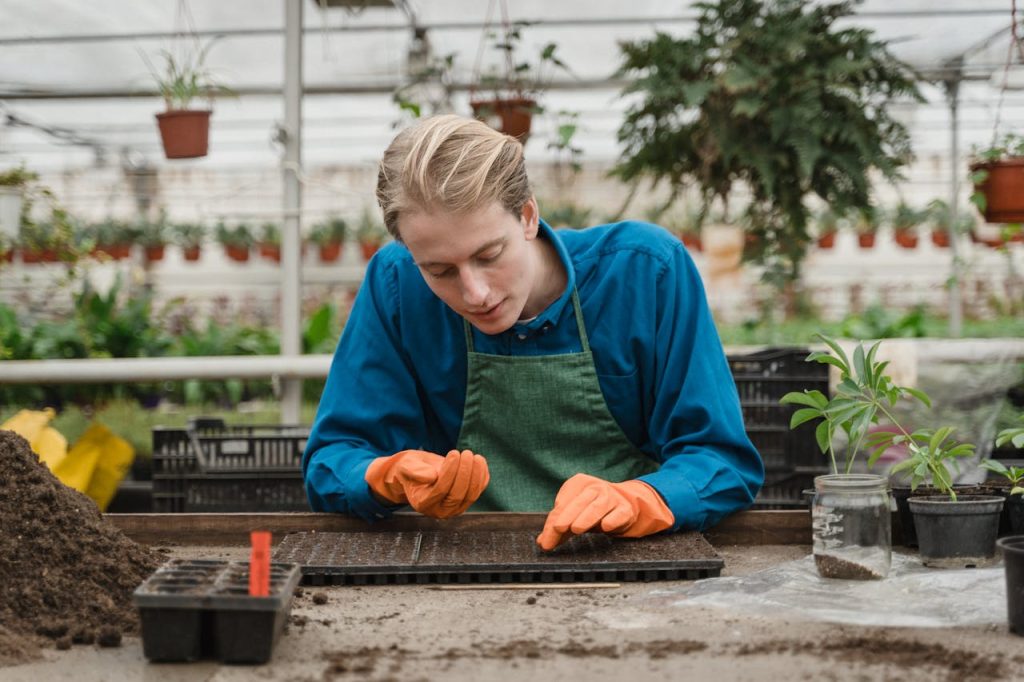
Seed starting in February gives warm-season crops a structural advantage that is hard to recover later. Tomatoes, peppers, chilies, leeks, and many salad crops need time to build compact roots and sturdy stems before transplanting weather arrives. Starting too late often creates rushed, uneven plants that struggle once moved outside. Early sowing under steady light and controlled moisture produces stronger, more predictable growth, especially for long-season varieties.
Flower seedlings also benefit from this head start. Cosmos, salvias, and sweet peas started under cover tend to establish faster and bloom with better timing. In mild areas, broad beans, carrots, or cabbages may be sown outdoors under cloches if soil is workable. If ground is frozen or waterlogged, waiting is smarter than forcing a poor start. Timing in February is less about urgency and more about setting clean, stable momentum.
Chit Potatoes for Quicker, More Even Spring Growth
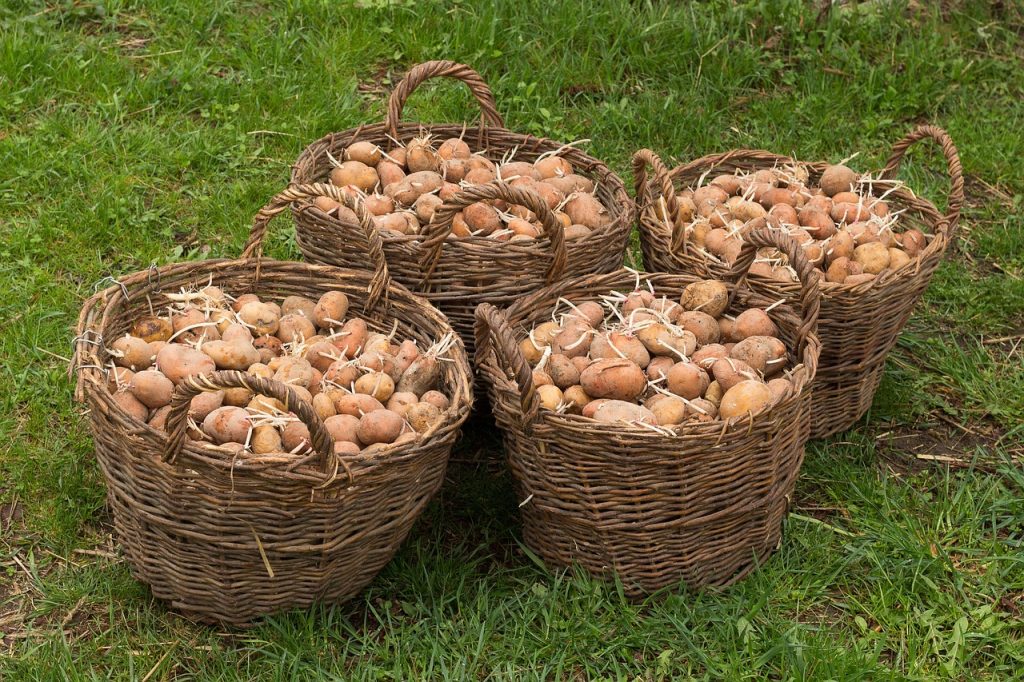
Chitting seed potatoes in February solves one of spring’s most common frustrations: delayed and patchy emergence. Placing tubers eye-side up in egg cartons or shallow trays, then keeping them in bright, indirect light, encourages short, sturdy shoots before planting time. Those shoots help potatoes break away faster once they enter cool spring soil. Without this step, growth can be uneven, and harvest timing often becomes less reliable.
As sprouts develop, about 2 cm is usually a practical planting-ready target for March or April, depending on local weather. For larger tubers, retaining only three or four strong shoots can improve energy distribution and produce better-quality plants. This simple indoor step takes little space, yet it sharpens spacing plans, reduces replanting risk, and helps the crop establish as a unified stand rather than scattered singles.
Plant Bare-Root Roses and Fruit While Dormancy Works in Your Favor
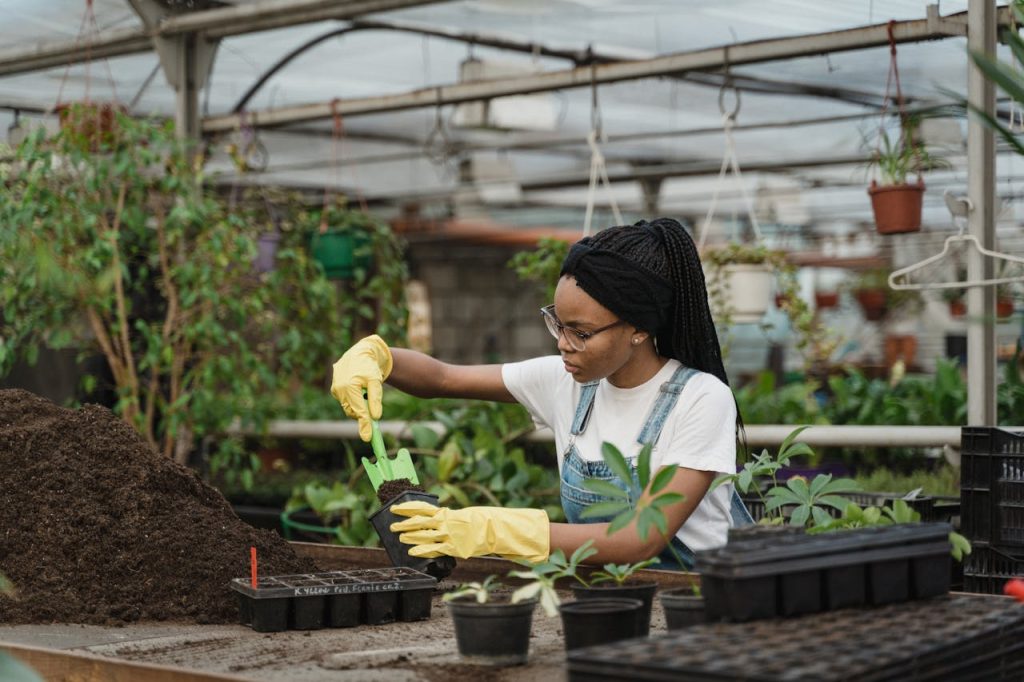
February is ideal for bare-root planting because dormant plants can focus on roots before top growth demands resources. Roses, raspberries, strawberries, and many shrubs establish more effectively when planted into workable soil now rather than after active growth begins. Bare-root stock is often more economical than container plants, but the real advantage is biological: early root contact with cool, moist ground encourages steady anchoring before heat stress arrives.
Soil conditions still matter. If the ground is frozen, waterlogged, or heavily compacted, waiting a little is wiser than forcing installation. When conditions are right, firm planting, proper watering-in, and light mulching can set plants up for a stronger first season with fewer setbacks. Early establishment usually means better drought tolerance, cleaner cane development, and less corrective work once spring tasks begin to stack.
Prune With Intent for Structure, Airflow, and Healthy New Growth

Good February pruning is not about cutting everything back. It is about timing each cut to plant biology. Winter-flowering shrubs are best pruned after blooming, while roses, many clematis groups, blackcurrants, gooseberries, and wisteria often benefit from dormant-season shaping. Summer-flowering shrubs that bloom on new wood, such as buddleia and Hydrangea paniculata, also respond well to correctly timed reductions that stimulate strong spring shoots.
This work improves airflow and light penetration before disease pressure increases in warmer weather. It also prevents crowded canopies that trap moisture and encourage fungal issues. The main caution is to avoid pruning spring-flowering shrubs too early, since that can remove forming buds. Thoughtful, species-specific pruning in February creates cleaner plant architecture now and fewer rescue interventions when growth speeds up later.
Pot Up Summer Bulbs and Tubers Indoors for a Cleaner Start

Summer performers like lilies, dahlias, and gladioli gain a meaningful advantage when started under cover in February. Indoors or in a cool greenhouse, they can establish roots before outdoor temperatures become reliably mild. That early rooting reduces transplant stall and helps plants settle faster once moved outside. It also gives better control over spacing and sequence, which matters when borders are designed for long, continuous color.
Dahlia tubers respond well to lightly moist compost and bright conditions, while gladioli corms started in trays often flower earlier than direct-planted corms. Lilies also appreciate a protected start that avoids cold shocks in wet ground. This approach does not force unnatural growth. It simply aligns plant development with safer conditions, so spring planting becomes smoother, bloom timing becomes easier to manage, and performance is more consistent.
Recheck Frost and Wind Protection Before Late Cold Returns
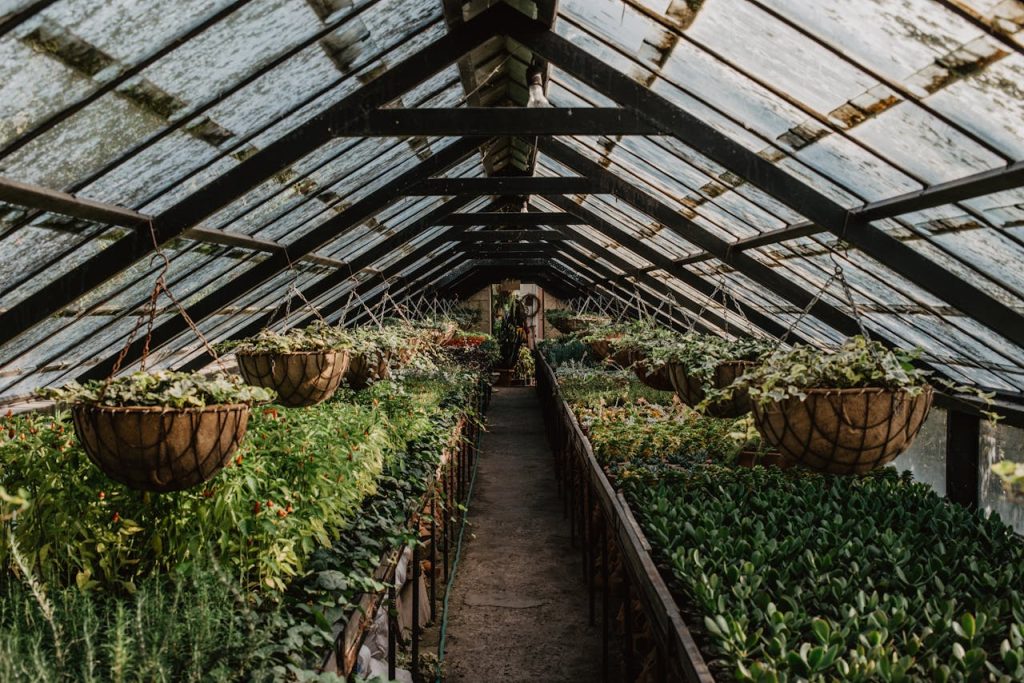
February can look gentle one week and turn severe the next. That variability is why protection checks matter now. Fleece, cloches, netting, and temporary frames should be inspected, re-secured, and adjusted around exposed pots, tender shoots, and wall-trained plants. Wind loosens covers long before visible damage appears, and one overlooked opening can expose new growth to unnecessary stress during a cold snap.
After storms, quick checks are especially useful. Wet, sagging material can press on foliage, and loose anchors can turn protection into abrasion points. Good protection is not just insulation; it is stability against temperature swings and mechanical stress. A short maintenance round in February often prevents tissue damage, uneven recovery, and replacement costs that would otherwise show up in March and April.
Warm the Soil and Mulch Early to Stabilize Spring Planting
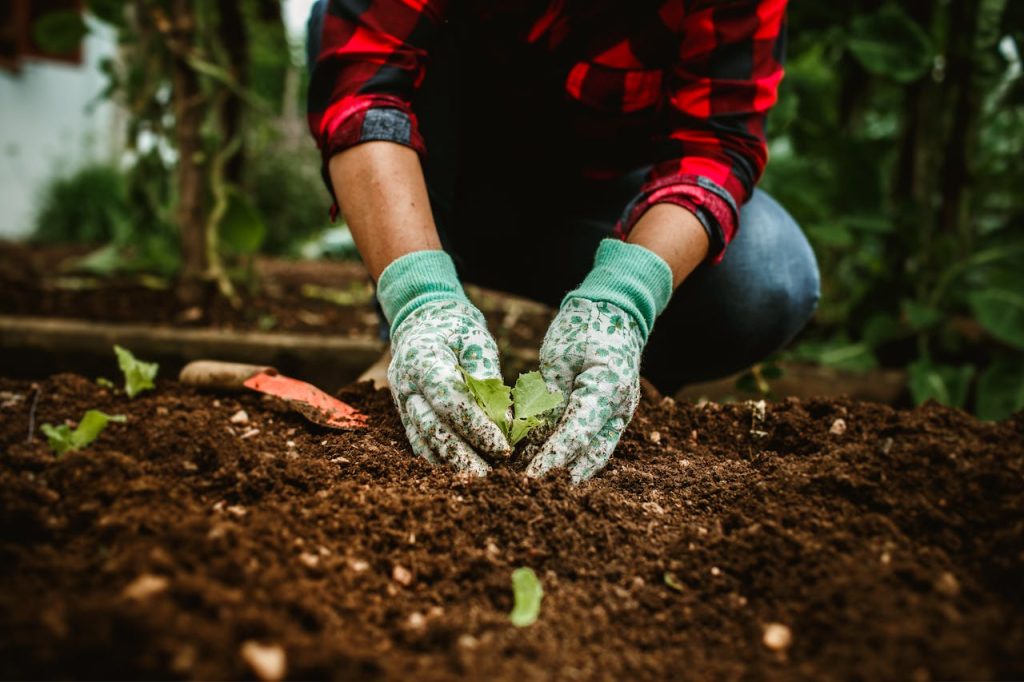
Pre-warming soil in February improves early sowing success by reducing the gap between seed needs and ground reality. Covers such as cloches, cardboard, or horticultural fabric help trap daytime warmth, buffer repeated chilling, and limit surface compaction from heavy rain. That creates a more workable seedbed once planting windows open. Seeds germinate more evenly, and young roots face fewer abrupt temperature shocks in their first critical days.
Mulching around trees, shrubs, and fruit bushes at the same time adds another layer of prevention. Compost or other organic matter moderates moisture swings, feeds soil biology, and protects shallow feeder roots from late frosts. Together, warming and mulching create steadier conditions below ground, where most spring problems begin. The result is fewer stalls, better establishment, and less corrective watering when growth accelerates.
Reset Houseplant Care as Light Levels Begin to Rise
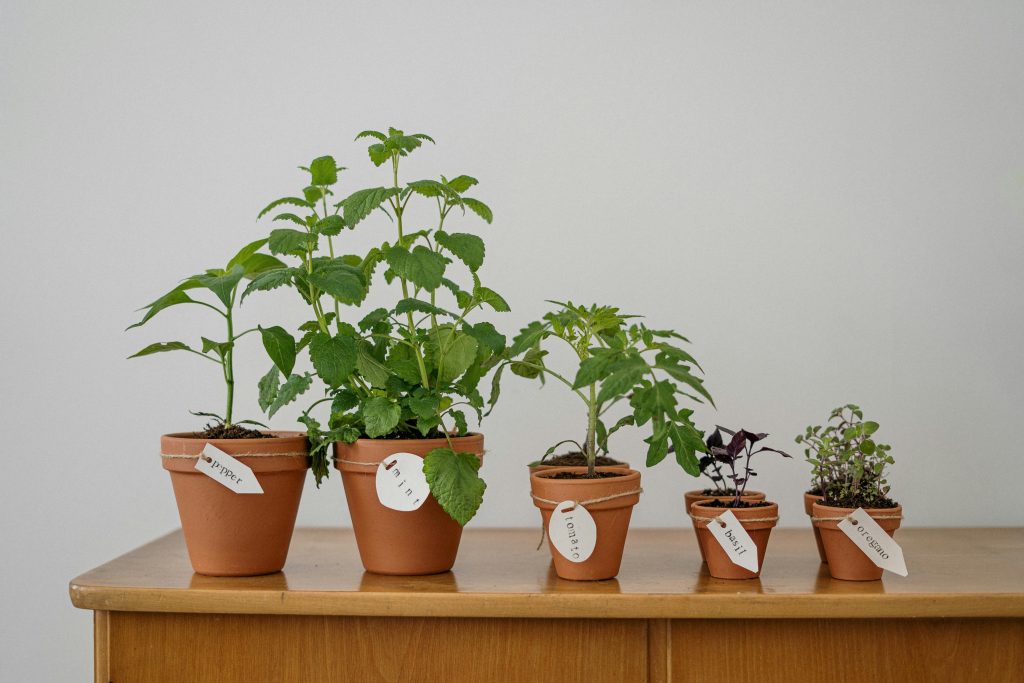
Houseplants often coast through winter, but February is when care routines need recalibration. As daylight increases, many plants become more active and require better light positioning to avoid weak, stretched growth. Moving them closer to bright windows, while avoiding cold drafts, improves photosynthesis without sudden stress. This is also a good time to rotate pots, so stems develop more evenly rather than leaning hard toward one light source.
Watering still needs restraint. Soil that remains damp should not be topped up, because overwatering in cool conditions is a common trigger for root problems. A finger check is simple and reliable. Dusting leaves improves light capture and helps spotting pests early, especially on undersides where infestations begin quietly. These small adjustments protect houseplants from late-winter decline and prepare them for stronger spring growth.
Clean, Sharpen, and Service Tools Before Workload Peaks
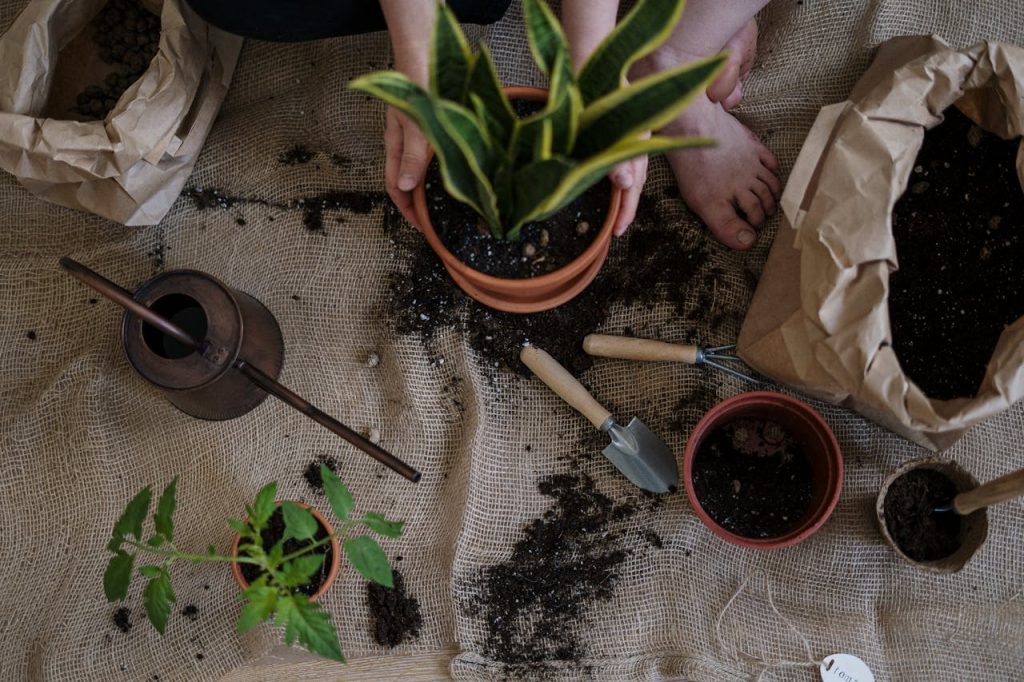
Tool maintenance in February protects both plants and schedule. Clean, sharp blades make precise cuts that heal faster, while dull or dirty tools crush tissue and can spread disease between plants. Pruners, loppers, and knives should be scrubbed, dried, sharpened, and lightly oiled before heavy pruning season begins. This is routine work, but it has a direct impact on plant recovery and overall garden hygiene.
Containers and seed trays also need attention. Reused pots can carry algae, fungal spores, and residue that compromise seedlings, so proper washing before sowing is worth the time. Mowers and irrigation fittings should be checked now rather than on the first busy spring weekend. Preventive service reduces downtime, avoids rushed repairs, and keeps early-season momentum focused on planting and growth instead of avoidable equipment problems.
Deadhead Winter Containers and Remove Pest Shelter Early
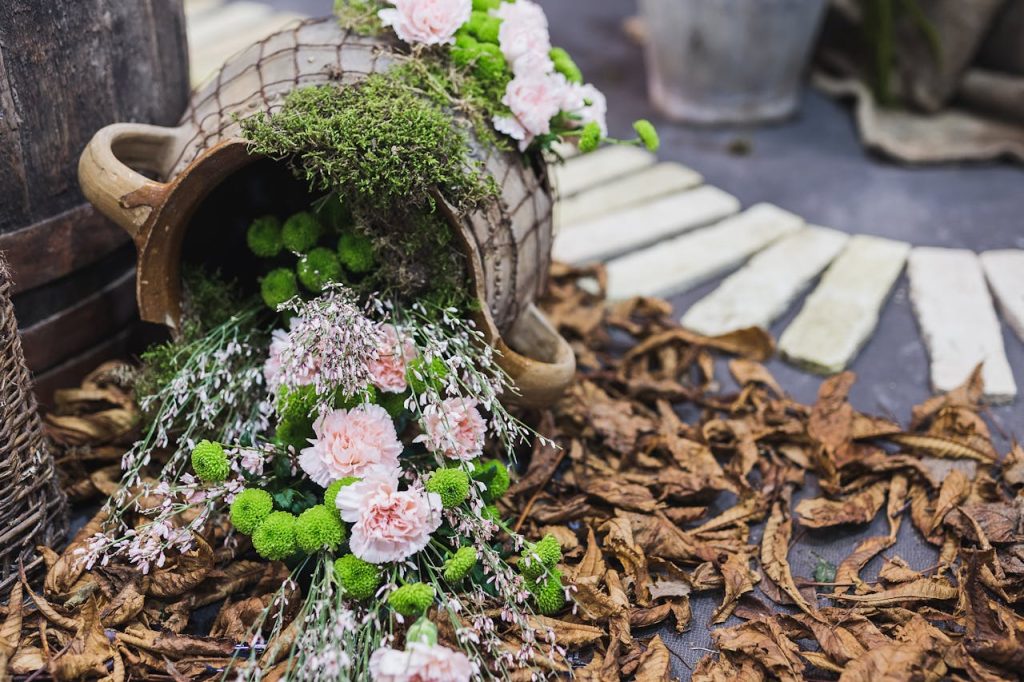
Winter containers can look tired by February, but careful cleanup restores energy flow quickly. Removing spent flowers from violas, pansies, and primulas redirects plant resources toward fresh buds and new foliage. Trimming yellow leaves and tidying stems also improves airflow around crowns, which helps reduce damp-related disease risk. A small amount of feeding after cleanup can support rebound growth as temperatures and light begin to rise.
By the end of February, the garden may still appear restrained, yet the foundation is already in place. Roots are settling, shoots are timed, tools are ready, and vulnerable plants are better protected against late swings in weather. Strong seasons are usually built through practical decisions made before urgency arrives. When these February jobs are done with care, spring opens with steadier growth, fewer setbacks, and a pace that feels controlled rather than reactive.