

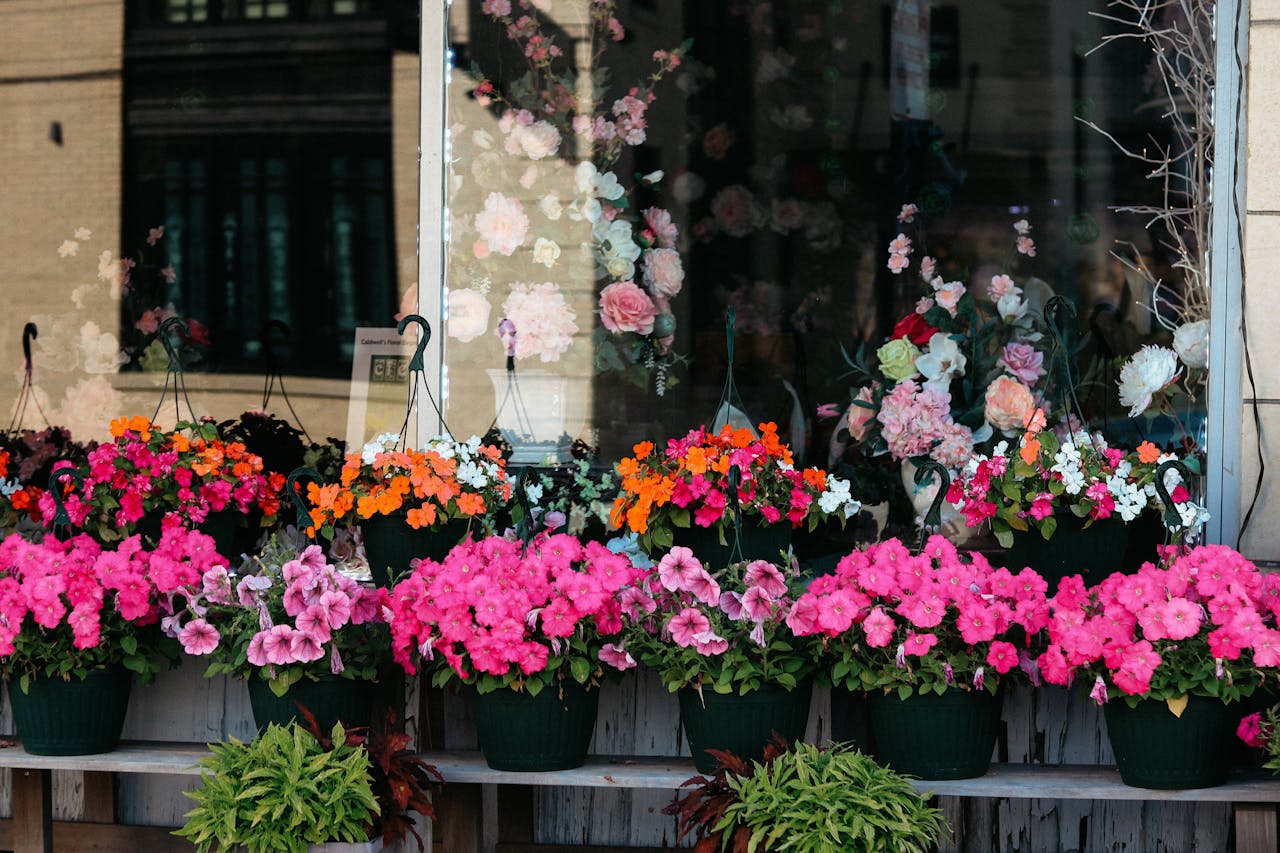
Glowing petunias look like magic, so bad advice travels fast. A single viral post can turn normal care into guesswork, and guesswork gets expensive when premium plants stop blooming well. Most disappointments come from simple errors that seem harmless at first: dim placement, soggy roots, missed feeding, cramped containers, or bright porch lights that hide what the plant is already doing. The gap between a fading novelty and a reliable nighttime show is rarely mystery. It is steady, practical care done on schedule, with attention to how the plant behaves from week to week and through changing weather all season long.
Shade Makes The Glow Stronger
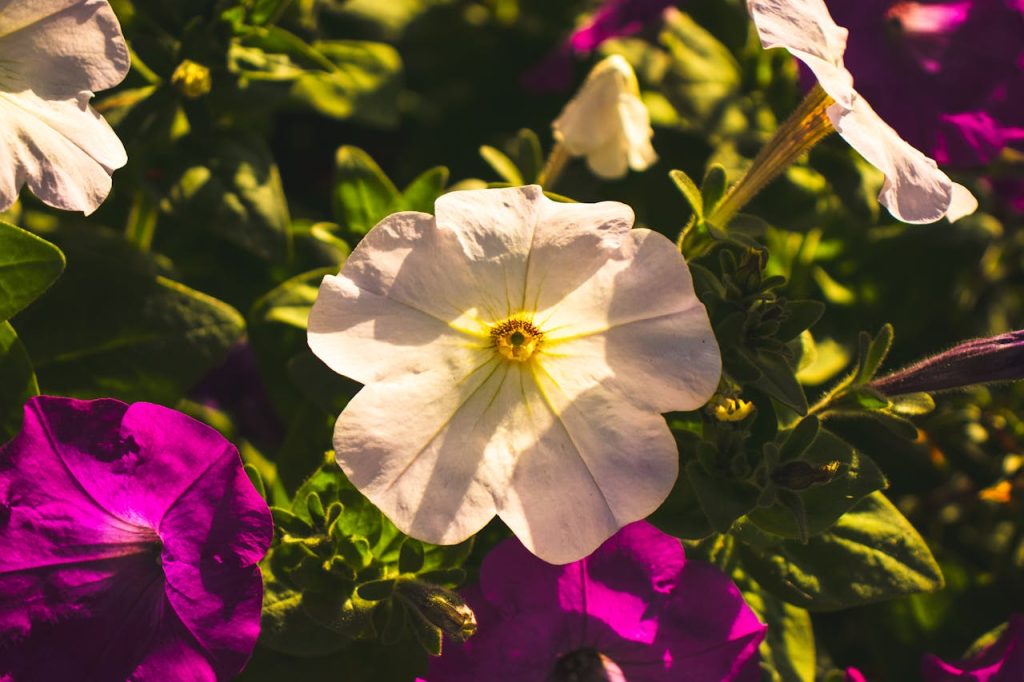
Myth says low light protects the glow. In practice, that advice usually does the opposite. Light Bio guidance calls for full sun, about six to 12 hours daily, and notes that partial shade can reduce visible bioluminescence. University guidance for petunias supports the same pattern, since shade typically lowers bloom performance and overall vigor.
A dim corner may keep foliage alive, but it rarely supports strong flowering and strong glow together. When growers move these plants to brighter spots and keep moisture steady, the nighttime effect often rebounds in fresh growth cycles.
Feeding Less Keeps The Plant Healthier
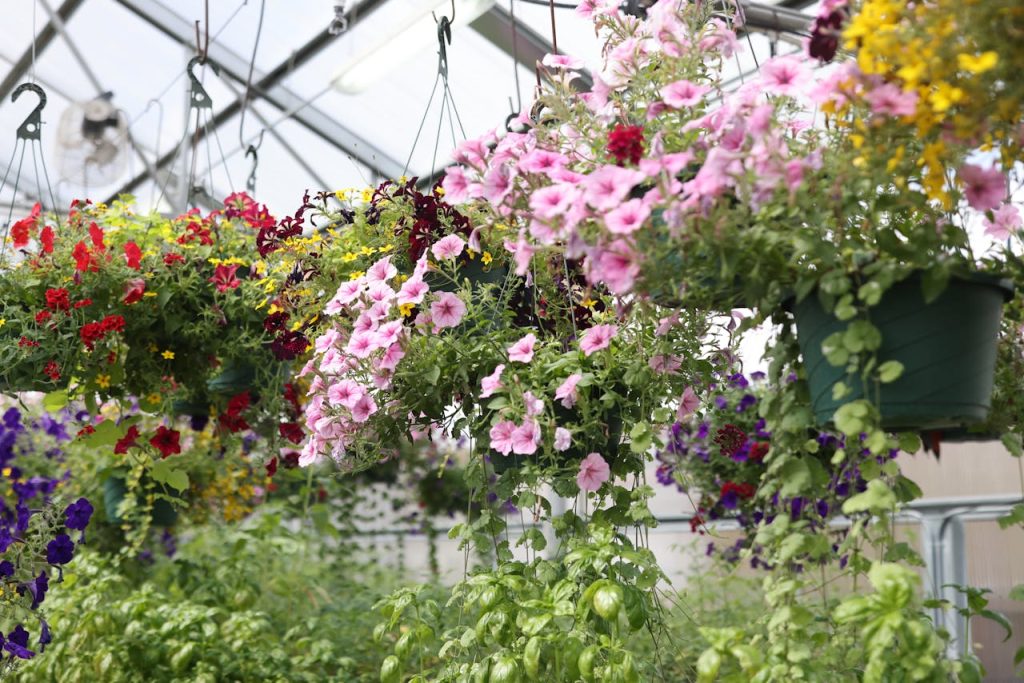
Another myth claims glow plants should be fed lightly to avoid stress. Firefly Petunias are described as heavy feeders, and Light Bio recommends regular fertilization, including petunia-oriented nutrition with iron. When feeding gets skipped, plants often show smaller blooms, duller leaves, and slower rebound after heat or cloudy stretches.
Petunia care references support routine feeding for long bloom cycles because continuous flowering uses steady nutrients. A better rule is measured, consistent feeding instead of feast-or-famine dosing. Stable nutrition supports bloom volume and the metabolic activity tied to stronger nightly output.
More Water Means More Glow
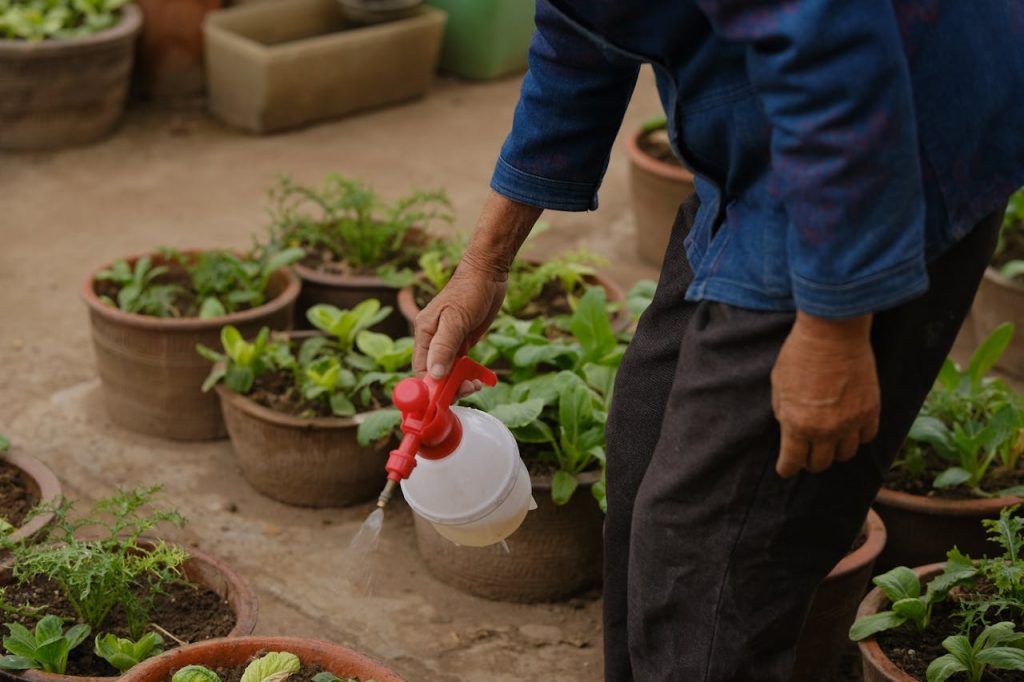
More water does not equal more glow. Firefly guidance asks for consistently moist soil without overwatering, especially in containers where roots swing quickly between drought and saturation. Broader petunia care guidance echoes this point, because persistently wet media invites root problems that reduce overall plant performance.
When roots lose oxygen, tops decline even while soil feels wet. That decline often gets mistaken for a glow issue and triggers even more watering. The correction is simple: check moisture, water deeply when needed, then let excess drain fully. Healthy roots are still the engine behind bloom quality and visible glow.
Drainage Holes Are Optional For Decorative Pots
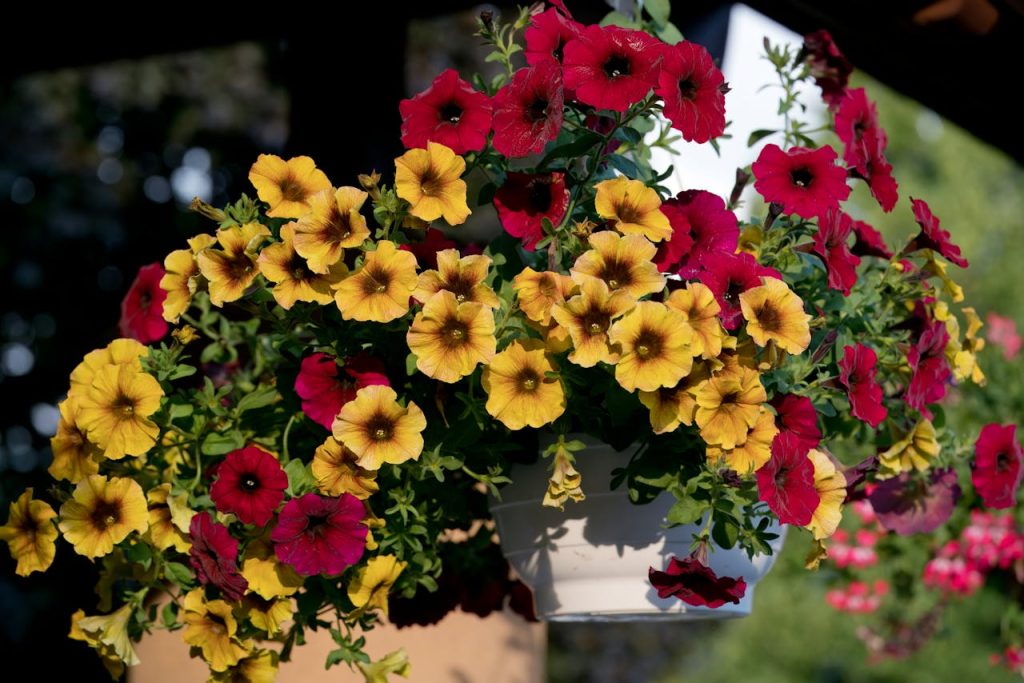
Decorative cachepots without drainage are often sold as cleaner and easier. For petunias, that shortcut is expensive. Illinois Extension states that a bottom drainage hole is critical for root aeration and warns that plants rarely recover from root rot in persistently wet media. Firefly Petunias do not escape those basic root-zone rules.
Even a premium glowing plant still depends on ordinary root physics. If an outer pot has no hole, double-potting can preserve the look while protecting roots from stagnant water. Air at the root zone is not a minor detail; it is a core condition for steady bloom and steady glow.
Deadheading Reduces Bioluminescence
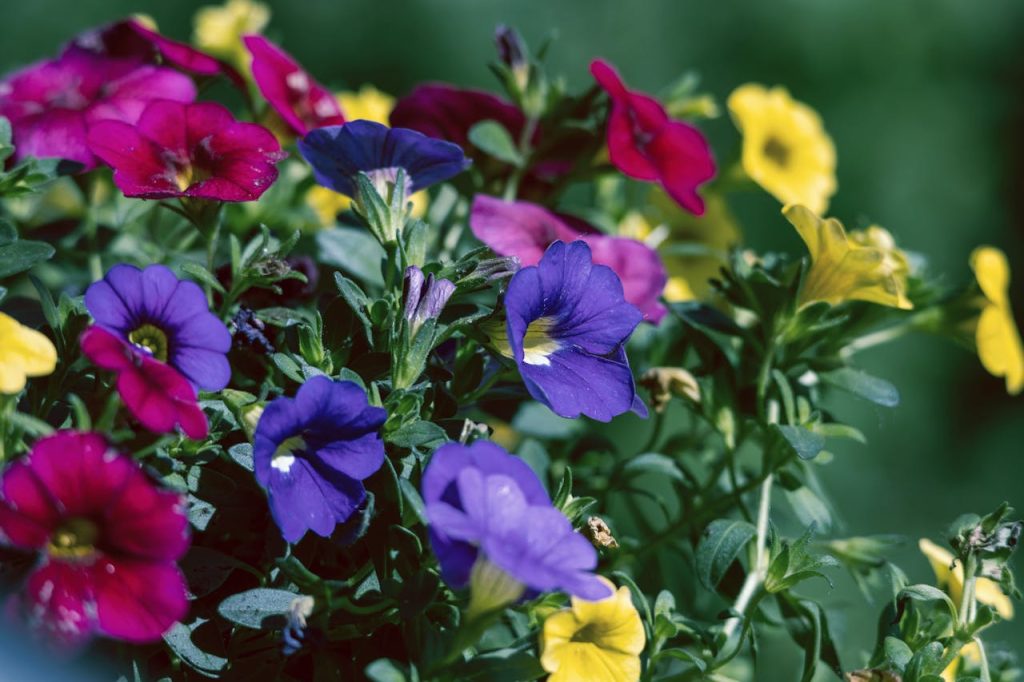
Some growers avoid deadheading because they fear removing spent flowers will reduce light. Light Bio advises removing old blooms and trimming leggy growth to encourage fresh, bushier growth. That guidance aligns with practical petunia maintenance and usually improves performance instead of reducing it.
The brightest glow is commonly seen in buds and newer growth, while older blooms soften over time. Regular cleanup supports both visual shape and output by directing energy toward new flowering points. Skipping cleanup does not preserve vigor; it often leaves plants sparse, tired-looking, and less luminous after dark.
Porch Lights Help The Plant Charge Up
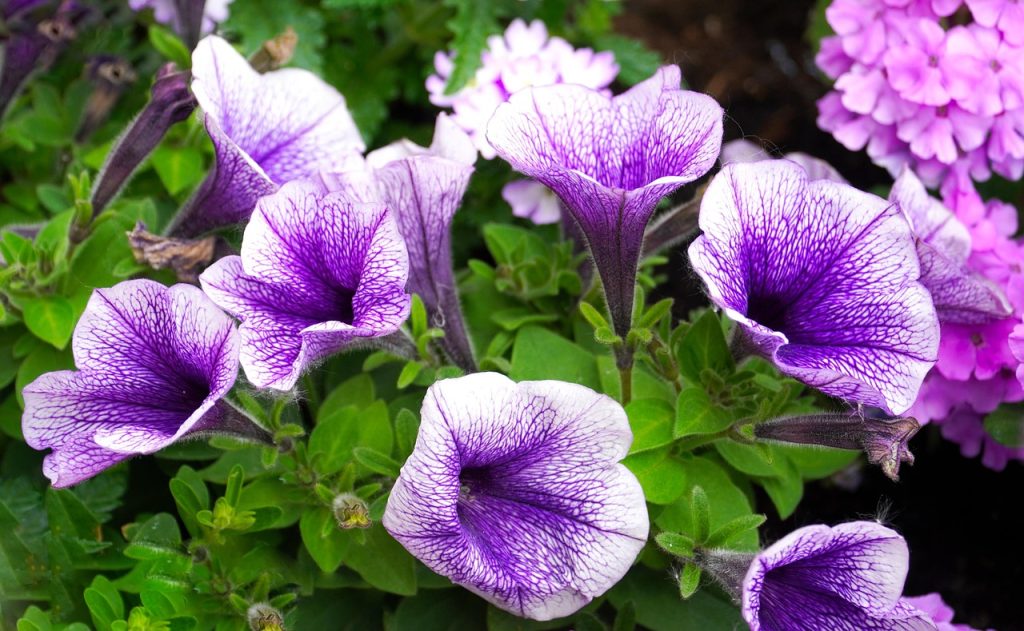
A common claim says porch lights help Firefly Petunias charge up like solar décor. The glow is bioluminescent and tied to internal plant metabolism, not daytime charging and nighttime release. Light Bio also advises viewing in darkness after eyes adapt, with less surrounding light pollution for clearer visibility.
Bright ambient lighting does not strengthen the signal; it masks it. Many growers who think their plant stopped glowing are judging it under stronger outdoor fixtures than before. A darker viewing window often reveals the glow that was already present and prevents unnecessary overcorrection with water or fertilizer.
One Small Pot Works All Season
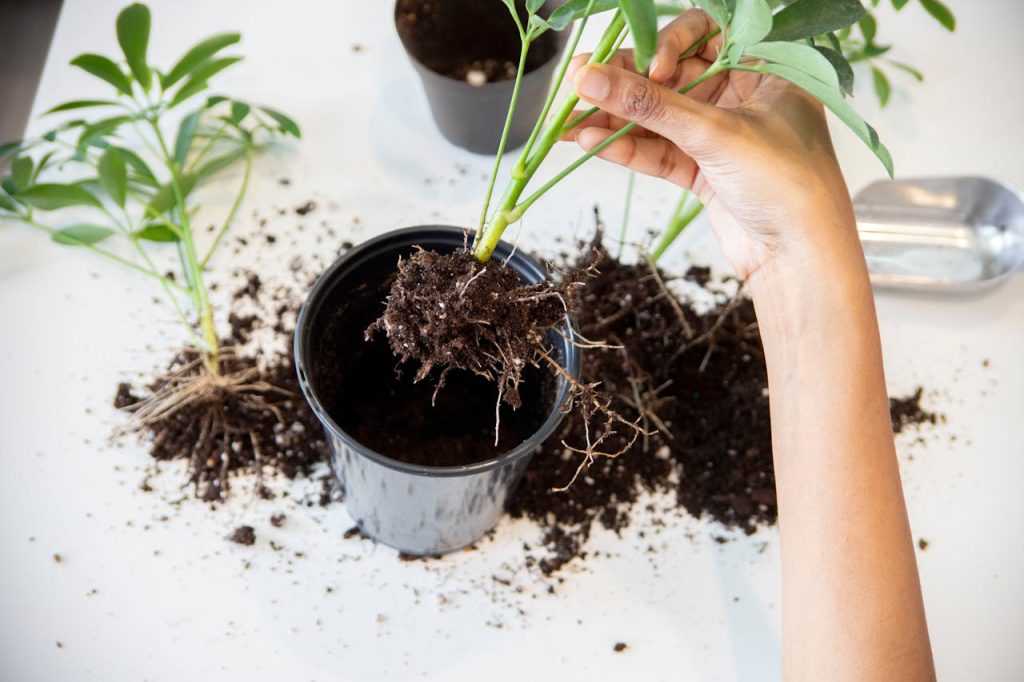
Myth says a starter pot can carry the plant through the whole season if watering is frequent. Light Bio notes plants should move to a larger container when soil starts drying too quickly, a classic sign that roots have filled available space and water swings are becoming harder to manage.
Root-bound petunias may look active above soil while struggling to hold moisture and nutrients long enough for stable bloom production. The result can be midday wilt, rushed watering, and uneven recovery. Timely up-potting smooths those swings, supports fuller branching, and protects glow performance over time.
Peak Heat Always Improves The Glow
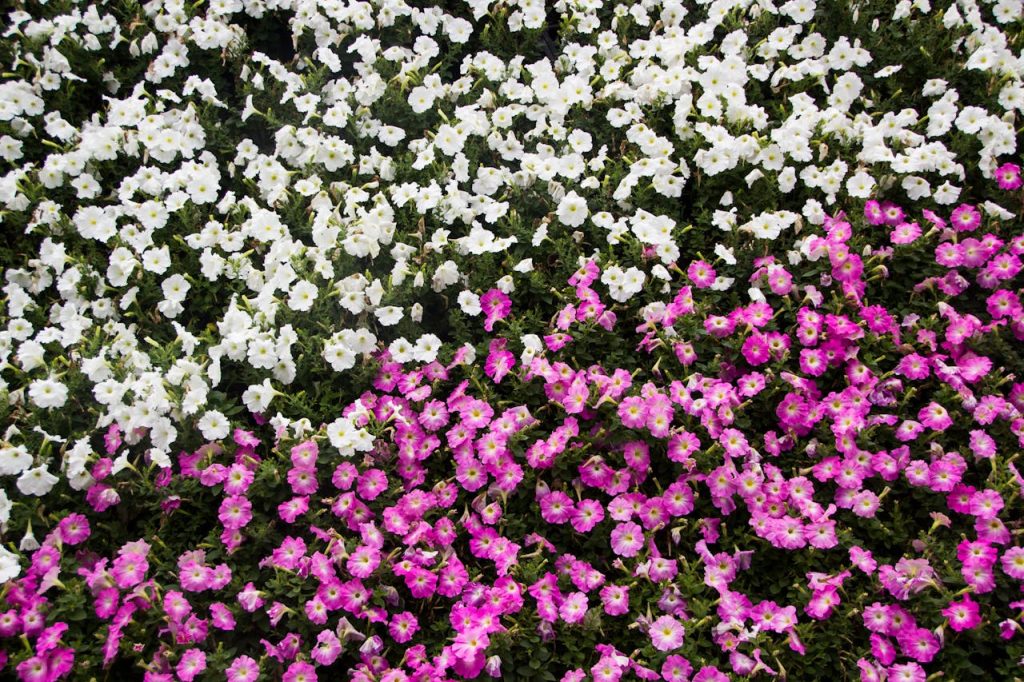
Some advice frames peak summer heat as a glow booster. Firefly care guidance places these plants in cool-to-warm spring and summer conditions and warns against both excessive heat and freezing temperatures. Stress extremes can reduce quality well before a plant fully collapses, even when watering seems consistent.
Heat stress often appears as smaller flowers, faster soil dry-down, and browning edges that get blamed on fertilizer alone. During hot spells, the stronger move is better timing, airflow, and moisture discipline, not panic feeding. Lower stress supports continued new growth, and newer growth tends to show stronger glow.
All Petunias Follow The Same Care Calendar
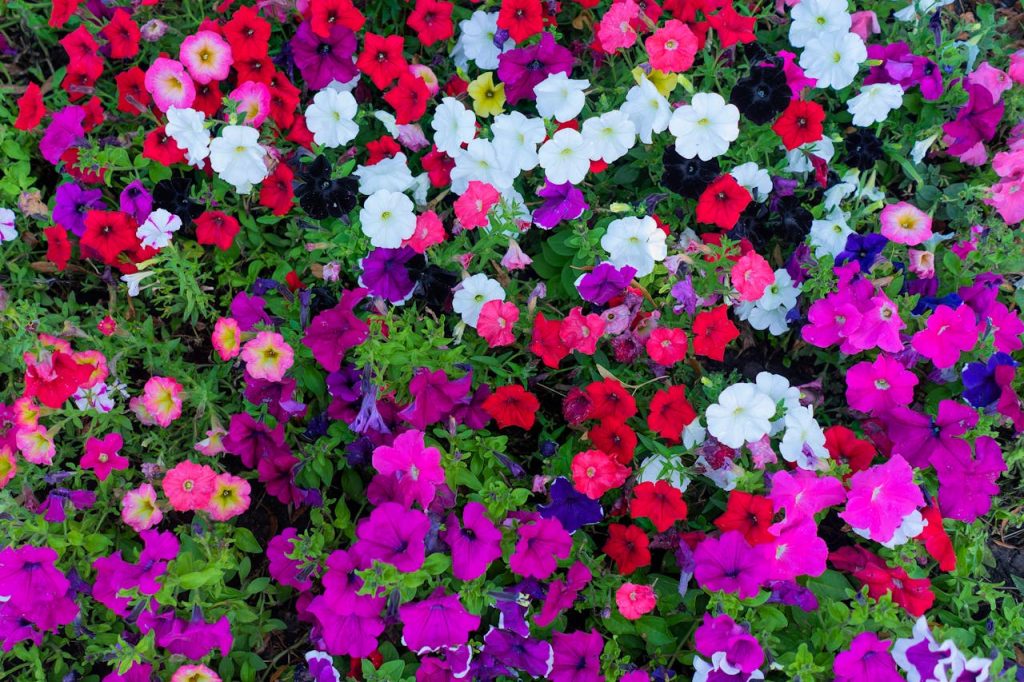
Another myth says every petunia behaves the same, so one care routine fits all. In reality, petunia groups differ in growth habit and maintenance needs. Some modern lines are self-cleaning, while many seed or branded types still benefit from deadheading and periodic trimming to maintain structure and bloom rhythm.
Firefly plants should be handled as petunias first, then managed with glow-specific viewing and nutrition notes. Copying a viral routine from an unrelated cultivar can create avoidable stress. Matching care to plant type is not overthinking; it is the shortest path to consistent flowers and consistent nighttime impact.
Legal Sale Means No Stewardship Needed
Because Firefly Petunia is sold legally in the United States, some assume placement and handling carry zero responsibility. USDA APHIS found the reviewed plant unlikely to pose increased plant pest risk under 7 CFR part 340 and therefore not subject to that rule, while also noting other federal authorities may still apply in specific contexts.
Stewardship still matters in everyday gardening: follow local guidance, avoid careless disposal, and grow where routine monitoring is realistic. Responsible handling protects Final excitement around new plant technologies and keeps the focus where it belongs, on wonder, beauty, and thoughtful horticulture.
Glowing plants reward discipline more than hacks. When myths are replaced with steady sun, consistent feeding, root-friendly drainage, and realistic nighttime viewing, the result feels less like a gimmick and more like a living craft. That quiet shift, from chasing tricks to reading the plant, is what turns early frustration into a season of repeatable success.