


Indoor plants are often marketed as calm decor, yet many are built to shift color as they age, adapt, and track available light. That first change can feel alarming, especially when a leaf moves from white to green, pink to bronze, or deep purple to olive in a few weeks. Most of the time, nothing is failing. The plant is signaling season, maturity, light intensity, or a normal rest cycle. Once those patterns are recognized, panic fades fast. A shelf that once felt unpredictable starts to read like a living calendar, where each shift has a cause and most surprises are completely normal. Even bold shifts are usually normal.
Croton
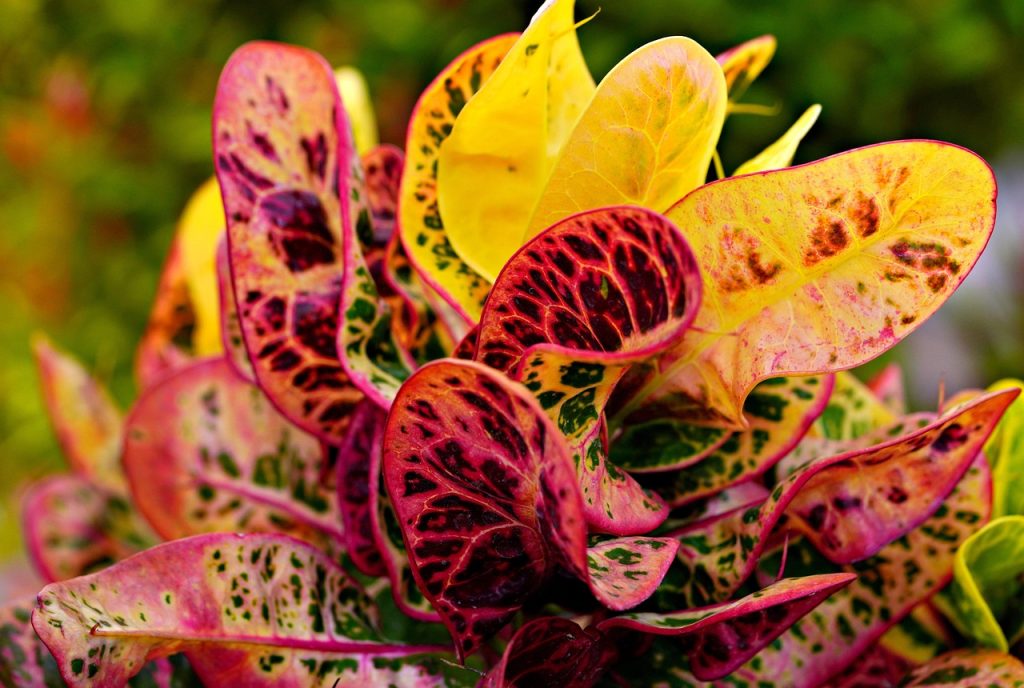
Croton is famous for loud color, but it is also one of the quickest plants to look different when light changes. Missouri Botanical Garden notes that bright light is needed for best leaf color, and too much shade can lead to lower leaf loss, which many people mistake for decline.
What looks like a sudden problem is often a lighting mismatch. In brighter conditions, reds, oranges, and yellows read sharper. In dim corners, the same plant can lean greener and flatter. Once exposure is corrected, new growth usually restores the bold palette that made croton popular in the first place and explains why placement matters so much.
Red Star Aglaonema
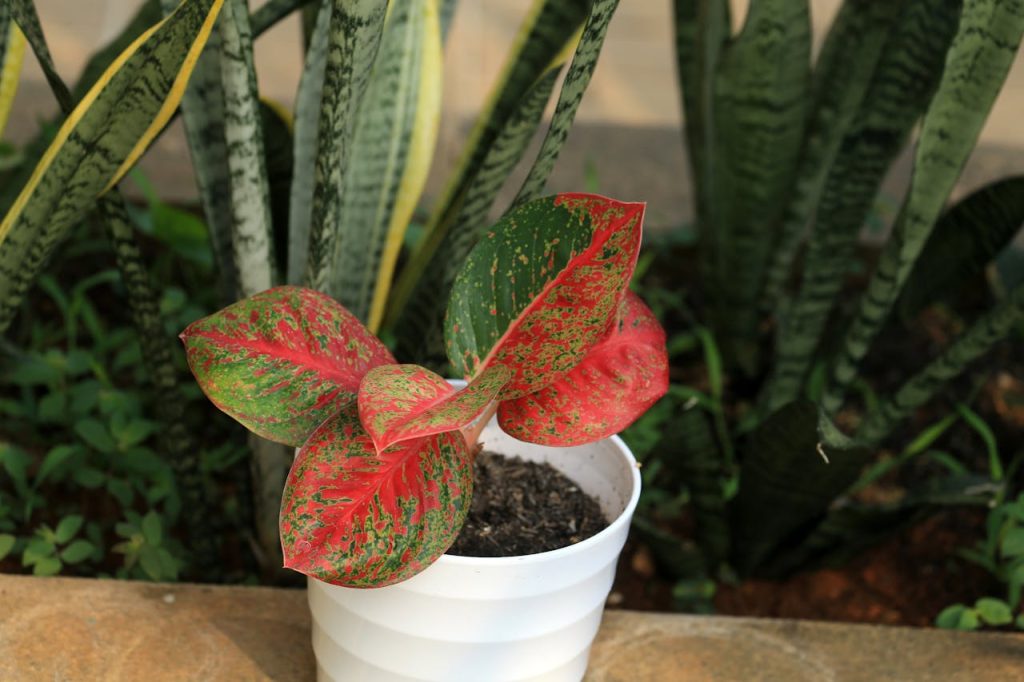
Red Star aglaonema often unsettles new growers because fresh leaves can emerge softer in tone, then deepen later, so the plant seems inconsistent from week to week. The RHS notes that color in this cultivar depends on light level, with stronger color expression in brighter positions.
That makes ordinary room changes feel dramatic. A move away from a window can mute pink and red areas toward green, while a brighter indirect spot can push richer contrast back into new leaves. The plant is usually stable; the palette is simply reacting to available light and showing that response clearly and quickly in real time indoors.
Coleus
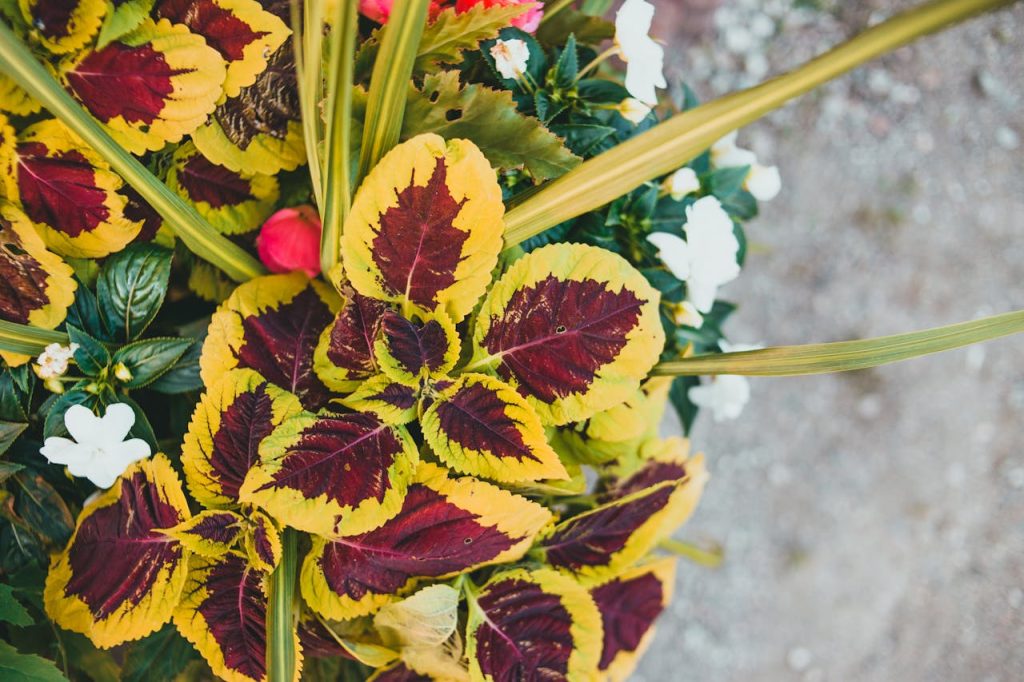
Coleus can look like several plants sharing one pot because each flush may carry a different mix of pigment. NC State describes foliage that commonly blends red, burgundy, and pink patterns, so variation is part of the species character, not a warning sign.
Indoors, that effect becomes stronger as seasons shift and growth rates change. A bright spring window may produce crisp contrast, while lower winter light can soften edges and push tones toward green. People often read that as decline, but coleus is usually doing exactly what it does best: rewriting its own color map as conditions move around it indoors through the year.
Ti Plant
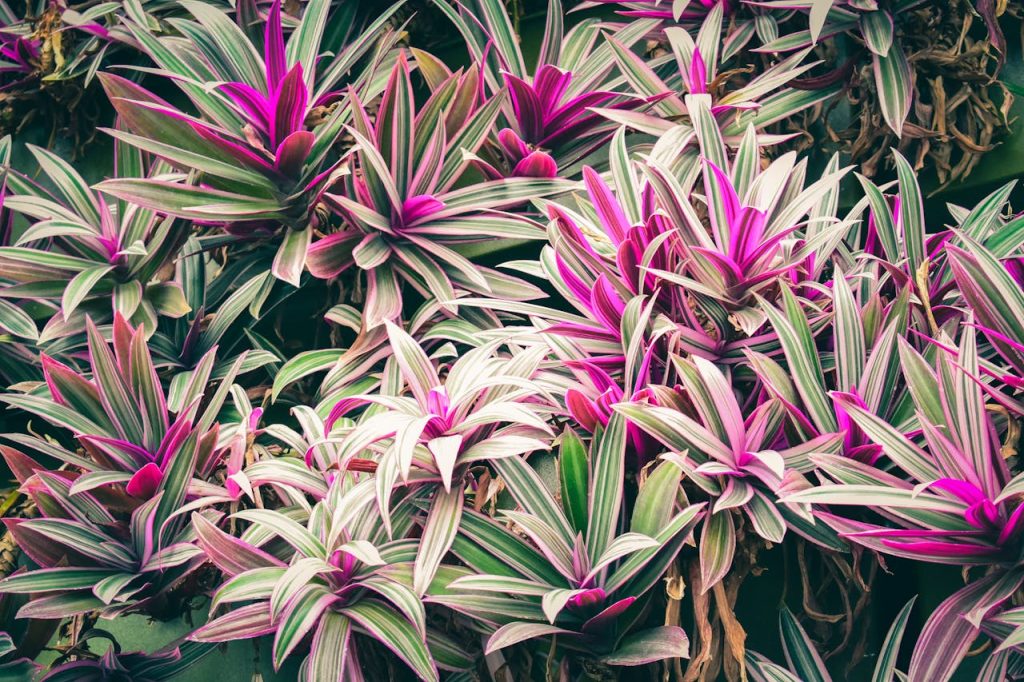
Ti plant has a reputation for startling color swings, and that reputation is earned. NC State describes Cordyline fruticosa foliage in shades from pale pink and green to purple and deep red, depending on cultivar, which means variation is built into the plant before care even enters the picture.
As indoor light shifts through the year, different pigments become more visible, so leaves that looked wine-red in one month may appear greener in the next. That visual flip can feel abrupt, yet it is usually normal expression rather than damage. The plant is revealing different parts of the same identity over time each year.
Prayer Plant
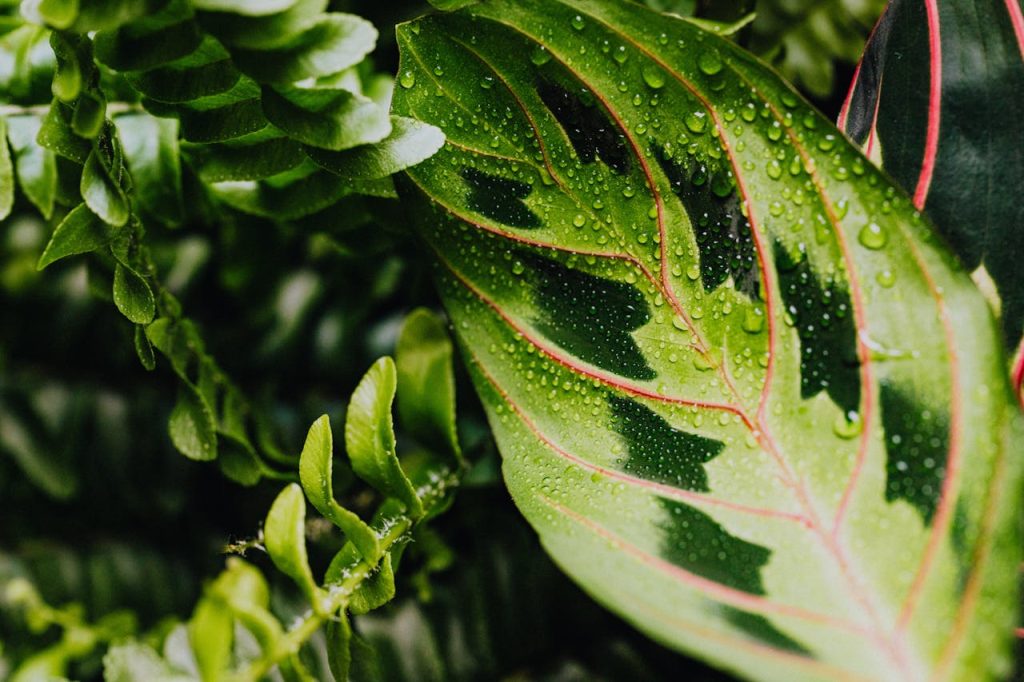
Prayer plant confuses people because the color story changes with both age and movement. NC State notes red fishbone veins, pale variegation, and a lighter underside, plus the nightly leaf movement that lifts foliage into a vertical prayer position.
During the day, the top surface dominates and the plant reads greener. In evening hours, undersides become more visible and the whole pot can look darker or more purple. New leaves add another layer by opening brighter, then settling as they mature. Nothing is wrong in that moment of surprise. The plant is following its daily rhythm and showing both sides of its foliage design.
Purple Shamrock
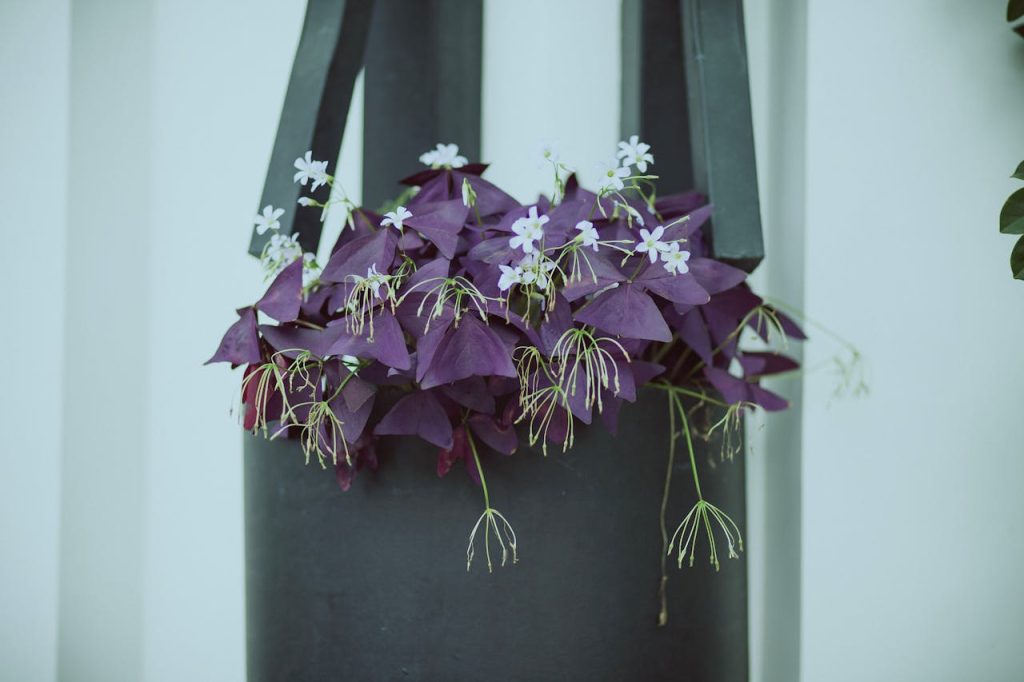
Purple shamrock looks almost theatrical indoors because light controls both posture and appearance. Wisconsin Horticulture notes that oxalis foliage may be green, red, or purple, and that many species are nyctinastic, meaning leaflets fold at night or on overcast days.
That movement changes which surfaces catch light, so color can seem to shift hour by hour. In bright periods, the plant reads vivid and open. Later, folded leaves create deeper tones and a tighter silhouette that people often misread as stress. By morning, the same pot usually reopens and resets. The dramatic effect is normal behavior, not a crisis unfolding.
Caladium
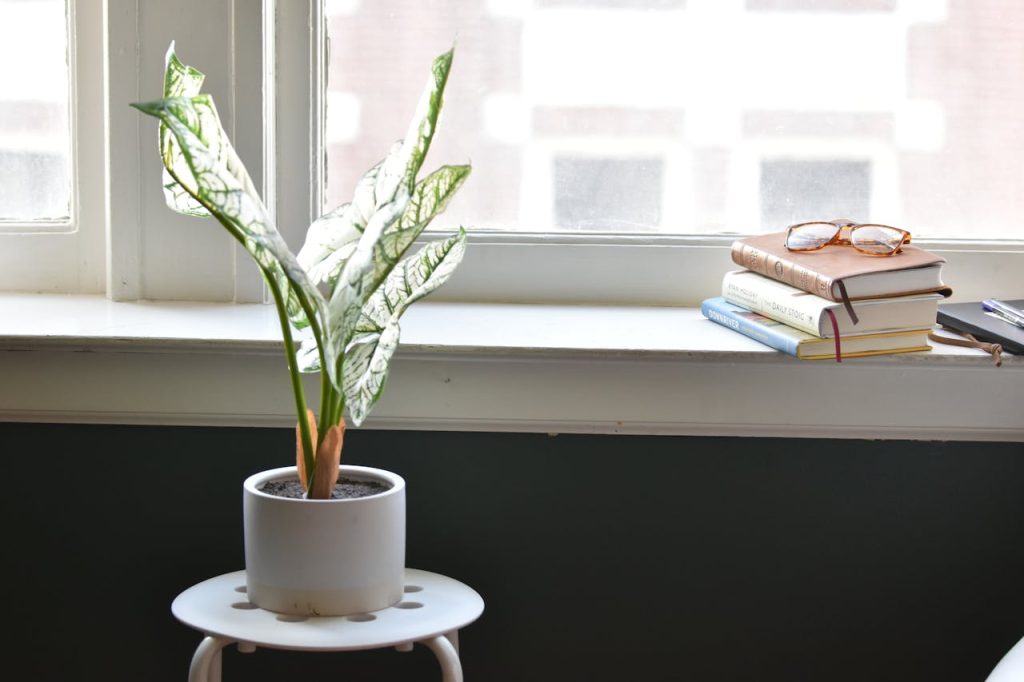
Caladium is one of the easiest plants to misdiagnose because it can move from vivid to tired-looking very quickly near season’s end. UF IFAS notes that as fall temperatures cool, leaves decline and yellow while tubers move toward dormancy, which is a normal cycle.
Indoors, that fade can feel personal after months of high-contrast color. Many growers try to force constant performance, then assume failure when foliage collapses. In reality, caladium is built for a rest period. Reduced watering during yellowing helps the cycle complete, and fresh growth returns with warmth. The sharp shift is preparation for another strong season.
Poinsettia

Poinsettia alarms people when green leaves near the top begin turning red, pink, or cream, then stall if nighttime conditions are off. Clemson and Missouri Extension explain that poinsettia is a short-day plant, and the showy color sits in modified leaves called bracts, not petals.
Because color timing depends on long, uninterrupted dark periods, even small evening light leaks can delay or weaken the shift. That makes the plant seem moody when it is actually precise. Once darkness is consistent, bract color usually develops more cleanly. The change looks dramatic, but it follows a biological schedule rather than random behavior.
Peace Lily
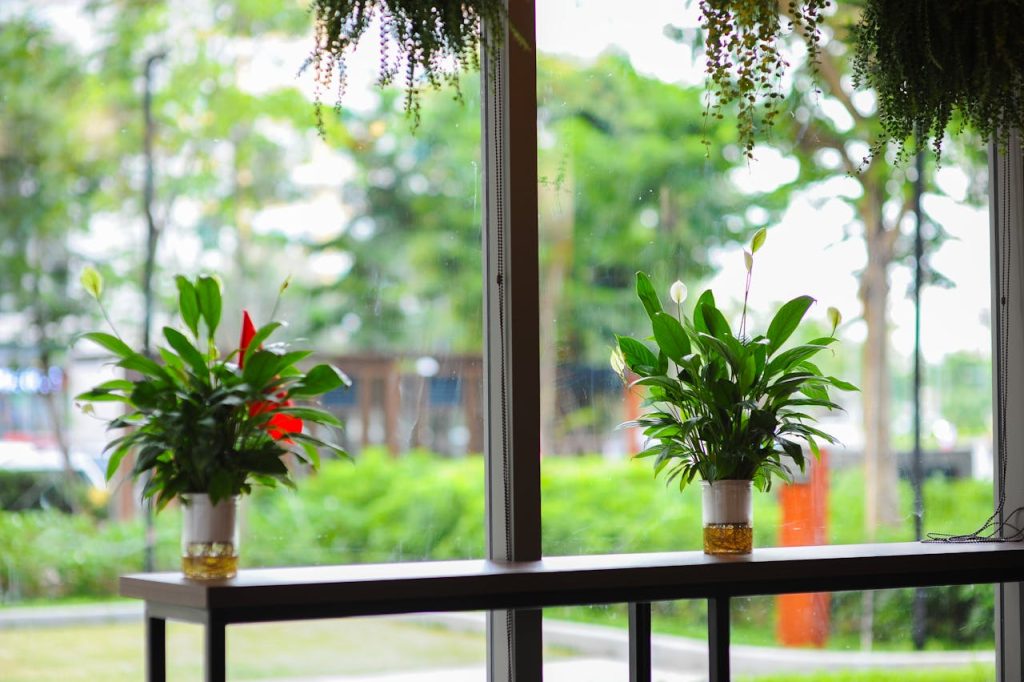
Peace lily worries people for the opposite reason: a bloom that opened bright white can later turn pale green, which looks like a nutrition issue at first glance. Clemson describes this as normal aging in the flower structure, not a sign that the plant suddenly declined.
That single fact prevents a lot of overcorrection. Extra fertilizer, aggressive repotting, or frantic watering will not reverse a mature bloom’s color path. The plant is moving through a standard stage and usually needs steady, simple care more than intervention. Once this pattern is recognized, the shift from white to green feels like a readable timeline.
Polka Dot Plant
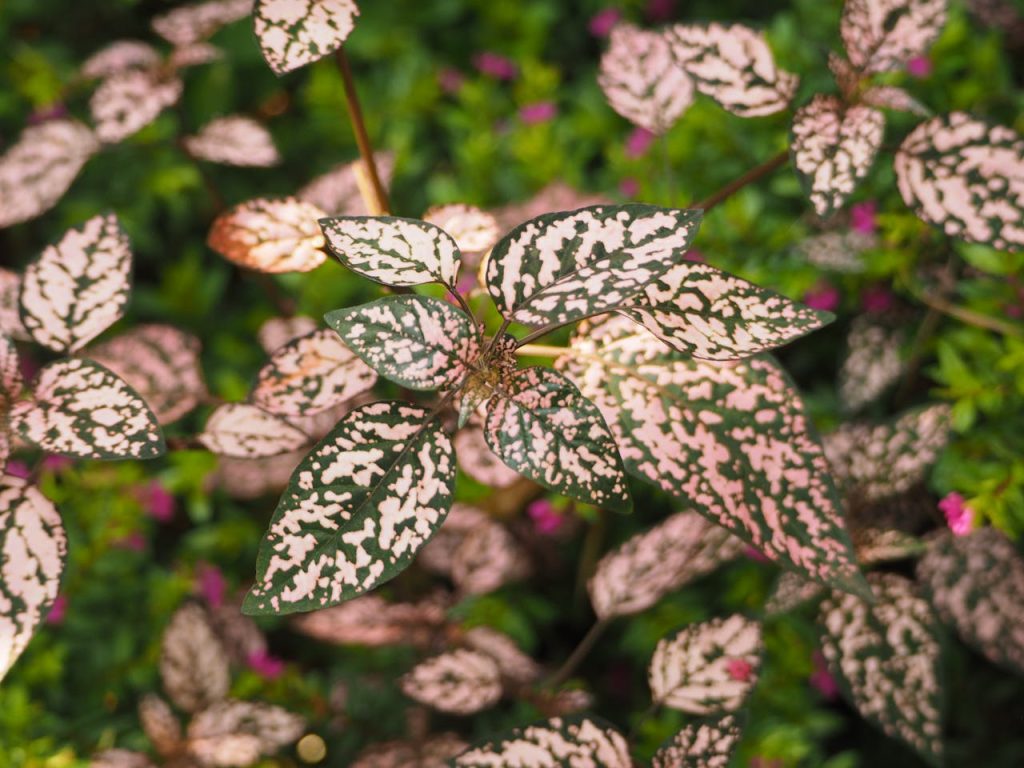
Polka dot plant can trigger quick concern because its speckles fade when light is off-balance, and the whole plant may look washed out within days. Wisconsin Horticulture notes that in very low light the leaf color fades, even though bright filtered light keeps coloration stronger.
That makes this species a clear barometer of placement quality indoors. Too dim, and spots retreat into green. Too harsh, and color can look stressed or bleached. In a steady bright-indirect zone, new growth usually regains cleaner contrast and the pattern returns. What first reads as collapse is often a reversible lighting signal in the leaves.
Color changes stop feeling threatening once the pattern behind them becomes visible. A home full of shifting foliage can feel less like trial and error and more like quiet observation, where each leaf offers a clue about timing, light, and growth stage. That shift in perspective builds trust. The plants keep changing, but the response becomes steadier, calmer, and much more confident.