

Spotted lanternfly season can turn ordinary porches and patios sticky with honeydew, and the urge to trap fast is real. But the quickest setups often snare the wrong insects, frustrate neighbors, and leave lanternflies free to climb, feed, and spread from yard to yard.
Lanternfly nymphs move up trunks in spring and early summer, then adults show up later and shift patterns. A trap that works in May can underperform in Aug., especially on the wrong host tree. Small placement mistakes add up, so the smartest approach favors guarded bands, well-built circle traps, and regular checks before anything else becomes collateral.
Leaving Sticky Bands Uncovered
Sticky bands can collect lanternflies, but an uncovered band is a magnet for bycatch. Small birds, bats, and helpful insects can brush the adhesive while hunting or landing, and the result is a messy rescue scene nobody wants.
A simple guard changes the outcome. A loose sleeve of mesh or chicken wire, spaced off the trunk, keeps larger visitors away while lanternflies still meet the sticky surface. The guard needs room, not pressure, so wings and fur never touch glue. Frequent checks matter, and safer alternatives like circle traps fit the same goal with less risk, especially near feeders and nesting sites in small yards.
Using Outward-Facing Glue Like Flypaper
The biggest overreach is wrapping outward-facing glue around a trunk like a fly strip. Anything that crawls or lands becomes stuck, including pollinators and predators that keep other pests in check. Even a quick fix like packing tape and spray adhesive tends to spread beyond the intended zone.
Better setups funnel lanternflies into contact while limiting everything else. An inward-facing band, or a properly fitted circle trap, exploits the habit of climbing the trunk without turning the tree into a catch-all. Narrower bands also help; wide bands invite bycatch. A clean, targeted strip beats a sticky belt that grabs every passerby.
Banding the Wrong Trees for the Season

Many yards get banded like a blanket plan: every trunk gets tape, and none of it matches lanternfly traffic. Lanternflies concentrate on certain hosts, and that pattern shifts as the season moves along.
Trapping works best where nymphs actually climb in late spring and early summer, often on tree of heaven or black walnut, with spillover onto vines and ornamentals. Sooty mold and sugary drips under a canopy can hint at heavy feeding overhead. Later, adults may cluster on a few favored trees while ignoring others nearby. Choosing one or two high-activity trunks, then trapping there, usually outperforms a yard full of random bands.
Expecting Summer Adults to Climb Like Spring Nymphs
A common disappointment comes in mid to late summer: the trap stays empty, yet lanternflies still appear on patios and railings. Adults move differently than nymphs, and many do not march up the trunk the way spring hatchlings do.
That is why trunk traps shine earlier, especially from May through July, when nymphs repeatedly climb and drop between plants. As adults peak, trapping becomes more situational, tied to specific host trees where crowds gather. Shifting effort to scouting egg masses, reducing attractants like sap flows, and focusing traps on the busiest trunks keeps control realistic instead of wishful at home.
Placing Bands Where Weather and Sap Ruin Them
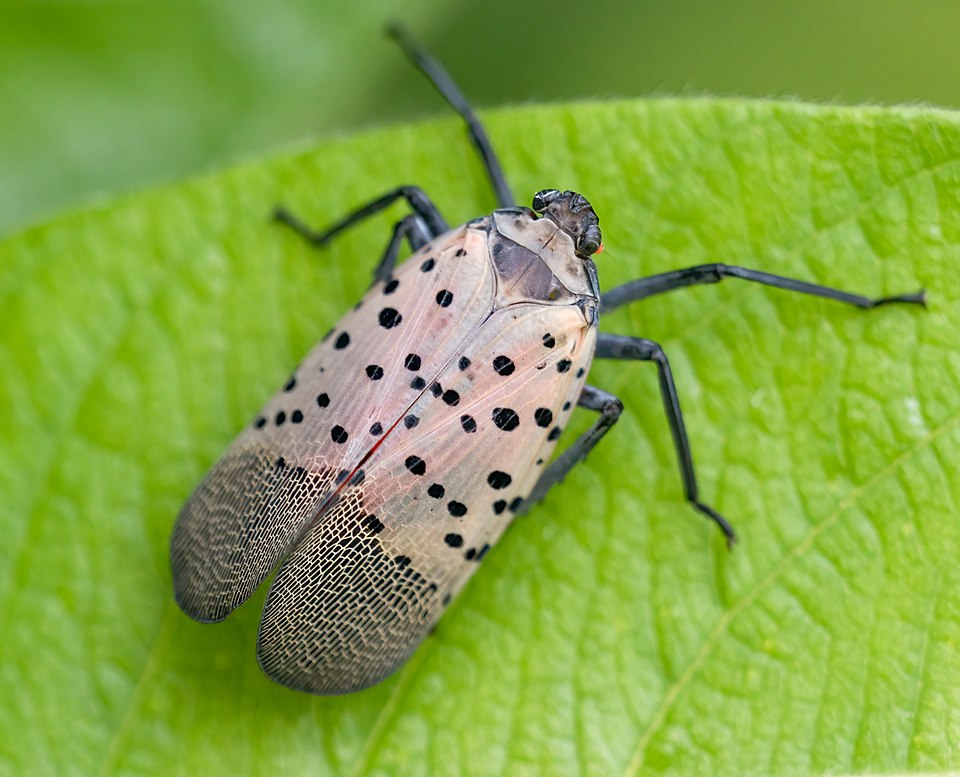
A sticky band that looks perfect at noon can be useless by morning if it sits in the wrong microclimate. Rain splash, windblown grit, loose bark, and sap can coat the adhesive fast, creating a dull, dusty runway.
The fix is to treat placement like carpentry. Pick a smoother section of trunk, brush off flaky bark, and keep the band away from wounds that ooze. Avoid spots where sprinklers hit daily or where leaves drip after storms. Then replace on a steady rhythm, often every two weeks, before the band turns into a dirt filter that lanternflies simply climb over. Debris also hides smaller bycatch, so inspections stay honest.
Leaving Gaps and Bridges Around the Band
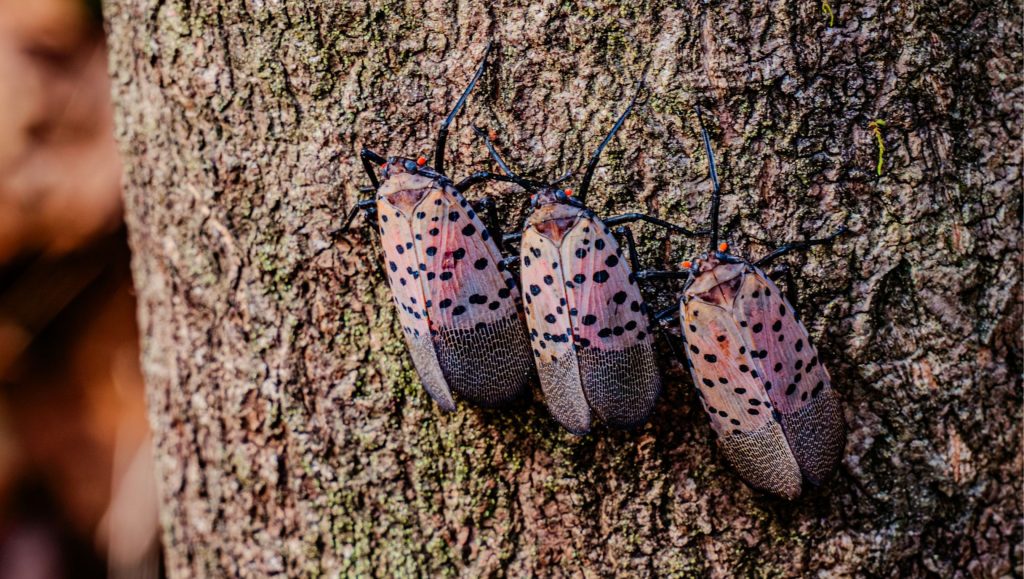
Lanternflies are not impressed by a sloppy seam. If a band has wrinkles, loose ends, or a gap where bark dips, nymphs can slip behind the tape and keep climbing. Even a twig resting on the band can become a bridge.
A cleaner install makes the trap behave like a barrier. The band should sit level, pressed firmly to the trunk, with edges sealed so nothing crawls under. Trim nearby shoots, remove vines that touch the trunk, and avoid stacking extra layers of tape that create ramps. Precision here looks fussy, but it is usually the difference between capture and escape. When the tape is tight and flat, lanternflies meet it head-on.
Setting Traps and Forgetting to Service Them
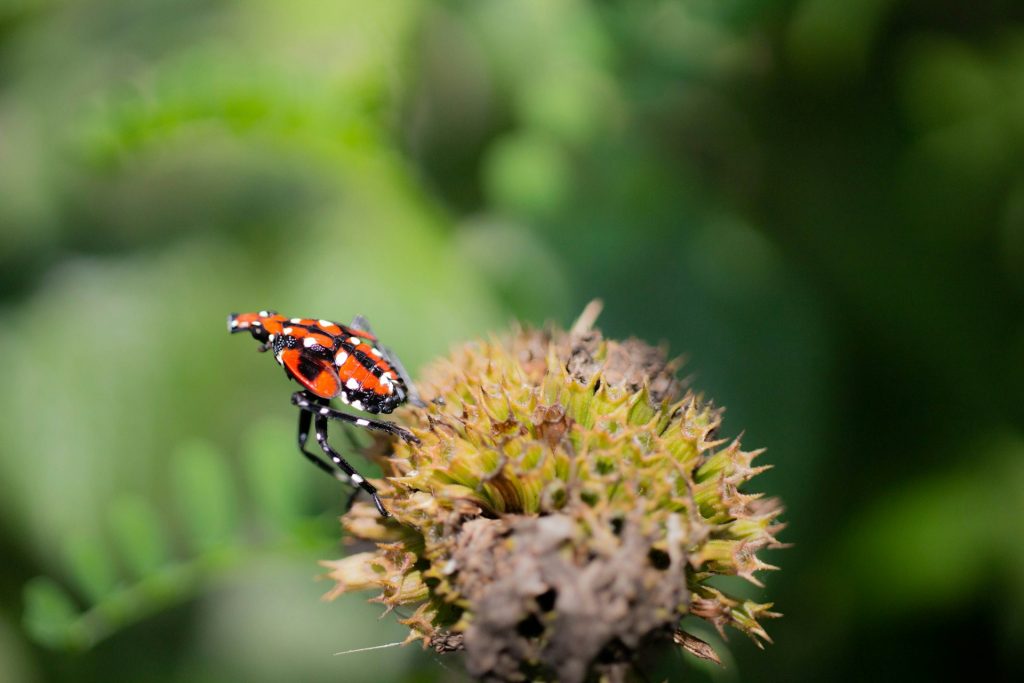
A trap that is not checked becomes a billboard for problems. Once the adhesive fills with dust and insects, lanternflies can step across bodies and keep moving, while trapped bycatch stays stuck longer than it should.
Good trapping is routine, not a one-time project. Bands and collection bags need regular checks, especially after rain or high wind. If the surface looks dull or crowded, it is time to replace and dispose of the old material responsibly. That rhythm keeps lanternfly numbers trending down and keeps the trap from turning into a sticky wildlife risk. A quick count each check shows whether the spot is worth it.
Wrapping Tape on Vines, Bushes, and Thin Stems
Banding every surface feels productive, but it often misses lanternflies and targets harmless wanderers instead. Sticky bands fit poorly on bushes, most vines, and skinny stems where tape bunches, loosens, and turns into a messy spiral.
A better plan is to reserve trunk traps for larger host trees with steady lanternfly traffic. Bands set about four feet up on smoother bark work better than bands shoved into deep grooves. On grapes, roses, and other narrow growth, monitoring and hand removal usually beat tape. When a band sits flat, it catches nymphs climbing upward instead of becoming decor for the wrong insects all season.
Ignoring Egg Masses on Outdoor Surfaces
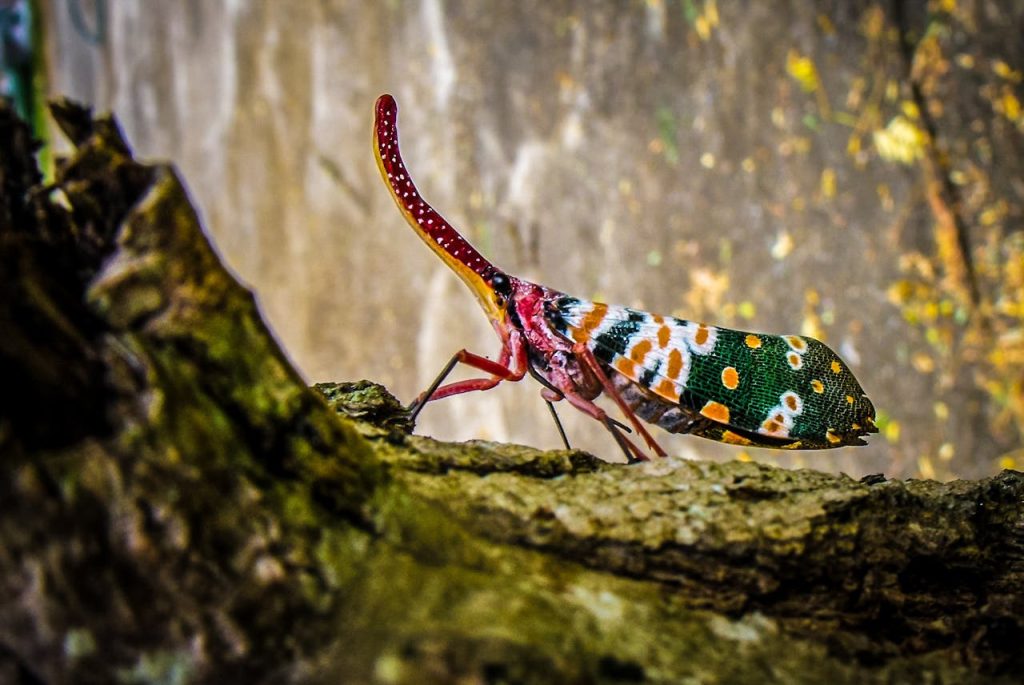
Traps feel satisfying because they show results, but lanternfly spread often happens off the tree. In fall, adults lay one-inch egg masses on trunks, rocks, outdoor furniture, firewood, and vehicles, so a trapped nymph does not stop next season’s hitchhikers.
A trap plan works better when it includes scouting. Smooth, mud-like patches on outdoor surfaces deserve a closer look, especially before spring travel or moving firewood. Removing egg masses into a sealed container of soapy water or sanitizer reduces the next hatch and keeps trapping from becoming a treadmill. Outdoor gear, from grills to wagons, can be a carrier.
Guessing at IDs Instead of Tracking Life Stages
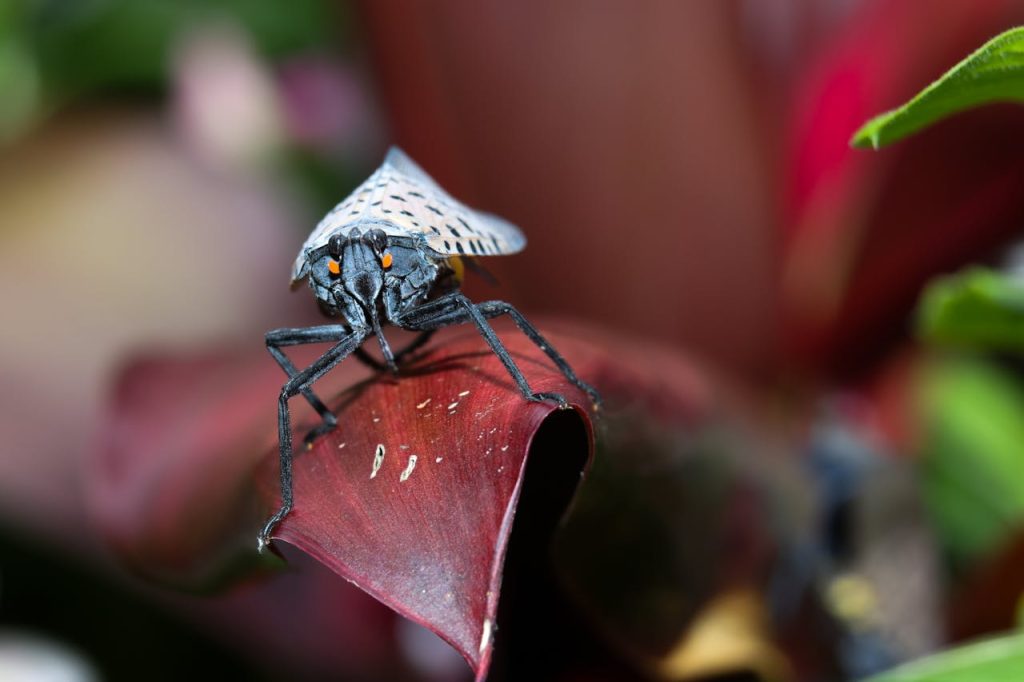
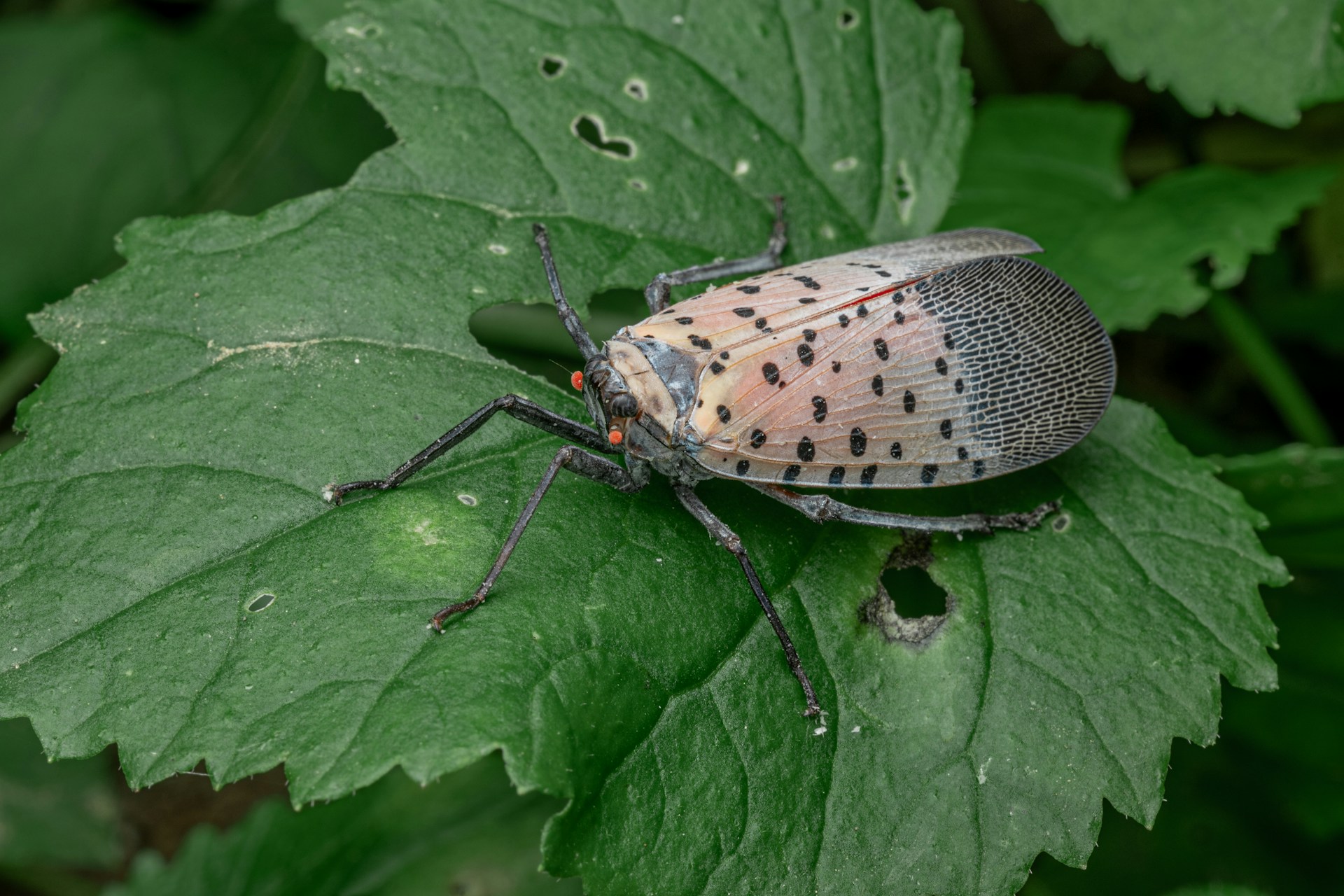
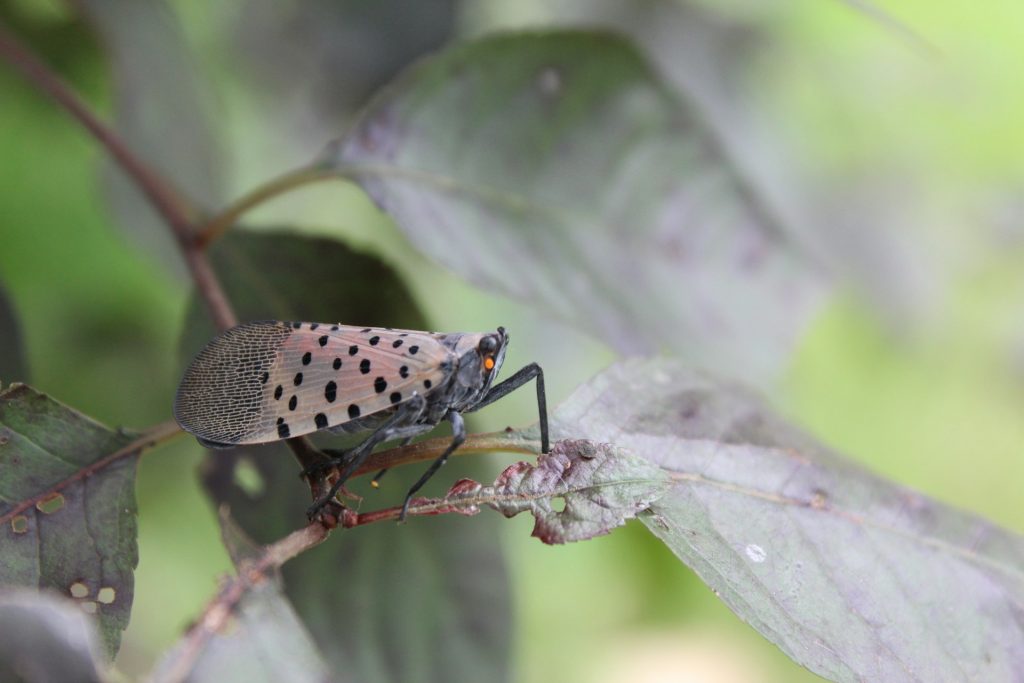
Misidentification turns trapping into a guessing game. Early nymphs are black with white spots, later nymphs add red, and adults arrive in summer with gray forewings and flashes of red underneath. Without that picture, traps end up chasing the wrong targets.
A quick season calendar helps. When black nymphs are active in spring, trunk traps and guarded bands match their climbing habit. When red nymphs and adults take over in July through Sept., effort shifts to the busiest hosts and to egg-mass scouting for fall. A phone photo matched to an ID poster saves effort and keeps the focus on lanternflies, not harmless look-alikes.