

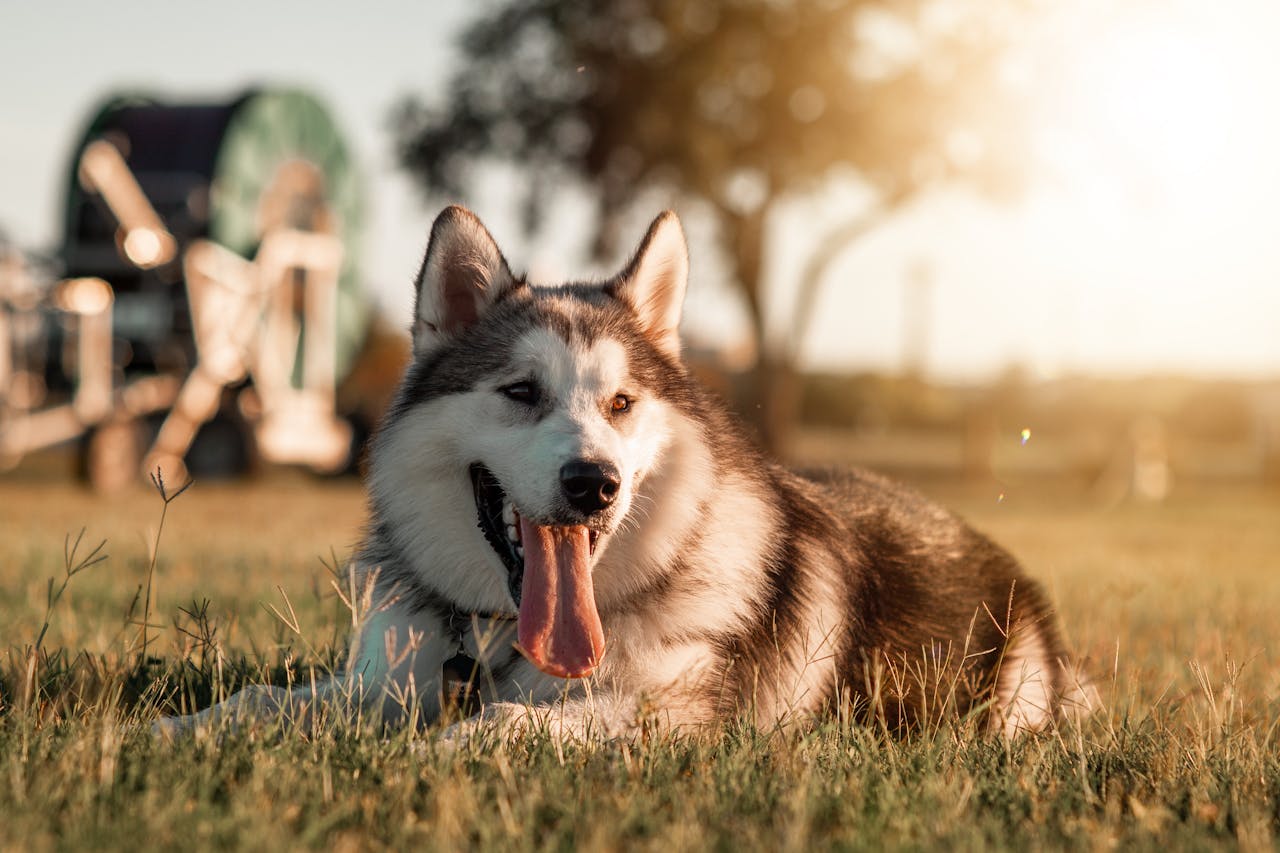
Long before kennel clubs and social media trends, certain dogs were already woven into human life as hunters, guardians, and camp companions. Genetic research often groups several of them among ancient or basal breeds, reflecting deep roots that predate many modern lines. Their age is part of the charm, but it also explains why they can be intense: instincts run deep, coats were built for survival, and bodies were tuned for work. Devotion comes easily, yet the hidden work is real, from careful socialization to grooming that never truly takes a season off. With steady handling, these old souls stay magnetic and memorable.
Saluki
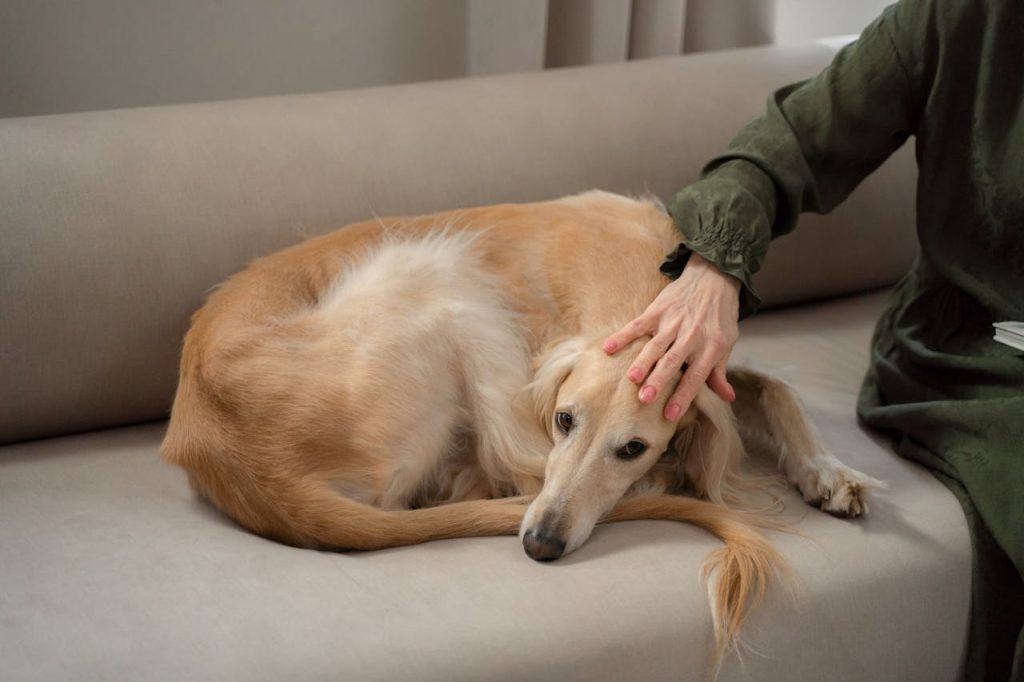
Painted and praised across the Middle East, the Saluki is often cited as an ancient sighthound, and genetic work frequently places Saluki-type dogs among older lineages. That heritage shows up in a calm, self-possessed temperament, yet the chase instinct stays razor sharp, so off-leash freedom without secure fencing is a gamble, not a plan, even for seasoned handlers at home.
The hidden challenge is balance: frequent, injury-smart sprinting on forgiving ground, lean meals that keep the frame strong without stressing hips, and cold-weather protection for thin skin, low body fat, and paws that abrade fast on salt and ice.
Afghan Hound
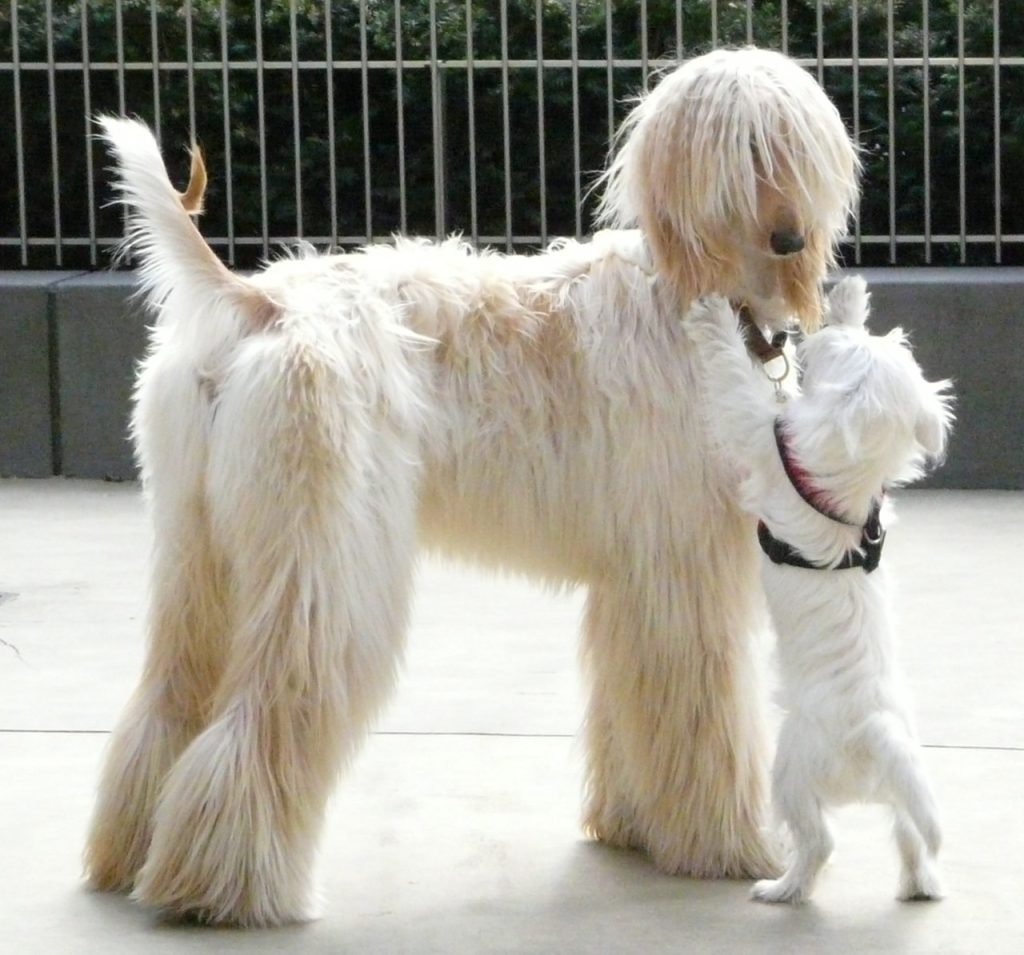
The Afghan Hound carries the silhouette of a mountain hunter, and it is widely described as a basal breed that predates the surge of modern breeds. Behind the runway glamour sits a dog built for distance, altitude, and quick decisions, so cues land better when they feel like invitations, not orders, and early socialization matters every week at all ages.
The hidden challenge is daily upkeep: a long coat that mats fast and needs line-brushing, routine ear checks after baths, a calm training plan that rewards choice over pressure, and enough varied exercise to keep an athletic mind from turning restless and chewing furniture.
Basenji
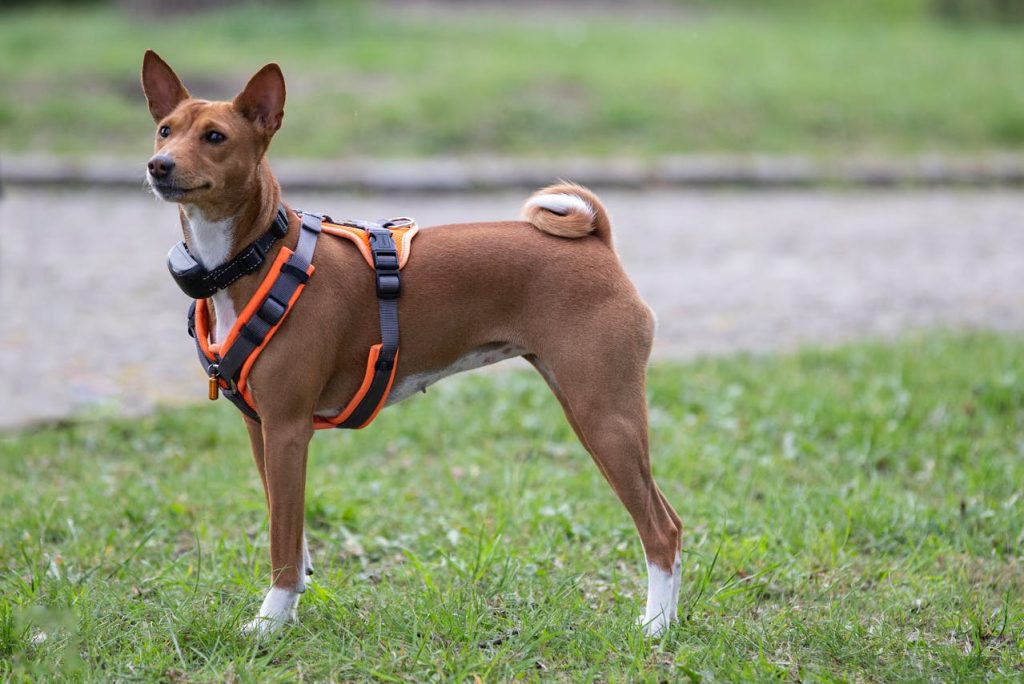
The Basenji, famous for its yodel-like voice, is an ancient Central African hound often grouped with genetically older breeds. Centuries as a village and hunting dog shaped a catlike cleanliness, tight grooming habits, and a mind that prefers problem-solving over people-pleasing, which can surprise first-time owners in training class from day one, too.
The hidden challenge is management: a strong prey drive, real escape artistry, and steady enrichment indoors, plus responsible health screening, since Basenjis are known for inherited Fanconi syndrome involving kidney function and may need long-term veterinary monitoring.
Akita
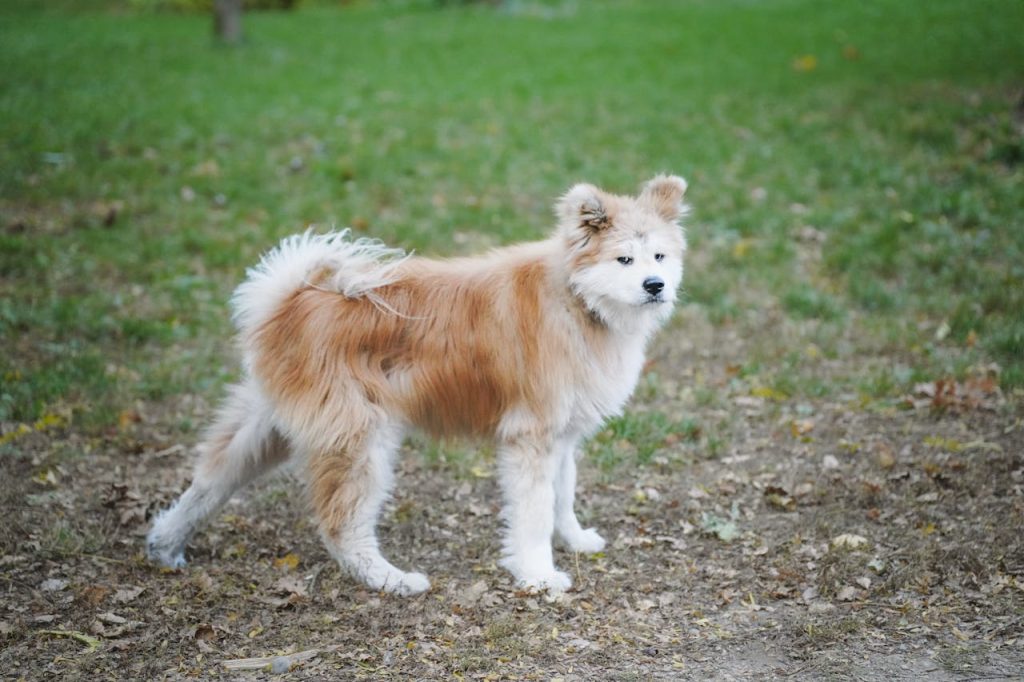
In northern Japan, the Akita grew into a cultural symbol of loyalty and protection, and genetic studies often place it among ancient East Asian lineages. The breed’s dignity is real, but so is its intensity, and many Akitas can be selective with other dogs, making early, thoughtful socialization and clear boundaries essential.
The hidden challenge is structure: firm routines without roughness, secure handling for a powerful frame, and daily work that feels meaningful, like tracking games or loaded walks, plus coat care during heavy seasonal shedding, heat management in warm climates, and calm protocols for visitors always.
Chow Chow
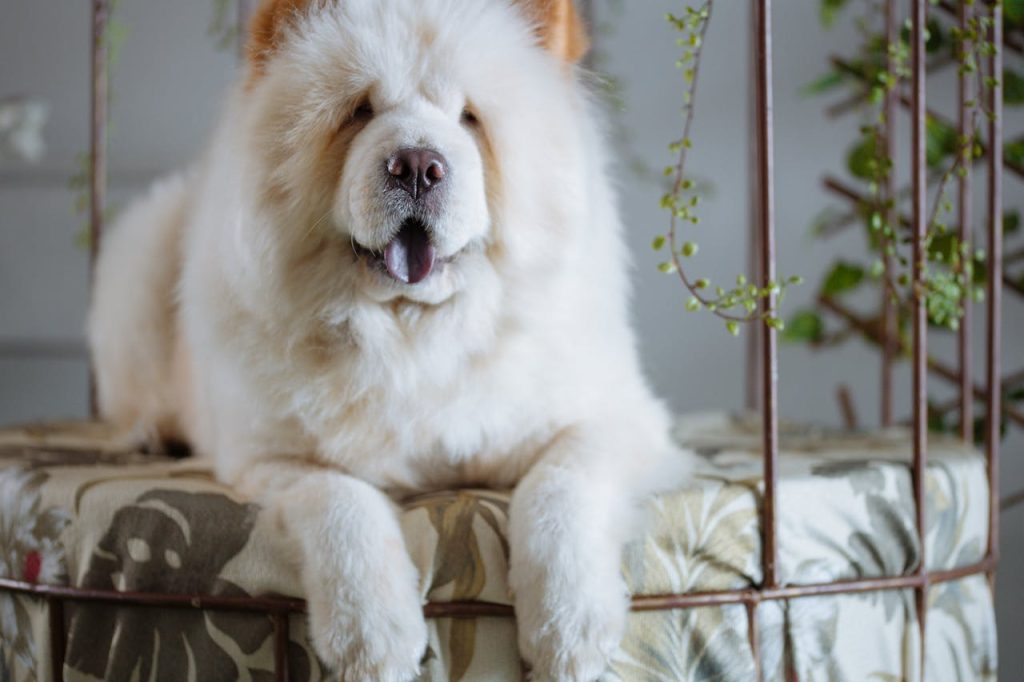
The Chow Chow’s lionlike ruff and blue-black tongue hint at deep roots, and genomic research has placed the breed among basal East Asian lineages. Loyalty tends to be quiet and choosy, with a preference for respectful space over constant handling, and many Chows mature into serious, watchful adults who bond tightly.
The hidden challenge is prevention: heavy coat care to stop matting against the skin, summer pacing to avoid overheating, steady socialization so suspicion does not harden early, and consistent training that builds cooperation without turning every request into a debate, especially around resources at home.
Chinese Shar-Pei
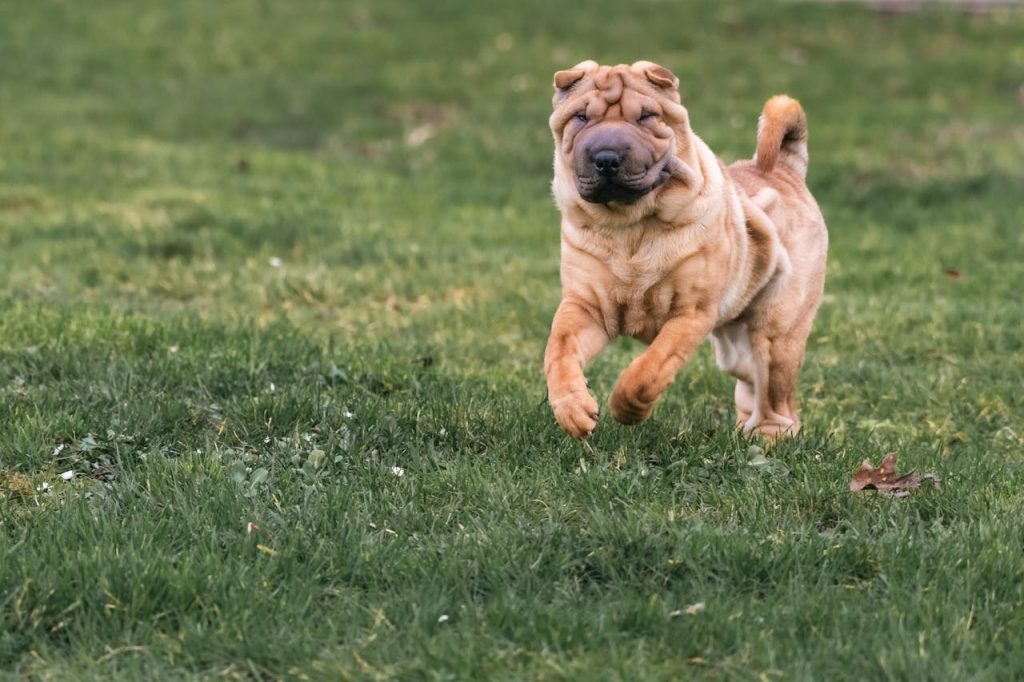
The Chinese Shar-Pei, traditionally kept as a property guardian in southern China, carries a look that feels ancient, and genetics often group it with older East Asian breeds. Wrinkles and a bristly coat make the face unforgettable, but they also create daily chores that cannot be skipped, especially in humid weather after walks.
The hidden challenge is skin and temperament care: folds must be kept clean and thoroughly dry, ears often need routine checks, and many do best on a simple, consistent diet, while steady socialization helps prevent suspicion, because this breed can be independent and quick to decide who belongs.
Tibetan Mastiff

Bred over thousands of years to guard tents, flocks, and monasteries, the Tibetan Mastiff carries the calm confidence of a dog that once worked far from help. Affection often runs deep within family, while strangers may be met with deliberate distance, and adolescence can arrive like a switch flipping to serious.
The hidden challenge is management, not motivation: huge seasonal shedding, a powerful nighttime guarding instinct that can include booming barking, and the need for early boundaries, secure fencing, and skilled handling for a massive frame, plus careful heat planning since thick coats and large bodies struggle in summer.
Shih Tzu
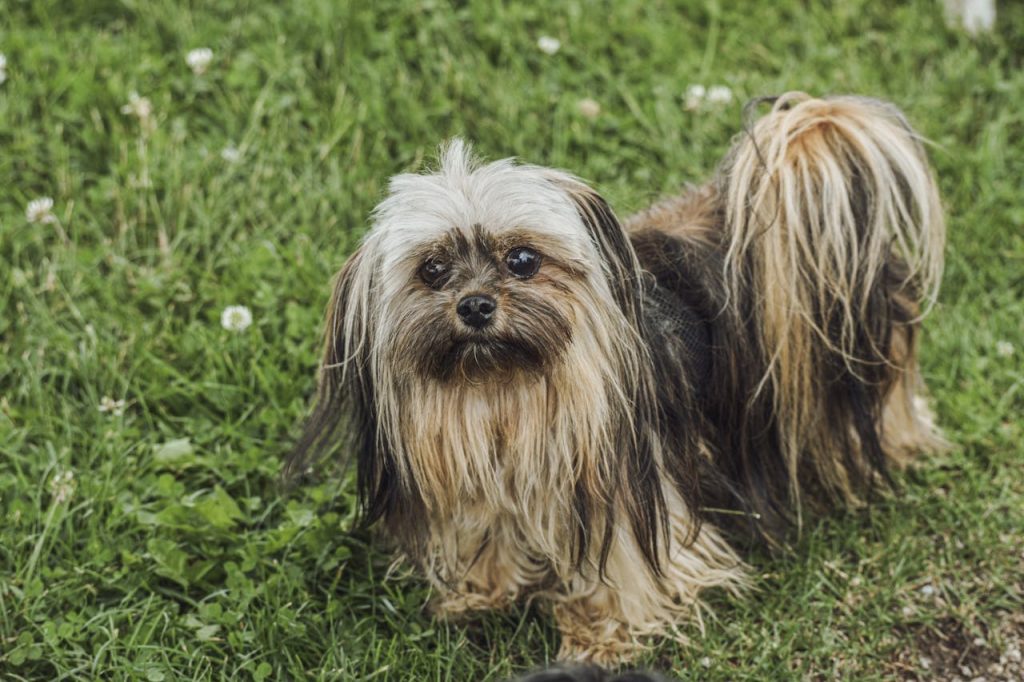
In imperial China, Shih Tzus were cherished as palace companions with roots tied to Tibetan lion-dog traditions and careful court breeding over centuries. That history produced a personable lap dog, yet many still carry themselves with surprising confidence, and they can be stubborn about house training without patient consistency at home for weeks.
The hidden challenge is maintenance: a coat that often needs daily brushing, frequent face cleaning to keep eyes comfortable, and dental care that starts early, since small mouths can crowd teeth, plus smart heat precautions because short muzzles can make warm days harder.
Lhasa Apso
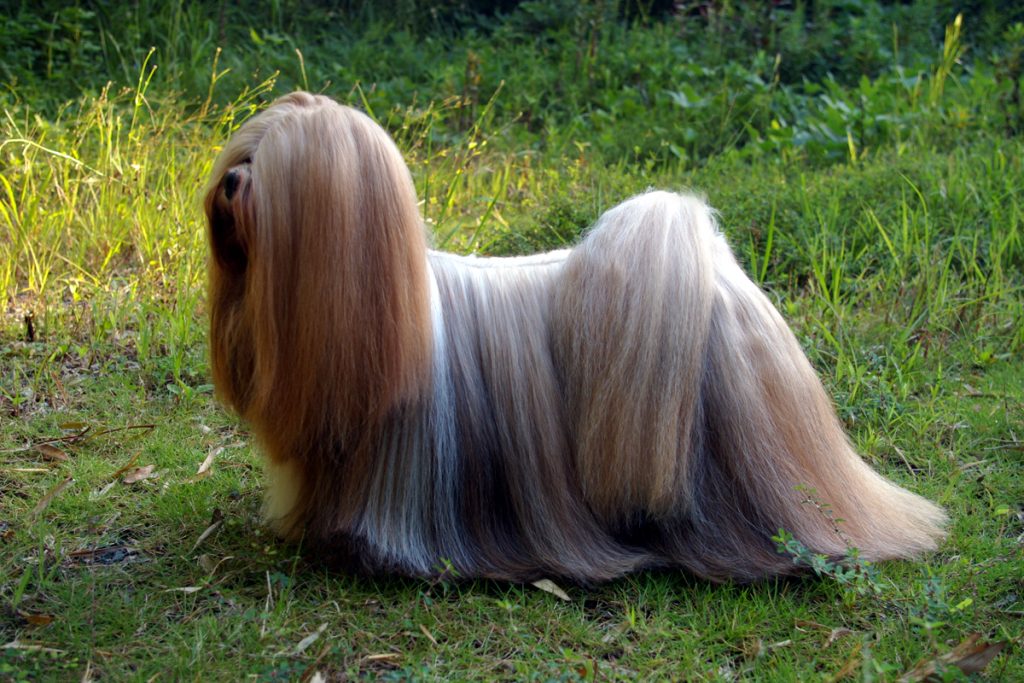
High in the Himalayas, the Lhasa Apso served for many centuries as a monastery sentinel, bred to notice the unfamiliar and sound the alarm. That purpose still shows up as sharp hearing, strong opinions, and a bond that deepens slowly, so trust is earned through calm routines, not constant cuddling over time.
The hidden challenge is manners and grooming: early exposure helps soften suspicion, a long coat needs consistent brushing and regular trims, and small-dog dental habits matter daily, too, while owners need a plan for barking and boundary-setting, because a bored Lhasa will appoint itself hall monitor and keep score.
Alaskan Malamute
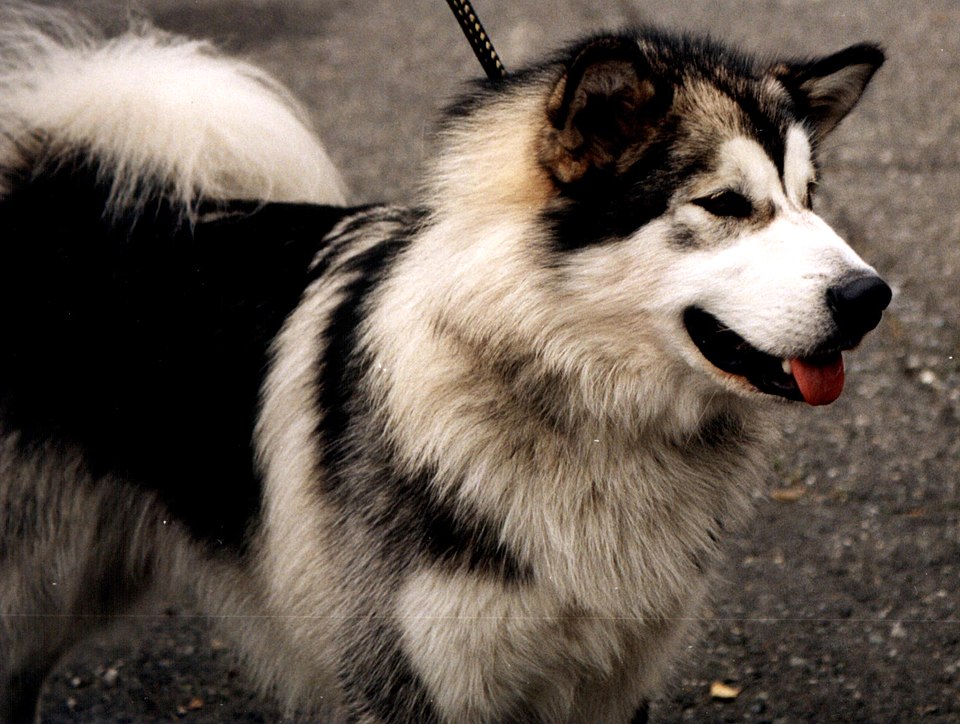
The Alaskan Malamute is tied to Arctic life and is often described as a basal breed, built for hauling heavy freight alongside people in hard country. Its friendliness can be disarming, but the body underneath is pure working muscle, and a Malamute that lacks structure will happily invent tasks, usually ones humans dislike.
The hidden challenge is strength and climate: leash manners take patient repetition, coats blow out in dramatic seasonal sheds, and heat needs real planning, while daily exercise must include pulling games, hikes, or training, not a casual stroll, or digging and chewing become self-appointed work.
Siberian Husky
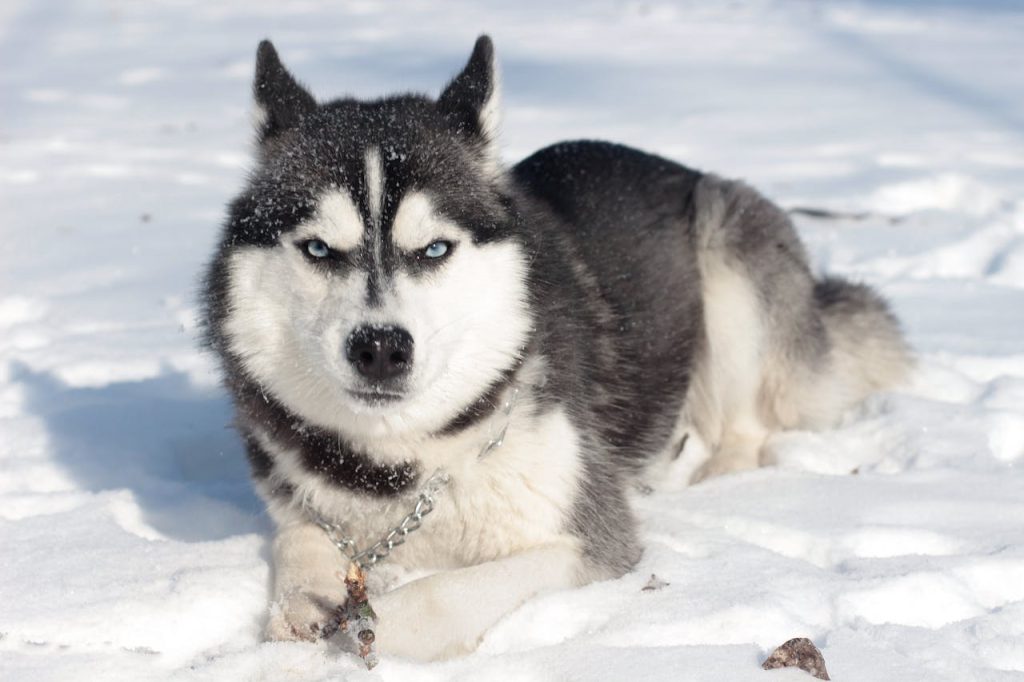
The Siberian Husky carries the story of northern travel, and genetic studies often place it among ancient or early-diverging breed groups. Those bright eyes can look soulful, yet the personality is famously independent, social, and mischievous, with a talent for turning a quiet afternoon into a minor expedition.
The hidden challenge is containment and stamina: Huskies can run for hours, slip fences, and treat recall as optional, so enrichment, secure yards, and consistent training matter year-round, plus careful leash skills for prey drive, along with coat maintenance and serious heat planning when summers spike fast.
Samoyed
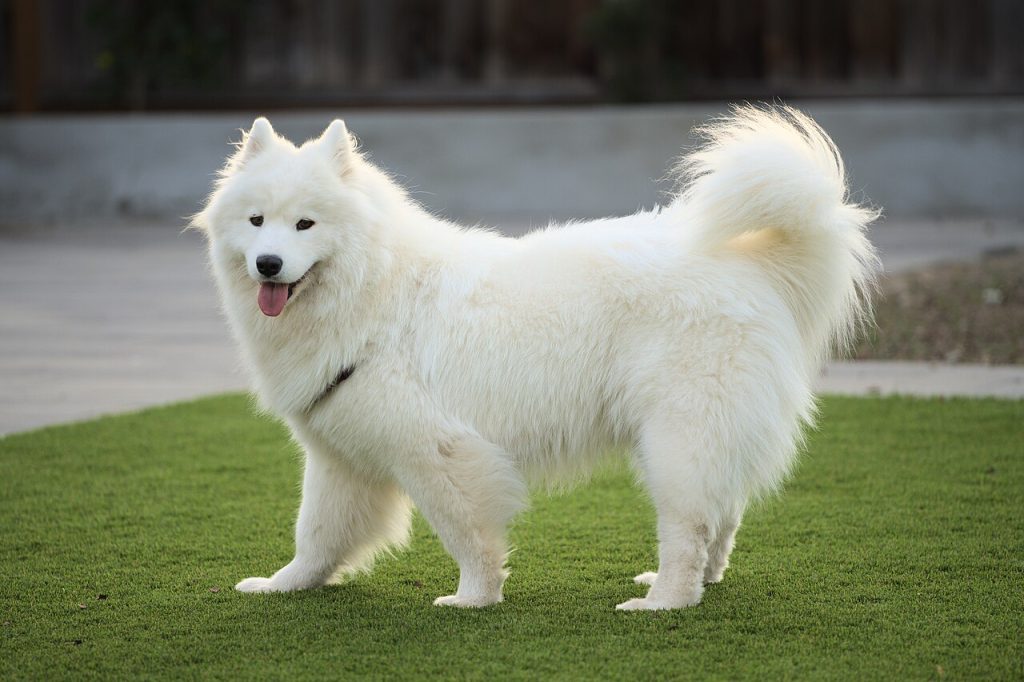
Bred with the Samoyede people of Siberia for herding and sled work, the Samoyed earned a reputation for warmth, endurance, and that famous grin. The temperament is often friendly, but the body is still that of a working spitz, and many keep a talkative streak that fills a house with commentary.
The hidden challenge is grooming and energy: the white coat needs thorough brushing to prevent mats at the skin, shedding can be intense, and daily activity must include training and puzzle play, not just exercise, plus heat precautions in warm climates, or barking and pacing take over, especially on long afternoons alone indoors.
Xoloitzcuintli
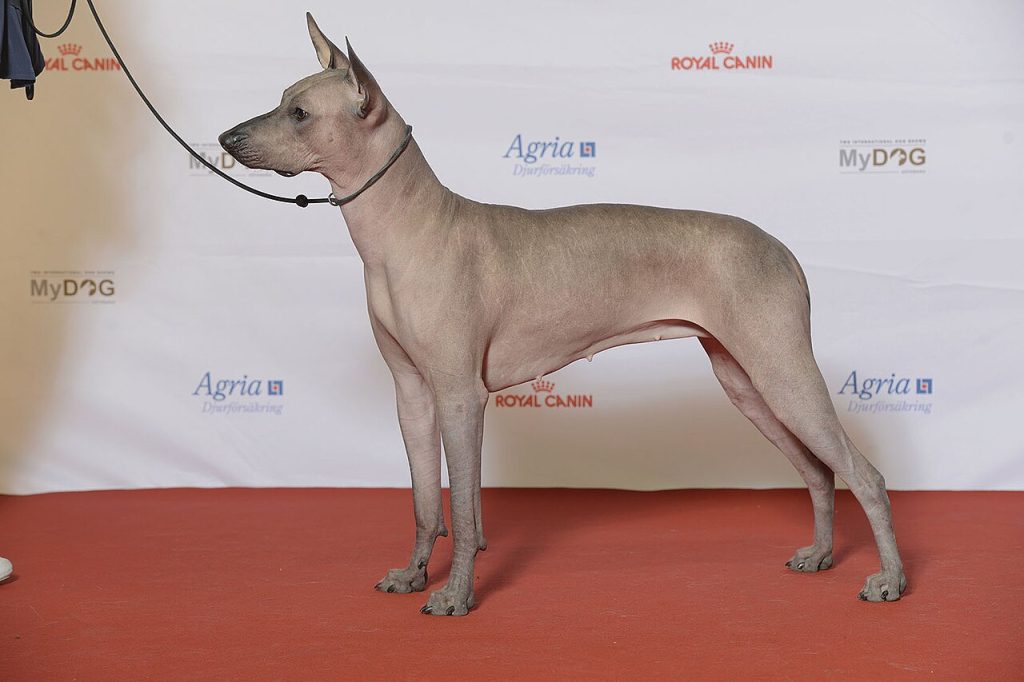
The Xoloitzcuintli, Mexico’s national dog, appears in archaeological finds and Aztec tradition, where it was linked with the journey of the soul. Its ancient aura is unmistakable, and the temperament often mixes quiet loyalty with a watchful edge, so steady socialization keeps protectiveness from hardening.
The hidden challenge is skin and climate care: hairless varieties need gentle bathing, moisturizing, and sun protection, while temperature swings can require sweaters or shade, and the same hairless trait is associated with dental abnormalities, making routine mouth care and regular vet checks a practical necessity.