

Pennsylvania’s 2025-26 hunting year carries a different kind of pressure. The season book no longer rewards habit alone, because legal Sundays expanded, late antlerless windows shifted, and permit timing now decides opportunity long before opening day. Wildlife managers also tightened selected limits and WMU responses to match disease realities and population goals. Across deer camp country, the old rhythm of fixed weekends and familiar assumptions has given way to a map-driven approach, where calendar discipline, boundary checks, and permit details now shape who hunts legally and who misses chances. Preparation now starts earlier.
Act 36 Ended the Blanket Sunday Ban

The biggest legal change is simple and historic: Pennsylvania’s general Sunday hunting ban was repealed through Act 36 of 2025, signed July 9 and effective Sept. 7. That shifted Sunday decisions from a blanket prohibition to Game Commission regulation inside established seasons.
What this means in practice is that hunters now plan full weekends in ways that were not possible for most species before, while still following the same species rules, WMU boundaries, and licensing obligations that apply on any other legal hunting day. Crews that once rushed Saturday exits now have lawful room to stay organized, safer, and less hurried.
Thirteen In-Season Sundays Were Added
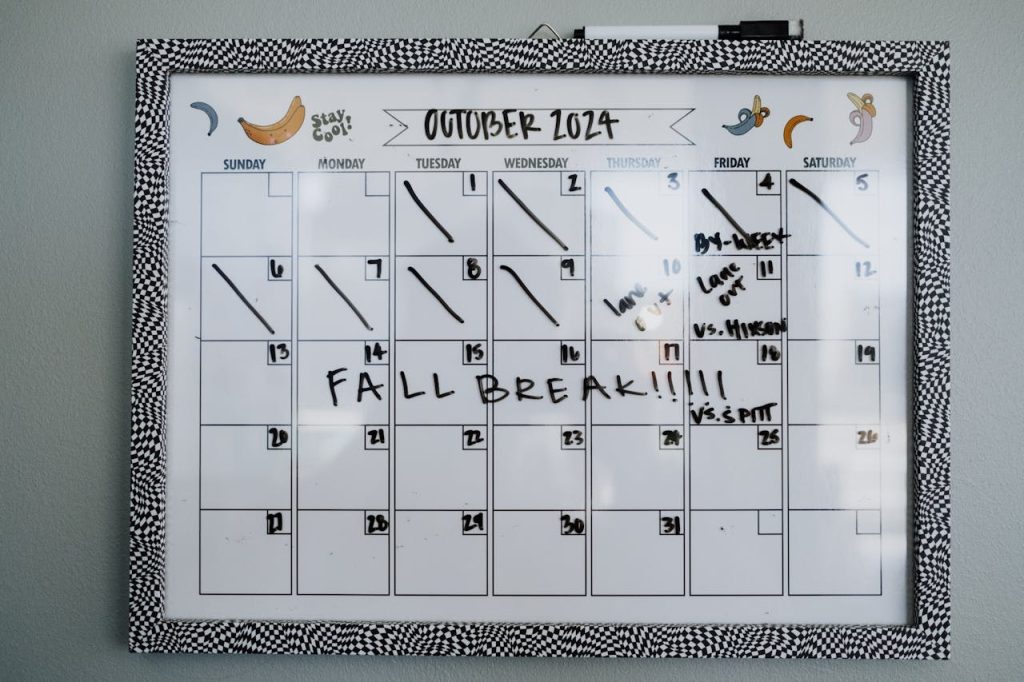
After Act 36 took effect, the Board approved 13 Sunday hunting dates for 2025, running from Sept. 14 through Dec. 7. The schedule adds regular in-season options instead of creating separate special events, which makes trip planning cleaner for families, camp groups, and processors.
The authorized Sundays are Sept. 14, 21, and 28; Oct. 5, 12, 19, and 26; Nov. 2, 9, 16, 23, and 30; plus Dec. 7. For many hunters, that is the single biggest operational change in the 2025-26 calendar, because scouting, leave requests, and freezer planning can finally align with predictable weekend blocks across early fall and the core deer run.
Migratory Game Birds Stayed Outside Sunday Access
One important boundary stayed in place: migratory game birds were not added to Sunday hunting for 2025-26. Federal frameworks govern those seasons, and the commission stated that opening Sundays now would have caused a net loss of hunting days for that category.
That creates a split system hunters cannot gloss over. A Sunday may be open for many in-season species, yet still closed for migratory birds on that same date, so mixed-bag planning now requires closer species-by-species checks before heading out. The legal day can change by quarry, not just by place, which is where rushed assumptions can unravel an otherwise legal plan.
Sunday Rules Now Depend on Park vs Forest Land
Sunday expansion also comes with location-specific limits. For 2025-26, state parks allow Sunday hunting only on Nov. 16, Nov. 23, and Nov. 30, even though many more Sundays are otherwise open under the Game Commission calendar.
State forests follow the broader commission Sunday schedule, so access can change simply by crossing a boundary on the map. That difference is easy to miss during fast planning, but it matters for scouting routes, backup spots, and legal certainty on crowded weekends. One copied pin from last season can now point a hunter to the wrong side of a rule line, especially near mixed public parcels.
Firearms Deer Gained Two Sundays but Keeps a Hard Close
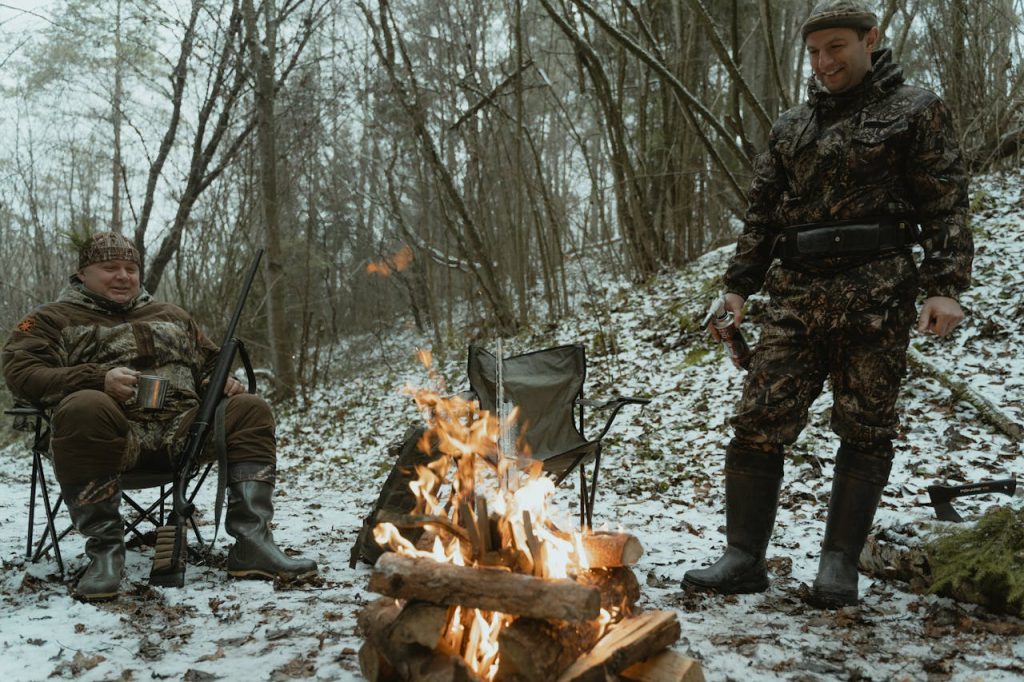
The regular firearms deer season now runs Nov. 29 through Dec. 13, with both Nov. 30 and Dec. 7 open for Sunday hunting. That gives camps two added weekend opportunities inside Pennsylvania’s most social and economically important big-game stretch.
The hard stop still matters: the season closes Saturday, Dec. 13. There is no automatic carryover to Sunday, Dec. 14, so hunters who assume a final extra day could lose lawful opportunity. Timing, travel, and processor scheduling all depend on getting that endpoint right, especially for groups splitting days between drives, stand sets, and meat care before mid-December bottlenecks.
DMAP Lands Received a Statewide Late Antlerless Window
Late deer strategy changed in a major way for 2025-26. The after-Christmas extended regular firearms antlerless season now applies statewide on all properties enrolled in DMAP, from Dec. 26 through Jan. 24, 2026, with a valid DMAP permit required for that property.
That widens legitimate late-season access beyond a narrow set of areas and gives land-focused managers another tool where deer pressure remains high. It also puts more weight on permit homework, because DMAP participation still controls where this expanded window can be used. Hunters who skip property-level checks risk arriving ready, but not legally eligible.
WMU 4C Was Added to the January CWD Response Extension

Pennsylvania also added WMU 4C to the Jan. 2 to Jan. 19, 2026, extended regular firearms antlerless season, alongside WMUs 4A, 4D, and 5A. The commission tied the 4C addition to recent chronic wasting disease detection in that unit.
This is a reminder that disease maps can reshape season structure quickly. Hunters near unit edges need to verify boundaries before moving between properties, because the extension is unit-specific, permit-based, and built around targeted management rather than a blanket statewide January expansion. Practically, one ridge crossing can shift a legal plan into a closed setup if maps are checked daily.
Statewide Archery Bear Was Compressed to One Week
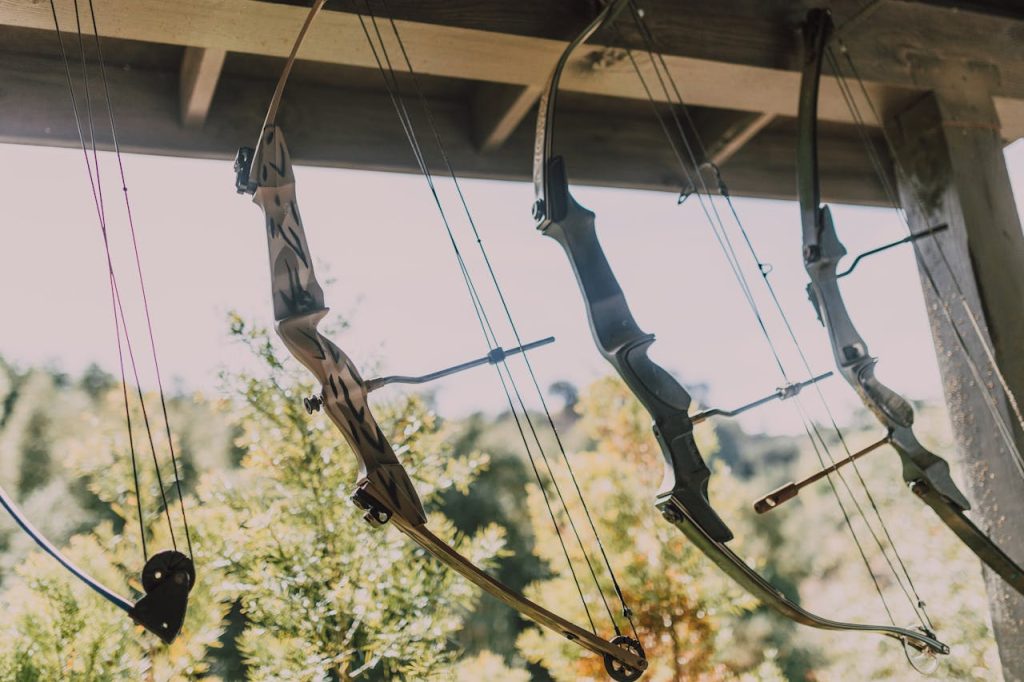
Bear hunters face a tighter early window statewide. The 2025-26 statewide archery bear season was shortened from three weeks to one week, set for Oct. 18 through Oct. 25, after officials said earlier seasons have been effective in boosting harvest.
The longer archery bear formats remain in WMUs 2B, 5B, 5C, and 5D, so strategy now depends heavily on location. In one part of the state, timing is compressed; in another, opportunity runs longer. That WMU split changes preseason scouting plans and how quickly decisions need to be made, especially for hunters trying to pair deer and bear prep on the same weekends before weather shifts.
Snowshoe Hare Season Cap Dropped to Three
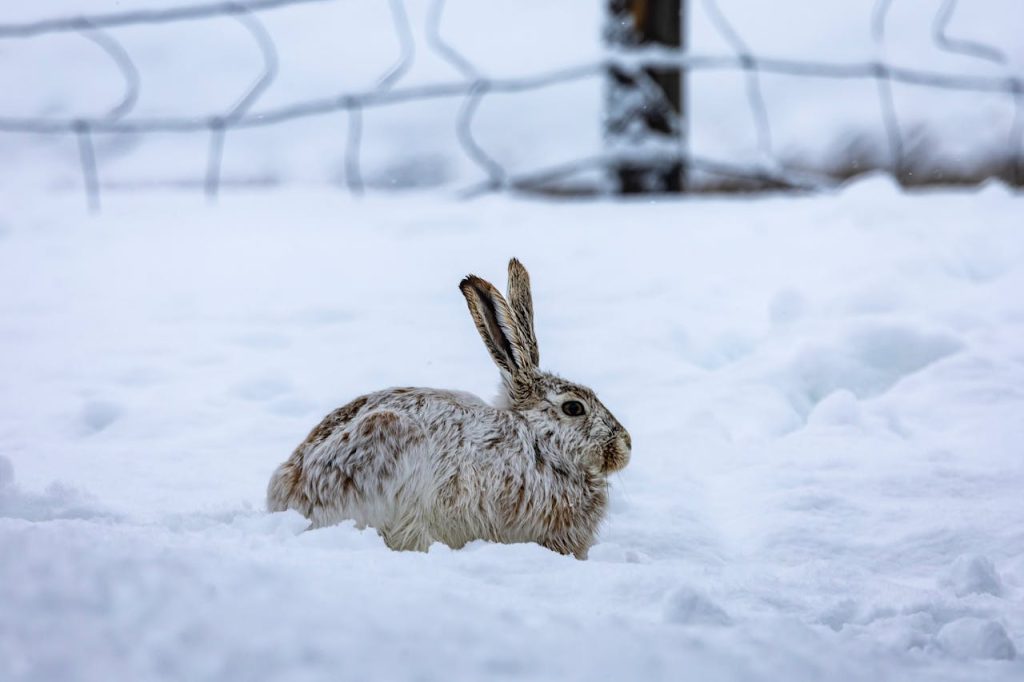
Snowshoe hare rules were tightened to protect isolated populations. The daily limit remains one, but the season cap is now three hares per hunter, and the statewide season runs Dec. 26 through Jan. 1, 2026, under the adopted 2025-26 framework.
Previously, a hunter hitting the daily limit repeatedly could take as many as six in a season. Cutting that maximum in half is a clear conservation adjustment, and it signals that small-game planning now requires closer attention to cumulative take, not just what happens on a single day in the field. Logbook discipline now matters as much as weather, snow depth, and travel to remote cover.
Antlerless License Allocation and Sale Timing Were Reset

License planning changed as much as field dates. Pennsylvania set 1,312,000 antlerless deer licenses for 2025-26, up from 1,186,000, and guaranteed resident access in all WMUs if purchased before 7 a.m. on July 14, when the nonresident phase opened at 8 a.m.
Residents began buying June 23, creating a three-week window without first-come pressure inside each WMU. After nonresident sales began, remaining licenses shifted to first come, first served. For camps coordinating group tags, that timeline now drives every early-summer planning conversation, because one missed morning can reshape the season map and force late shifts.
Pennsylvania’s new framework offers more usable time afield, but only for hunters who plan with precision and adapt quickly. The season now rewards people who track legal details as carefully as wind, sign, and weather, and that discipline may be the difference between a confident camp and a frustrating one.