

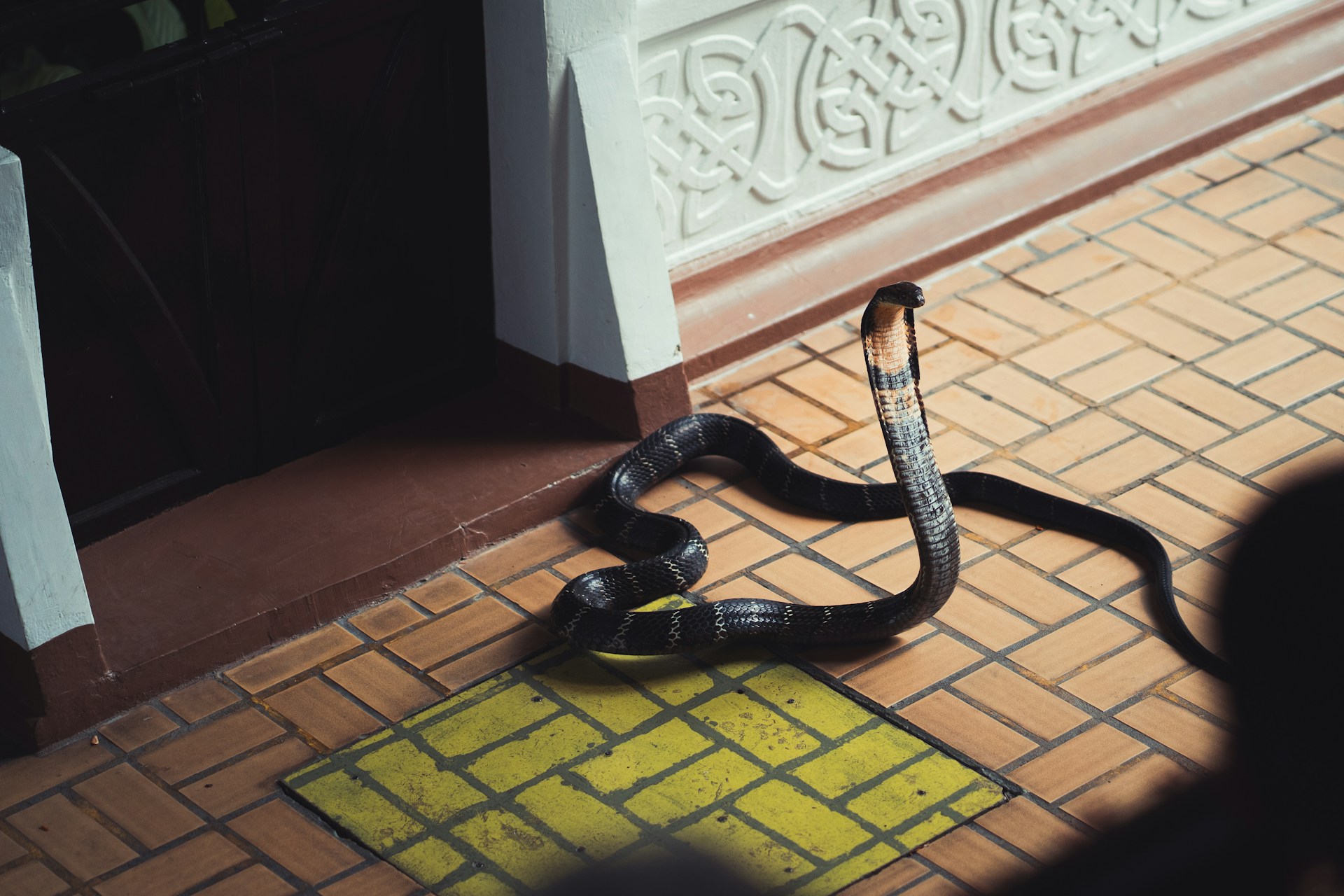
A snake on the porch can turn an ordinary morning into a held breath. One glance at the doormat, the planter, or the warm step by the railing, and the whole entry seems to change shape. Most snakes are not looking for a fight. They are usually moving through, following shade, warmth, shelter, or the small animals that gather around foundations and gardens. What matters most in that first moment is not speed or nerve, but calm. That is where good judgment matters. With space, patience, and a few grounded choices, the encounter usually ends the way it should: safely, quietly, and without turning fear into a bigger problem.
Pause and Give It Room
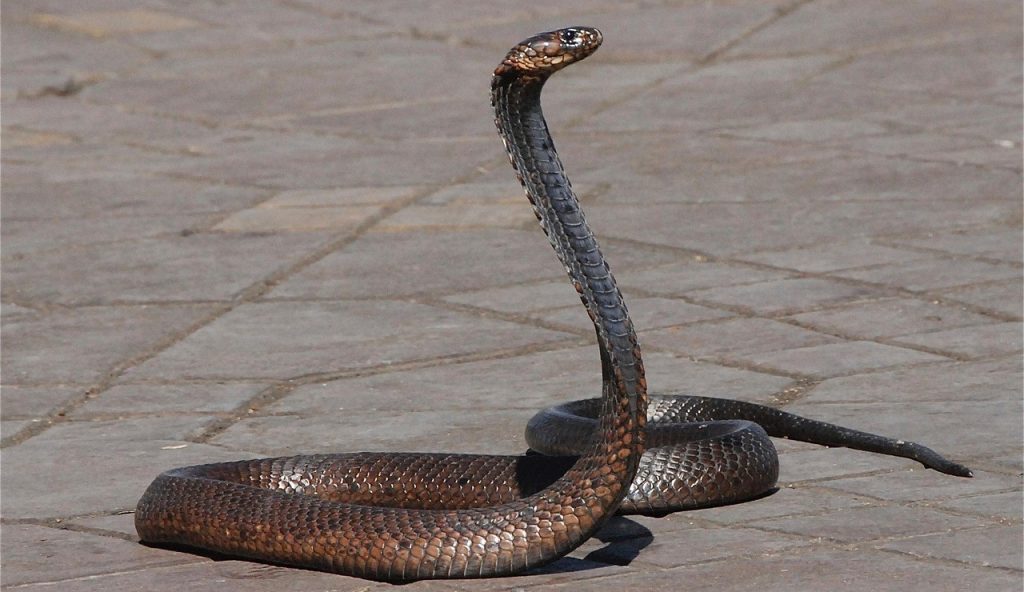
The first useful move is no move at all. A snake on a porch reads heavy footsteps, fast gestures, and crowded space as pressure, so a calm pause does real work. Outdoor safety guidance says to leave snakes alone and keep a clear buffer, and Georgia wildlife officials echo it: do not handle it, do not alarm it, and let distance lower the tension.
From several feet back, the scene becomes easier to read. A stretched body often means the animal is traveling, while a tight coil can mean it feels boxed in. That pause helps the household choose the next step without turning a passing wildlife moment into a close, messy emergency.
Bring Children and Pets Inside

Children and pets change the whole equation. A barking dog, a darting cat, or a child leaning in for a better look can crowd the animal before anyone has time to think. Humane wildlife guidance is clear that people and pets should be kept away, especially when the species is unknown or local venomous snakes are possible.
The best reset is quick and quiet. Call everyone in, latch the door, and keep the porch empty while the snake decides where to go. That move lowers noise, removes motion, and gives the animal a reason to leave instead of holding its ground beside the threshold. It also keeps one reaction from becoming more.
Give It a Clear Way Out
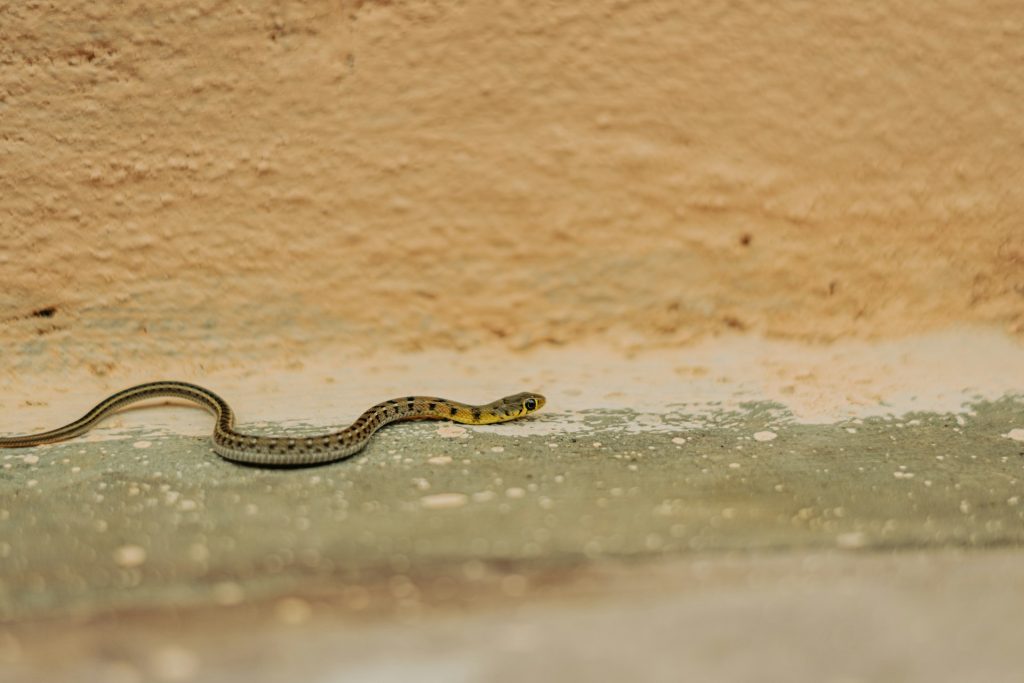
A porch becomes a problem when it feels like a trap. Snakes usually prefer an exit over a standoff, but railings, stacked packages, shoes, and people standing in the wrong place can close off the easiest route. Wildlife agencies advise leaving snakes alone and giving them space, because retreat is often the choice when the path is open.
That means keeping doors shut, not crowding the steps, and letting the yard side stay clear. If the animal can slip toward shrubs, mulch, or a gap along the edge of the porch, it often does exactly that. A clean escape route settles the scene faster than any loud attempt to force movement.
Take a Photo From a Safe Distance

A good photo can do more than a panicked guess. MedlinePlus says a picture taken from a safe distance may help with identification and treatment, and it warns against wasting time trying to catch or chase the snake. That makes a zoomed image far more useful than leaning in for a closer look on a narrow set of steps.
The smartest version is simple. Stay behind a door or well back from the porch edge, use the phone’s zoom, and capture the body pattern if possible. That image can help local wildlife staff or a licensed remover judge the level of concern without anyone moving too close. Clarity matters more than bravery.
Shut the House Behind the Porch
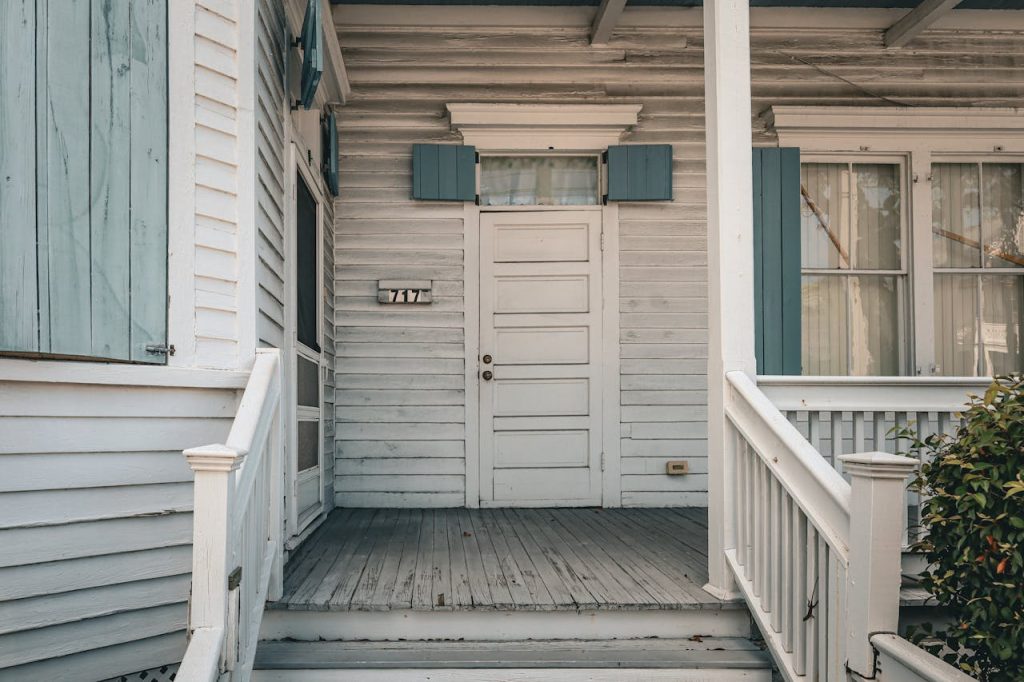
A porch sighting can stay outside if the house stops offering easy openings. Extension guidance on snake problems around homes stresses sealing cracks, checking porches and walkways, and reducing access to sheltered gaps where snakes can hide or follow prey. A half-open door or a loose threshold can turn a brief visit into an indoor problem.
The practical move is immediate and boring, which is exactly why it works. Close entry doors, pull in pet bowls near the threshold, and make sure garage or basement access is shut. After the snake leaves, door sweeps and crack repair help keep the next visit from getting any farther.
Use Gentle Pressure, Not Chaos

If the snake lingers and the setup is safe, light deterrence works better than drama. Utah State University Extension notes that a water hose can encourage a snake to move on, and it specifically warns against turning to aggressive tools. The point is not to punish the animal. It is to make the porch less comfortable while leaving a clear direction back to the yard.
The pace matters as much as the method. A light spray from a distance is very different from rushing in, closing in on it with tools, or cornering it on the boards. If the snake does not leave quickly, that hesitation is a sign to stop and call a trained responder instead.
Call a Licensed Wildlife Professional When Needed

Some porch encounters are better handed to people with the right tools. Humane wildlife guidance says venomous snakes should be taken seriously and removed in ways that protect both people and the animal, and state agencies often direct homeowners to licensed nuisance wildlife operators rather than improvised removal attempts.
That is especially true when the species is unclear, the snake is tucked into a tight corner, or the porch is the main exit from the house. A trained responder can manage distance, judge the likely risk, and remove the animal cleanly without turning the moment into something reckless or confused.
Warn the Household Quietly

Most porch accidents happen because someone has no idea the snake is there. A delivery pickup, a child stepping out, or a dog being let outside can collapse the safe distance in seconds. Quiet communication matters more than alarm. The goal is to reduce foot traffic, not turn the front steps into a gathering point full of noise and motion.
A closed curtain, a quick text, or a calm word through the house is usually enough. Keep the message plain and specific, and keep people inside until the porch is clear. That small bit of coordination protects the snake as well, because fewer surprises mean fewer chances that it needs to react.
Use Shoes and a Flashlight in Low Light
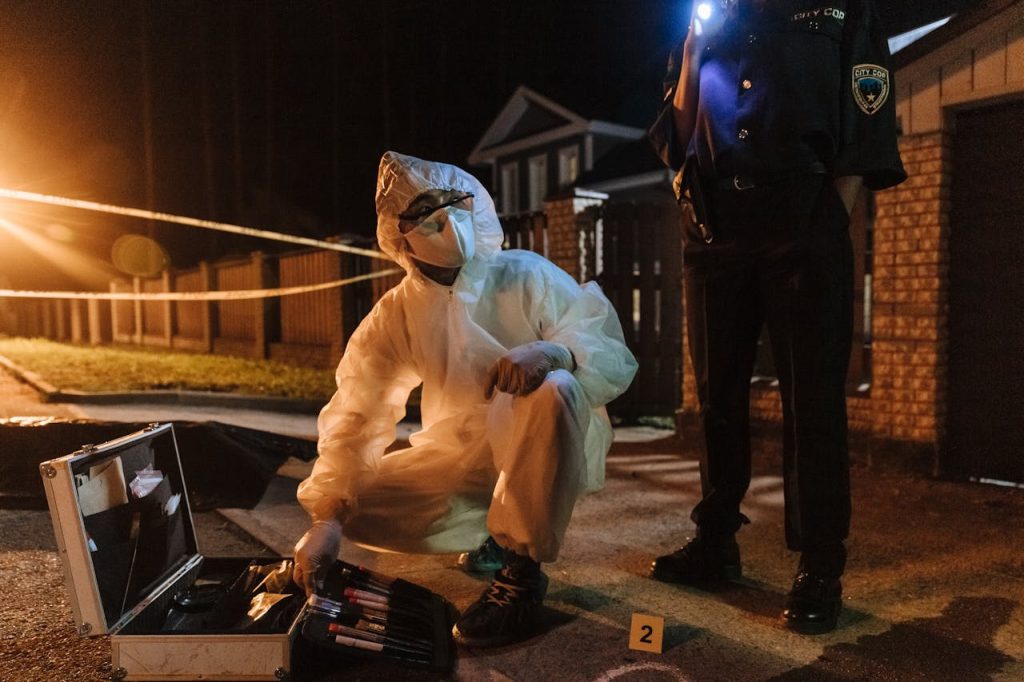
Many close snake encounters happen in dim light, when a porch step, doormat, or planter edge hides what the eye would catch in full sun. CDC travel guidance recommends solid footwear and a flashlight when walking outside at night in snake-prone areas, and that advice fits a home porch just as well as a trail or rural path.
A flashlight slows people down in the right way. It gives a clean look at the threshold, the porch corners, and the spaces behind pots or boxes before a foot lands there. Closed shoes add protection and help keep the response calm, steady, and less vulnerable to a sudden surprise or rushed misstep near the door.
Make the Yard Less Attractive After It Leaves

A porch visit often starts in the yard. Extension sources keep pointing to the same attractors: tall grass, brush piles, stacked firewood, cracks near porches, and the rodents that use cluttered edges as cover. Snakes follow food and shelter more than they follow houses, so prevention is mostly about changing the setting around the foundation.
That means mowing regularly, lifting firewood off the ground and away from the house, trimming dense growth, and cleaning up debris that invites mice. It is not flashy, but it works. A tidy edge around the porch removes hiding places and lowers the odds of repeat visits over the season.
Never Try to Grab or Trap It by Hand
The fastest way to make a porch encounter unsafe is to treat the snake like something that can simply be picked up. MedlinePlus says not to pick up or trap a snake, and wildlife agencies repeat the same rule because many bites happen during handling, not during the first sighting. Even a small snake can move far faster than a hand expects.
Porches make that mistake worse. There is less room to step back, less room to recover balance, and more hard surfaces if someone flinches. Gloves, boxes, and improvised tools do not change the basic problem. A hand close to the snake’s head is still a bad plan, no matter how calm it feels.
Never Corner It or Block the Exit

A snake that can leave often leaves. A snake that feels boxed in may stay put, coil tighter, or react defensively because the porch now feels closed on every side. Forest Service guidance says to leave snakes alone, not harass them, and keep distance. That advice matters even more on steps and narrow landings where people can stand between the animal and the yard without meaning to.
Blocking the only clear path creates the tension no one wants. Chairs, brooms, and people circling in from different angles all make the porch feel smaller. The safer choice is simple: back away, clear the route, and let open space work too.
Never Assume a Motionless Snake Is Safe

Stillness does not mean safety. MedlinePlus warns that even a dead snake can still bite by reflex for several hours, and India’s National Action Plan for Prevention and Control of Snakebite Envenoming also says not to pick up a dead snake because it can still inject venom. A motionless body on the porch should be treated with the same distance and caution as a moving one.
That matters because people often relax too early. They reach for a broom, move in for a photo, or try to clear the area by hand once the animal stops moving. The smarter read is simple: if there is any doubt, keep away and call trained help before moving closer.
Never Rely on Poisons, Glue Traps, or Mystery Repellents

Quick fixes usually create bigger problems. Humane wildlife guidance notes that effective snake repellents are hard to confirm, while extension advice keeps returning to the basics: remove cover, reduce rodents, seal gaps, and make the yard less inviting. Glue traps and poisons do not solve the underlying conditions, and they can injure pets or wildlife.
They also make the porch scene harder to manage. A distressed animal stuck near a doorway is more unpredictable than one that still has space to leave. The better approach is smarter: fix the habitat, use exclusion, and call a licensed professional when removal is needed.
Never Use Old Snakebite Myths
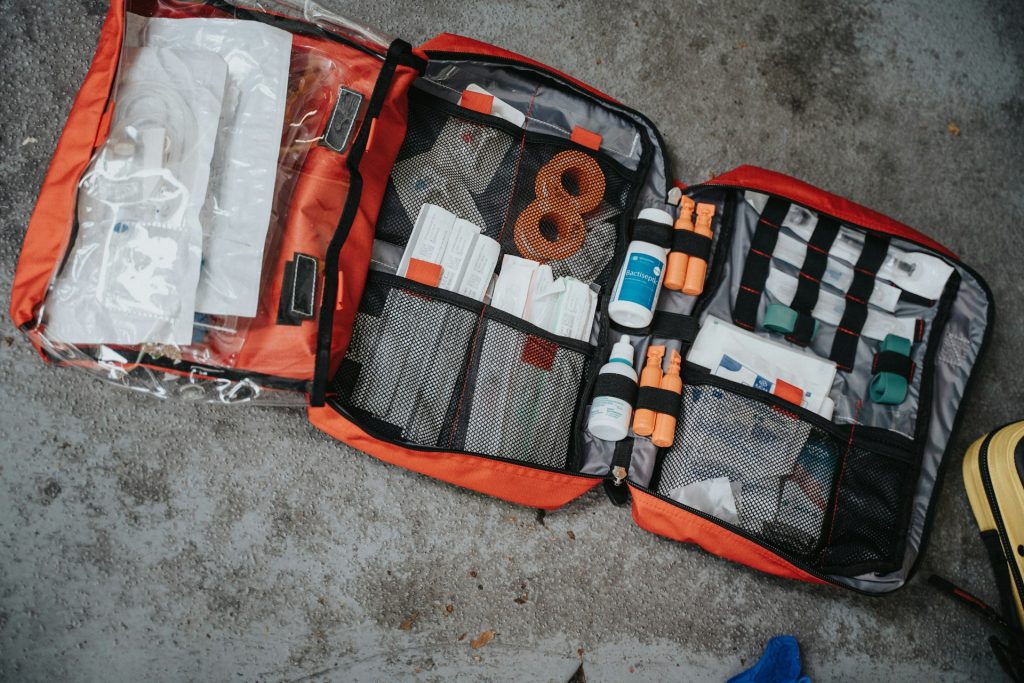
If a bite happens, old folklore should be dropped immediately. Red Cross, MedlinePlus, and Indian national guidance all agree on the same list of mistakes to avoid: no cutting the wound, no sucking out venom, no ice, no electric shock, and no tourniquet. Those methods do not help, and some of them can make the injury worse while wasting the minutes that matter.
The better response is calm and direct. Get emergency medical help, keep the person still, remove tight jewelry, and avoid extra movement while help is on the way. A photo taken from a safe distance may help later, but chasing the snake for proof is not worth the risk.