

Raised beds promise abundance in small footprints, and in many gardens they deliver exactly that. Their soil warms sooner, drains better, and gives roots a cleaner start than many in-ground plots. Yet strong harvests depend on one detail that is easy to miss during setup. When beds are shallow, compacted, or filled in layers that harden after watering, vegetables lose momentum long before fruit or roots mature. The crops below are known for thriving in raised systems, but each one reveals how a single soil mistake can quietly drain yield, flavor, and consistency across an entire season, from first sowing to final harvest.
Carrots And Parsnips Need Depth Before Anything Else
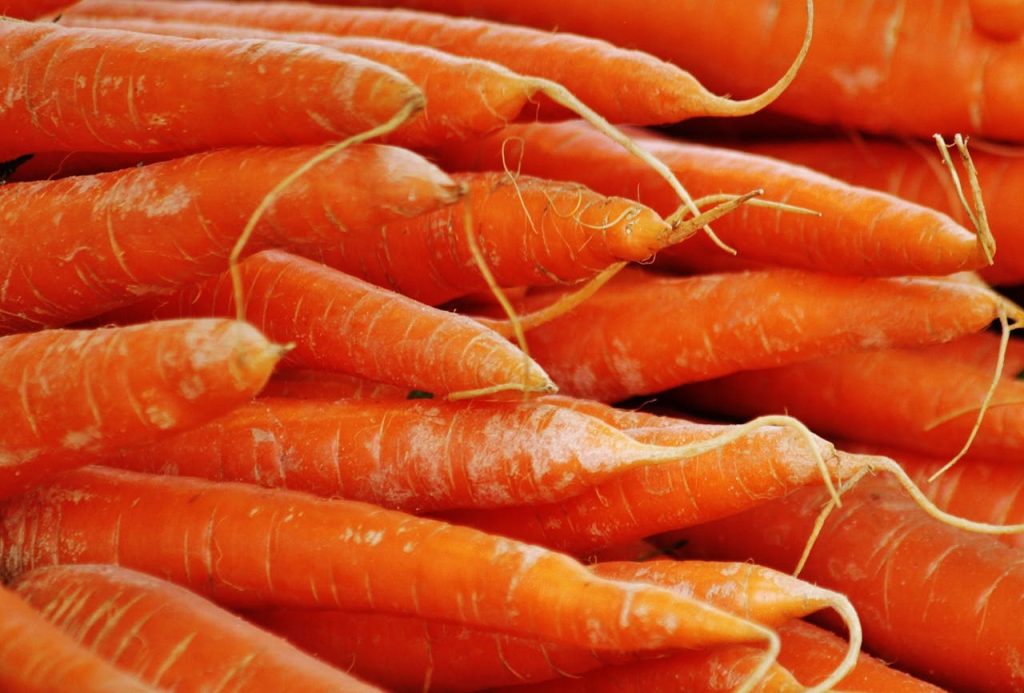
Carrots and parsnips perform best in raised beds when the soil is deep, loose, and mostly stone free. Their roots are built to run straight down, so even a thin compact layer can cause forks, blunt ends, and uneven size. A well built bed fixes that early by giving roots clean passage through the full profile, season after season.
Trouble starts when a bed is underfilled or tamped hard after planting. Around 12 inches of friable soil supports long roots, while shorter carrot types fit shallower builds. When structure stays open below the surface, roots size up evenly, pull cleanly, and hold better sweetness at harvest.
Tomatoes Build Faster In Warm Raised Soil
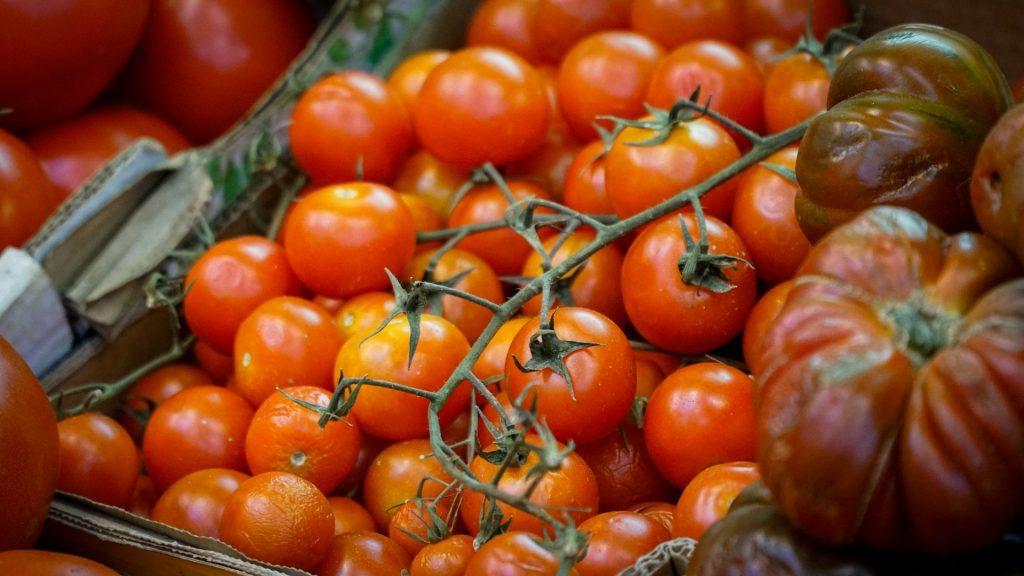
Tomatoes gain momentum in raised beds because soil warms earlier in spring and drains quickly after rain. That faster warmup wakes roots sooner and helps plants build strength before summer stress sets in. Even vigorous indeterminate plants can perform well in compact spaces when the bed is built with real depth.
The common setback is shallow fill that dries on top, then compacts below. Roots stay near the surface, and fruiting drops during heat swings. A deeper, airy root zone plus sturdy stakes or a Florida weave system keeps growth steady, reduces stress, and supports heavier clusters from early flush to late harvest.
Melons Respond Fast When Soil Conditions Are Right
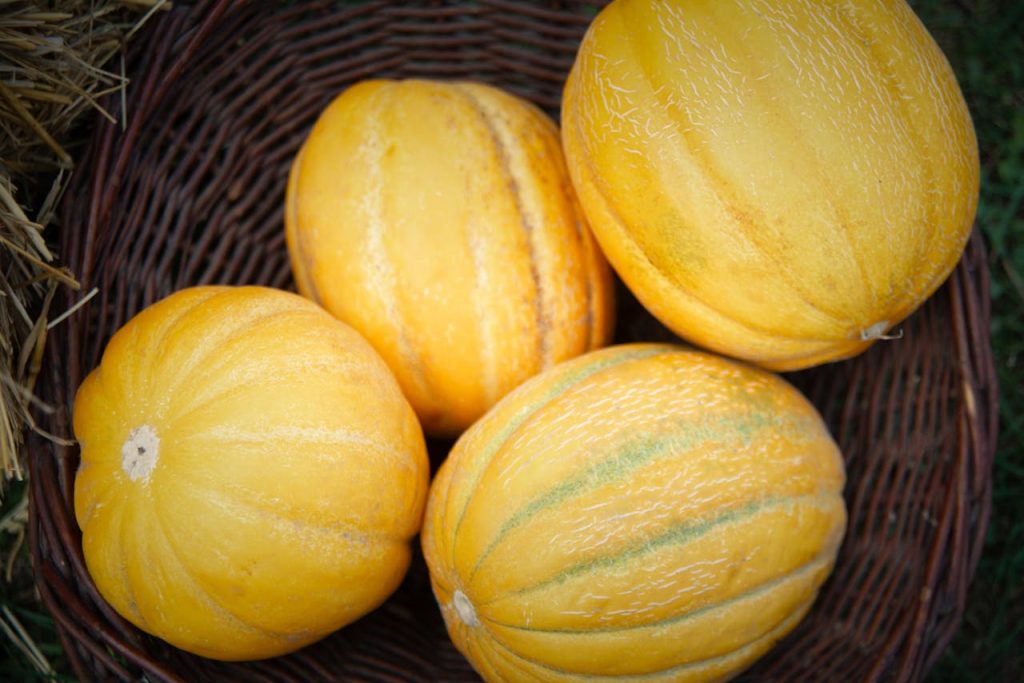
Melons thrive in raised beds because warm, well drained soil speeds early growth and nudges flowering ahead of colder ground plots. Muskmelons and watermelons both benefit from that head start, especially where spring nights stay cool. Earlier root activity often means earlier fruit set before weather swings.
Most disappointments trace back to one avoidable mistake: shallow, compact fill in a crowded bed. Vines then struggle to feed evenly, and fruit size becomes erratic. Deeper loose soil, plus trellises and simple fruit slings, keeps growth organized and stable. That combination improves sizing, skin quality, and harvest timing.
Daikon Radishes Expose Poor Bed Construction Quickly
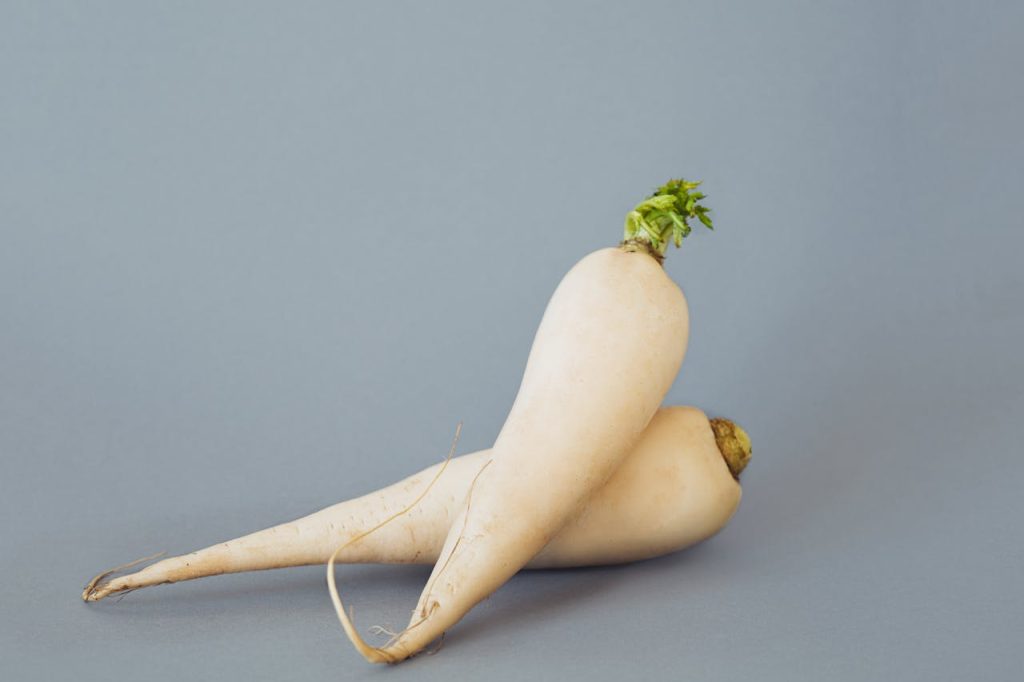
Daikon radishes reveal raised bed quality fast because they need depth and low resistance from sowing to harvest. Unlike short spring radishes, daikon roots grow long and tapering, and they stall in tight or rocky soil. A properly built raised bed gives them a straight runway for cleaner shape and better texture.
The same mistake that hurts carrots hits daikon harder: shallow, compact fill that looks fine on top but blocks roots below. Beds near 12 inches deep usually provide enough room for solid development. Pair that depth with loose structure, and roots stay more uniform, with fewer splits and fewer undersized pulls at harvest.
Peppers Hold More Fruit In Balanced Raised Beds
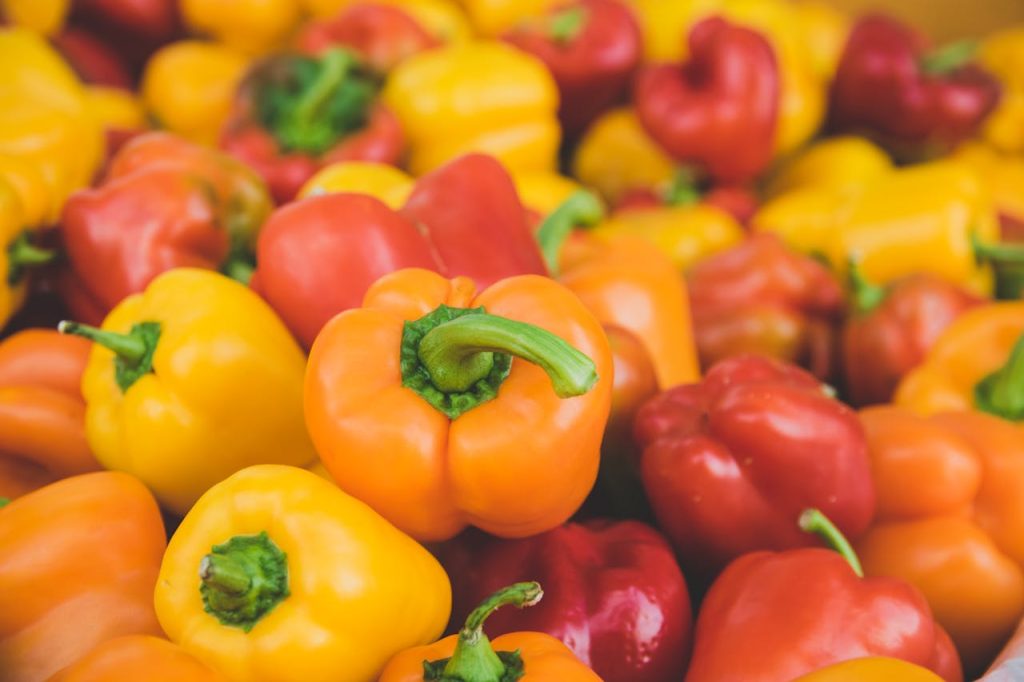
Peppers love raised beds because warm soil and fast drainage support steadier early growth. Both bell and hot types flower better when roots are not trapped in cold, wet ground. In compact plots, raised beds also make spacing and airflow easier to maintain through humid weather and late summer heat.
Yield drops when the bed is shallow, crusted, and watered unevenly. Pepper roots are not huge, but they still need depth and oxygen for continuous fruit set. A loose base, light mulch, and drip irrigation keep moisture steady without saturation. With simple staking for heavier branches, plants carry more fruit and avoid stem breakage.
Beans Keep Beds Productive Between Major Crop Waves
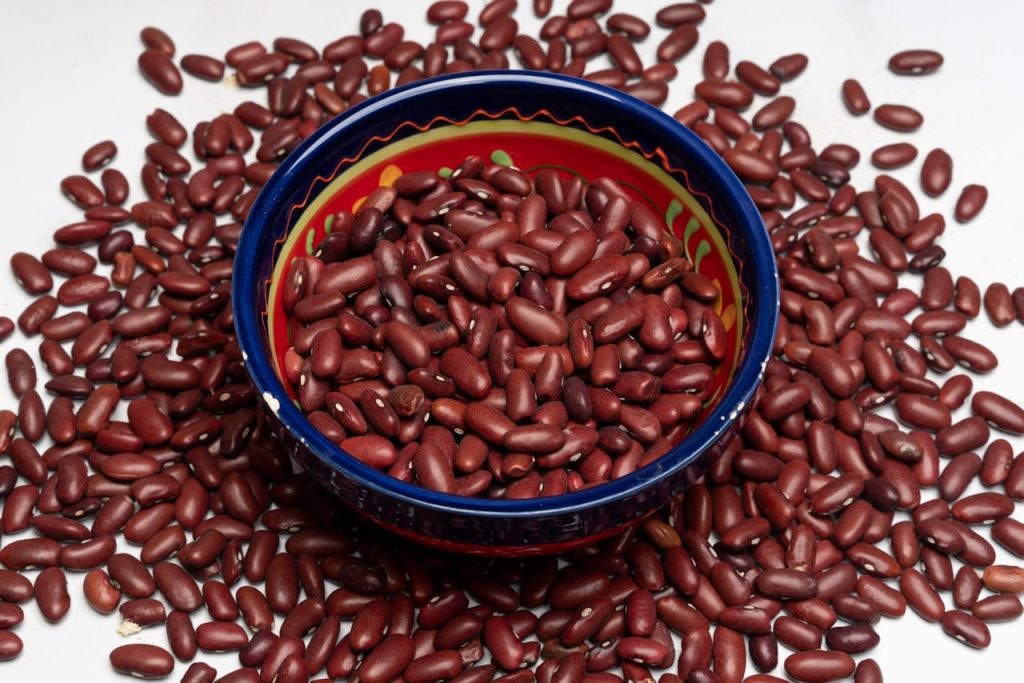
Beans suit raised beds because bush and pole types both produce well in small footprints. They also bridge the harvest gap between spring crops that fade and summer crops still sizing up. Warm, loose soil helps roots establish quickly, and organized beds keep picking efficient.
Output falls when raised beds are treated like shallow planters and packed too tightly. Compaction slows root activity and weakens the nitrogen fixing benefit beans bring to nearby crops. A deeper airy base, plus rows for bush beans and trellises for pole beans, keeps growth balanced. Yields improve, and bed fertility gets a lift as the season advances.
Sweet Potatoes Need Loose Depth To Bulk Properly
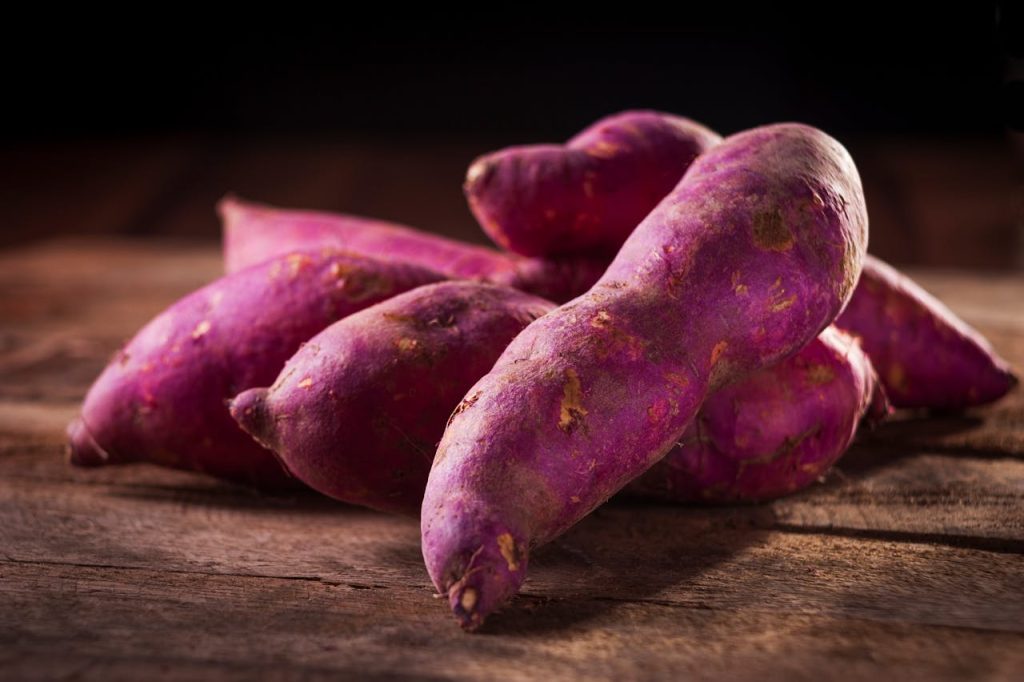
Sweet potatoes suit raised beds because they prefer loose, warm soil where storage roots can expand freely. In cooler regions, raised beds warm earlier and give slips a better start before peak summer. Vines may sprawl above ground, but yield is decided mostly by soil depth and texture below.
Cut corners on bed fill, and harvest size drops fast. Shallow, compact layers restrict root swelling and produce thin, uneven potatoes even when foliage looks vigorous. A deep, friable profile supports fuller roots and easier digging at season end. Where burrowing pests are common, hardware cloth under the bed protects roots and the season.
Leafy Greens And Lettuce Thrive In Tight Raised Spaces
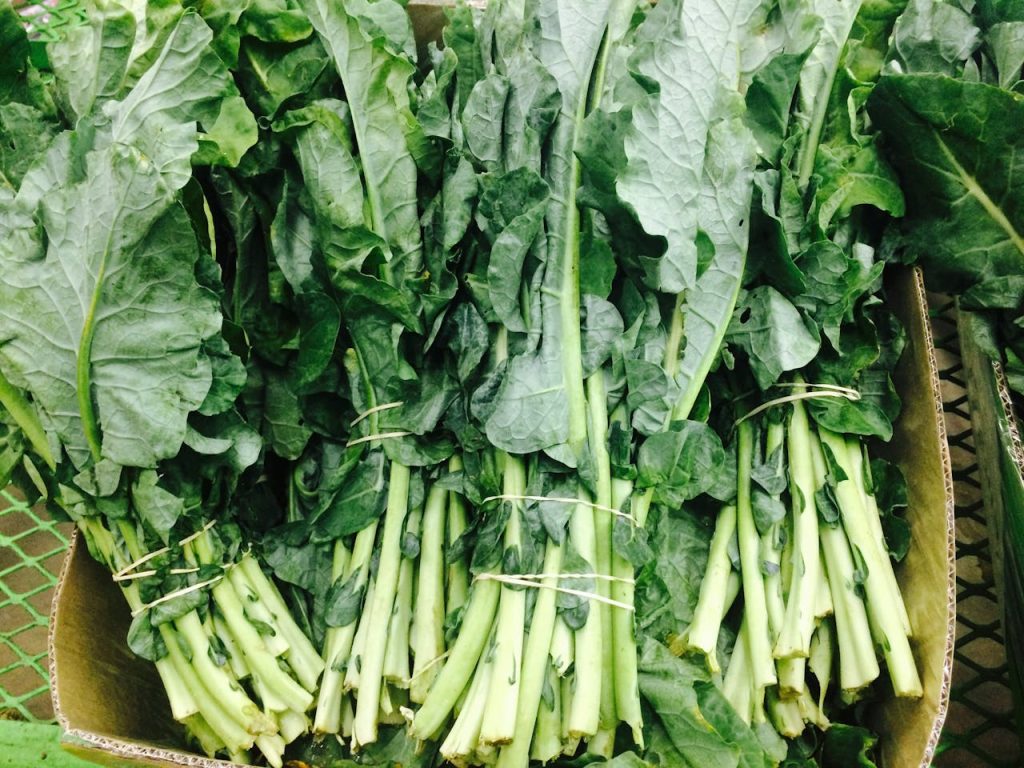
Leafy greens and lettuce thrive in raised beds because they stay compact, grow fast, and slip between slower crops. Loose soil and steady moisture keep leaves tender and regrowth reliable after cutting. Succession sowing through spring and fall keeps production moving, while heat tolerant options extend season.
The common mistake is treating greens as shallow rooted and letting top layer dry hard. Even modest roots struggle when the lower zone is dense and low in air. A deeper, open profile holds moisture and supports repeat cut and come again harvests. That steadiness improves flavor and helps limit sudden bolting under stress.
Cucumbers Produce Better With Trellis And Soil Depth
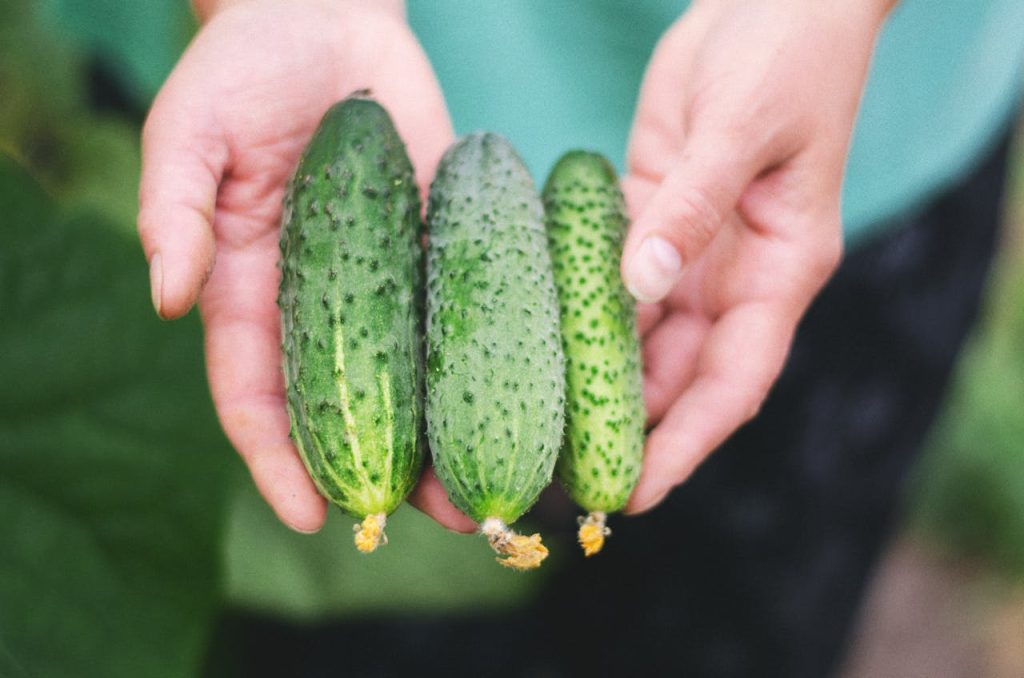
Cucumbers gain speed in raised beds because warm, draining soil helps roots establish without staying wet after storms. Bush types fit neatly in rows, and vining types can climb supports to save space and improve airflow. With planning, small beds can still produce for a long stretch.
The repeat mistake is shallow compact soil plus poor trellis placement. Constrained roots and sprawling vines reduce output and increase disease pressure. A deeper loose bed, with trellises on the north side, preserves light for shorter crops and supports cleaner fruit. Harvests become easier, more consistent, and less chaotic through midsummer heat.
Beets Stay Compact But Still Demand Real Root Room
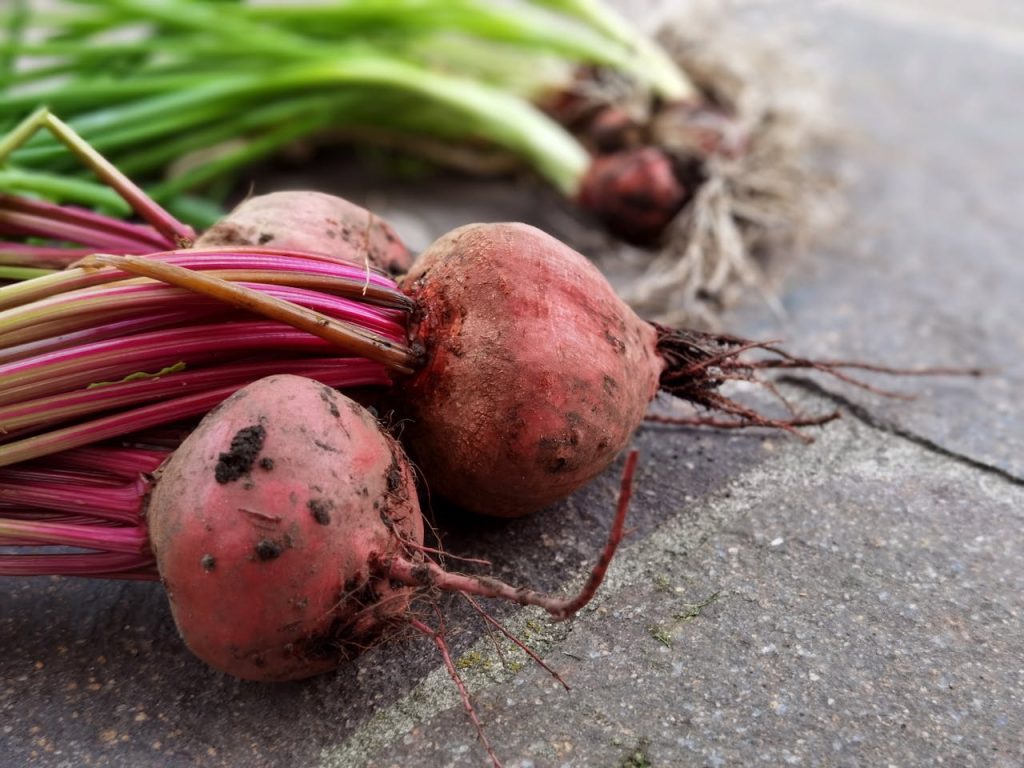
Beets fit raised beds well, yet they still need depth to form smooth, full roots. Like carrots and parsnips, they lose quality in dense soil where swelling is restricted below the surface. Loose raised bed soil gives them room to size evenly, and their compact tops let them share space with taller crops.
The hidden mistake is assuming beets can finish in whatever mix sits at the bed bottom. If that layer is compact, roots stay small and shape turns uneven. Beds near 10 inches deep usually provide enough room when texture stays crumbly. Sown in succession, beets fill open gaps and keep harvests moving with very little wasted space.