

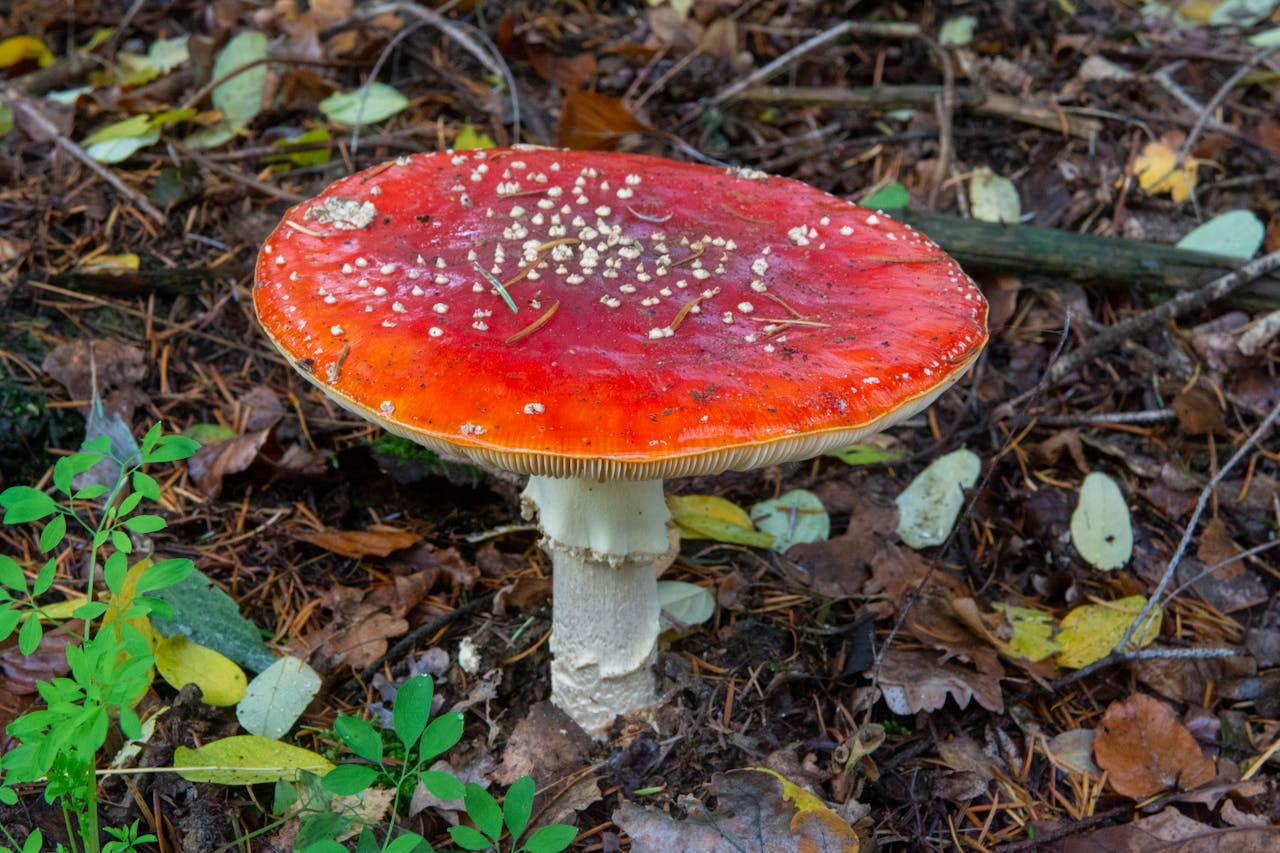
After winter rain, county health teams across California are sending the same hard message through advisories, poison calls, and local updates: dangerous mushrooms are showing up where families walk, children play, and foragers assume the risk is low. Recent outbreaks have pushed hospitals, poison specialists, and county officers into urgent outreach because the earliest clues are easy to dismiss.
What makes these poisonings so serious is not only the toxin itself, but how ordinary the first moments can seem. A routine walk, a backyard cleanup, or a shared meal can hide the danger until the body is already under stress.
Mushrooms Showing Up In Ordinary Places After Rain
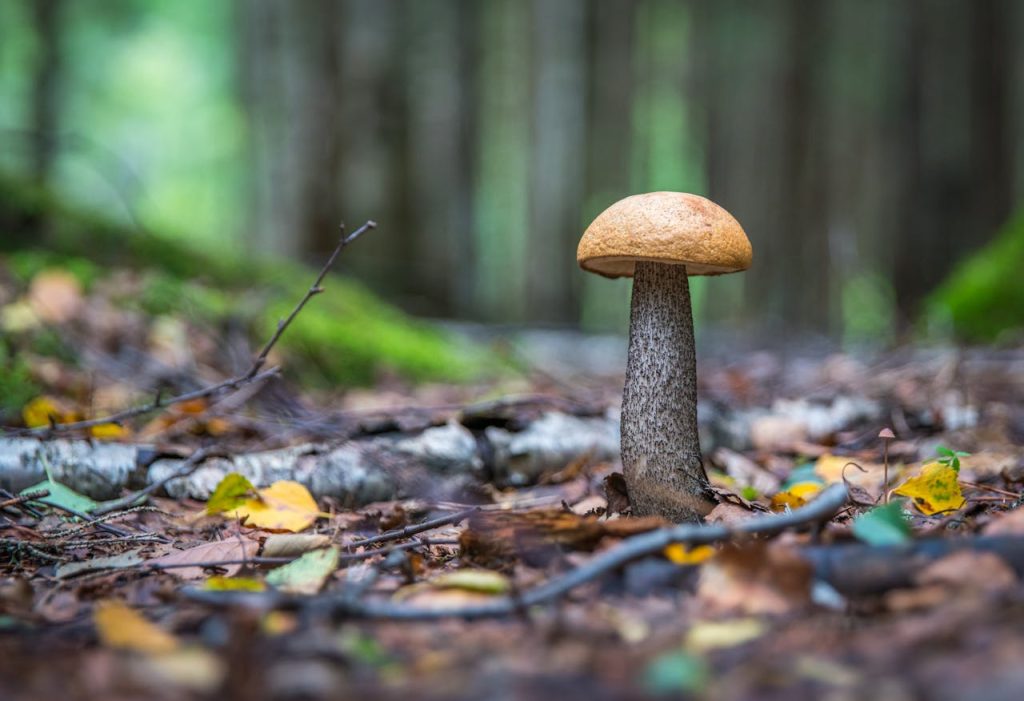
County advisories keep stressing how easy it is to miss the setting. Toxic mushrooms are not limited to deep forest trails. Health teams have warned they can appear in parks, canyons, open spaces, coastal foothills, and even residential yards after seasonal rain. County alerts now describe risk across whole neighborhoods.
That ordinary backdrop lowers caution. A mushroom near a sidewalk, school lawn, or backyard tree can look harmless simply because it is growing in a familiar place. County alerts keep repeating that the location is not protection, and that assumption is one of the most common mistakes behind accidental poisonings.
A Safe Looking Cap Can Still Be A Dangerous Look Alike
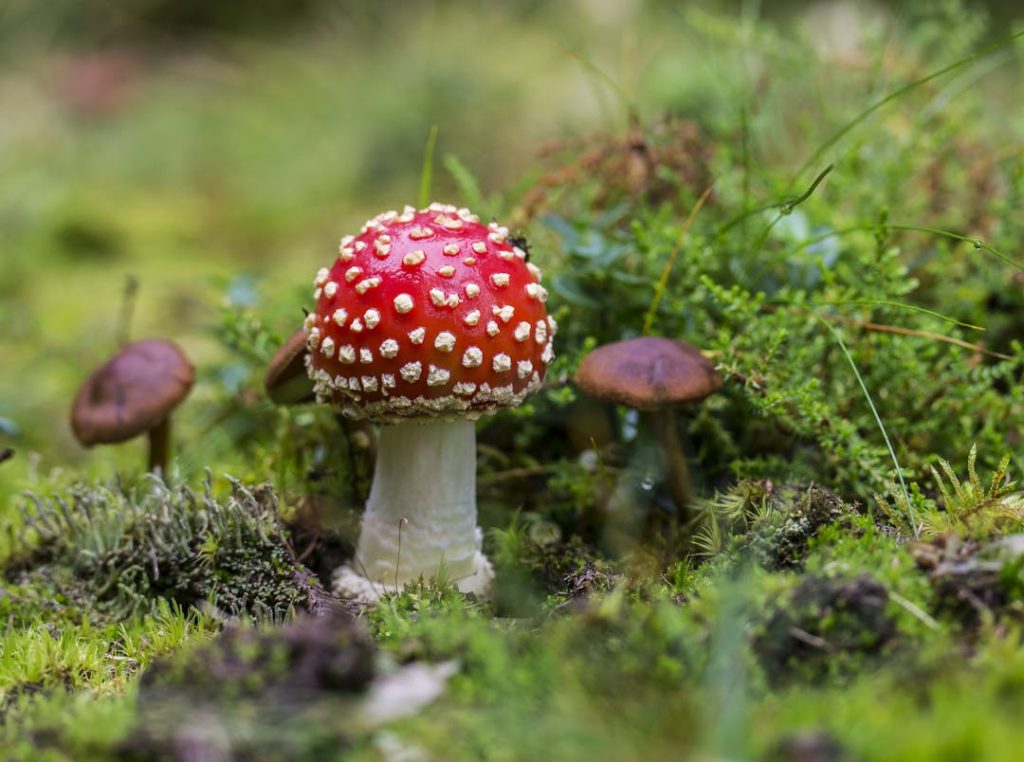
Public health messages repeatedly note that poisonous mushrooms can closely resemble edible kinds. County and state teams have warned that death caps and related species are often mistaken for mushrooms people know from markets or from home regions, especially when the cap is young and the shape looks familiar. Familiar shape is not reliable identification.
That visual confidence is one of the biggest traps. A neat cap, pale gills, and a clean stem do not confirm safety. County officers keep urging residents to treat look alike mushrooms as a medical risk, not a confidence test, because the eye alone fails too often.
Taste, Smell, And Texture Are Not Reliable Clues
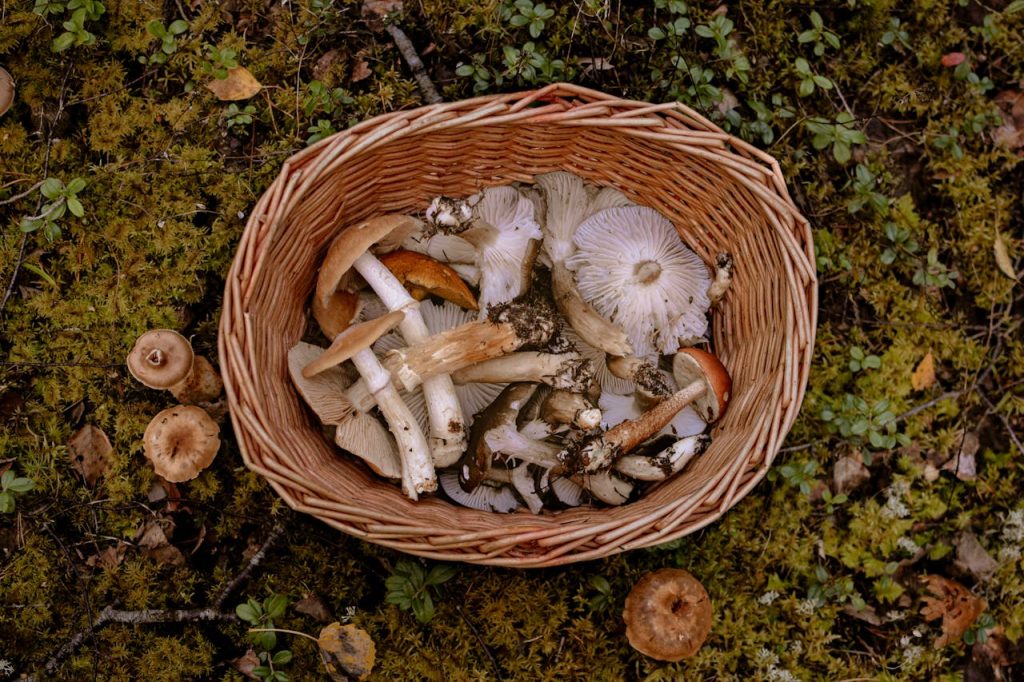
One warning county teams keep repeating is that taste and smell do not sort safe mushrooms from toxic ones. San Diego public health guidance states these mushrooms are not reliably distinguishable by taste, smell, or cooking method, which directly counters a common myth passed through casual foraging advice. Texture checks fail for the same reason.
That matters because many poisonings start with a quick sensory check and a confident guess. A mild smell, a normal texture, or a familiar taste does not make a mushroom safe. Health teams are pushing a simpler rule: uncertain identity means real risk, and the meal should stop there.
Cooking, Boiling, Freezing, Or Drying Does Not Make Them Safe

County and state advisories are unusually direct on this point because many families still trust a kitchen fix. Sacramento County and CDPH both warn that death cap toxins remain dangerous after cooking, boiling, freezing, or drying, so extra heat or a different recipe does not remove the danger. The toxin survives common kitchen handling and storage. No fix cancels it.
That warning is easy to overlook when a mushroom ends up in soup, sautéed dishes, or a shared dinner. Public health teams emphasize that these toxins stay active through normal preparation, and a well cooked plate can still lead to severe poisoning in a household.
Symptoms That Start Late Are A Major Red Flag
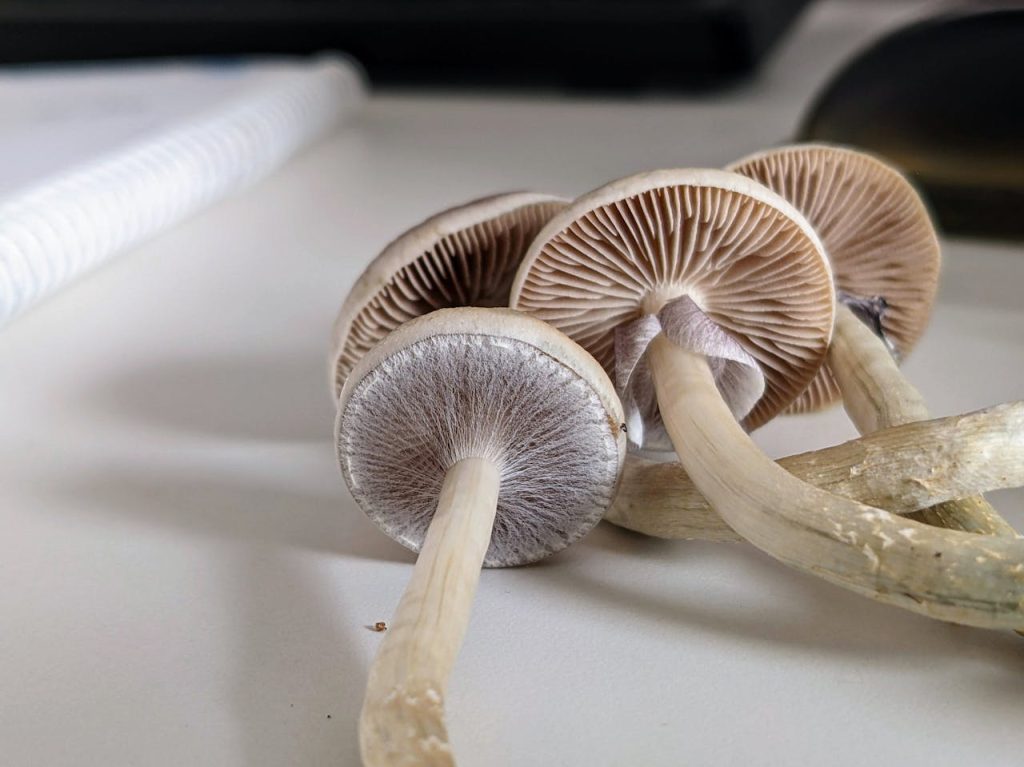
One of the most missed warning signs is timing. County and state guidance notes that serious mushroom poisoning symptoms may not begin until six to 24 hours after eating, which can make the meal feel safely behind everyone and delay the decision to call for help. That delayed start often creates false reassurance overnight and into the next day for hours.
That delay is exactly what makes amatoxin exposure so dangerous. By the time vomiting, diarrhea, cramping, or abdominal pain begins, the toxin may already be affecting the liver. County teams say delayed symptoms are urgent warning signs, not routine food upset after dinner.
A Brief Improvement Can Be A False Recovery
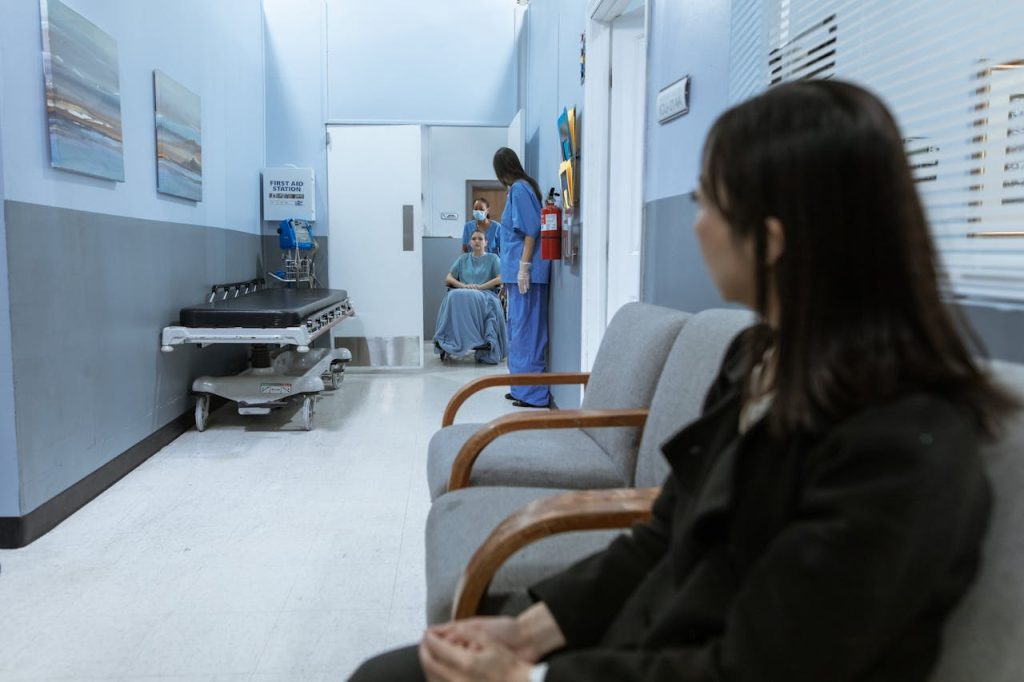
County warnings and CDC guidance describe a pattern that can fool families and even busy clinics: symptoms ease, then a much more serious phase begins. San Mateo County and other advisories note that early illness may briefly improve before severe liver injury appears later, sometimes after a day of apparent recovery. The better moment can be deceptive.
That quiet period creates false reassurance. People may skip follow up care once the stomach symptoms settle. Public health teams keep flagging this phase because the liver and kidneys can worsen while the person seems to be improving, even as danger builds and options narrow.
Mild Nausea Can Still Be The Start Of A Severe Case

Health teams are also warning against judging the danger by how mild the first symptoms seem. CDPH notes that even mild nausea can begin a more severe reaction, and some early symptoms may fade within a day before serious liver damage appears two to three days later. A small symptom does not mean a small exposure at all, or a safe outcome. County alerts flag that mismatch.
That is why county officers keep pushing fast action instead of watchful waiting. What looks like a small stomach problem on day one can become a liver emergency by day three, especially with amatoxin poisonings that move in phases and mislead families at first.
Children Under Six And Pets Face A Different Kind Of Risk

County health teams keep highlighting a pattern adults miss: many exposures are not classic foraging accidents at all. CDPH says most poisonings happen to children under 6, and county advisories add that pets are also at risk because they explore by touch, smell, and taste. A yard visit can become exposure in seconds after rain, near play spaces. That pattern repeats.
A mushroom in the yard can become a hazard during a normal afternoon outside. Local alerts urge families to watch play areas closely, keep pets away from mushrooms, and remove mushrooms safely after rain, before a quick bite turns into an emergency call for help.
Shared Mushrooms From Friends, Family, Or Street Sellers Are A Warning Sign
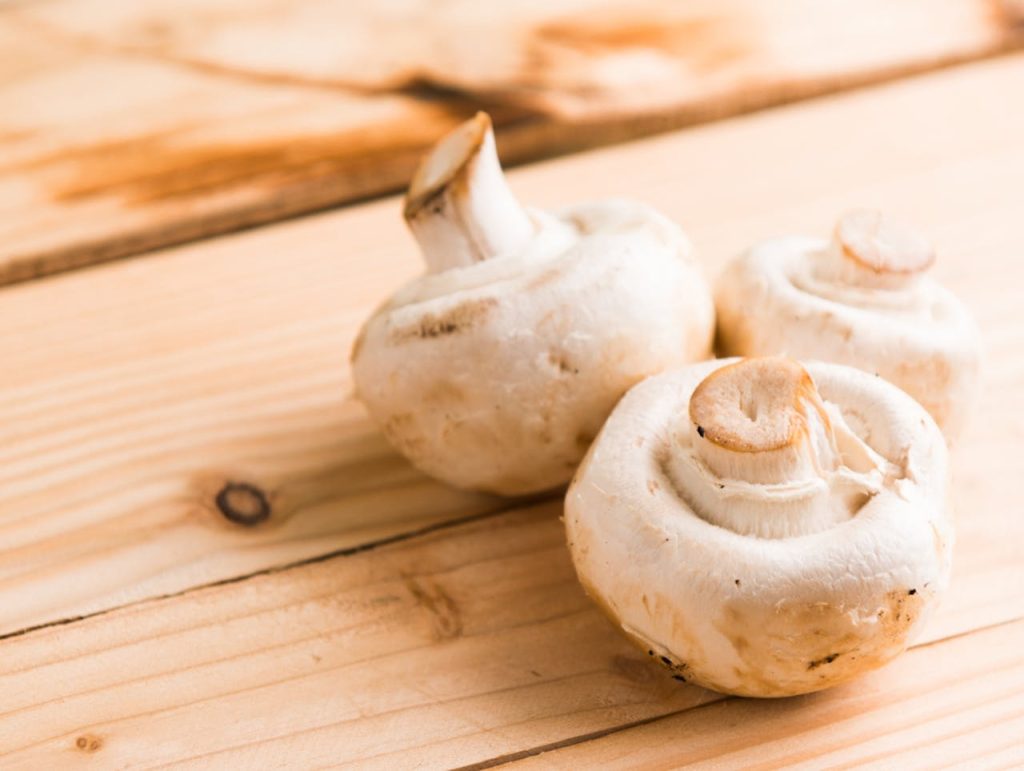
Another missed clue is social trust. County and state guidance warns against eating mushrooms picked by friends or family, and CDPH also advises extra caution with street vendors while urging residents to buy from trusted retailers during high risk periods. A familiar source does not reduce toxic risk in a rainy season or neighborhood.
These cases often start with a gift, a shared meal, or a familiar community source, which makes the risk feel low before anyone gets sick. Public health teams stress that source matters as much as appearance, because a toxic mushroom can move through a household meal like any other ingredient.
No One Should Rely On Memory Alone During Identification

Poison specialists and county teams keep urging people to document what was eaten because certainty fades fast once symptoms begin. Monterey County guidance asks clinicians to record where mushrooms came from, what they looked like, and whether any pieces remain for identification. Those details help toxicology teams move faster and ask key questions.
California Poison Control adds another overlooked point: staff cannot identify a mushroom from a phone description alone. Keeping the mushroom itself, or photos of the cap, stem, and underside, can improve triage, speed treatment decisions, and reduce confusion during hospital care.
Waiting To See What Happens Is The Most Dangerous Delay

The final warning sign is hesitation. County teams and poison specialists repeatedly say not to wait for symptoms before seeking help if a wild mushroom may have been eaten, because treatment becomes harder after symptoms appear and the early care window narrows. Waiting can cost precious hours in a fast moving case.
California Poison Control advises immediate calls to 1 800 222 1222, no induced vomiting, and prompt medical evaluation when exposure is suspected. Across county advisories, the message stays the same: early action protects liver function and gives clinicians more time to respond well, while evidence is still fresh.