


In Michigan, tick season rarely announces itself with fanfare. It arrives in the hush of warming days, when lawns wake up and brushy edges hold moisture after rain. Officials keep repeating the same point: small yard habits around mowing, cleanup, and wildlife pathways can raise exposure without anyone noticing. What looks like normal summer upkeep can shape where ticks wait, how long they survive, and how easily they reach pets and people. The ordinary corners, from fence lines to woodpiles, often matter more than a big weekend hike, especially around shaded borders, and the pattern can repeat again in early fall.
Leaving Leaf Litter Along Lawn Edges

Leaf litter left along the lawn’s edge acts like a sponge, holding humidity that helps ticks stay active during dry, sunny stretches. Michigan guidance often points to the seam where turf meets woods, shrubs, or tall weeds, because small animals travel that border and can carry ticks with them. Raking that line is less about neatness and more about drying out the places ticks prefer.
When leaves sit there into late spring, the shaded strip becomes a corridor. Ticks can move from that cover into mulch, garden rows, and the short grass where pets roam. Exposure often happens during chores, like coiling a hose or pulling weeds.
Letting Grass and Weeds Grow Tall in Quiet Strips

Ticks do not need deep woods. They need a few inches of shelter, steady humidity, and a host that brushes past at the right moment. Michigan officials urge keeping grass short and trimming tall weeds, especially in the strips that mowers miss along fences, sheds, and ditches. After rain, those narrow bands can stay damp long after the open lawn dries.
The shaded edge lets ticks climb stems and wait at ankle or knee height. Pets often push through first, then circle back to patios and doorways, bringing the problem toward the busiest spots. A yard can look neat from the window and still hold risk right where feet step off the path.
Keeping Brush Piles and Prunings Near Walkways

A brush pile feels like harmless progress after pruning, but it behaves like a cool, damp shelter that holds moisture all day. Michigan tick guidance emphasizes clearing tall brush near homes because ticks and the animals that carry them favor that cover. Leaving cuttings in shade keeps that shelter active.
When branches and yard waste collect beside a gate, a garden path, or a play area, each pass can brush fabric or fur against hidden stems. Rodents also like the protection, which can keep tick activity close to daily routines. Moving prunings away from high traffic zones helps prevent the edge from becoming a relay point.
Planting Dense Groundcover in Deep Shade and Never Thinning It
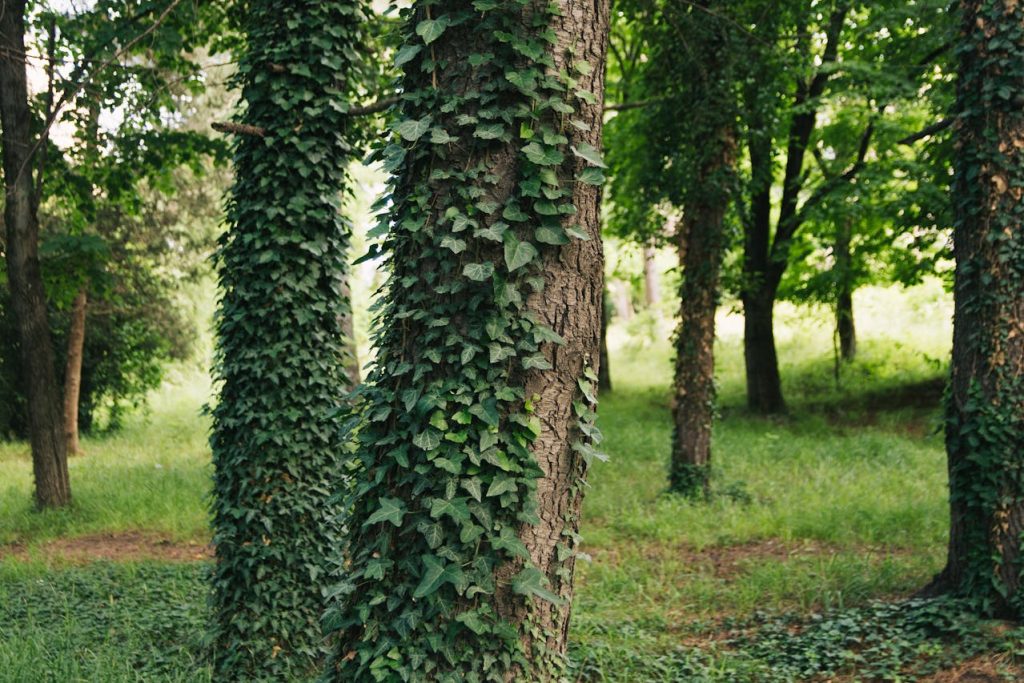
Dense groundcover in deep shade can create the cool, humid layer ticks tolerate, especially when leaves and mulch stay damp underneath. Tick management guidance often recommends limiting thick groundcover in areas where people and pets spend time, and Michigan officials stress keeping high use spaces sunnier and drier.
When ivy, pachysandra, or crowded perennials are never thinned, hands and knees spend longer in the lowest layer during weeding and watering. That close contact is where exposure tends to happen. Thinning for airflow, widening paths, and keeping mulch a bit drier all push conditions in the safer direction.
Placing Patios, Playsets, and Chairs at the Wood Line
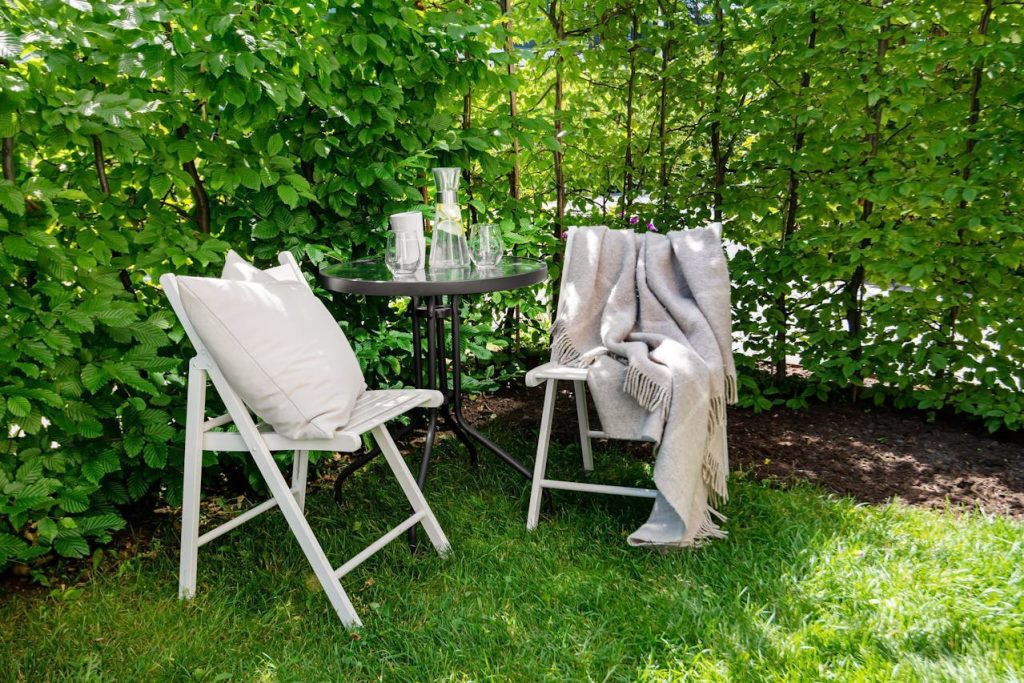
Shade at the wood line feels like the best seat in summer, but that border is where ticks and wildlife overlap most. Michigan officials advise placing patios, decks, and playsets in sunny, dry areas away from wooded edges, shrubs, and tall grass, because the transition zone stays cooler and more humid. Even a modest setback helps.
When chairs, toys, or a fire pit sit inches from brush, bare legs and hands meet the same stems day after day. A dry strip of mulch or gravel adds distance and reduces cover. Ticks often arrive through the short walk to grab a ball, shake out a blanket, or carry dinner plates back inside, too.
Stacking Firewood Against the House or on Bare Ground

Firewood stacked tight to a house looks practical, yet it can invite mice and chipmunks to nest nearby, and those small mammals are common tick hosts. Michigan officials recommend stacking wood neatly in a dry area to discourage rodent hangouts and to keep tick activity from concentrating near doors and foundations.
Wood left on bare ground stays damp, especially on the shaded north side of a garage or fence. That moisture also helps ticks persist in the duff and weeds around the pile. Keeping stacks tidy, dry, and set back from entryways reduces the chance that a routine wood run turns into an indoor hitchhike later, quietly.
Setting Bird Feeders Close to Doors or Outdoor Dining
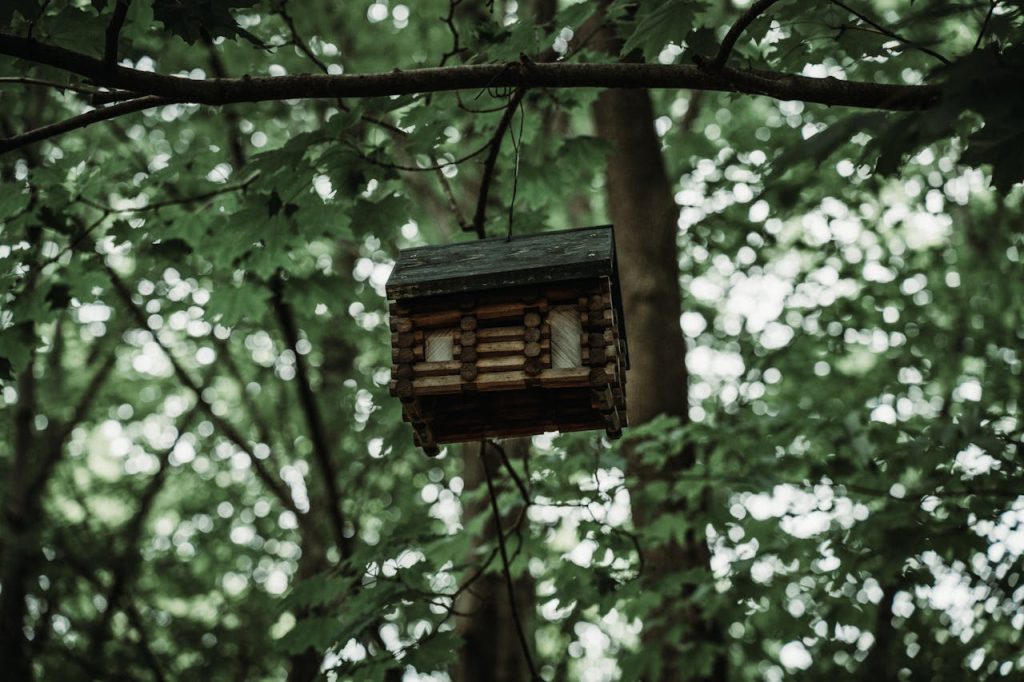
Feeders bring color and song, but spilled seed also draws squirrels and mice to the same patch of ground day after day. Michigan and federal tick guidance puts a lot of weight on reducing rodent traffic and keeping high use areas dry, because ticks move with wildlife and linger in shaded ground cover.
When a feeder hangs near a back door or dining set, the soil underneath stays trampled, damp, and busy. Ticks can persist in that mix of leaf crumbs and grass while people step through with pets, packages, and plates. Moving feeders away from entrances, and cleaning up seed, shifts that traffic to a less sensitive corner.
Running an Open Compost Pile with Food Scraps Exposed
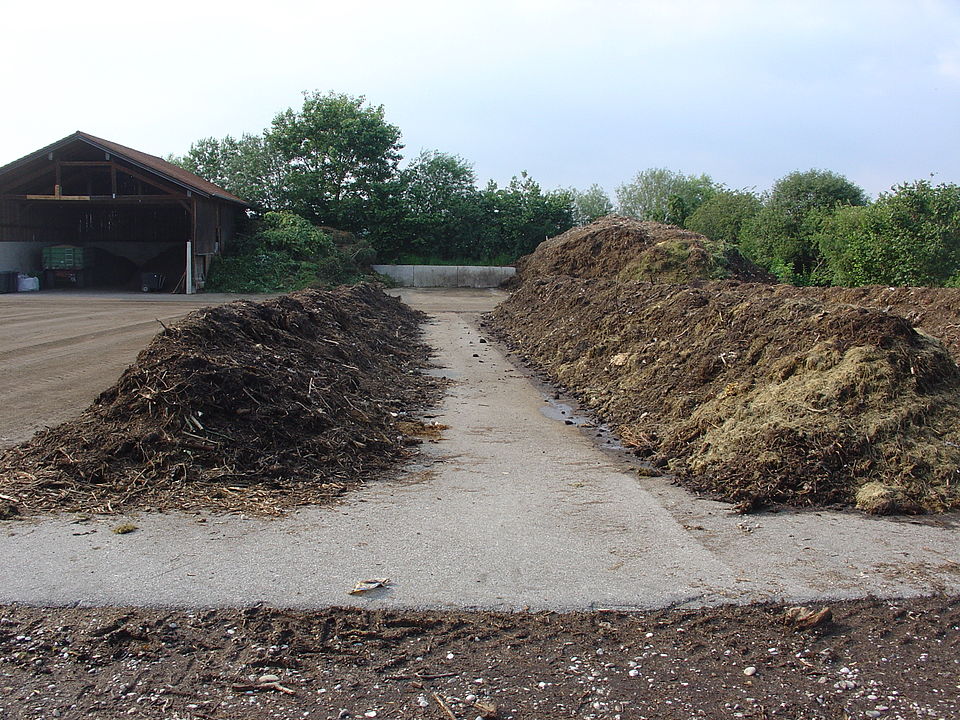
Compost is useful, but an open pile with exposed scraps can become a cool, moist shelter that attracts rodents. Wet clippings and fallen leaves keep humidity high at ground level. Michigan officials emphasize trimming brush and limiting wildlife pathways near the home, because ticks move with animals.
When compost sits near a garden gate or hose, it can often stay shaded even on sunny days. People linger there while carrying kitchen buckets, turning piles, and pulling weeds nearby. A closed bin on gravel, tidier ground, and a drier ring of chips in a lower traffic spot reduce the overlap between chores and tick habitat.
Skipping a 3-Foot Barrier Between Lawn and Woods
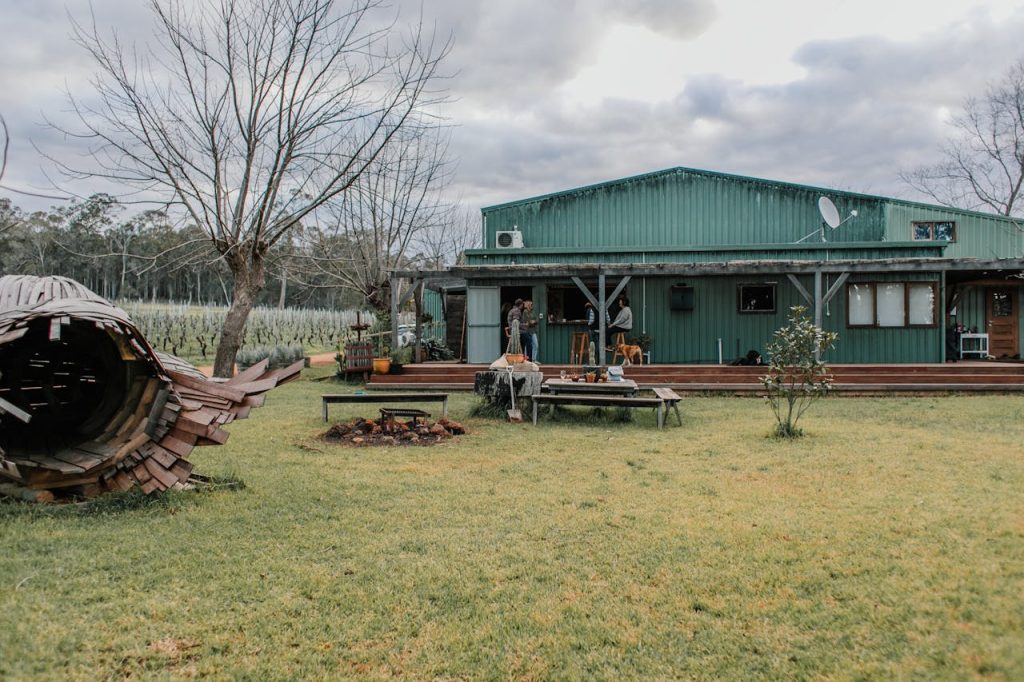
Many Michigan advisories repeat a simple yard fix: a three-foot-wide barrier of wood chips or gravel between lawn and wooded edges. The idea is not decoration. It creates a drier break that restricts tick movement into the places where kids play and where mowing patterns carry foot traffic.
When grass runs straight into brush, the boundary stays cool and humid, and ticks can spread along the same line used for walking, gardening, and running the dog. A defined strip also makes it easier to spot where leaf litter and weeds are trying to creep back in. Over a season, that small buffer can matter more than people expect.
Letting Deer Browse Freely Through Ornamentals

Deer do not need to be hand fed to become regular visitors. A few favorite shrubs can turn a yard into a browsing route. Michigan health messaging often notes that ticks travel on wildlife, including deer, so lowering deer traffic near the home can reduce ticks dropped into lawns, mulch, and garden edges.
When deer thread through hedges and ornamentals, they also widen the worn paths that small mammals follow. Those routes often run right past patios, swing sets, and back steps. Choosing less browse friendly plants, trimming hiding spots, and using fences where appropriate can keep the yard from becoming a quiet corridor.
Allowing Pets to Linger in Brushy Corners Before Coming Inside

Pets love the coolest corner of a Michigan yard, which is often where shade, tall grass, and groundcover meet. Michigan officials remind residents that ticks are usually discovered indoors after they ride in on clothing or on a dog or cat, not because they appeared inside on their own.
When a pet lingers along brush lines and then hops onto a rug or couch, a tick can drop off later and wander. Ticks often tuck near collars, ears, and between toes, so they can be missed on a quick glance. Keeping pets out of the thickest edges, and doing brief checks after yard time, helps keep the home side of the door as boring as it should be.
A Michigan yard can still feel calm and green without turning every weekend into a project. The steady wins come from drying out shady edges, shrinking wildlife corridors, and keeping the busiest spaces bright and simple. When that groundwork is in place, porch time stays porch time, and the yard feels like a refuge again.