

Myths rarely start as pure invention. They often begin with a real animal seen in bad weather, at a long distance, or through the haze of fear and rumor. A tusk becomes a horn. A deep-sea fish becomes a serpent. A shy marine mammal becomes a person of the sea. Over time, storytellers sharpen the outline, artists add drama, and the creature becomes true in the only way legends require. These twelve pairings show how nature keeps slipping into folklore.
Narwhal And The Unicorn
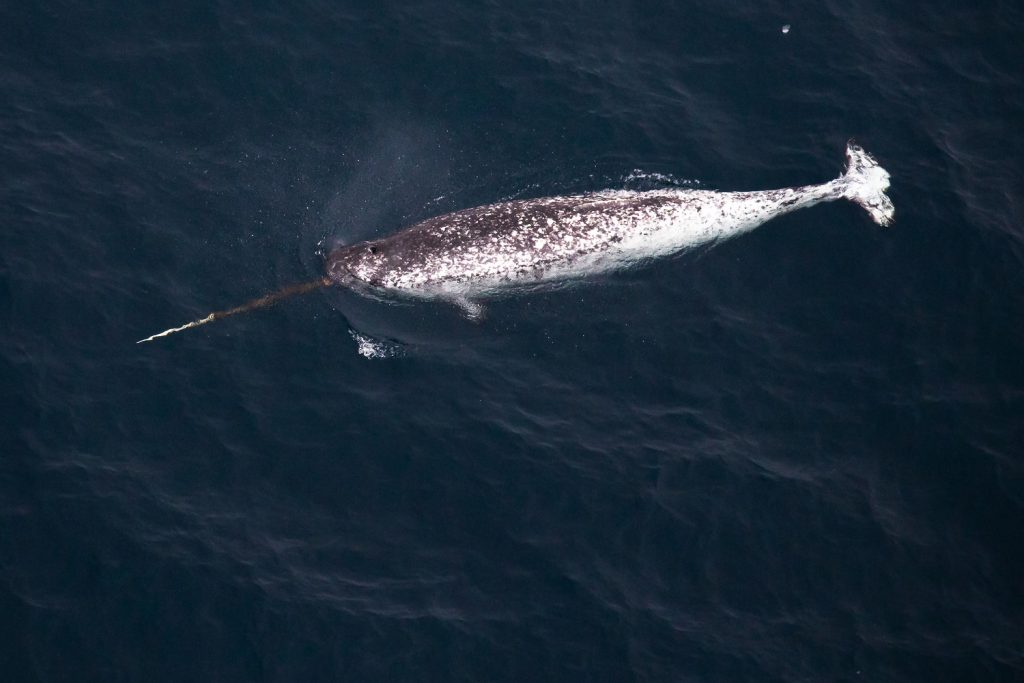
Narwhal tusks were traded across Europe as unicorn horns, and the confusion stuck because the ivory is long, spiraled, and rare enough to feel like a relic rather than a tooth pulled from a whale. Once a physical object could be displayed in a cabinet, stories grew teeth of their own: the horn was praised as proof, priced like treasure, and credited with healing, purity tests, and protection. Meanwhile the real narwhal stayed far north in dark Arctic seas, unseen by most buyers, while the artifact kept traveling, collecting new claims each time it changed hands until the legend felt stronger than any map.
Dugong And The Mermaid
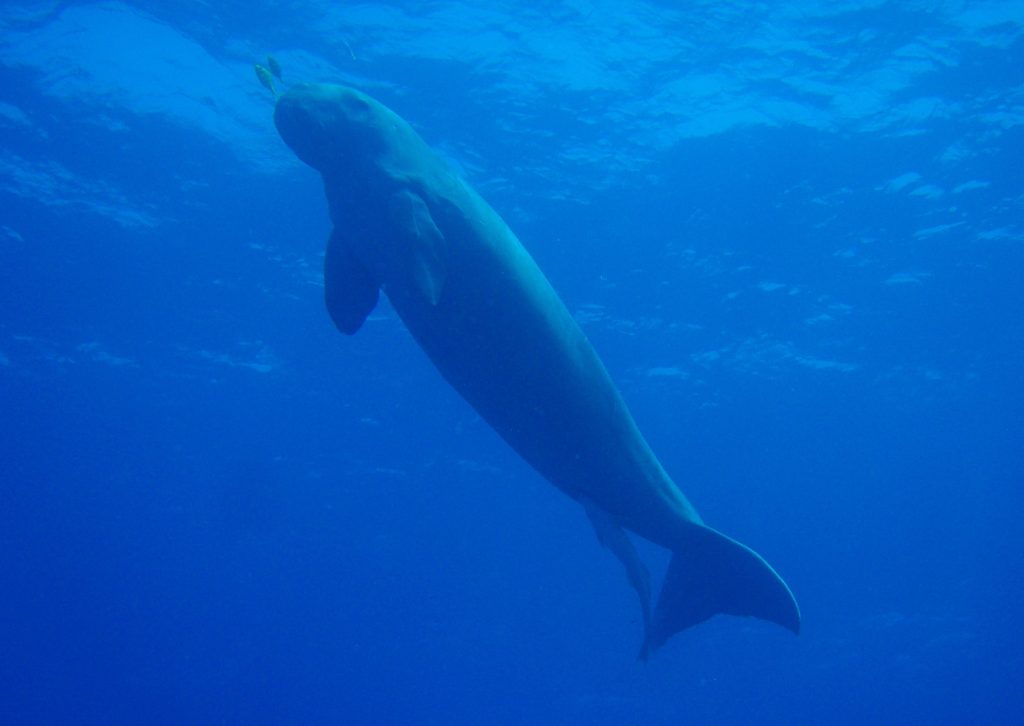
Mermaid tales took hold along routes where dugongs and manatees surface to breathe, roll, and nurse, creating a half-glimpsed silhouette that can read as human from a pitching deck in glare and haze. Add long voyages, loneliness, and the mind’s urge to turn shapes into faces, and a gentle grazer becomes a person of the sea with romance, warning, and desire attached. The link proved so durable that the scientific order name Sirenia still carries the echo, and coastal folklore keeps the human outline even after biology explains the body in every new port, travel tale, and souvenir sketch passed between strangers.
Giant Squid And The Kraken
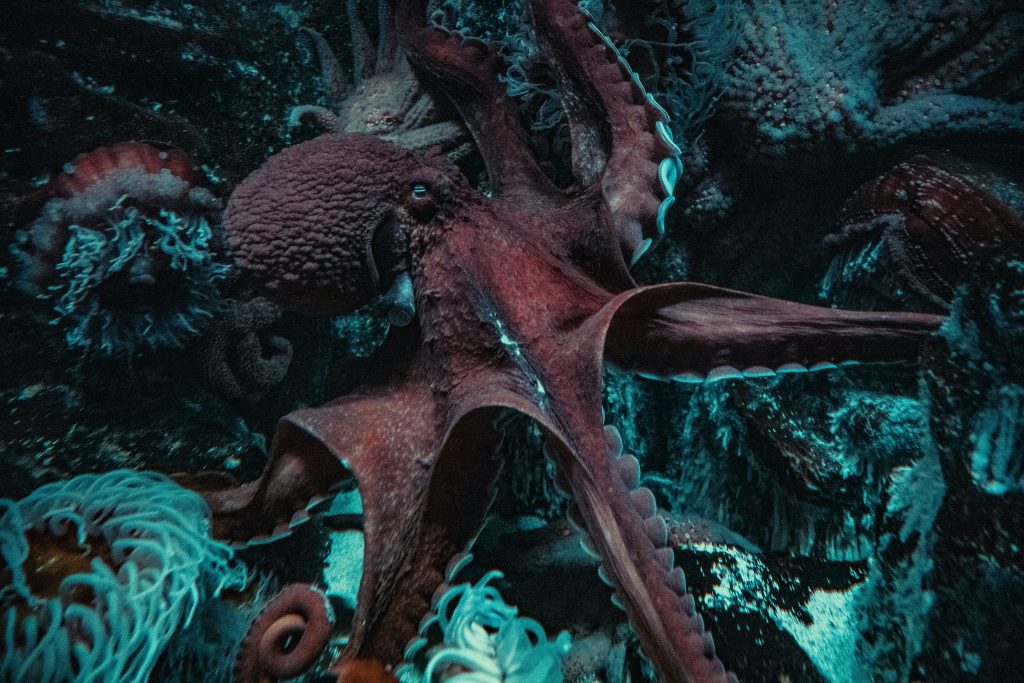
The kraken sounds like fantasy until a giant squid is hauled up or washes ashore, all arms and suction cups, with a scale that makes fishing gear look fragile and a single tentacle feel like rope. Because the animal lives deep, sightings arrive as rare shocks, and early sailors filled the gaps with ship-dragging drama, backed by torn nets and whale scars that hinted at battles below. Modern science did not remove the awe; it gave the creature a name and a habitat where darkness, pressure, and distance keep the legend supplied with just enough mystery to endure for anyone who respects the deep.
Oarfish And The Sea Serpent
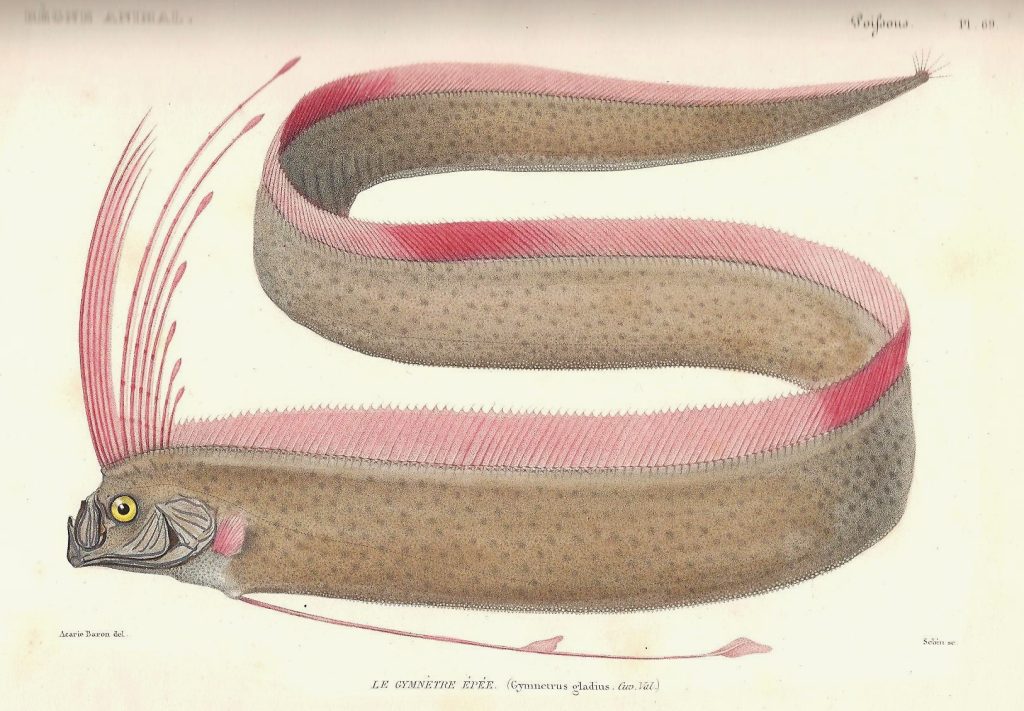
Sea serpent reports often match the oarfish, a ribbonlike deep-sea fish whose silvery body and red fins can look like one enormous creature when waves hide the tail and only a section breaks the surface. When one drifts shallow or strands, its slow, undulating movement turns a quick sighting into a story, especially in rough water where distance distorts length and scale. Rarity does the rest: a creature almost never seen is easy to recast as supernatural, and every blurry glimpse feels like confirmation that the ocean is still hiding something bigger even when the truth is simply a fish out of depth.
Extinct Elephants And The Cyclops
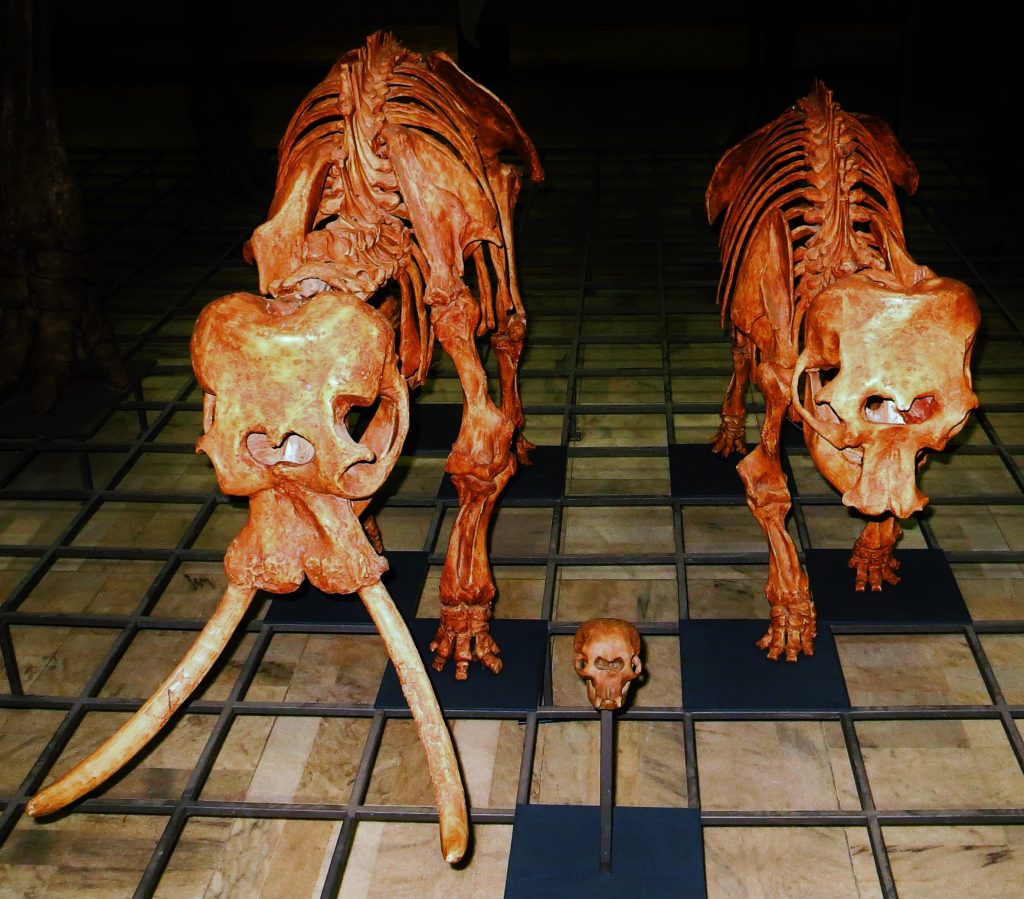
Cyclops stories may have been fueled by fossil skulls of extinct elephants, including dwarf elephants from Mediterranean islands, where bones surfaced without an owner in sight and were found by people who never studied anatomy. Those skulls have a large central nasal opening that can be mistaken for a single eye socket, especially when the rest of the face is broken, buried, or weathered smooth. Once the one-eyed idea lands, imagination supplies size, appetite, and temper, and geology becomes a giant with a personality that feels remembered, not invented, around a fire with no easy way to fact-check it.
Rhinoceros And Unicorn Sightings
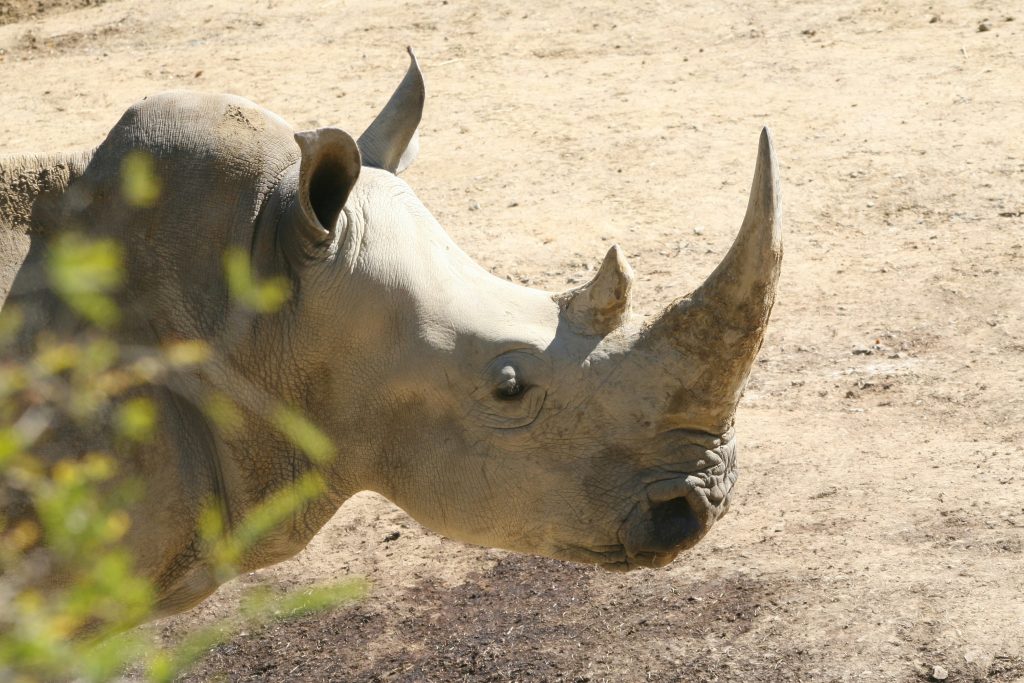
Some famous unicorn sightings in Asia likely began with rhinoceroses, whose one-horned profile, armored hide, and heavy build fit a powerful beast far better than a delicate horse painted in European margins. Marco Polo’s account describes an animal he called a unicorn that sounded muddy, blunt, and unimpressive, closer to a rhino than any fairytale, yet still described with certainty. The label fed the myth anyway, because an eyewitness word can strengthen a legend even when the details contradict the image people want, and repetition can sand off the awkward parts across generations of copied travel notes.
Himalayan Bears And The Yeti
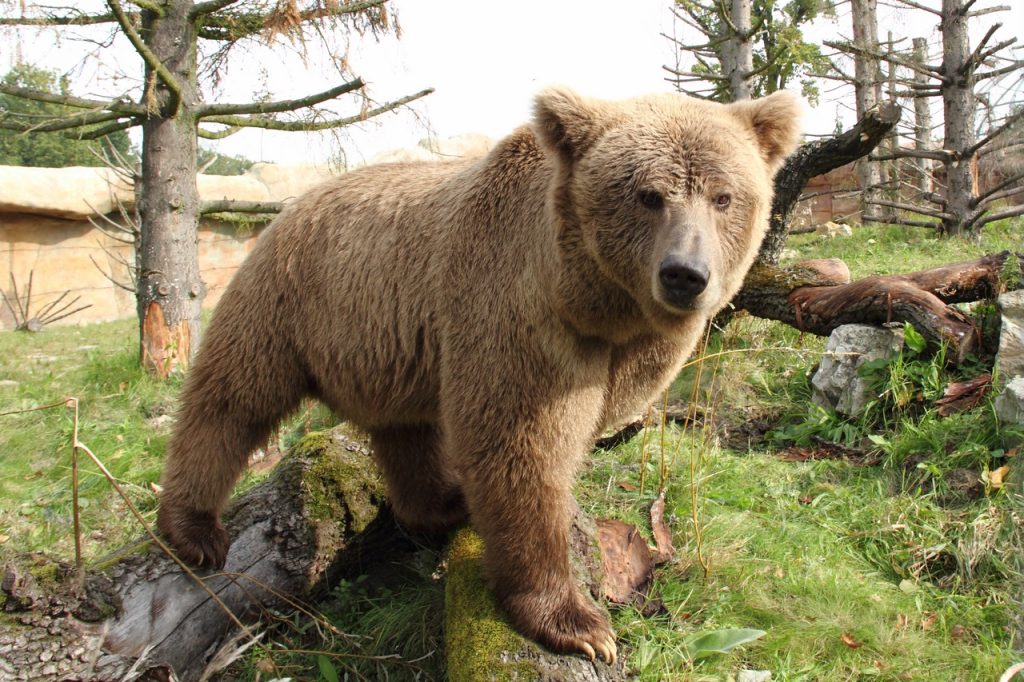
The yeti often lives in the gap between a quick glimpse and a long hike, and Himalayan bears fit that gap: a bear upright on snow can look eerily human at a distance, especially in fog, spindrift, or late light. Tracks also distort as snow melts, overlaps, and refreezes, stretching into shapes that invite interpretation rather than certainty, then vanish before anyone can verify them. Repeated testing of alleged yeti hair and tissue has pointed back to regional bears, yet the legend persists because it carries the feeling of remote mountains watching back, and that feeling sticks in a landscape that rewards mystery.
Cobras And The Basilisk
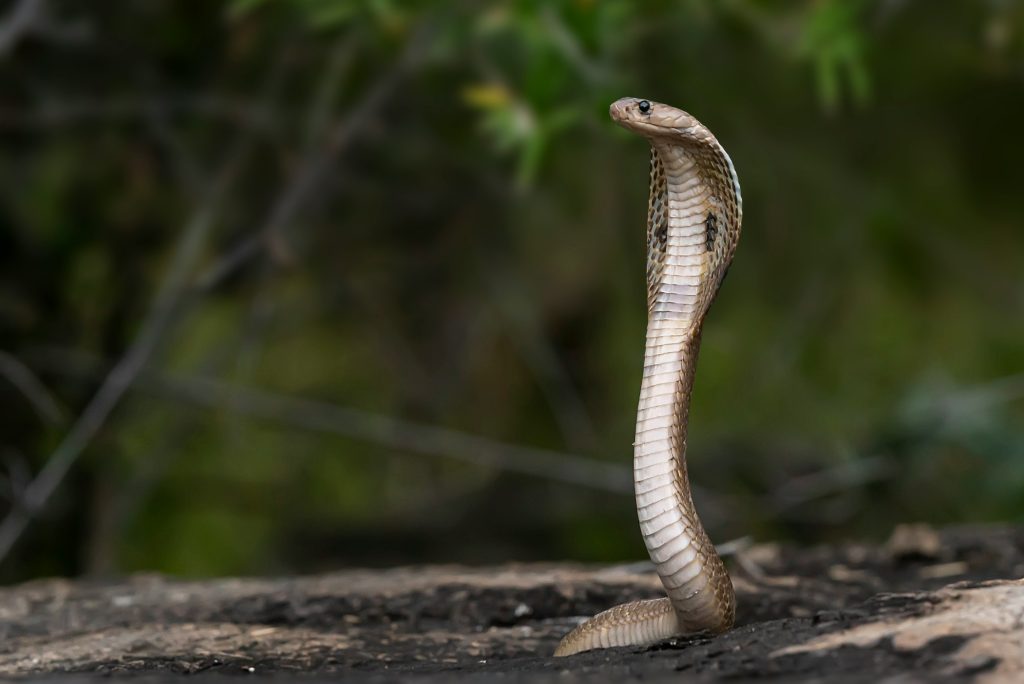
Nivedh P/Unsplash
The basilisk became a king of serpents in European lore, and real venomous snakes helped supply the fear that made such stories feel plausible to everyday people who lived close to fields and stone walls. A cobra’s hooded silhouette, sudden strike, and lethal reputation are enough to invite supernatural upgrades in cultures where poison could kill faster than help could arrive, and rumor traveled even faster. From there the details escalate into a deadly gaze and a cursed presence that withers life, a myth built on the real lesson that some snakes can change a household’s fate in seconds long before science had a calm vocabulary for it.
Coyotes With Mange And The Chupacabra
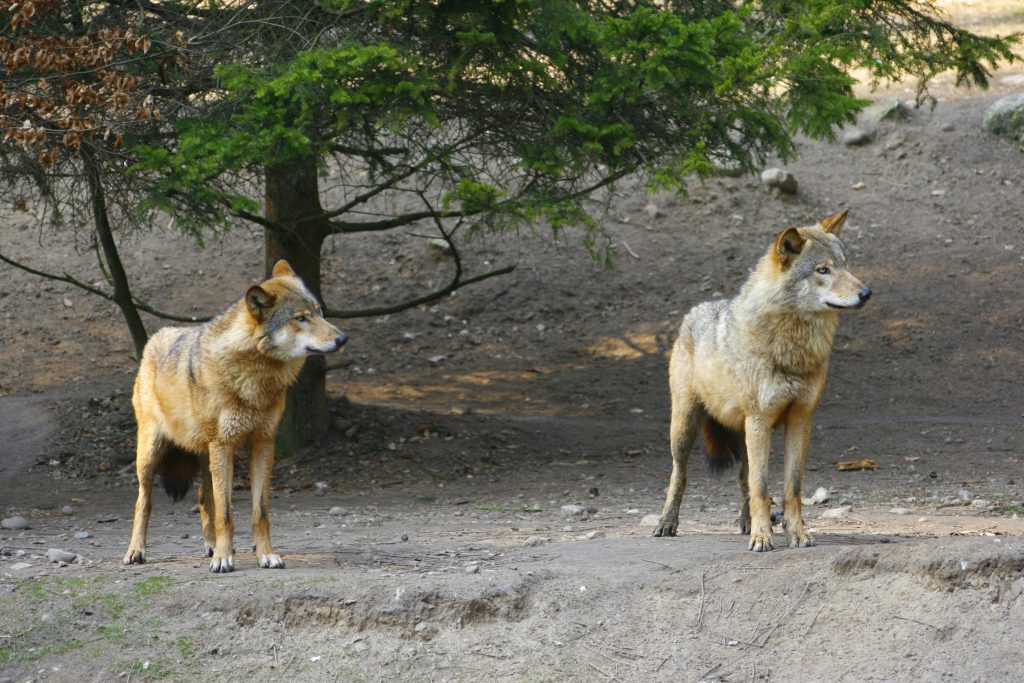
Many modern chupacabra reports match coyotes with severe mange, which strips fur, thickens skin, and reshapes the animal into something unfamiliar under headlights and security cameras. Paired with livestock deaths, rumors, and late-night anxiety, that eerie outline becomes a ready-made monster, and each shaky photo feels like confirmation to someone already primed to believe the worst. In reality, mange is a harsh disease, not a mystery predator, but the shock of seeing a wrong-looking coyote keeps the legend refreshed, especially when fear travels faster than veterinary facts in towns where rumors travel overnight.
Komodo Dragon And Dragon Tales
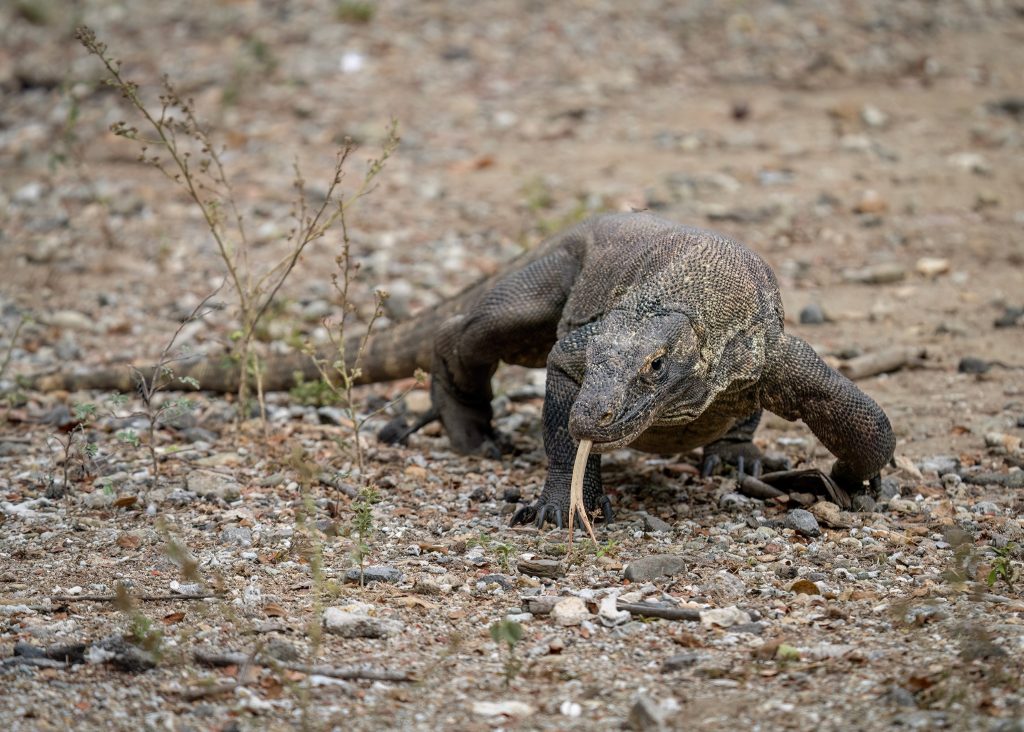
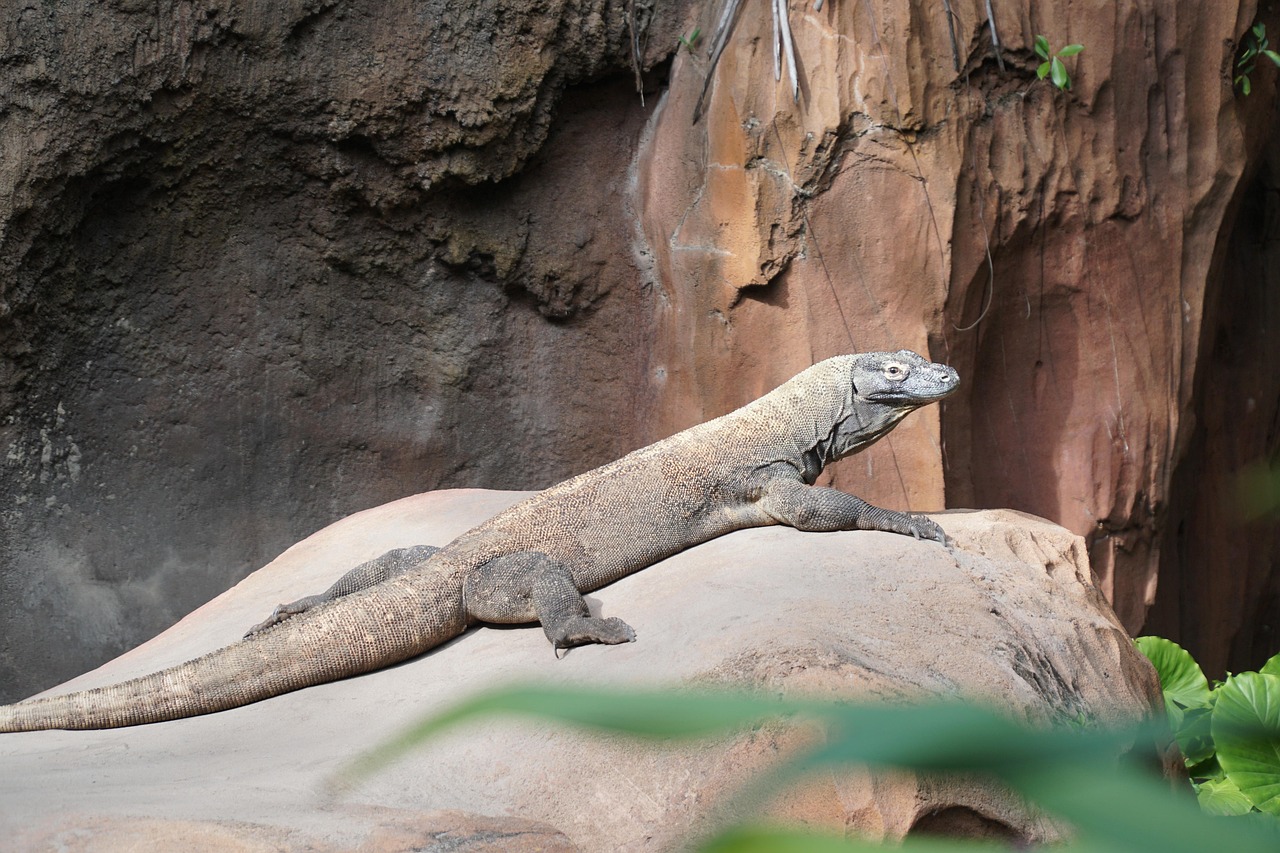
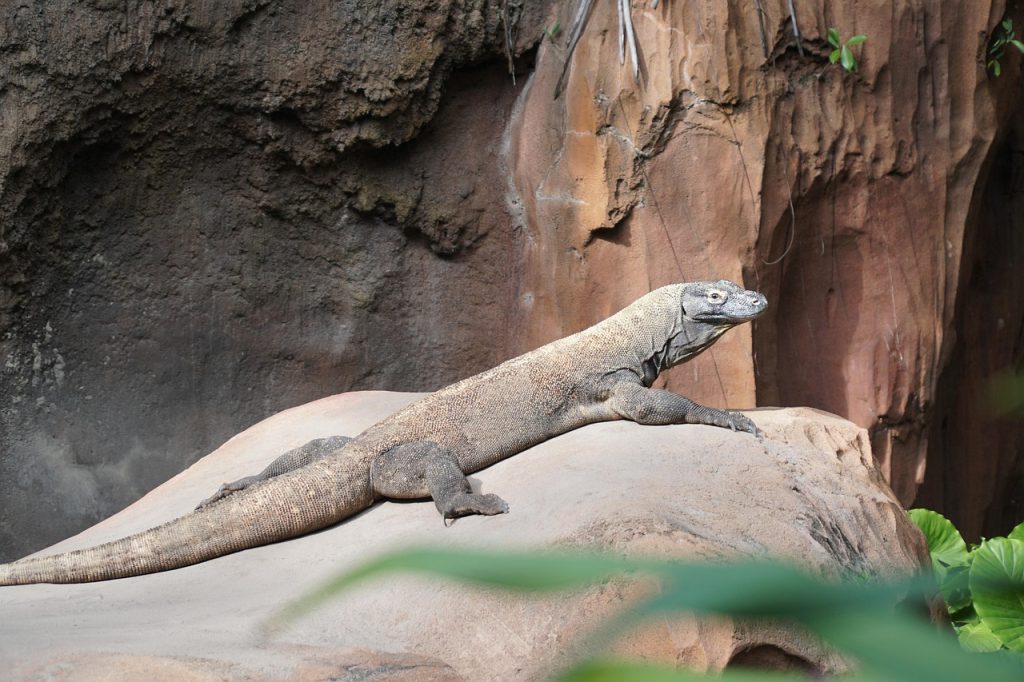
Dragon myths span continents, yet real giant reptiles keep renewing the idea, and the Komodo dragon does it effortlessly with size, teeth, and a slow, ancient confidence that feels almost ceremonial. Older cultures had their own living templates, from crocodiles to massive snakes, animals powerful enough to invite exaggeration and moral meaning, especially when people shared land with them daily. A reptile does not need wings or fire to spark dragon logic; it only needs presence, and a story that arrives ahead of the facts, then gets repeated until it feels older than memory in taverns, journals, and family stories.
Pterosaur Fossils And The Thunderbird
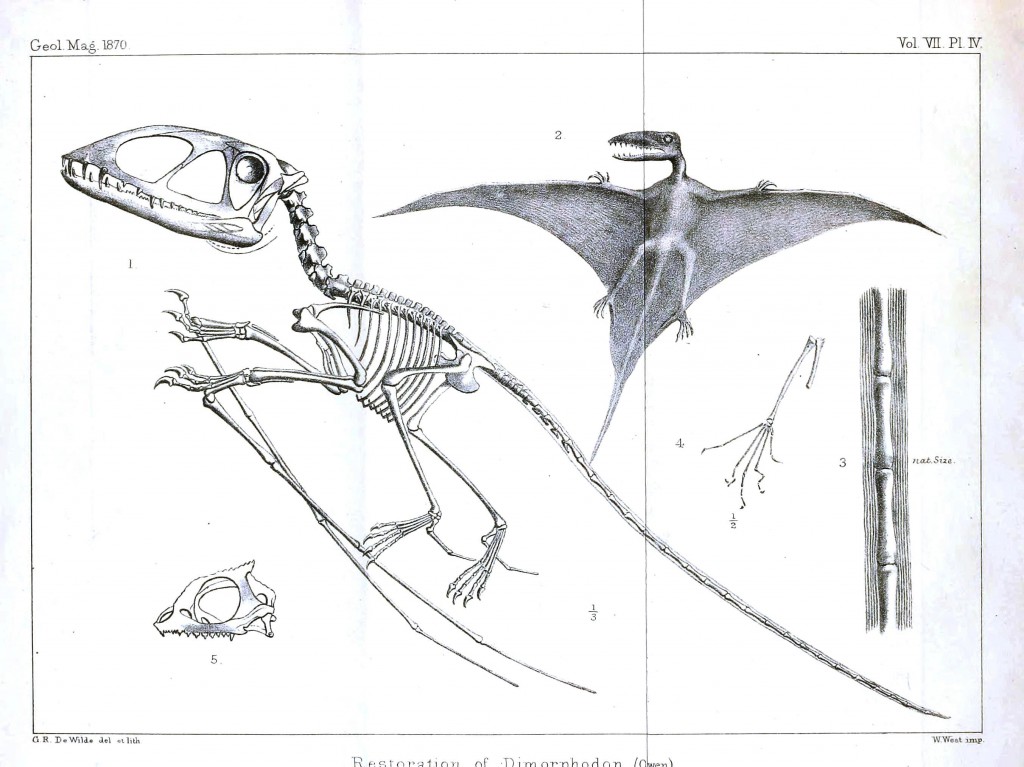
Thunderbird traditions carry spiritual meaning, yet fossils may have helped shape what that power looked like, especially when large pterosaur bones surfaced in dramatic, winglike frames that begged for a story. A striking fossil invites a striking explanation, and in oral tradition the goal is meaning, not taxonomy, so stone remains can fold into tales of storms, guardianship, and the sky’s authority. The thunderbird is not a museum specimen, but fossils can still steer its silhouette, letting ancient rock quietly guide the imagination toward something vast, airborne, and alive in a place where thunder already feels alive.