

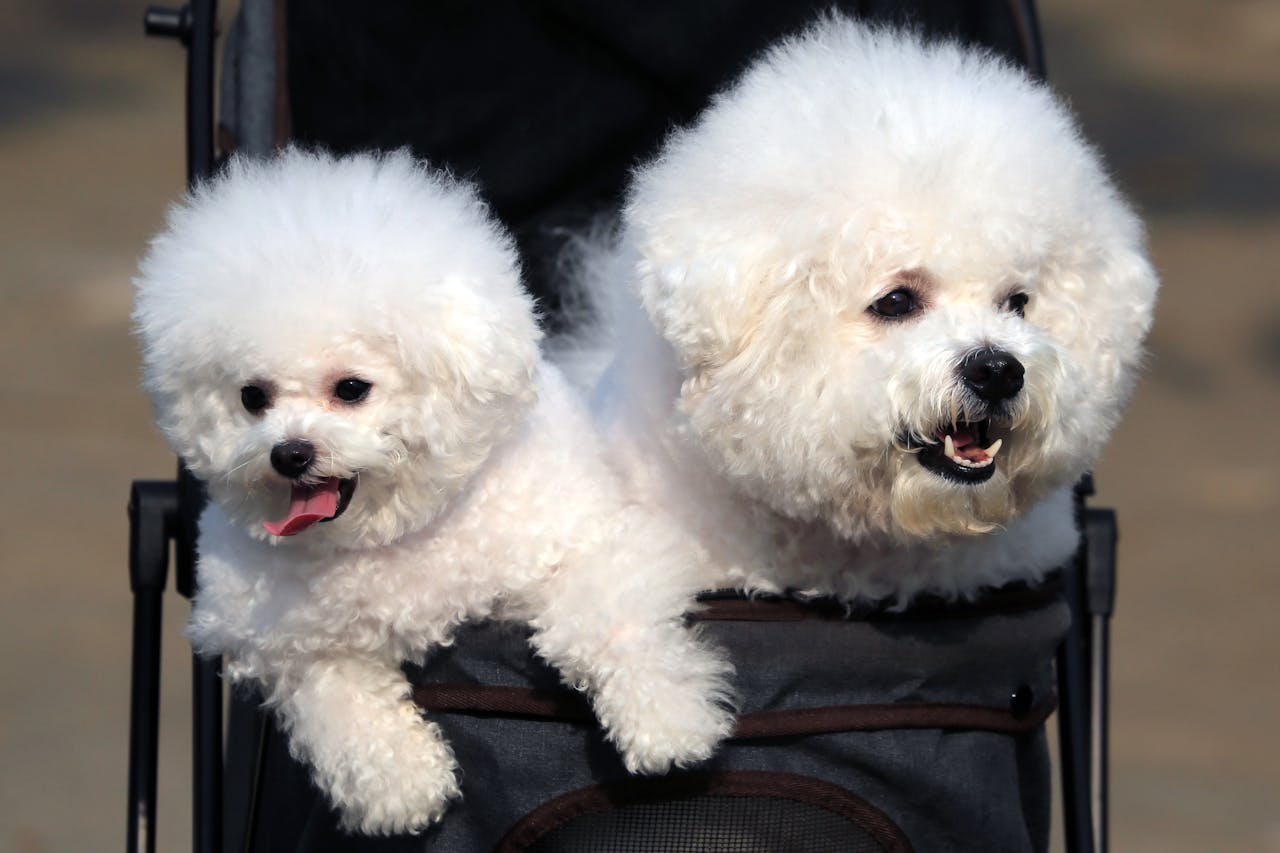
Tiny dogs have a way of pulling a home inward, turning ordinary evenings into lap time, hallway games, and quiet companionship. Many small breeds stay compact for life, which helps with apartment routines, simpler transport, and lower space demands. But small size does not mean simple care. Each beloved breed carries one clear drawback that shows up after the first rush of cuteness fades. This gallery follows 12 miniature favorites with balanced detail, pairing charm with the practical tradeoff that matters most in daily life. It stays warm, but grounded, so affection and preparedness can grow side by side from day one.
Biewer Terrier
/Pexels
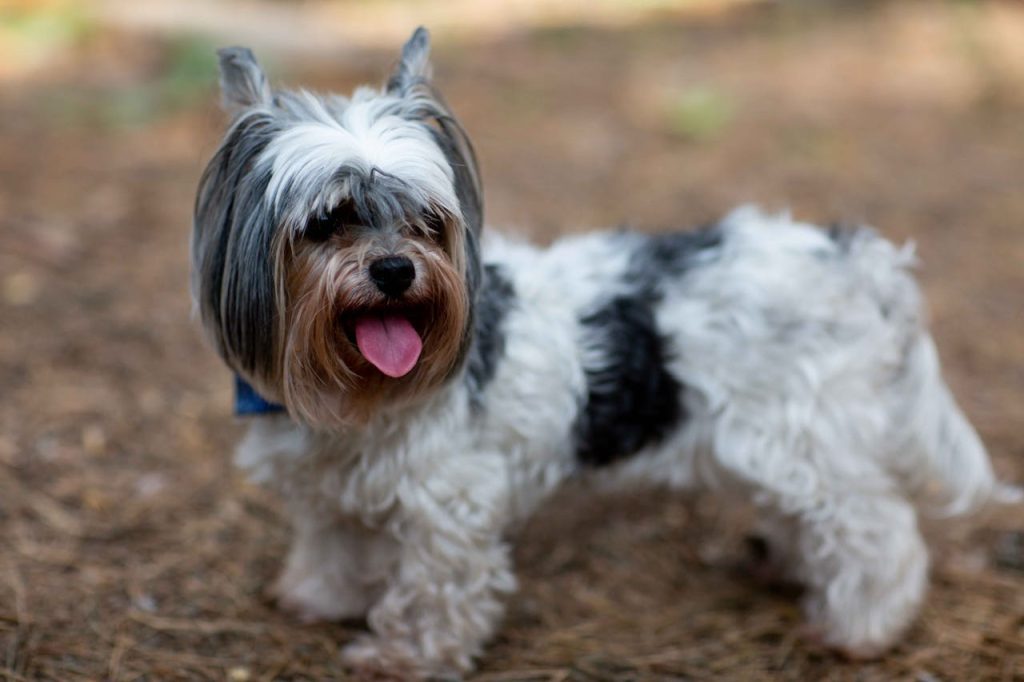
The Biewer Terrier usually lands around four to eight pounds, with a silky, tri-color coat and an upbeat, social temperament. This breed tends to bond closely and move through the home like a cheerful shadow, always ready for a quick game or lap time. Its compact build makes everyday handling simple, and its personality reads confident rather than fragile.
The big downside is coat maintenance. That soft, flowing hair mats quickly around the ears, chest, and legs, so regular brushing and frequent grooming are not optional chores. Without consistent upkeep, knots pull at the skin, bathing gets harder, and comfort can drop fast.
Japanese Chin
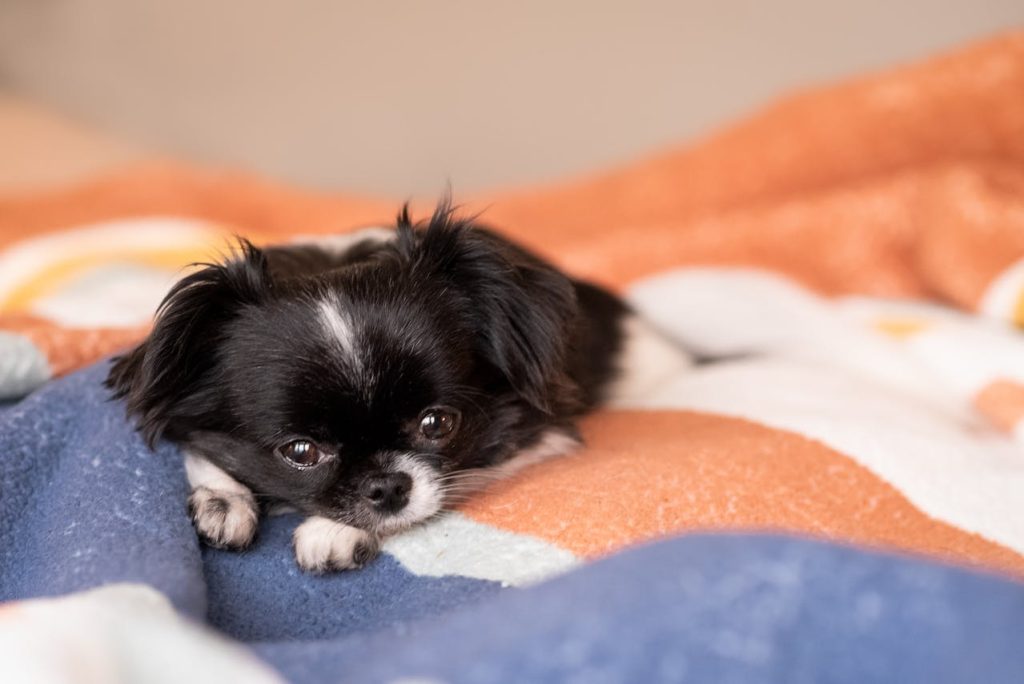
The Japanese Chin is a true toy companion, generally weighing seven to 11 pounds, with a soft expression and graceful, cat-like movement. It thrives in calm homes, enjoys close contact, and often settles happily in apartments where noise and chaos stay low. Its small frame and moderate activity needs make daily life manageable.
The big downside is heat sensitivity tied to its short muzzle. During warm weather, this breed can overheat faster than longer-nosed dogs, especially during mid-day walks. Care means shade, shorter outings, and close monitoring, because breathing strain can escalate quickly when temperatures climb.
Pomeranian
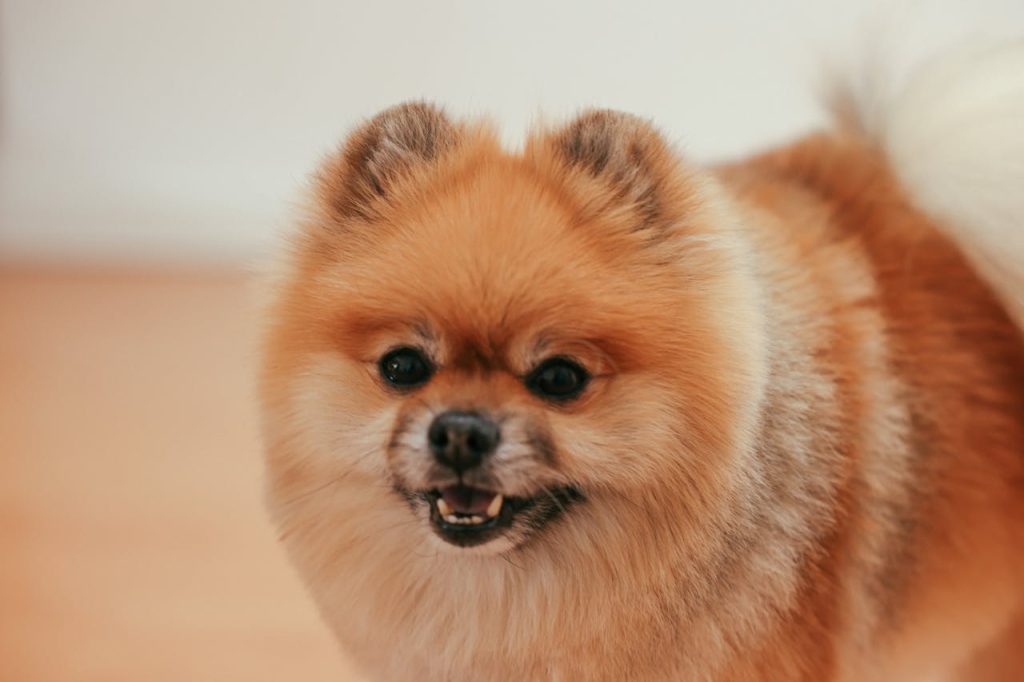
Pomeranians are tiny, usually around three to seven pounds, yet they carry themselves like much larger dogs. Their fox-like faces, plush coats, and alert posture create instant charm, and their quick intelligence keeps home life lively. They fit well in small spaces and often become devoted companions with a strong sense of routine.
The big downside is persistent barking. This breed is naturally watchful, so hallway sounds, door knocks, and street movement can trigger frequent vocal alarms. Early training helps, but many Pomeranians remain talkative adults, which can strain neighbors, disrupt rest, and overwhelm quieter households.
Chihuahua
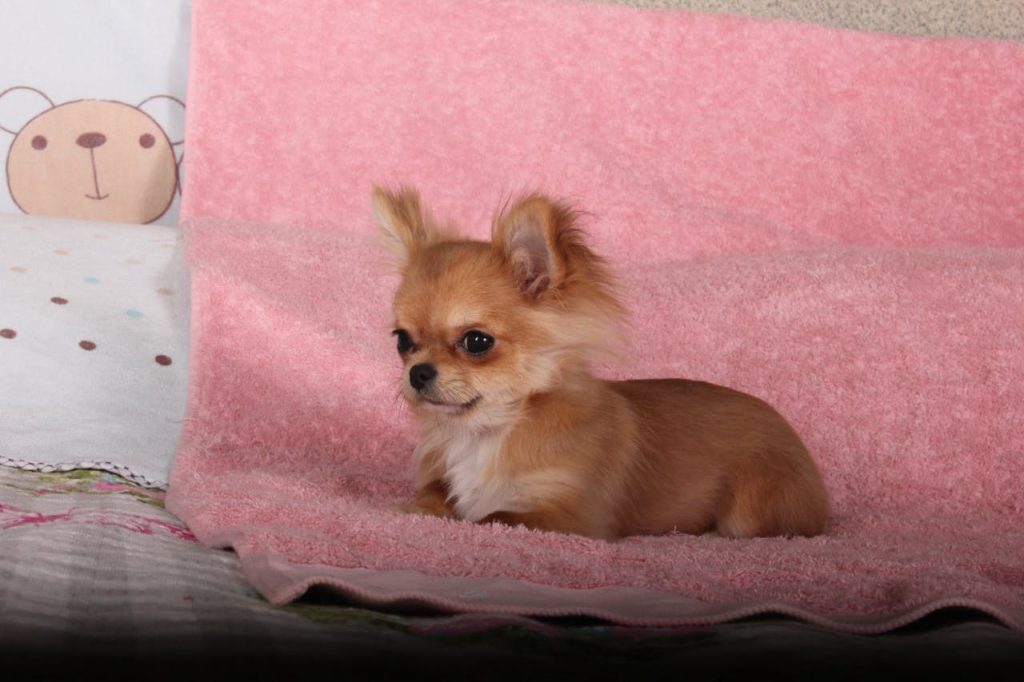
At roughly two to six pounds, the Chihuahua is one of the smallest breeds in the world, with a bold, expressive personality packed into a tiny frame. Many are deeply loyal and prefer close physical contact, often choosing one person as their anchor. Their size makes transport simple and indoor exercise realistic, even in compact homes.
The big downside is physical fragility. A short fall from furniture, rough handling, or accidental stepping can cause real injury because bones are delicate. This breed needs careful household habits, gentle play rules, and extra supervision around young children, active guests, and larger pets.
Pug

Pugs stay small, usually around 14 to 18 pounds, and bring a playful, affectionate nature that reads almost human in expression. Their wrinkled faces and steady desire for company make them popular in homes that want a social dog with moderate exercise needs. They are often happiest near people, following daily rhythms with comic charm.
The big downside is breathing limitation linked to brachycephalic structure. In heat, humidity, or intense activity, many pugs struggle to cool themselves efficiently. That means stricter exercise timing, strong climate control indoors, and close attention to respiratory distress during warm months.
Shih Tzu

The Shih Tzu generally weighs about nine to 16 pounds and is built for companionship, not marathon activity. It tends to be affectionate, adaptable, and comfortable in apartments, especially when daily life includes steady attention and short play sessions. Its calm confidence and gentle demeanor make it a favorite in many homes.
The big downside is grooming intensity. The long coat tangles fast, traps debris near the eyes, and requires consistent brushing plus routine professional trims. Even in a shorter puppy cut, maintenance remains frequent, and skipped care can lead to irritation, eye staining, and painful matting.
Papillon
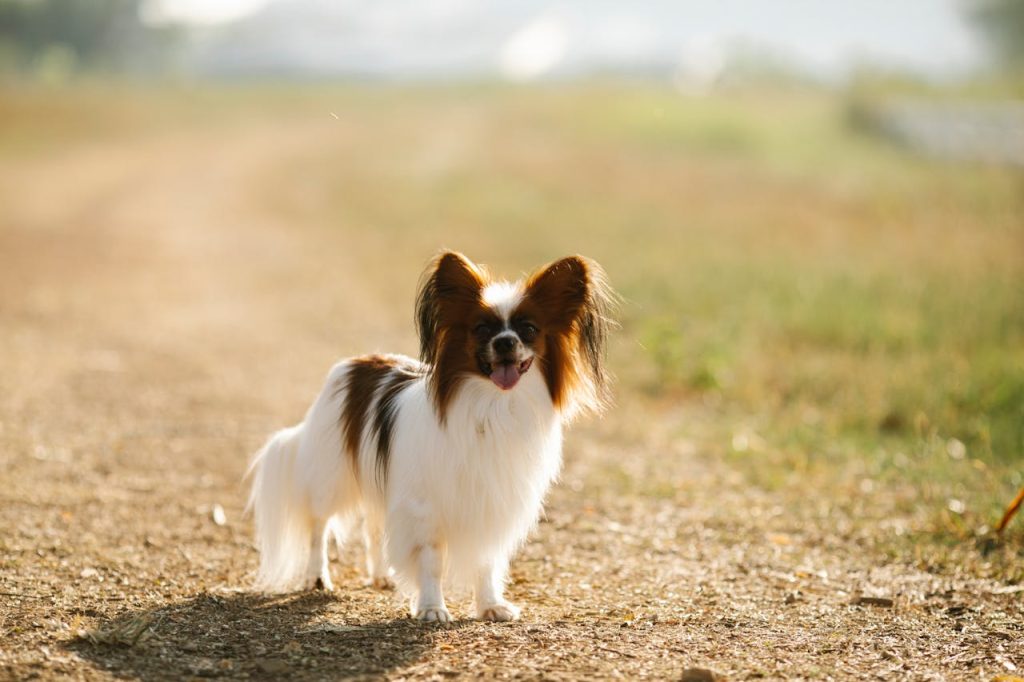
Papillons usually weigh five to 10 pounds and stand out for butterfly-shaped ears, bright eyes, and unusual agility for a toy breed. They learn quickly, respond well to structured routines, and often excel at mini obstacle work and trick training. Their small size pairs with a lively mind, so they stay engaging long after puppyhood.
The big downside is high mental demand. Without daily training games and focused interaction, many Papillons invent their own entertainment, including nuisance barking and restless pacing. They are tiny, but they are not low-input dogs, and boredom can shift behavior in frustrating directions.
Affenpinscher
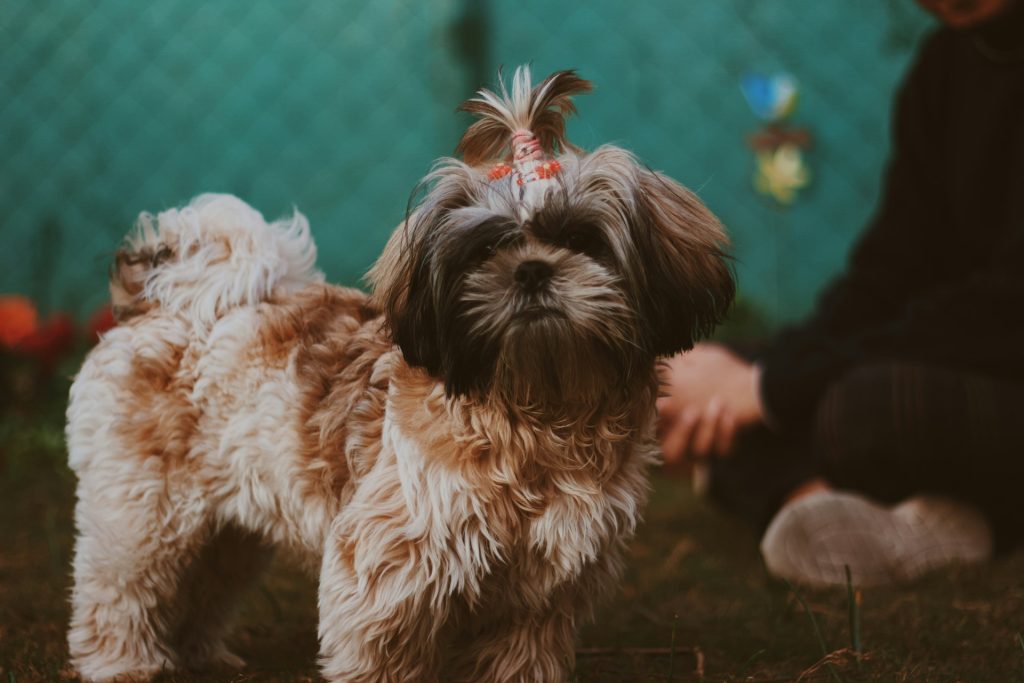
The Affenpinscher is a compact breed around seven to 10 pounds, known for its wiry coat and expressive, almost comic face. It is confident, curious, and often fearless in ways that surprise people expecting a lap-only companion. This dog brings personality in a very small package and adapts well to city homes when routines stay steady.
The big downside is a stubborn streak. Training can take patience because this breed tends to test boundaries and resist repetition when sessions feel dull. Clear structure, short lessons, and consistent rules are essential, or small behavior problems can settle into long-term habits early.
English Toy Spaniel

English Toy Spaniels are gentle, affectionate companions, usually around eight to 14 pounds, with soft coats and a relaxed indoor style. They are often happiest in quieter homes where close contact and predictable rhythms shape the day. Their sweet temperament and compact size appeal to families that prefer low-impact activity and steady routines.
The big downside is sensitivity to separation. Many form intense attachments and can become distressed when left alone for long stretches. That dependence may appear as whining, pacing, or appetite changes, so successful homes build gradual alone-time training from the start.
Bolognese
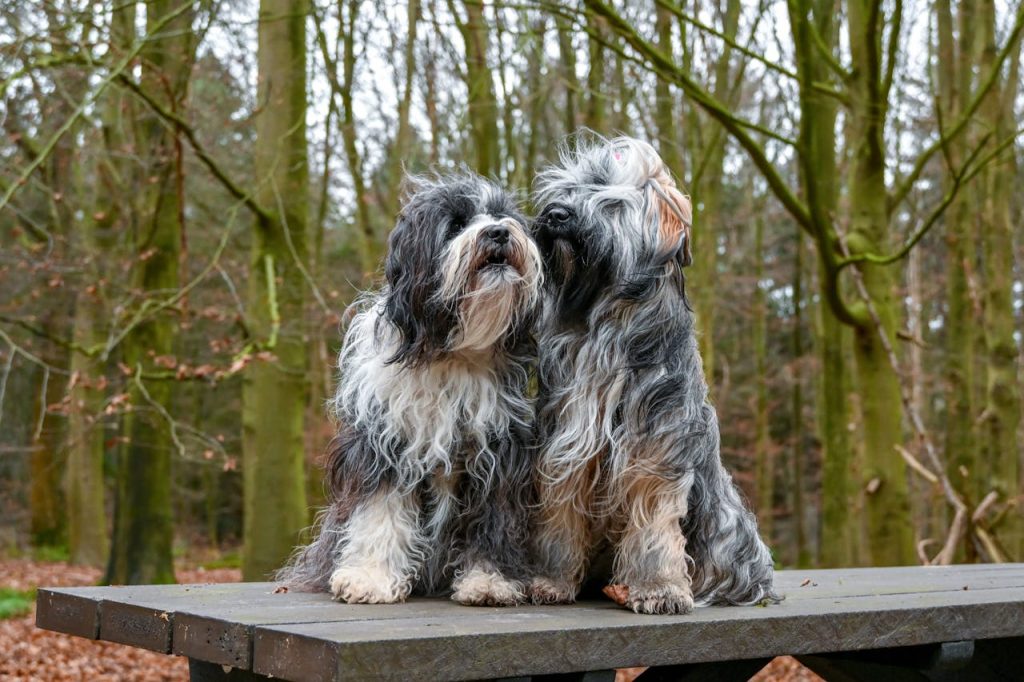
The Bolognese is a small, calm companion, commonly six to 10 pounds, with a cottony white coat and an easy indoor pace. It is less frantic than many toy breeds and often settles well into routines that favor closeness over constant stimulation. Its steady temperament can be a strong match for homes seeking quiet company and low-drama daily life.
The big downside is coat upkeep despite low shedding. The fluffy texture traps tangles easily, and brushing lapses quickly create knots near the legs and belly. Regular combing and grooming appointments are part of basic care, not occasional extras, if comfort is the daily goal.
Miniature Dachshund
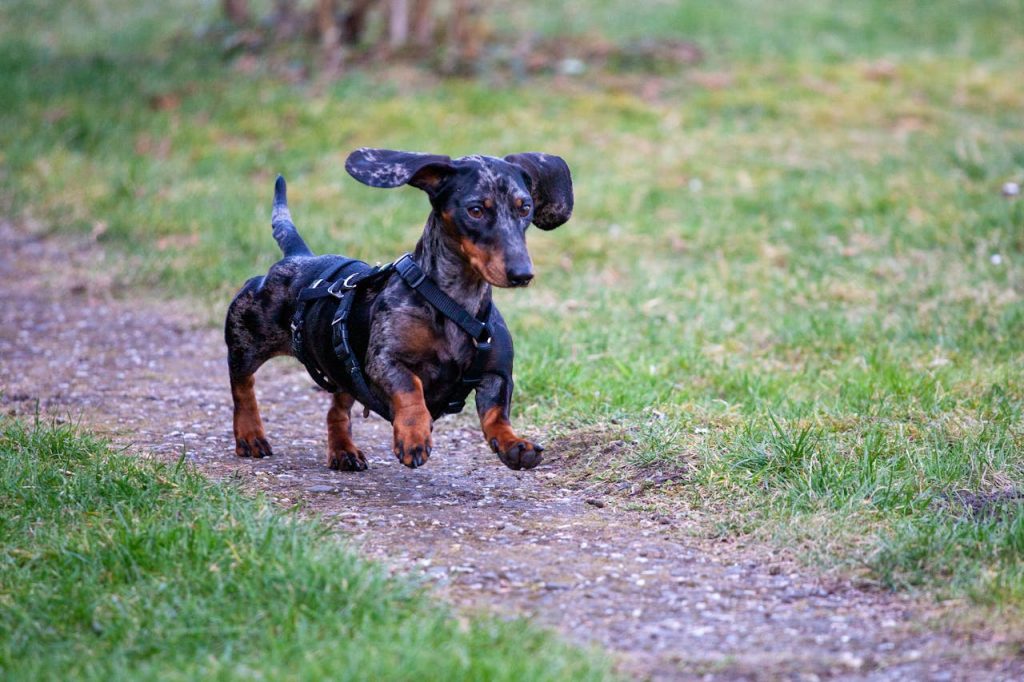
The miniature Dachshund stays tiny, usually under 11 pounds, with the signature long body and lively, curious temperament that made the breed iconic. It is alert, devoted, and often very entertaining indoors, with enough personality to fill a room. The small frame works in apartments, while short walks and scent games keep energy balanced each day.
The big downside is spinal risk. Their long backs are vulnerable to disc injury, especially with frequent jumping on and off beds or stairs. Prevention matters daily, including ramps, weight control, and careful handling, because one bad movement can have lasting consequences.
Bichon Frise
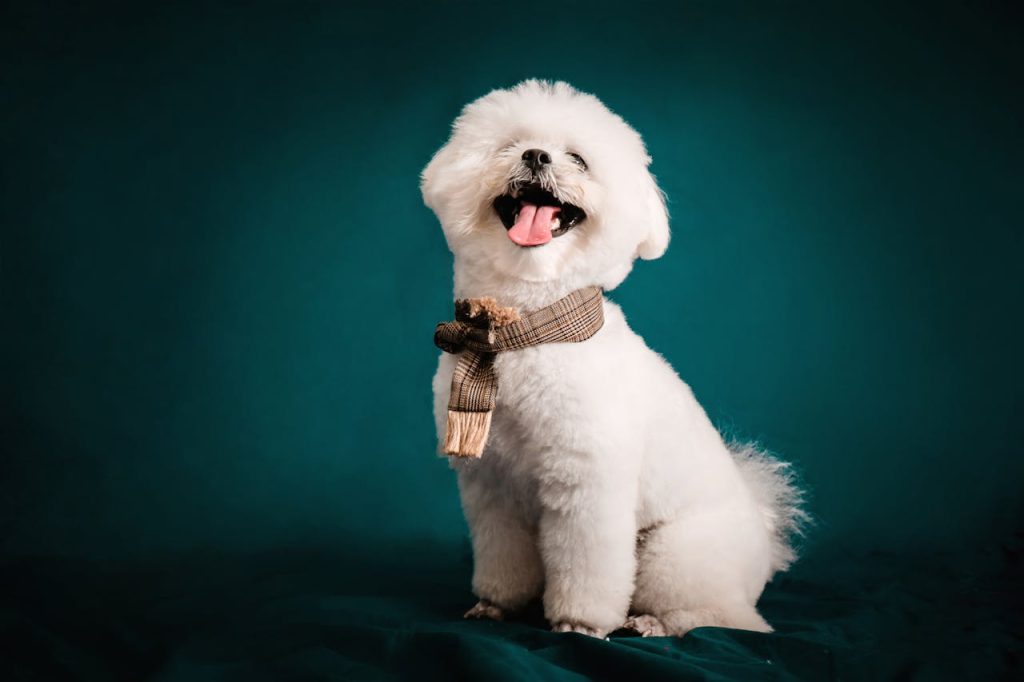
Bichon Frises are small, usually around 12 to 18 pounds, with buoyant temperaments and soft white coats that give a cheerful, cloud-like look. They are playful, social, and often good in family settings when daily interaction is consistent. Their friendly style can make them quick favorites in homes that want an affectionate companion.
The big downside is separation-related stress. Many Bichons dislike long periods alone and may develop barking or destructive chewing when isolation becomes routine. They do best with predictable schedules, gradual independence training, and enrichment to reduce anxiety between interactions.