


Houseplants became shorthand for clean air after the 1989 NASA Clean Air Study showed certain species could reduce trace VOCs in sealed chambers.
That result traveled into apartments and offices, where people began treating a pothos or peace lily like a small air machine. The mismatch is simple: most rooms exchange air far faster than leaves can process it, especially near cooking, candles, fresh paint, or strong cleaners.
Indoors, these plants still matter. They add visual relief, nudge humidity when heat runs dry, and catch dust that can be wiped away, making a space feel cared for and easier to breathe in day to day.
Snake Plant
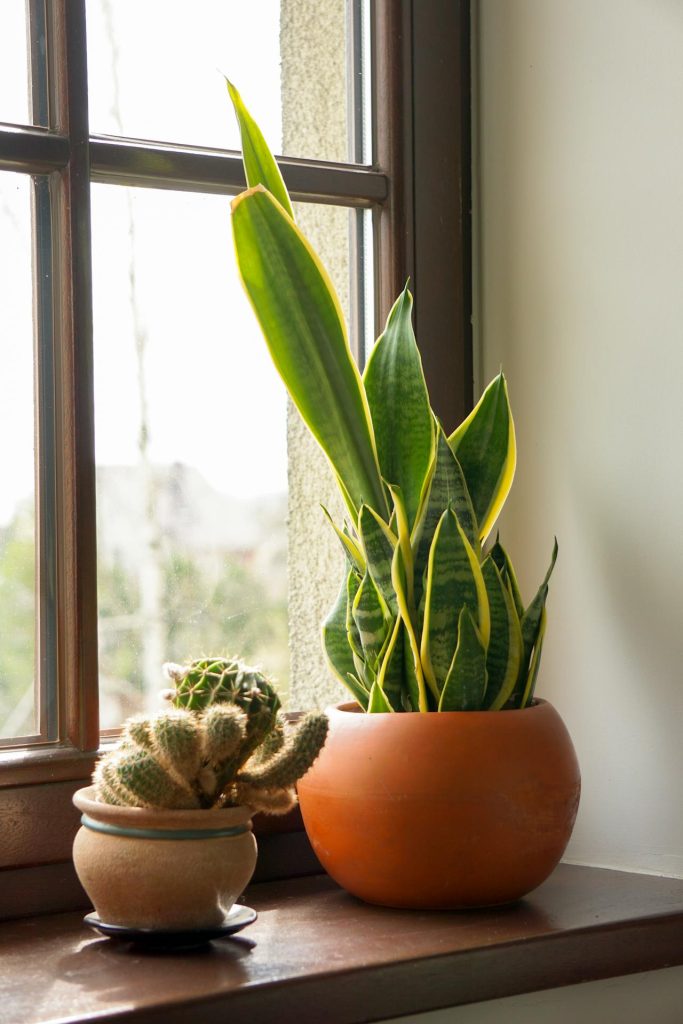
Snake plants get treated like bedside air filters because they are often said to release oxygen at night. The plant does use CAM photosynthesis, shifting some gas exchange after dark, but the effect is tiny compared with normal home ventilation and outdoor air mixing.
Indoors, its dependable value is simpler: upright leaves catch dust, slow transpiration softens dry heat, and the plant stays composed in low light. A quick leaf wipe keeps that dust from drifting back into the room, and a stable watering rhythm prevents sour, soggy soil.
As a mood piece, it wins. As a pollution solution, it stays modest in most homes.
Spider Plant
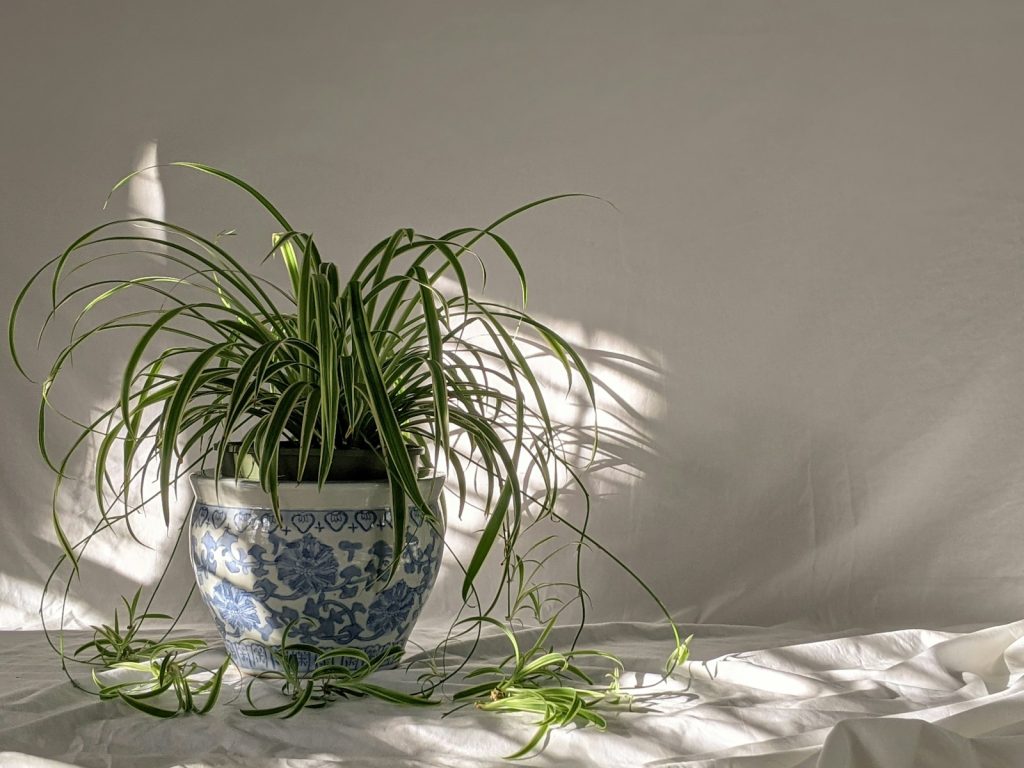
Spider plants earned their reputation in sealed-chamber tests where leaves and potting mix slowly reduced certain VOCs. In a typical living room, air exchange and source control usually dominate, so a lone spider plant will not meaningfully offset fumes from cooking, sprays, or fresh paint.
Still, the plant does quiet work. Its arching leaves collect a fine film of dust, and steady transpiration can lift humidity when heat runs dry. It also signals stress early, so brown tips often point to watering habits or mineral-heavy tap water, which makes the room feel healthier through attention, not magic. A cluster amplifies that effect.
Golden Pothos

Golden pothos gets praised as a living air sponge because it survives low light and appears on the 1989 NASA Clean Air Study list. Those tests happened in sealed chambers with still air, so the measured VOC drop does not translate cleanly to drafty rooms with normal air exchange.
Indoors, pothos still earns its popularity. Vines soften shelves, leaves catch dust that can be wiped off, and steady transpiration nudges humidity when heat runs dry. The plant also acts like a simple diagnostic tool: pale growth and yellow leaves usually point to light, watering, or cold drafts, which improves a space through care rather than promises.
Peace Lily

Peace lilies look like wellness decor, and their clean-air reputation traces back to sealed-chamber tests that tracked small drops in trace VOCs. In a normal home, ventilation and source control outweigh leaf uptake, so one plant will not cancel strong cleaners, scented sprays, or fresh paint.
Indoors, the payoff is comfort and clarity. Broad leaves add a touch of humidity, collect dust that can be rinsed away, and the plant signals thirst by drooping early. In low light, the white bloom softens a corner, and the habit of keeping leaves clean often does more for that fresh-room feeling than any headline claim most days.
English Ivy

English ivy is often marketed as a mold fighter, a claim boosted by controlled experiments and the NASA-era plant narrative. In real rooms, moisture control, airflow, and cleaning matter far more than a few trailing stems, and an overwatered pot can create musty smells.
Indoors, ivy’s realistic contribution is physical: many small leaves hold dust until it is rinsed off. It also softens shelves and frames windows, which makes a space feel less sterile. When the leaves stay clean and the pot dries a little between waterings, the plant looks crisp and supports that fresh-room feeling without pretending to replace ventilation.
Bamboo Palm

Bamboo palms are sold as natural humidifiers that also filter benzene and formaldehyde, a promise rooted in sealed-chamber testing. In ordinary homes, air exchange and the pollutant source usually decide indoor air quality first, so a single palm is not a substitute for fresh air and low-VOC choices.
Indoors, the palm’s strength is comfort. Feathery fronds add gentle moisture, soften harsh lines, and catch dust that can be shaken out or rinsed off. The plant also makes dry, heated rooms feel less brittle in winter, especially when grouped with other greenery and kept in evenly moist, not waterlogged, soil near a bright window.
Red-Edged Dracaena

Red-edged dracaena gets labeled an air purifier because NASA-era tests linked it to reduced xylene and formaldehyde in sealed chambers. In a typical home, those chemicals come from products and paint, and ventilation usually dilutes them faster than leaves can absorb.
Indoors, dracaena’s real value is structure. It reads like a small indoor tree, adds a modest humidity lift, and gives a room a calmer silhouette, especially in winter when greenery feels scarce. Clean leaves improve dust capture, and steady light prevents legginess, so the plant supports a fresher space through maintenance and mood, not dramatic filtration.
Cornstalk Dracaena

Cornstalk dracaena is often recommended for clean air because older studies measured small pollutant drops in enclosed test conditions. In lived-in rooms, airflow, outdoor air exchange, and the source of fumes usually matter more, so expectations can outrun reality.
Indoors, the cornstalk earns its keep through steadiness. It tolerates missed waterings, adds a humidity buffer, and turns blank corners calm and tropical. Its slow growth helps it stay tidy. When leaves are wiped clean and the plant gets bright, indirect light, it holds dust instead of letting it settle everywhere, a practical, visible win that feels like cleaner air.
Weeping Fig

Weeping figs get chosen as air helpers because a canopy looks like a natural filter, and older plant studies measured VOC drops in sealed setups. In real homes, that effect is small, and the plant is more likely to react to drafts, low light, or erratic watering than to improve air quality.
Indoors, the fig works as atmosphere. A leafy crown softens acoustics, adds privacy, and makes a space feel settled, which people often read as fresher air. Indirect light helps. When conditions stay stable, the canopy holds dust until it is wiped off, and that routine reduces leaf drop and keeps the room looking cleaner over time.
Aloe Vera

Aloe vera is treated as a two-in-one plant: useful gel and a reputation for reducing certain VOCs in controlled studies. Those results came from enclosed conditions, while most homes dilute odors mainly through ventilation and fewer pollution sources.
Indoors, aloe’s real contribution is routine. It needs bright light and sparse watering, which keeps soil from staying wet and pushes a windowsill setup. The compact rosette holds dust on thick leaves that wipe clean fast, and it rarely drops leaves or sheds mess. If the base turns soft, it is usually a watering issue, not bad air, which keeps expectations grounded and care-focused.
Florist’s Chrysanthemum

Florist’s chrysanthemums rank high in classic plant charts, tempting people to treat a pot of blooms like an air upgrade. The research behind that reputation relied on sealed testing, while real rooms are shaped more by ventilation and sources like cooking fumes and scented products.
Indoors, mums deliver a different kind of cleanup. Bright color lifts a room in fall and winter, and that visible freshness can nudge habits like opening a window after cooking and skipping heavy sprays. With bright light, clean water, and trimmed blooms, they stay crisp, so the space feels lighter even if air chemistry shifts very little.
Gerbera Daisy

Gerbera daisies get described as air-cleaning flowers because older studies tracked pollutant drops in sealed chambers. In real homes, airflow and the source of odors matter more, so a pot of blooms will not offset smoke, heavy fragrance, or fresh paint.
Indoors, gerberas behave like a light-and-care gauge. They want bright sun and even moisture, so sturdy stems usually mean the windowsill routine is working. Short-lived blooms encourage regular refreshes, which keeps water clean and surfaces tidy. That attention cuts dust, reduces damp buildup around the pot, and leaves a lighter feel from habits, not hidden chemistry.
Cleaner indoor air is still a systems story: fewer pollution sources, steady ventilation, and, when needed, mechanical filtration. Plants fit best as companions inside that system, not as replacements for it.
When leaves get wiped, soil stays healthy, and a window opens after cooking, the room starts to feel calmer and clearer. The plants did not perform a miracle. They simply made care feel natural, which is often the most realistic kind of improvement.