


Low light is not the same as bright indirect light, and many plant lists blur that line. These picks are for rooms where daylight barely registers: interior bathrooms, shaded hallways, and winter apartments where the sun leaves early.
Each plant below shows up in university extension advice and real homes because it holds shape and color with minimal sun, as long as watering stays measured and drainage stays clean. Growth will slow, greens may deepen, but the space keeps a living pulse. Even one pot can soften a hard shelf and make a home feel tended when windows are scarce for months. A lamp can do the rest, with patience.
Snake Plant
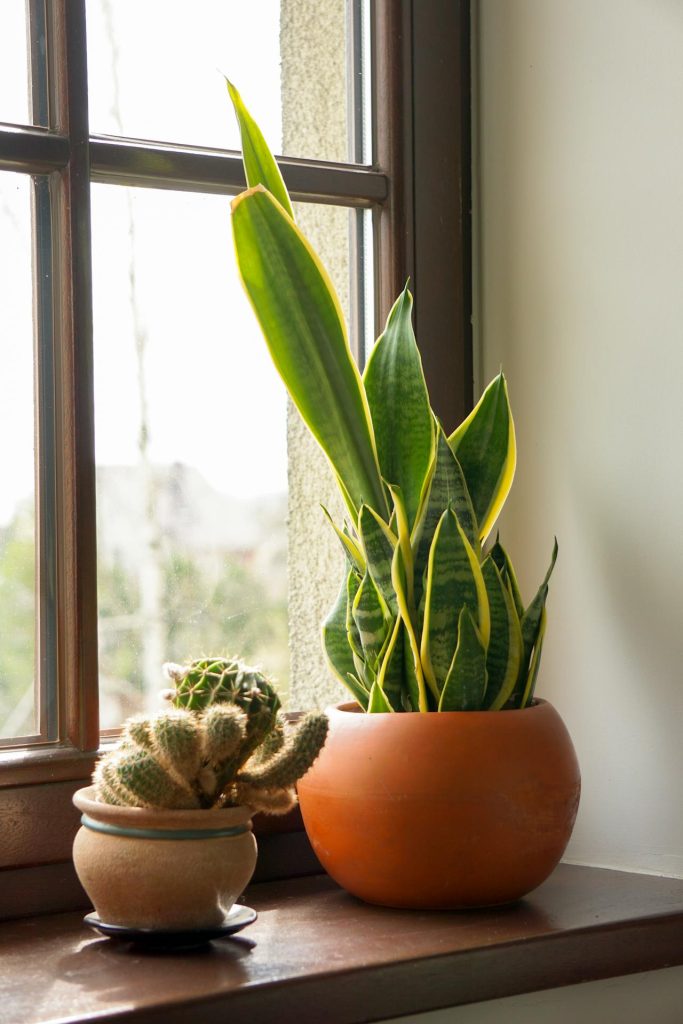
Snake plant keeps stiff, upright leaves that read as clean design even in a dim entryway or a back hallway. In low light it grows slowly, yet it stays composed because thick roots store water and the leaves waste little moisture. That patience makes it a steady option for winter rooms that feel permanently shaded.
Fast success comes from restraint: a pot with drainage, a gritty mix, and watering only after the soil dries fully. A quick wipe of dust helps it photosynthesize under weak light, and a small turn of the pot keeps the rosette even. It tolerates fluorescent lighting without fuss. Overwatering is the usual mistake.
ZZ Plant

ZZ plant looks polished in shade, with glossy leaflets arranged on firm stems that hold their posture far from windows. It tolerates low light because underground rhizomes store water and energy, so missed waterings rarely cause drama. Growth slows, but the plant stays tidy and green.
Drainage matters more than sunlight here. A loose mix and a pot that empties fully prevent root issues, and watering should wait until the soil is mostly dry. In cooler months that can mean two to three weeks between drinks. Bright sun can scorch leaves, so filtered light is plenty. Wipe leaves now and then, and rotate the pot once a month.
Pothos

Pothos trails gracefully from shelves and high cabinets, turning a dim corner into something softer without asking for bright daylight. In low light it often shifts toward solid green and stretches more slowly, but it keeps leaves better than most vines.
Watering works best when the top inch of soil dries, followed by a thorough soak and full drain. Regular trims keep stems from getting leggy and encourage fuller growth, and cuttings root easily in water for new pots. A simple stake can also guide it upward when floor space is tight. It handles office lighting, but soggy soil causes yellowing. Rinse dust off leaves sometimes.
Peace Lily
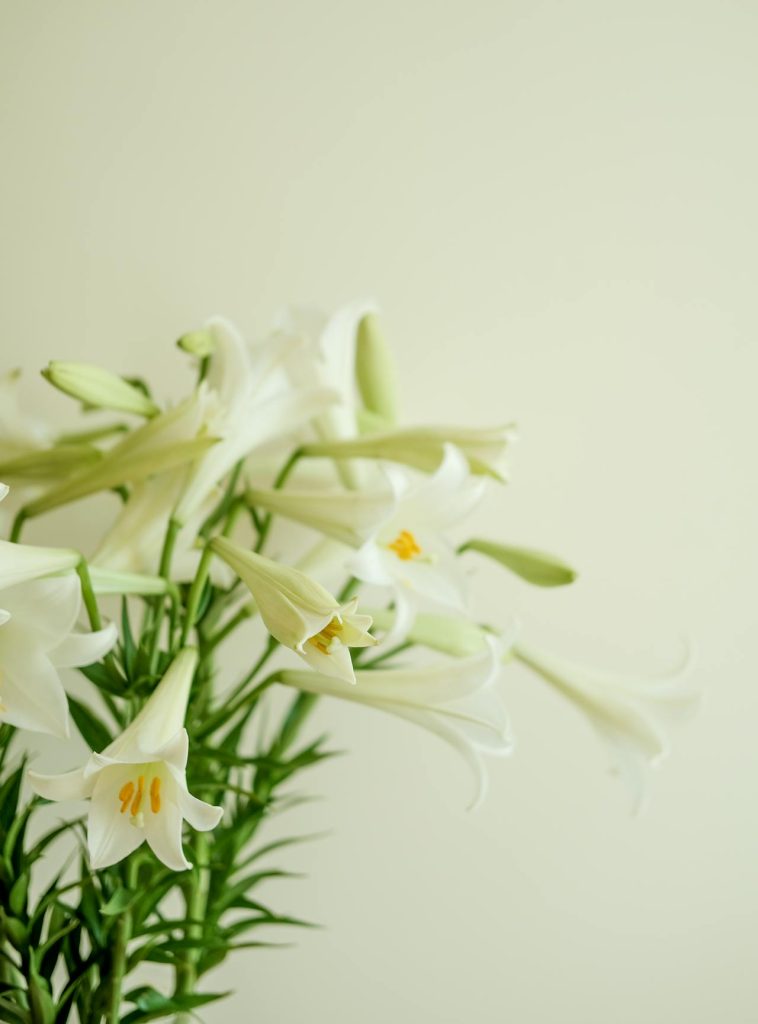
Peace lily brings glossy leaves and pale blooms that brighten a shaded room without needing sun on the windowsill. It tolerates low to medium indirect light, and it signals thirst clearly by drooping, then perking up after watering.
Consistency matters more than intensity. The soil should stay lightly moist, never soggy, with a pot that drains cleanly to avoid root rot. Humidity keeps tips neater, so bathrooms often suit it well. Fertilizer should stay light, and blooms come and go with the seasons. Weekly watering is common, but the pot should guide the schedule. Direct sun can scorch leaves, while shade keeps the plant calm.
Spider Plant
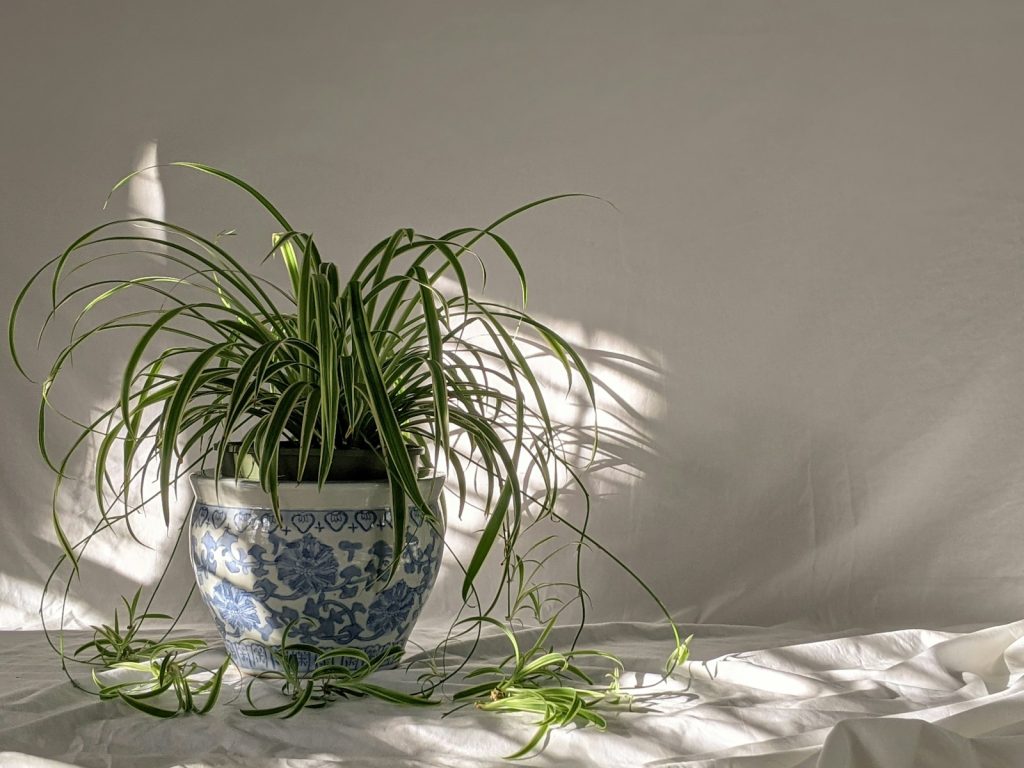
Spider plant arcs outward like a small fountain, and its striped leaves keep their pattern even when a room stays dim. It adapts to low light, then perks up quickly if moved to brighter indirect light, which makes it easy to place and re-place.
Water when the top layer dries, then let excess drain away so roots never sit in water. Baby plantlets, often called pups, can be clipped and rooted to create new pots for shelves and windowsills. Brown tips usually trace back to inconsistent watering or mineral-heavy tap water, not lack of sun. It softens hard angles in winter, and it handles office lighting. With steady care.
Philodendron
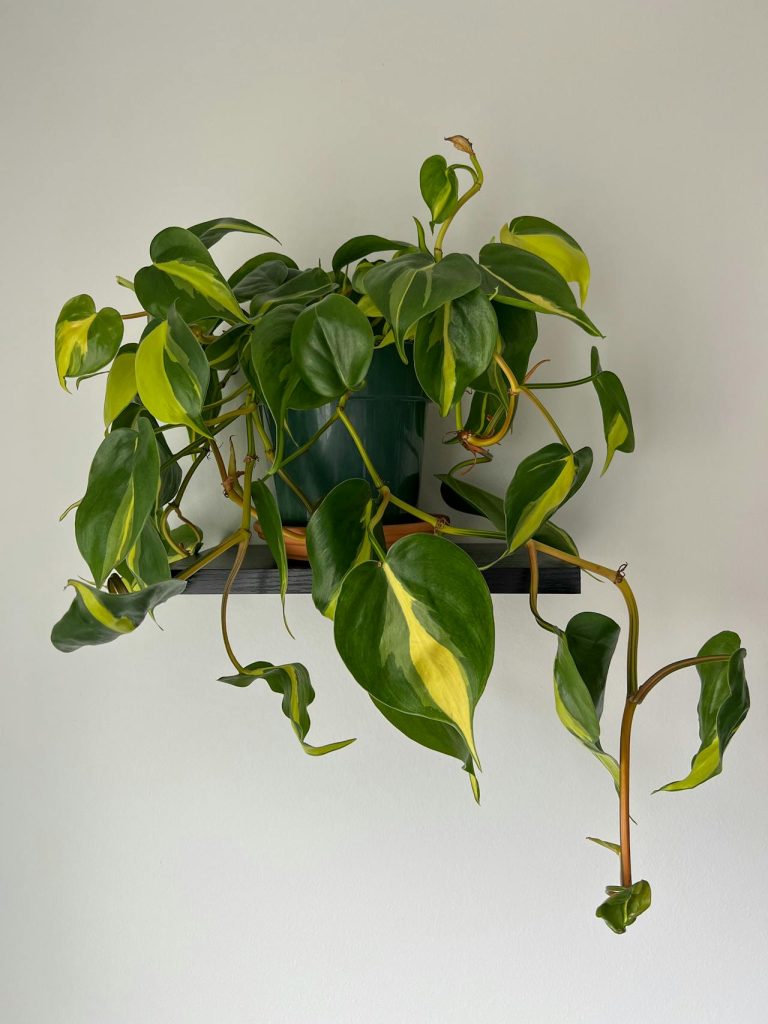
Philodendrons fill space fast in brighter rooms, but many types still hold their lush look in low to medium light. Heart-shaped leaves and trailing stems add softness to corners where hard furniture lines can feel stark, especially in winter.
Watering should be measured, letting the mix dry partway before the next drink, since constantly wet soil causes stress. A support pole can guide climbing varieties, while trailing types do well on shelves. Rotating the pot and wiping dust from leaves help the plant use weak indoor light more efficiently. Steady warmth suits it, and cold drafts can mark leaves. Light pruning keeps it full.
Cast Iron Plant

Cast iron plant is built for neglect, holding broad, leathery leaves upright in rooms that barely see daylight. It tolerates low light, missed waterings, and dry indoor air better than most, which is why it shows up in old apartments and offices.
A shady corner and a stable temperature keep it happiest. Water only when the top few inches of soil feel dry, then drain fully. Slow growth is normal, so fertilizer should stay light. Wiping leaves keeps their shine and helps the plant capture what little light it gets. It rarely needs repotting, and it forgives weeks of sameness, which makes it ideal for travel-heavy schedules.
Ferns
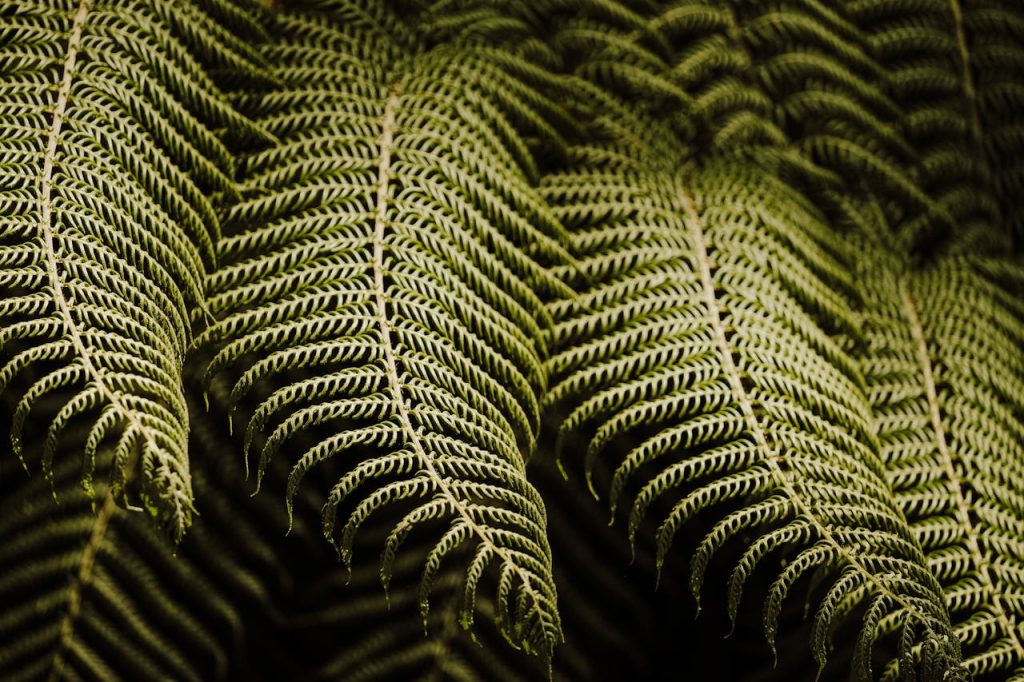
Ferns bring a soft, feathery texture that makes low-light rooms feel calmer, especially bathrooms where moisture hangs in the air. Many common indoor ferns prefer shade over harsh sun, but they do expect steady humidity and even soil moisture.
The mix should stay lightly damp, never waterlogged, with good drainage so roots still breathe. Misting helps, but grouping plants or using a pebble tray often works better for consistent humidity. Trim browned fronds at the base, and keep ferns away from heat vents that dry them out fast. Ferns can sit deeper in a room if humidity stays high and air moves gently, not in dry blasts.
English Ivy
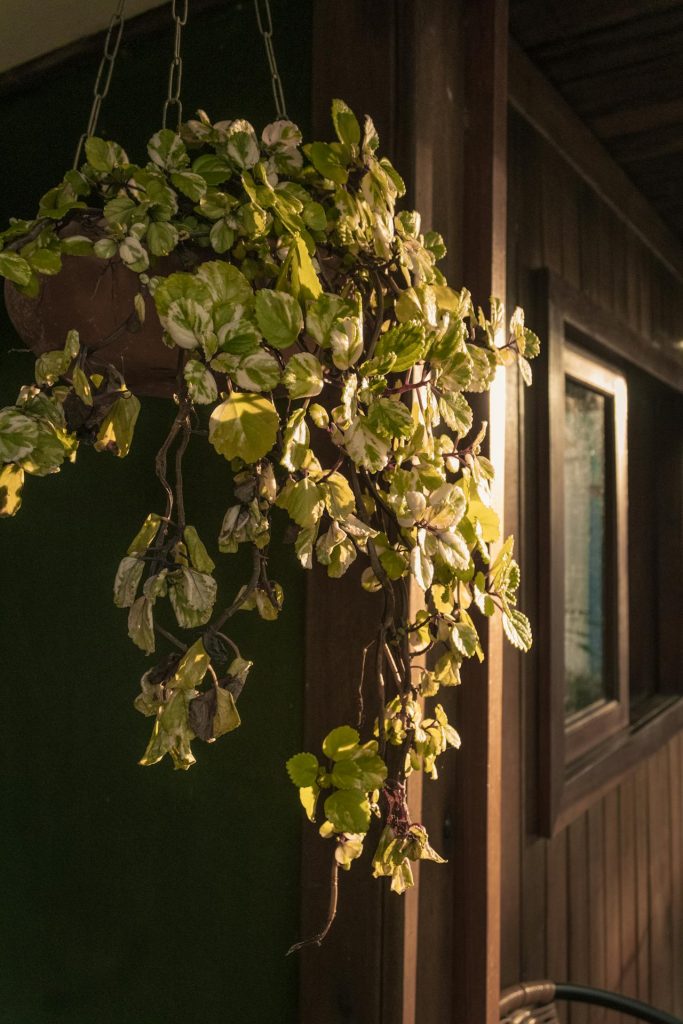
English ivy trails with a classic, old-house charm, and it can handle low to medium light on a cool windowsill or shelf. Indoors it prefers fresh air and steady conditions, so it often looks better away from heaters and crowded kitchen heat.
Water when the top layer dries slightly, then let the pot drain completely. Regular trimming keeps growth dense instead of stringy. Leaves can be rinsed to remove dust, and good air circulation helps discourage mites. It is best kept out of reach of pets that like to chew plants. In deeper shade, growth slows, but the vine stays neat with consistent moisture and no wet feet. At all.
Parlor Palm
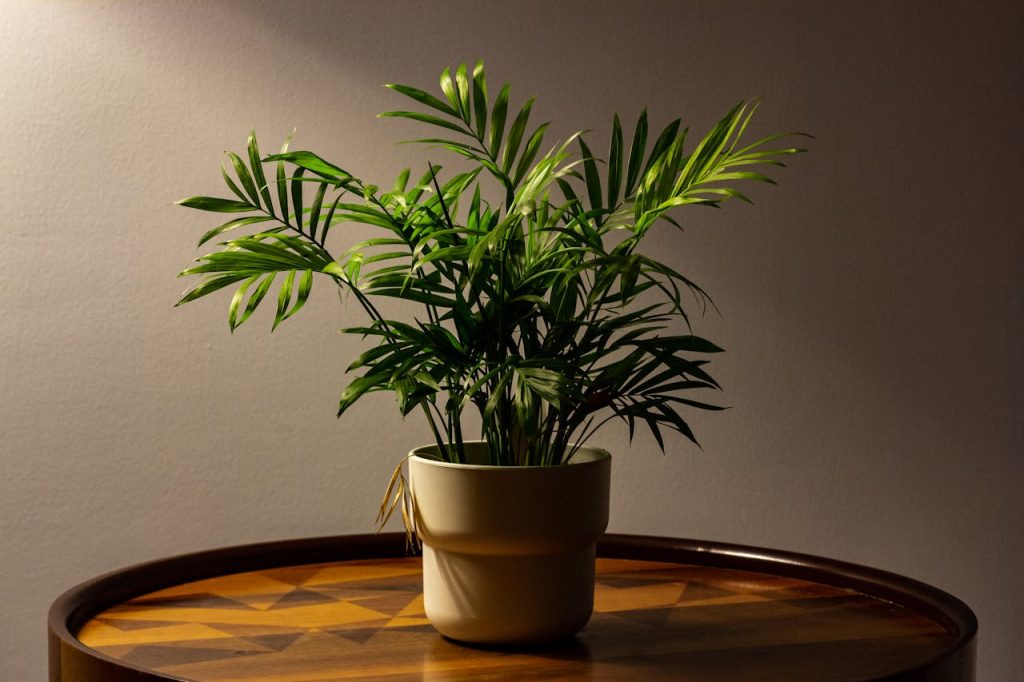
Parlor palm brings soft, feathery fronds to dim rooms, offering a gentle tropical shape without demanding sun on the glass. Unlike many palms, it tolerates low to medium filtered light and keeps a tidy size, which suits apartments and offices.
Water when the top inch dries, then drain well, since constantly wet soil weakens roots. Moderate humidity keeps tips neater, while direct sun can scorch fronds. Light feeding during the growing season is enough, and slow growth in winter is normal. Dust can dull fronds, so a wipe or shower rinse helps it use weak light. Stable warmth matters, and cold blasts near doors can brown edges.
Chinese Evergreen
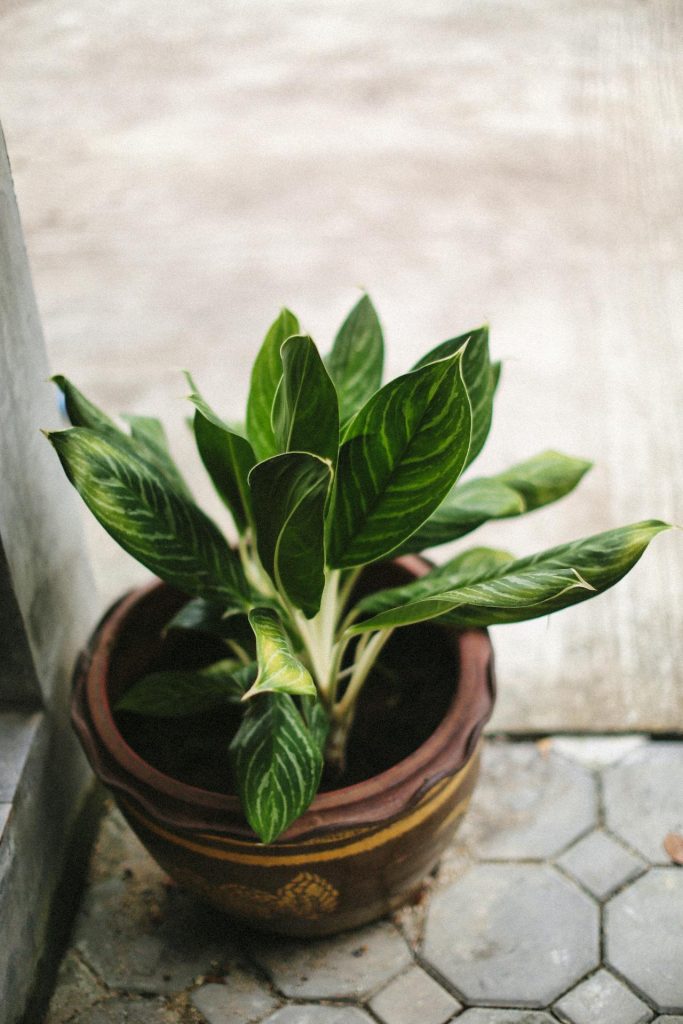
Chinese evergreen keeps color and pattern in rooms where most plants fade, with leaves that often show silver, green, and muted red tones. It tolerates low light well, making it a reliable choice for shaded apartments, offices, and north-facing corners.
Care stays simple: use a well-draining mix, water when the top layer dries, and reduce watering in cooler months. Drafts can stress the foliage, so steady indoor temperatures help. Wiping leaves improves both shine and light capture, and rotating the pot keeps the plant balanced over time. Direct sun can scorch leaves, but shade is fine. Overwatering is the usual mistake.
Dracaena
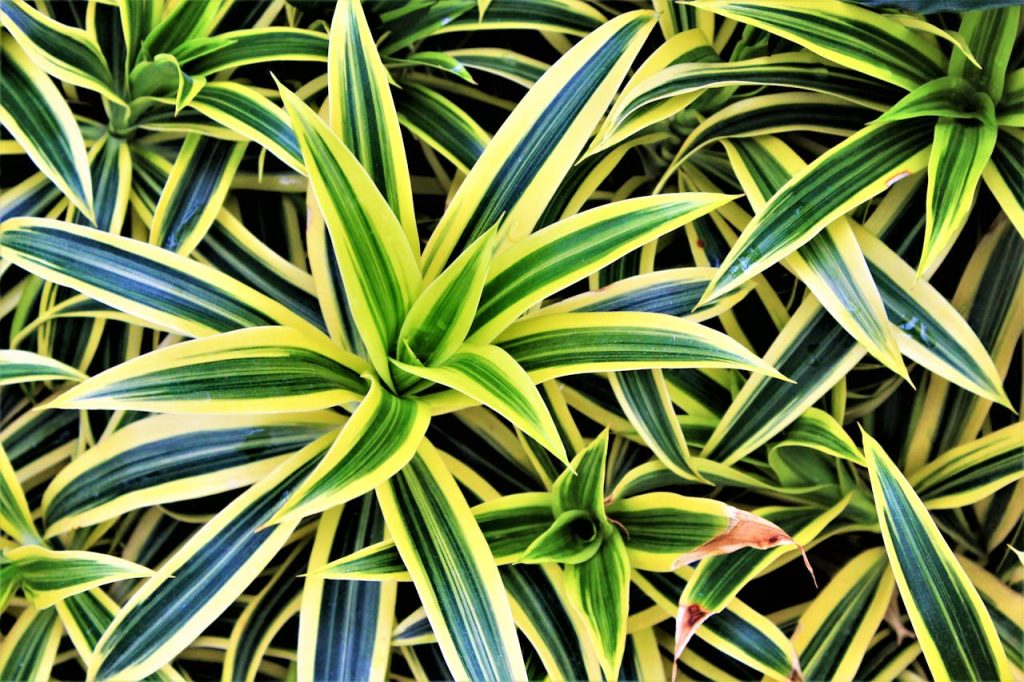
Dracaena adds height and structure, with narrow leaves that rise like a small indoor tree even when sunlight barely reaches the floor. Many species tolerate low light, though growth slows and colors may deepen into richer greens.
Water only after the mix dries partway, and let excess drain, since soggy soil causes soft stems and leaf drop. These plants often do better with clean, low-mineral water, and light feeding is plenty. If a cane gets leggy, pruning can trigger new shoots and a fuller top over time. Wipe leaves to help it use weak light, and rotate the pot. Keep it away from cold drafts and hot vents. In winter.