

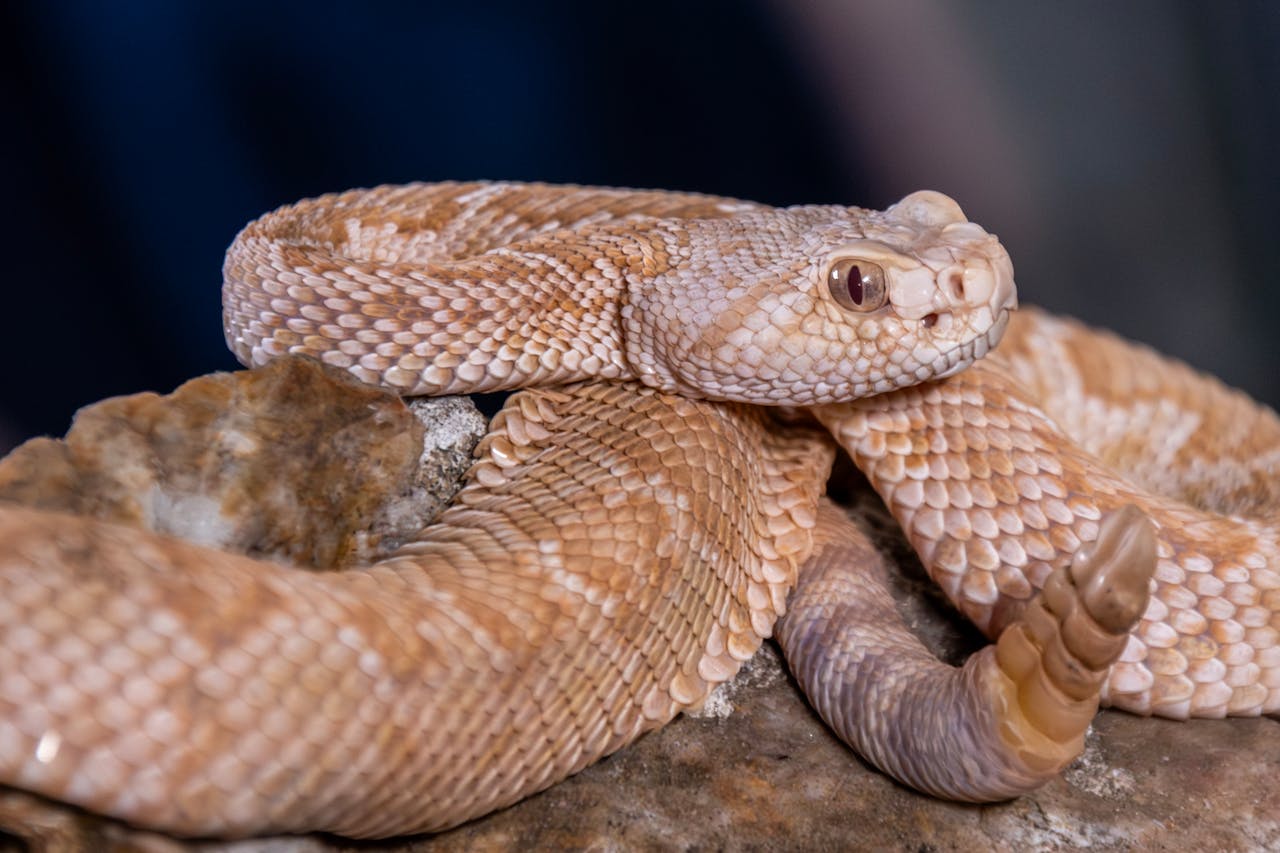
A snakebite scene rarely looks dramatic at first. A small puncture, a surge of fear, and then a chain of choices that can protect a life or quietly waste the minutes that matter most. In the United States, many bites are survivable, yet emergency teams still treat preventable complications tied to delay, folklore, and rushed decisions made under stress.
The danger is psychological as much as medical: several wrong actions feel sensible in the moment. When time is tight, calm steps beat heroic gestures. Clear sequencing and early medical contact often decide whether the next hour becomes controlled care or very real chaos.
Waiting To See If Symptoms Start

Many people pause after a bite because the pain seems manageable, the swelling looks mild, or the snake is gone. That pause is costly. U.S. guidance says not to wait for symptoms before getting medical help, because serious effects can evolve after the initial shock settles and early hospital evaluation speeds the right treatment.
Time matters even when outcome looks likely to be good. Antivenom decisions, monitoring, and labs are easier when care starts early, not after the situation escalates. Treating every uncertain bite as urgent prevents the false calm that steals the first, most useful window of care at the scene.
Trying To Catch Or Kill The Snake
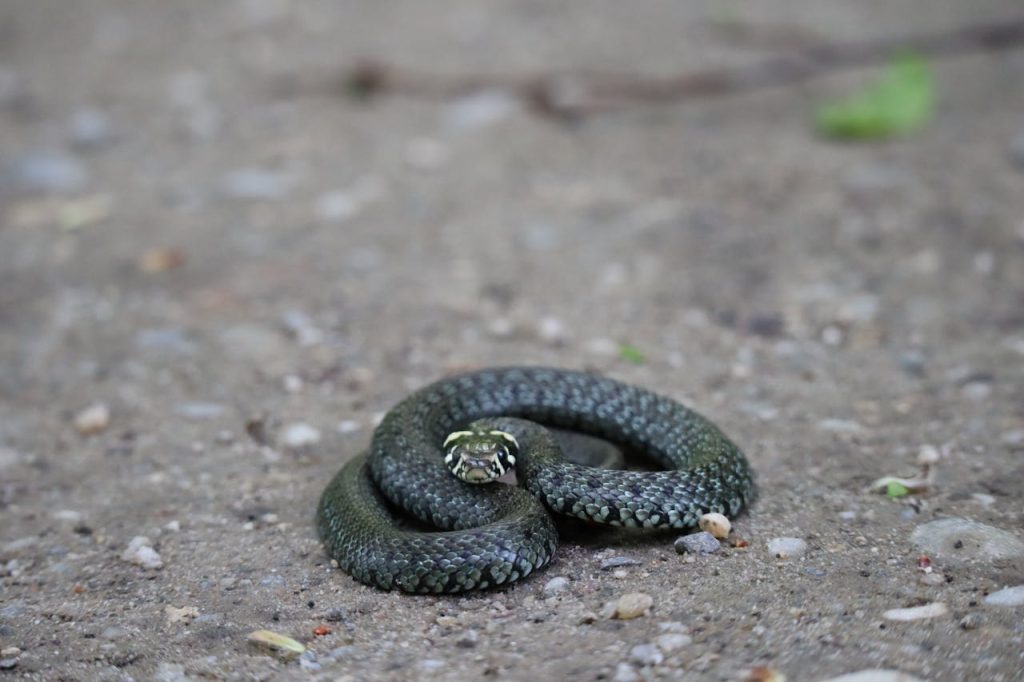
The instinct to identify the snake by force still causes repeat bites every year. Chasing, pinning, or handling a snake after someone is bitten adds risk without improving first aid. Even dead venomous snakes can still trigger dangerous bites through reflex action, so contact remains unsafe for everyone nearby.
Medical teams do not need a captured snake to begin emergency care. A quick visual memory, or a photo taken only from a safe distance, is enough context while transport begins. The priority is distance, not proof. A second bite can turn a manageable emergency into a severe, fast-moving crisis with fewer good options.
Walking Off The Bite Instead Of Going Still
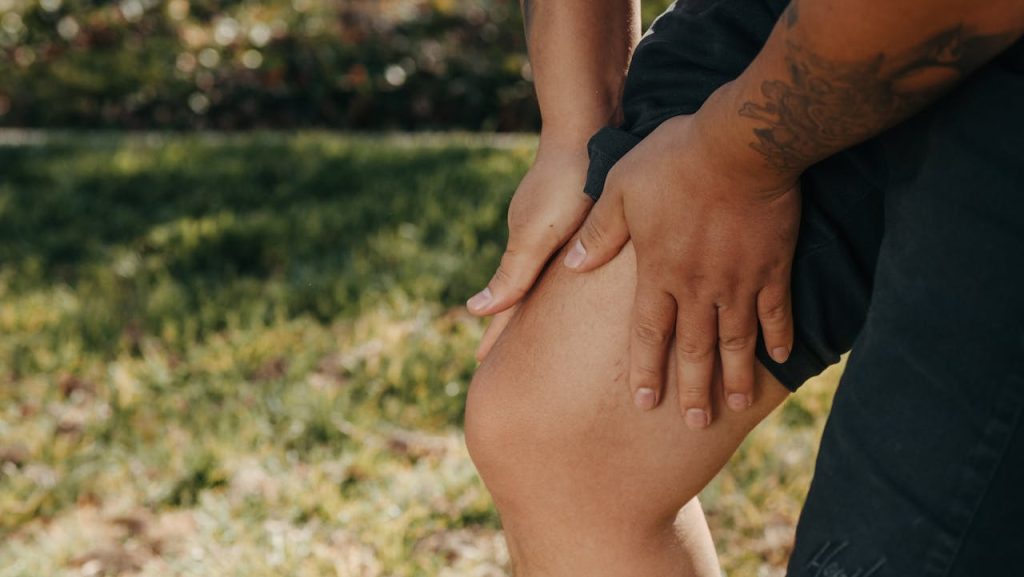
People often try to walk back to the trailhead, parking lot, or road because movement feels practical. The problem is physiology: exertion and panic can increase circulation and may speed venom spread. First-aid guidance emphasizes keeping the person still, limiting motion, and carrying when possible.
The safer sequence is simple: move away from danger, then reduce movement immediately. Splinting or supporting the limb helps prevent unnecessary muscle pumping while help is arranged. Energy should be spent on transport planning, not on self-evacuation by force. Quiet stillness is treatment, not passivity under pressure.
Leaving Rings, Watches, Or Tight Clothing In Place
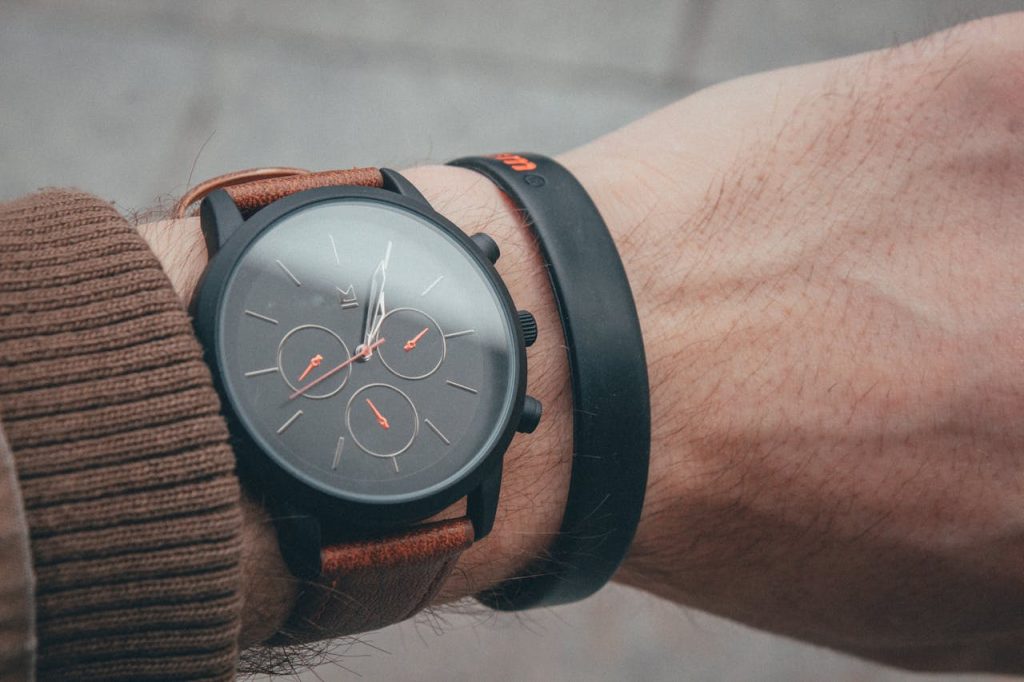
Swelling can rise quickly after envenomation, and tight items become hidden hazards. Rings, bracelets, watches, fitted sleeves, and snug footwear can start as minor discomfort and then turn into painful constriction that complicates circulation and tissue care in the emergency department.
Removing constrictive items early is one of the most practical actions anyone can take. It costs almost no time and prevents a problem that is much harder to fix later. This step is often overlooked because it feels secondary, but in real cases it protects the limb while clinicians manage the larger toxic effects safely during transfer.
Cutting The Wound Or Trying To Suck Out Venom
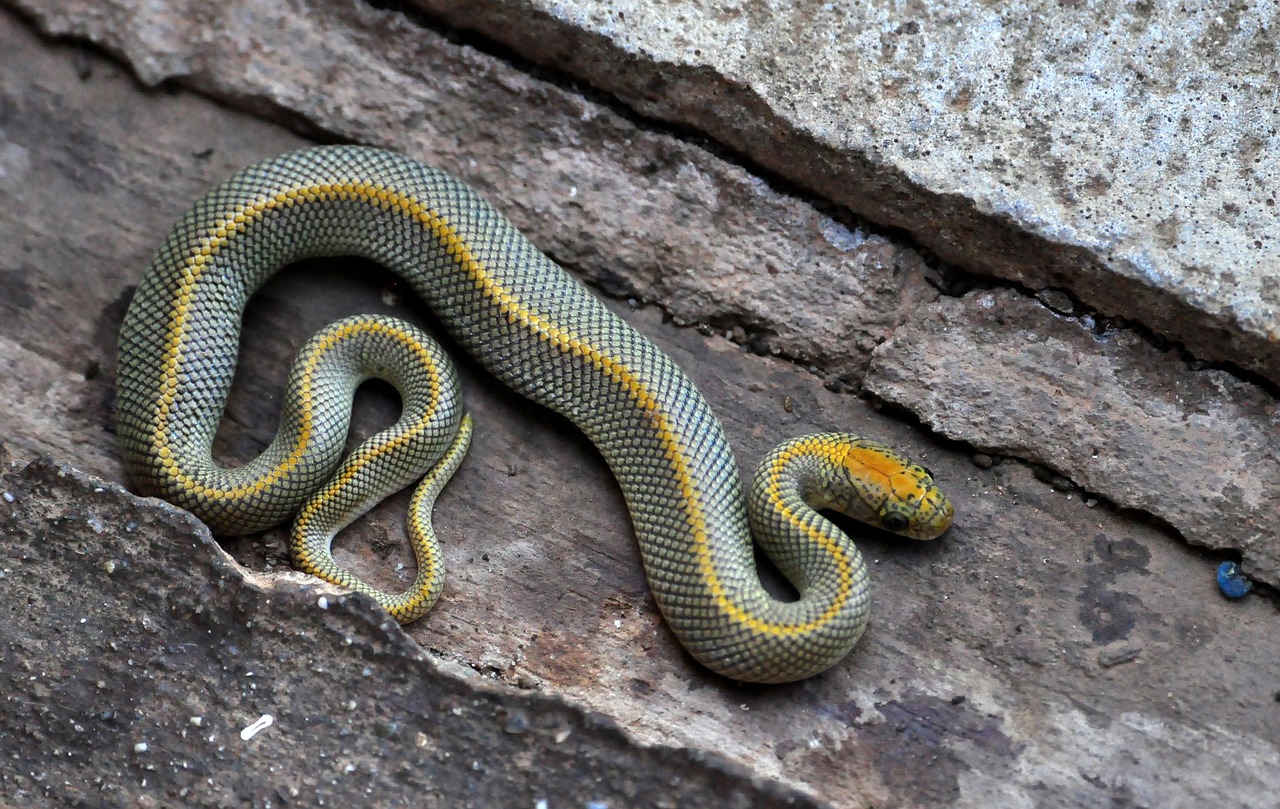
Movie-era advice still survives: cut the bite, squeeze it, or suck venom out. Modern guidance rejects all of it. Cutting adds tissue injury and infection risk, while suction does not reliably remove meaningful venom. These actions consume time, increase harm, and delay the only care that actually changes outcomes.
The better use of those same minutes is straightforward: keep the person calm, clean the area gently if possible, cover it loosely, and activate emergency care. Snakebite management works best when it is boring and disciplined. Dramatic interventions feel decisive, but they usually make the next hour harder.
Using Tourniquets, Tight Wraps, Or Improvised Straps
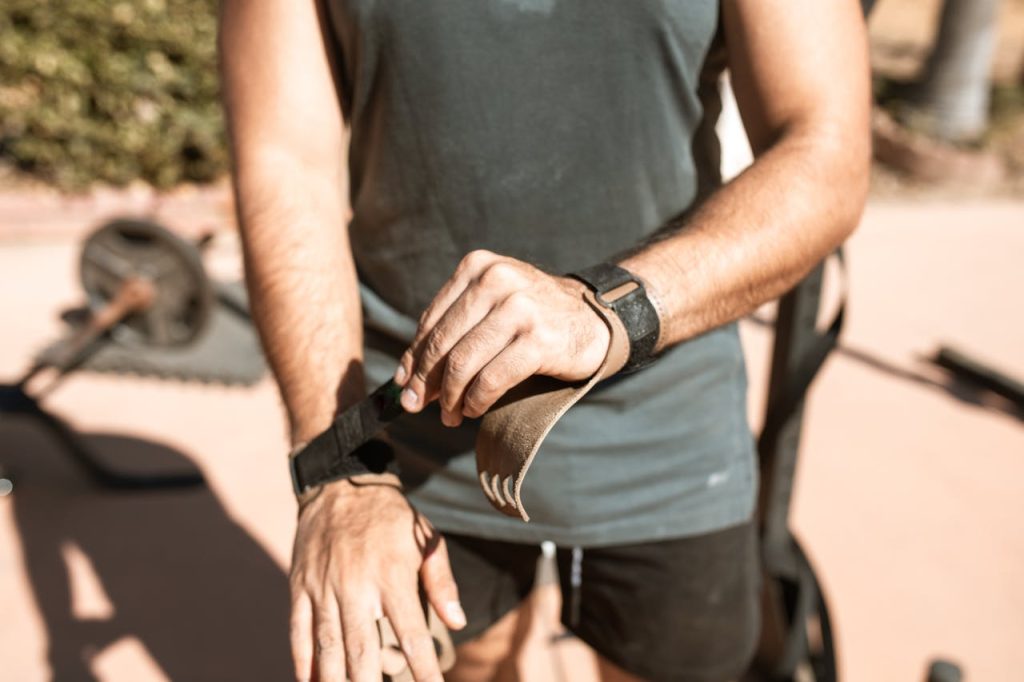
A tightly tied limb may feel like control, but major guidelines warn against arterial tourniquets after snakebite. Severe compression can worsen local injury, reduce perfusion, and add avoidable complications. In North America, routine pressure immobilization after pit viper bites is not broadly recommended as a default.
What helps more is immobilization without hard compression: keep the limb supported, keep the person still, and prioritize rapid transport. Nuance matters because protocols differ by species and region, but improvised, very tight wrapping is a common mistake when fear takes over. Gentle stabilization beats force.
Applying Ice, Electric Shock, Or Folk Remedies

When panic rises, households reach for whatever is nearby: ice packs, immersion, electrical devices, herbal pastes, or home remedies passed down as certainty. Public-health and clinical guidance repeatedly cautions against these measures because they do not neutralize venom and can add local damage or delay.
Snakebite care is one emergency where restraint is powerful. Clean, cover, immobilize, monitor, and move toward professional care. Every detour into unproven methods costs minutes and attention that should go to breathing, circulation, and transport. Fewer actions done correctly outperform many actions done hopefully in panic.
Taking Alcohol, Caffeine, Or The Wrong Pain Pills

Some victims are offered alcohol to settle nerves, coffee to stay alert, or common anti-inflammatory pills before medical advice arrives. U.S. guidance warns against alcohol and against self-medicating with aspirin, ibuprofen, or naproxen in this setting, because these choices can complicate early management.
Pain control after envenomation should be directed by clinicians tracking bleeding risk, swelling, and systemic signs. What feels like harmless comfort can blur symptom interpretation or add risk at the worst time. Waiting for professional medication plans is frustrating in the moment, but safer over the next several hours.
Driving Alone Instead Of Calling Emergency Services

A surprising number of people decide to drive themselves because they assume the nearest hospital is close enough. That choice creates two problems: movement during transport and no medical support if symptoms accelerate on the way. Some victims deteriorate faster than expected, especially after multiple strikes.
Calling emergency services first keeps options open. Teams can begin assessment early, route to an appropriate facility, and avoid roadside emergencies. If emergency transport is unavailable, another adult should drive while bitten person remains still. The goal is monitored movement, not improvisation behind the wheel.
Assuming A Mild Bite Means A Harmless Bite
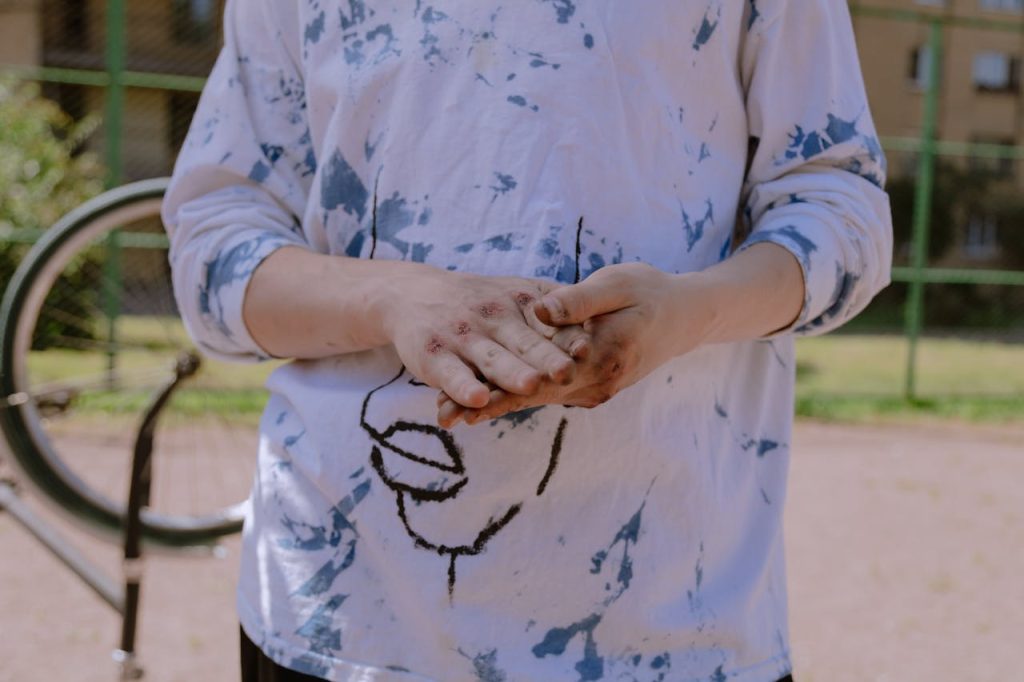
Not every venomous bite causes immediate severe pain, and not every bite injects venom. That uncertainty is exactly why early dismissal is dangerous. People sometimes decide they are fine because symptoms are delayed, punctures look small, or swelling appears limited during the first stretch after exposure.
Clinical guidance treats uncertain bites conservatively for a reason: progression can be uneven, and observation with labs may be needed to separate low-risk cases from evolving envenomation. Confidence based on appearance alone is a frequent trap. The safer rule is to let assessment determine risk, not first impressions.
Misusing Pressure Immobilization Without Context
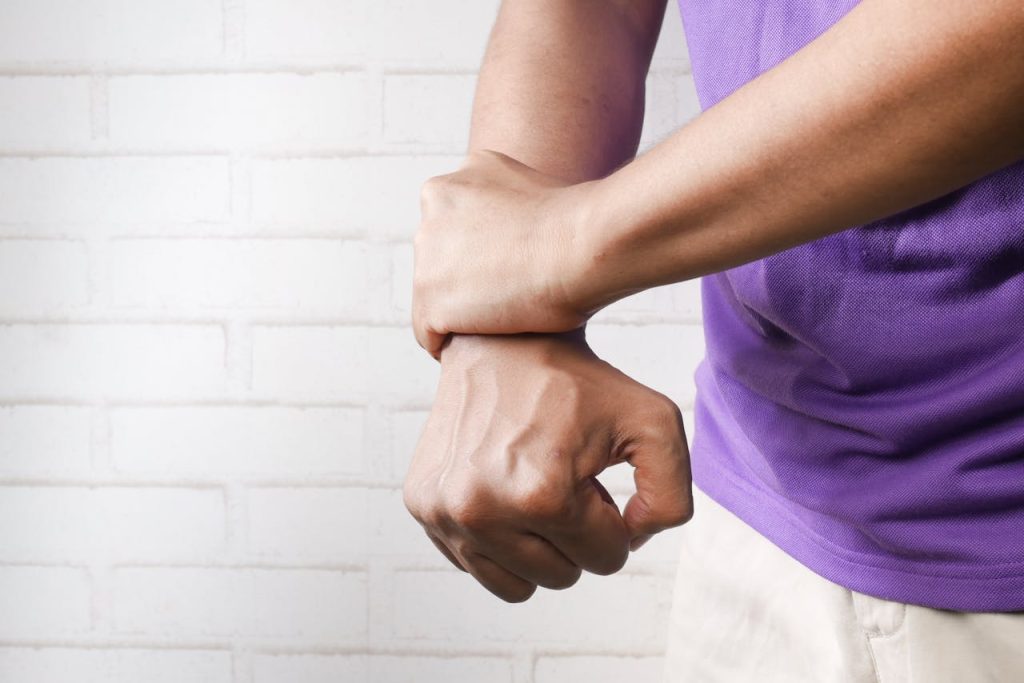
Pressure immobilization can be useful in specific neurotoxic bite scenarios, but it is not a universal fix. WHO notes the technique is intended for particular snake profiles, and Red Cross training warns it is not for typical pit viper bites in North America as a routine first move.
The mistake is treating one regional protocol as global truth. Snake species, venom effects, and transport timelines all matter. Without training, improvised pressure can be too tight, too loose, or simply the wrong tool for the species involved. When uncertain, prioritize stillness, splinting, and rapid medical direction over copied internet technique.
Forgetting To Record Time And Symptom Changes
In the rush, families often forget to note exactly when the bite happened and how symptoms changed minute by minute. That missing timeline can slow decisions in triage and reduce the clarity of early trend assessment, especially when swelling, pain, or neurologic signs begin shifting during transport.
Simple notes help: bite time, first symptoms, progression, and any safe photo details taken at distance. This is not paperwork for its own sake; it is clinical signal. Good information shortens uncertainty once the patient reaches care. When seconds feel chaotic, accurate timestamps quietly become one of the most useful tools.