

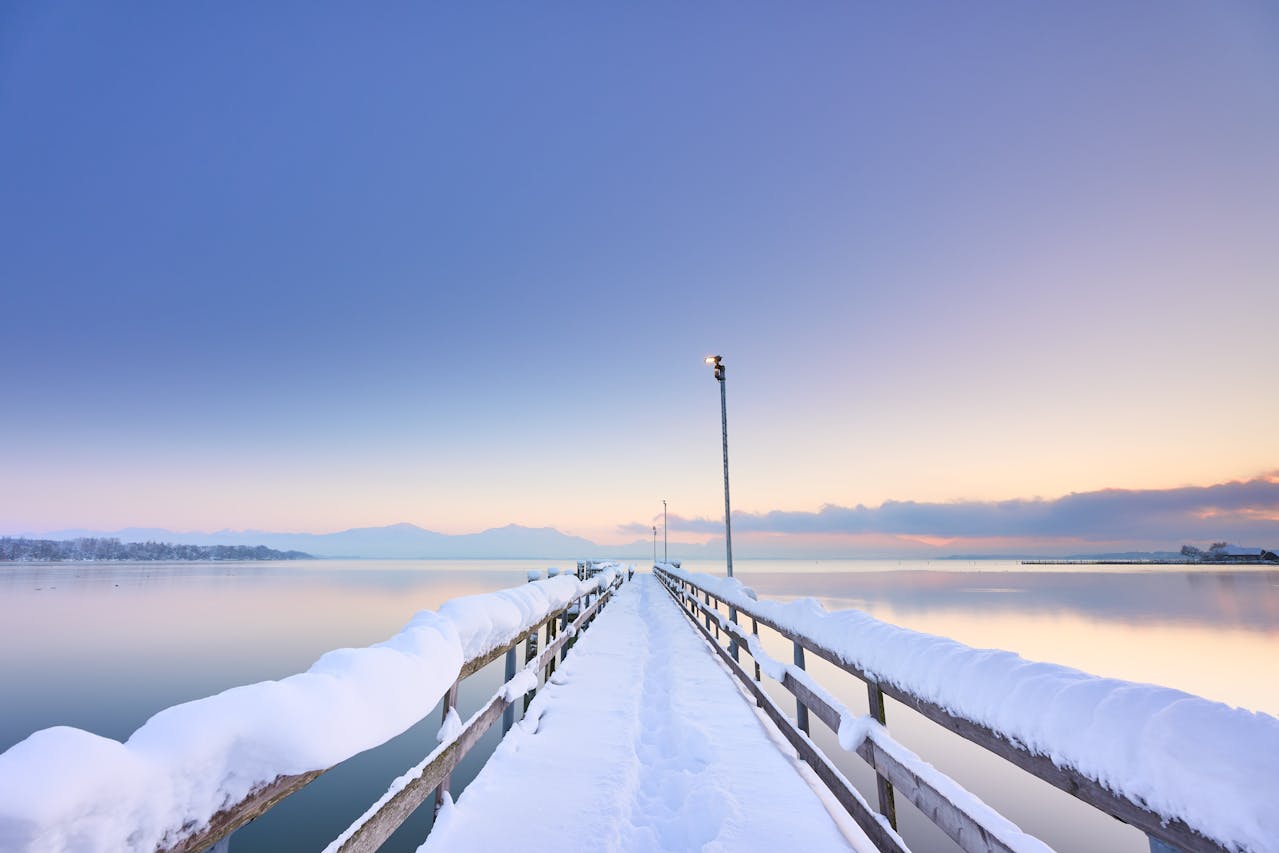
Winter at Land Between the Lakes looks calm from the highway, but the real story sits in the fine print. The recreation area itself stays open 24/7 with no general entrance fee, so many travelers assume everything runs the same way in cold weather. It does not. Refuge boundaries switch by date, education sites shift to seasonal schedules, and a few access routes can change after storms. Staff see this pattern every year: trips go smoothly when timing, alerts, and facility status are checked together before arrival. Winter rewards preparation more than spontaneity, and small timing errors can reshape a full weekend too.
The Winter Refuge Clock Starts Nov. 1
From Nov. 1, 2025, through March 15, 2026, several refuge zones are seasonally closed, even while the broader recreation area stays open and inviting. The closure list includes portions of Duncan Bay, Smith Bay, and Rushing Bay, plus Fulton Bay, Honker Bay, Duncan Lake, and the Long Creek Refuge at the back of Elbow Bay.
This is not administrative noise. Managers use this winter window to protect resting and feeding habitat for waterfowl, shorebirds, and bald eagles, when cold weather raises energy demands and repeated disturbance can reduce survival odds across the season. The date line matters more than weather on any given day.
Energy Lake Rules Change By Zone And Use
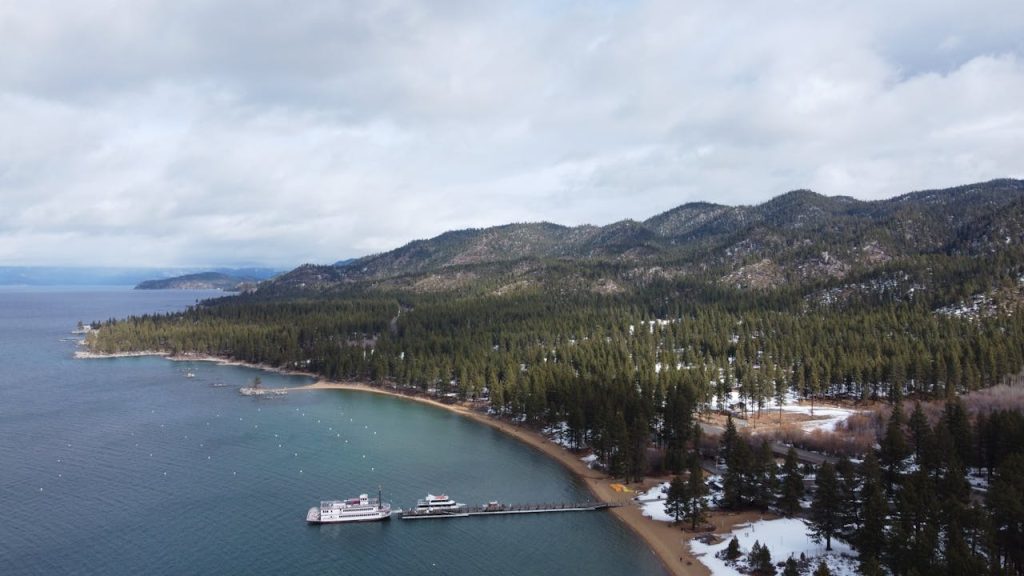
One of the most missed details sits at Energy Lake and Bards Lake: winter rules are split by activity, not only by location. During the seasonal refuge period, the western one-third of Energy Lake is part of the closure language, and both Energy Lake and Bards Lake are closed to hunting, while the eastern two-thirds of Energy Lake and all of Bards Lake remain open to fishing.
Visitors who skim a single alert headline often assume every use is shut down. In reality, legality depends on what activity is planned and exactly where it takes place on the water. Good maps and exact lake zones prevent accidental violations there.
Hematite And Honker Trails Stay Open While Water Access Closes
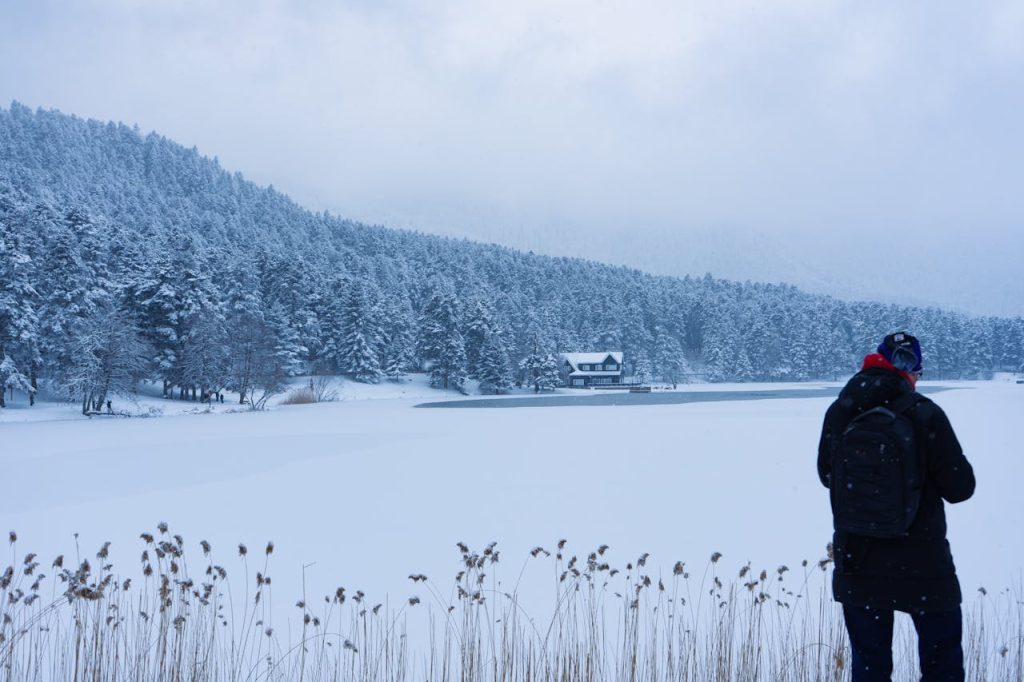
Hematite Lake and Honker Lake produce another frequent planning error. In the winter refuge period, both lakes are closed to fishing and boating, yet trails in the same area remain open for foot travel. That single distinction often determines whether a day becomes a rewarding outing or a cold turnaround at the shoreline.
Experienced winter visitors treat this zone as walk-first terrain, then move paddling and bank-fishing plans to open waters. The trail network still delivers quiet forest, strong bird movement, and dependable cold-season scenery without crossing refuge rules. That shift keeps plans legal without giving up the day.
Woodlands Nature Station Runs On A Seasonal Calendar
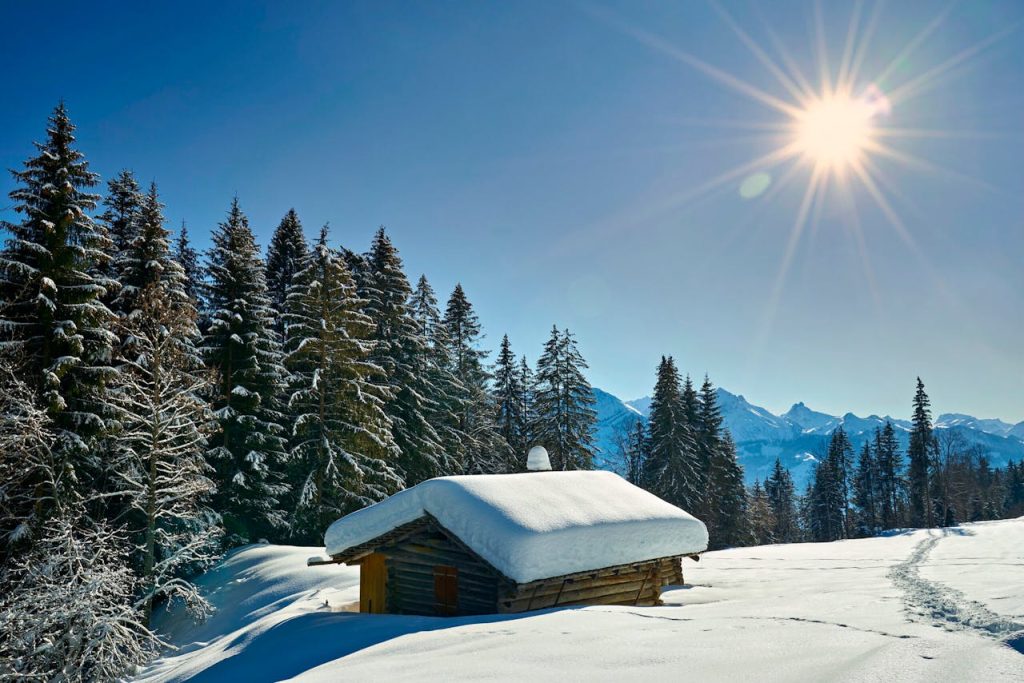
Woodlands Nature Station does not operate year-round. It runs daily in April through October, shifts to Wednesday through Sunday in March and November, and closes during December through February, with Thanksgiving Day also listed as closed. Those dates are easy to miss when planning from memory.
Because summer programming is so popular, many winter visitors arrive expecting the same access. Staff can redirect people to open options, but smarter planning treats Nature Station as a shoulder-season stop and builds winter days around open trails, scenic drives, and year-round visitor facilities. That adjustment saves drive time.
Homeplace Working Farm Pauses Through Peak Winter
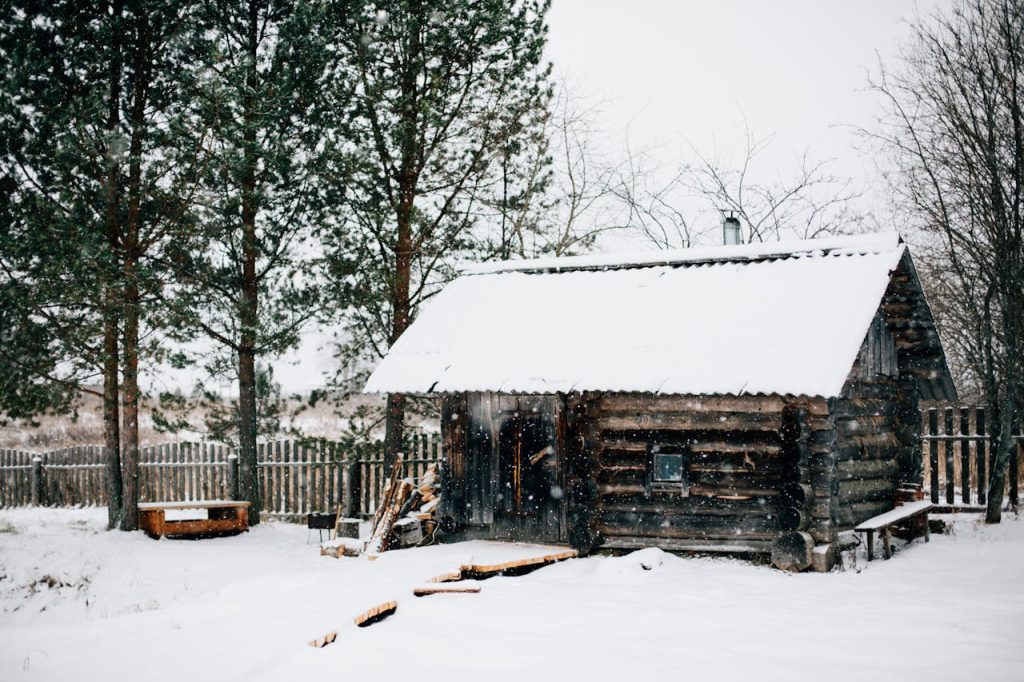
Homeplace Working Farm follows the same seasonal rhythm as Nature Station, including closure through December, January, and February. It returns on a Wednesday-Sunday schedule in March and November, then operates daily in the warmer months, with last entry sold before closing each day.
That matters because Homeplace is one of the peninsula’s signature living-history experiences, and winter travelers often overestimate availability. Strong itineraries verify dates first, then pair open-day visits with nearby year-round anchors such as the Visitor Center, the prairie drive, and designated hiking corridors. It is seasonal timing.
Year-Round Facilities Still Have Holiday Exceptions
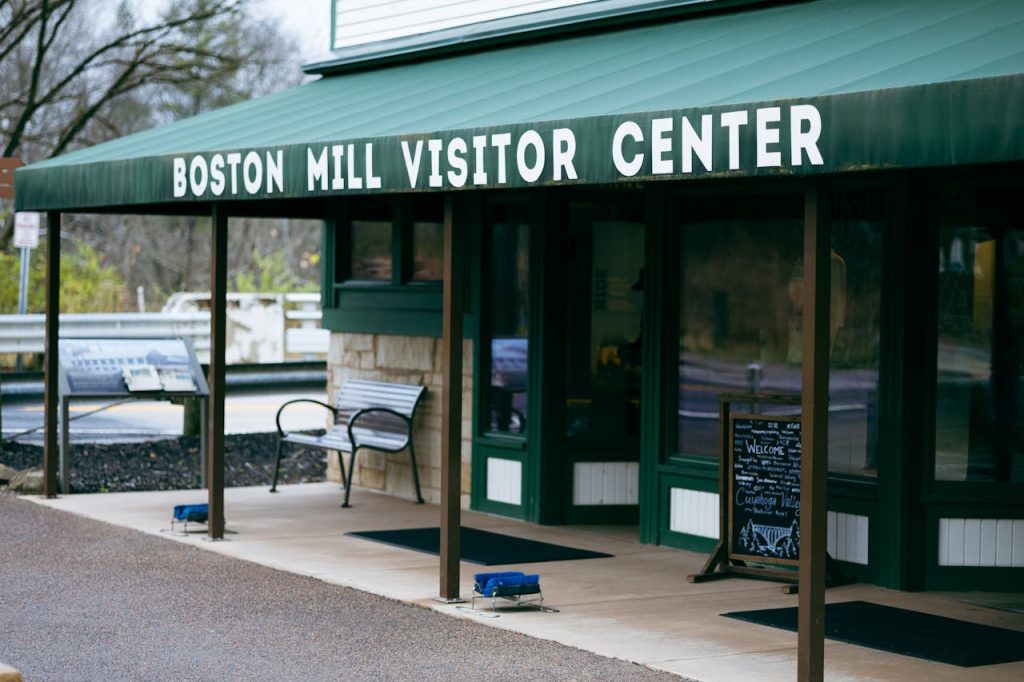
Golden Pond Visitor Center and the Golden Pond Planetarium are year-round facilities, which can create a false sense that nearby attractions are equally active in winter. The FAQ confirms both are year-round, and the Planetarium page lists daily operations with the last show starting at 4:00 p.m., a detail that affects late arrivals.
The same FAQ also lists holiday closures for New Year’s Day, Thanksgiving, and Christmas across key visitor-facing facilities. Winter planning works best when travelers separate year-round status from holiday exceptions, then schedule around early afternoon showtime cutoffs. That keeps timing real.
Turkey Bay Uses Winter Gatehouse Hours And Weather Triggers
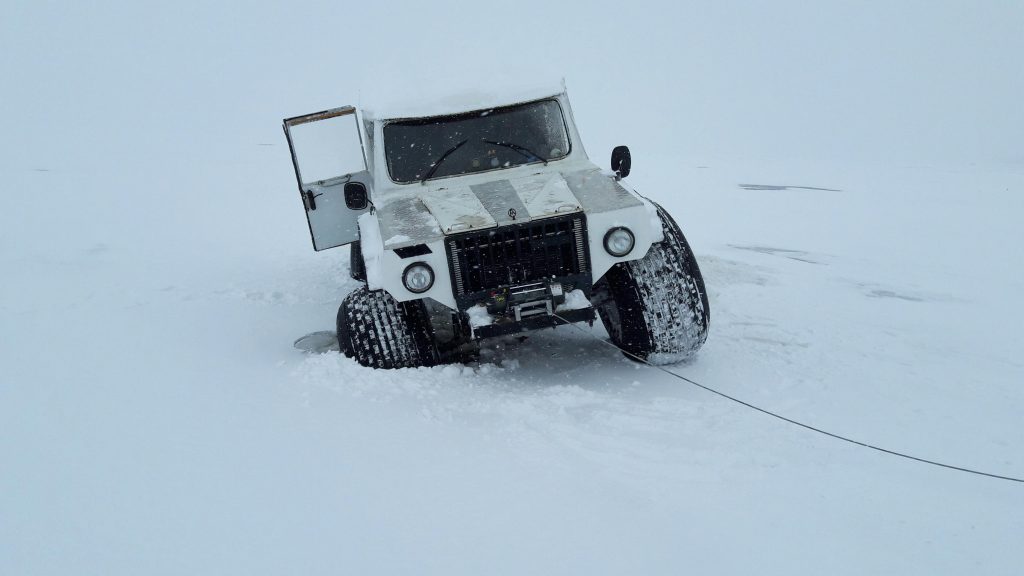
Turkey Bay OHV Area remains active in winter, but gatehouse operations narrow to Thursday through Sunday from 8 a.m. to 3 p.m., compared with seven-day service in the main season. Riding time still runs dawn to dark, and management notes trails can close when soils are saturated to prevent resource damage.
That combination matters more than people expect. A plan that looks fine on a dry fall weekday can fail in a wet winter pattern, so regular riders track both gatehouse timing and ground conditions before hauling in, especially after rain events or freeze-thaw cycles. Winter OHV success is operational, not just recreational.
Piney And Hillman Follow Seasonal Camping Patterns
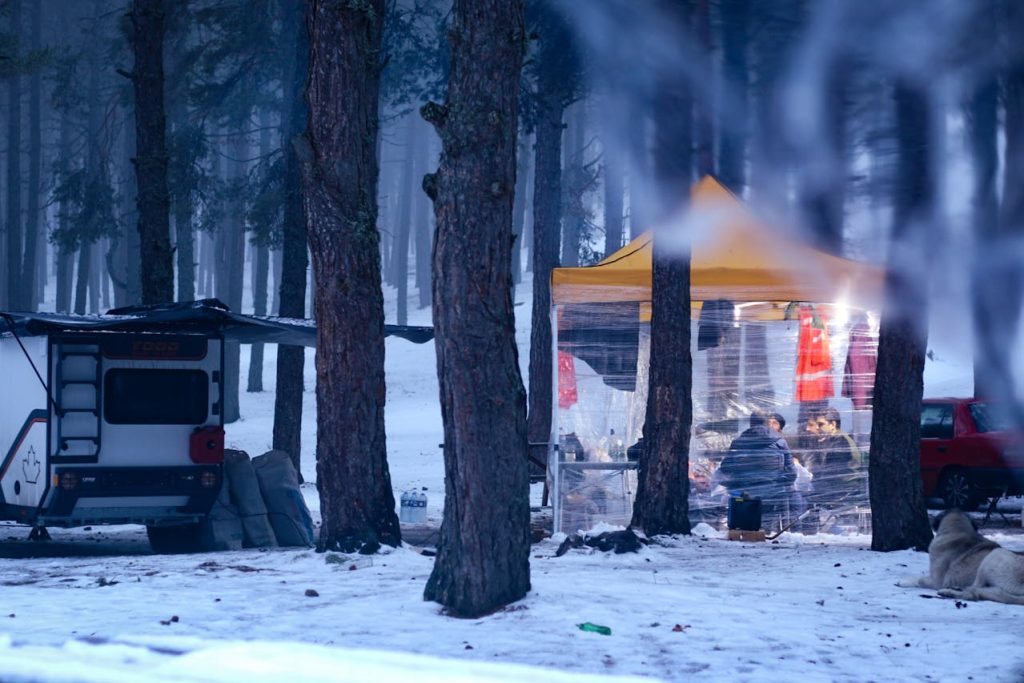
Piney Campground is seasonal, with posted campground operations running March through November and outpost service in that same broad window. Hillman Ferry also follows a seasonal pattern, and its outpost hours are posted for April through October, not for deep winter travel.
Visitors who book from memory often mix those calendars with year-round facilities and lose hours improvising after arrival. The practical fix is to decide first whether the trip is camping-led or day-use-led, then match lodging and routes to winter-operating campgrounds and open self-service options. Winter calendars can differ across campgrounds.
Wranglers And Energy Lake Stay Open With Winter Limits
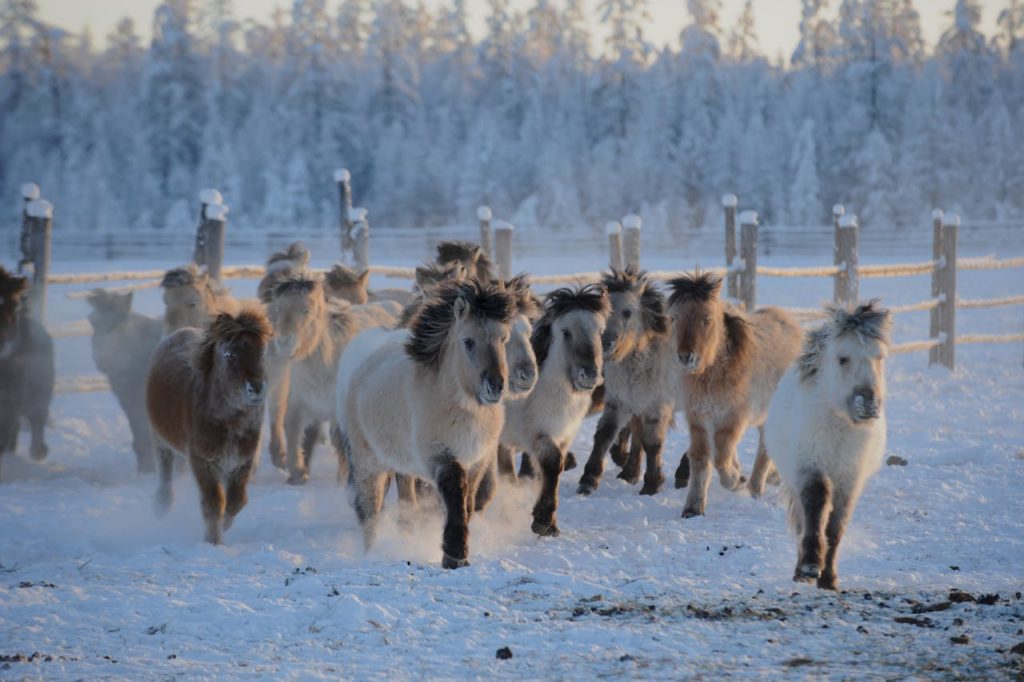
Wranglers Campground stays open year-round, making it one of the most dependable winter anchors for overnight stays, especially for horse-focused trips. Energy Lake Campground is also open year-round, but winter operations are narrower: December through February keeps loops A and B available, while broader access returns in warmer months.
Those details disappear in quick searches for open campgrounds. Winter-ready itineraries work better when they account for partial operations, limited loops, and the operational difference between a site being open in principle and fully available at summer-like capacity. That nuance matters.
Active Storm Alerts Can Reshape Routes Fast
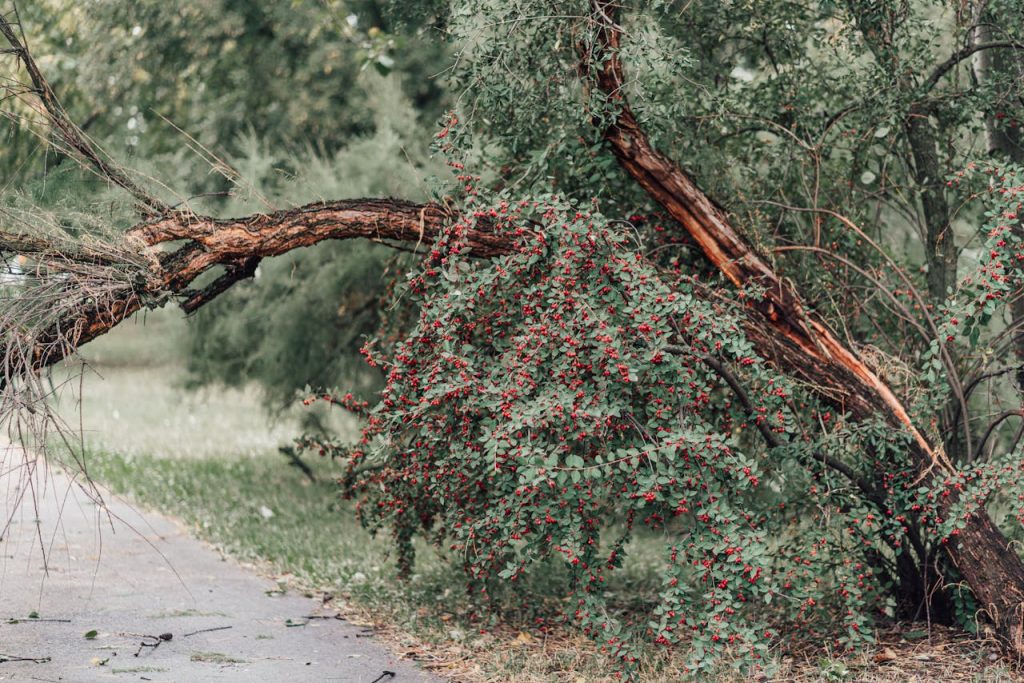
Current alert pages matter as much as seasonal calendars. Land Between the Lakes carries active notices linked to storm impacts, including closures on parts of Fort Henry Trail and the North/South Trail corridor, plus a road advisory affecting the southern approach to Energy Lake after a washed-out culvert.
None of this means winter travel is off the table. It means route logic has to stay flexible. Visitors who check alerts before departure and again after entering the recreation area usually avoid the longest detours and protect the short daylight window winter travel demands. In winter, one closure can reroute the whole day.
Elk And Bison Prairie Remains A Winter Standout
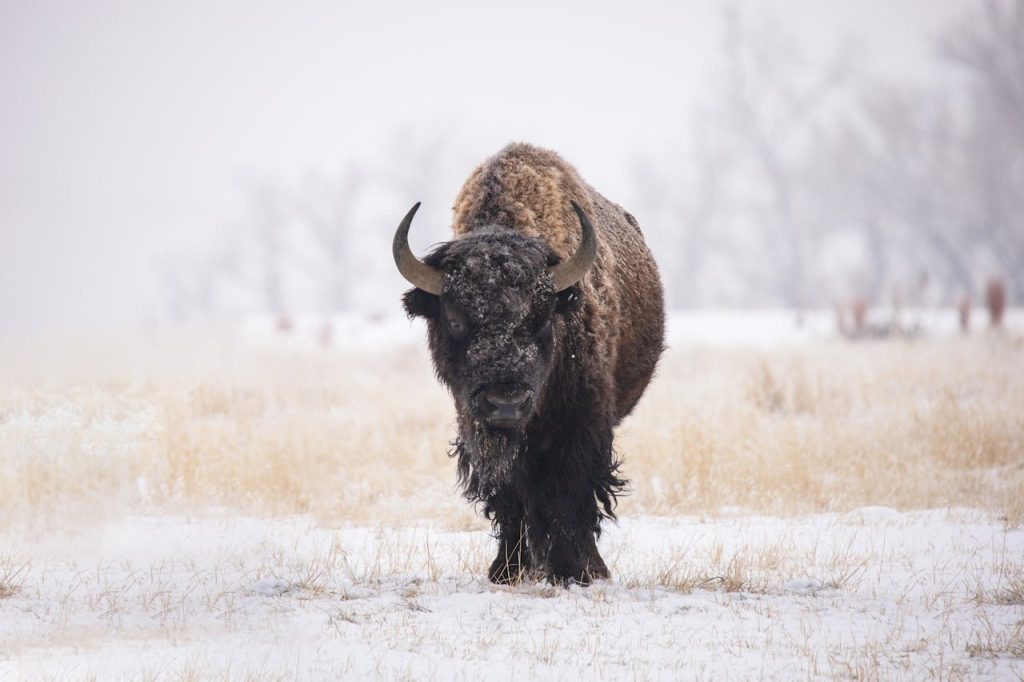
Elk & Bison Prairie is open seven days a week from sunrise to sunset, and official visitor guidance highlights cooler weather as favorable for wildlife viewing, especially from fall into late winter. That makes the prairie one of the most reliable experiences when other sites reduce programming or close seasonally.
Timing still matters. The prairie posts a final daily entry window tied to late-afternoon operations, so delayed arrivals can miss full viewing time. Better outcomes usually come from entering earlier, driving slowly, and allowing enough margin for wildlife movement near dusk corridors. Patience in cold light pays off.
Winter At LBL Rewards Precision Over Assumptions

The biggest myth is that winter at Land Between the Lakes is either fully closed or fully unchanged. Official guidance shows neither is true: the peninsula stays open, core opportunities remain available, and several high-interest sites continue operating, but protection zones, holiday exceptions, and seasonal staffing create real boundaries.
Visitors who treat winter as its own operating season consistently report smoother days, better wildlife encounters, and fewer wasted miles. In practical terms, the winning formula stays simple: check alerts, confirm dates, and build the day around what is genuinely open right now.
By late afternoon, geese angle across cold water and the peninsula quiet settles in. The most memorable winter visits come from matching the place as it actually operates, not as it operates in July. When travelers follow posted seasonal rhythms, the experience opens differently: calmer roads, clearer decisions, and a deeper sense that the landscape is being shared responsibly with the wildlife that depends on it.