


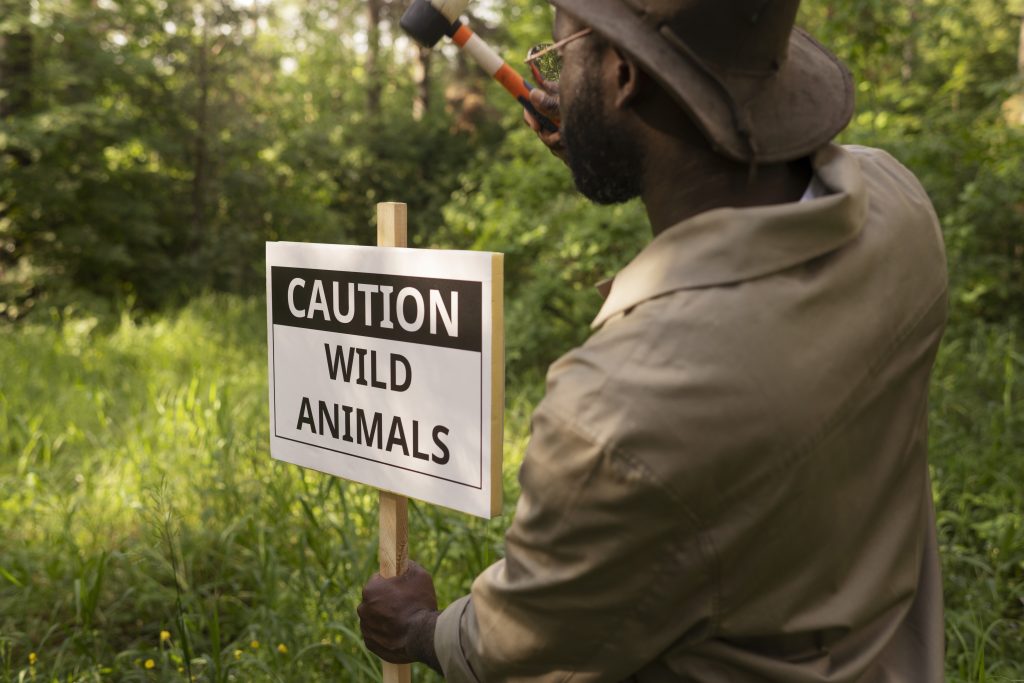
Wildlife laws in the United States are often written with one quiet goal: keep curiosity from turning into harm. A hand on fur, a quick lift for a photo, or a gentle nudge off a trail can count as harassment, capture, or possession, especially for protected species. Rangers and biologists say the biggest misconception is that touching is harmless if it lasts only a second. For many animals, that second can mean stress, injury, disease risk, or a dangerous change in behavior. These animals are best admired with distance, patience, and respect.
Florida Manatees
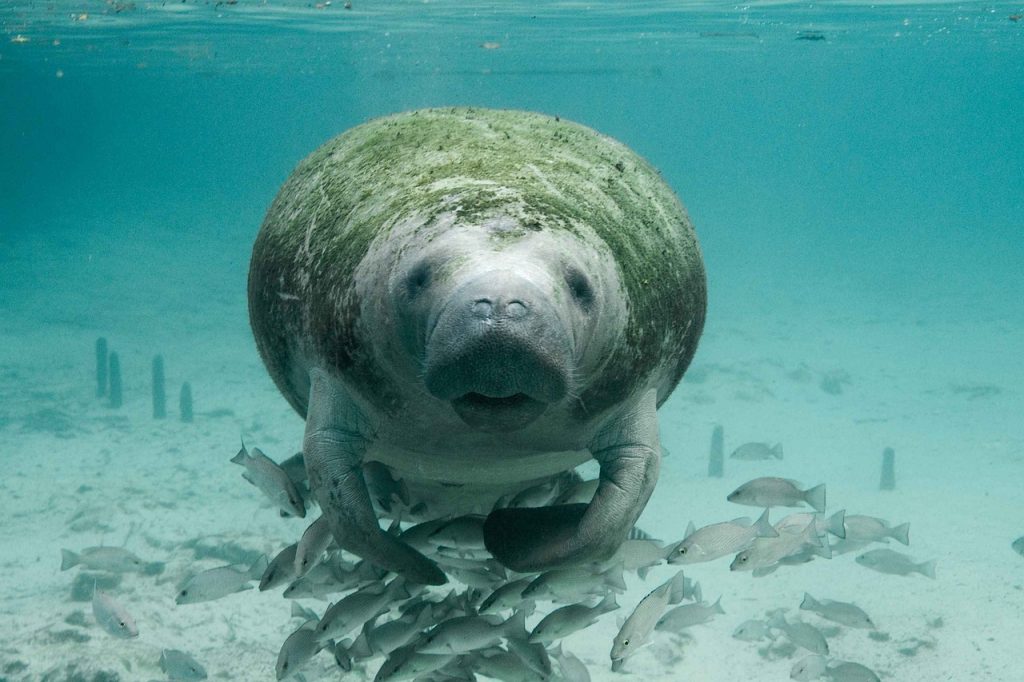
In Florida springs and coastal shallows, manatees can drift close enough to invite a touch, but state and federal rules treat that contact as a problem, not a postcard moment. Florida wildlife officials note manatees are protected under the Marine Mammal Protection Act and the Endangered Species Act, and Florida law also bans intentionally or negligently annoying, molesting, harassing, or disturbing them. Even a gentle push can separate a mother and calf, scrape skin against hulls, or teach a wild animal to seek people at boat ramps, so enforcement often focuses on behavior that looks small in the moment but grows into lasting harm across a season.
Sea Turtles
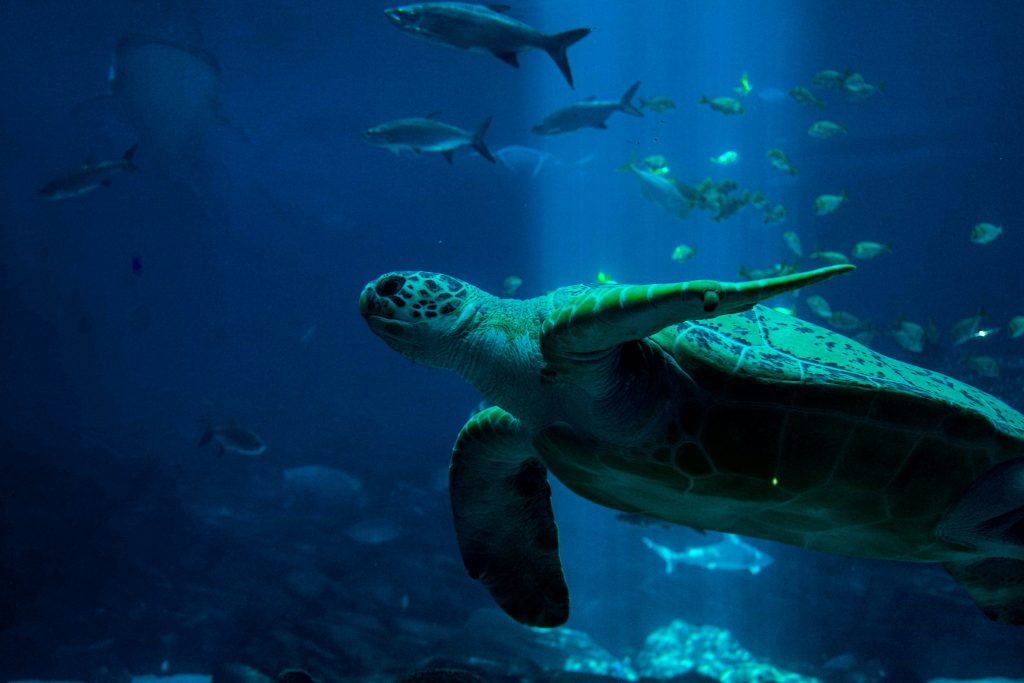
A basking sea turtle on a beach can look like a living statue, yet agencies are blunt that it should be left alone, even when the animal seems unbothered by nearby footsteps. NOAA’s viewing guidance says people should not swim with, ride, pet, touch, or try to interact with sea turtles in the wild. Handling a hatchling, posing a turtle for a photo, or crowding a nesting female can rise to harassment under the Endangered Species Act, and it can also drain energy needed for migration, nesting, and basic breathing cycles in warm, shallow surf.
Wild Dolphins
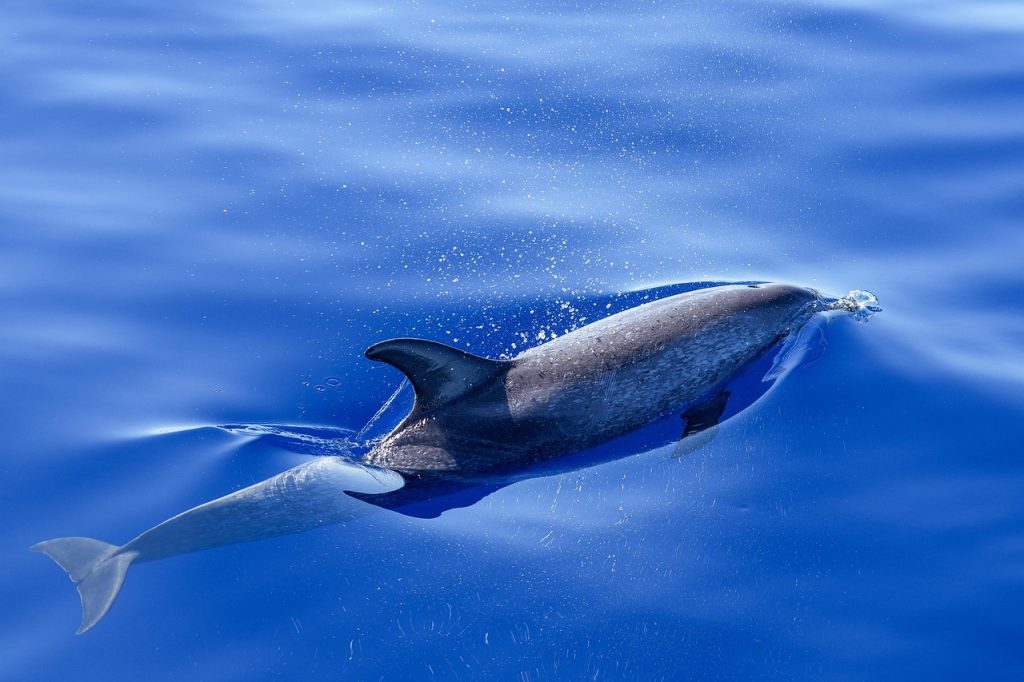
Dolphins that bow-ride or linger near docks often tempt swimmers to reach out, but NOAA notes the Marine Mammal Protection Act prohibits taking marine mammals, including harassment and attempts to harass. NOAA’s viewing guidelines add a plain warning: do not swim with, ride, pet, touch, or attempt to interact with marine mammals in the wild, even when they approach on their own. When humans chase contact, dolphins can be injured by props, learn to beg near boats, or become aggressive, and those altered behaviors are exactly what the law is designed to prevent along busy coasts, passes, marinas, tour-boat routes, and fishing piers.
Whales
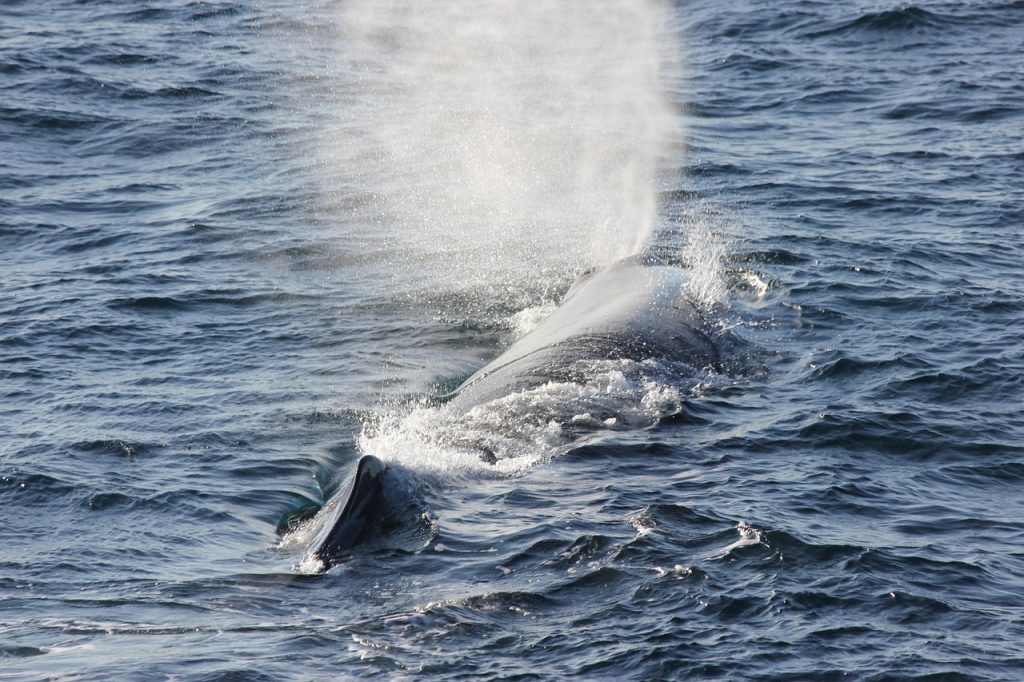
Whales can feel far away, yet close passes happen fast when boats or kayaks slip into the same channel, especially during feeding and migration seasons when animals surface often. NOAA’s marine life guidance emphasizes that approaching or touching protected marine species can be illegal under the Endangered Species Act and the Marine Mammal Protection Act, and it urges viewing from a safe, respectful distance. Contact, crowding, or cutting off a whale’s path can disrupt feeding and nursing, and even one forced dive or abrupt turn can drain the energy these animals budget carefully across long migrations, cold months, and scarce prey windows.
Seals and Sea Lions
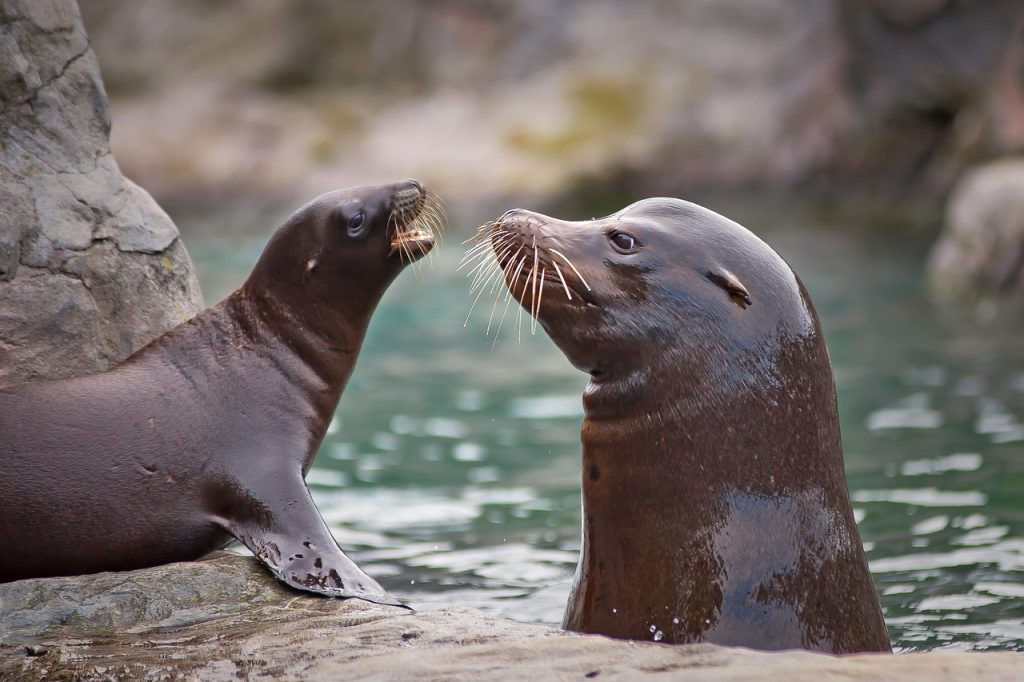
A seal pup on sand looks harmless, but NOAA warns that getting too close can be dangerous for both people and animals, and it can qualify as harassment under the Marine Mammal Protection Act. NOAA’s distance guidance highlights that pups may approach, but the mother is often nearby, and approaching can trigger defensive behavior, stampedes, or abandonment of a resting spot the animal needs. Touching also risks stressing an animal already balancing rest and thermoregulation, and it can normalize human contact in a way that leads to future conflict, bites, and closures at popular beaches during peak weekends and holiday crowds.
Hawaiian Monk Seals
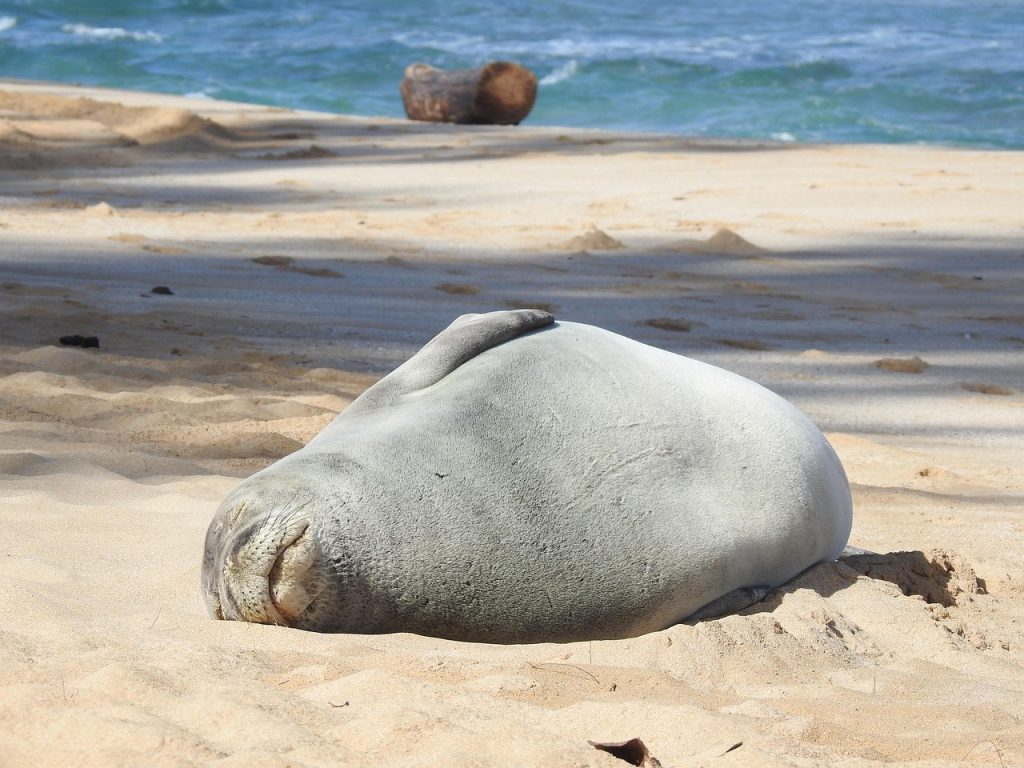
Hawaiian monk seals sometimes rest on busy shorelines, and the calm pose can trick visitors into treating the animal like a photo prop or a friendly dog in the sand. NOAA’s Hawaiʻi viewing guidance recommends at least 50 feet of space, and at least 150 feet for mothers with pups, because close approaches can change behavior and provoke bites. Even well-meant contact can force a seal back into the water before it has recovered, split a mom and pup, or invite aggressive defense, and those lost rest hours matter for a species already under heavy conservation pressure and frequent human overlap on small beaches and coves after sunrise too.
Southern Sea Otters
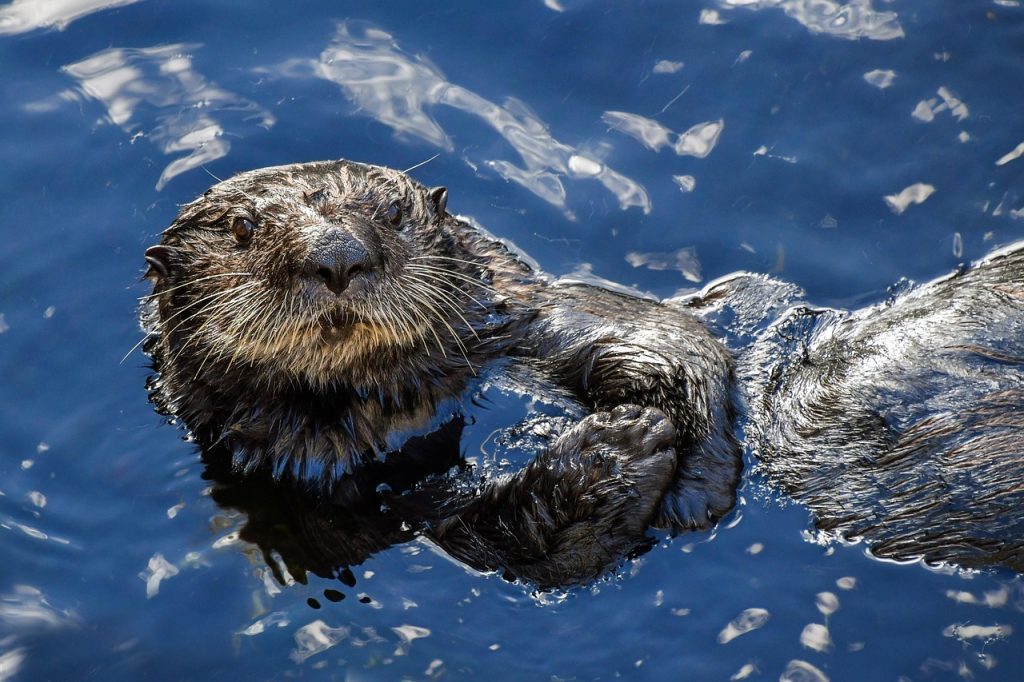
Southern sea otters float on their backs like commuters in slow traffic, but their relaxed look hides how easily stress can tip into danger when boats, boards, and cameras crowd in close. U.S. Fish and Wildlife Service notes southern sea otters are protected under the Endangered Species Act and the Marine Mammal Protection Act, and touching or crowding can be treated as unlawful take or harassment. Otters burn energy quickly in cold water, and forced dives or frantic swims can separate pups, disrupt feeding, and leave an animal vulnerable to predators and illness, even when the disturbance lasts only a minute in calm kelp beds near shore.
Bald Eagles
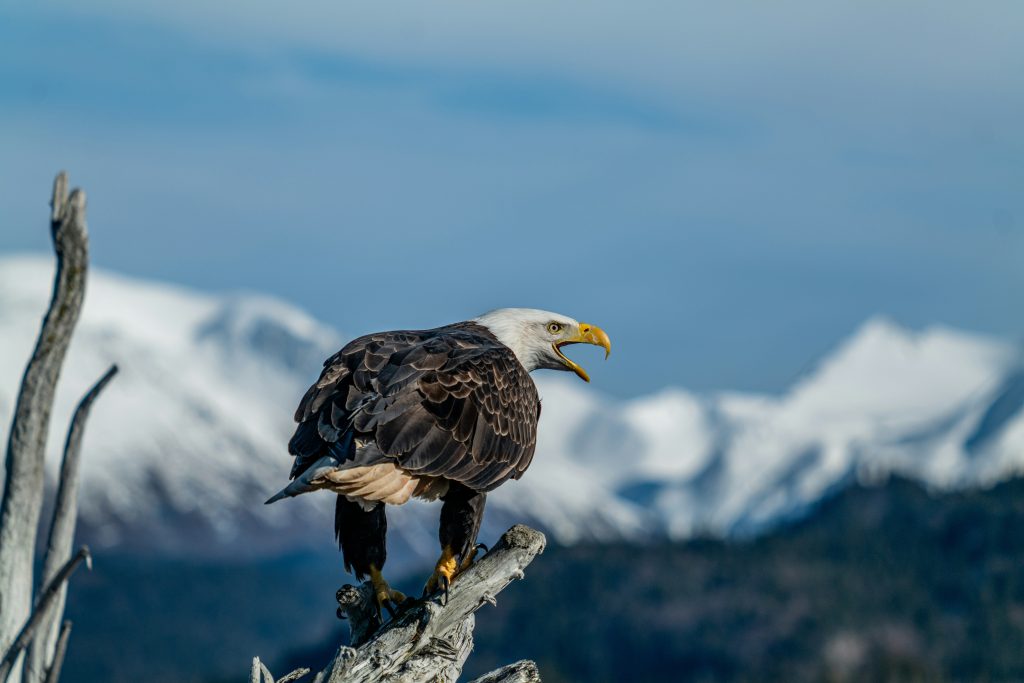
Hunter Masters/Unsplash
A bald eagle feather on a trail feels like a lucky find, yet federal law treats it as protected property, not a souvenir that can be slipped into a pocket and taken home. U.S. Fish and Wildlife Service explains the Bald and Golden Eagle Protection Act makes it a crime to take, possess, transport, or trade bald eagles, including any part, nest, or egg. That protection extends to handling live birds as well, so approaching a grounded eagle, touching a nest tree, or collecting shed feathers can trigger enforcement, even when the intent is admiration rather than harm on a weekend hike or a campsite cleanup after a storm passes through too.
Golden Eagles
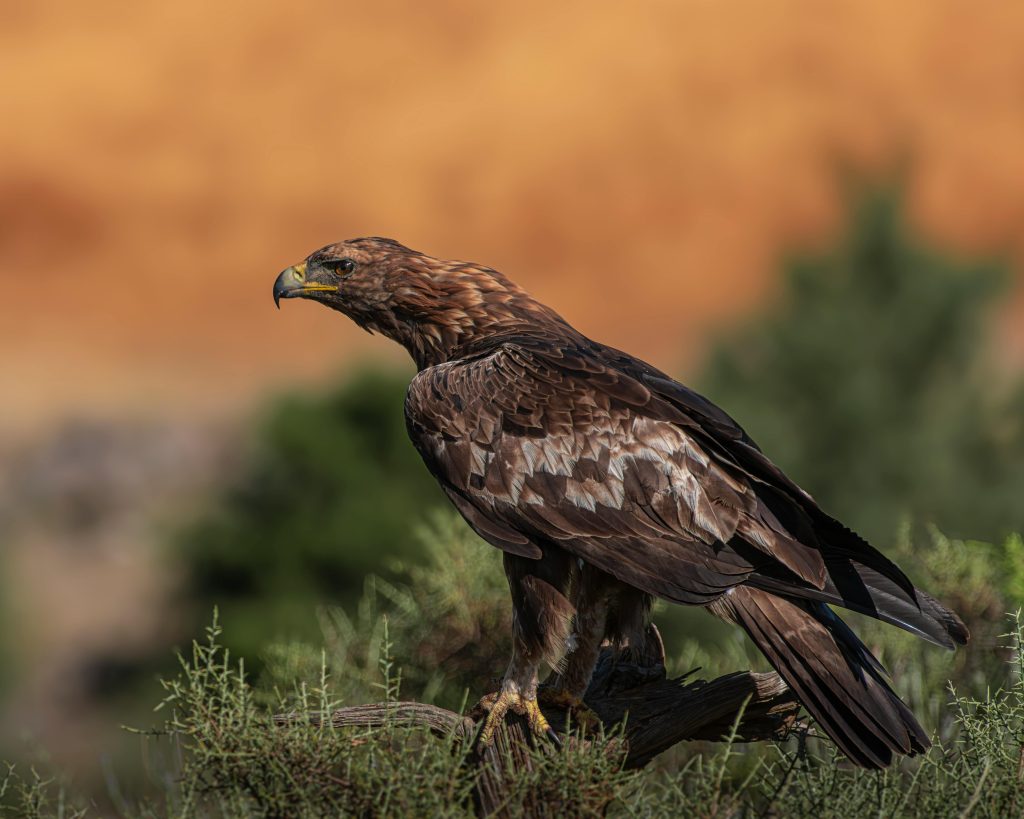
Golden eagles are protected under the same federal umbrella as bald eagles, and the rules follow the bird from ridge nests to fallen feathers on open range and desert flats. The U.S. Fish and Wildlife Service notes the Bald and Golden Eagle Protection Act covers golden eagles and prohibits taking or possessing the bird, its parts, nests, or eggs without authorization. Touching a nest area, handling a grounded juvenile, or keeping a feather as a keepsake can cross the line into unlawful possession, and the reason is simple: disturbance and illegal trade pressures have long followed these raptors, especially where nests are easy to spot.
Most Native Songbirds
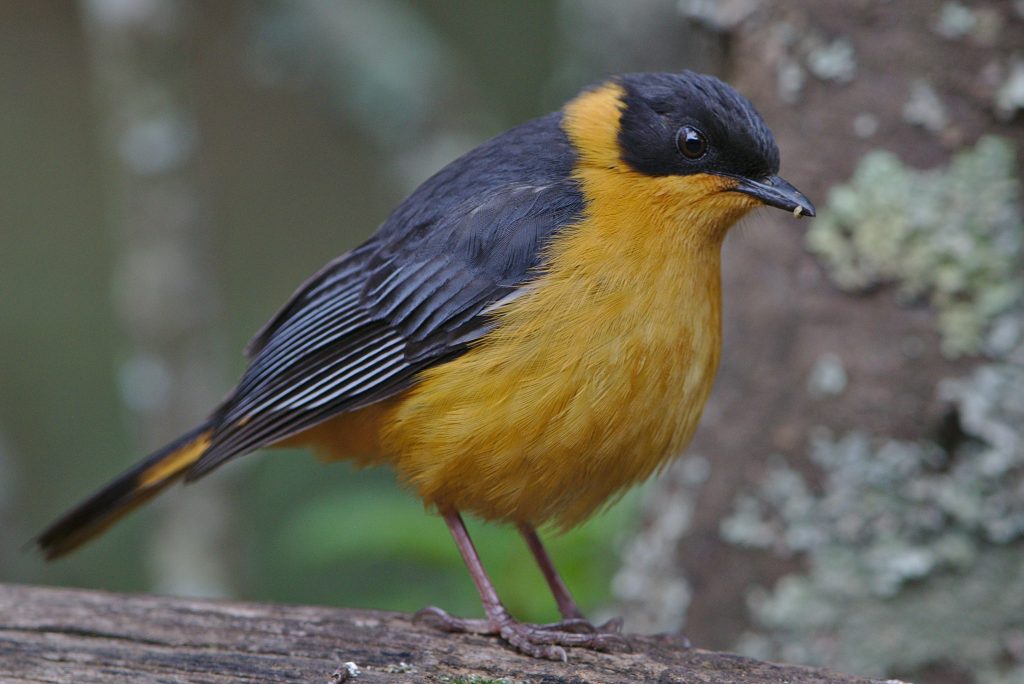
A stunned robin on a window ledge or a fledgling in grass can spark an urge to scoop it up, but federal rules often forbid casual handling and home care, even when it feels compassionate. U.S. Fish and Wildlife Service notes the Migratory Bird Treaty Act prohibits the take of protected migratory bird species without authorization. Touching can quickly become possession, and well-meaning rescues can injure birds, separate families, or violate permit rules, which is why wildlife agencies steer people toward licensed rehabilitators and brief, hands-off monitoring first while parents keep feeding nearby.
Owls and Their Feathers
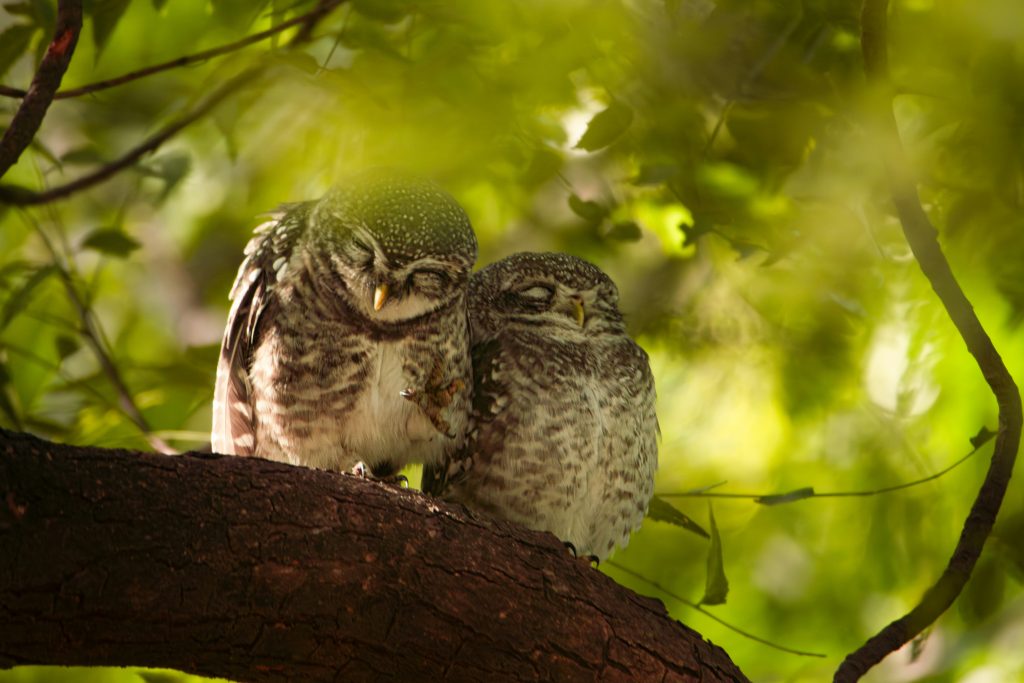
Owls feel mythical up close, and a molted feather can look like a harmless token, but most native owls fall under the Migratory Bird Treaty Act’s protections. The U.S. Fish and Wildlife Service explains the MBTA prohibits take and related actions for protected migratory birds without authorization. That means handling an owl, collecting feathers, or disturbing an active nest can lead to legal trouble and biological harm, because owls are easily stressed, can abandon nesting attempts, and may strike when cornered on a porch, in a barn, or beside a road at night in headlights.
Florida Panthers
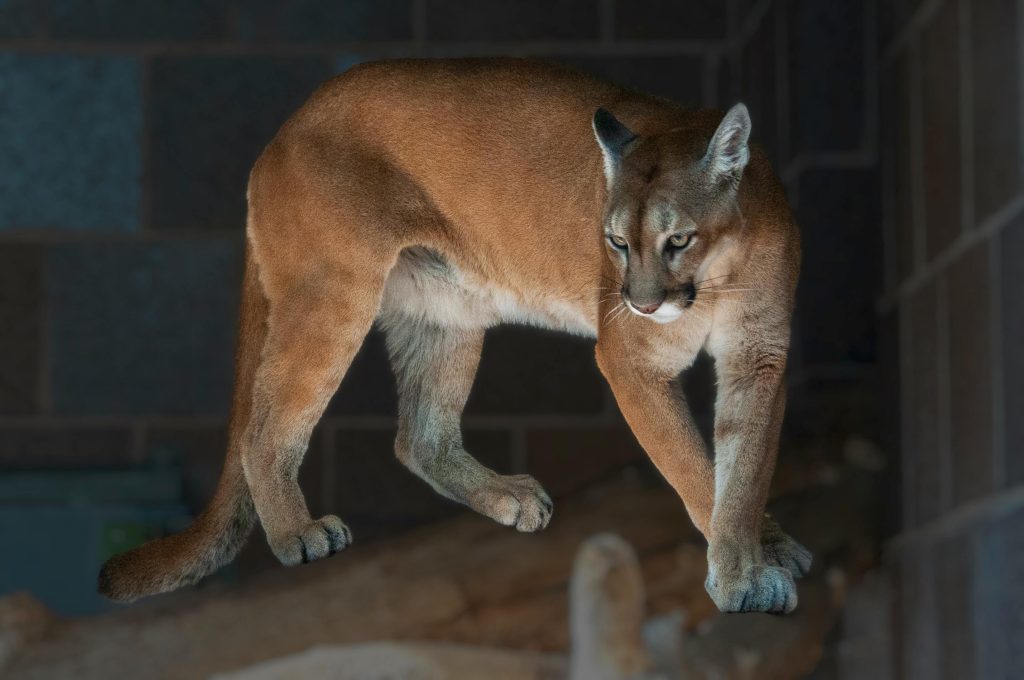
A Florida panther is rarely seen, yet sightings can trigger risky attempts to get closer for proof, a photo, or a story to tell, often along roads and trail edges at dusk. Florida’s wildlife agency notes panthers are listed as an Endangered Species under the Endangered Species Act and that it is illegal to harm or harass them in any way. Touching is not realistic for most people, but cornering, tracking too closely, or approaching kittens can qualify as harassment, and it can push a stressed cat toward roads, conflict, or abandonment of a kill site, raising danger for both people and the animal during lean seasons and low-light hours.
Gray Wolves
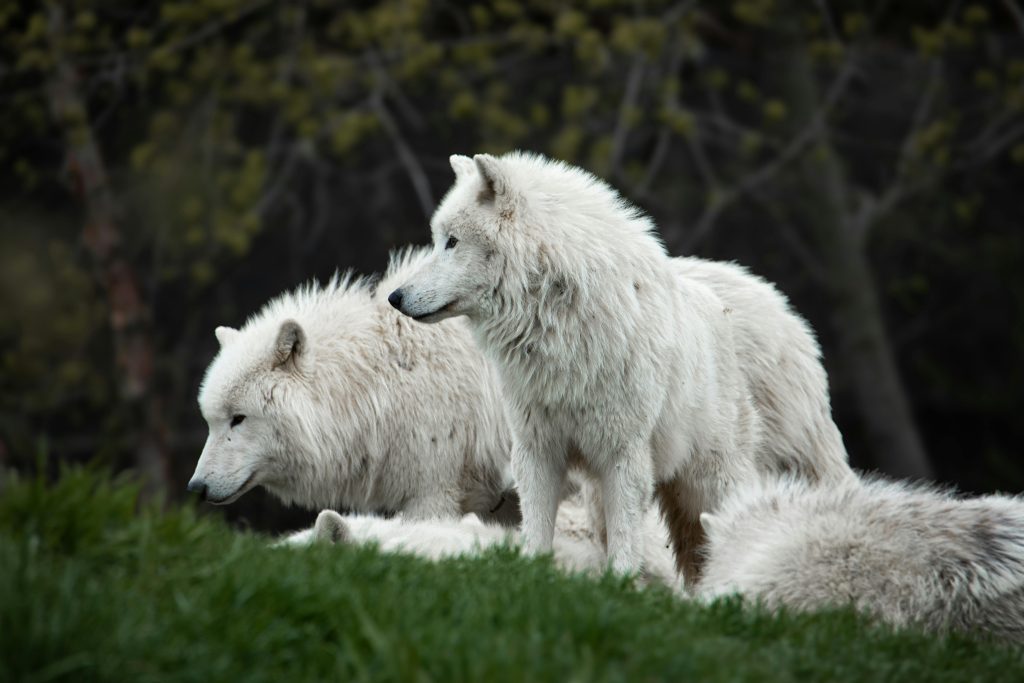
Wolves can look like oversized dogs in snow, and that resemblance sometimes sparks reckless behavior near roads and trailheads where animals are visible and people feel protected by distance. U.S. Fish and Wildlife Service lists gray wolf protections under the Endangered Species Act in parts of the United States, and the ESA’s definition of take includes actions such as harass, harm, pursue, trap, capture, or collect. Trying to touch, feed, or approach a wolf at close range can be treated as harassment, and it can teach wolves to associate humans with food, which often ends with management removal or lethal control after repeated conflicts.