

Wildlife stories often begin with wonder: round faces, soft fur, bright colors, and behaviors that read as playful from a distance. That surface charm can blur a harder truth. Some of the most photographed animals carry venom, crushing force, disease risk, or defensive reactions that escalate in seconds when stress appears.
Across coasts, forests, wetlands, and city-edge parks, the pattern repeats. Risk rarely looks dramatic at first glance. It looks familiar, manageable, even cute, until boundaries are crossed and biology takes over. Knowing those boundaries early keeps wonder intact and prevents avoidable harm.
Slow Loris
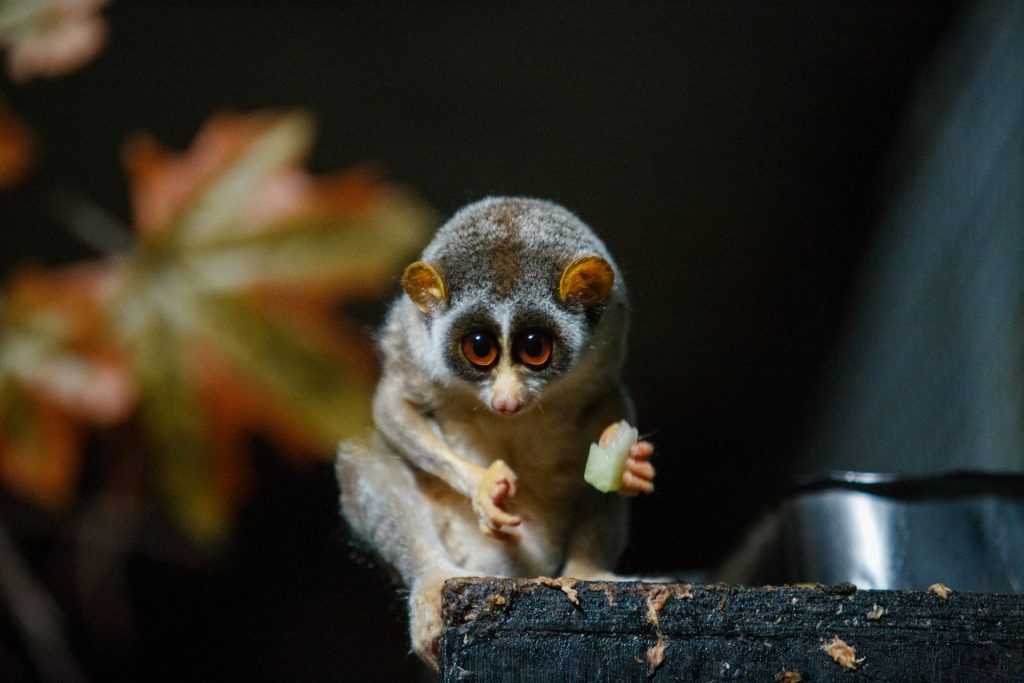
The slow loris looks built for plush toys: huge eyes, small hands, slow motion, and a quiet face that seems permanently calm. Yet medical literature documents that this primate is venomous, and bites can trigger severe allergic reactions, including anaphylactic shock in humans. Venom delivery is unusual, combining brachial-gland secretions with saliva before a bite.
That mismatch between appearance and biology fuels dangerous pet handling and tourist contact. The animal is not aggressive by default, but stress, restraint, or crowding can flip a gentle-looking encounter into a very real medical emergency within minutes.
Pufferfish
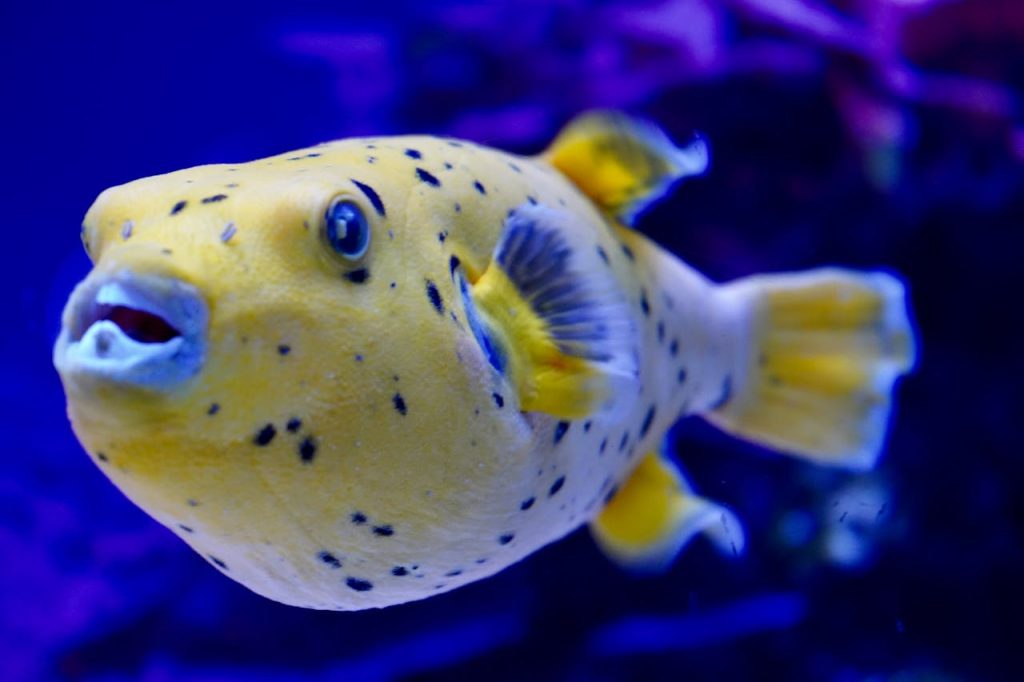
Pufferfish often read as comic relief underwater, especially when they inflate. The risk is chemical, not dramatic. U.S. public-health guidance notes tetrodotoxin as an extremely potent toxin found in pufferfish, with poisoning linked to improperly prepared fish and symptoms that can progress to paralysis and respiratory failure. Fatal outcomes are well documented in severe cases.
Because the danger is invisible to taste and smell, confidence is the trap. A dish that looks meticulous can still carry toxin if sourcing and preparation controls fail. No quick home fix exists once symptoms start. Cute silhouette, serious toxicology.
Hippopotamus
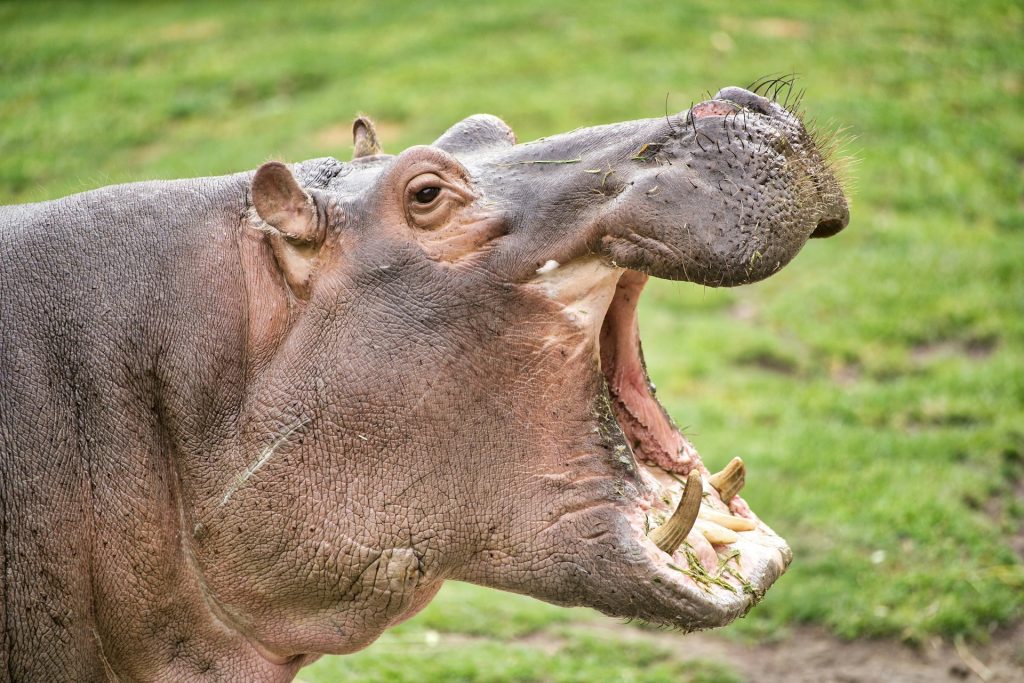
A resting hippopotamus can look almost sleepy, half-submerged and still, like a giant river statue. Field reporting and wildlife references consistently describe hippos as highly aggressive, especially around water access, calves, and narrow channels where boats pass too close. Their mass, speed on land, and jaw power make short-distance encounters unusually unforgiving.
The hidden risk is misread body language. Calm posture is not consent to approach. In many African waterways, local practice is simple for a reason: keep distance, avoid blocking a path, and never assume a quiet hippo is a safe hippo, even for experienced guides.
Platypus
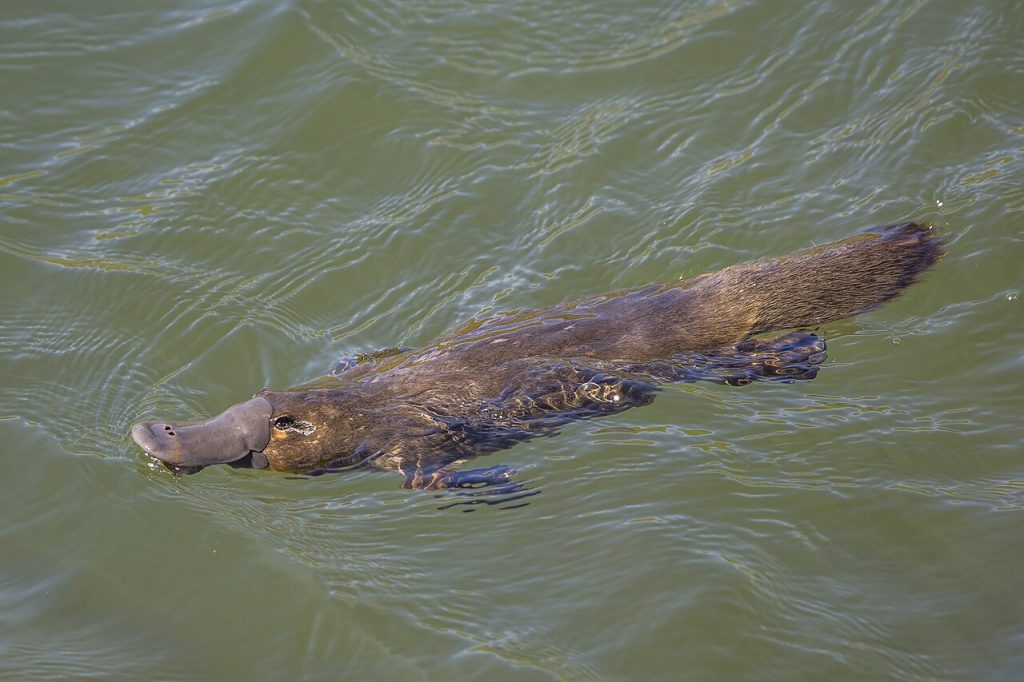
The platypus seems almost fictional, stitched together from familiar animals into something charming and odd. Adult males carry ankle spurs connected to venom glands, and documented envenomation in humans is known for intense pain and swelling that can persist despite standard painkillers. Clinical reports note relief may require regional nerve blockade, not routine analgesics.
Most people never interact closely with a platypus, which is why the hazard gets underestimated. It does not advertise danger with behavior. The risk appears when handling is attempted, especially in breeding season when male venom activity is highest.
Blue-Ringed Octopus
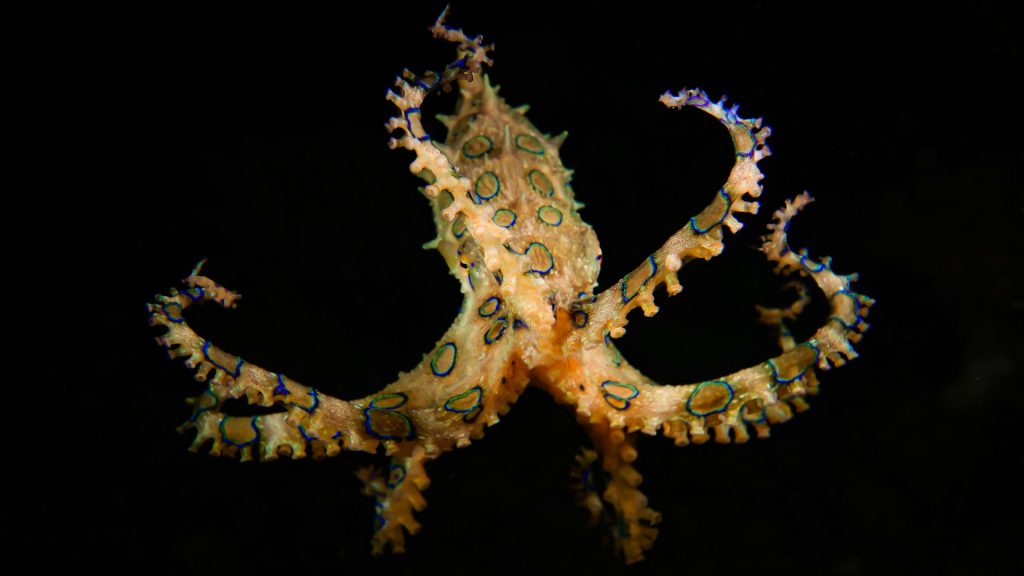
The blue-ringed octopus is tiny, striking, and easy to mistake for a harmless tide-pool curiosity. Australian emergency guidance treats its bite as urgent, advising immediate ambulance activation and pressure immobilization because rapid paralysis can develop. The danger does not depend on size. It depends on neurotoxin, breathing compromise, and how fast first aid begins.
The visual trap is color itself. Bright rings look decorative until threat display and envenomation are already in motion. In shallow coastal areas, safe behavior is simple and strict: no touching, no collecting, and no handling for photos or social clips.
Poison Dart Frog
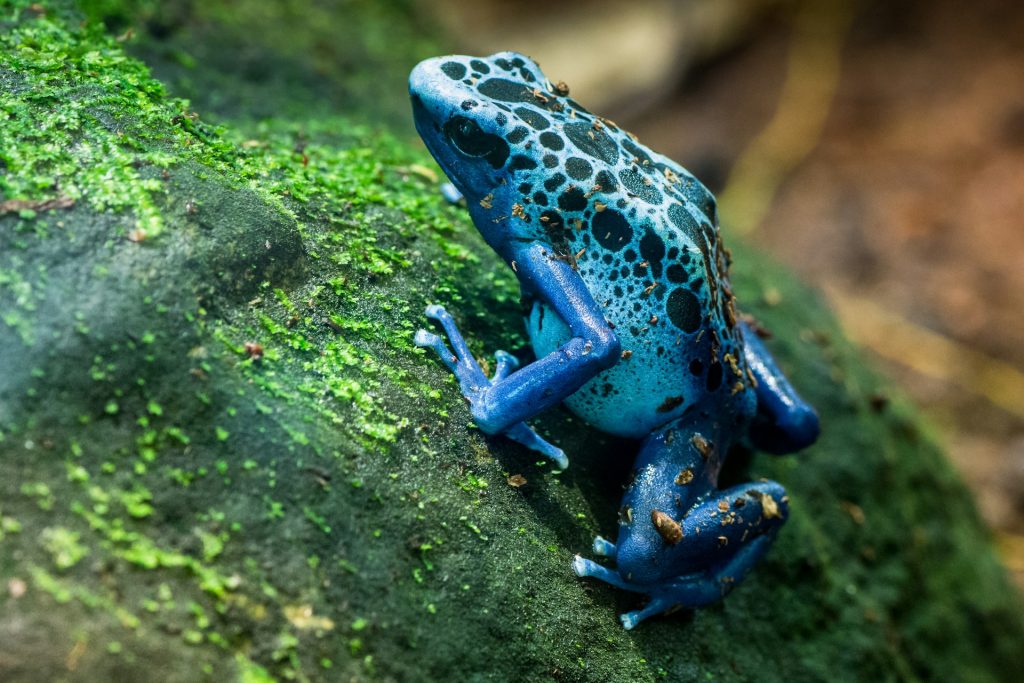
Poison dart frogs look like moving gemstones, saturated with blues, yellows, and oranges that draw cameras instantly. Those colors are biological warning signals. National Geographic and zoo guidance note that certain species, including the golden poison frog, carry toxins potent enough to kill, and Indigenous communities historically used skin secretions on hunting darts.
An important nuance gets lost online: toxicity varies by species and diet, and many captive-bred frogs are far less dangerous than wild populations. Even so, treating bright amphibians as touch-safe pets is reckless ecology and risky handling at the same time.
Bottlenose Dolphin
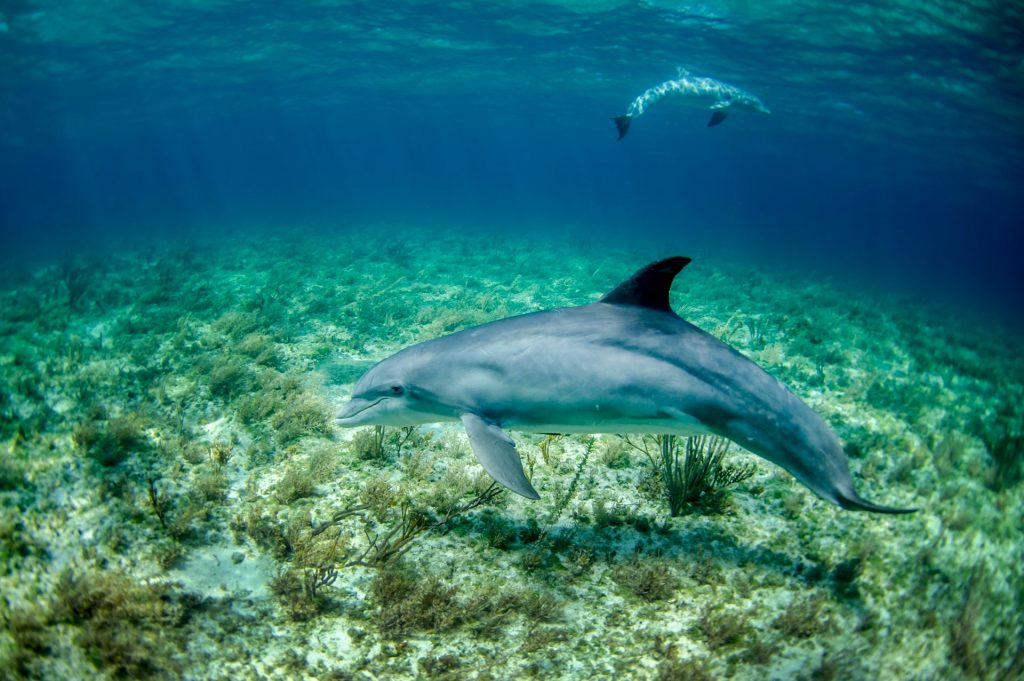
Bottlenose dolphins are culturally coded as friendly, which makes caution feel counterintuitive. NOAA says wild dolphins should be observed from distance and not fed, swum with, or harassed. The reason is twofold: legal protection and safety. Human interaction can shift dolphin behavior, and close contact with a strong, fast wild animal can end badly even when intent looks playful.
The hidden risk is expectation. People approach with amusement while the animal responds as wildlife, not as performance. Shoreline crowds, boats, and snacks create conflict loops that harm dolphins first, then people nearby who drift too close.
Mute Swan
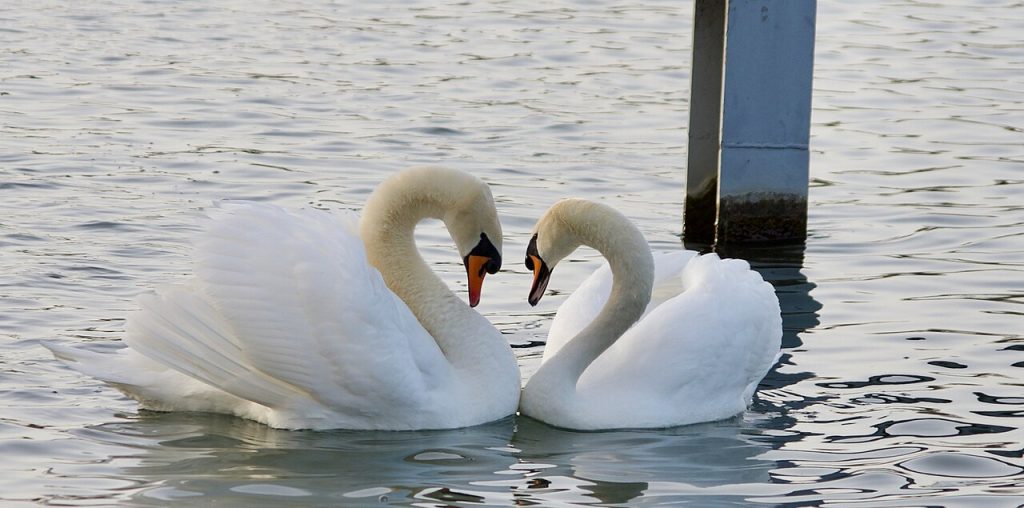
Mute swans look ceremonial on still water, all white wings and slow glides. During nesting and brood-rearing, that image changes fast. New York State environmental guidance describes both males and females as highly territorial, with common reports of attacks on people in nesting areas. In occupied waters, recreation can become difficult for a full season.
The risk is proximity during the wrong weeks, not constant aggression year-round. Approaching nests, chicks, or feeding zones compresses space and triggers defense. The safest choice is unglamorous and effective: step back early, reroute, and let breeding pairs hold their buffer.
Kangaroo
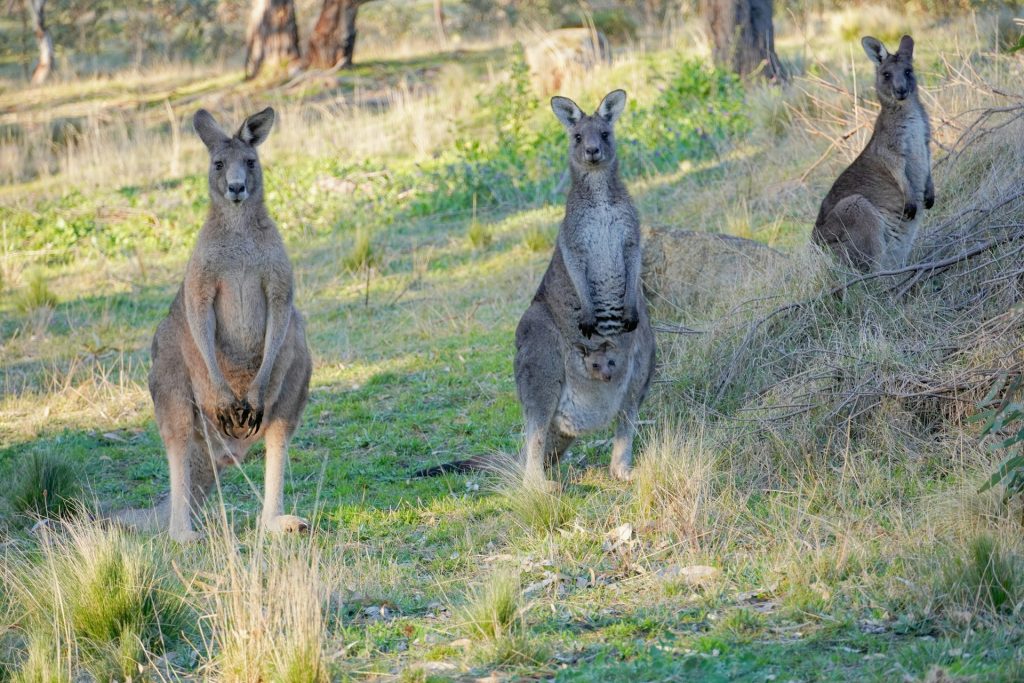
Kangaroos are often framed as gentle icons, but large adults can become dangerous when threatened, cornered, or competing around mates. Australian park safety guidance warns that aggressive encounters can cause injuries. Medical case literature also documents severe trauma from kicks and scratches, reminding observers that power, claws, and leverage matter more than looks.
Most incidents are preventable. Trouble grows when people feed kangaroos, approach fighting males, or involve dogs at close range. The safe pattern is distance, stillness, and no provocation. Respect reads boring on camera, yet it is what keeps everyone intact.
Giant Panda
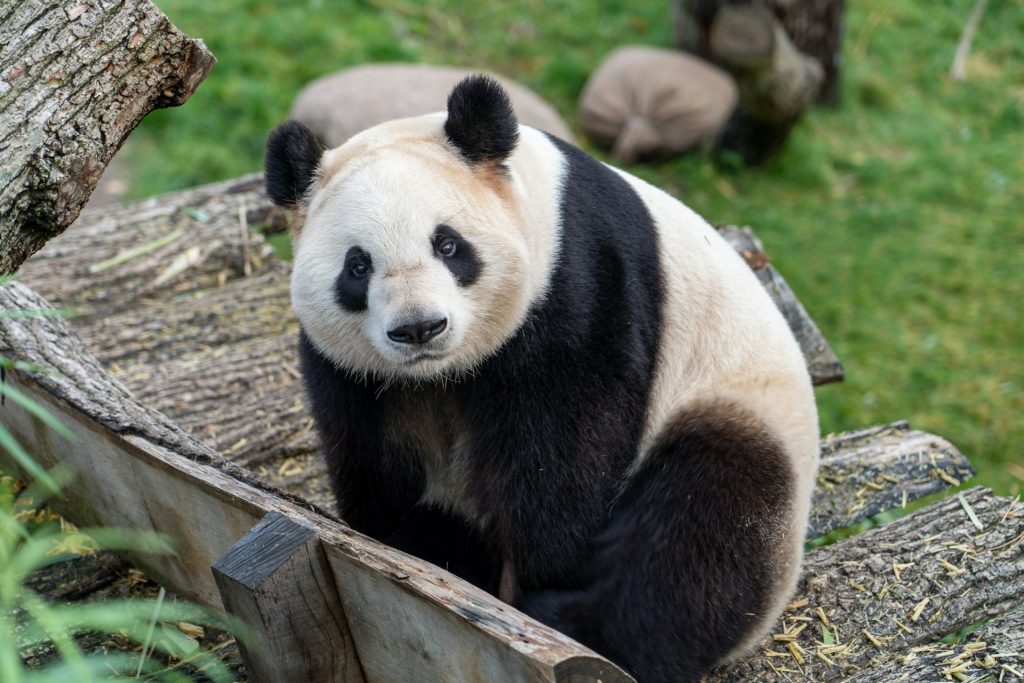
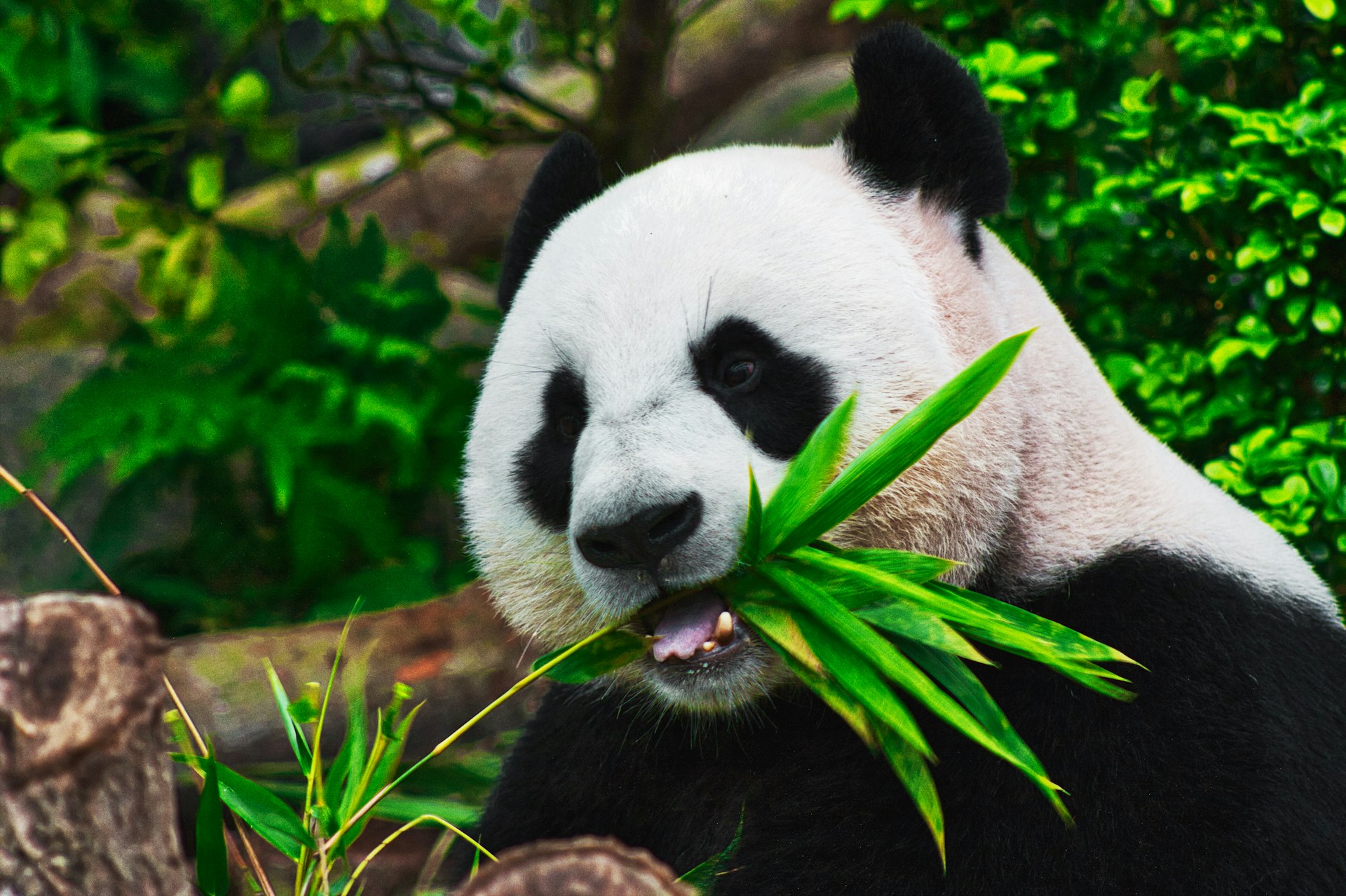
The giant panda carries a global reputation for softness and calm, reinforced by conservation imagery and nursery aesthetics. Clinical case reports from Beijing Zoo document that panda attacks on humans, while rare, do occur and can cause major injury requiring surgery. Cute does not cancel anatomy. Pandas remain large bears with powerful jaws adapted to crush bamboo.
The hidden risk is emotional projection. People mistake activity level for harmlessness and ignore the stress of enclosed spaces, food competition, or sudden movement. Responsible viewing means barriers, distance, and no attempt to interact outside trained protocols.
Polar Bear
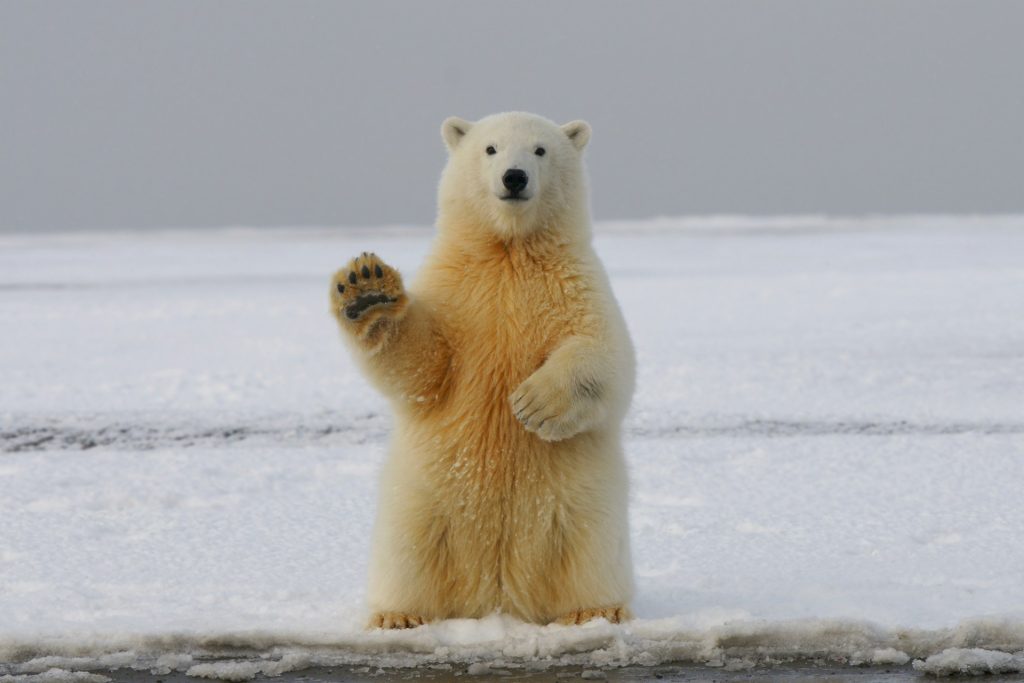
Polar bears are often shown as icons of beauty and climate change, with little attention to daily coexistence in Arctic communities. The IUCN Polar Bear Specialist Group reports that negative encounters are documented back to early expedition records, and it warns that human encroachment is intensifying conflict in some regions. That shift matters for residents, workers, and travelers.
The hidden risk is false familiarity with remote ice and coastlines. Camps, shore routes, and waste sites can become overlap zones quickly. Safety is routine, not drama: trained guides, clean camp protocols, and disciplined distance every time.
Koala
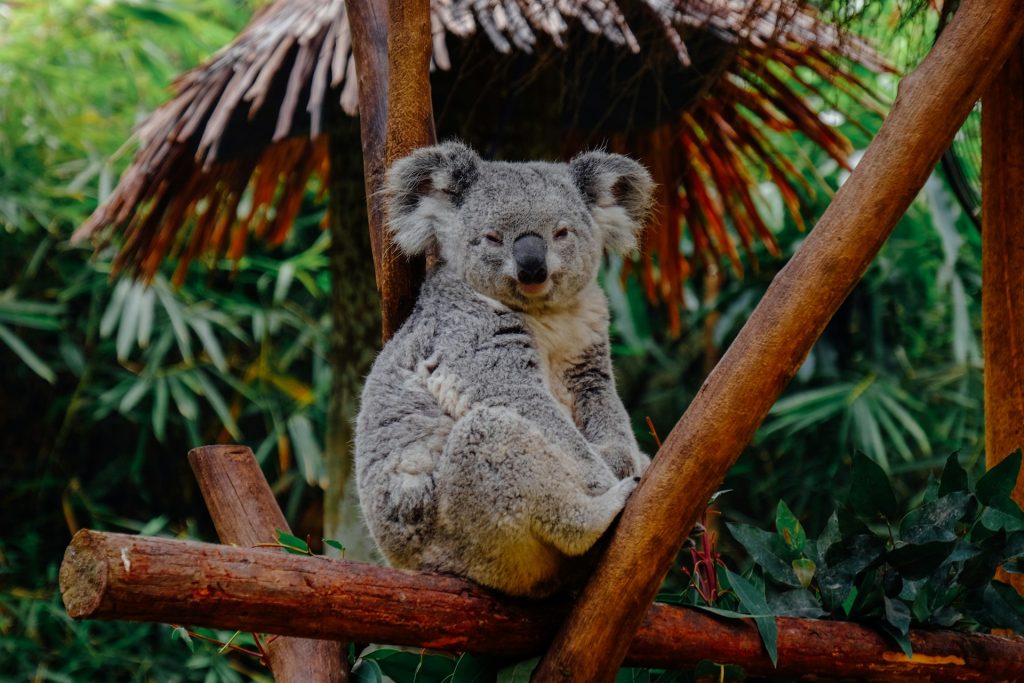
Koalas are marketed as cuddly emblems of Australia, but wildlife agencies stress that they are wild animals and can injure people if approached or handled. New South Wales guidance warns of bites and sharp-claw injuries during improper capture attempts, especially when animals are distressed on the ground after fire or traffic events. Their climbing anatomy translates into defensive strength.
The hidden risk is rescue impulse without training. Good intentions can worsen injuries for both animal and person. The safer route is quick contact with licensed wildlife responders, then controlled restraint only under expert direction.
Beaver
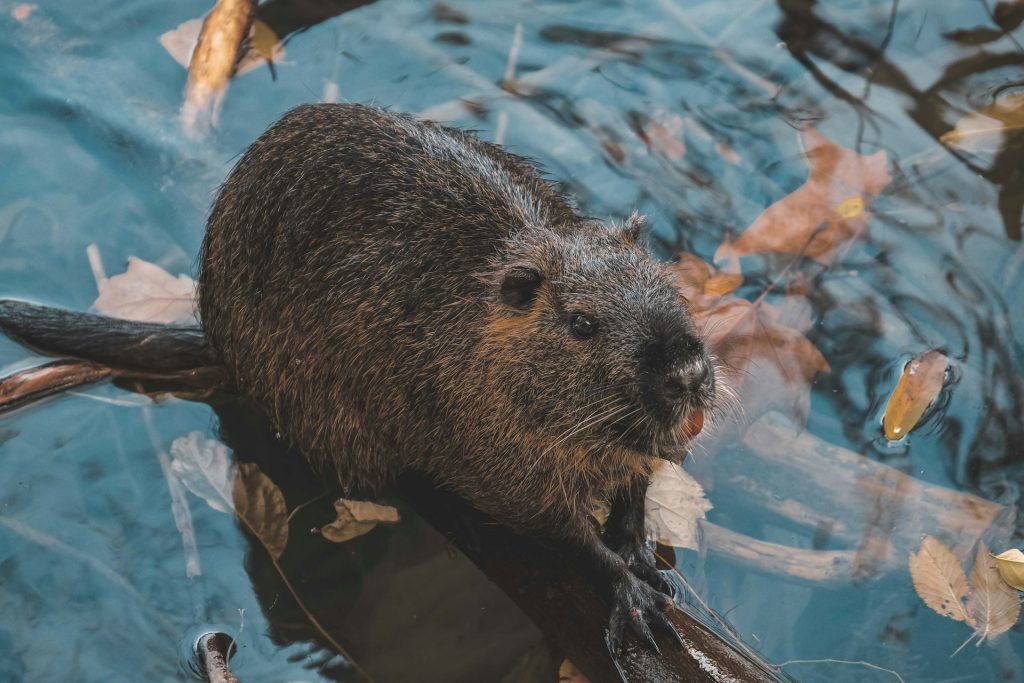
Beavers look industrious and almost comic as they ferry branches and slap water with flat tails. Yet wildlife agencies note that cornered beavers may stand their ground, hiss, and lunge with damaging bites. Maine guidance warns against close approach, especially near lodges. Public-health guidance also links giardia spread to fecal contamination in water, including strains associated with beavers.
The hidden risk is combining curiosity with poor hygiene around streams and dams. Safe behavior is practical: give space on land, avoid handling, and treat untreated surface water as a contamination risk, not a rustic refreshment.