

Across the United States, exotic pet law still works like a patchwork quilt stitched by 50 different legislatures. One state may ban a species outright, another may allow ownership with permits, and a third may leave wide gray zones that are filled by county rules or grandfather clauses. The result is a strange marketplace where animals built for deserts, swamps, reefs, or open savannas end up in backyards and basements. When a species can seriously injure people, neighbors, responders, and the animal itself all absorb the risk long before anyone admits the setup was never humane. That tension is now impossible to ignore.
Big Cats
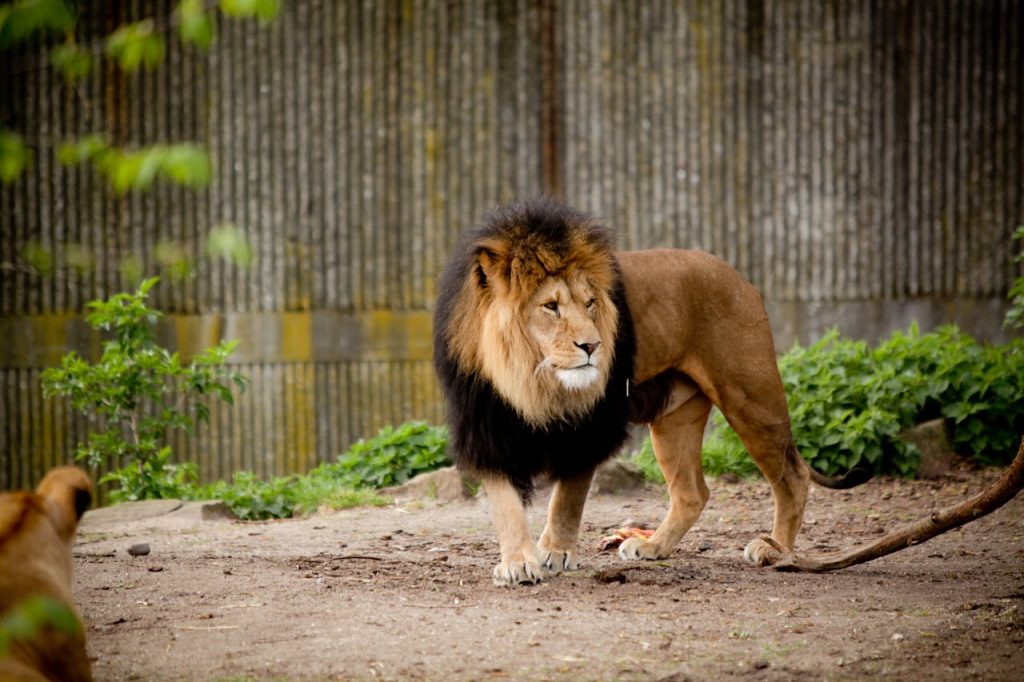
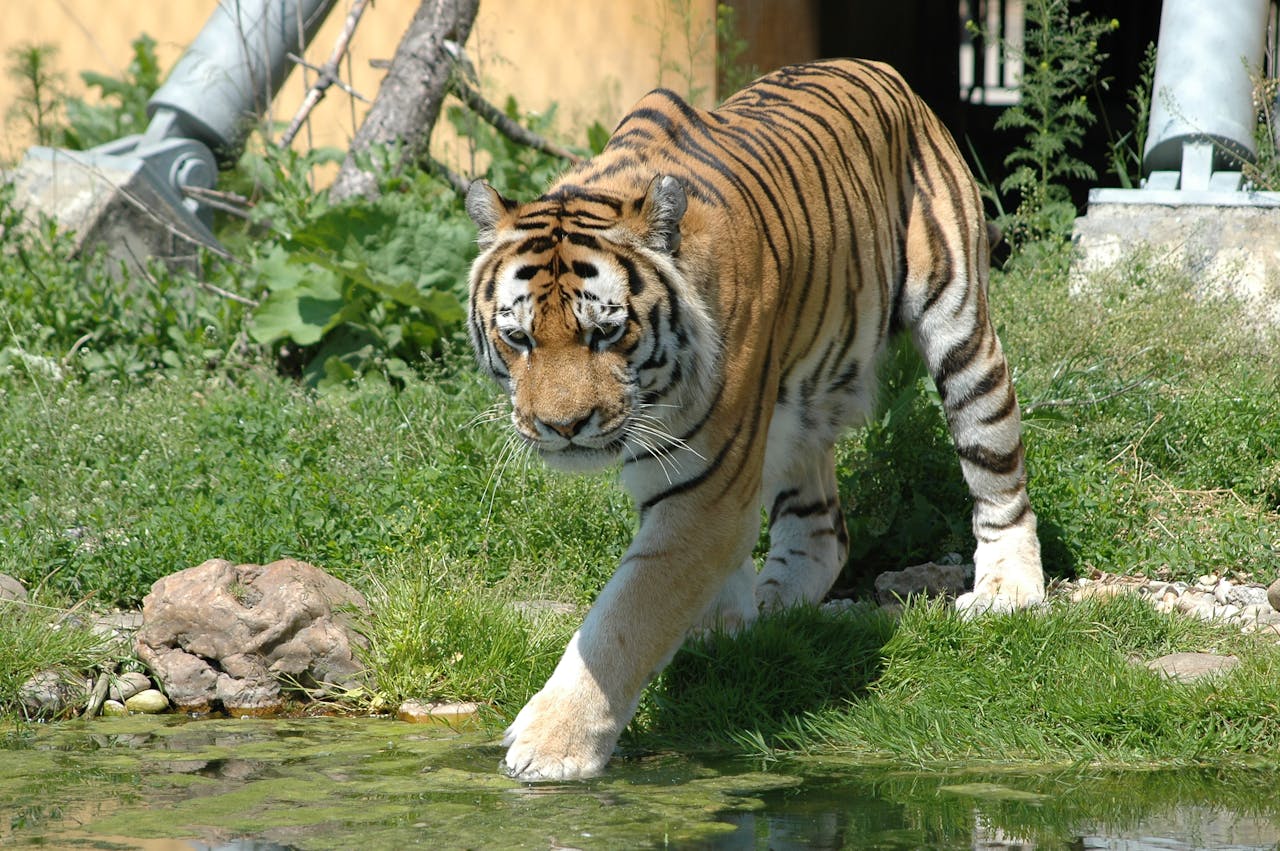
In several states, private possession of lions, tigers, and other big cats has survived through permits, legacy ownership, or narrow exemptions, even as federal law tightened the pipeline. The Big Cat Public Safety Act bars most private ownership and cub handling, yet it still contains pathways for preexisting animals and certain facilities.
That legal middle ground keeps a dangerous reality alive. Big cats are ambush predators with immense force, and captive settings rarely meet their space, enrichment, and behavioral needs. When containment fails, consequences are immediate for handlers, responders, and nearby communities.
Bears
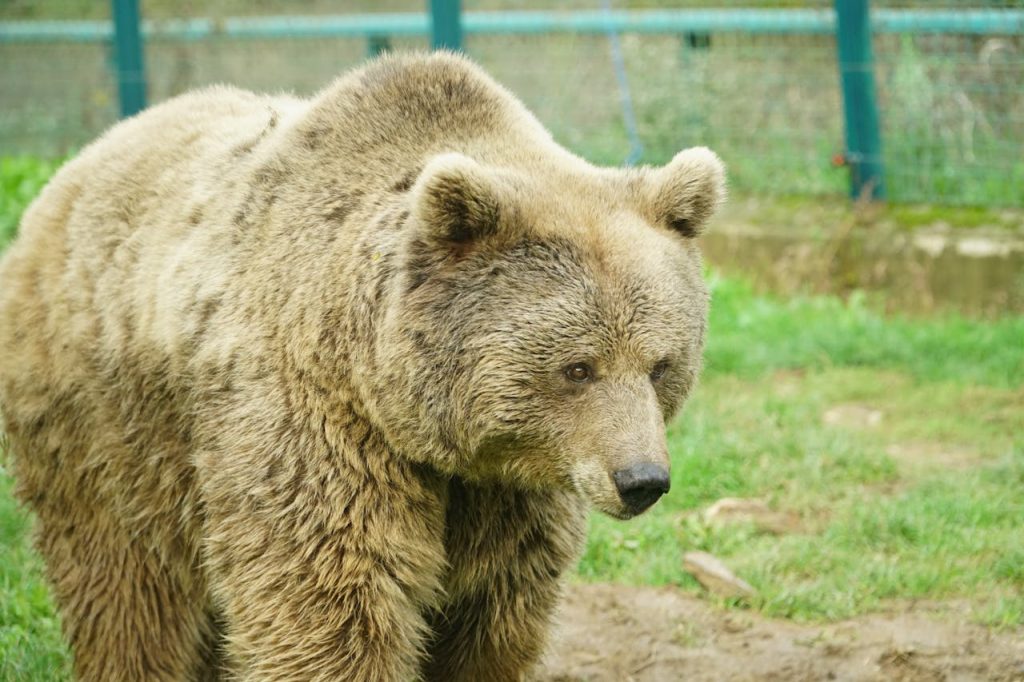
Bear ownership has been restricted in many jurisdictions, yet state summaries still show permit channels, pre-ban grandfather clauses, or exhibitor pathways that allow possession in parts of the country. In practice, legality often turns on paperwork date, county enforcement, and whether a person can meet facility rules.
None of that changes the core mismatch. Bears are powerful, wide-ranging omnivores with seasonal behavior shifts, strong food drive, and stress responses that do not translate to backyard life. The animal pays first through confinement, then the public pays when a preventable incident becomes a public safety event.
Wolves And Wolfdogs
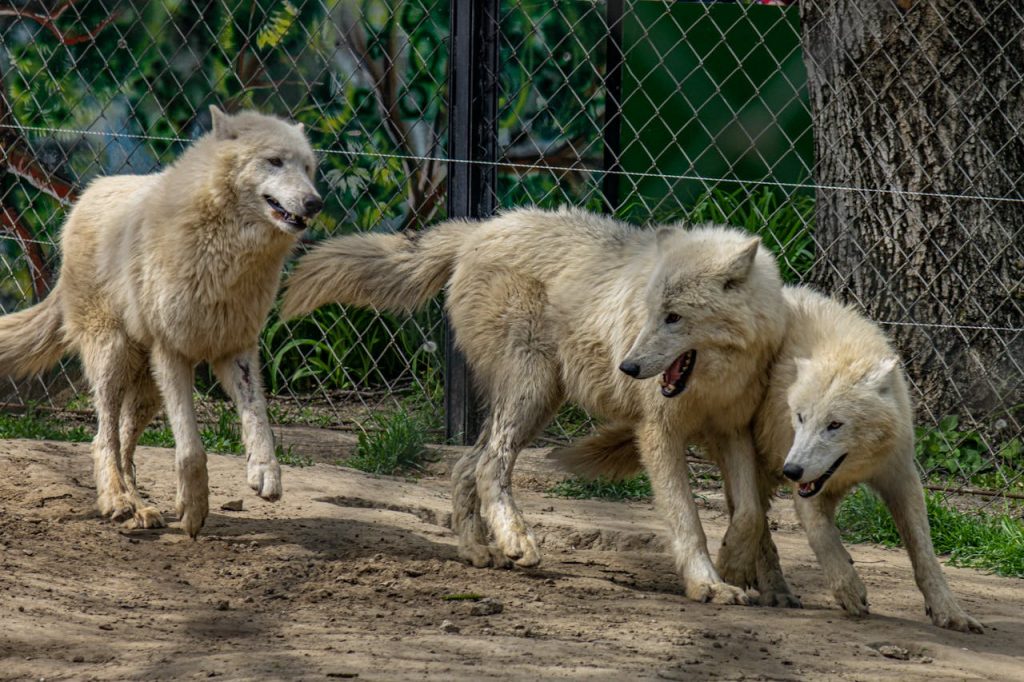
Wolf and wolfdog rules vary sharply across state lines, and in some places ownership remains legal under permits, vaccination records, or hybrid-content thresholds. That legal patchwork creates constant confusion for shelters, animal control teams, and even veterinarians trying to classify animals accurately.
Behavior does not bend to paperwork. High prey drive, territorial responses, and escape motivation make routine handling difficult, especially as adolescence arrives. What begins as a novelty purchase often ends with rehoming failures, legal disputes, or lifelong confinement that serves neither welfare nor safety.
Hyenas
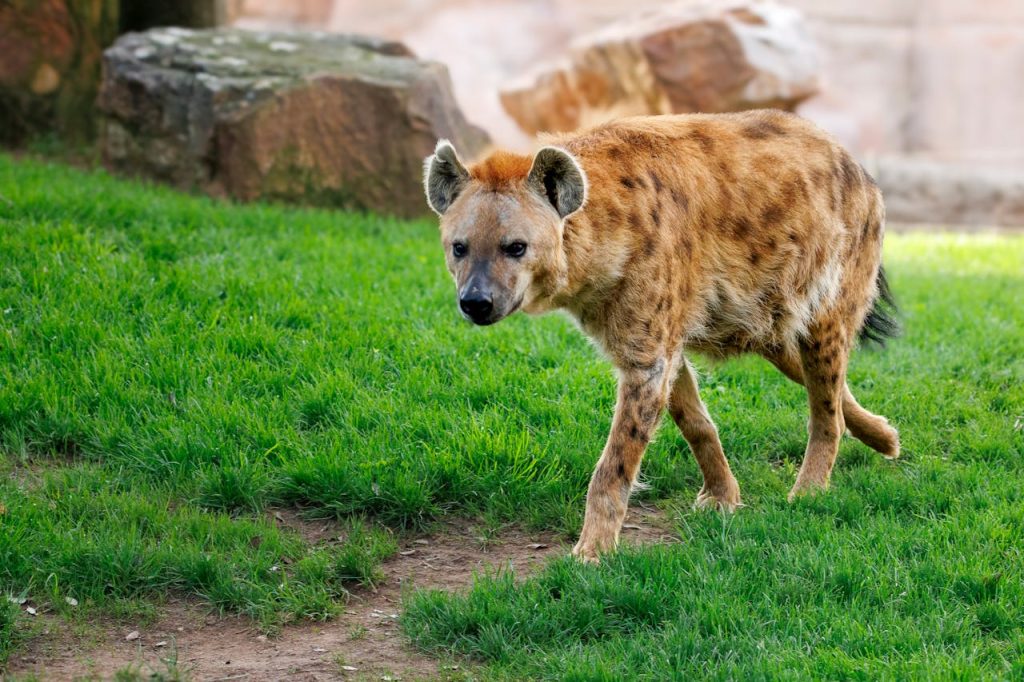
Hyenas are still listed in U.S. legal summaries as species that can be possessed in some states under permits or special categories, even where neighboring states prohibit them outright. That split illustrates the larger policy problem: availability is often a legal artifact, not a welfare-based judgment.
Spotted and striped hyenas are highly specialized carnivores with formidable bite force, complex social behavior, and strong stress responses under confinement. A private compound can imitate walls and gates, but it rarely recreates the social and ecological conditions these animals need to live without chronic distress.
Alligators And Crocodiles
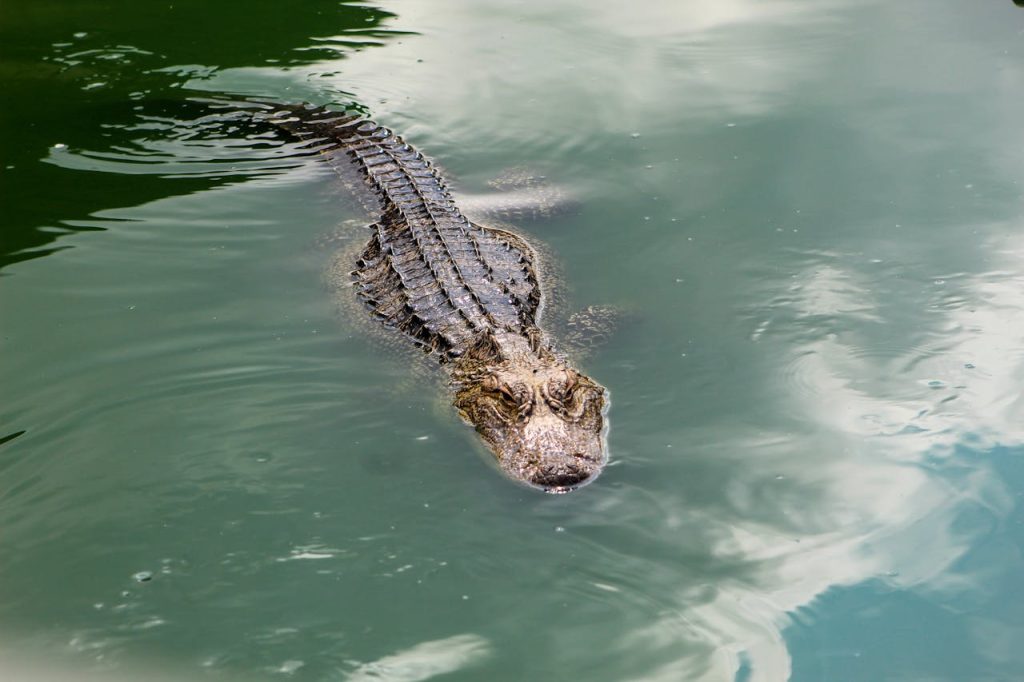
State compilations and statutes continue to list alligators and crocodiles among species that may be held under certain permits, while other states prohibit private pet possession. The legal message is mixed, but the biological message is clear: these reptiles are built for water edges, ambush feeding, and explosive movement.
Florida’s long-term bite tracking shows serious encounters are uncommon yet undeniably real, which is exactly why private ownership is such a poor gamble. When large crocodilians outgrow tanks or enclosures, relocation becomes difficult, welfare declines, and public risk rises for neighbors and responders.
Venomous Snakes
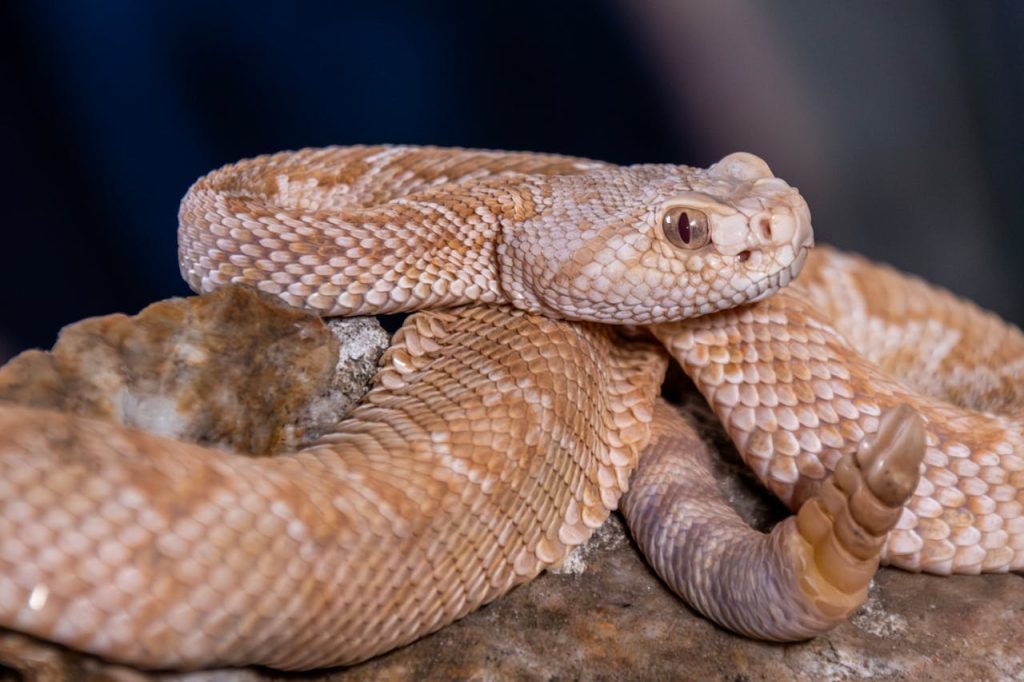
In parts of the U.S., venomous snake possession remains possible with permits, inspections, or legacy exceptions, while other jurisdictions ban it completely. State-by-state legality can change quickly, but the medical risk does not: envenomation can disable tissue, cause systemic illness, and require urgent antivenom care.
CDC reporting notes thousands of venomous bites each year in the United States, with deaths now relatively rare because treatment exists. That progress is not a reason to normalize private possession. It is a reminder that modern medicine is being asked to absorb preventable risk generated at home.
Large Constrictor Snakes
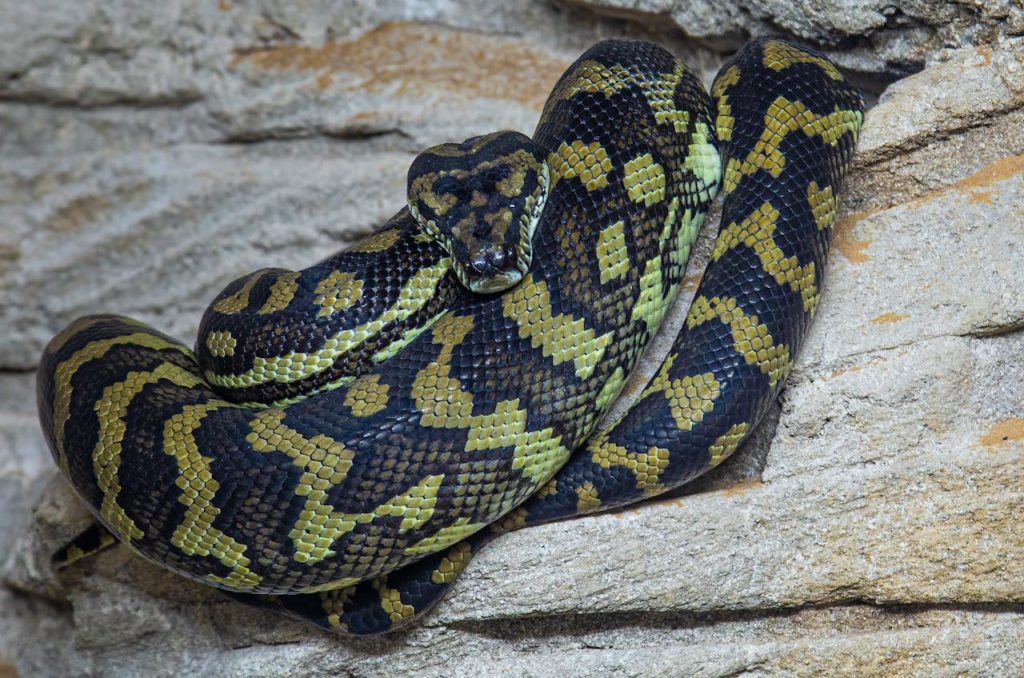
Large constrictors occupy a confusing legal lane: some species remain available through state channels, while federal injurious-wildlife listings restrict import or movement for others. That overlap makes ownership look straightforward online even when the legal and ecological picture is not.
These snakes can reach lengths and strength levels that exceed what most private setups can safely handle over time. As animals mature, enclosure costs, feeding logistics, and handling risk rise together, and surrender options fade. The outcome is often neglect, release, or transfer into strained rescue systems, burdening rescues and ecosystems.
Komodo Dragons
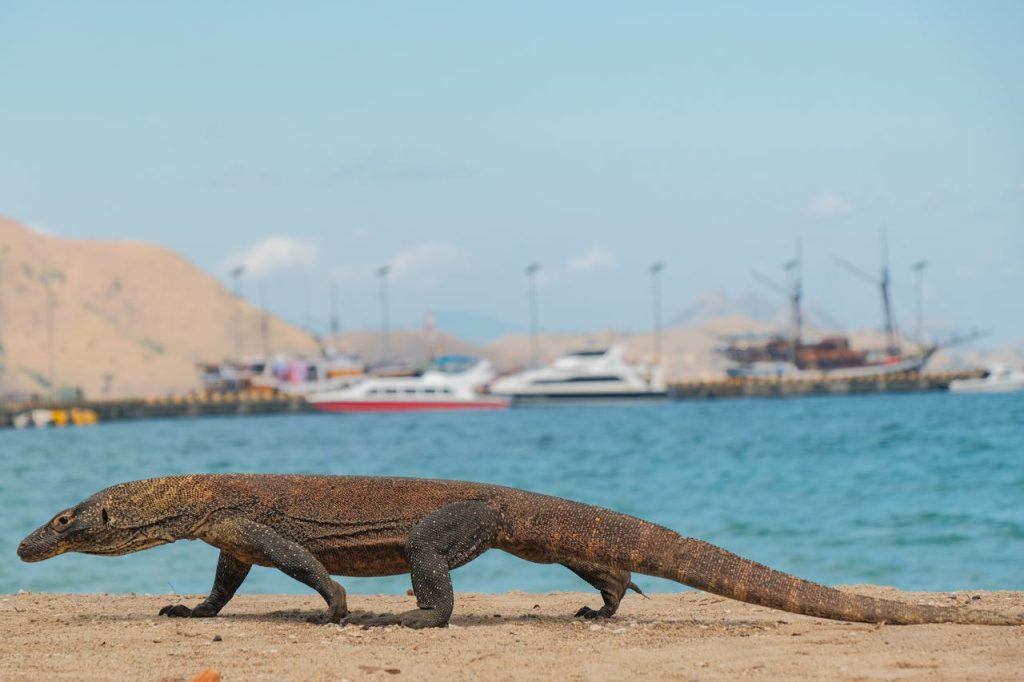
Komodo dragons appear in U.S. legal frameworks as highly restricted wildlife, with possession tied to specialized permitting contexts rather than ordinary pet ownership. The very fact that rules treat them as inherently dangerous should end the debate for hobby settings.
Research on Komodo biology shows a predator with powerful musculature, serrated dentition, and venom-related mechanisms that can worsen trauma in prey. Even if an enclosure looks professional, private care cannot realistically mirror the scale, diet management, climate control, and expert staffing these lizards require for humane, low-risk captivity.
Gila Monsters
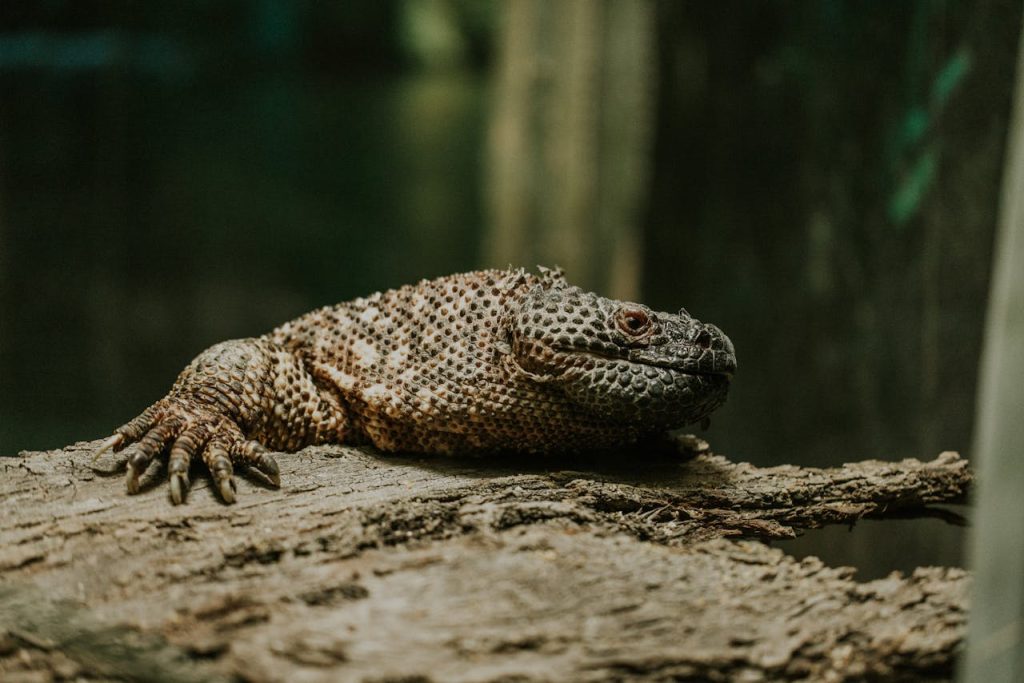
Gila monsters are one of the few venomous lizards on Earth, and U.S. law treats venomous reptiles through tightly controlled permit systems in many jurisdictions. Where private possession is allowed, it is typically conditional, highly regulated, and vulnerable to local rule changes.
The hazard profile is straightforward: bites are uncommon but medically significant, with intense pain and prolonged symptoms documented in clinical references. A species that already relies on strict handling protocols in professional settings is a poor candidate for ordinary homes, where mistakes are inevitable and urgent care may not arrive quickly.
Nonhuman Primates
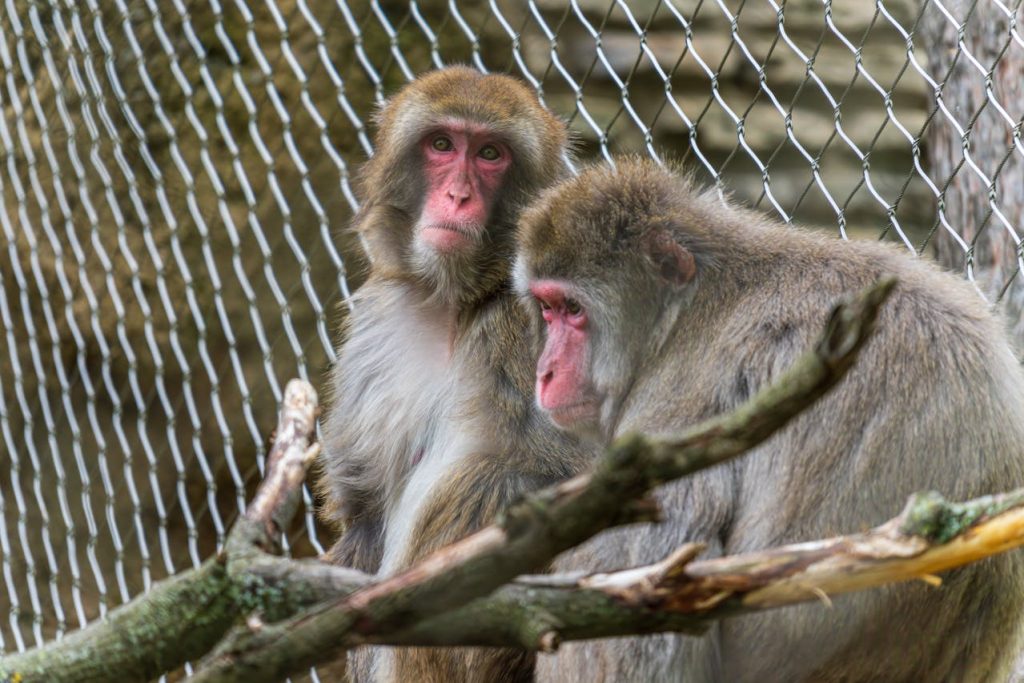
Nonhuman primates remain legally obtainable in some U.S. jurisdictions through permits, loopholes, or weak statewide restrictions, even as many states bar them as pets. Because rules differ so widely, animals are frequently moved through permissive markets before ending up in counties with limited oversight.
The public-health concern is not theoretical. CDC guidance notes that macaque-related B-virus infection is rare but can cause severe neurologic injury or death without rapid treatment. When a private household keeps primates, the risk extends beyond the owner to family members, visitors, responders, and veterinary staff.
Cone Snails
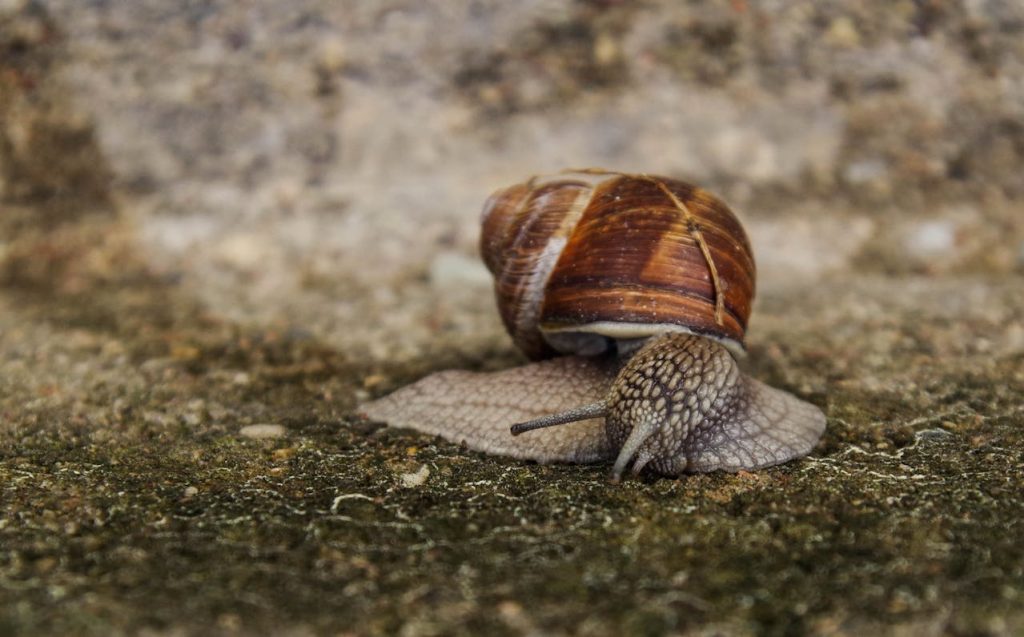
Cone snails are occasionally marketed through marine hobby channels, and legal treatment depends heavily on state wildlife and import rules rather than a single national ban. That ambiguity can make a highly venomous animal look like a simple shell display piece.
Medical literature describes cone-snail envenomation as uncommon but potentially lethal, with paralysis and respiratory failure in severe cases. The same toxin systems that inspired medicines also demand respect; therapeutic value in laboratories does not make private handling responsible in homes, where delays can raise risk quickly and options narrow fast.
Electric Eels
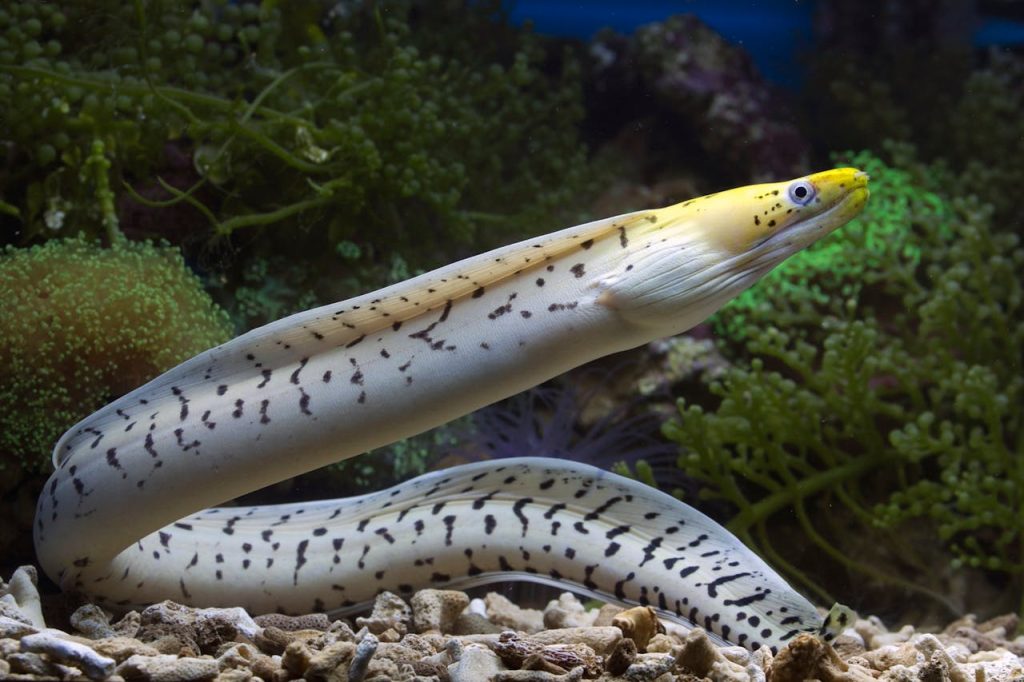
Electric eels and related high-voltage knifefish may still be possessed in some places under aquarium and wildlife rules, while other jurisdictions block or tightly regulate ownership. Legality aside, these are not beginner aquarium animals hiding in plain sight.
Peer-reviewed research has documented electric eel discharges near 860 volts in some species, enough to create serious handling danger in confined, wet environments. Add their size, feeding demands, escape risk, and water-quality needs, and the private tank becomes a technical hazard, costly to run and difficult to secure for years, even for experienced keepers.
Piranhas
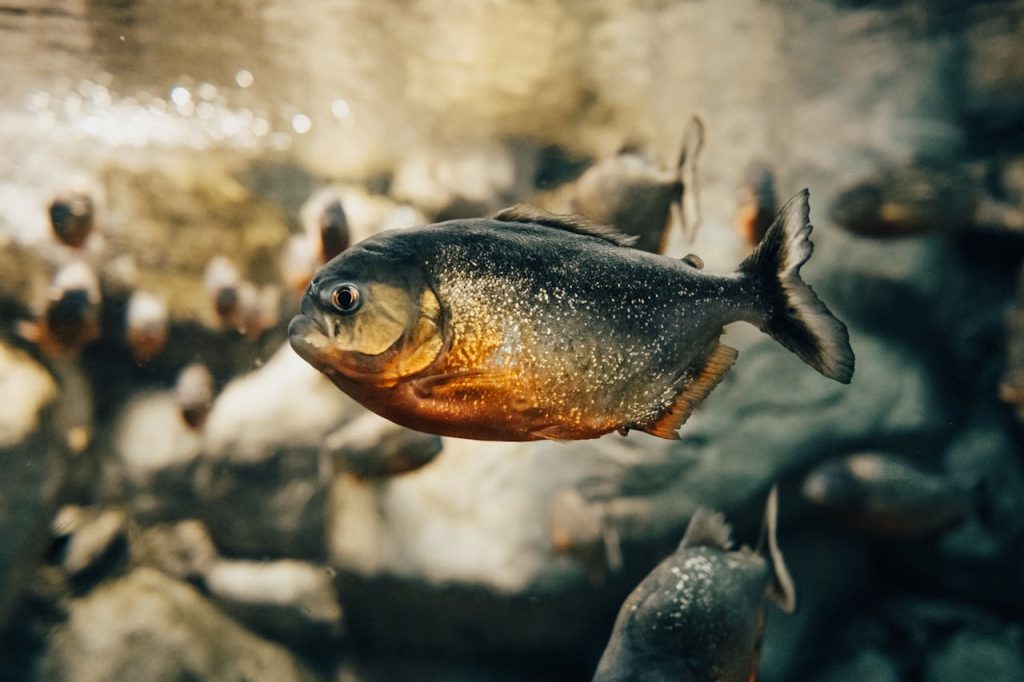
Piranha policy in the U.S. is a map of contradictions: several states prohibit them, others regulate them, and some allow possession with far fewer barriers. Federal agencies note that state treatment is inconsistent because ecological and safety concerns are handled locally.
Even when direct human injury risk is lower than popular myth suggests, the ownership problem remains serious. If fish are released or escape, invasive pressure and ecosystem damage can follow. A species that can trigger ecological harm should not be treated as an impulse aquarium purchase, because waterways absorb mistakes long after owners move on.
Wild animals do not become safe because a form was filed, a permit was issued, or a fence was built. Good policy can reduce risk, but good judgment prevents it in the first place. The most humane path is simple: protect public safety, protect ecosystems, and let wild species remain where they can live as wild species.