

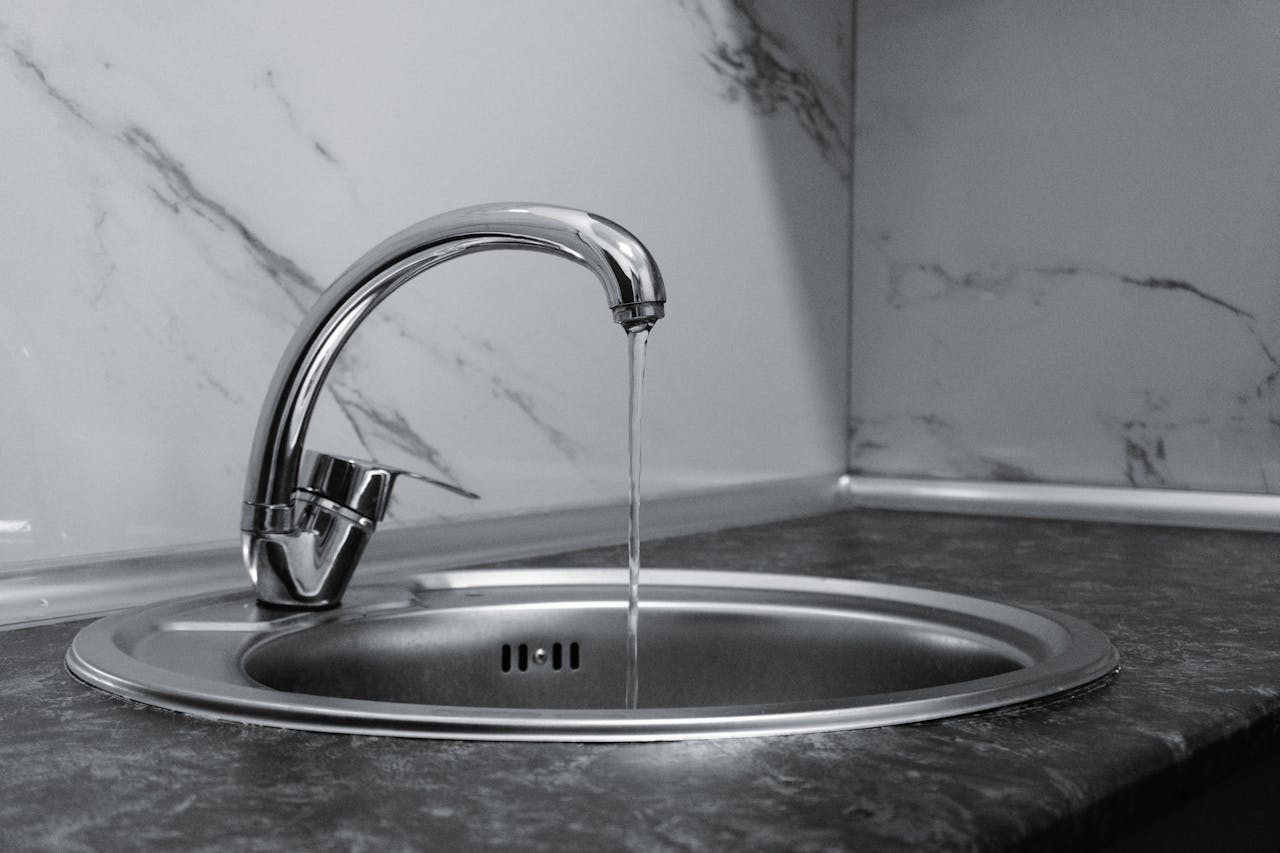
A dripping faucet rarely feels urgent. The handle still turns, water still runs, and the leak seems too small to interrupt a normal week. But plumbing failures usually build as connected stresses, not isolated surprises. A slow drip can sit beside high pressure, freeze exposure, thread wear, or water hammer that keeps loading the same weak point. By the time a line fails, warning signs have often been present for months in small sounds, small stains, and small changes that were easy to dismiss during busy routines. Early fixes are usually simple; delays can mean hidden moisture, damaged materials, and costly cleanup.
Treating A Drip Like A Cosmetic Issue
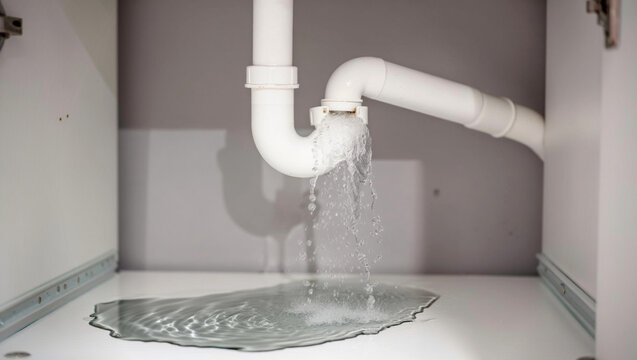
A faucet drip looks minor because the sink still works and the cabinet stays dry. That calm can hide the real signal. Drips often come from worn seals, leaking valves, or surface wear that keeps stressing the same area whenever pressure cycles through the line.
EPA notes that common household leaks include dripping faucets and leaking valves, and that leaks waste huge volumes of water each year. Ignoring the first symptom usually costs more later, because the easiest stage to diagnose is before moisture reaches walls, flooring, or framing and a simple repair becomes major structural work with mold risk.
Over-Tightening Handles Until Parts Deform
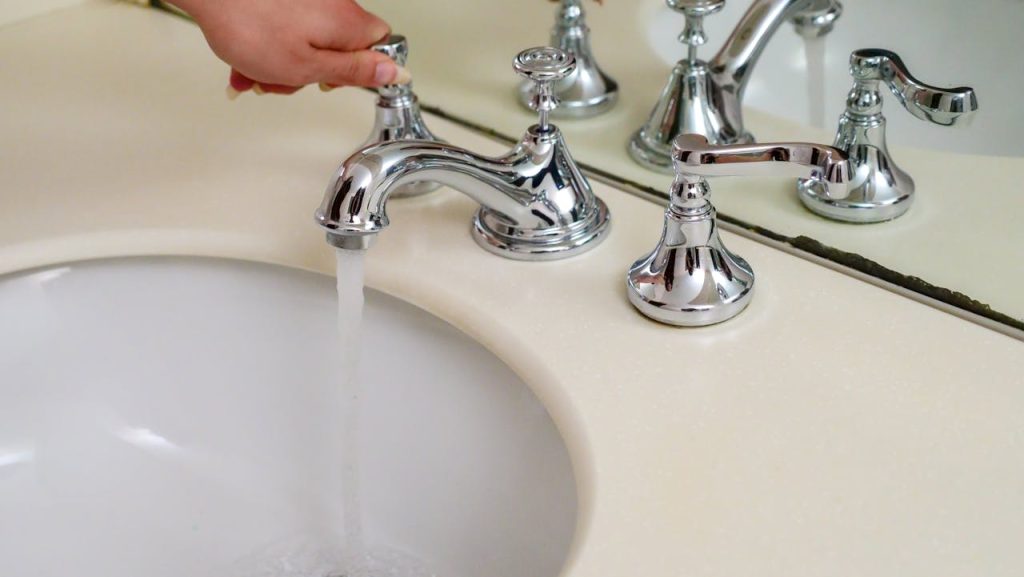
When a faucet drips, many people tighten the handle harder and move on. That force can crush washers, scar seats, and strain cartridges designed for alignment, not pressure. The drip may pause briefly, but internal sealing surfaces usually end up less stable than before.
The better fix is simple: isolate water, disassemble carefully, inspect mating parts, and replace worn components with proper matches. Over-tightening hides symptoms while increasing friction and misfit. Once sealing faces are damaged, seepage returns, and repeat repairs become likely under ordinary daily pressure cycles and routine use.
Ignoring High House Pressure For Too Long
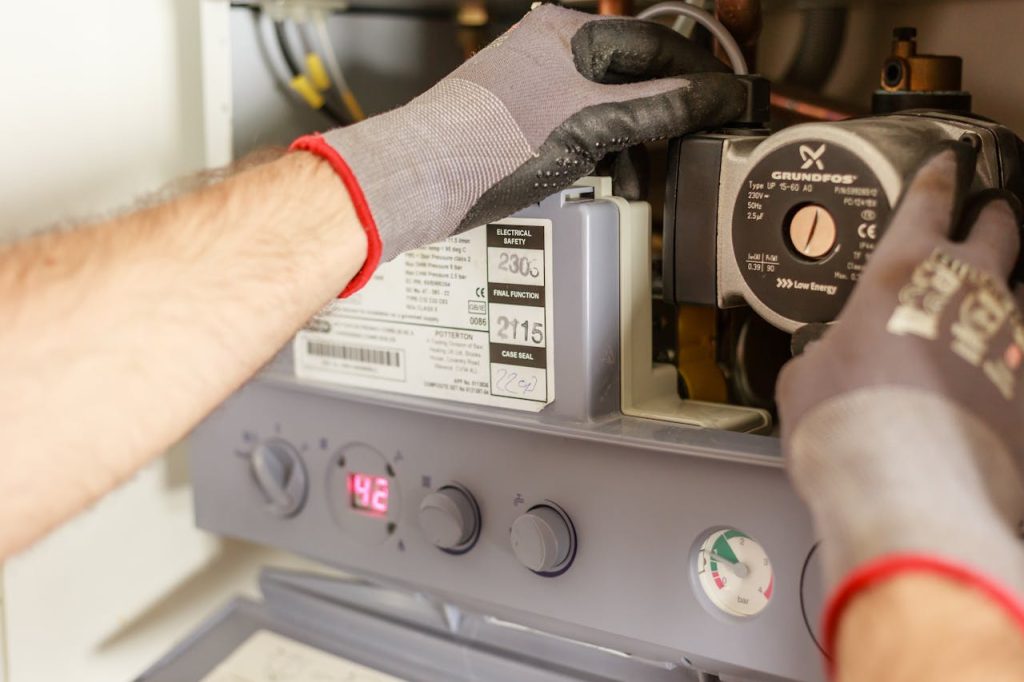
A repeated faucet drip can be a pressure clue, not only a faucet problem. If house pressure runs high, seals and connectors age faster, and small weaknesses show up first at heavily used fixtures. Repairs appear to fail randomly, but the stress pattern is usually predictable.
Model plumbing language commonly triggers pressure reduction around 80 psi, with some local codes setting limits near 85 psi. If pressure is never checked, new parts keep getting installed into the same stressful environment. That cycle continues until a weaker connector or hidden line fails during normal demand at the worst possible time.
Replacing Washers But Skipping Valve Seats
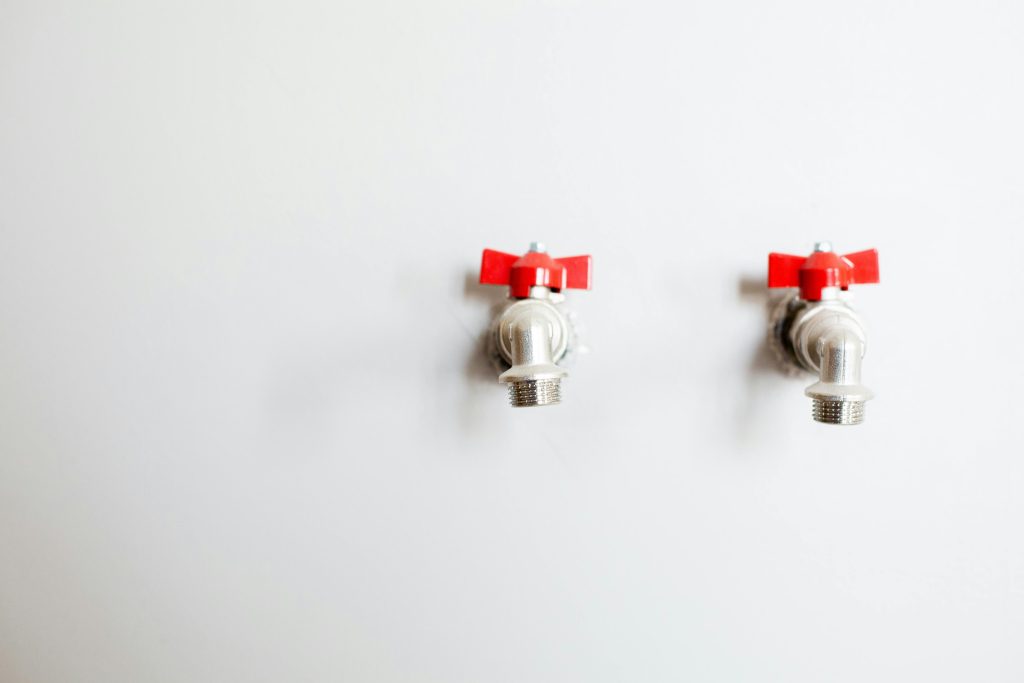
A quick washer replacement can stop dripping for a short time, then fail again. The reason is often simple: the washer was changed, but the seat or cartridge path stayed worn. Water finds tiny grooves, and those grooves guide seepage back to the same outlet again.
Partial repairs feel efficient, yet they delay the diagnosis that actually ends the issue. A complete check covers seat condition, cartridge wear, thread integrity, and shutoff behavior under normal pressure. When only one visible part is swapped, hidden wear remains active, and the faucet becomes a repeat service call with recurring labor.
Leaving Outdoor Hoses Connected In Cold Spells
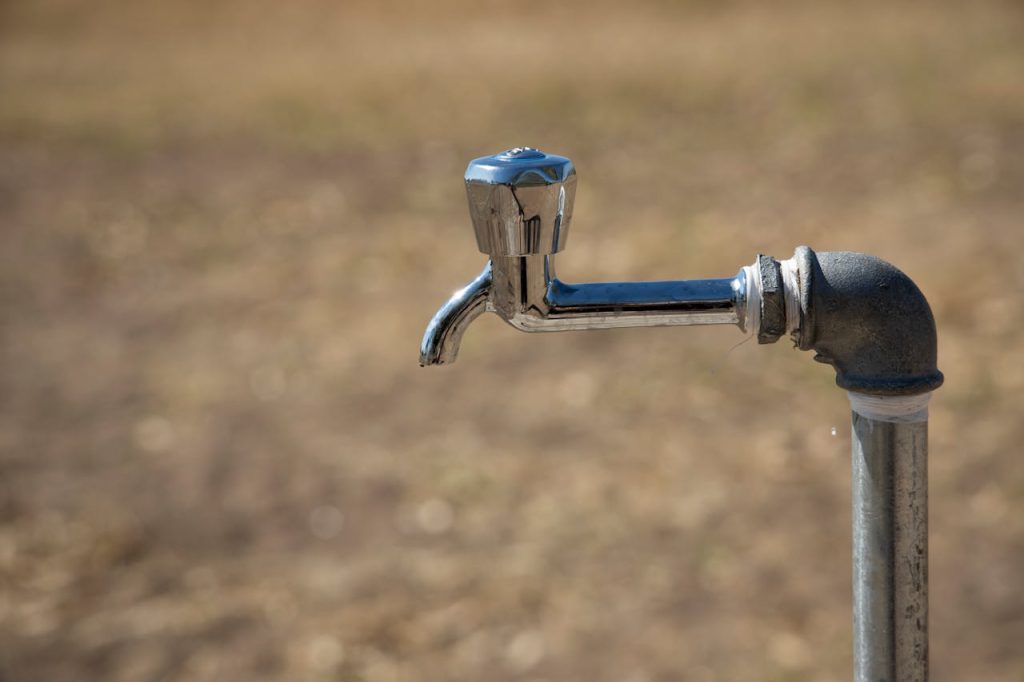
Winter plumbing damage often starts outside, not under the sink. When a hose stays attached, trapped water cannot drain fully from the faucet body and nearby line. Freeze expansion stresses the pipe quietly, then thaw cycles reveal cracks later as indoor leaks near exterior walls.
Red Cross winter guidance advises removing, draining, and storing outdoor hoses, then allowing outside bibs to drain. That one step lowers freeze pressure where many cold-weather failures begin. Skipping it keeps water trapped in vulnerable sections, so a small seasonal drip can become a line split after one hard freeze night.
Wrapping Threads Incorrectly During Repairs
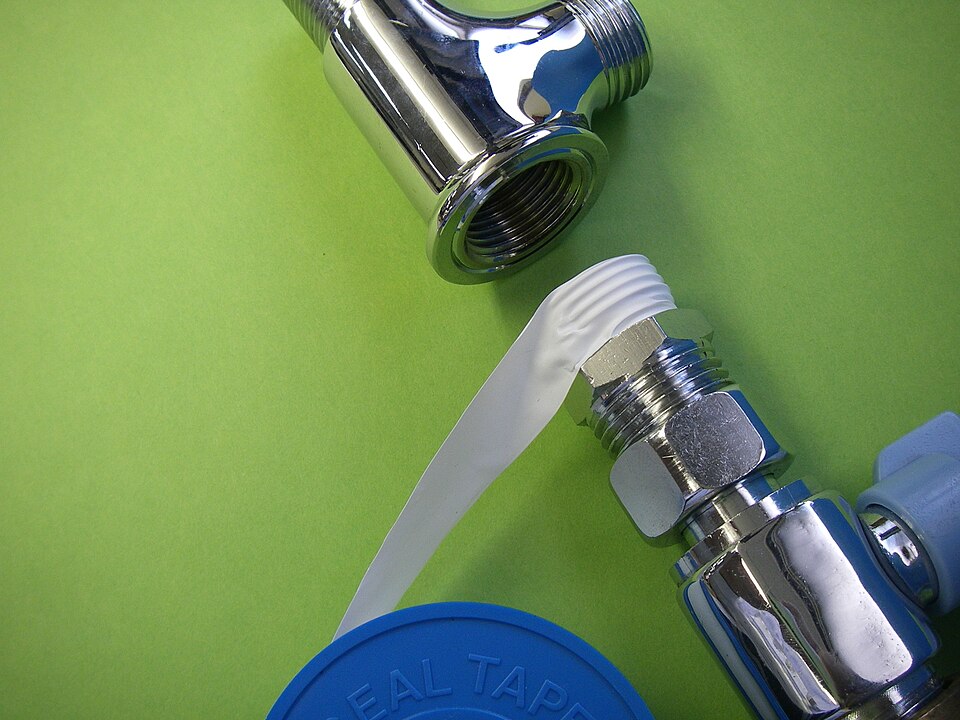
Thread tape helps only when it is applied correctly for the fitting type. Wrapped backward, bunched at the opening, or layered too thick, it can create false tightness before threads fully seat. The joint may pass a quick check, then seep once daily pressure and temperature changes begin.
These are slow leaks with expensive timing. A tiny seep can run unnoticed long enough to stain cabinetry, swell trim, or corrode metal nearby. Correct thread prep, compatible sealant use, and a controlled final tighten prevent the repair loop where the same connection gets reopened again and again after each short-lived fix.
Skipping Insulation On Vulnerable Pipe Runs
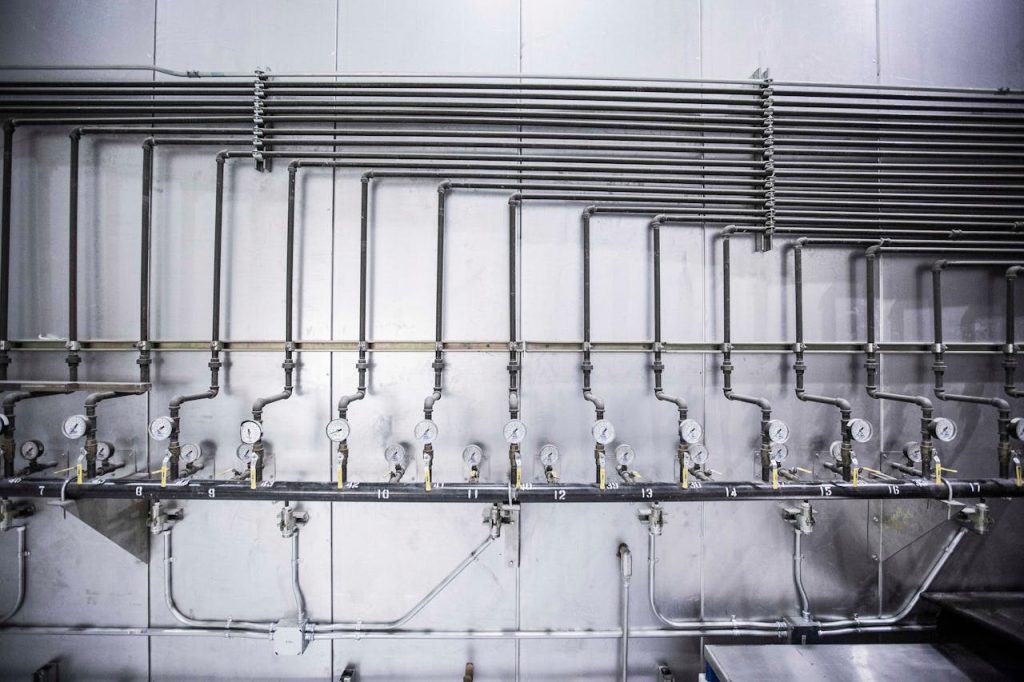
Pipes in attics, crawl spaces, garages, and exterior-facing wall cavities see bigger temperature swings than interior runs. Without insulation, contraction and freeze stress build at joints where movement is already high. A drip may be the first visible warning before colder weather triggers a split.
Red Cross guidance highlights insulating exposed lines in unheated areas and keeping indoor temperature stable including no lower than 55°F when away. It also notes that freezing water expands and can break pipes. Insulation is prevention, reducing pressure change that turns small seepage into structural water damage.
Dismissing Water Hammer As Normal Noise
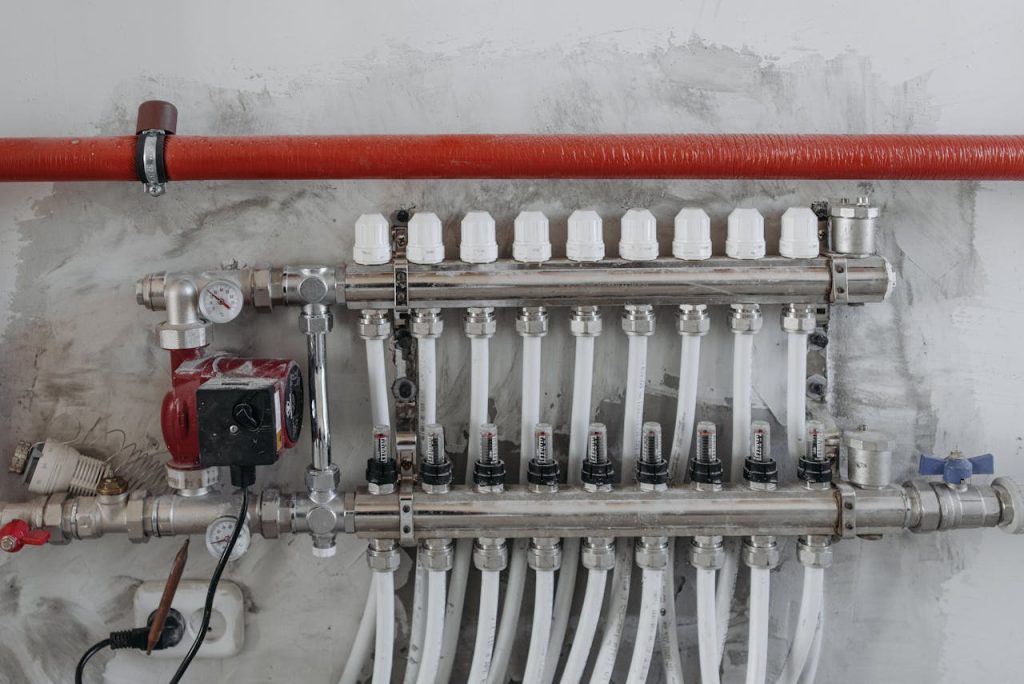
That sharp bang after a valve closes is not harmless house sound. Water hammer is a pressure wave from sudden flow changes, and repeated shock loads move through joints, valves, and connectors. Parts that already seep under normal use can degrade faster when those shocks keep repeating.
ASPE describes water hammer as a pressure change tied to flow-rate shifts and notes abrupt valve action as a common trigger. If a dripping faucet sits in a system that also hammers, repairs rarely last as expected. Components are doing two jobs at once: sealing water and absorbing repeated shock through stressed pathways.
Using Unsafe Heat Methods On Frozen Pipes
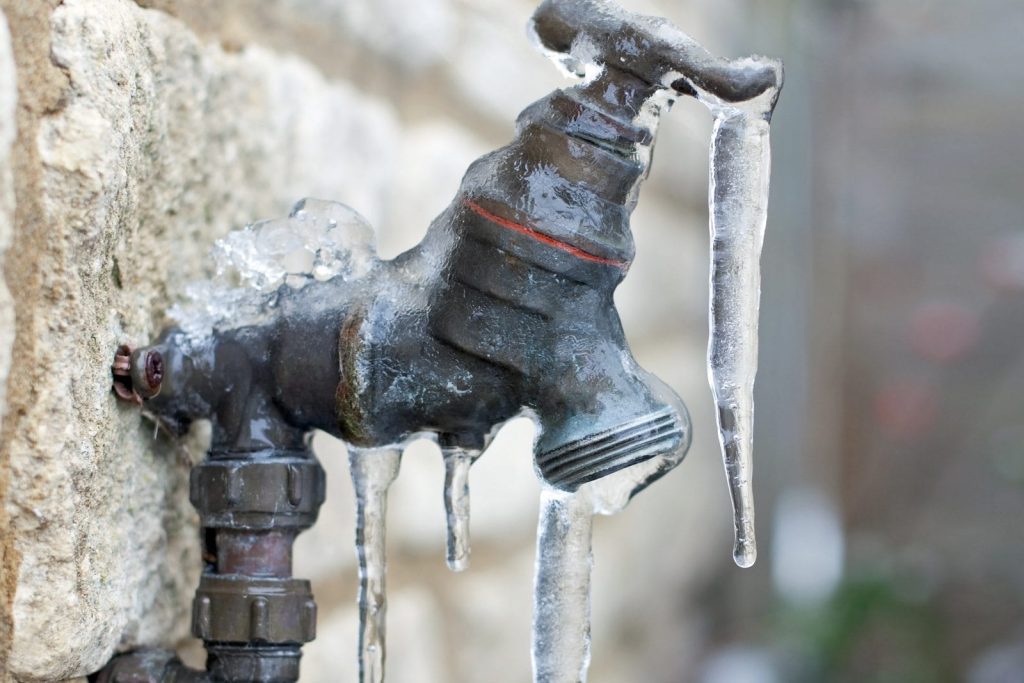
Frozen lines trigger rushed choices, especially when water flow drops suddenly. Improvised high heat or open-flame tools can scorch nearby materials, damage pipe sections, and worsen hidden cracks through uneven heating. A rushed thaw attempt can create a larger repair area than the freeze itself.
Red Cross guidance recommends safer thaw methods such as electric heating pads, hair dryers, warm towels, and portable heaters kept away from flammable materials. It also warns against blowtorches and open flames. Controlled heat and steady pacing lower risk, protect surrounding structure, and reduce damage during thaw.
Trusting Burst-Proof Labels Without Inspection
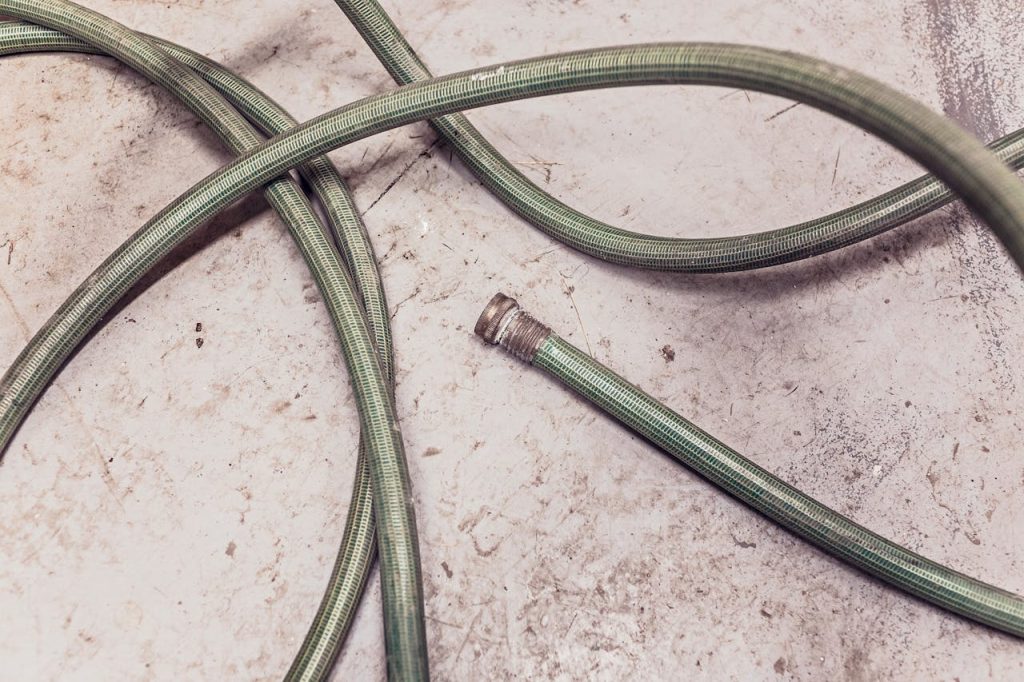
Marketing language can create false confidence around hoses and connectors. A product described as burst proof or heavy duty can still fail as parts age, pressure fluctuates, or fittings are bent repeatedly. If labels replace inspection habits, small drips near connectors get ignored until failure turns sudden.
CPSC recall records include hoses sold as burst-proof that later burst in real use, with documented incidents and injuries. The lesson is practical: inspect connectors, watch for wear, and replace weak parts early. Reliability comes from routine checks and sane pressure control, not packaging claims alone.
Not Preparing A Fast Shutoff Plan
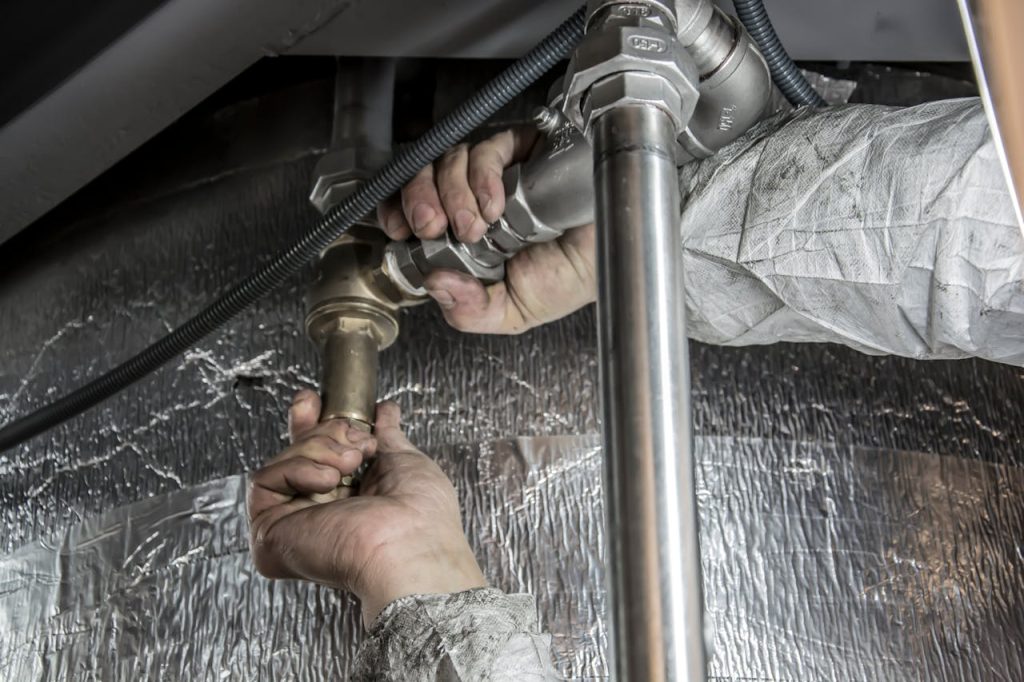
When a line opens unexpectedly, response time matters. If household members do not know valve location or shutoff sequence, water keeps moving while decisions stall. That delay can turn a manageable leak into soaked insulation, swollen flooring, and long drying work.
Preparedness guidance emphasizes learning how to shut off incoming water quickly before damage spreads. One calm practice run removes confusion during an emergency and preserves options for cleaner repairs. The objective is controlled containment: stop flow fast, protect structure, then choose next steps with clear information and calm.
Fixing One Faucet And Ignoring System Clues
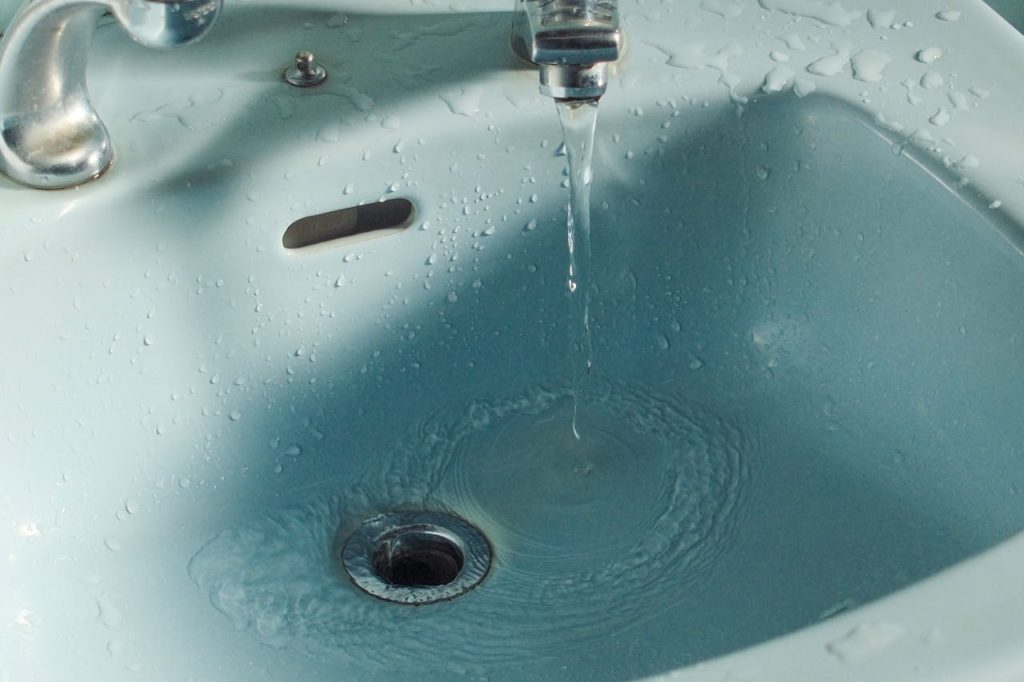
A successful faucet repair can create false closure. If high pressure, hammer shock, freeze risk, or aging connectors remain elsewhere, the next weak point appears in another room. Plumbing behaves as a connected system so recurring drips usually reflect shared stress, not chance.
Tracking where drips appear, when they worsen, and what conditions surround them turns guesswork into pattern recognition. That record can reveal pressure timing, cold-weather links, or vibration failures before a line opens. Without system thinking, repairs stay reactive, and each win becomes a short pause before bigger damage appears.
Waiting For Failure Instead Of Scheduling Care

Most burst-line events are preceded by quiet warnings: a faint drip, a brief knock, a damp cabinet edge, or a hose connection that needs one extra turn. None feels urgent alone. Together, they describe a system losing tolerance and moving toward a more expensive break point.
Preventive rhythm works better than emergency improvisation. Seasonal checks, pressure verification, insulation review, and timely part replacement reduce uncertainty and cost. Homes stay calmer when early symptoms are treated as useful data, not background noise. Small maintenance decisions now prevent major water disruption later.
Small leaks rarely ask for attention twice. When early signs are treated seriously, repairs stay smaller, homes stay steadier, and stressful surprises become far less likely. Good plumbing outcomes are usually quiet outcomes: fewer emergency calls, fewer damaged rooms, and more confidence that the system will hold when weather, pressure, and daily use all hit at once.