

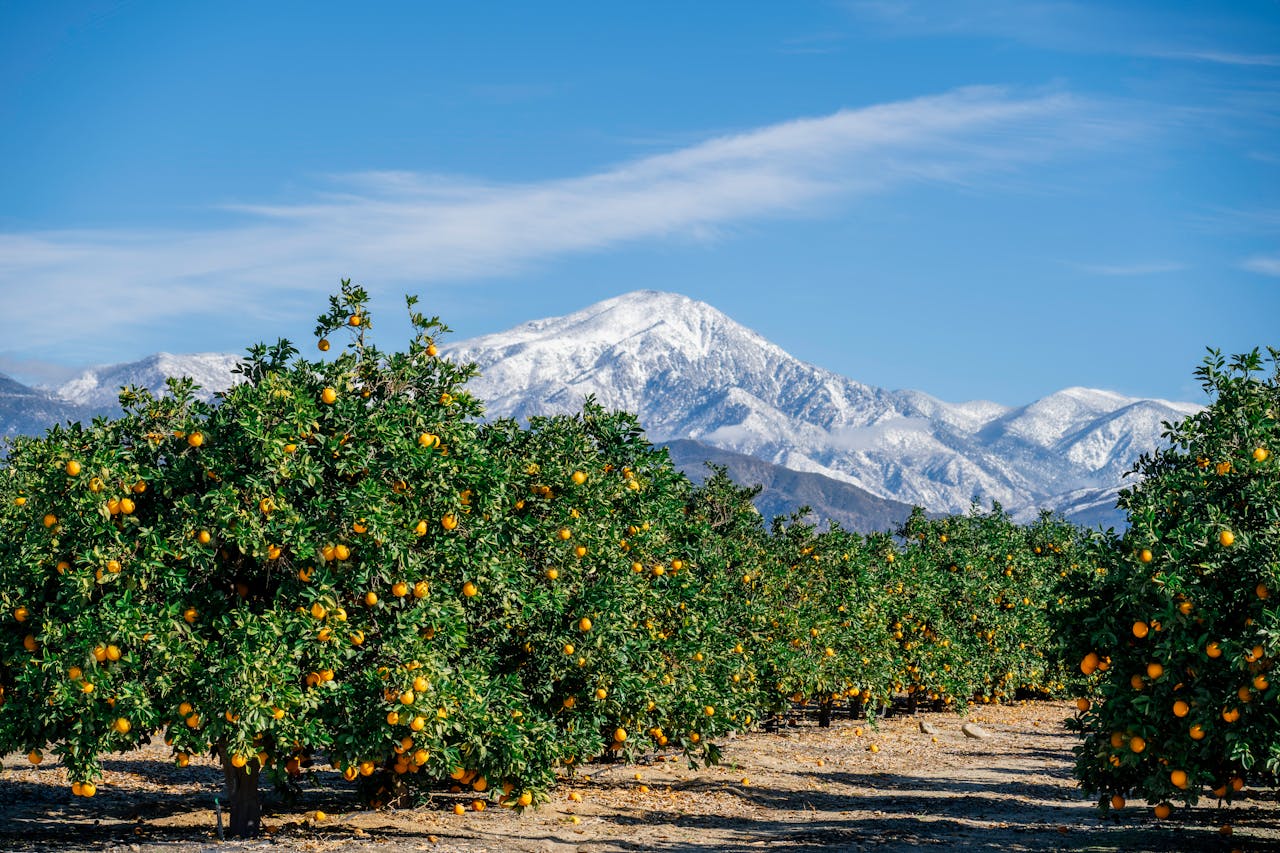
Backyard fruit growing feels hard mostly when tree choice and site conditions do not match. When species fit local climate, sunlight, and soil drainage, maintenance drops quickly and harvests become steadier. The real advantage is not more labor; it is fewer avoidable mistakes from the start. These 13 options are favored in home landscapes because they combine forgiving growth habits, dependable production, and practical care routines. Together, they show how a calmer orchard can still deliver beauty, flavor, and seasonal rhythm from spring through harvest. That shift turns fruit growing into a repeatable, low stress habit.
Apple Tree
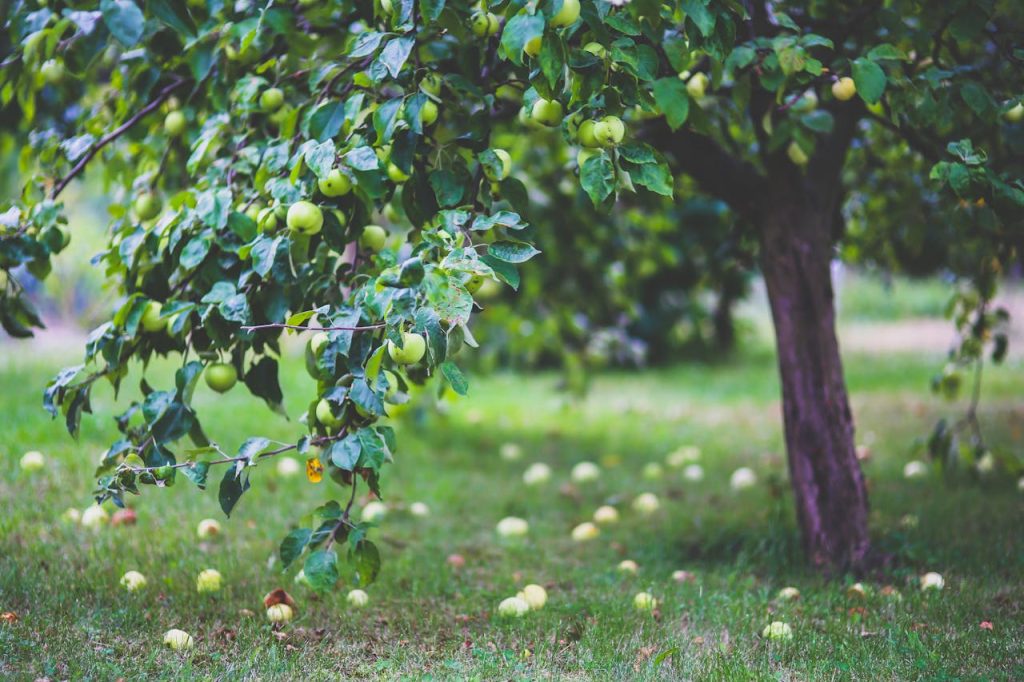
Apple trees become easier when cultivar choice does most of the protective work. University and extension guides repeatedly recommend disease resistant selections for home orchards because that decision can cut spray pressure and reduce recurring cleanup through the season.
Good sunlight, airflow, and annual structure pruning matter more than complicated routines. Many home growers keep trees productive with a light winter prune, basic mulch, and moisture checks during dry spells, then let the tree handle the rest.
The payoff is a reliable spring bloom and fruit that develops without constant corrective action. It scales well.
Pear Tree
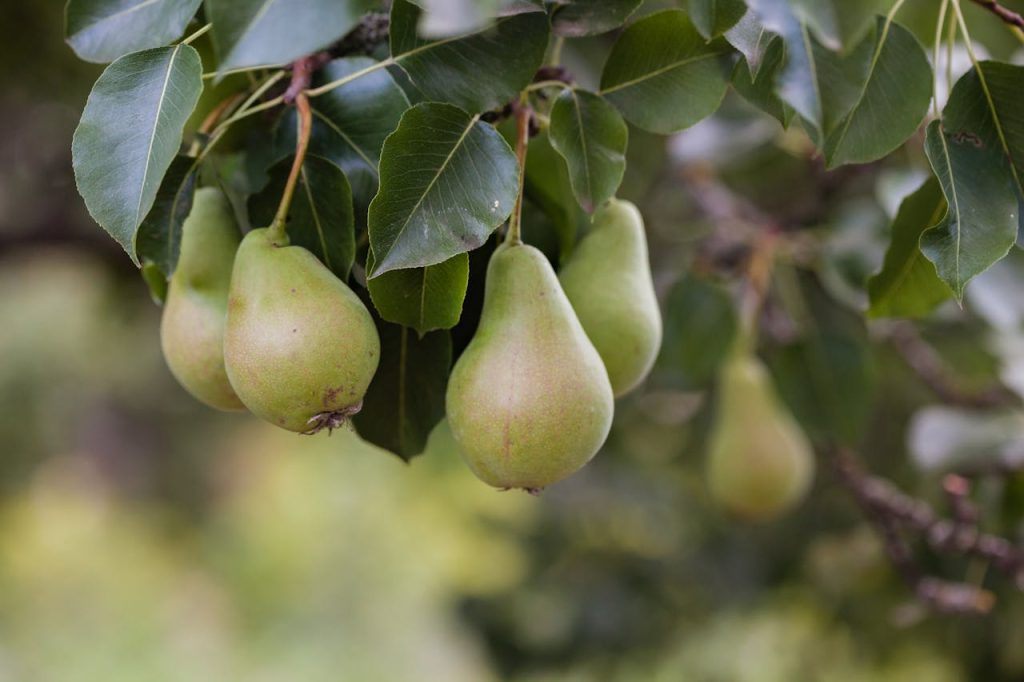
Pear trees have a strong reputation for being less fussy than many backyard fruits, especially once roots are established and the canopy is trained early. Extension guidance often describes pears as relatively trouble free compared with apples in typical home settings, which is exactly why beginners stick with them.
The tree rewards simple care: remove crowding wood, maintain airflow, and avoid heavy nitrogen that pushes weak shoots. With compatible bloom partners nearby, fruit set improves, and the yearly workload stays refreshingly predictable.
Even small yards can support pears if spacing and light are planned from the start.
Fig Tree
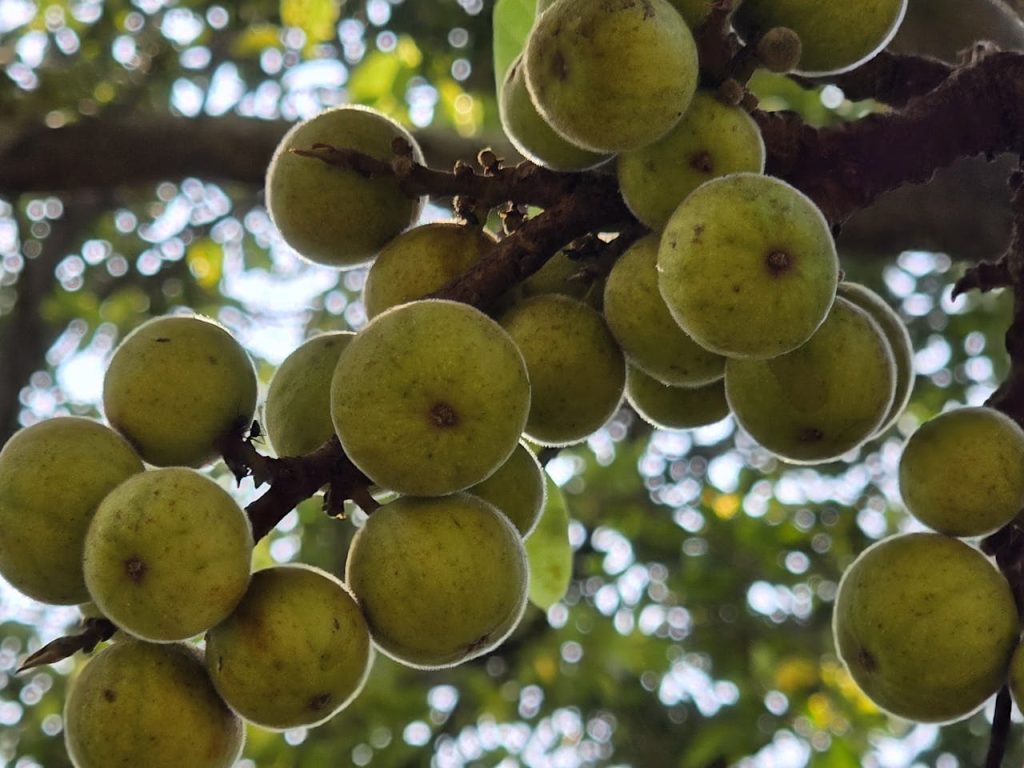
Figs are a practical choice for gardeners who want flavor without complex pollination planning. Clemson guidance notes that common fig types set fruit without cross pollination, so one well placed tree can carry the season in many yards, patios, and balcony corners.
Once established, figs usually need sunlight, drainage, and occasional shaping rather than constant intervention. In colder regions, container growing adds flexibility because plants can be sheltered for winter, then returned outdoors when temperatures settle in spring.
That simple cycle makes figs a steady option for gardeners who want low effort and high reward.
Cherry Tree
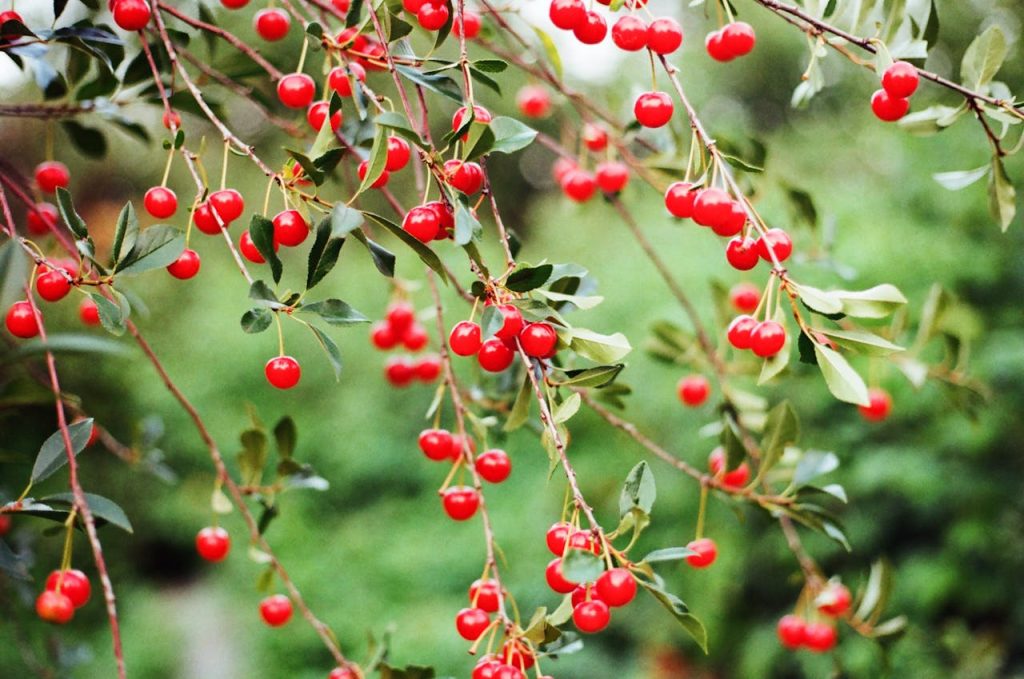
Cherry trees bring spring color and summer harvest, but tart cherries are often the lower maintenance route. University of Minnesota fruit guidance notes tart cherries are the most self fruitful stone fruit group, making them well suited to smaller spaces or simple planting plans.
Site choice still matters: cherries dislike soggy roots, so drainage and air movement are nonnegotiable. A modest pruning routine keeps the center open, improves light penetration, and supports steady production without turning each season into maintenance.
When placement is right, the tree stays manageable and harvest work feels purposeful, not frantic.
Lemon Tree
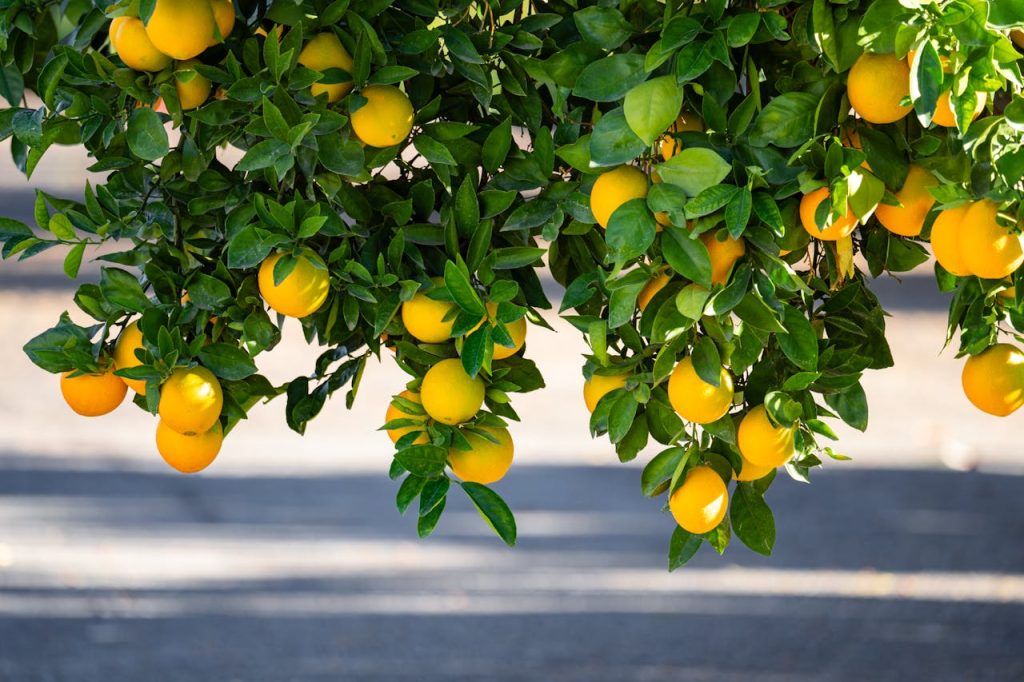
Lemon trees are easier than expected when the site does the hard work from day one. Citrus extension guidance stresses full sun, well drained soil, and planting depth that keeps the trunk clear of piled mulch, all of which prevents avoidable decline later.
Cold protection is mostly about placement and timing, not complicated gear. Trees near heat retaining walls often ride out sharp temperature drops better, and dwarf forms in containers can be moved when winter risk rises. With that setup, pruning and feeding stay straightforward.
A small, healthy lemon tree can supply kitchen fruit through long stretches of the year easily.
Plum Tree
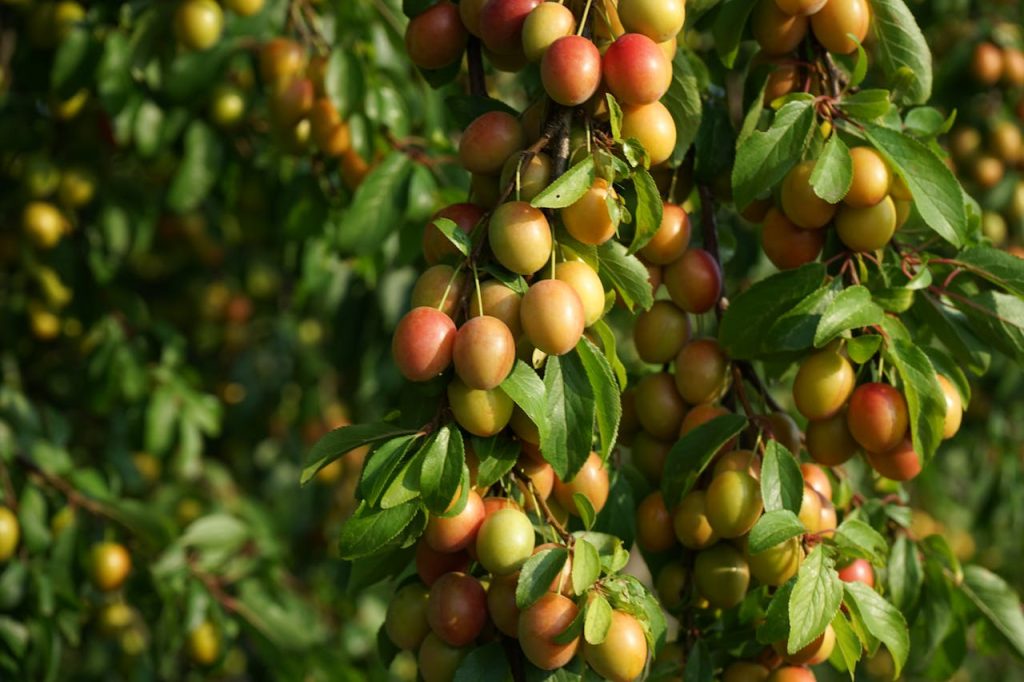
Plum trees are often overlooked by beginners, yet many European types are self fertile and simpler to manage in compact home gardens. Extension resources across northern regions note that this group can fruit with one tree, while a second compatible variety may still increase yield.
Their care rhythm is clear and forgiving: balanced pruning, sunlight, drainage, and moderate feeding. European plums also tend to bloom a bit later than some alternatives, which can help reduce spring frost risk in climates with unpredictable shoulder season swings.
That timing advantage often saves flowers and steadies harvests where weather changes fast.
Mulberry Tree
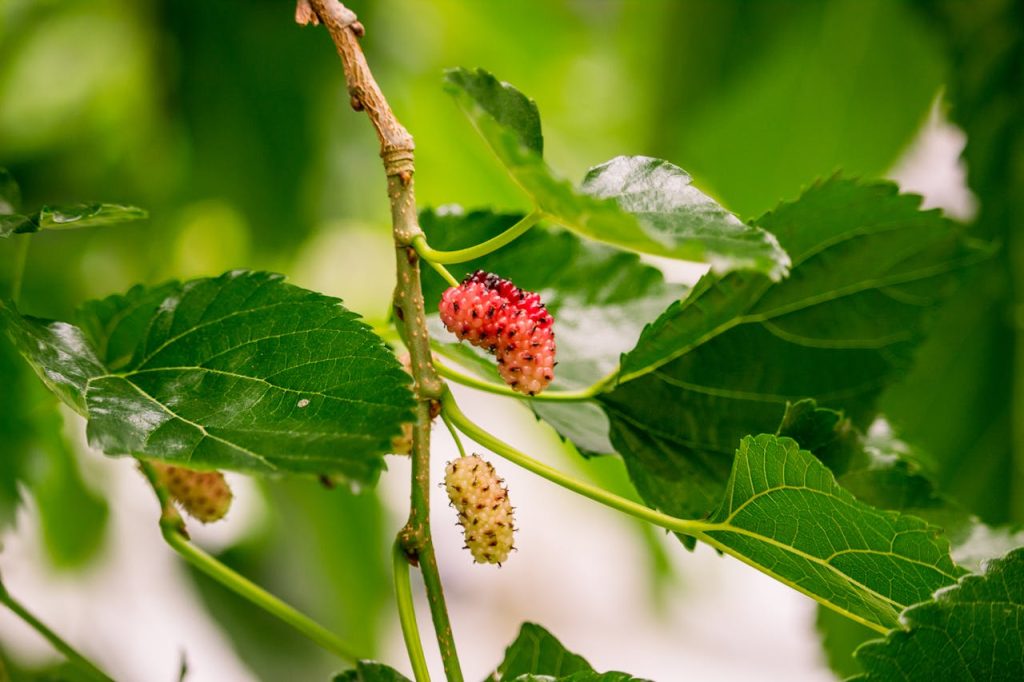
Mulberry trees are famous for producing heavily with very little coaching, which makes them attractive for low effort edible landscapes. UF IFAS materials describe mulberries as tolerant of poorer soils and drought after establishment, a useful combination where summers are hot and schedules are busy.
The common mistake is planting too close to hard surfaces. Several extension references warn ripe fruit can drop and stain sidewalks or driveways, so placement should prioritize open ground. Get location right early, and long term care stays remarkably light.
Good siting solves most headaches before the first berry even ripens.
Persimmon Tree
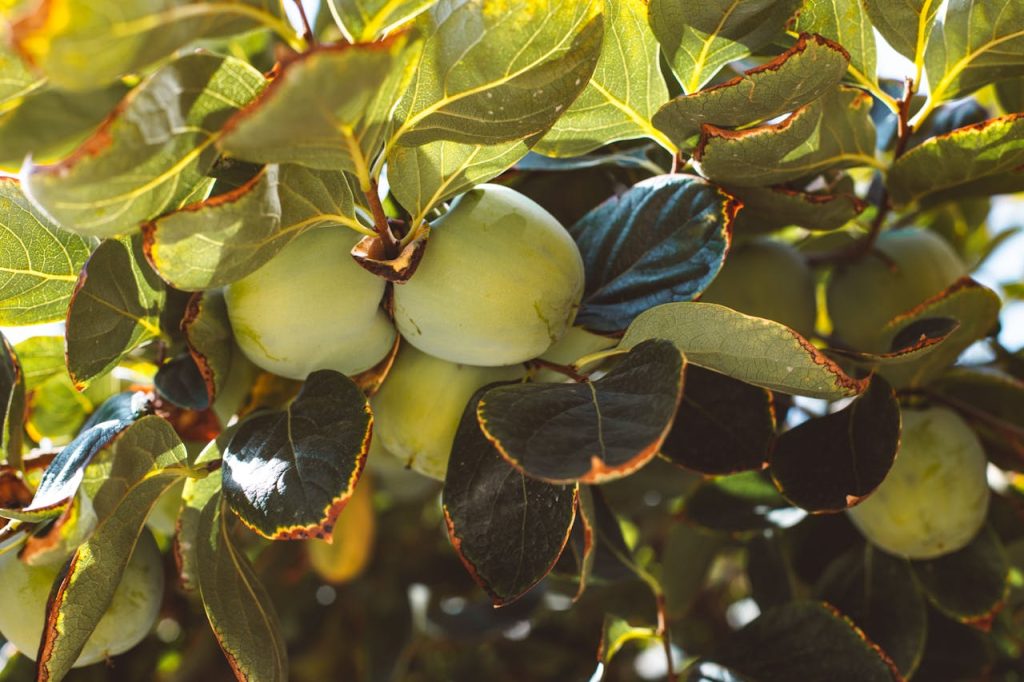
Persimmon trees combine ornamental structure with practical ease, and many growers value them for late season fruit when other crops are finished. Texas A and M guidance describes persimmons as easy to grow and notes they generally avoid serious spray intensive pest patterns in home settings.
That does not mean no care at all, but it does mean calmer management. A sunny location, basic shaping while young, and steady watering during establishment are usually enough to build a durable tree that performs reliably for years without a heavy maintenance calendar.
In many landscapes, persimmon rewards patience more than precision.
Blueberry Bush
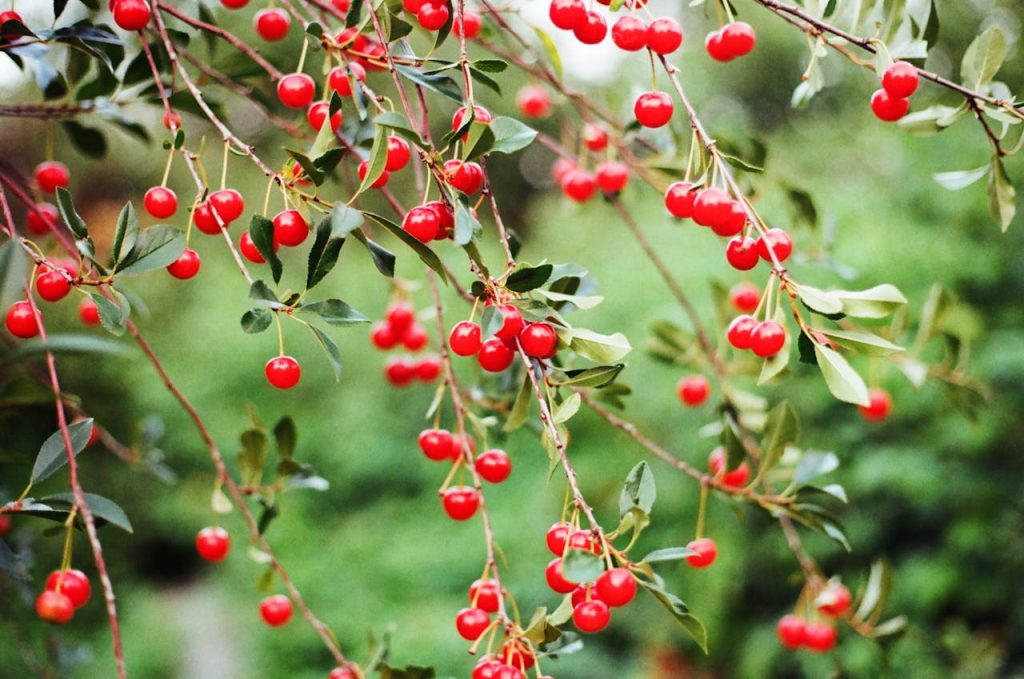
Blueberries are shrubs, not trees, but they belong in any easy care fruit plan because their main requirement is clear and manageable: acidic soil. University of Minnesota guidance places ideal pH around 4.0 to 5.5, and that single target explains most success or failure in home plantings.
When pH is corrected before planting, the routine becomes simple. Mulch helps retain moisture around shallow roots, pruning stays moderate, and harvests improve with steady watering. For alkaline yards, containers with acid mix prevent frustration.
Once soil chemistry is right, blueberries usually become one of the dependable crops in the garden.
Pawpaw Tree
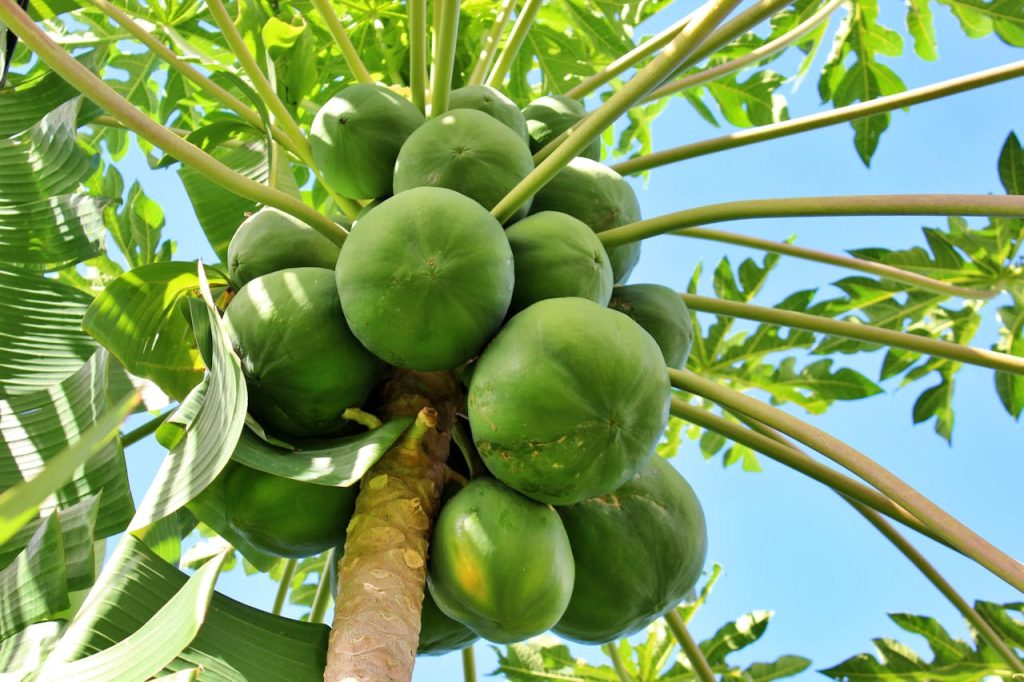
Pawpaw is a native fruit with tropical style flavor and manageable care once established. Kentucky State resources note pawpaw has relatively few pests, and guidance for new plantings emphasizes partial shade during establishment with stronger sun for mature fruiting trees.
That growth pattern rewards patience instead of constant correction. Early years focus on moisture, mulch, and gentle stress protection, then maintenance eases as roots deepen. In return, the tree brings late season fruit, broad leaves, and a distinct orchard character.
It is a steady choice for gardeners who want something uncommon without high maintenance.
Jujube Tree
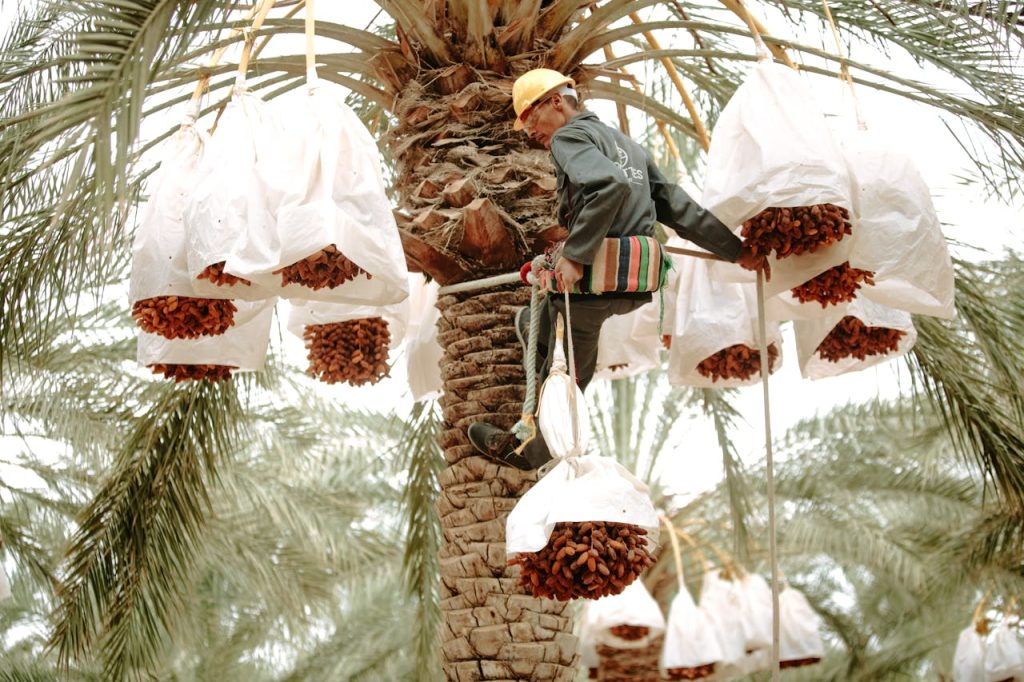
Jujube is one of the most forgiving fruit trees for hot, dry regions where other species struggle to stay consistent. New Mexico State guidance reports broad tolerance across sandy, loamy, and clay soils, plus adaptability across acidic to alkaline pH ranges.
This resilience simplifies decisions for busy growers. The tree can handle heat and periodic water stress once established, pruning needs are modest, and fruit is flexible in use, crisp when fresh and chewy when dried. For low intervention orchards, jujube is hard to overlook.
Few trees combine climate tolerance and dependable cropping this cleanly in challenging summers.
Pomegranate Tree
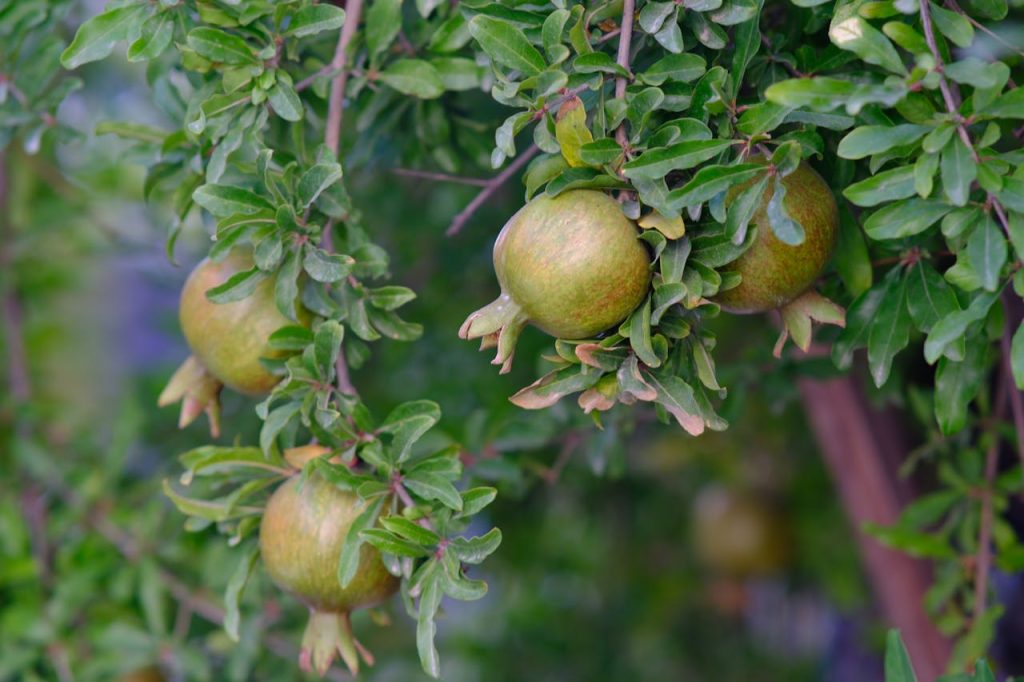
Pomegranate behaves like a fruiting shrub that can be trained into tree form, giving gardeners flexibility in both design and harvest style. Arizona extension guidance notes plants are somewhat drought tolerant once established, yet still produce better quality fruit with regular irrigation.
That balance matters for realistic care plans. The plant survives lean conditions, but quality improves when water stays consistent through key growth windows. With full sun, light structural pruning, and moderate fertility, pomegranate delivers dependable yields and low workload.
For warm regions, it is an example of beauty meeting practicality.
Loquat Tree
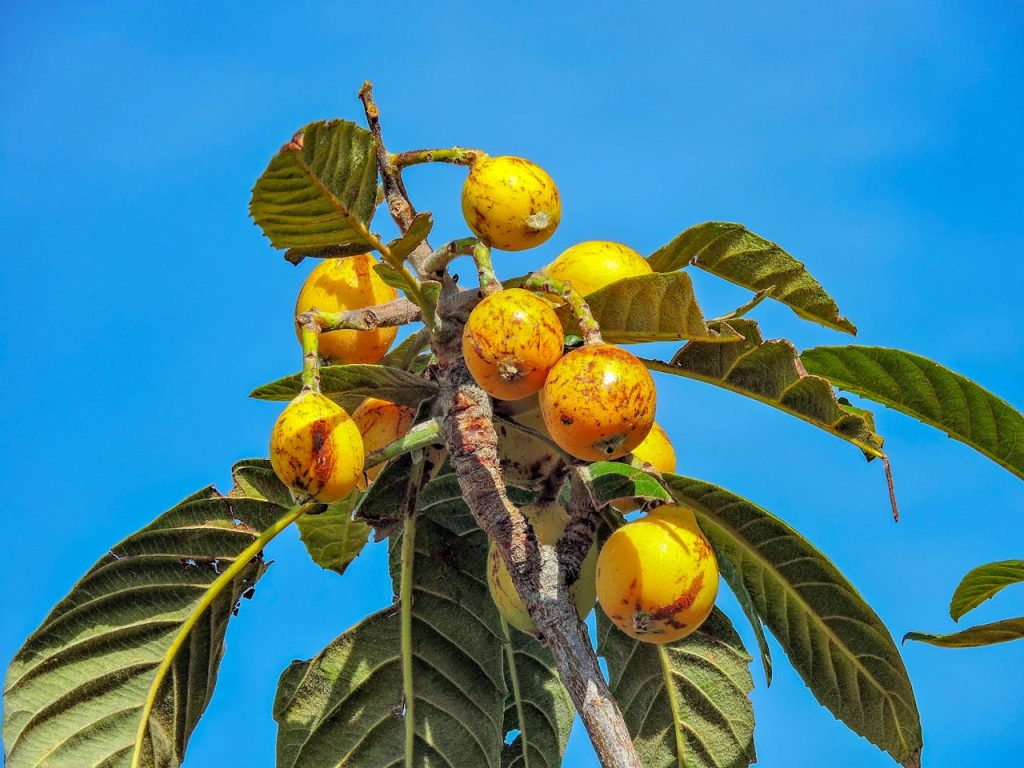
Loquat adds evergreen structure and early season fruit to home landscapes with low effort in suitable climates. UF IFAS guidance describes loquat as drought tolerant in full sun, with a key caution that flowers and developing fruit can be injured by freezing temperatures.
In practical terms, success comes from smart siting rather than complex maintenance. Plant in well drained ground, protect from cold pockets when possible, and keep irrigation steady during dry spells for better fruit quality. After that, pruning remains light.
The result is year round visual presence plus fruit before many other trees begin their season.
The most useful orchards are rarely the ones with the longest care checklist. They are the ones built on fit, patience, and a few sound seasonal habits. When trees are chosen for local conditions and realistic routines, fruit growing settles into a gentler rhythm that keeps giving back year after year.