


By late spring, Maine trails, shore paths, and backyard edges start pulling people outside again, and the routines feel familiar. Boots go on, dogs run ahead, and a quick walk turns into a long afternoon in grass, ferns, and leaf litter. Even shoreline stops can mean brush contact.
The problem is that ticks fit into those same routines just as easily, especially when prevention gets treated like a chore for later. Health guidance in Maine and national tick advice both point to the same pattern: the habits that feel minor at the trailhead are often the ones that matter most before a bite ever becomes a story at the clinic.
Treating Tick Season Like A Summer-Only Problem
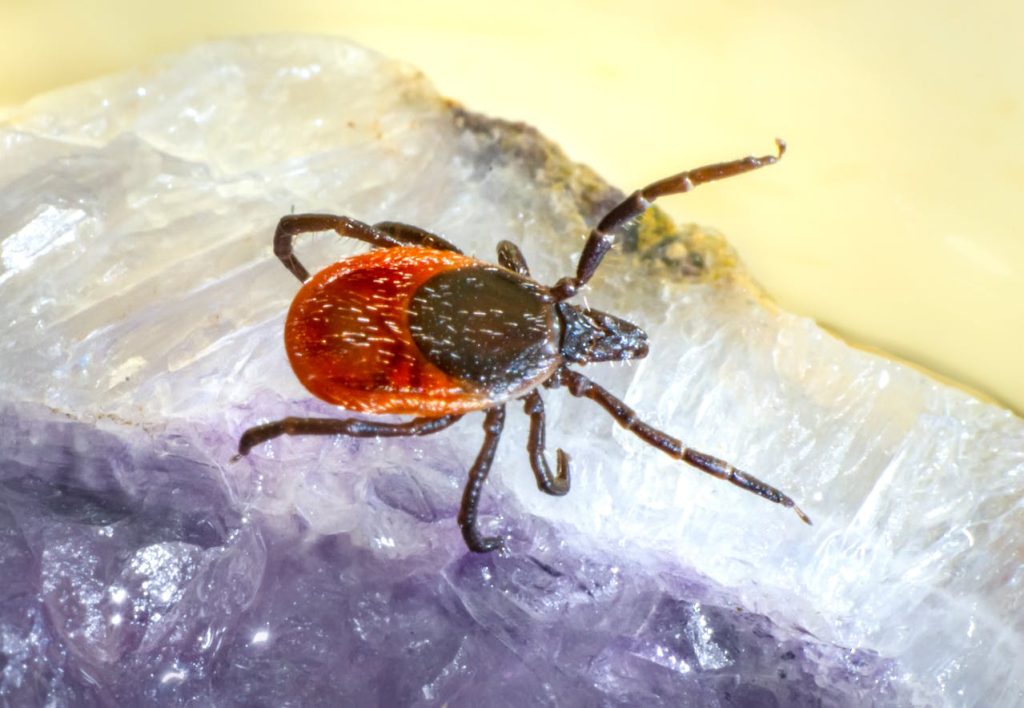
One habit that gets skipped first is acting like tick prevention only matters in midsummer. In Maine, that shortcut breaks down quickly because blacklegged ticks can still be active on days above freezing, even when the ground looks cold and quiet. A bright sun after a cold night can still be enough.
CDC guidance also notes tick exposure can happen year-round, with the biggest activity in warmer months, so hikers who wait for peak heat often miss the real start of risk. The season begins earlier than people think, and routines need to begin with it. That early attention is what keeps a simple walk simple. It belongs in fall too.
Skipping The Lower-Leg Defense

Another common miss happens before the first step onto the trail: clothing choices that leave an easy path to skin. Maine CDC prevention advice stresses long pants and tucking pants into socks because ticks often first get on from the knees down, and CDC also recommends light-colored clothing. It is not about style points. It is about time to spot movement.
That small adjustment looks old-school, but it buys visibility and extra seconds to react. A dark tick on a pale sock is easier to catch than one sliding past a bare ankle or the cuff of a loose pant leg. It also makes later checks faster, because fewer ticks get past cuffs.
Letting Trail Edges Brush Against Clothing

Many outdoor regulars know ticks live in brush, but they still drift to the edge of a path when a trail narrows, a photo stop opens, or a dog pulls sideways. Maine CDC and CDC guidance repeat the same simple rule: stay in the middle of trails and avoid brushing against plants. The reminder sounds basic because it is.
That matters in Maine because tick habitat tends to cluster in shaded woods, leaf litter, and grassy margins near forest edges. A lot of bites do not start with deep wilderness. They start with one careless step into side growth while attention is somewhere else. The risky moment is often the pause, not the walk.
Using Repellent Only When Ticks Are Obvious
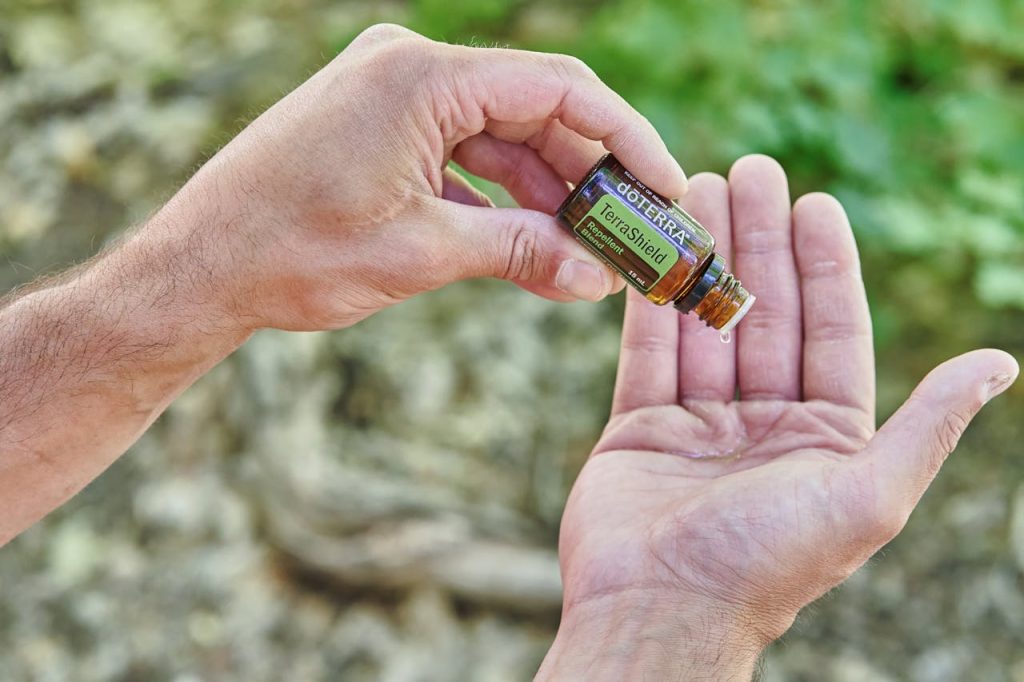
Repellent often gets treated like an optional extra, then pulled out only after a bad season. Maine CDC recommends EPA-approved repellents, and CDC guidance lists ingredients such as DEET, picaridin, IR3535, and oil of lemon eucalyptus products. That list matters because random sprays are not all built for ticks.
The habit that gets skipped is consistency, not awareness. People remember the bottle, but not the routine, or they spray once and assume the job is done without checking the label for timing, coverage, and reapplication. Maine CDC also says to follow label directions and use repellents carefully on children.
Using Permethrin The Wrong Way

Permethrin is another step that gets misunderstood, especially by people who already use skin repellent and feel covered. Maine CDC and CDC both separate the roles clearly: permethrin is for clothing and gear, not skin, and it is used on boots, pants, and packs. That distinction prevents a lot of false confidence.
It matters on long Maine days when hikers move from open sun into damp brush and back again. Treated clothing keeps working in the background while attention shifts to mileage, weather, tide time, or the next turn. CDC notes treated gear stays effective through several washings, which makes the step easier to repeat.
Waiting Too Long To Shower After Coming In

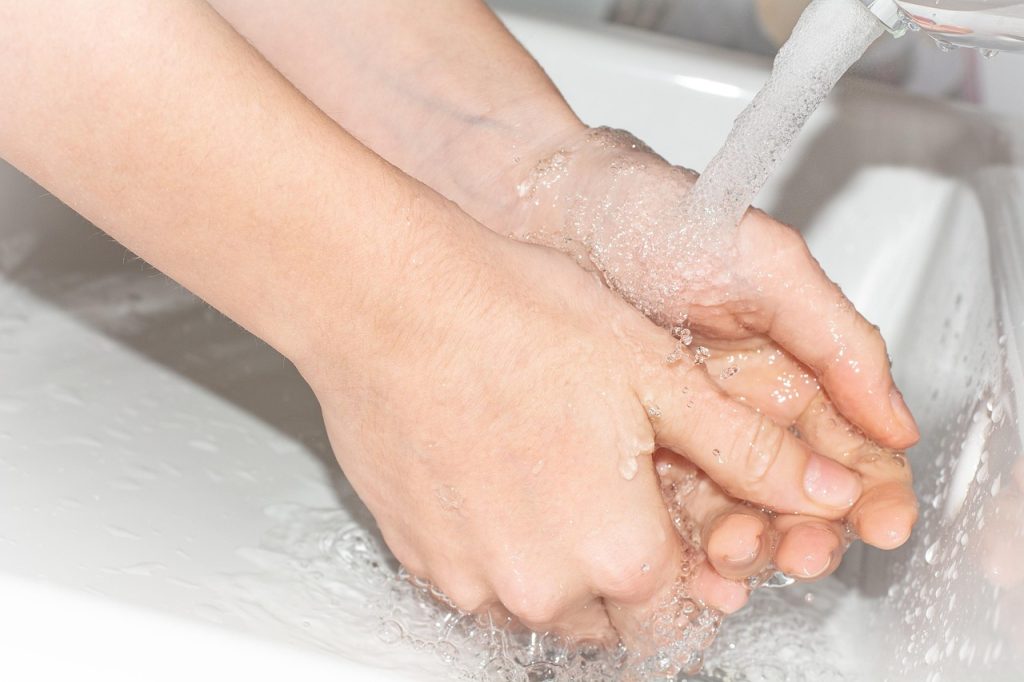
Showering right after an outing sounds excessive until a bite shows up days later. CDC guidance and UMaine Tick Lab both say a shower within two hours can help wash off unattached ticks and creates a built-in moment for a real check instead of a rushed glance. It also slows the habit of dropping gear and forgetting.
This step gets skipped because the walk felt short, the yard work felt ordinary, or the weather felt too cool for concern. In Maine, those are exactly the days when prevention drifts and small exposures quietly add up. The shower works because it locks the check into a routine moment and keeps the habit from slipping.
Doing A Quick Glance Instead Of A Full Tick Check
Tick checks often fail because they are too fast and too casual. Maine CDC, CDC, and UMaine all describe a full-body check, with attention to places people miss on a quick scan: underarms, behind knees, around ears, in hair, at the waist, and in the belly button. The checklist exists for a reason.
The stronger habit uses both sight and touch, plus a mirror when needed, because tiny ticks can feel like a small bump before they are easy to see. A thirty-second glance feels responsible, but it is not the same thing. UMaine also suggests using hands to feel for small bumps, especially where mirrors miss details. That extra pass helps.
Forgetting That Pets Bring The Trail Home

Pets quietly break good prevention routines when they come inside unchecked. Maine CDC and UMaine Tick Lab both warn that dogs and cats can carry ticks indoors, and UMaine adds that routine pet checks and veterinary prevention planning should be part of the same outdoor workflow. A tired dog can still bring trouble home.
This gets skipped because the human tick check feels urgent and the pet looks fine. By the time a tick is found on a couch, a blanket, or a shoulder later that night, the missed step has already moved indoors. UMaine guidance also points to vet visits as a time to review tick products and local disease patterns.
Trying Home Remedies Instead Of Fast Removal

When a tick is attached, the biggest mistake is waiting or reaching for folk remedies. Maine CDC, CDC, and UMaine all say the same thing in plain language: remove attached ticks as soon as possible with tweezers or a tick spoon, and do not use petroleum jelly, heat, or nail polish. Fast and correct beats clever.
People skip the right method because it feels slow in the moment, but delay raises risk. Maine CDC also notes some tickborne germs may spread quickly, so the goal is simple: remove the tick correctly and immediately. Waiting for a better tool later in the day is usually the habit that causes the bigger mistake.
Rushing Tick Removal And Skipping Clean-Up

Even when tweezers come out, many people still grab the body, twist hard, or stop after the tick comes loose. CDC and UMaine both recommend gripping as close to the skin as possible, pulling with steady pressure, and cleaning the bite area, hands, and tool afterward. The finish matters as much as the pull.
A careful finish prevents extra problems, from broken mouthparts to contaminated fingers. Maine CDC also advises sealing or preserving the tick, which can help later identification if symptoms develop. CDC also says not to crush a live tick with fingers, which is another step people forget when they are in a hurry.
Ignoring The Tick Habitat Around The House

Trail habits matter, but Maine prevention often falls apart in the yard where people feel safest. CDC, Maine CDC, and UMaine all describe the same pattern: ticks thrive in leaf litter, tall grass, brush, and damp edges near woods, not only on remote hikes. A backyard can function like a trail edge.
The skipped habits are basic landscape chores that reduce humidity and host traffic, like raking leaves, mowing, moving woodpiles, shifting bird feeders, and creating a wood-chip or gravel buffer between lawn and woods. UMaine also recommends keeping play areas and patios in sunny spots away from wooded edges when possible.
Waiting For Symptoms Or Test Results To Decide

The last habit gets skipped after a bite, when people put too much faith in waiting or testing alone. UMaine Tick Lab is explicit that its testing is for surveillance, not medical diagnosis, and both UMaine and CDC say medical care should not wait if symptoms show up. Testing can inform, but it cannot clear a person.
Maine CDC guidance also underscores why urgency matters: Lyme transmission usually starts later, but some infections may move faster. The better habit is noting when and where exposure likely happened, then acting quickly if rash or fever appears. CDC also says to note when and where the tick was likely picked up.