

On a quiet shoreline, in a marsh at dusk, or beside a slow river, protected wildlife often appears calm enough to approach. That calm is deceptive. In many places, even a brief grab, a selfie touch, or a disturbed nest can be treated as harassment, capture, or unlawful take under conservation law. These protections exist because small disruptions can collapse breeding seasons, migration timing, and food webs. Rangers and biologists now frame one rule clearly: distance keeps animals alive, and it also keeps people clear of investigations, fines, and criminal charges that follow illegal contact during sensitive seasons.
Piping Plover
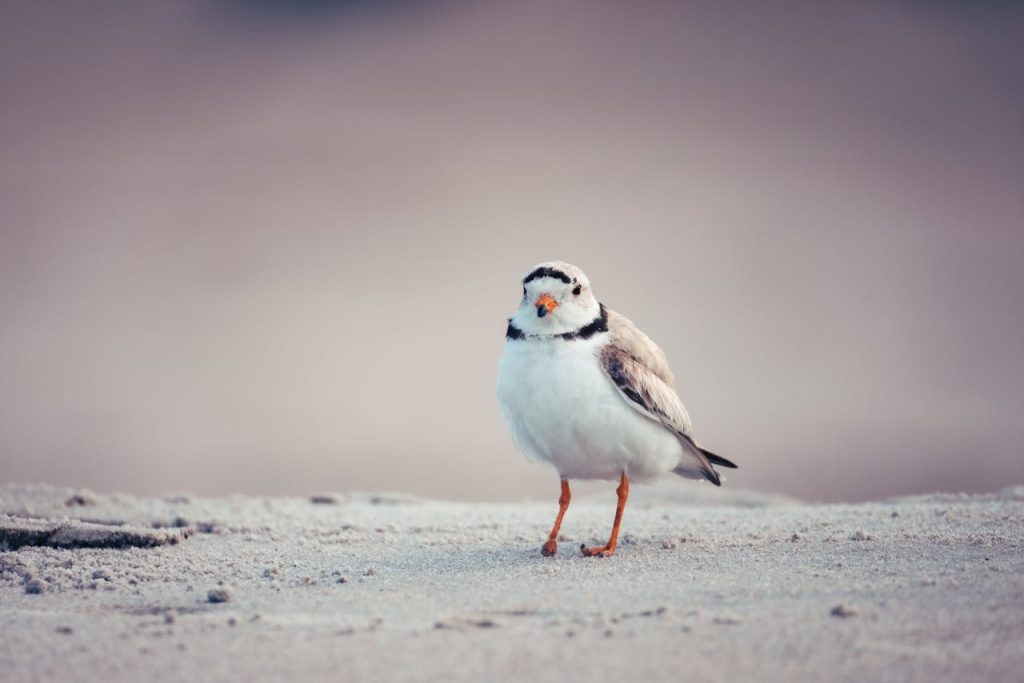
The piping plover looks fragile enough to disappear into dry sand, and that camouflage is exactly why accidental trampling is such a threat. U.S. protections cover different populations as threatened or endangered, and nesting closures are enforced because one interrupted breeding window can erase a full year of gains.
On active beaches, stepping into fenced areas, handling chicks, or disturbing nests can be treated as unlawful take, not harmless curiosity. Wildlife officers repeatedly stress that the safest way to help this species is space during nesting months, when adults feed chicks nonstop.
California Red-Legged Frog
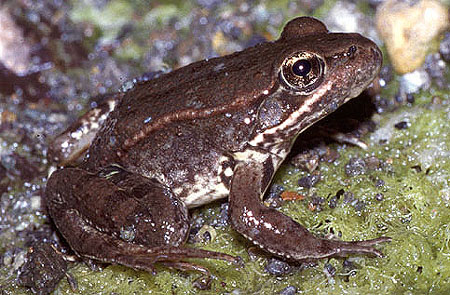
California’s red-legged frog once occupied far more of the state, but wetland loss, altered waterways, and invasive predators pushed it into a far narrower footprint. Federal listing triggered habitat and recovery safeguards, so direct handling in occupied sites can quickly become more than a minor field mistake.
Because amphibians absorb pollutants through their skin, even brief human contact can add stress at exactly the wrong life stage. Enforcement attention rises near breeding waters where eggs, juveniles, and adults are vulnerable to disturbance, trampling, and sudden habitat changes.
Atlantic Sturgeon
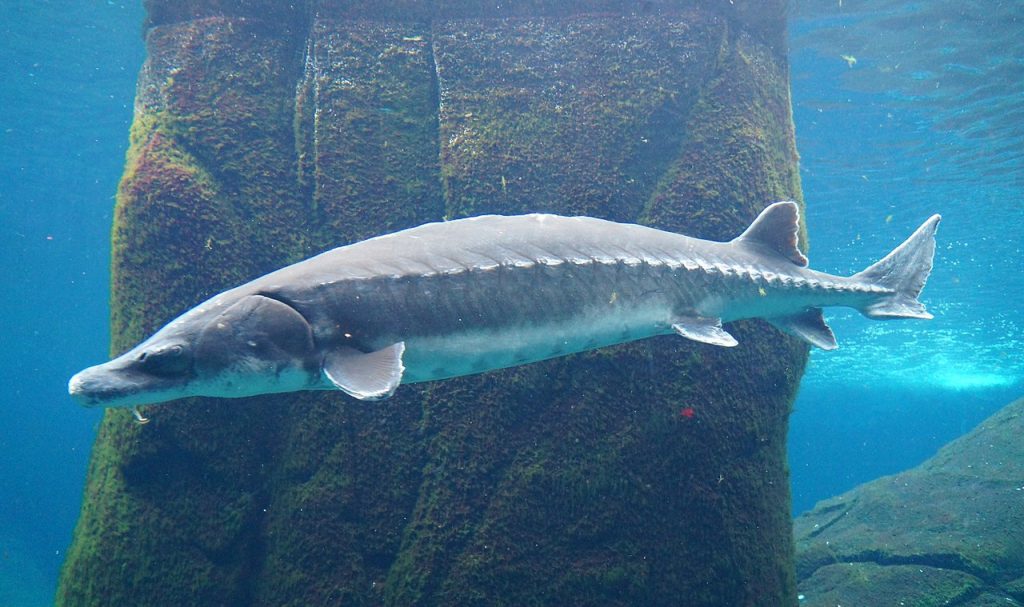
Atlantic sturgeon survived since prehistoric eras, yet modern pressure from dams, vessel strikes, and historic overharvest left several population segments federally endangered. NOAA’s listing decisions reflect how slowly this fish reproduces, which means every unlawful capture or handling event can carry outsized biological damage.
Rules limiting harvest and disturbance are not symbolic. They are designed to protect fish that may take many years to mature and spawn. Where restrictions apply, contact that looks casual can still trigger serious enforcement action under endangered species law.
Burrowing Owl
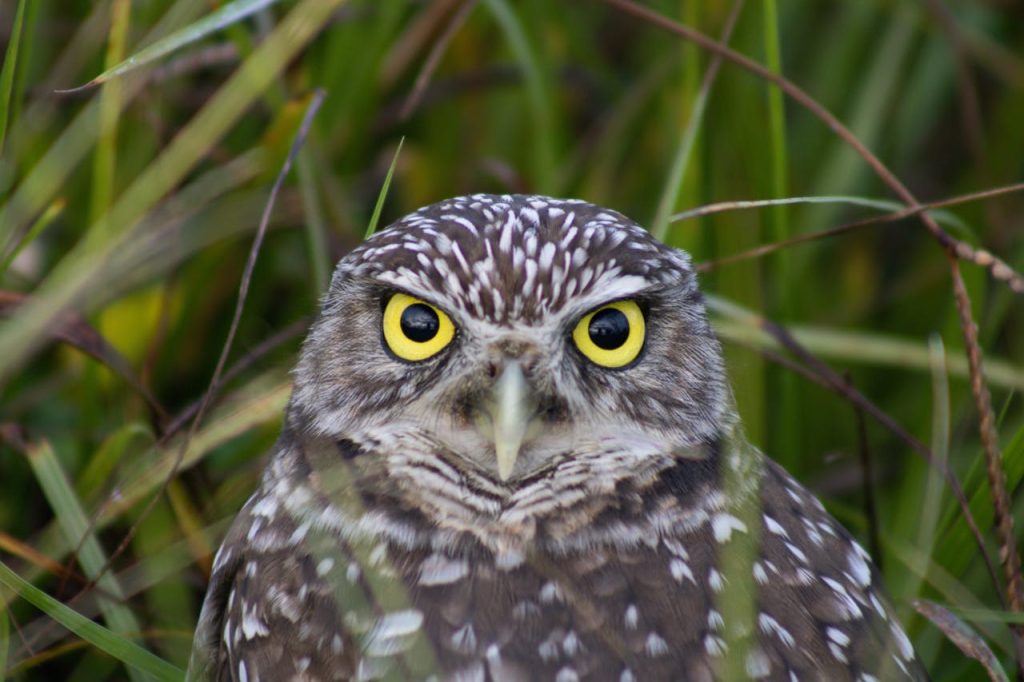
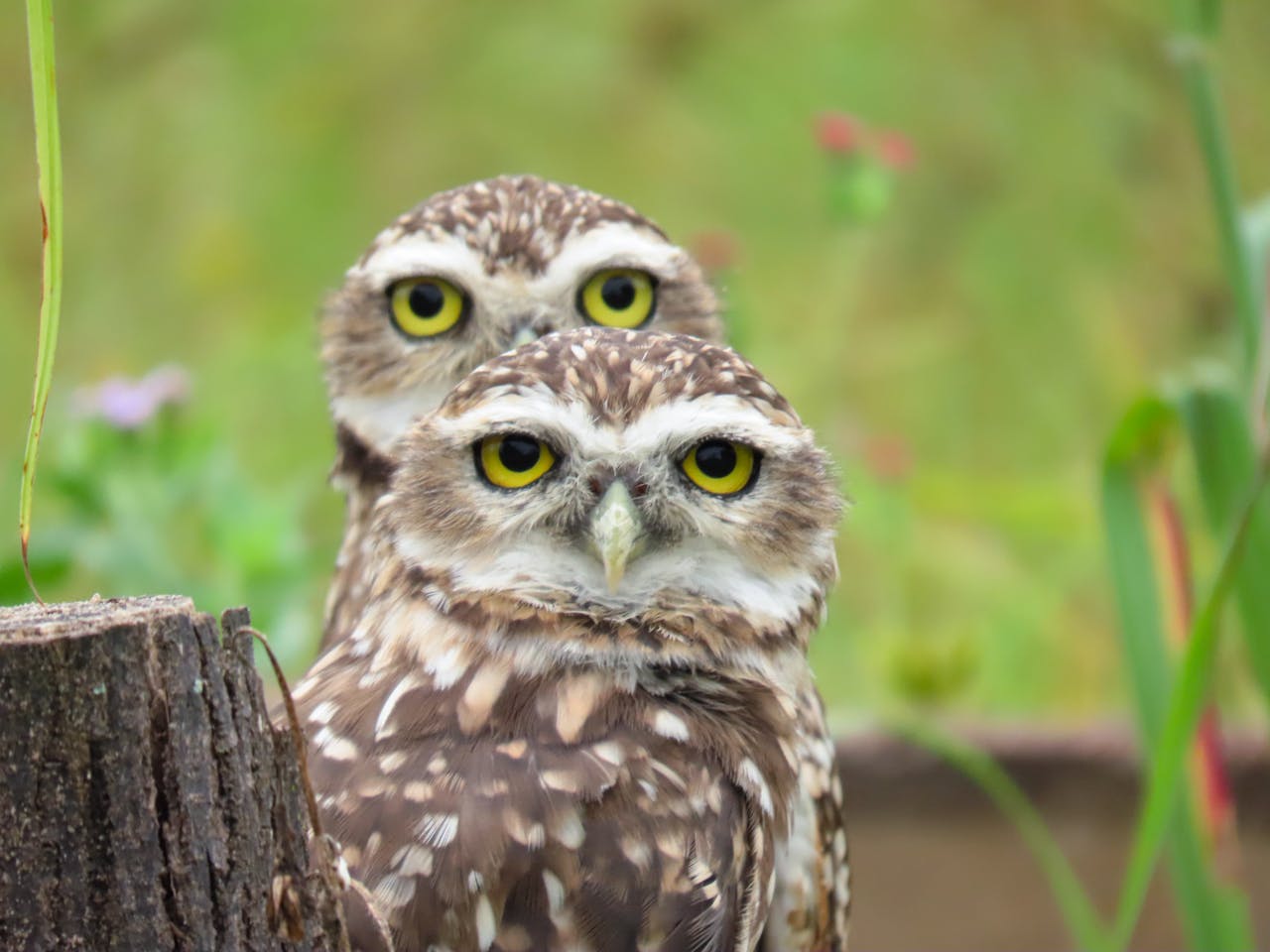
Burrowing owls nest in ground cavities, often in open places where people assume no nest exists at all. That visibility problem is exactly why regulators treat disturbance seriously: this species is protected under the Migratory Bird Treaty Act, and active nests are legally sensitive.
Digging near burrows, removing material, or handling birds around nesting sites can lead to violations when eggs or dependent young are present. Wildlife guidance emphasizes caution in known owl habitat because one disturbance can collapse breeding success in a colony during a short season and reduce local returns.
Eastern Indigo Snake
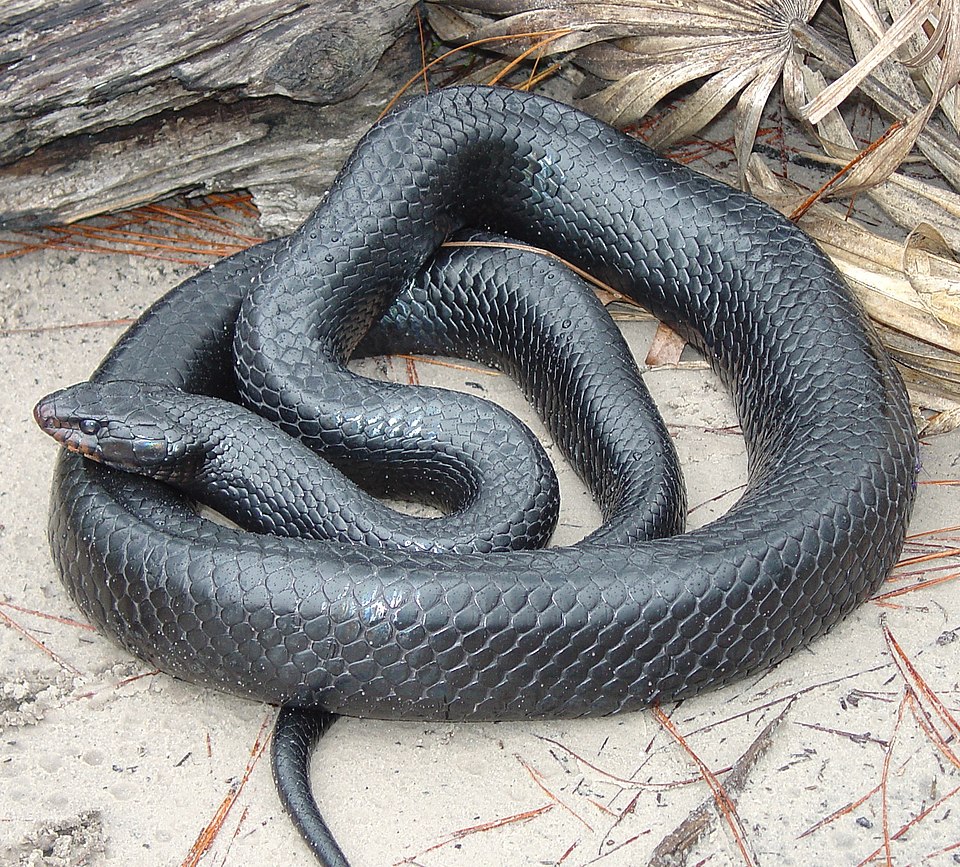
The eastern indigo snake is nonvenomous, strikingly dark, and often misunderstood, which has made it vulnerable to habitat fragmentation and illegal collection. Federal protection recognizes that unauthorized capture, transport, or handling can undermine recovery in already fragmented landscapes.
In longleaf and scrub systems, this snake helps stabilize food webs by preying on other small animals, including species that surge when predators disappear. Conservation agencies treat direct interference as a legal and ecological problem, not a harmless encounter in the brush or along road edges.
Florida Manatee
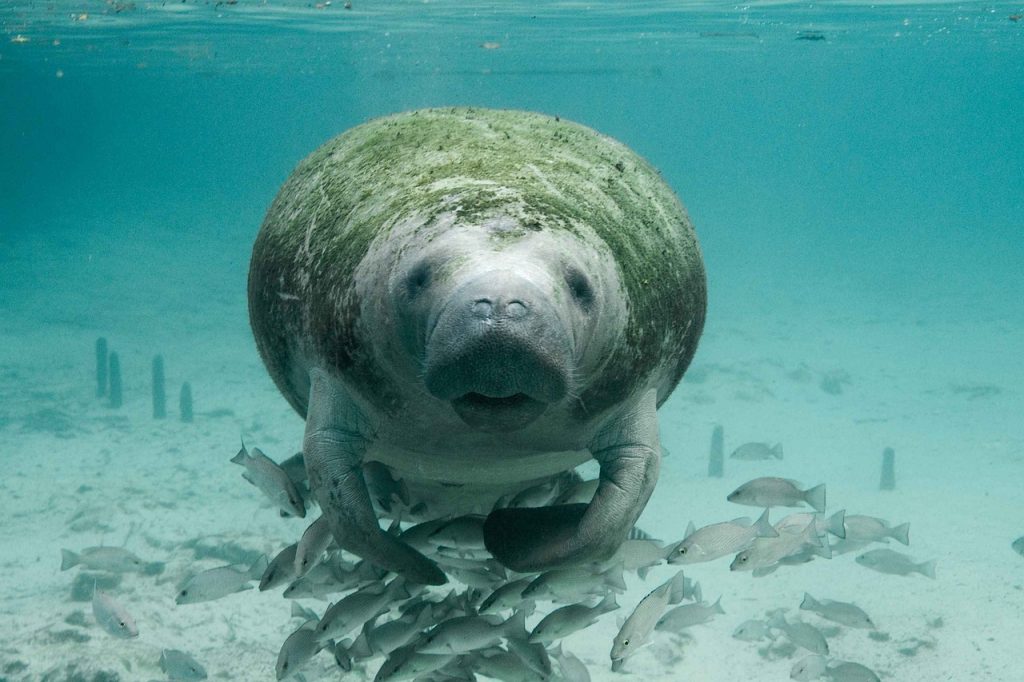
Manatees move through warm shallows and springs where boats, crowds, and close approaches create constant pressure. In U.S. waters they are protected under federal wildlife law, and agencies classify chasing, feeding, or touching as harassment rather than friendly contact.
That legal framing matters because repeated disturbance changes resting, nursing, and migration behavior across whole seasons. In Florida, enforcement messaging is blunt: admiration from a distance is legal, physical interaction is not, and penalties can escalate quickly when harassment is intentional.
Rusty Patched Bumble Bee
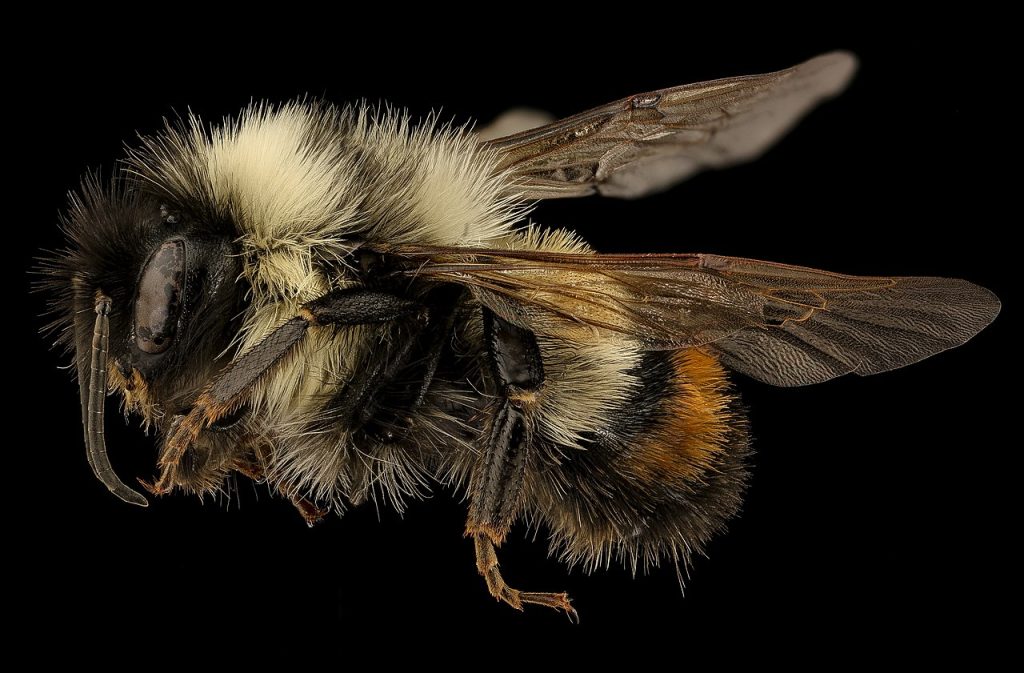
The rusty patched bumble bee became the first bumble bee in the continental U.S. to receive endangered status, a milestone that signaled a wider pollinator emergency. With major range contraction already documented, recovery depends on habitat protection and reduced disturbance across nesting and foraging areas.
Direct collection, killing, or prohibited take can trigger federal consequences because endangered insects are protected wildlife, not background garden life. The species now stands as a legal reminder that even tiny animals play an ecological role in prairies, farms, and city greenspaces.
Red Wolf
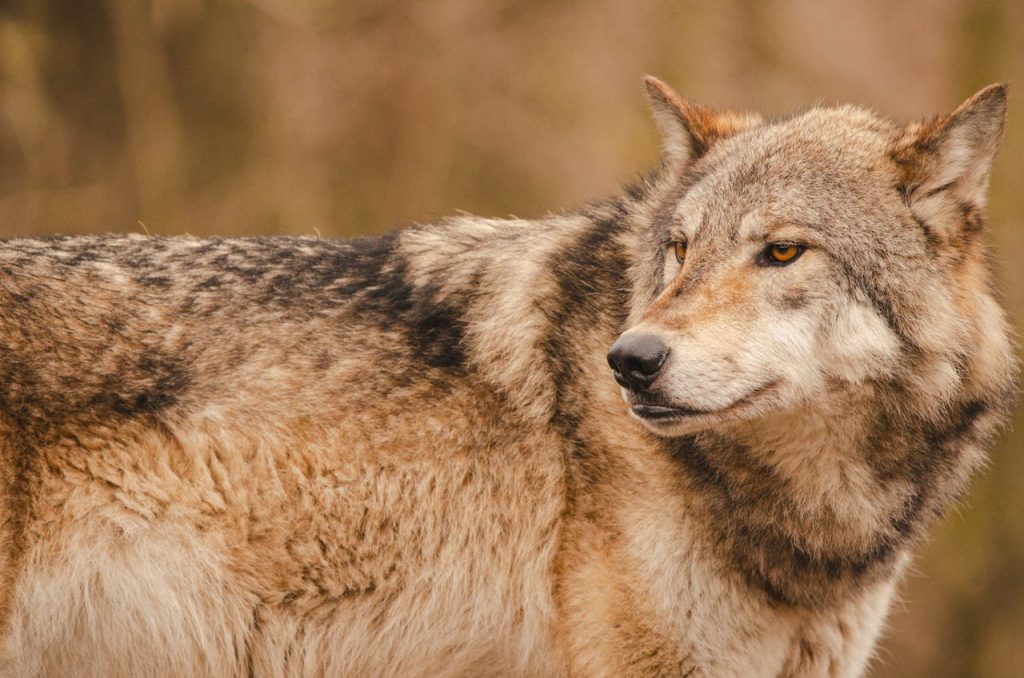
The red wolf remains one of North America’s most imperiled carnivores, with recovery tied to a small, intensively managed wild population. That rarity is why unauthorized touching, capture, or interference is not treated as a minor infraction under endangered species law.
Predators at this level regulate prey behavior across whole landscapes, so every individual matters far beyond one sighting. When agencies investigate incidents, they focus on cumulative harm: repeated disruptions can sabotage recovery just as surely as direct killing in a limited population, where losses are hard to replace.
Gray Whale
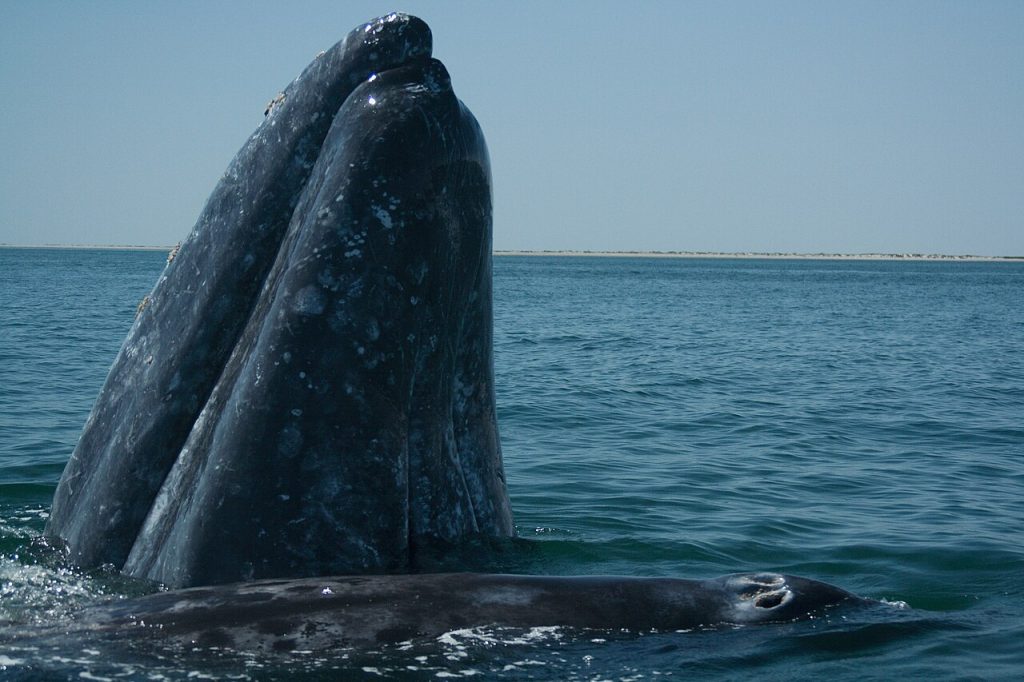
Gray whales are protected under the Marine Mammal Protection Act throughout their range, and one western Pacific population remains endangered under U.S. law. That dual framework matters because close pursuit, touching, or disruptive vessel behavior can qualify as illegal harassment even without physical injury.
Management plans are built around migration, feeding, and calving rhythms that are easy to disrupt in crowded coastal corridors. Agencies treat unlawful disturbance as a serious offense because stress accumulates across repeated encounters over entire migration routes and breeding cycles.
Sea Turtles In U.S. Waters
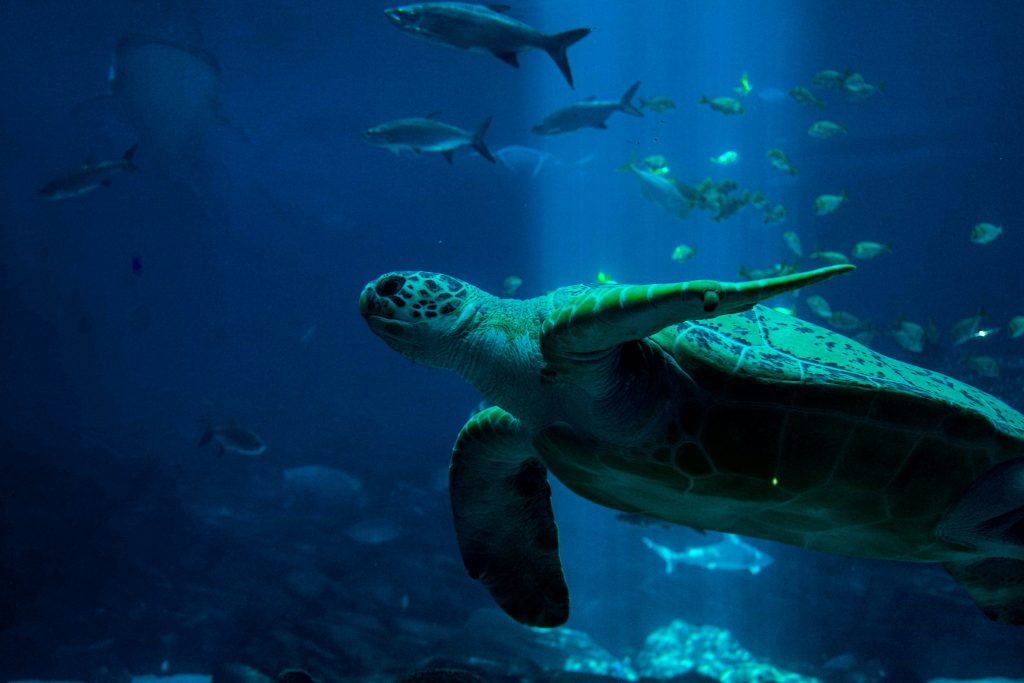
Sea turtles return to beaches with remarkable precision, yet nesting and nearshore seasons place them directly in the path of tourism and boat traffic. NOAA states that all six sea turtle species found in U.S. waters are protected under the Endangered Species Act, making unauthorized interference a federal issue.
Handling a turtle, crowding a nesting female, or disrupting hatchlings can cross legal lines quickly, especially in marked nesting zones. The rule is strict for a reason: a single disturbed nest can mean dozens of lost hatchlings in one night, with effects that echo across years.
Iberian Lynx
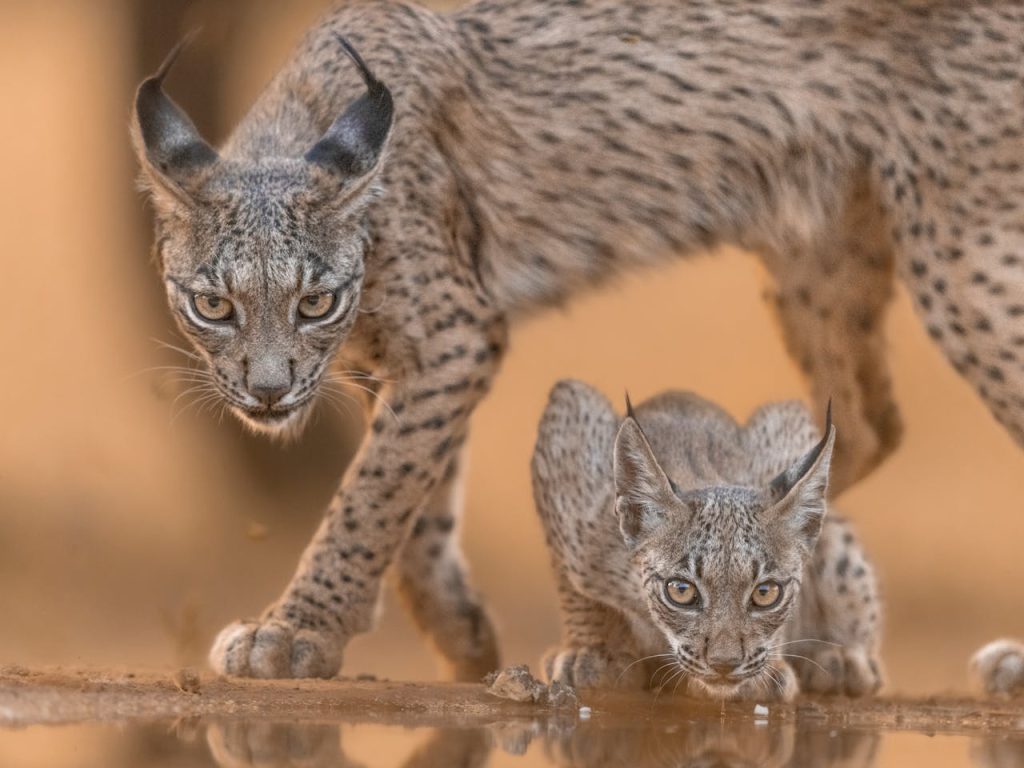
The Iberian lynx has rebounded from near-collapse, but legal protection remains strict because recovery is still fragile and habitat remains patchy. Across the EU framework, Annex IV protections prohibit deliberate capture, killing, and disturbance of listed species, including breeding contexts.
Trade controls add another barrier through CITES Appendix I treatment, reflecting how quickly illegal handling can feed wider wildlife crime. For this cat, progress came from strict enforcement paired with habitat restoration, not from relaxed contact rules or casual handling in range areas.
European Hamster

The European hamster was once common in farmland, yet steep declines pushed it into strict legal protection status in parts of Europe. Under EU species frameworks, protections target capture, killing, and breeding-site disturbance because fragmented landscapes leave little margin for additional pressure.
What looks like an ordinary field mammal can therefore sit under extraordinary legal safeguards. Conservation policy now treats direct interference as a biodiversity risk with legal consequences, especially where remnant populations survive in isolated pockets and shrinking habitat blocks.
Saiga Antelope
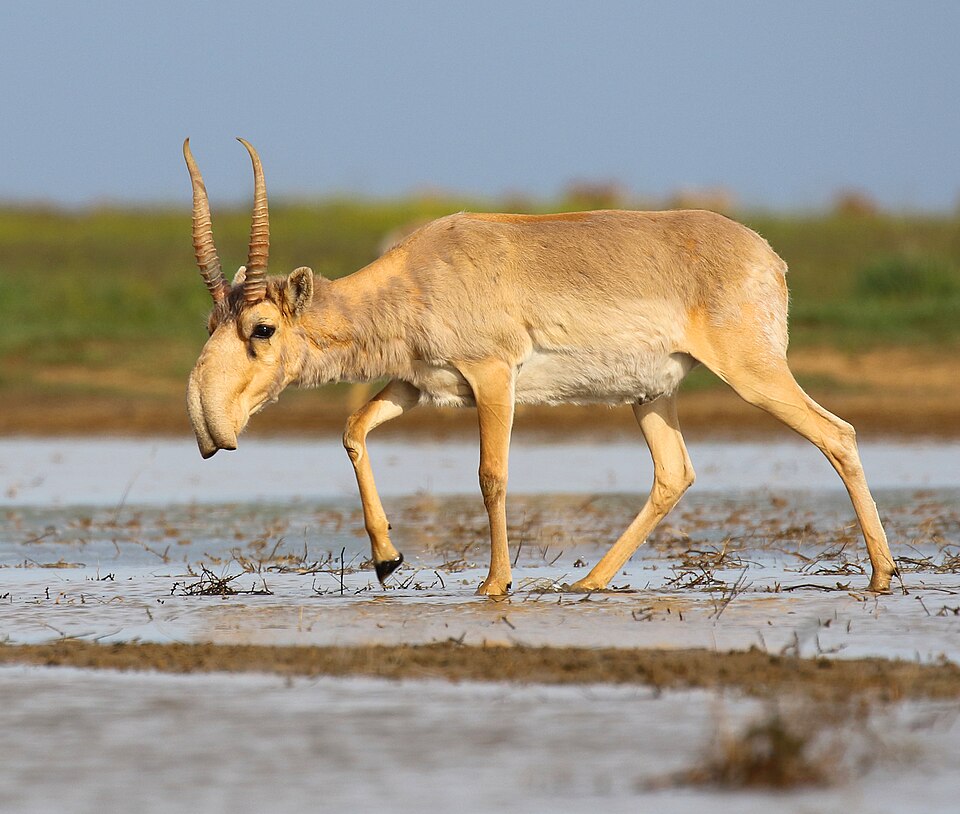
The saiga antelope, known for its distinctive nasal structure and long-range steppe movement, has faced intense poaching pressure and abrupt population shocks. International controls place saiga under CITES trade regulation, and range-state agreements under migratory frameworks reinforce coordinated protection.
In practical terms, illegal capture or trade-linked handling can trigger cross-border enforcement pathways, not just local penalties. Saiga recovery depends on intact migration systems, so even isolated violations carry consequences well beyond one animal and one border region.
Pygmy Hog
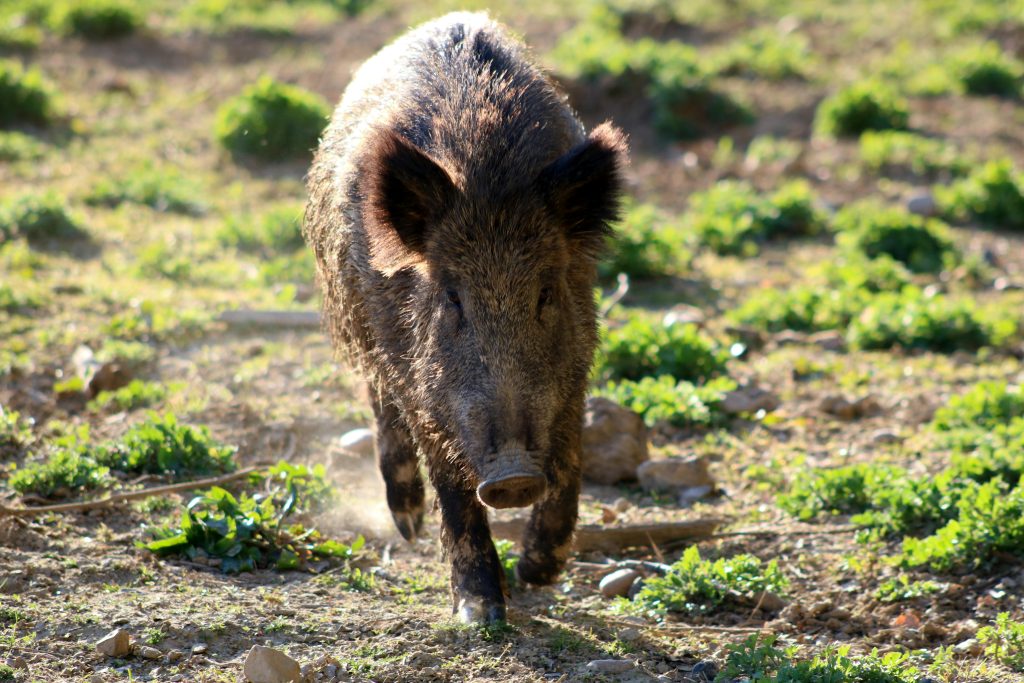
The pygmy hog survives in a narrow grassland world in India, where habitat fire patterns, encroachment, and fragmentation can erase populations quickly. India classifies the species under top-tier legal protection, and enforcement has become central to its recovery pathway.
Because this animal persists in small, sensitive groups, direct capture or handling risk is both legal and ecological. Conservation teams have shown recovery is possible, but only when habitat management is matched by strict no-contact enforcement and sustained protection of alluvial grasslands where groups persist for decades ahead.
Across coasts, grasslands, forests, and wetlands, the same lesson keeps repeating: recovery succeeds when contact stops and habitat pressure eases. Laws can look strict in the moment, but they were built from decades of loss, then hard-won rebounds. Respectful distance is not cold or indifferent. It is one of the most practical forms of care wildlife still gets from human communities.
Protected wildlife survives when distance replaces impulse. One touch can unravel recovery efforts and open door to legal trouble.