

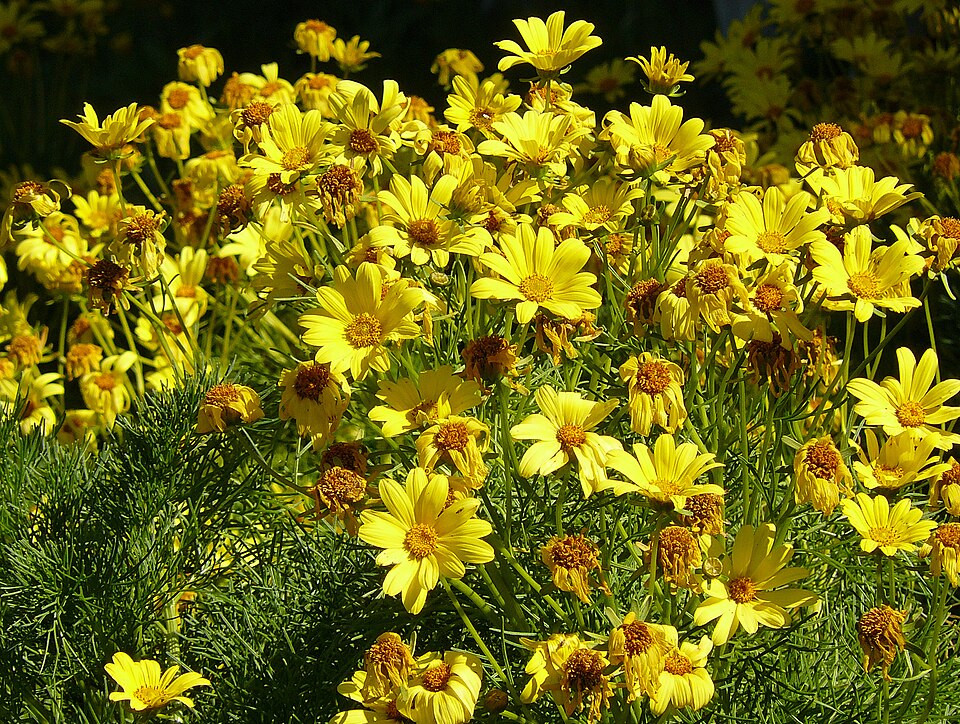
Spring photos promise flawless color, tidy mounds, and nonstop bloom, yet real beds answer to soil texture, heat swings, rain, and crowding roots. Many classic perennials are still excellent plants, but they often need smarter siting and steadier upkeep than social feeds suggest. By early summer, the gap between camera ready and lived garden often appears as bare pockets, leaning stems, or mildew.
A practical plan reads habits early, when foliage disappears, where stems lean, and how fast clumps thicken across one season in most yards. With that lens, bright spring picks can stay beautiful without the familiar letdown.
Hellebore
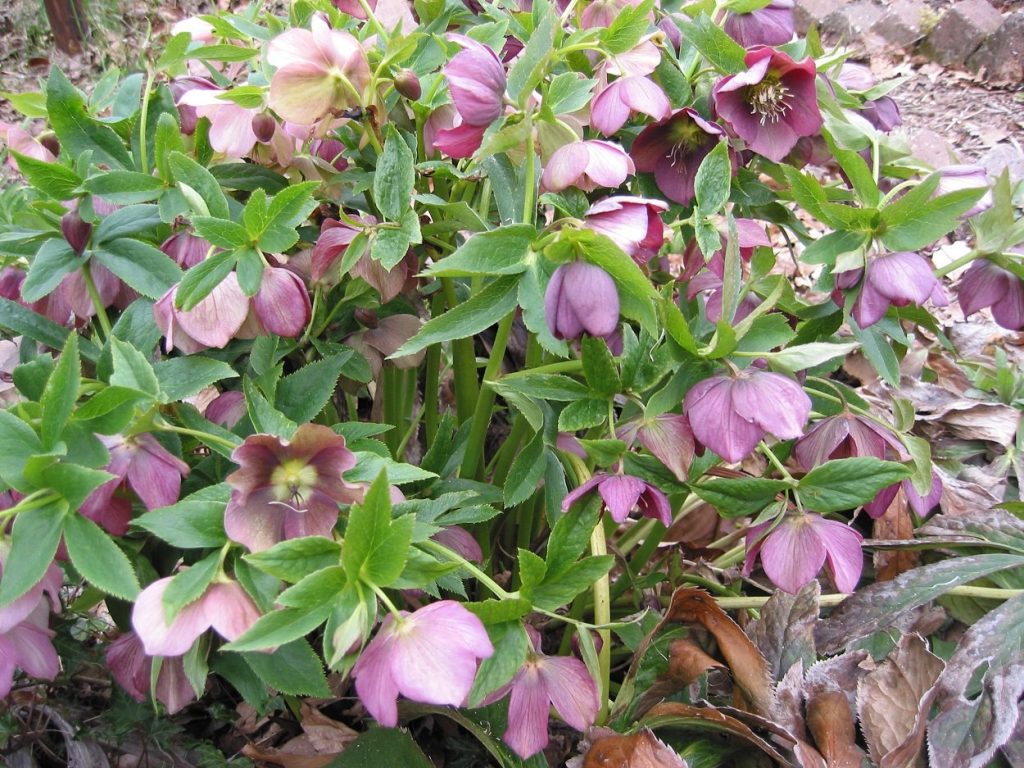
Hellebores open when little else is blooming, so spring photos make them seem effortless. In real beds, they lose polish fast when roots dry or afternoon heat reflects off stone. RHS notes they perform best in fertile, evenly moist soil with light shade, and older foliage should be removed as new buds rise.
Placed in cooler edges with steady moisture, they hold color and structure much longer in most yards. Deer usually leave them alone, but deer resistance cannot compensate for harsh siting. Good placement, late winter cleanup, and consistent moisture keep hellebores closer to the lush look that inspired the planting.
Virginia Bluebells

Virginia bluebells can create a stunning blue drift in spring, then vanish so quickly that beds feel unfinished. That shift is normal. Missouri Botanical Garden and Penn State describe bluebells as spring ephemerals whose foliage dies back as dormancy starts by early to midsummer. The plant is not failing, but the display window is brief.
Disappointment usually comes from design, not plant health. Borders that expect season long coverage from bluebells alone will show bare pockets after bloom. Pairing them with later emerging companions like ferns or hosta preserves continuity and keeps the transition graceful instead of abrupt.
Viola
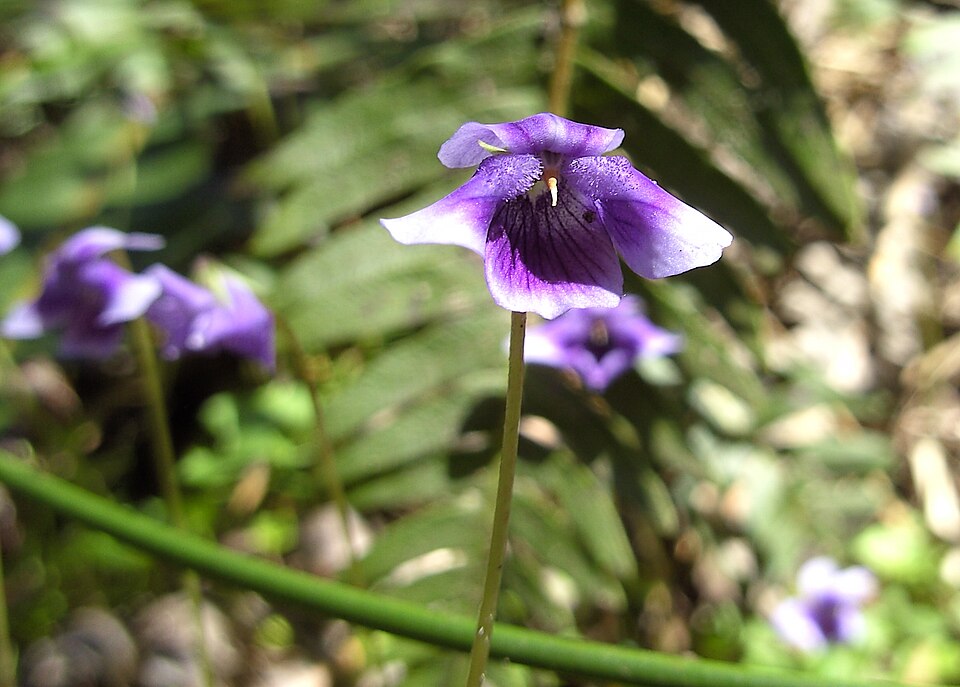
Violas look rich and full in cool spring weather, which is why they perform so well in early photos. The slump begins when heat settles in. Controlled research on pansy and viola performance found prolonged high temperatures reduce growth and flowering, so lush April plantings can thin quickly by early summer in warm regions.
Crowded spacing and skipped deadheading accelerate the decline by reducing airflow and piling up spent blooms. Violas still bring excellent seasonal color, but they work best as a cool weather layer, not a long season backbone. Treated that way, their fade feels planned rather than disappointing.
Peony
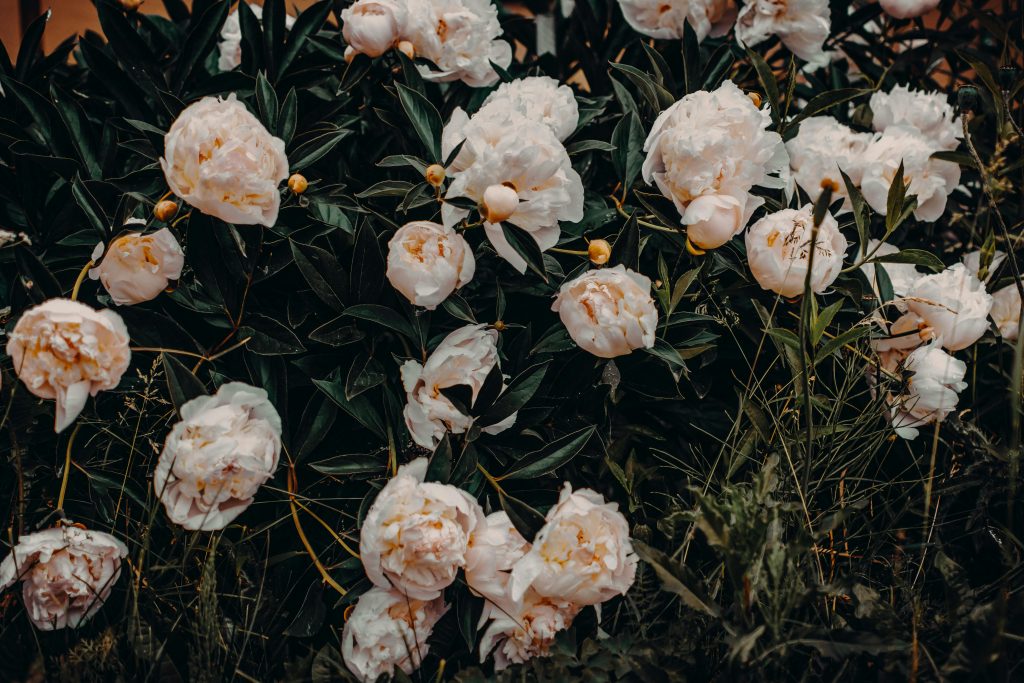
Peonies are famous for dramatic spring bloom, yet many beds repeat the same frustration: heavy flowers bend or collapse after wind and rain. Iowa State Extension also points to planting depth as a hidden issue. When buds sit deeper than roughly one to two inches, foliage can look healthy while bloom stays sparse.
Crowding adds stress by reducing light and airflow around mature stems. Peonies prefer stable, sunny space and dislike frequent transplanting, so repeated moving delays performance. Correct depth, simple spring support rings, and patient establishment usually restore upright form and fuller bloom cycles over time.
Bearded Iris
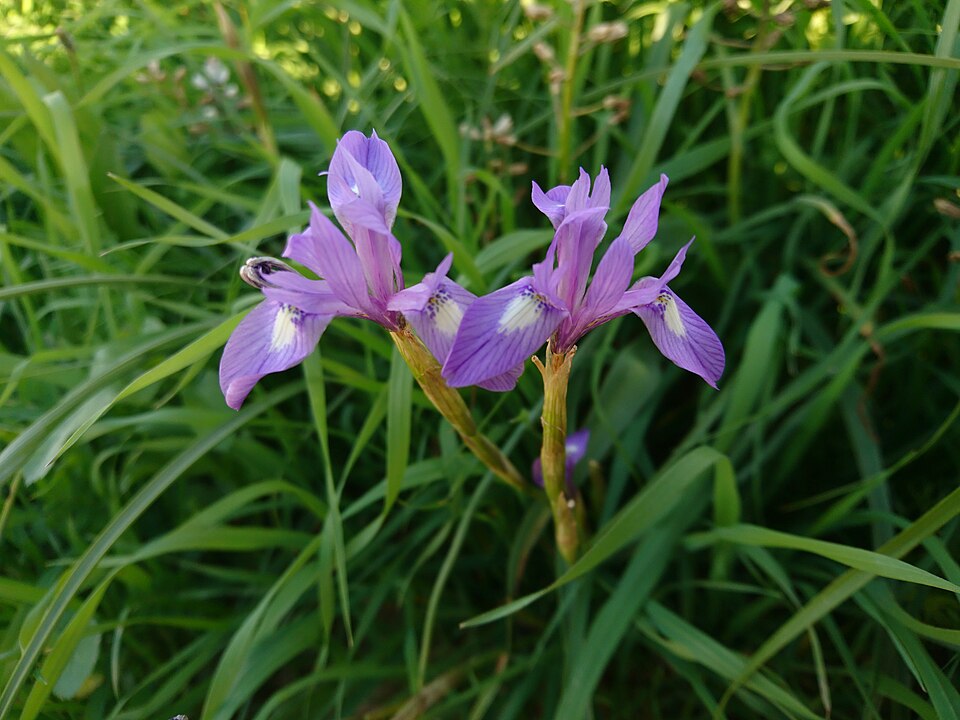
Bearded iris appears crisp and sculptural in spring catalogs, but real clumps decline when drainage is poor or rhizomes sit too deep. Missouri Botanical Garden notes best flowering and disease resistance in full sun with well drained soil. Constant moisture around rhizomes can trigger rot and weak bloom, especially in heavy clay or dense mulch.
The mismatch starts when iris is treated like a thirsty border perennial. It performs better with open airflow, leaner conditions, and rhizomes near the surface where warmth reaches them. Timely division and careful siting keep fans vigorous and preserve the form shown in spring displays.
Baptisia
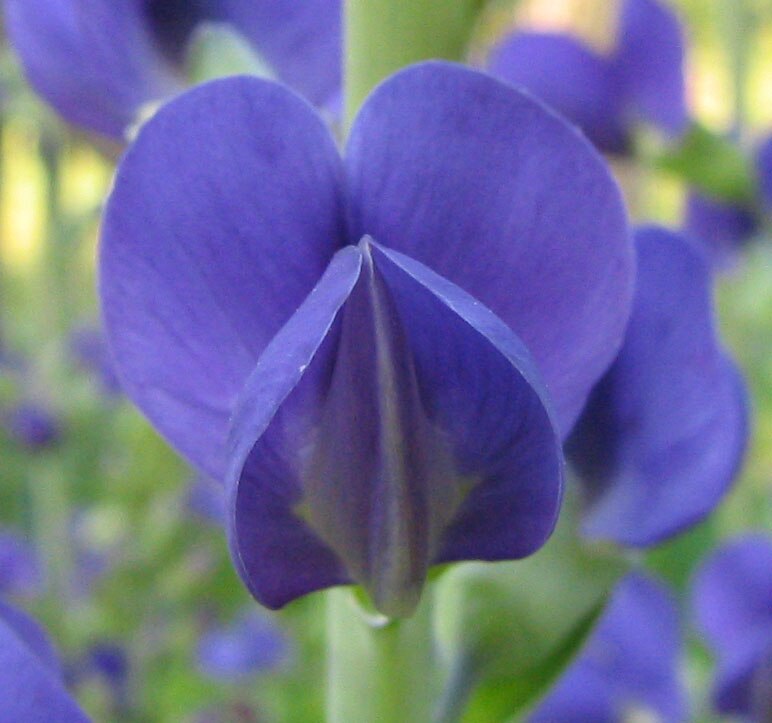
Baptisia photographs as an upright, tidy perennial, yet young plants often look slow in gardens. NC State explains why: a deep taproot gives drought tolerance but makes transplanting difficult. Much of the early sulk follows relocation. During establishment, growth often focuses below ground, so top growth may stay modest for the first seasons.
Once settled, baptisia becomes long lived and structurally strong, with reliable bloom and sturdy foliage. Problems begin when it is treated as temporary color and moved later. Giving it permanent space from the start avoids setbacks and keeps its shrub like form consistent across years.
Hardy Geranium
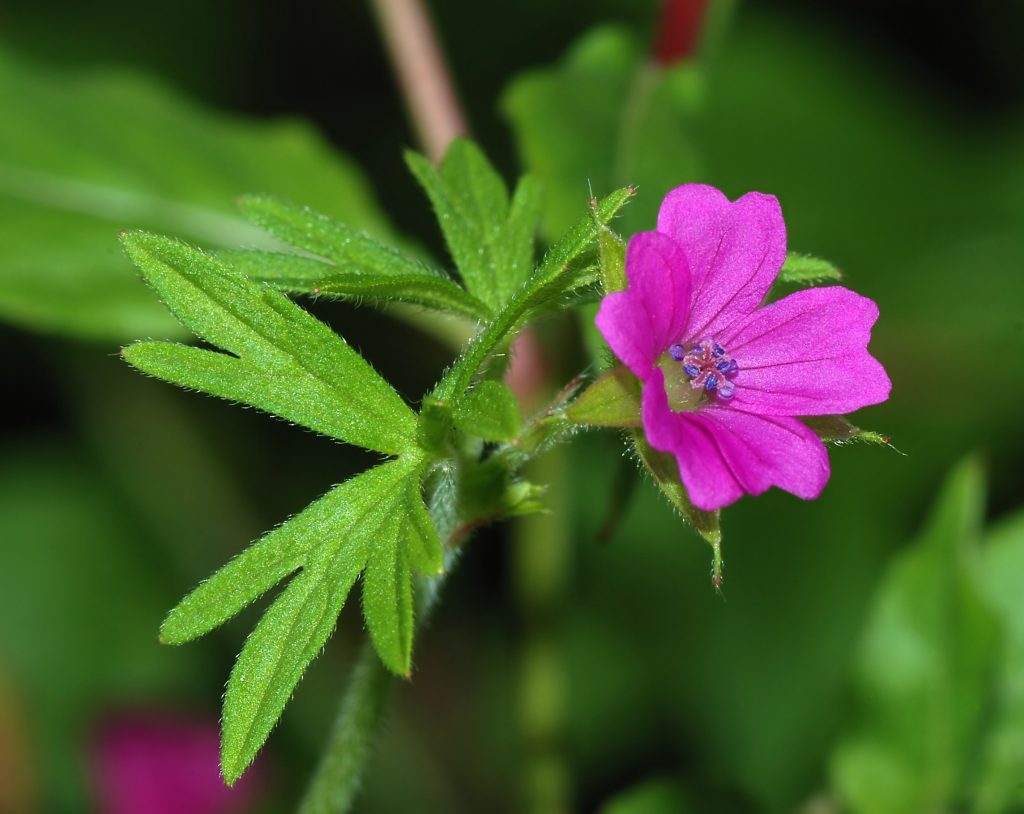
Hardy geraniums are often photographed as compact mounds covered in flowers, and many cultivars start that way. By midsummer, unmanaged clumps can loosen and sprawl at the edges. Missouri Botanical Garden recommends well drained soil with medium moisture and notes that light shearing after bloom can refresh foliage and shape.
Most letdowns come from crowding, not weak genetics. When neighboring perennials close in, airflow drops and the mound loses definition. A midseason trim and clearer spacing restore compact growth and cleaner color. Managed with that reset, hardy geranium stays graceful instead of turning ragged by summer.
Black-Eyed Susan

Reza Madani/Unsplash
Black eyed Susan delivers bright color, but many gardens see a shift after the first big season. Clemson describes common forms as short lived perennials that self seed readily. In practice, tidy clumps can thin while seedlings appear in new spots, so the border looks looser than photos suggest even when the plant is healthy.
Formal beds may need deadheading and selective thinning to keep structure intentional. Naturalistic plantings can embrace the reseeding habit and let colonies expand. Matching design style to plant behavior prevents frustration and keeps black eyed Susan feeling energetic rather than messy or unpredictable.
Coreopsis
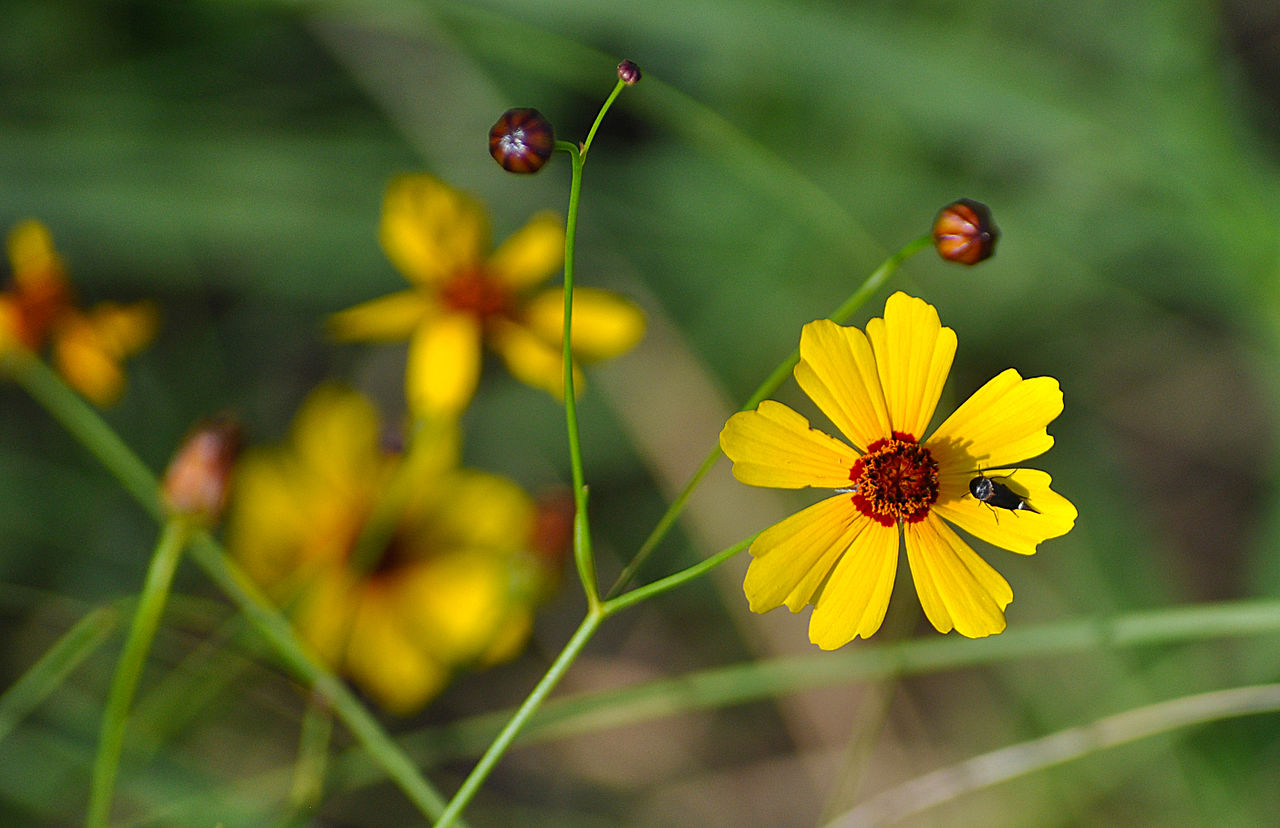
Coreopsis brings clean yellow bloom early, but strong performance usually depends on upkeep. Missouri Botanical Garden notes prompt deadheading can extend bloom and limit self seeding, while shearing later can tidy sprawling foliage and encourage a lighter rebloom. Without that reset, many clumps become thin stalks above tired leaves by midsummer.
Soil also changes behavior. In richer, wetter ground, some forms spread faster and lose the compact outline seen in nursery shots. Leaner, well drained sites preserve shape and flower quality longer. Treated as a cut back and refresh perennial, coreopsis stays lively through the season.
Echinacea
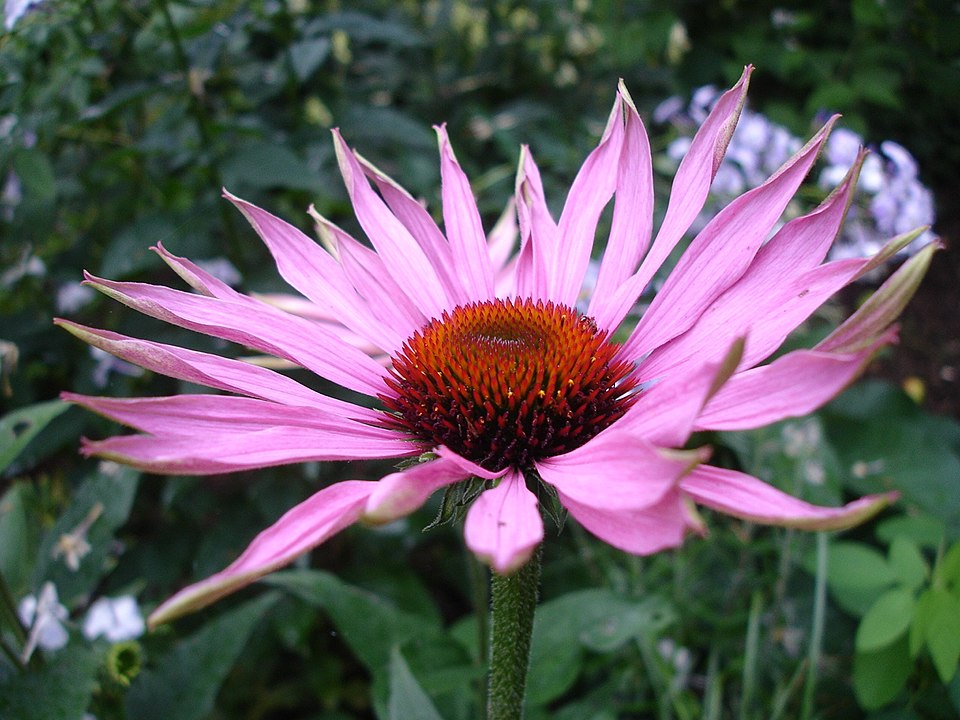
Echinacea is sold as carefree color, yet real clumps vary with site and crowding. Missouri Botanical Garden says it performs best in full sun and well drained soil, with division when plants become congested. Seed heads left in place can self seed, which supports naturalized beds but may surprise gardeners expecting fixed placement.
Most sulking starts with mismatch: too much shade, moisture, or crowding. Under those conditions, stems stretch and bloom count drops. Balancing cleanup with selective seed head retention keeps order and habitat value in one planting. That rhythm helps coneflower stay robust after the first flush.
Garden Phlox
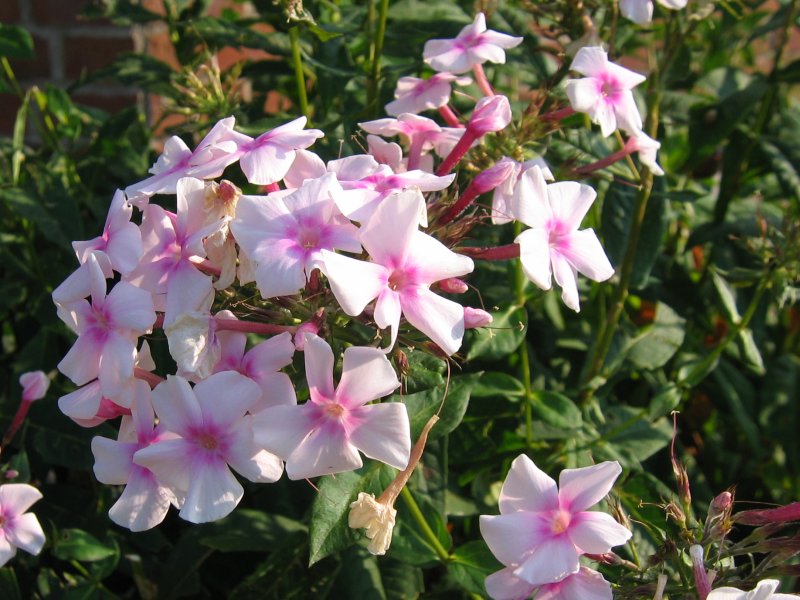
Garden phlox promises lush color, yet many spring plantings later show powdery leaves and weaker bloom than expected. Missouri Botanical Garden and Iowa State both emphasize airflow, spacing, and watering at the base to reduce mildew. In humid weather, crowded stems and damp foliage quickly erase the fresh look seen in polished photos.
Phlox is not fragile, but it is unforgiving of packed borders and stagnant air. Consistent root moisture, stem thinning, and less overhead watering keep foliage cleaner and flowering stronger through summer. With those basics, phlox stays fragrant and full instead of becoming a mildew headache.
Russian Sage
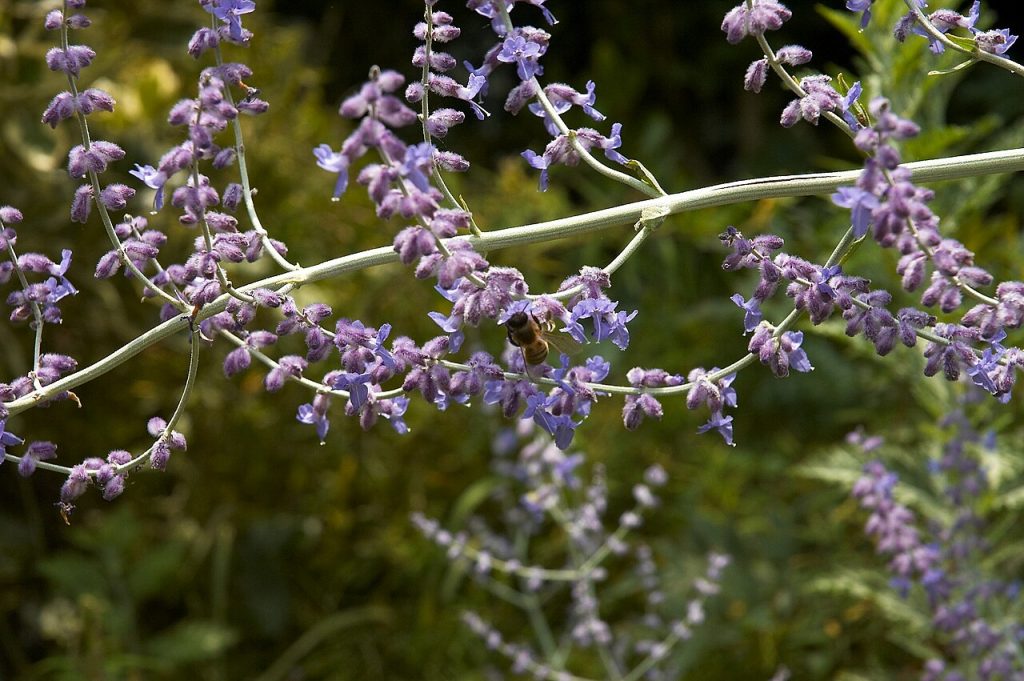
Russian sage gives borders a violet haze, but it sprawls when grown in shade or overly rich soil. Missouri Botanical Garden notes best flowering in full sun with sharp drainage and states flopping is more likely in part shade. Fertile, wet conditions push lank stems that collapse after weather swings, leaving a tangled look.
Many weak plantings sit in beds designed for thirstier perennials. Leaner sites produce stronger stems and cleaner silver foliage. Cutting plants back hard in late winter to early spring rebuilds structure before growth begins. Treated as a sun and drainage specialist, Russian sage holds its form far better.
Daylily

Daylilies are durable, but photos often hide their bloom rhythm. Each flower lasts one day, while the clump carries color through successive buds. UMN Extension notes established clumps can still provide long displays, yet older overcrowded masses often decline in bloom quality if never divided. Foliage remains, but floral impact drops.
That slow decline makes mature beds feel underwhelming. Dense crowns produce fewer strong scapes and scattered color. Periodic division, full sun siting, and modest soil renewal reset vigor and bloom count. Managed on that cycle, daylilies stay reliable show plants instead of green filler.
Asters
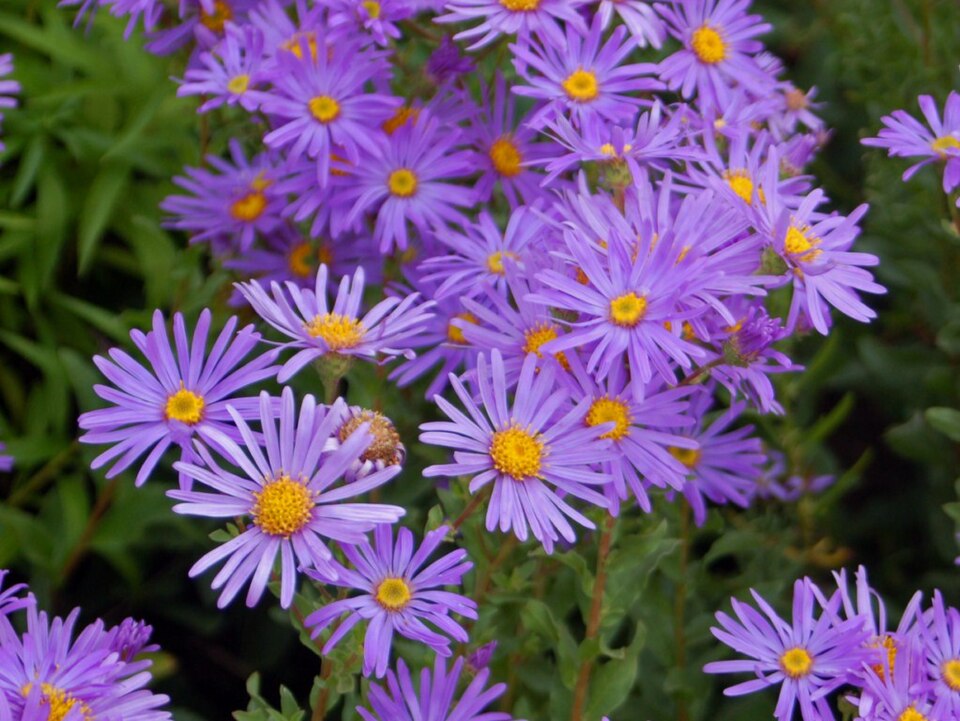
Asters can look balanced in spring sales photos, then grow tall and loose by bloom season in real beds. Missouri Botanical Garden notes pruning stems in late spring or early summer encourages bushier growth and stronger stems, while good airflow reduces foliar disease pressure. Without those steps, flowering continues, but form often looks unruly.
Rich soil and partial shade can intensify legginess in older clumps. Strategic pinching, occasional division, and brighter siting keep structure compact and bloom spread more evenly. With that routine, asters finish with poise instead of the sprawl that catches gardeners off guard.
Delphinium
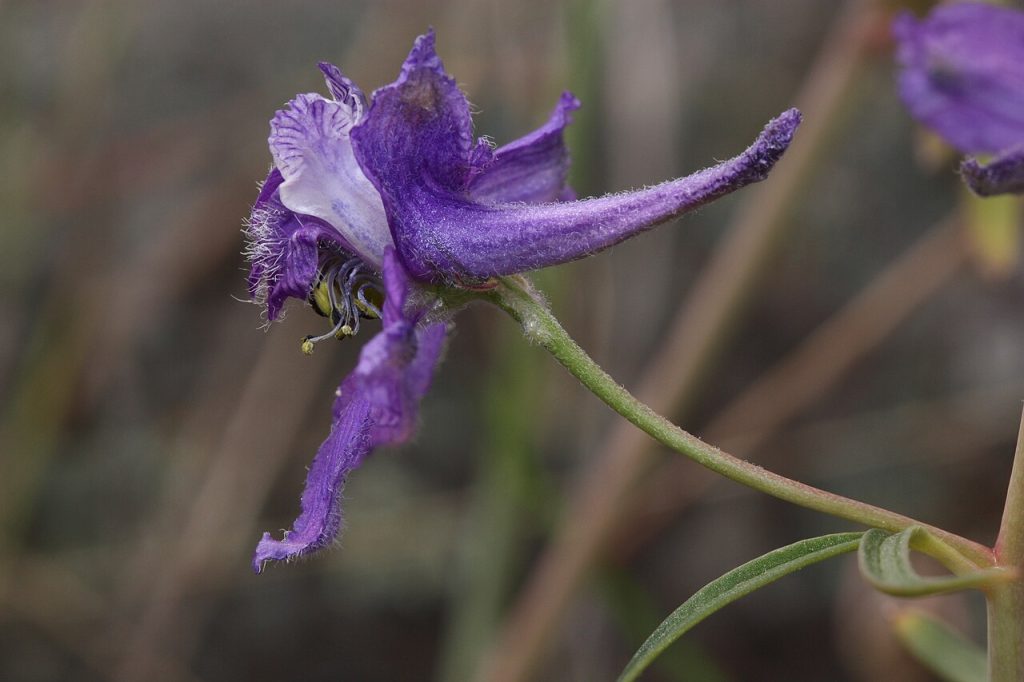
Delphinium is one of spring’s dramatic perennials, yet it can sulk quickly outside its comfort zone. Missouri Botanical Garden reports many forms prefer cool summers and may struggle in hot, humid regions. RHS also stresses staking tall stems and shelter from wind. Without support and climate fit, spikes fade or topple soon after peak.
The gap between photo and reality is about conditions, not effort. Rich, well drained soil and timely staking improve results, but heat stress can still shorten display in warmer zones. Framed as a high care seasonal star, delphinium still delivers striking vertical color when conditions align.