

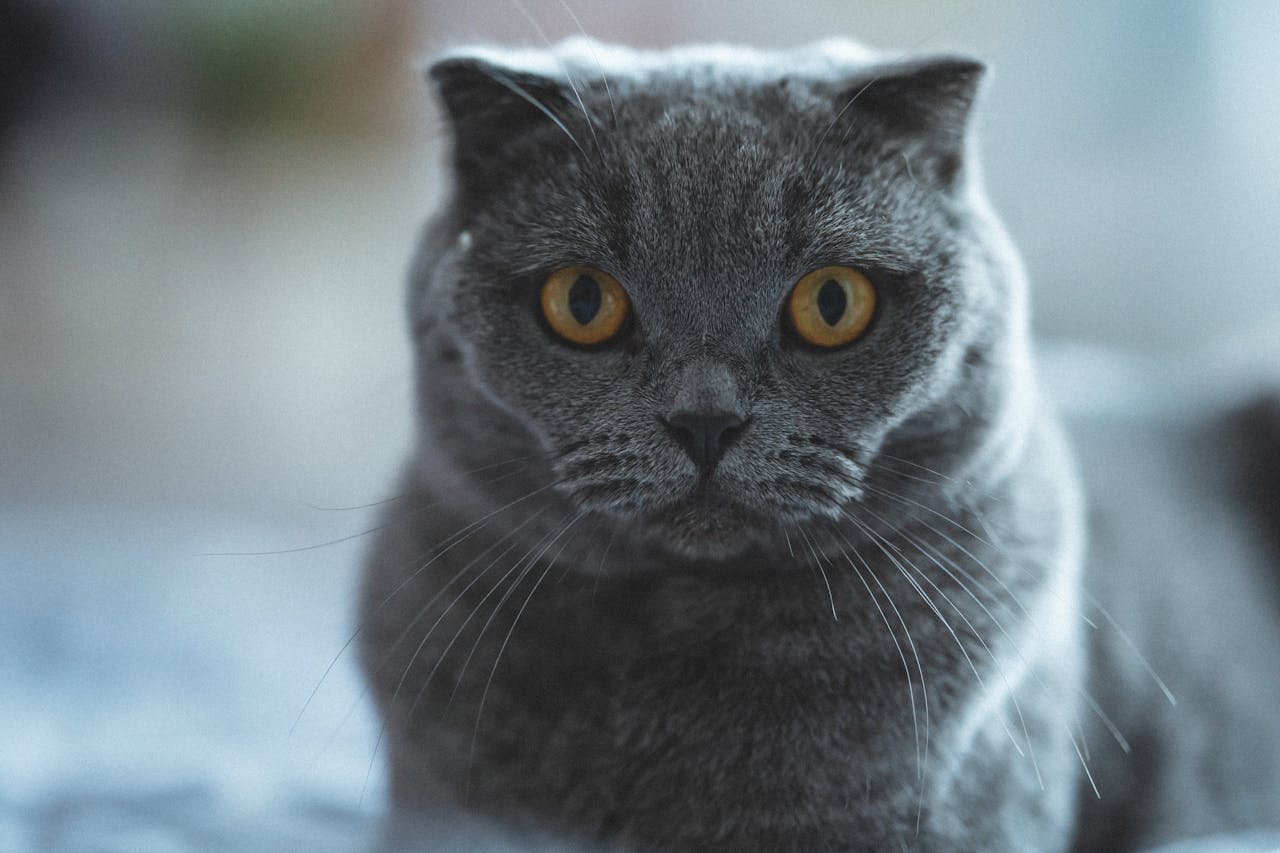
High-priced cat breeds often arrive with a story that feels almost mythic: rare lineages, unusual coats, and reputations shaped by clubs and influencers. Yet the sticker price is only the first deposit on a long relationship with grooming bills, specialty diets, insurance hurdles, and sometimes genetics that demand careful veterinary planning. When experts talk about expense, they usually mean the lifetime curve, not the checkout moment. Even small choices, like litter type or boarding during travel, can look ordinary until they repeat for 15 years. Here are six breeds where the glamour can quietly multiply the math.
Savannah Cat
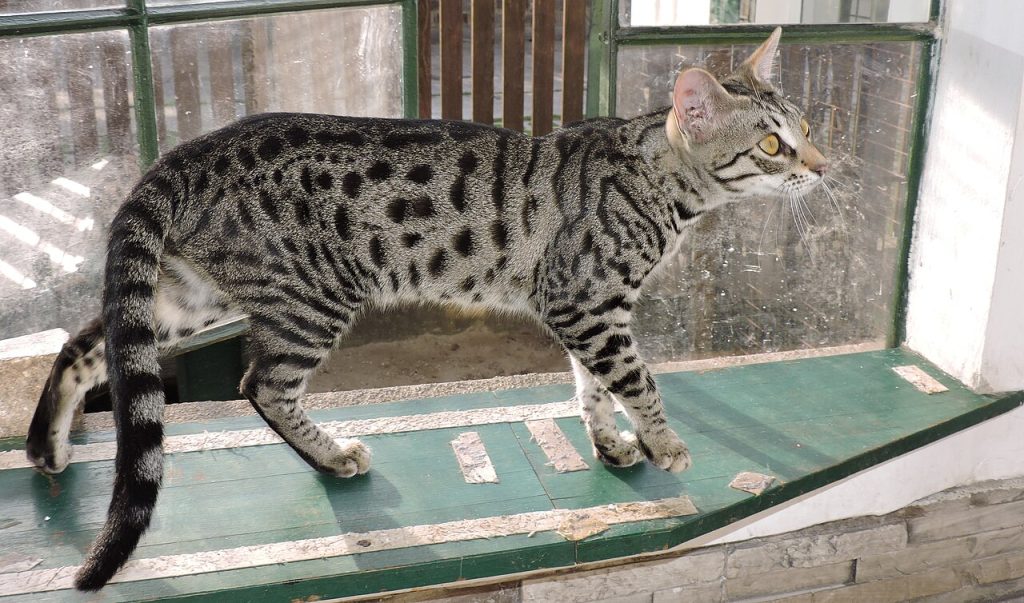
A Savannah can cost as much as a used car, especially in early generations bred close to the serval line, where prices are commonly listed in the five figures. That breeding difficulty is part of the premium, and it also hints at the ongoing spend: higher activity, larger bodies, and a need for structured play that rivals a dog.
Many households budget for tall cat trees, heavy-duty screens, puzzle feeders, and frequent enrichment swaps, plus vets who are comfortable with hybrids and their nutrition needs. Add pet-sitting that can handle a high-drive cat, and, in some regions, extra paperwork, and the monthly total climbs fast.
Khao Manee
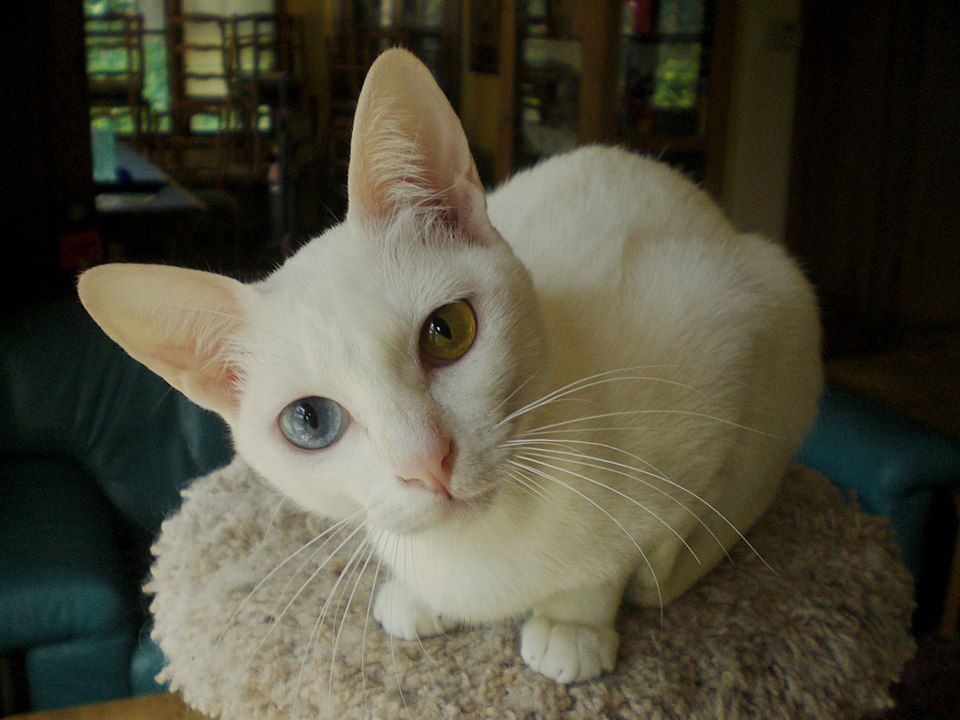
The Khao Manee is prized for its pure white coat and jewel-like eyes, and its rarity outside Thailand pushes prices into the many-thousands, sometimes around $11,000. Rarity has a practical cost: reputable breeders are scarce, waitlists are long, and transport can add fees before the cat even arrives.
Once home, the hidden spending often lands in prevention, including early hearing checks that are commonly recommended for white cats, plus higher insurance quotes for a high-value pet and secure indoor setups. Many owners also invest in microchipping, GPS tags, and sturdier carriers, because replacing a rare cat is not realistic.
Bengal
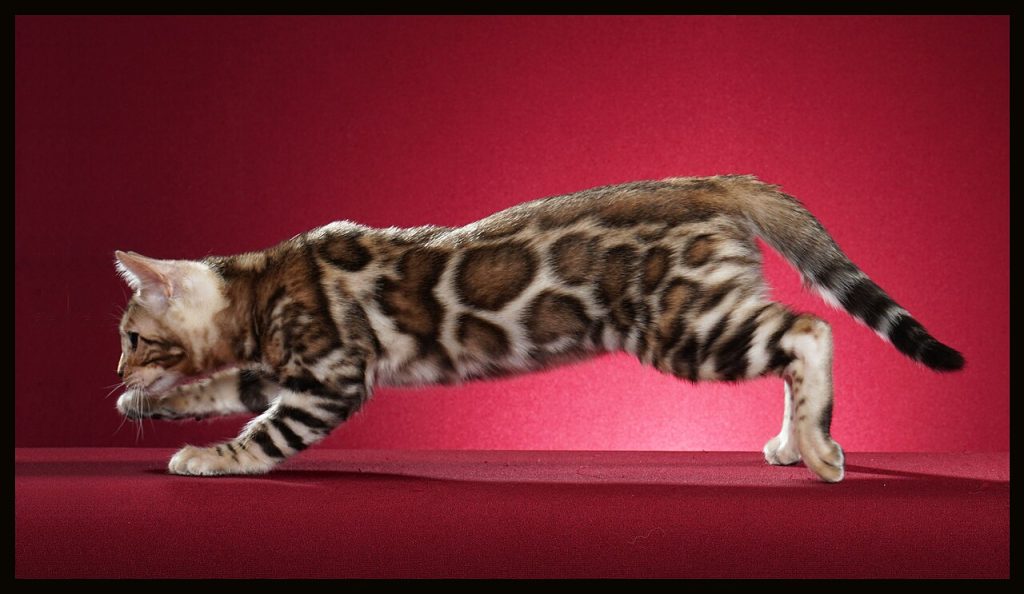
Bengals look like miniature leopards, and that dramatic coat, plus strong demand, keeps purchase prices high compared with typical domestic cats. The bigger cost tends to show up after the honeymoon, because many Bengals stay intensely curious and athletic well into adulthood.
Households often end up buying more vertical space, sturdier toys, and rotating enrichment to prevent boredom-driven chaos, along with higher-quality protein-forward food. Travel gets pricier too, since many need confident pet-sitters or interactive boarding rather than a quick drop-in visit. If that support is skipped, the bill often arrives in stress.
Sphynx
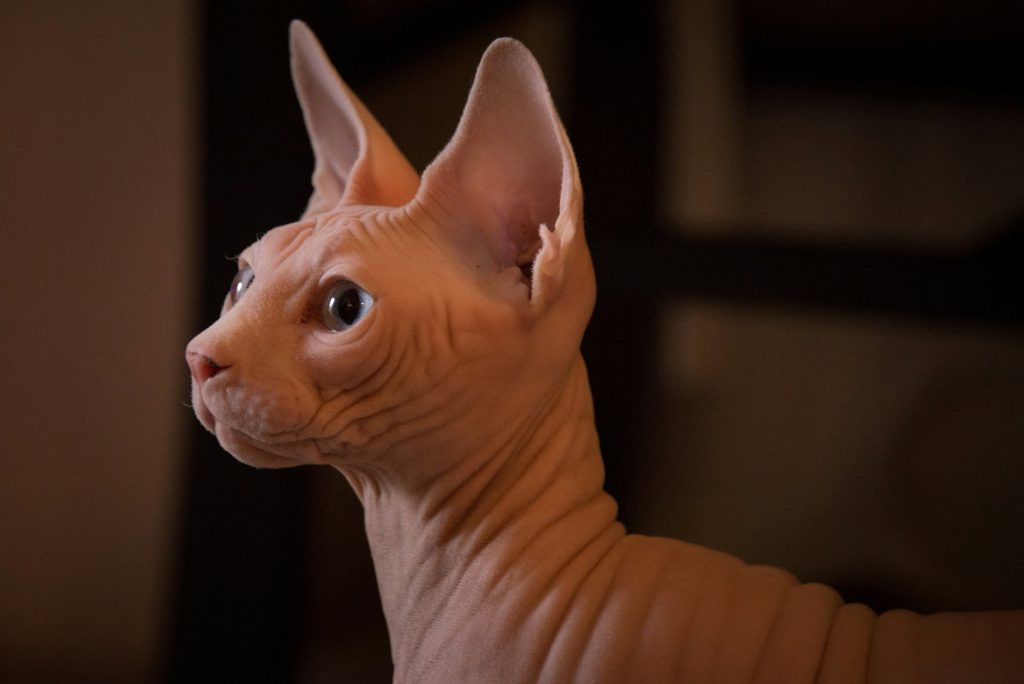
A Sphynx’s price reflects novelty and careful breeding, but the real budget story is skin care, not fur. Without a normal coat to absorb oils, many need regular baths and ear cleaning, and their warm-seeking habits can mean extra laundry and gentle home-temperature management.
Quality pet-safe wipes, shampoos, and routine nail-bed cleaning become recurring purchases, especially if irritation flares. Because they burn calories staying warm, food costs can tick up, and wardrobes, heated beds, and draft-proof nooks become more than cute accessories. Sun exposure is managed carefully, so shaded windows and indoor time matter.
Persian
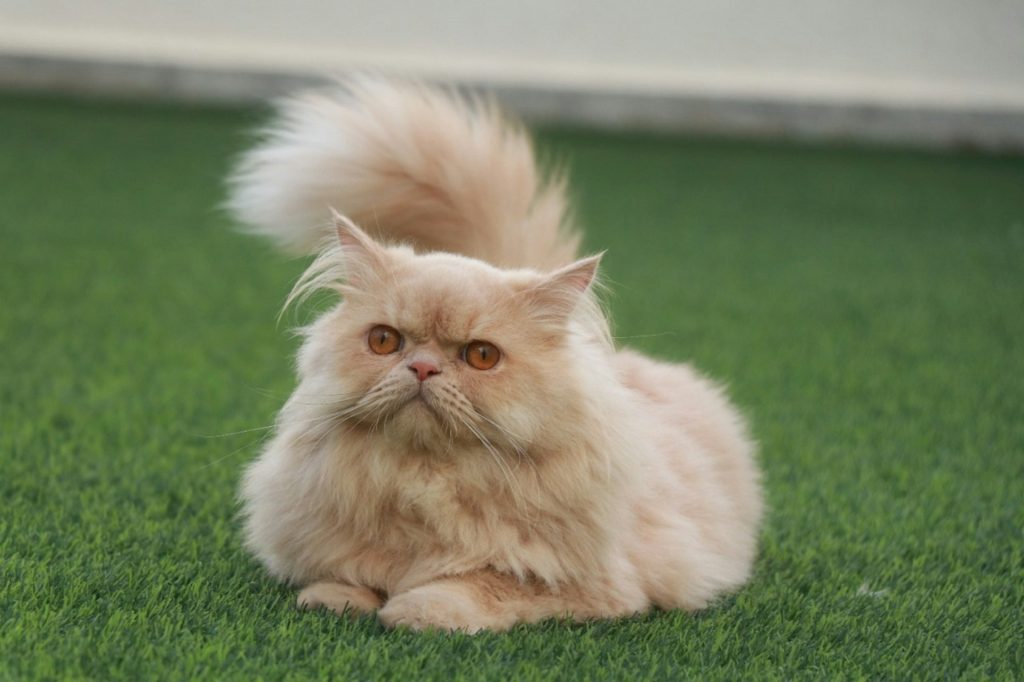
Persians carry an old-world glamour that still commands premium prices, especially for show-quality coats and consistent lineage. The hidden cost is time and grooming, since long hair mats quickly and many need daily brushing, regular trims, and occasional professional grooms to stay comfortable.
Flat-faced lines can bring extra vet visits for breathing or eye issues, so owners often choose clinics familiar with brachycephalic cats and budget for ongoing care. Add specialty eye wipes, hairball management, upgraded grooming tools, and frequent vacuuming, and the elegant look starts to feel like a maintenance plan at home.
Scottish Fold
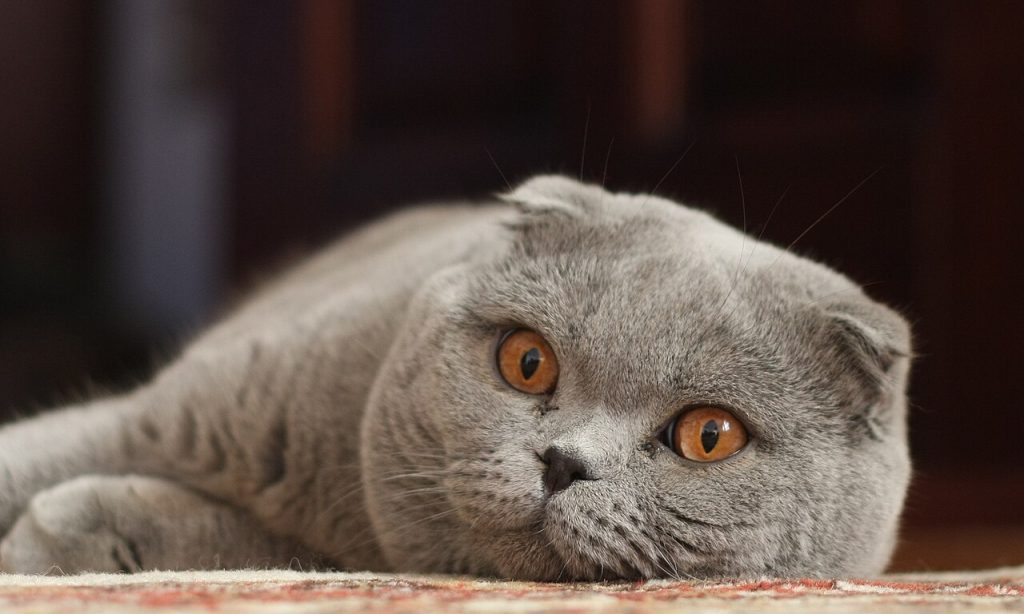
Scottish Folds often come with a premium price for their folded ears and plush look, but the bigger expense can be medical, not cosmetic. The ear fold is tied to a cartilage mutation associated with osteochondrodysplasia, a skeletal condition that can lead to arthritis and long-term management.
Owners may face early imaging, ongoing comfort plans, and higher insurance hurdles, especially if symptoms start young and need regular follow-up. Ethical breeders try to reduce risk, but no screening erases it. Even routine care can cost more, since folded ears are prone to buildup and infections, turning grooming into more appointments.