

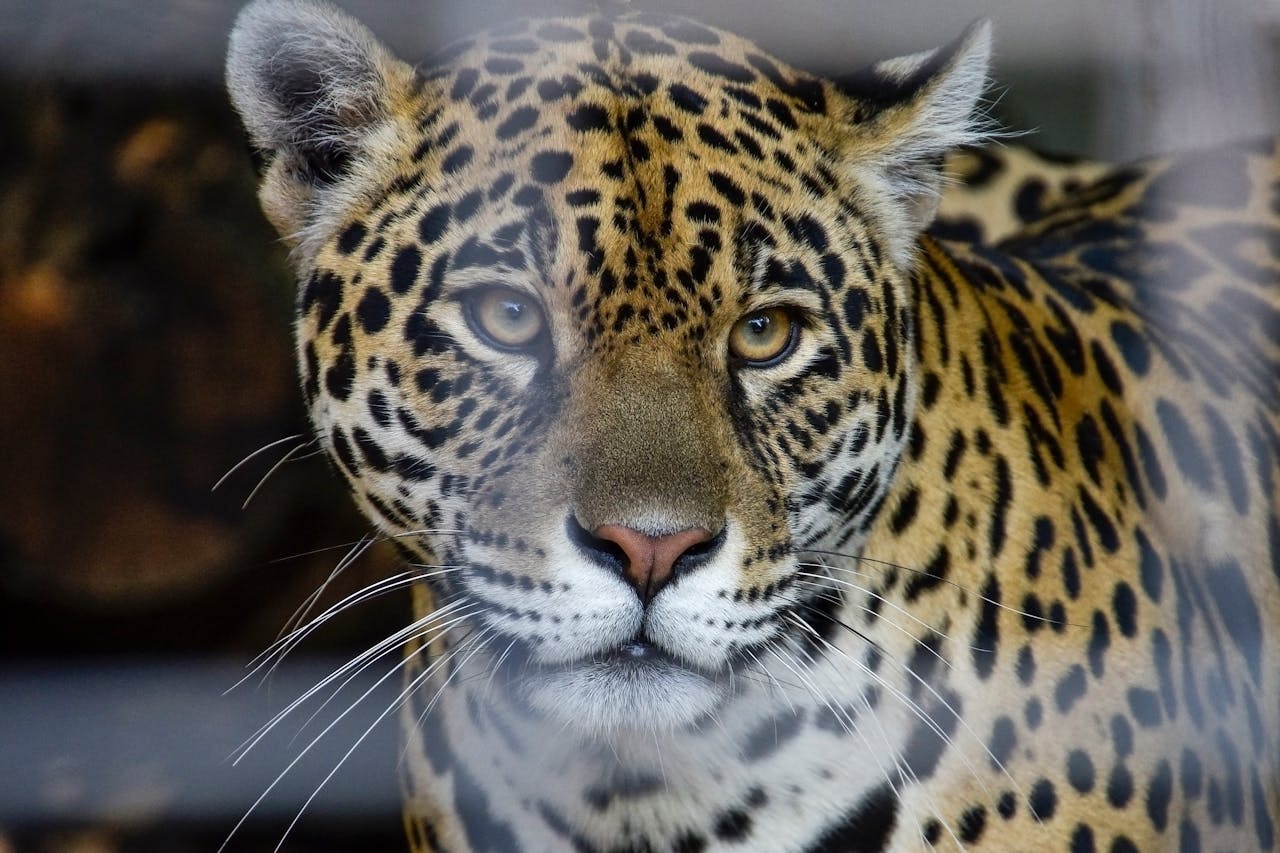
Predators rarely treat people as preferred prey. Most encounters that turn dangerous begin as defense, surprise, or a risky moment too close to an animal’s space.
Still, field notes and long-running records show a few species with repeated cases where certain individuals learned that humans can be workable prey under specific pressures. These episodes cluster at edges: mangrove channels, thinly guarded camps, ice-frayed coasts, and warm rivers where daily work meets hunger. Uncommon does not mean imaginary; it means the pattern is rare, but recognizable when it repeats, and communities learn to adapt without panic.
Bengal Tigers
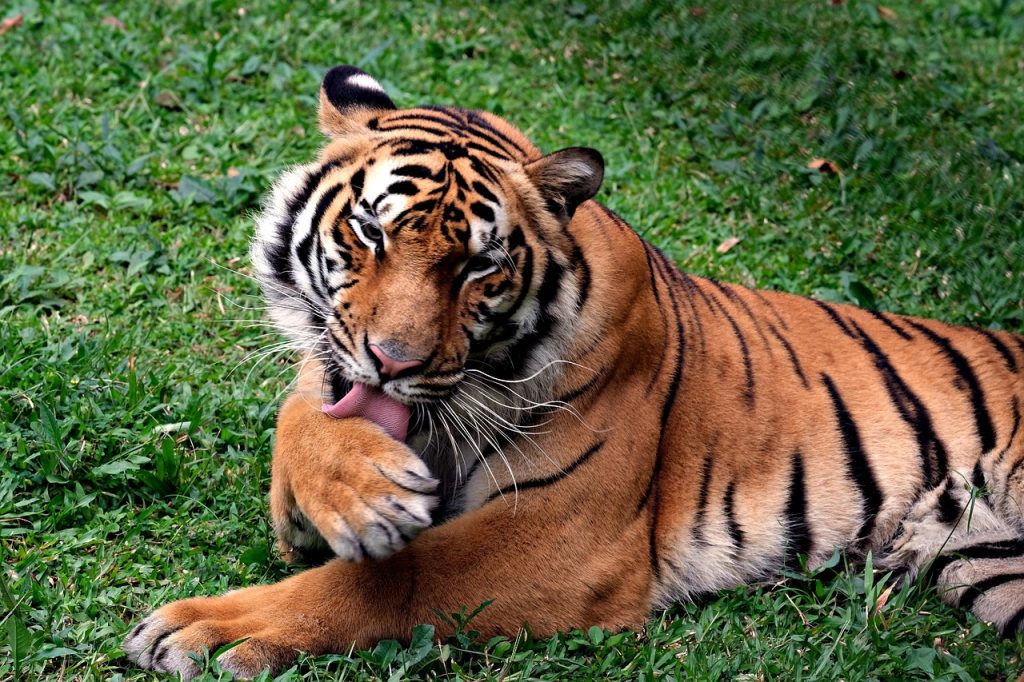
In the Sundarbans mangroves of India and Bangladesh, Bengal tigers have a documented history of predatory attacks on people traveling by narrow waterways or working at the forest edge, where tides, mud, and dense roots limit movement.
Biologists note that most tigers still avoid humans, yet some individuals become habitual man-eaters after injury, age, or learned success when habitat loss and depleted prey raise the odds of contact. Attacks can be swift and targeted, with a practiced ambush that feels like predation, not defense, even as modern patrols and safer routines try to cut risk in the delta’s shifting maze.
Lions
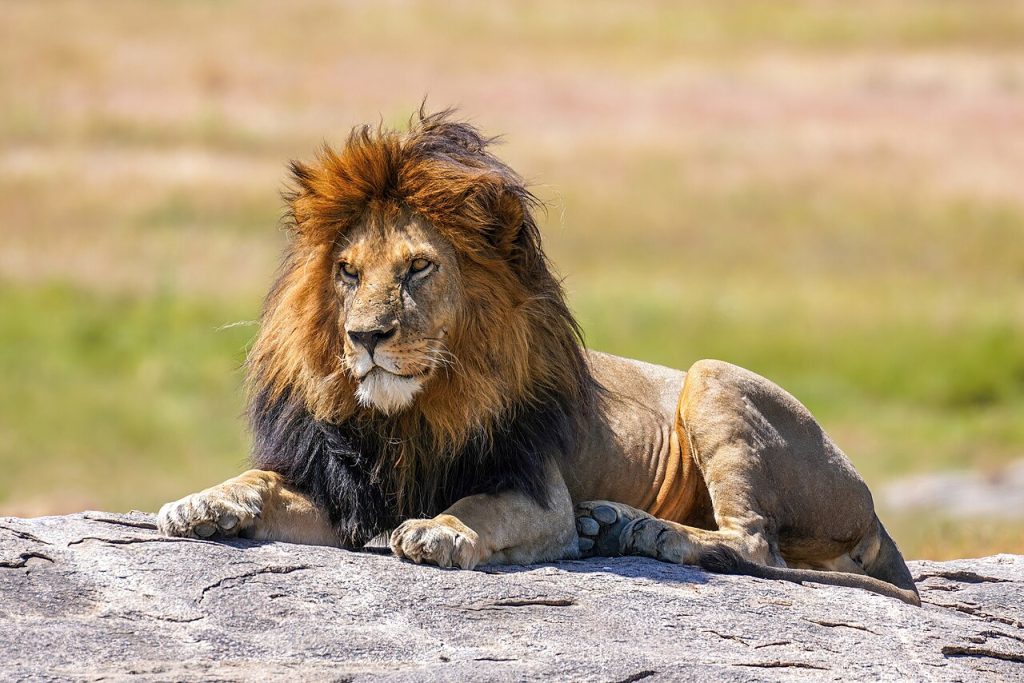
Lions can prey on humans, and some of the clearest historical examples come from East Africa, including the Tsavo region of Kenya in the late 19th century, where camp boundaries were thin and nights were long.
Accounts describe individual lions returning repeatedly to take people from sleeping areas, a pattern that looks less like a startled charge and more like deliberate hunting. Scarce natural prey, illness, injury, or learned access to unprotected camps can feed the behavior, which is why many areas treat fencing, lighting, and livestock practices as serious safeguards. Most lions never learn it, but a few do here.
Leopards
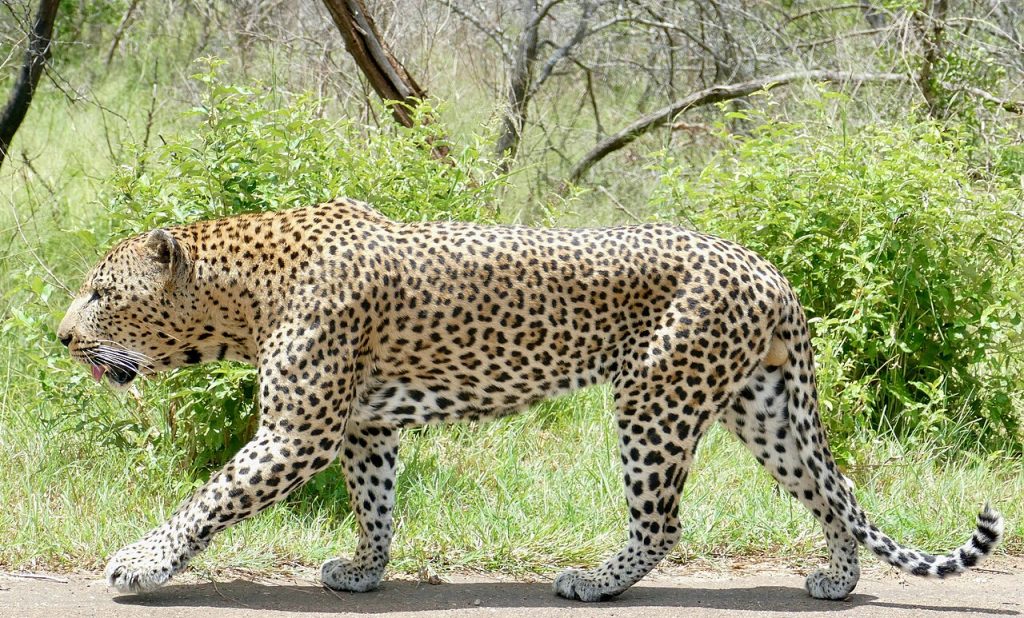
Leopards often live close to villages and farms in parts of Asia and Africa, and a small number of individuals have built a pattern of preying on people, especially where homes press into broken forest.
In India, documented cases include leopards entering settlements and attacking adults or children repeatedly, which officials have classified as predatory rather than defensive. Habitat fragmentation, reduced wild prey, and easy access to livestock can increase boldness, and their stealth lets them move through hedges and narrow lanes with little warning before dawn. One problem leopard can drive weeks of patrols and tense nights.
Polar Bears
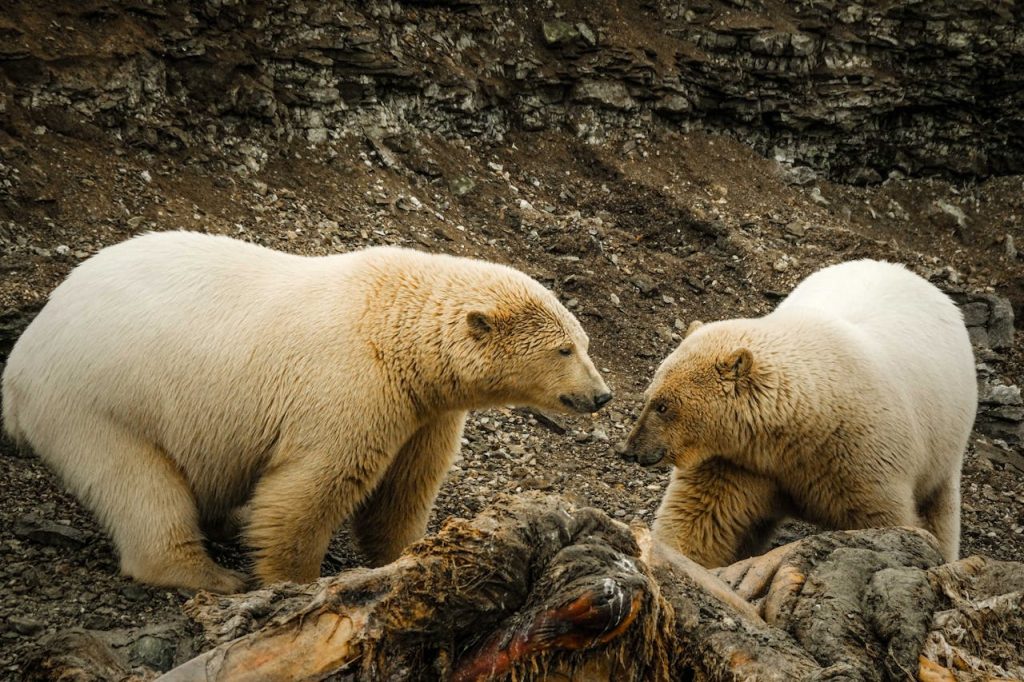
Polar bears are large carnivores that can treat humans as potential prey, especially when hunger rises and sea ice limits access to seals. In Arctic communities, records include stalking and repeated approaches that appear more predatory than defensive.
Unlike many bears, polar bears rely heavily on meat and may investigate almost any moving animal as food, particularly near camps, food storage, and waste sites that broadcast scent. Safety programs emphasize deterrents and secured garbage, yet a focused bear can be persistent, and difficult to turn away once it commits. That reality shapes local rules and daily habits.
Saltwater Crocodiles
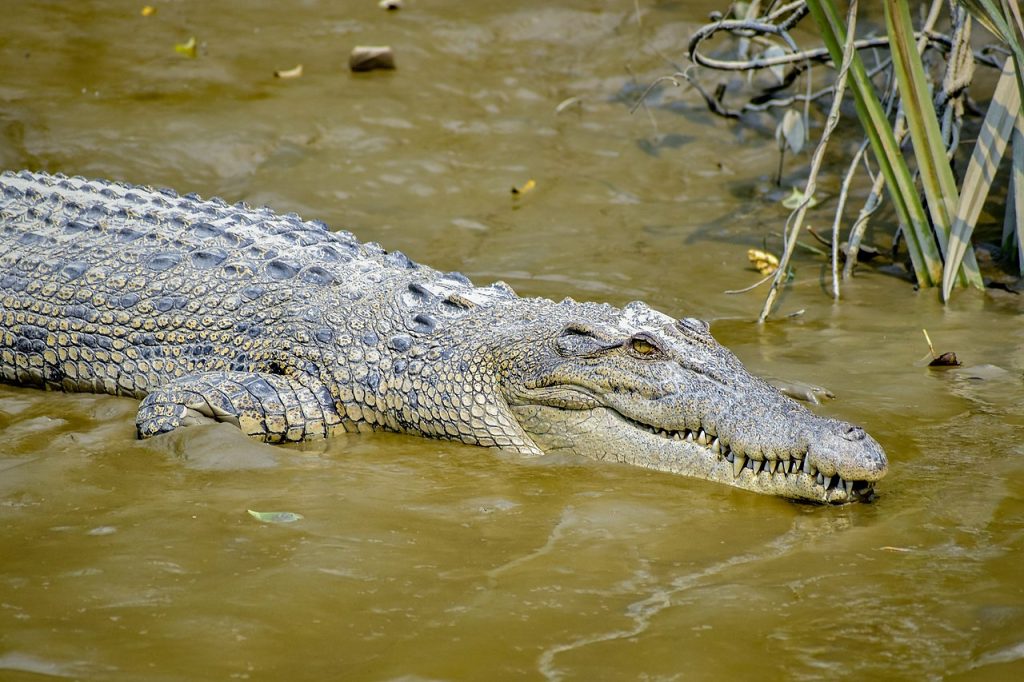
Saltwater crocodiles have a long record of fatal attacks on people in rivers and coastal waters across northern Australia and parts of Southeast Asia. As ambush predators, they strike from the edge with stealth, sudden force, and a pull back into deeper water.
Many incidents involve fishing, swimming, or crossing in shallow stretches within range, and the crocodile does not need to feel threatened for the attack to fit hunting behavior. Local warnings focus on known channels, tides, and seasons, because a familiar bank can still hide a patient predator. The risk rises when visibility drops and routines become casual.
Bull Sharks
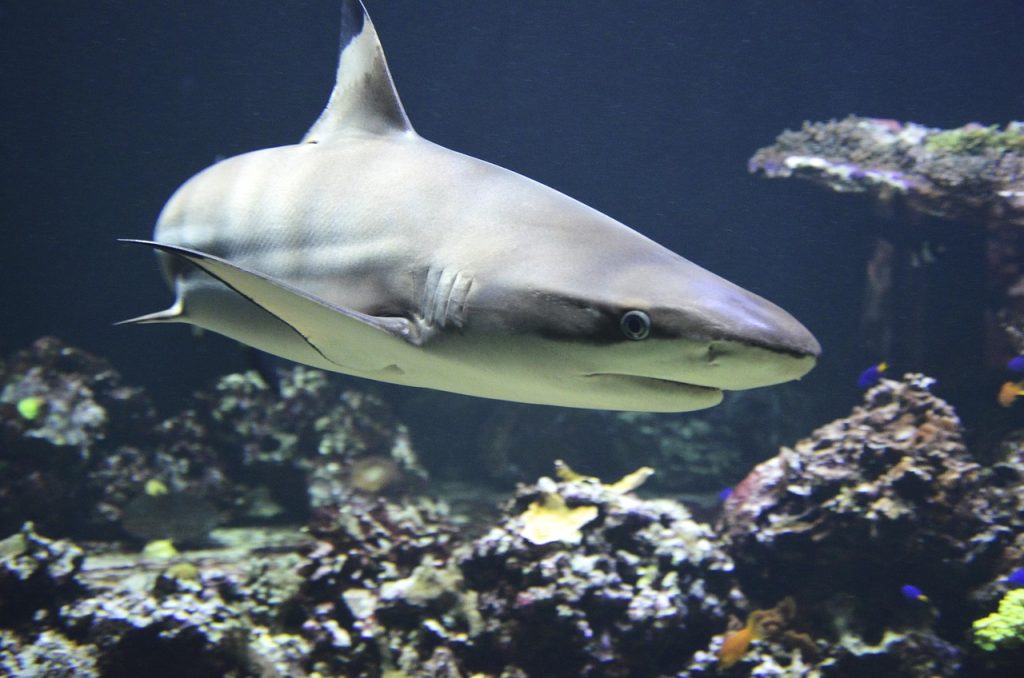
Bull sharks are linked to a notable share of serious attacks in shallow, nearshore water, including rivers and estuaries where people swim and fish close to shore. Their unusual tolerance for fresh water increases overlap in warm, murky channels.
Predatory intent is hard to prove for any shark, yet bull sharks show bold, investigative feeding behavior and can bite with strong force. Some incidents involve repeated bites, which is one reason researchers and safety agencies watch them closely in certain regions, especially after rain or in low visibility. That mix of access and uncertainty keeps caution high near busy beaches.
Across continents and climates, the common thread is not myth but opportunity: hunger, easy access, and a moment of human vulnerability. When contact rises, rare patterns can repeat until communities respond with better boundaries, smarter storage, and calm respect for wild space.