

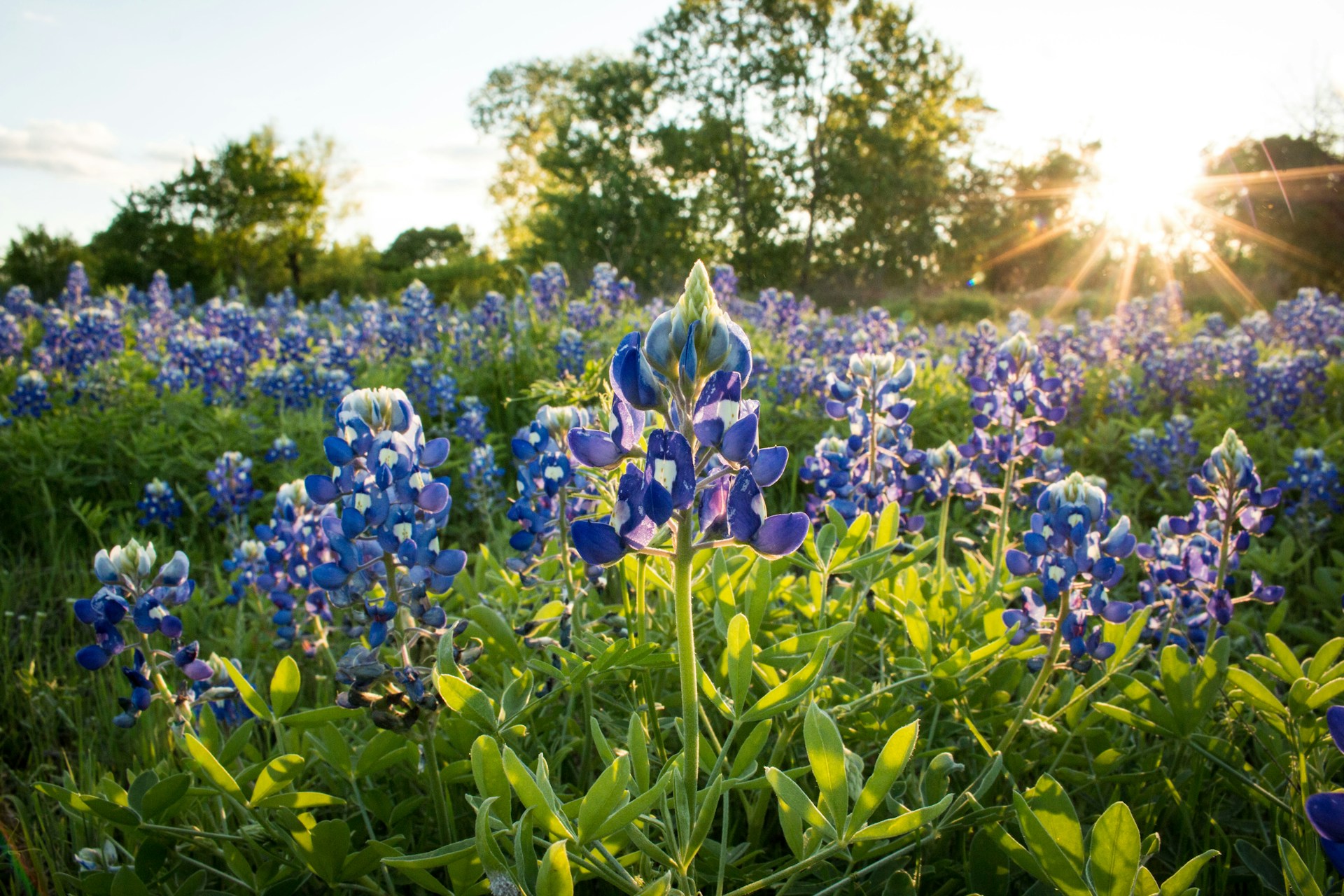
Wildflowers often get treated like background color, but their stories carry far more weight than their size suggests. Across North America, they mark volcanic recovery, shape state identity, and turn entire mountain ranges into spring pilgrimages. Some feed birds through winter, while others rise taller than a person and pull hummingbirds into the yard like magnets. Their beauty is obvious, yet their history, resilience, and ecological role make them far more interesting than a quick roadside glance reveals. In gardens, parks, and open fields, they quietly show how local landscapes remember, adapt, and keep life moving.
Joe Pye Weed Can Tower Over a Garden
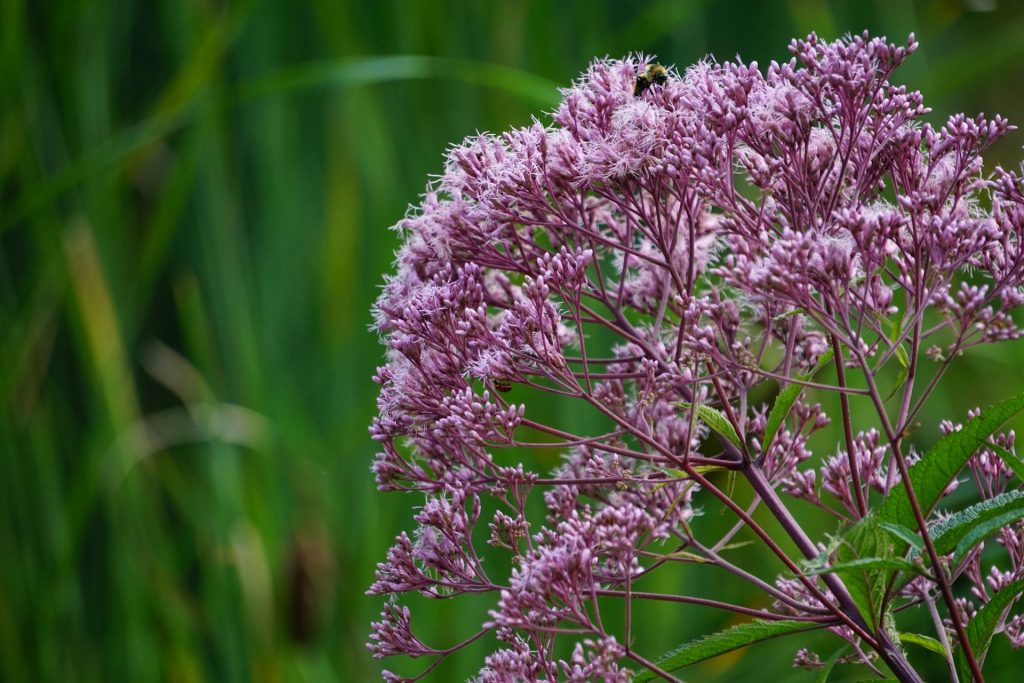
Joe Pye weed sounds modest, but it behaves like a statement piece in a native planting. It is a true wildflower, and in good conditions it can reach about 10 feet, adding real height and drama to a border instead of the flat, low look many summer beds slip into by August.
That height is only part of the appeal. Its dusty pink to mauve flower clusters are a favorite with backyard pollinators, and butterflies and hummingbirds often work the blooms at the same time. The plant turns a quiet patch of garden into something lively, layered, and unmistakably seasonal, especially when its tall stems catch the light in late summer.
Texas Officially Honors Five Bluebonnets
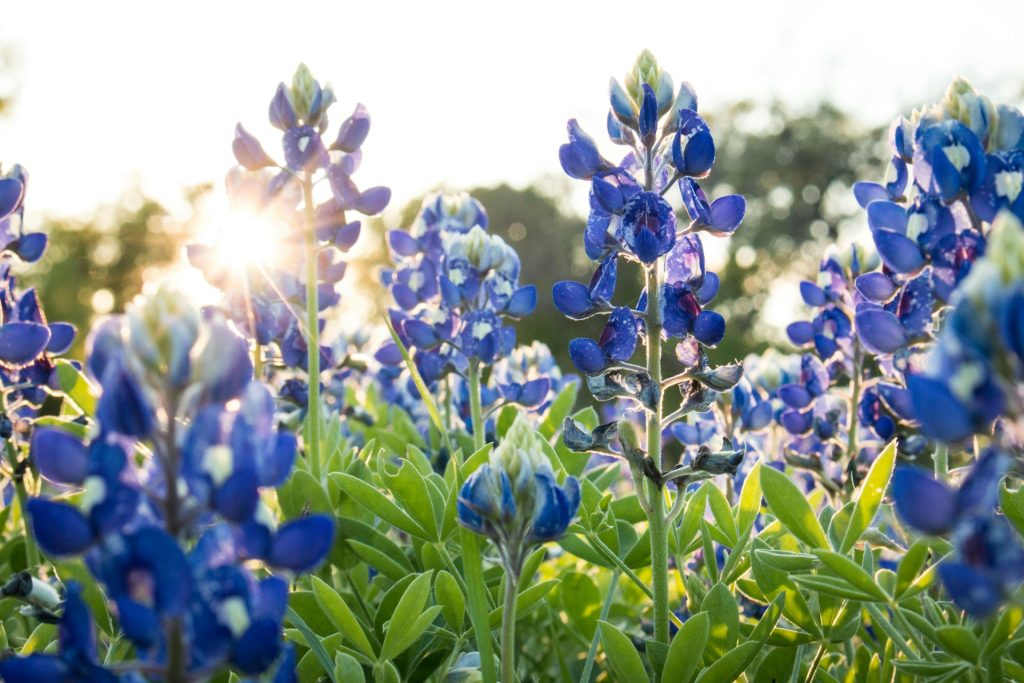
Texas is so closely tied to bluebonnets that many people assume there is only one official flower. The surprise is that the state recognizes all five native bluebonnet species together, a rare move that reflects how varied Texas landscapes are from region to region and how strongly wildflowers shape the state’s spring identity.
Those five include Texas bluebonnet, Sandyland bluebonnet, Big Bend bluebonnet, Bajada lupine, and Dune bluebonnet. Instead of forcing a single symbol, the state kept the full native group in view, which makes the designation feel grounded in ecology as much as tradition, pride, and deeply local place.
The Smokies Hold a Wildflower Record
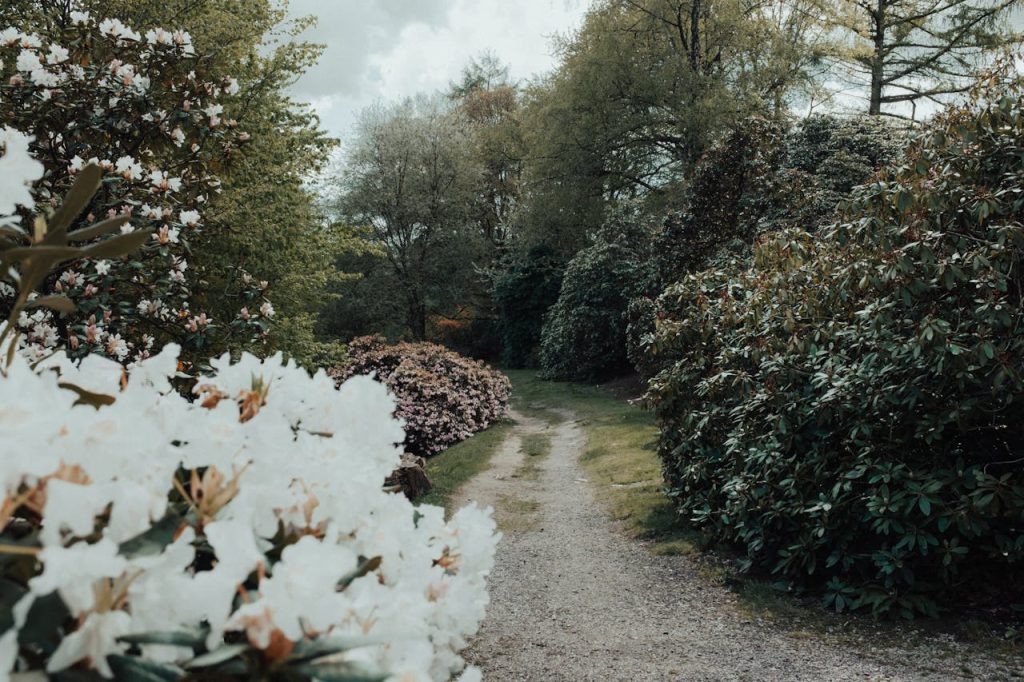
Great Smoky Mountains National Park carries a nickname that sounds almost exaggerated until spring arrives: Wildflower National Park. The National Park Service notes that more than 1,500 kinds of flowering plants grow there, more than in any other North American national park, which helps explain why bloom season draws so much attention.
At lower elevations, the strongest wave of spring bloom usually peaks in mid- to late April, when trails and roadsides shift color week by week. The annual Spring Wildflower Pilgrimage grew out of that rhythm, turning seasonal bloom watching into a tradition with local roots and a sense of return.
Familiar Favorites Feed More Than Pollinators

When people picture a classic North American wildflower, two names usually rise first: black-eyed Susan and common sunflower. Both feel familiar even to people who do not follow native plants closely, largely because their bright yellow faces read clearly from roadsides, open fields, and old garden edges across much of the continent.
Their popularity is not only about color. Pollinators work both flowers heavily, and birds benefit later if the dried seed heads stay standing into cold weather, when easy food is harder to find each year. In that way, the showy bloom is only the first chapter of what the plant gives back.
Fireweed Returned After Mount St. Helens
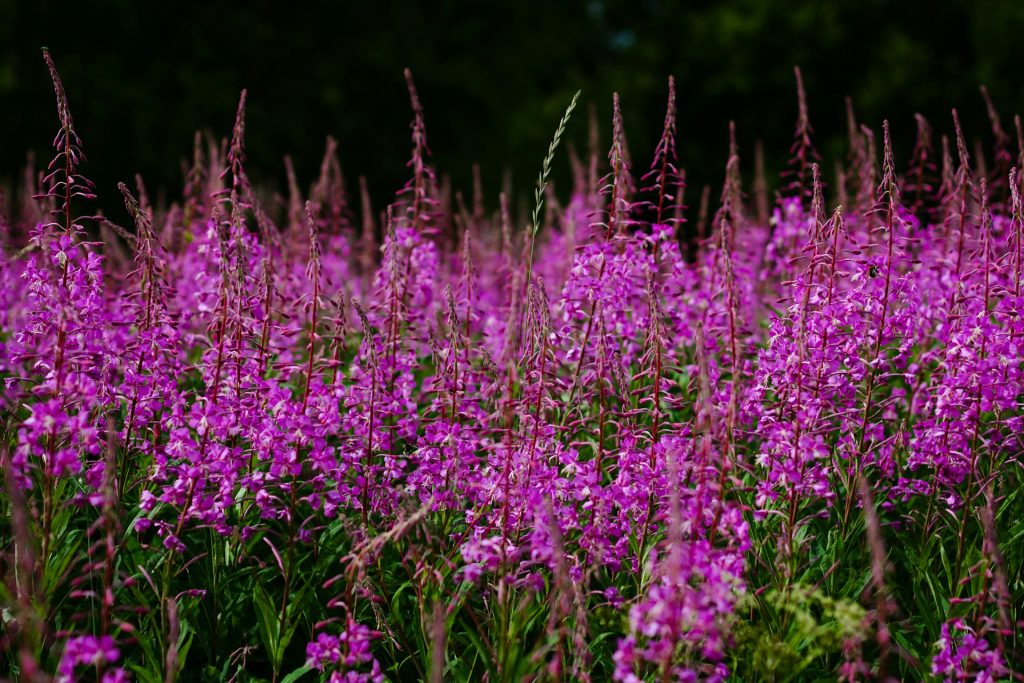
Wildflowers are often talked about as delicate, but fireweed tells a different story. After Mount St. Helens erupted in 1980, the ground around the volcano looked so damaged that some scientists thought nothing could have survived in the surrounding ash-covered landscape, at least not right away.
Fireweed pushed through anyway, and it appeared within weeks of the eruption. That early return became one of the clearest signs that disturbed landscapes can begin rebuilding faster than expected, with wildflowers acting less like decoration and more like the first visible response team after major disaster strikes at scale.
California Poppies Can Be Epic and Intimate

California poppies are so iconic that many people recognize the color before the plant name. In spring, the Antelope Valley California Poppy Reserve near Lancaster can spread orange bloom across hundreds of acres, creating one of the West’s most famous wildflower views and a major seasonal draw.
The reserve has about eight miles of trails, so the bloom can be seen from different angles as light and wind shift the hills. And because California poppies also grow well in home gardens, the same flower can feel both cinematic in the wild and familiar in a backyard bed. That range helps explain why the plant stays beloved.