

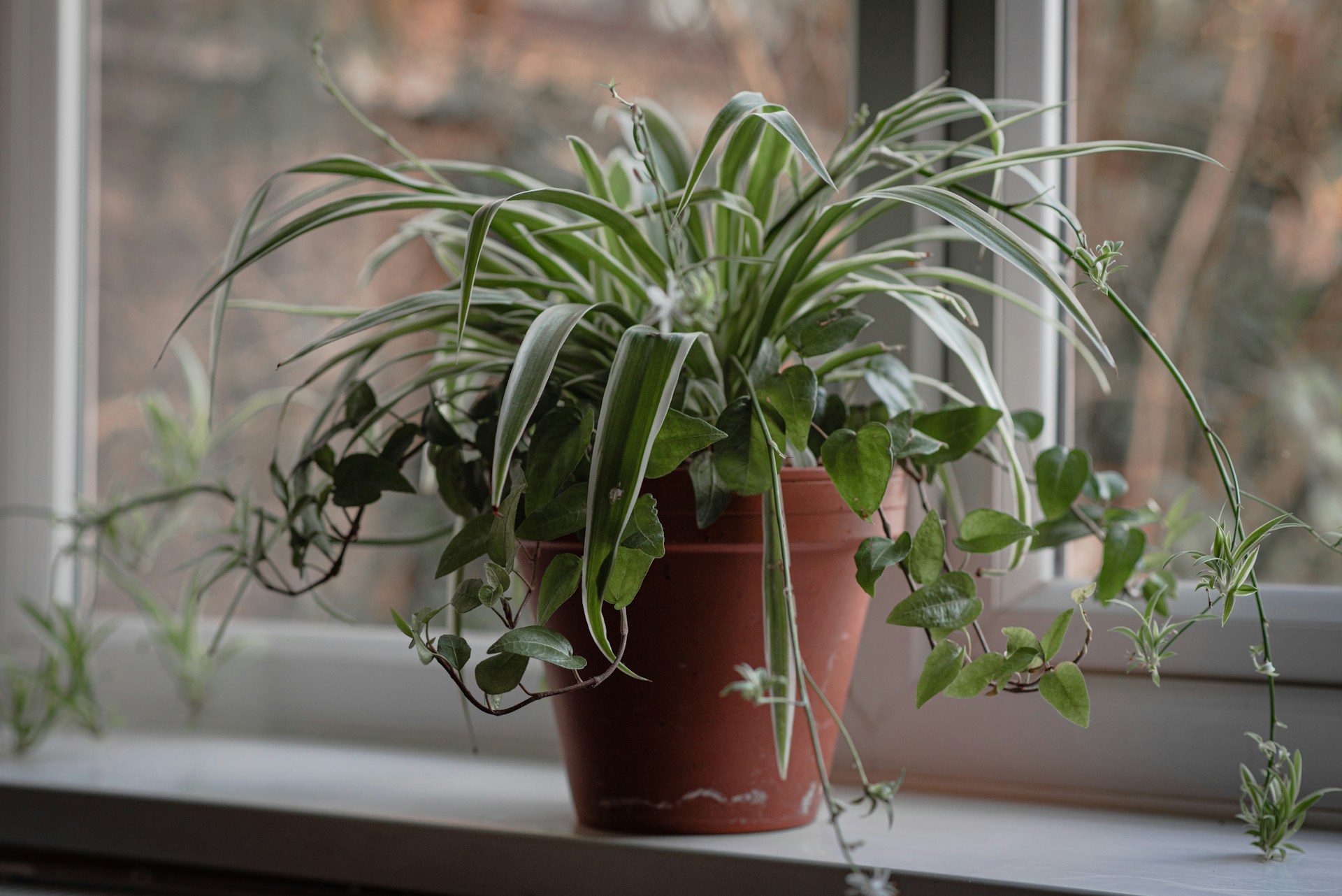
Houseplants carry a gentle kind of hope. A sill full of leaves can make a room feel softer, calmer, and more alive, so it is easy to see why people want them to do one more generous thing and scrub the air clean. For years, that promise traveled faster than the science.
In real homes, the gap between a charming claim and a measurable result is wide. Researchers and public health agencies keep landing in the same place: plants can still be worth keeping, but cleaner indoor air usually comes from controlling pollution at the source, moving fresh air through the space, and using the right filtration for the problem at hand.
The Snake Plant Bedroom Myth

Snake plant is still sold as a bedroom purifier, as if a few upright leaves can quietly reset the air by morning. The appeal is obvious, but sealed-chamber plant experiments do not match the way air behaves in lived-in rooms with doors opening, fabrics holding particles, and pollutants entering all day.
A widely cited review found that matching the pollutant removal already provided by ordinary air exchange would require roughly 10 to 1,000 plants per square meter of floor space. What helps more at night is simple, unromantic stuff: less indoor smoke, better ventilation when outdoor air is safe, and filtration sized to the room.
The Spider Plant VOC Legend
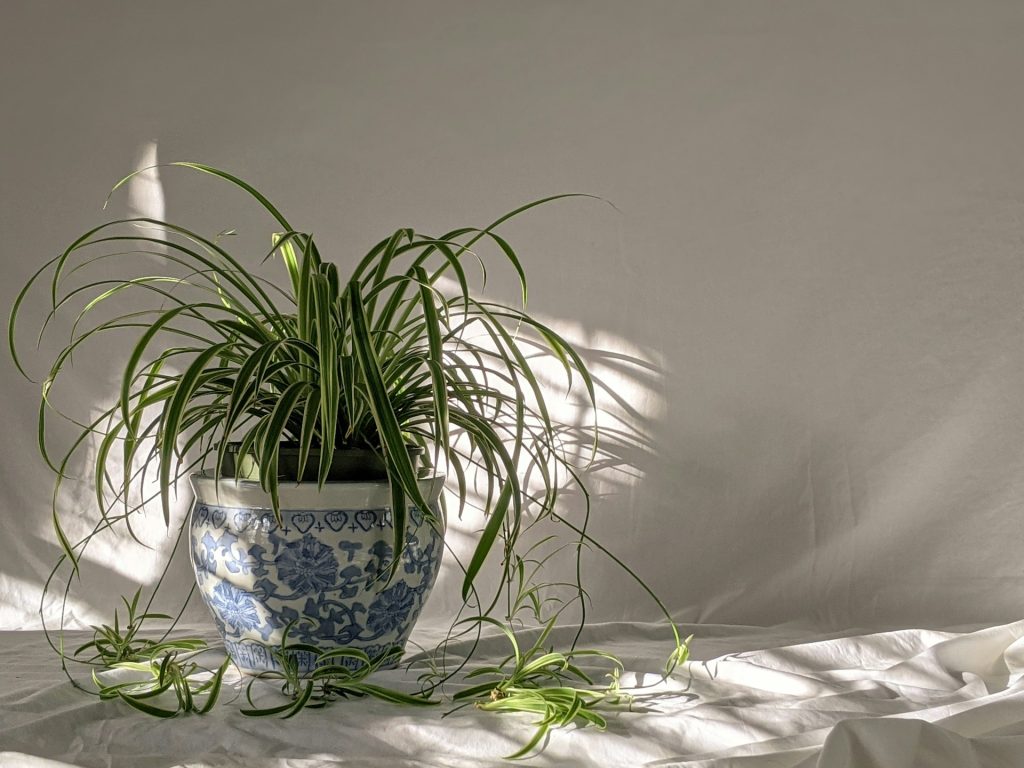
Spider plants have long been treated like tiny formaldehyde traps, and that story keeps showing up in plant guides and apartment advice. The problem is scale. A plant may remove some chemicals under laboratory conditions, but homes keep generating fresh VOCs from cleaners, paints, pressed wood, and fragranced products.
The EPA notes that indoor levels of several organics often run two to five times higher than outdoor levels, and they can spike during certain activities. In practice, cleaner air comes faster from choosing lower-emission products, storing solvents carefully, and ventilating during painting, cleaning, or DIY work.
The Peace Lily Mold Fix
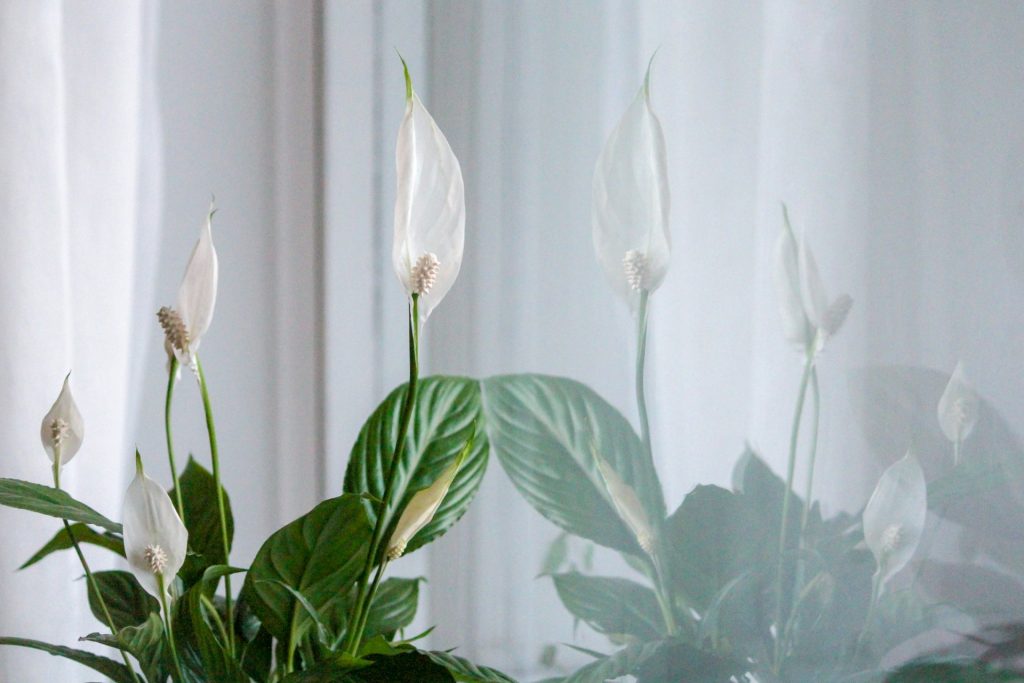
Peace lily gets praised as a graceful answer to moldy air, which sounds comforting in a damp bathroom or shaded corner. But mold is not a problem a decorative plant can solve. Mold grows where moisture lingers, and spores keep returning when the wet conditions behind them stay in place.
CDC guidance is blunt about what actually works: keep indoor humidity at 50% or lower, use kitchen and bath exhaust fans that vent outside, fix leaks, and dry wet areas quickly after water damage. If mold is already visible or easy to smell, cleaning it up and correcting the moisture source will do far more than adding another pot indoors.
The Pothos Shortcut Claim
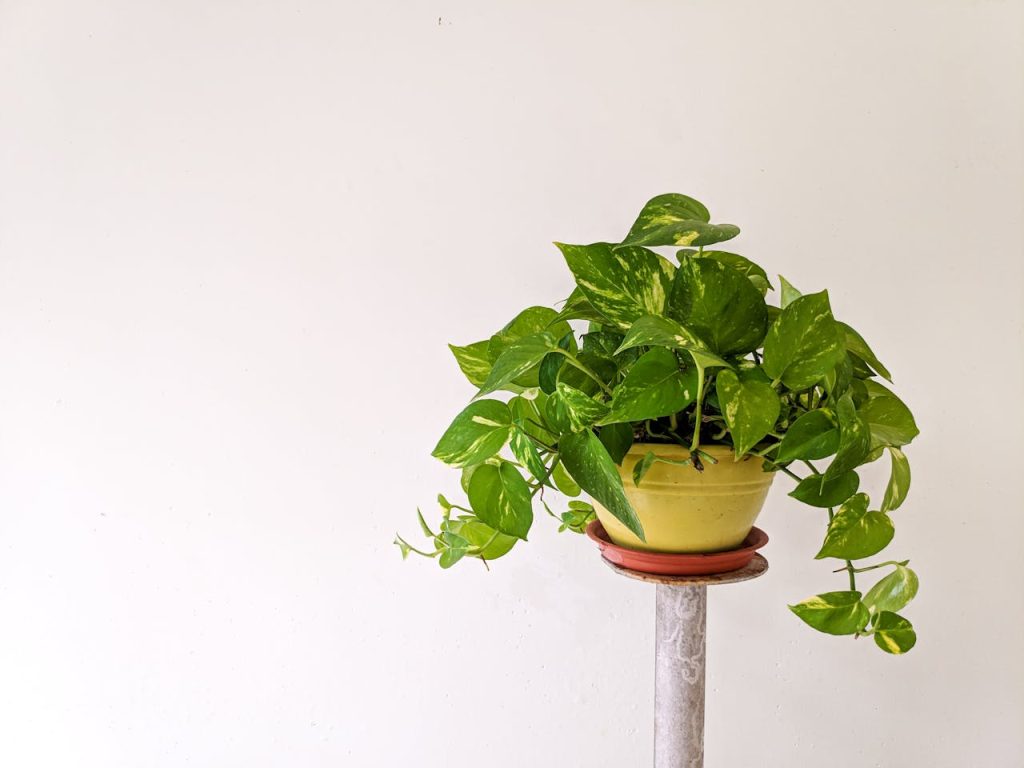
Pothos is often cast as the hardworking vine that can soak up whatever a room gives off, from fresh paint smell to mystery fumes from furniture. It is an easy plant, but that reputation can make indoor air feel like a styling problem instead of a building and ventilation problem.
When pollutants are coming from cooking, cleaning, or new materials, source control matters first. EPA guidance points to source control, ventilation, and filtration as the main tools, and portable air cleaners work best when their CADR matches room size. For dust, smoke, and pollen, a properly sized unit will outperform a shelf of vines in daily use.
The English Ivy Allergy Cure
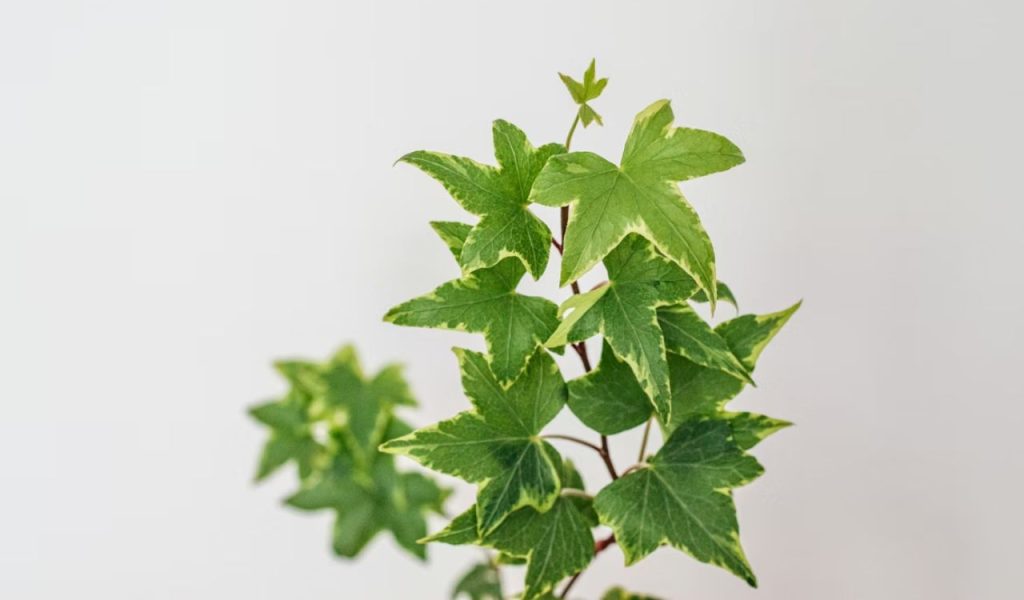
English ivy is often promoted as a natural fix for allergy-heavy rooms. That claim blurs different problems together. Pet dander, dust, and pollen are particles, not vague bad air, and they move through a room in ways a potted plant does not meaningfully control at home.
What tends to help is targeted removal: vacuuming with good filtration, washing fabrics, keeping shedding animals out of sleeping areas, and using a purifier designed to capture airborne particles. EPA guidance on air cleaners emphasizes room-size matching and particle filtration performance, not botanical variety, when the goal is fewer allergens indoors.
The Areca Palm Whole-Room Purifier Story

Areca palm is sometimes sold as a two-for-one solution that humidifies and purifies an entire room, giving dry winter air a tropical upgrade while supposedly cleaning it. That sounds lush, but more humidity is not automatically healthier, and it can become part of the problem when a home already runs damp.
CDC recommends keeping humidity no higher than 50% to help prevent mold, and EPA and CDC both put far more weight on airflow and pollutant control than on decorative moisture. In a stale room, opening safe outdoor air pathways, running a vented fan, or improving HVAC filtration changes air more than chasing jungle effect indoors.
The Aloe Vera Detector Tale
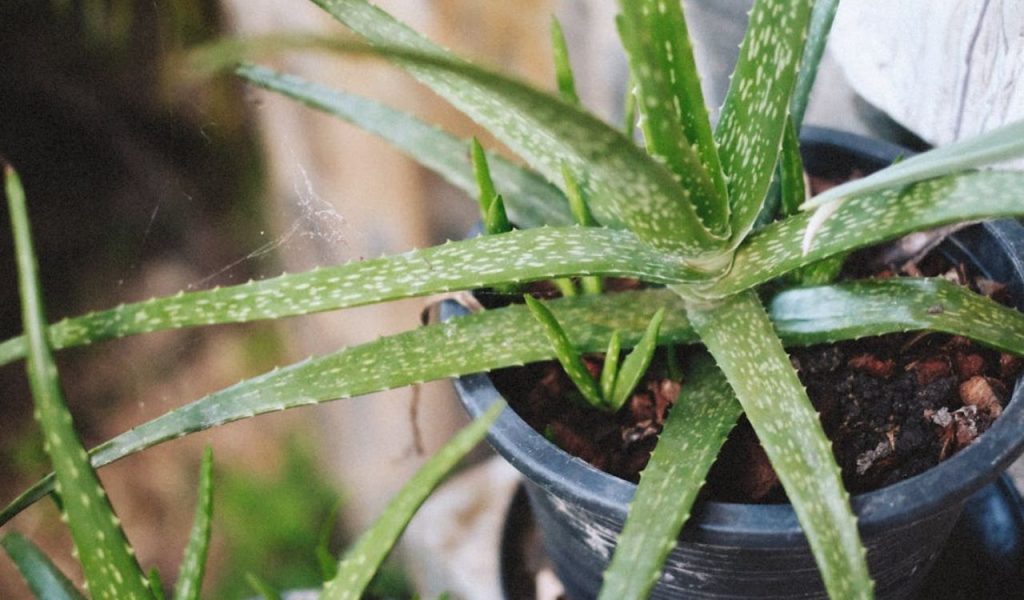
Aloe vera is sometimes framed as more than a plant, almost like a little warning device that will show when indoor pollution is building up. That idea is catchy because it turns a windowsill into a silent monitor. The trouble is that leaf stress is not a reliable home safety system for the pollutants that matter most.
Carbon monoxide is odorless, colorless, and toxic, while radon cannot be seen or smelled either. EPA and CDC guidance lean on instruments and testing, not plant behavior: homes should have carbon monoxide alarms, and radon should be checked with a proper test kit, especially on lower levels where exposure matters most.