

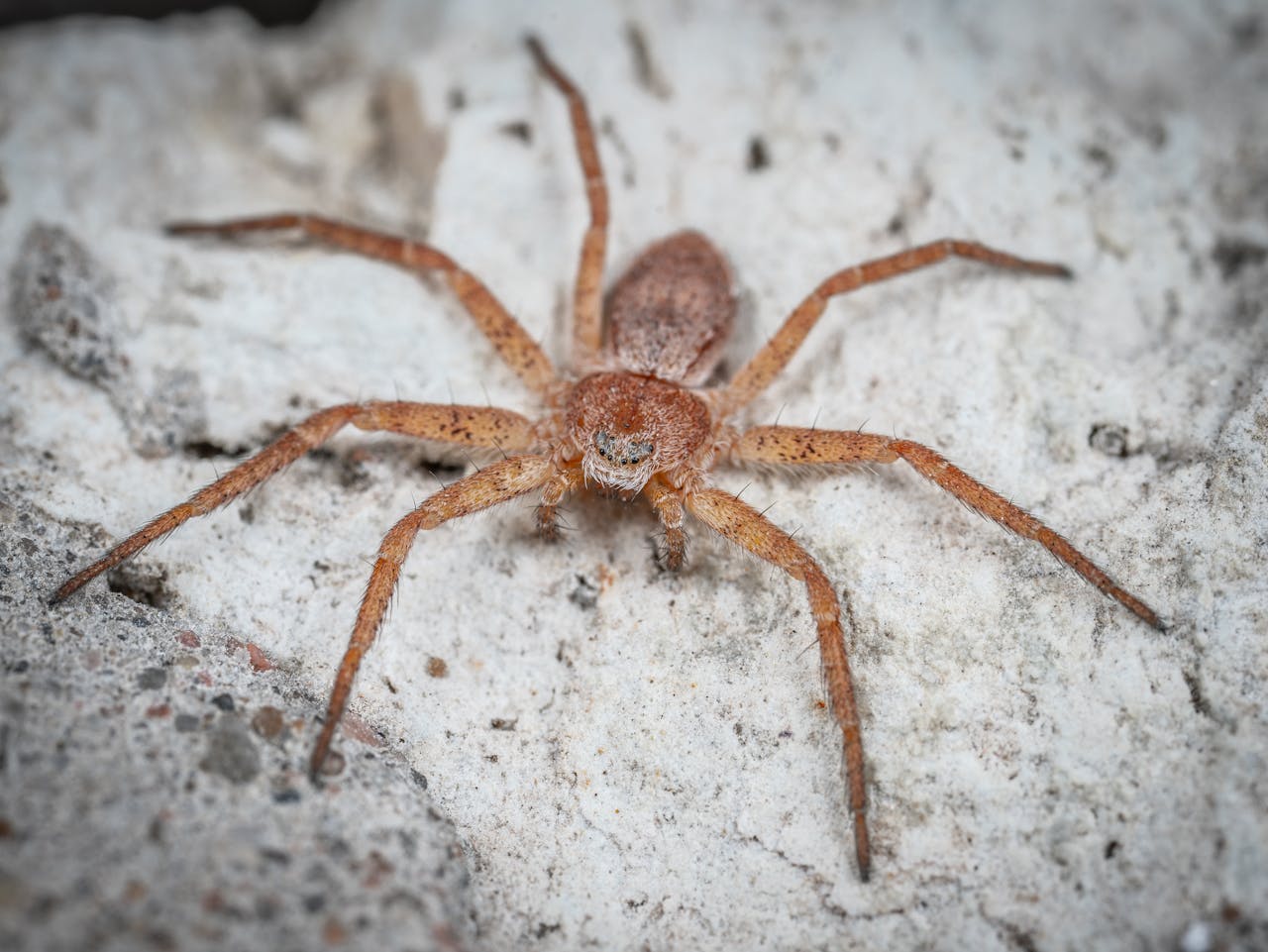
A small brown spider can carry a big reputation, especially when a shaky photo gets shared without a location or a verified ID. Brown recluses thrive in rumor-friendly gaps: dim basements, stored shoes, moving boxes, and that uneasy sense that danger could be anywhere.
In reality, the brown recluse has a fairly tight home range in the United States, mostly in parts of the Midwest and South. Outside that zone, the usual story is misidentification, or a one-off hitchhiker that never becomes a true local population. Knowing the difference turns fear into something calmer and more practical. It keeps wildlife talk honest.
They Live in Every State
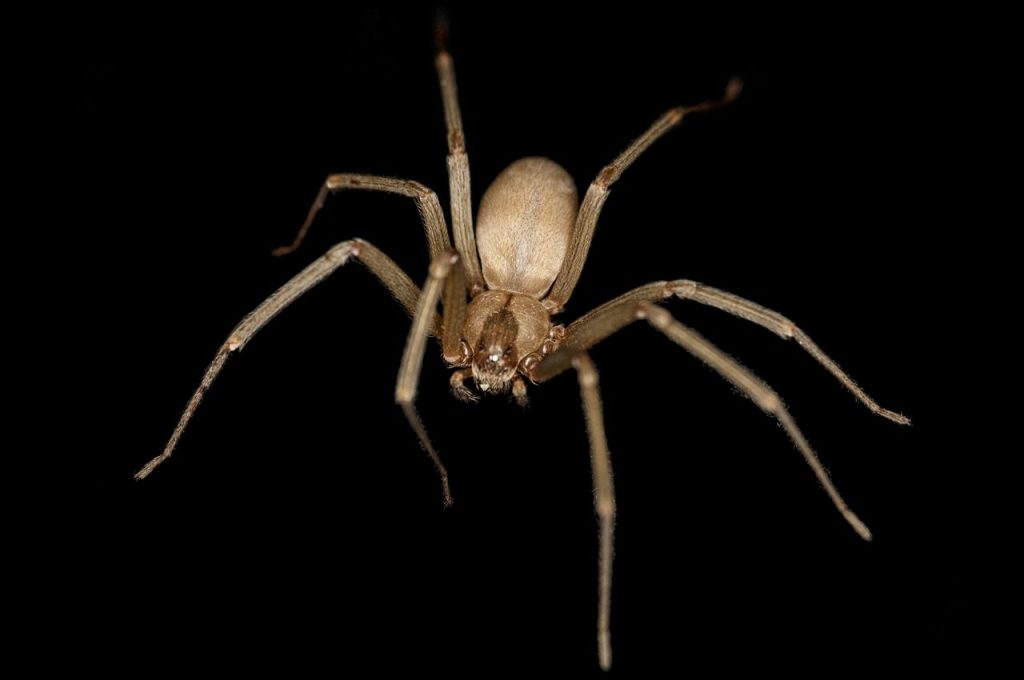
The myth says brown recluses lurk in every state, from beach condos to cabins. The documented range is far narrower, centered on the Midwest and South, roughly from southeastern Nebraska across to southern Ohio and down through much of Texas into parts of Georgia. Online bite stories rarely include a collected, identified spider.
Outside that band, the usual story is a harmless look-alike, or a hitchhiker that arrived in luggage, boxes, or furniture. Established populations beyond the core range are uncommon, which is why place matters as much as the spider itself. Maps beat anecdotes, every time.
The Violin Mark Proves It’s a Recluse
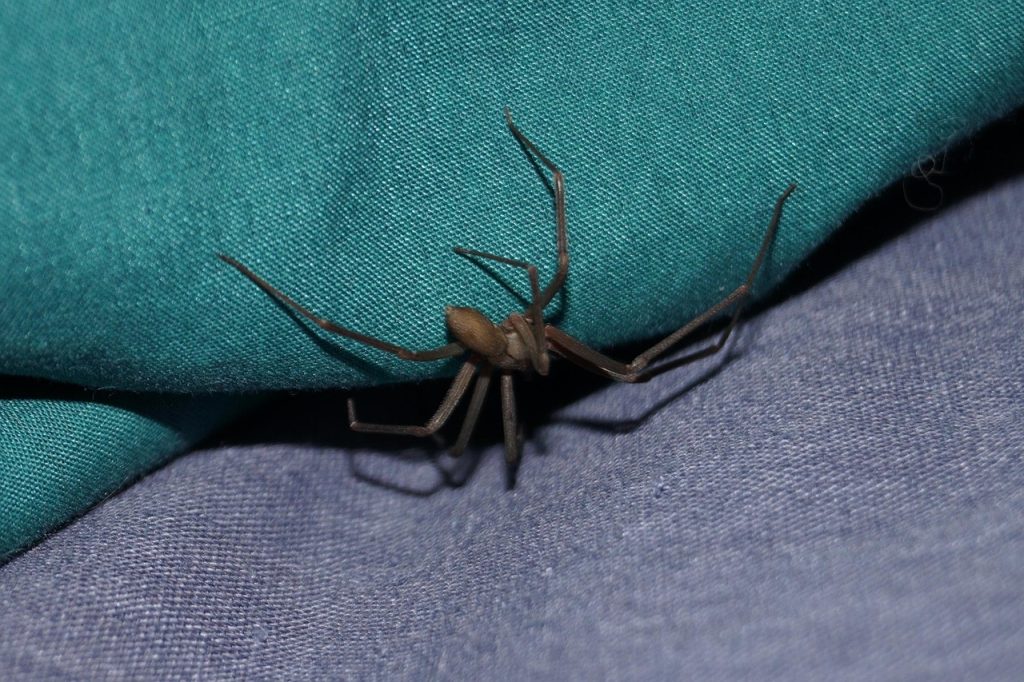
The violin mark is treated like a logo: spot a dark smudge, call it a brown recluse. That shortcut fuels false alarms because many house spiders can look violin-ish in bad light or phone blur.
A real brown recluse has six eyes arranged in three pairs, not eight like most spiders, and the overall look is plain rather than striped or boldly banded. Experts who receive suspected recluses from non-endemic states usually confirm other species instead. Good IDs come from clear photos, and from asking whether the spider was found inside the recluse’s true range. A range map saves a lot of worry.
California Is Full of Brown Recluses
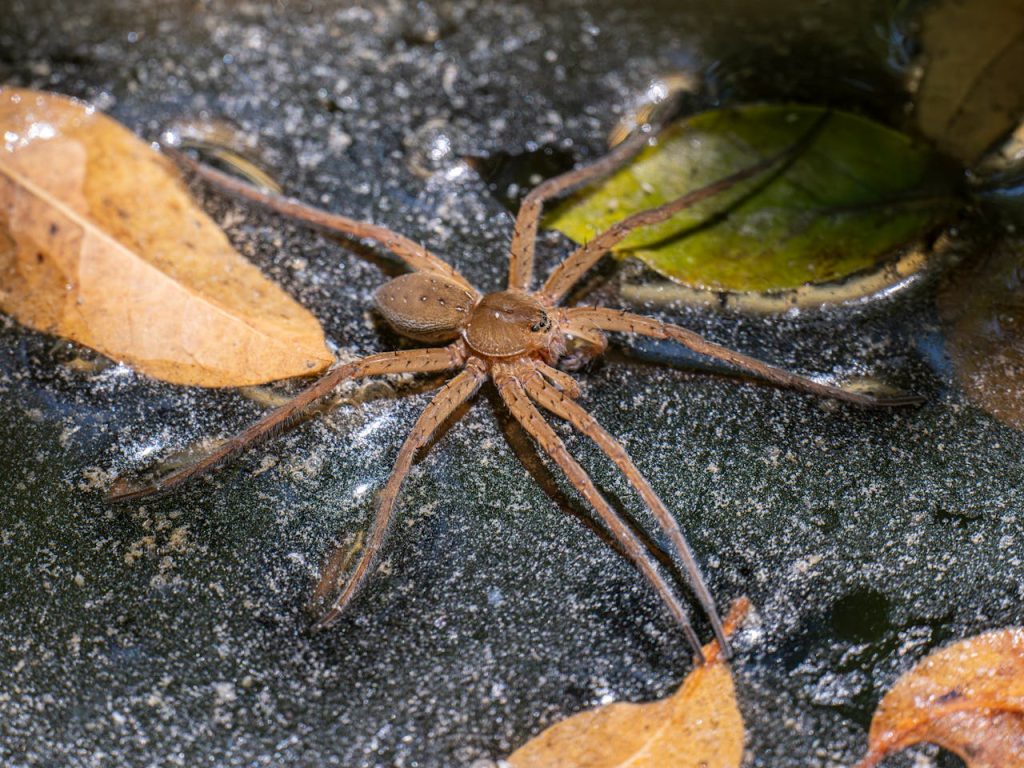
A persistent rumor plants brown recluses in California, as if a few scary headlines could rewrite a species map. Specialists have long noted that verified brown recluse populations are not established there, and most alleged cases never involve an identified spider.
California does have native recluse relatives, but they mostly live in Sonoran and Mojave desert habitats where human contact is limited. When a brown recluse shows up outside its core range, it is often a transported hitchhiker from an endemic state. That nuance matters: accuracy beats panic, always.
Any Mystery Sore Must Be a Recluse Bite

The biggest myth is medical shorthand: a mysterious sore appears, and the brown recluse gets blamed on sight. Researchers note that most alleged recluse bites are diagnosed without a spider ever being seen, captured, or identified. Outside the spider’s native range, that label is especially shaky.
Many problems can mimic the same look, from bacterial infections to other insect bites, and the right treatment can differ. Within the recluse’s actual range, a confirmed ID can support the story. Beyond it, the odds tilt toward something else. Range-checking is the simplest filter.
They Actively Chase People
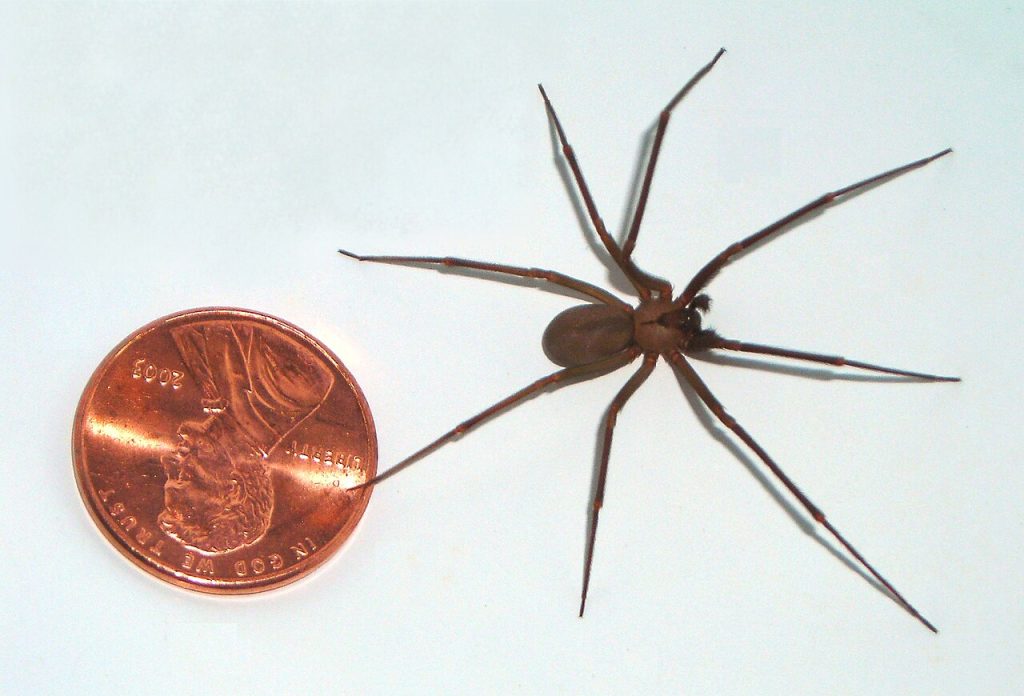
Pop culture turns the brown recluse into a prowler that chases people across the floor. Extension experts describe the opposite: a shy spider that prefers dry, undisturbed spaces and usually bites only when trapped against skin, like in clothing or bedding.
That behavior fits the geography. In its Midwest-and-South range, it often stays tucked in closets, attics, garages, and storage boxes rather than roaming outdoors in open daylight. Most encounters are indoors, not on trails. Small habits, like shaking stored shoes and gloves, cut down accidental squeeze moments.
Clean Homes Don’t Get Brown Recluses

The cleanliness myth adds shame to fear: if a brown recluse shows up, the home must be dirty. Recluses are not attracted to grime so much as to stillness, shelter, and cluttered storage where they are left alone.
Guidance repeats the same hiding themes: dark closets, attics, garages, and stacks of boxes. Outdoors, the pattern is similar: under structures, in woodpiles, or tucked among debris that stays dry. Cardboard makes easy cover, so moving boxes get blamed. Even tidy houses in-range can have pockets. Control is simple: cut clutter, seal gaps, and use lidded bins. No shame required.
Every Desert Recluse Is a Brown Recluse
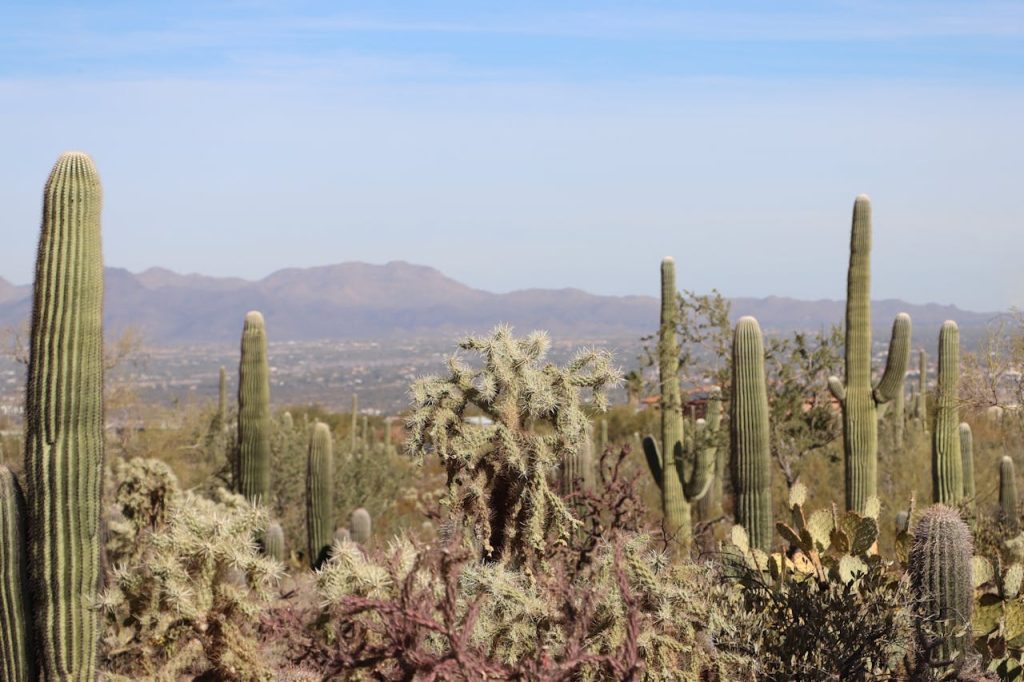
reality, different Loxosceles species occupy different regions, and some that resemble recluses live in deserts rather than in the brown recluse’s Midwestern stronghold.
Southern California’s most common recluse, for example, is the desert recluse, tied to Sonoran and Mojave habitats where people are relatively sparse. Mixing the names muddies risk and location. The smartest takeaway is local: learn which recluse, if any, belongs in that zip code today.