

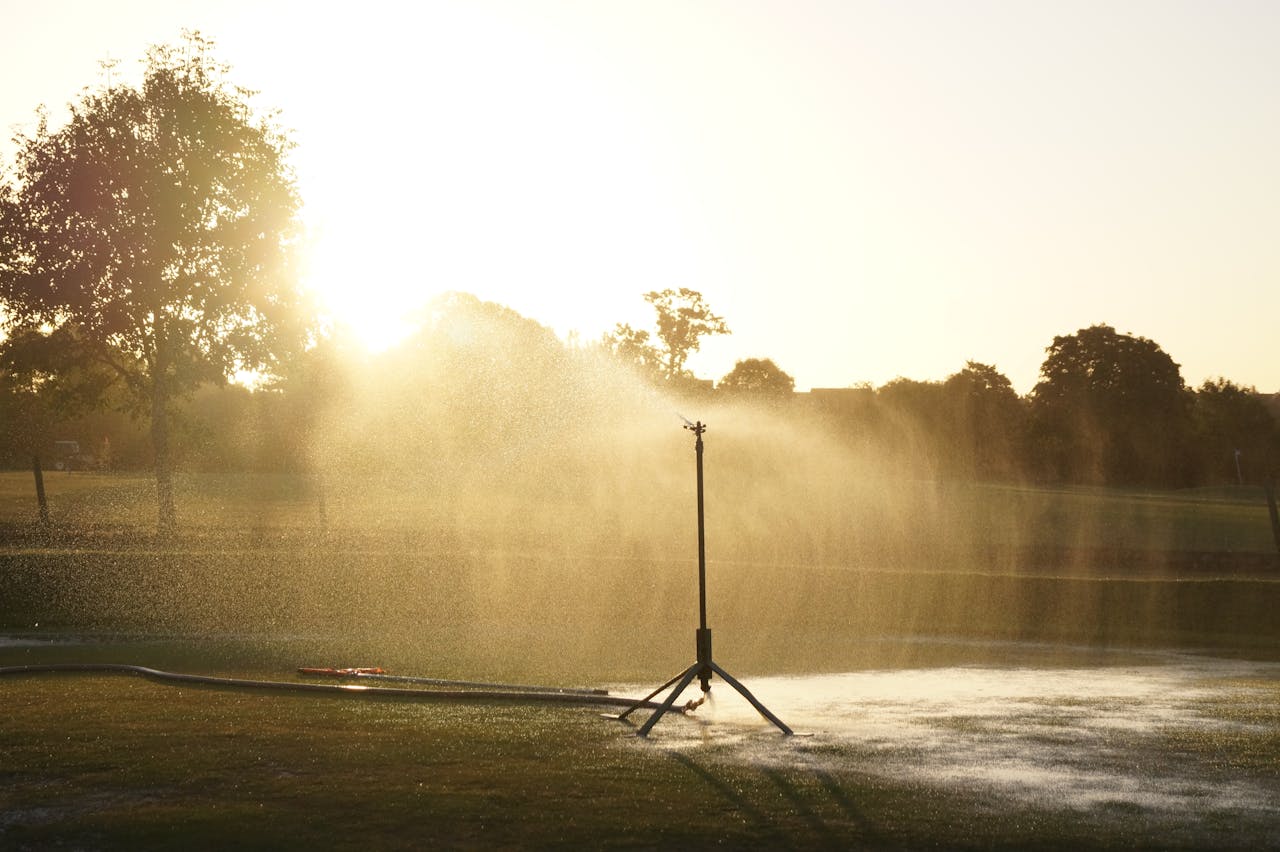
A lawn can look thirsty long before it truly needs water, and that confusion is where waste begins. When sprinklers run on autopilot, blades stay wet for hours, soil stays too warm and humid, and fungal spores get a head start. The fix is not more effort, but smarter timing, deeper roots, and a schedule that adapts to heat, rain, shade, and soil type. Small habits, repeated all season, can send water down the driveway, keep roots shallow, and turn a green yard into a patchwork of thin spots. Once the pattern is corrected, turf usually thickens, dries faster, and looks steadier through summer swings without extra inputs.
Watering After Dark
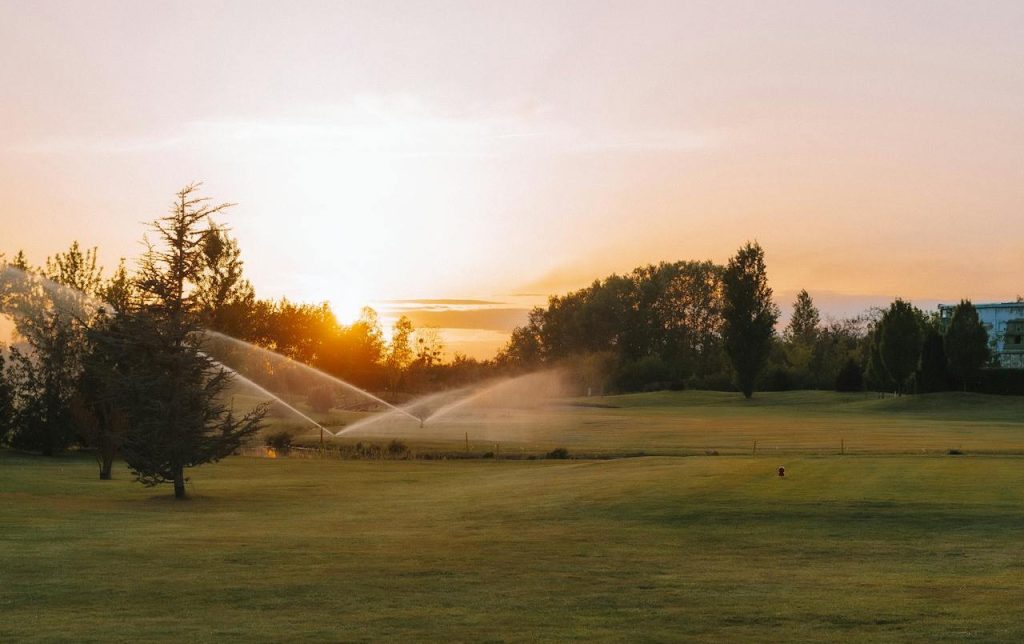
Watering at night feels tidy, but it keeps grass blades wet for the longest stretch of the day. Cool air slows evaporation, dew stacks on top of irrigation, and shaded turf can stay damp well into late morning. Timers can stay, but the clock should move.
That long leaf-wetness window favors diseases such as dollar spot, red thread, and brown patch, especially during humid weeks. It also wastes water when soil stays saturated and low on oxygen, which weakens roots and slows recovery after mowing or traffic.
A pre-dawn cycle that finishes around sunrise still refills the root zone, yet lets leaves dry quickly before heat builds.
Relying on Light, Daily Sprinkles
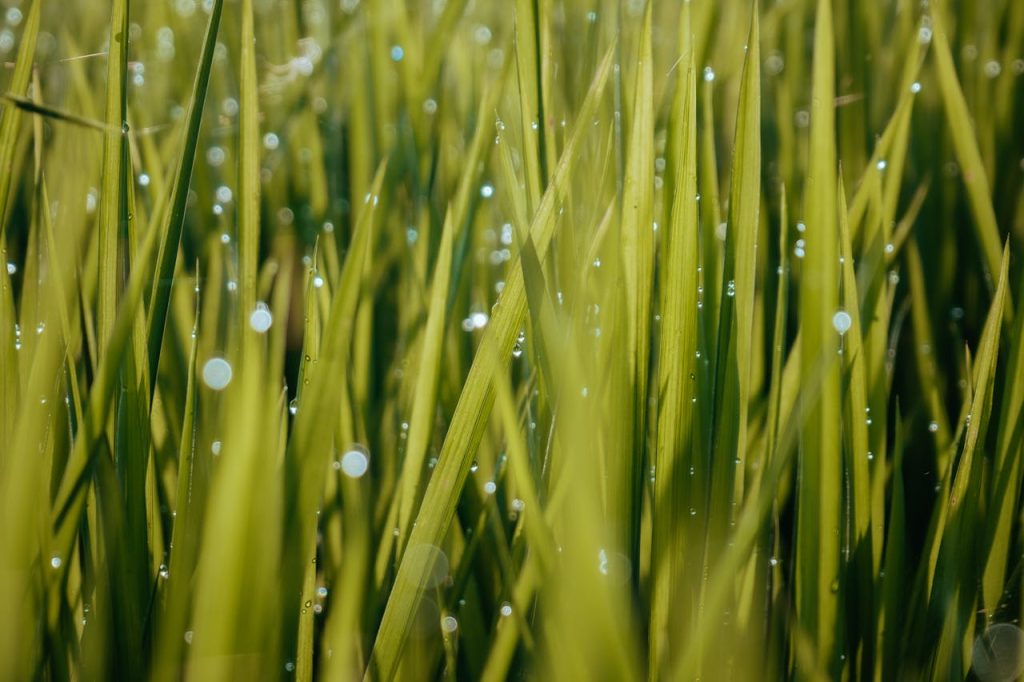
Quick, daily sprinkles keep the surface dark and damp, but they do not build a resilient lawn. Grass learns to live on topsoil moisture, so roots stay shallow, thatch stays spongy, and the lawn wilts fast in afternoon heat. A five-minute rinse often never reaches the deeper root zone.
Fungus likes that routine, because the top inch never gets a real dry-down and leaf bases stay humid. A deeper soak given less often pushes roots down, reduces moisture at the crown, and makes turf steadier between storms.
Watering depth should match soil: sand needs shorter soaks more often, while clay needs longer breaks so water can infiltrate.
Watering in Midday Heat
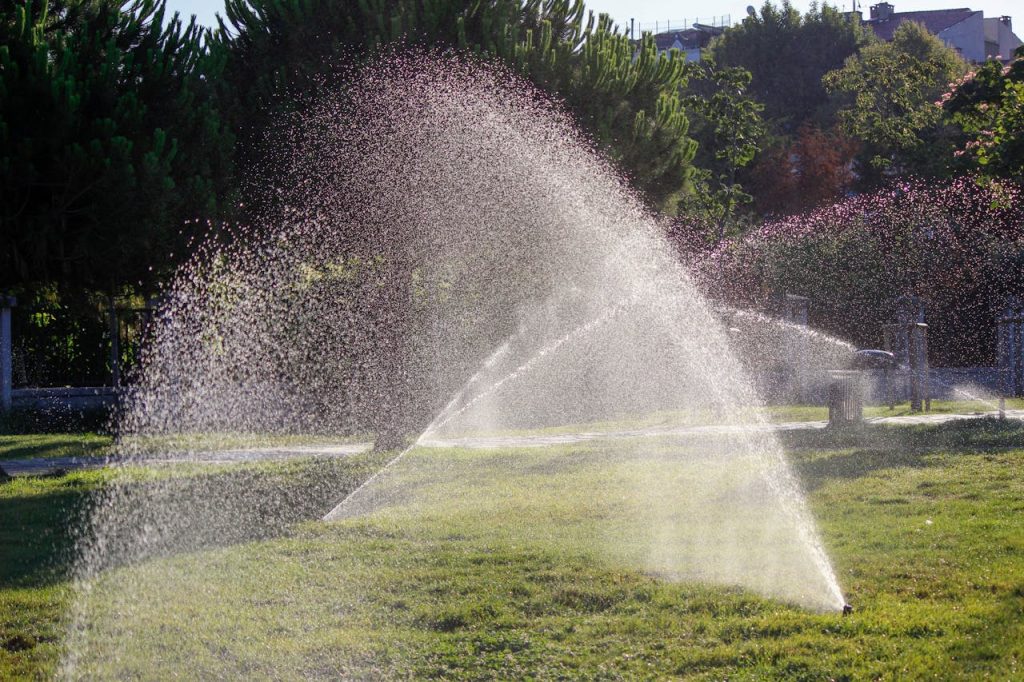
Midday watering looks helpful, but sun and wind can steal a big share before it hits the soil. Fine mist drifts, warm blades shed moisture as vapor, and overspray on sidewalks and driveways disappears almost instantly. On breezy days, coverage can turn uneven.
The lawn may still look stressed by 3 p.m., so the timer gets bumped up, and waste compounds. Morning cycles, ideally ending early, cut evaporation losses and refill the root zone when grass can actually take it in efficiently.
Earlier watering also shortens the time foliage stays wet, which matters during muggy spells when brown patch and other fungi spread fast.
Overwatering Poor-Draining Areas
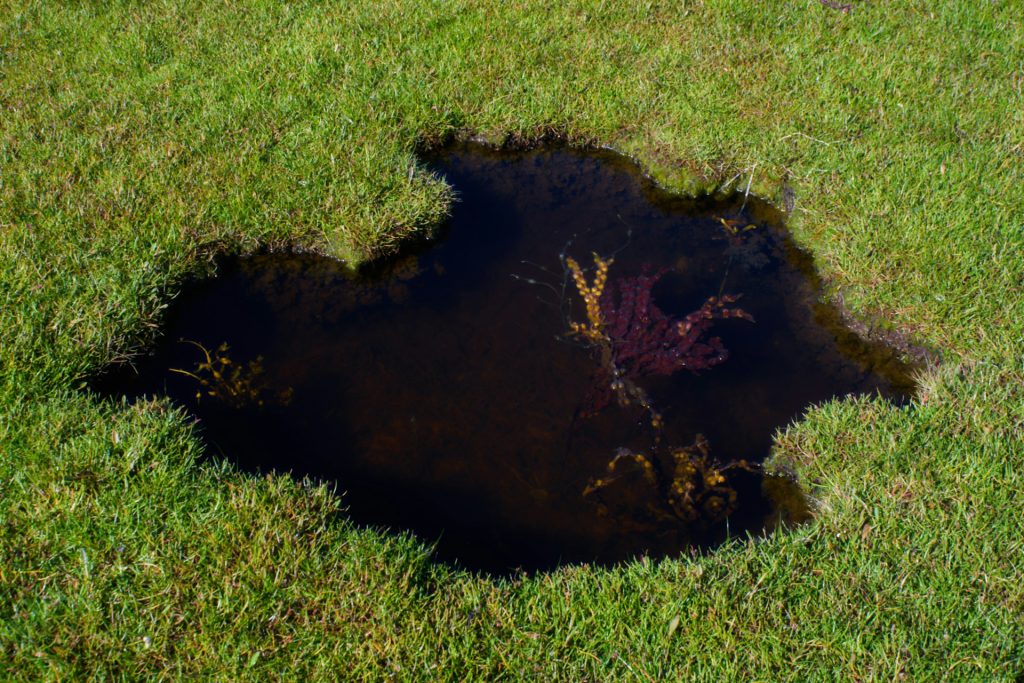
Thin grass in low spots often gets blamed on drought, so those areas receive even more water. But heavy clay, compacted soil, and shallow depressions already hold moisture like a sponge, leaving roots short on oxygen. Footprints linger, and mower tires can sink.
When one schedule soaks the whole yard, soggy zones never get a chance to breathe. Rot, algae, moss, and leaf spots can follow, while higher ground stays thirsty and uneven color tempts longer runtimes.
Better fixes are mechanical: core aeration, light topdressing, gentle regrading, downspout redirection, and shorter cycle-and-soak runs that match infiltration.
Letting Sprinkler Problems Go Unchecked
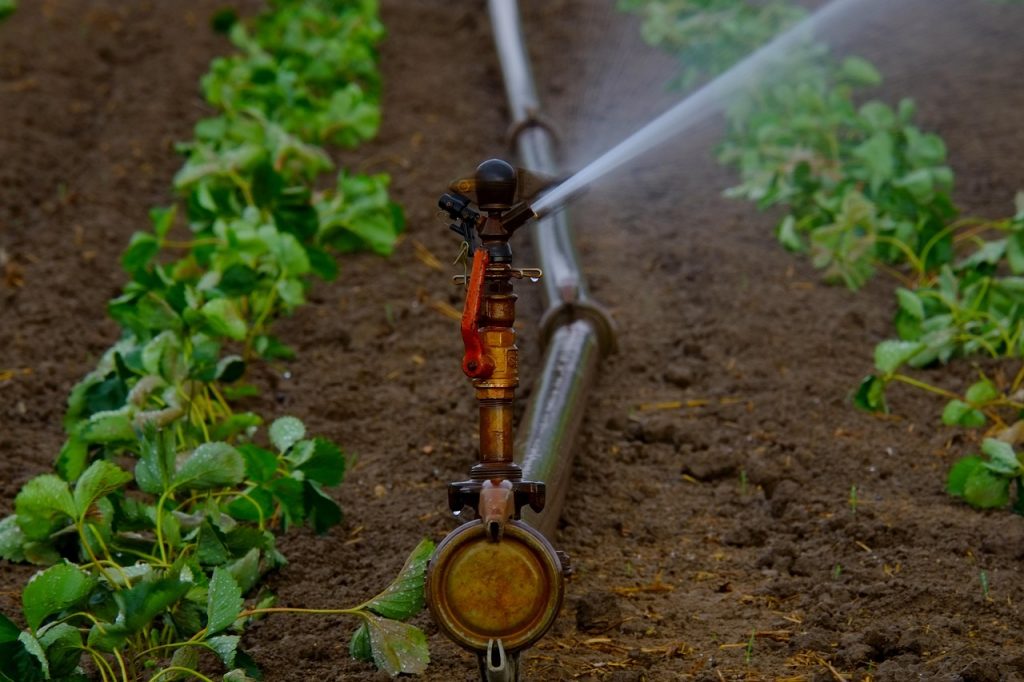
A sprinkler system can be wasting water even when it seems to run fine. One tilted head can create a puddled arc, while a clogged nozzle leaves a dry stripe that gets blamed on heat instead of coverage. Pressure problems can turn spray into mist that drifts.
The usual response is longer runtimes, which mainly feeds the wet spots that already stay damp the longest. Those patches become easy targets for fungal flare-ups, while overspray onto pavement turns into pure loss.
A simple audit helps: watch a full cycle, clear debris, level heads, and use a few catch cups to compare zones, then fine-tune run times for uniform soak.
Watering on a Fixed Calendar After Rain
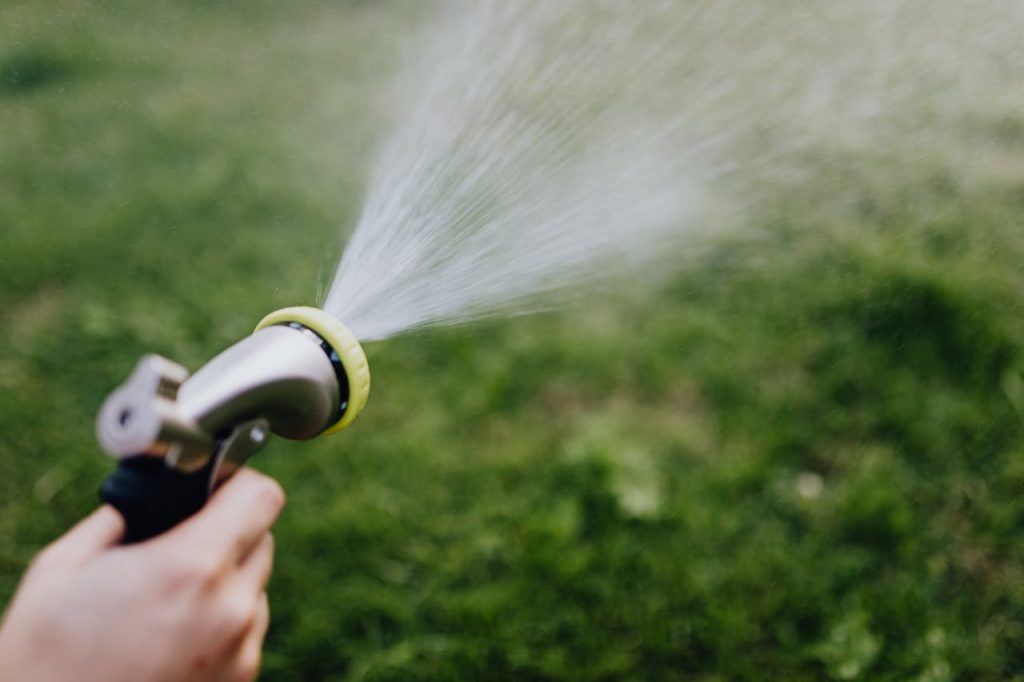
Fixed schedules waste water when weather refuses to cooperate. After a soaking rain, many controllers still run because the settings never change, leaving soil saturated and roots starved for air. Microclimates matter, too: shaded corners stay wet longer.
Warm, humid nights are also when fungal issues tend to surge, and extra irrigation can keep leaf bases wet right through sunrise. The lawn may look lush for a day, then thin as disease and shallow rooting take their toll.
Rain sensors, smart controllers, or a simple rain gauge paired with manual skips keep decisions tied to inches of water, not habit, after heavy rain.
Running Long Cycles That Cause Runoff
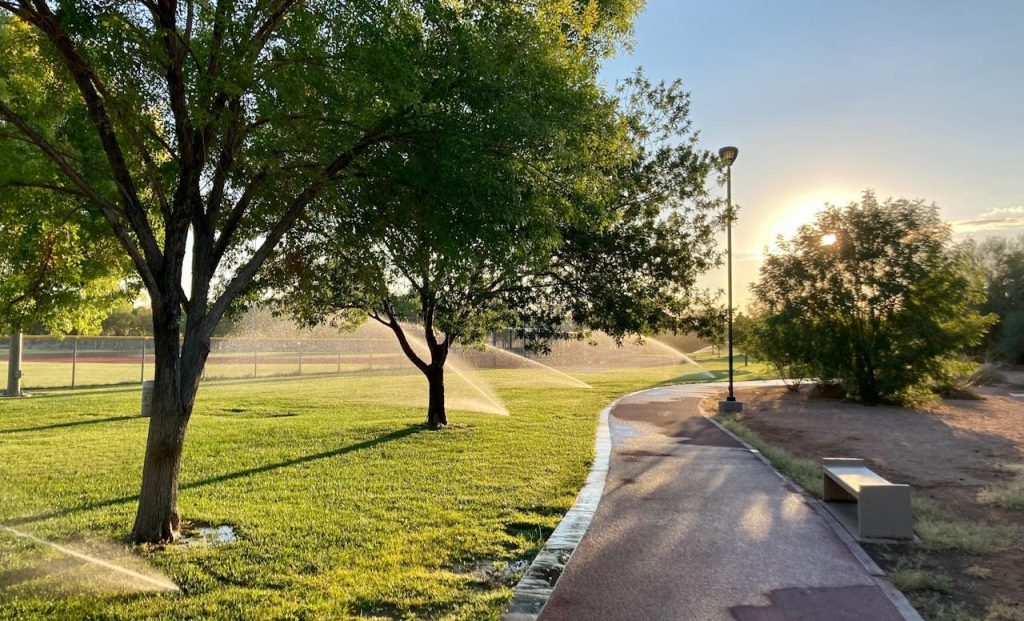
Long sprinkler cycles can look thorough while quietly sending water downhill. If water hits faster than soil can absorb, it sheets off slopes, pools in low spots, and carries fertilizer toward storm drains. Compaction and clay make that failure happen sooner.
Runoff leaves uphill roots drier than expected, yet low areas stay wet enough for algae, moss, and fungal disease to take hold. The lawn can end up both stressed and soggy, a frustrating combination that triggers even more watering.
Cycle-and-soak scheduling solves most of it: split one long run into shorter starts with pauses, and adjust nozzles or pressure to slow delivery.