

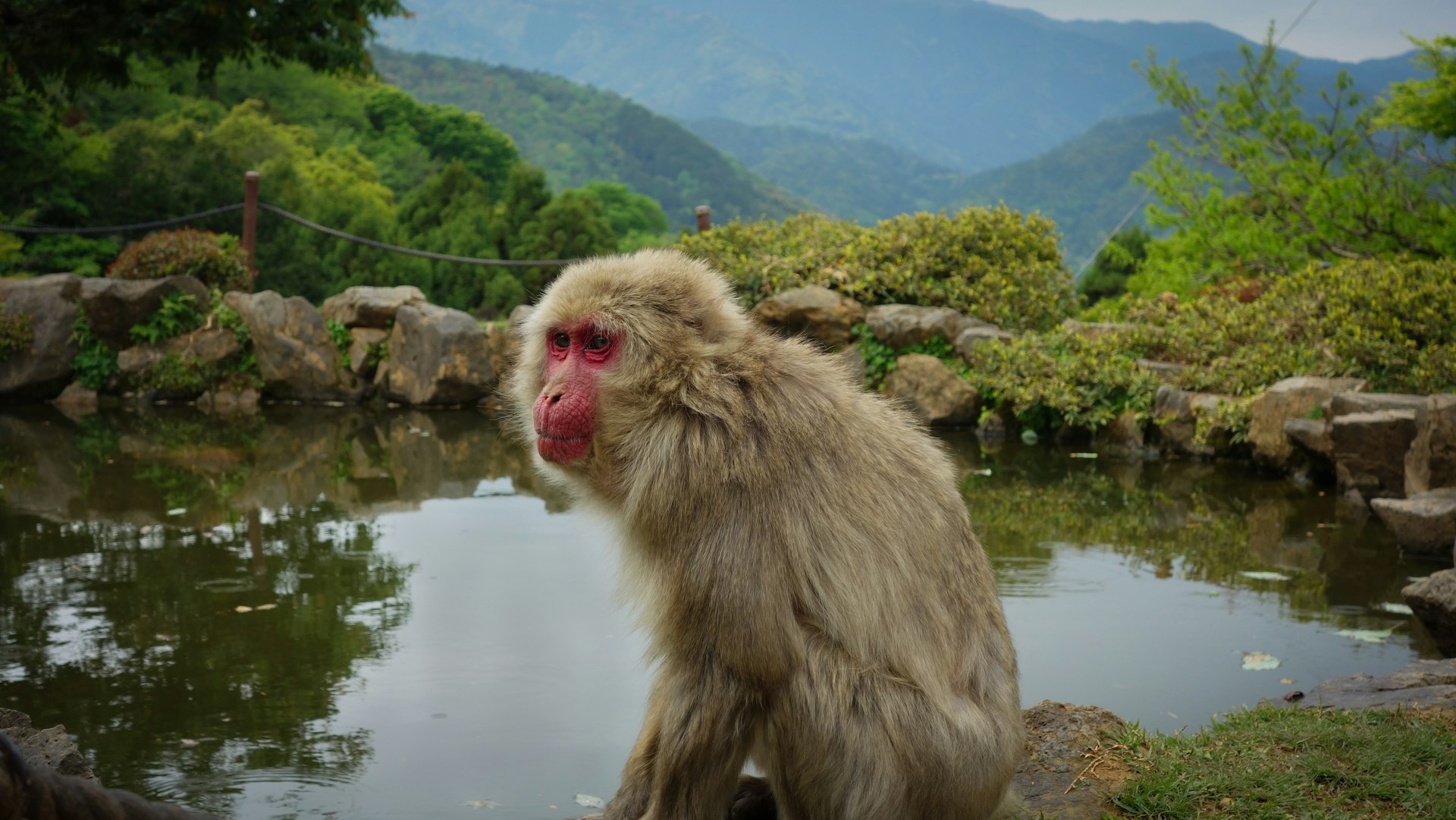
Monkeys are often framed as clever tricksters, sacred figures, or roadside entertainers, but that softer image can hide a harder truth. A handful of species become genuinely risky when food conditioning, habitat loss, crowding, or human provocation push them out of wary distance and into daily conflict.
In those moments, sharp teeth, strong social hierarchies, and quick defensive reactions matter more than charm. What turns the encounter is rarely cruelty. It is proximity, pressure, and a primate that has learned people mean snacks, threats, or both. That is where fascination can turn tense very fast for everyone nearby.
Rhesus Macaque
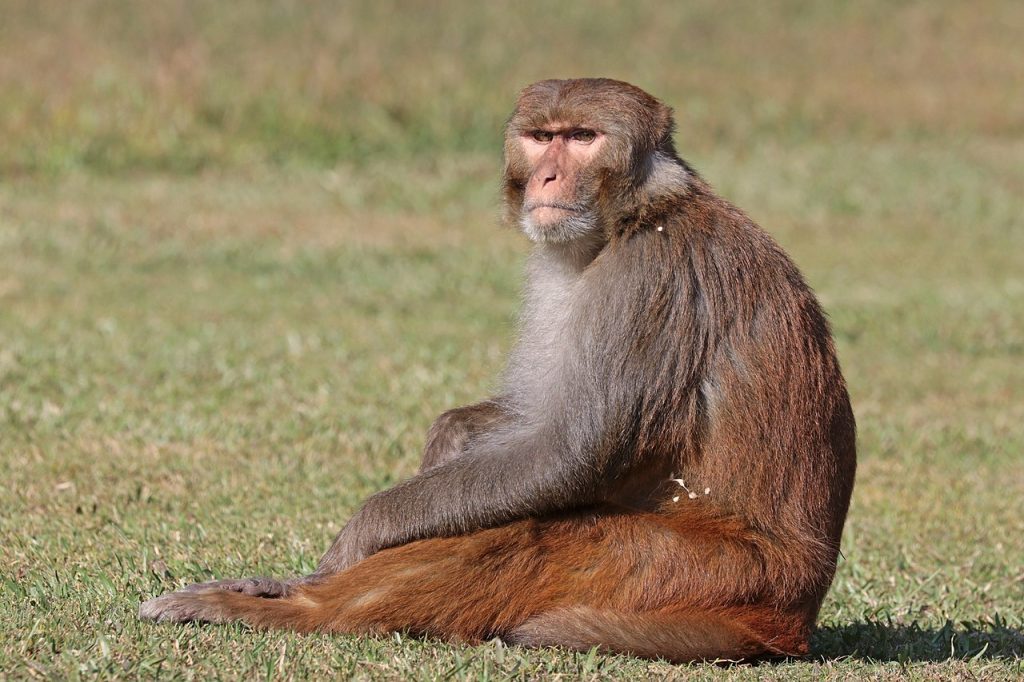
Rhesus macaques are among the most conflict-prone monkeys because they adapt fast, live comfortably around temples, towns, farms, and parks, and lose fear of people quickly. Studies on human-rhesus conflict show their aggression is often linked to food disputes, intimidation, and repeated close contact rather than random malice.
They are also macaques, which matters medically as much as behaviorally. The CDC notes that bites, scratches, or fluid exposure from macaques can spread B virus, a rare infection that can be severe or fatal in humans. That makes a rhesus troop more than a nuisance when feeding and crowding become routine.
Long-Tailed Macaque
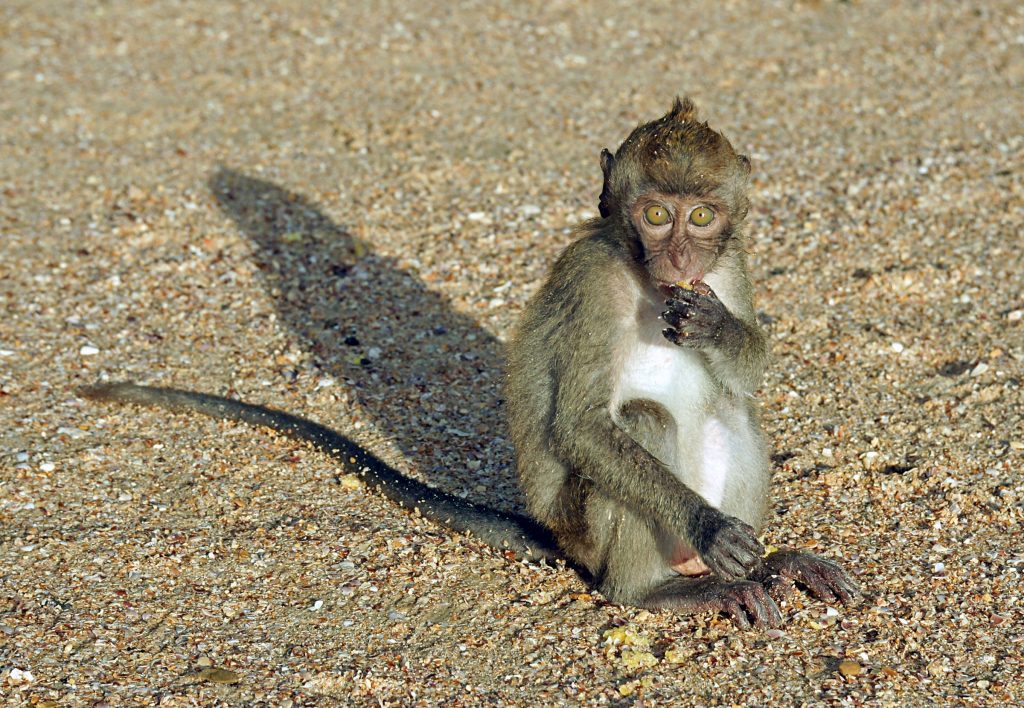
Long-tailed macaques, also called crab-eating macaques, often turn difficult where tourism and handouts reshape their behavior. Research from Singapore and other macaque interface sites shows food attraction, item-snatching, and aggressive encounters rise when these monkeys learn that people often carry easy calories.
The risk is not just a nip from a frustrated animal. CDC guidance notes that crab-eating macaques are among the macaque species linked to B virus concern after bites or scratches, even though human infection is rare. Once these monkeys connect people with food, a quick grab can become a sharp, messy confrontation.
Barbary Macaque
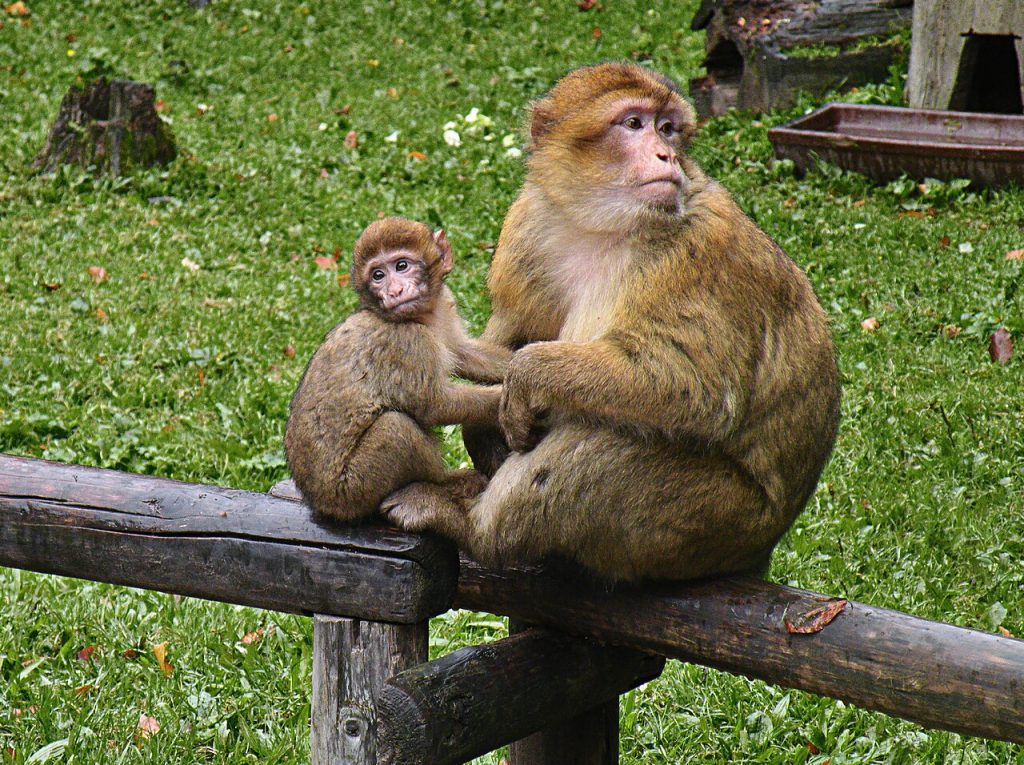
Barbary macaques are famous in Gibraltar for looking approachable, which is often how trouble starts. Gibraltar’s health authority warns that these monkeys may bite when threatened, startled, provoked, or when guarding food or young. Feeding them is prohibited because food expectation erodes safe distance.
What makes the species tricky is the mismatch between appearance and reality. They sit near roads and railings, so people mistake stillness for consent. The result can be a snatch, a bluff charge, or a bite that begins with somebody lingering too close to a wild monkey that never invited contact. That mistake repeats often.
Japanese Macaque
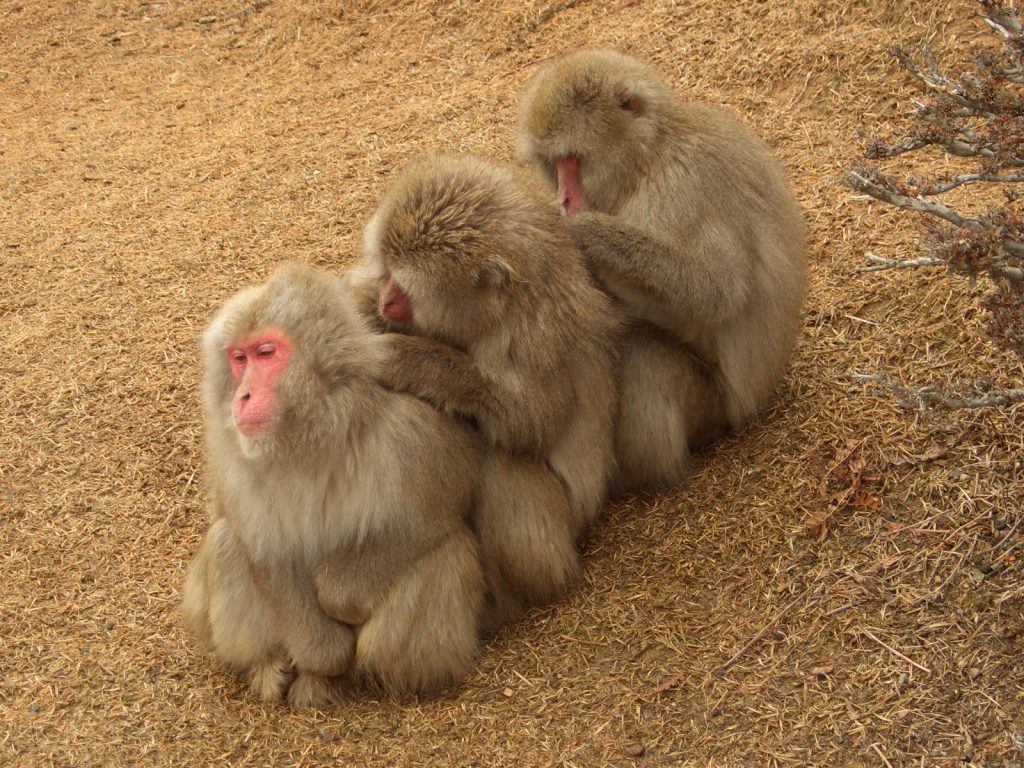
Japanese macaques carry a polished public image thanks to hot spring photos and snowy mountain scenes, yet conflict research from Japan paints a tougher picture. Recent reviews describe crop loss, property damage, and occasional aggressive encounters as urban expansion and changing land use push troops closer to towns and farms.
They are not dangerous because they are uniquely vicious. They become difficult when social troops learn raid routes and escape options better than the people trying to deter them. Once a troop is bold enough to test an orchard or village edge again and again, the pressure rises fast on both sides.
Bonnet Macaque
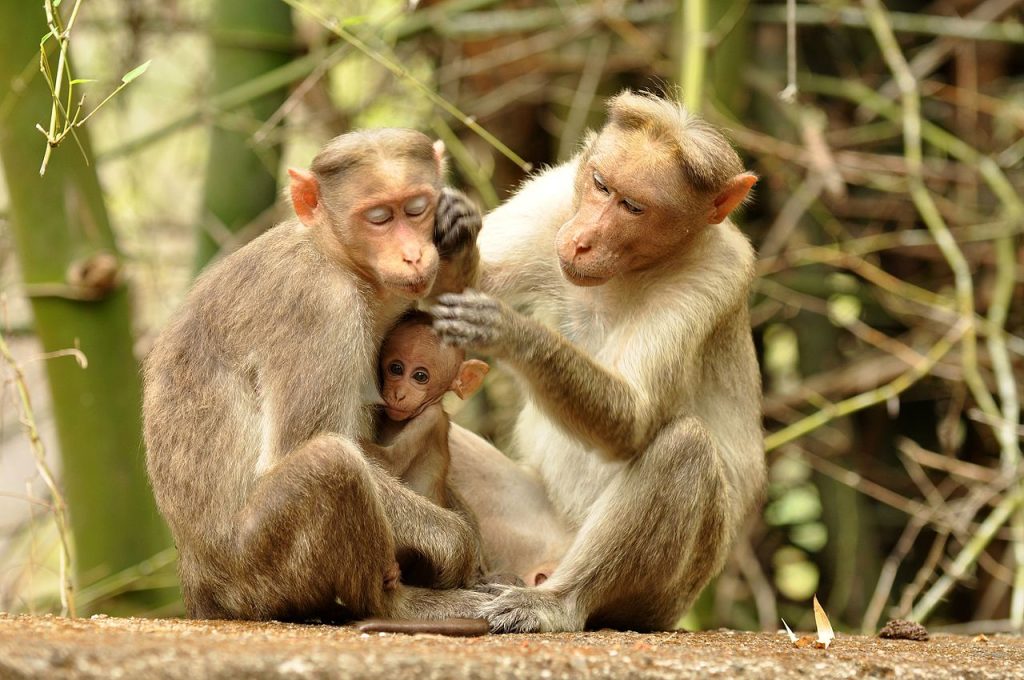
Bonnet macaques are often treated as familiar roadside monkeys, but familiarity is part of the problem. Conflict studies describe crop raiding, house raids, property damage, and safety concerns where settlements, temples, tourism, and garbage create an easy food trail.
Repeated exposure changes their behavior and people’s patience. Work on crop-raiding bonnet macaques links conflict to depleted natural resources and human reaction, while recent field studies note that settlements offering alternative food intensify trouble. A troop that stays around people long enough stops passing through and starts testing boundaries every day.
Chacma Baboon
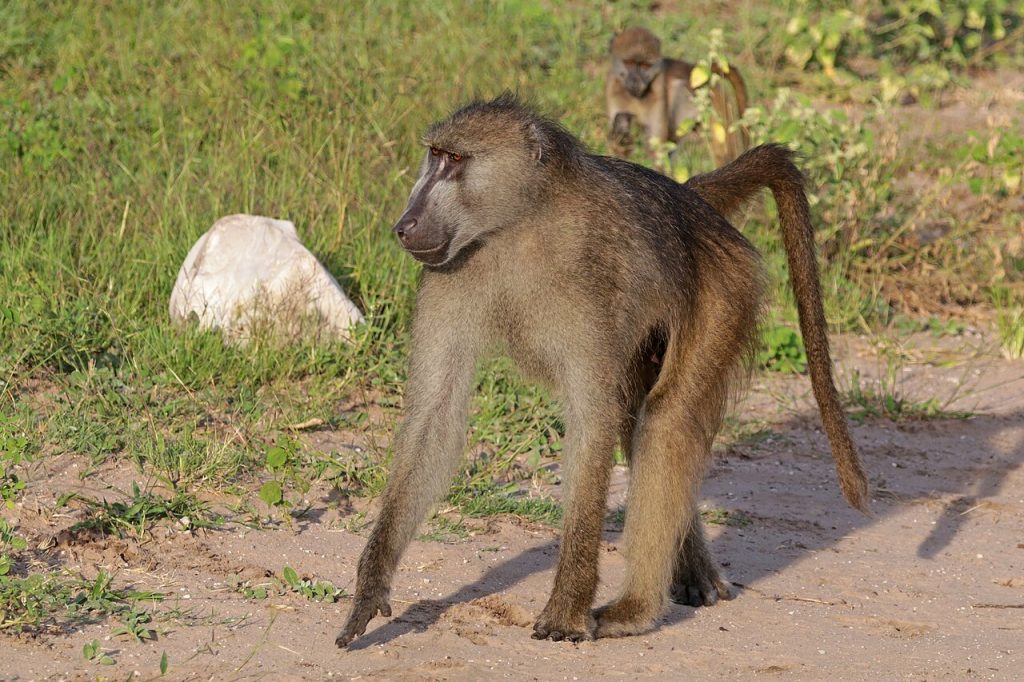
Chacma baboons are not subtle once conflict begins. SANBI describes them as the largest members of the monkey family, with adult males carrying sharp canine teeth and dominance hierarchies maintained through fighting and visual aggression. Near settlements, that size and confidence can turn a food dispute into a problem.
The danger usually grows from opportunity, not surprise. Chacma baboons raid homes, lodges, and picnic areas, feed on refuse, and quickly learn that human spaces can be profitable. When people feed them or crowd them too closely, the troop reads the moment through rank and access to food, not through human manners.
Olive Baboon
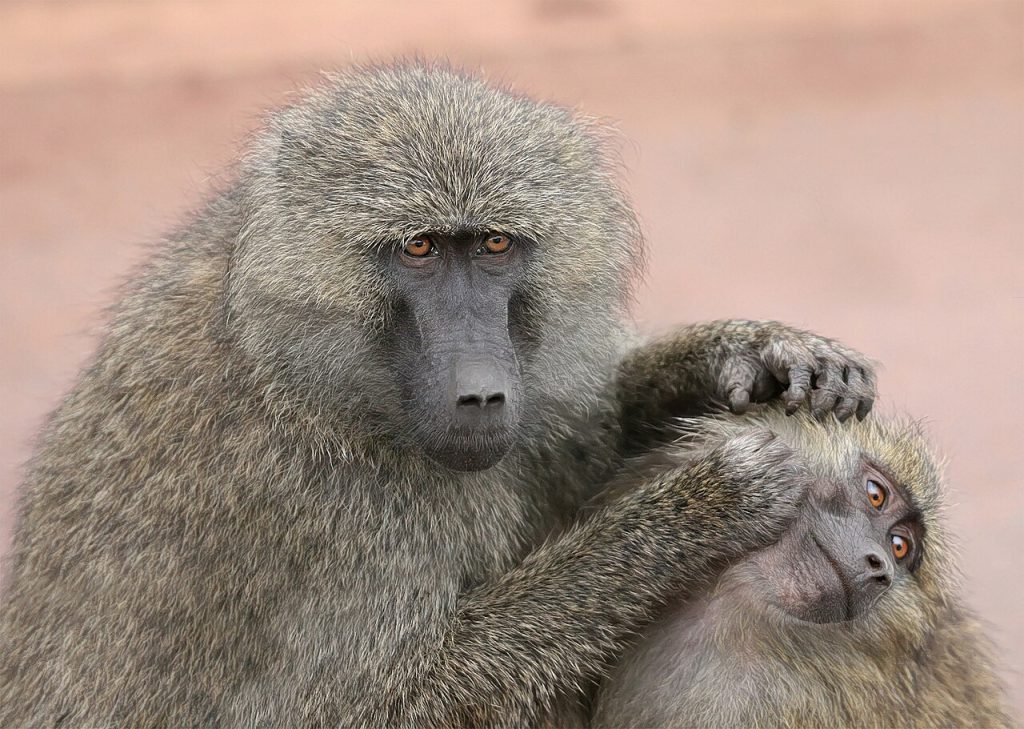
Olive baboons become dangerous less through drama than through persistence. Research from Ethiopia found that farmers identified crop foraging and small-livestock predation as the main causes of human-olive baboon conflict, which shows how bold these troops can become in landscapes.
That matters because a large monkey that has learned fields and fences is not easy to bluff away. Studies on baboon crop raiding describe fast, watchful foraging and adjustment to human pressure. Once olive baboons treat a place as part of their feeding range, conflict stops being occasional and starts becoming a regular contest over food and space.