

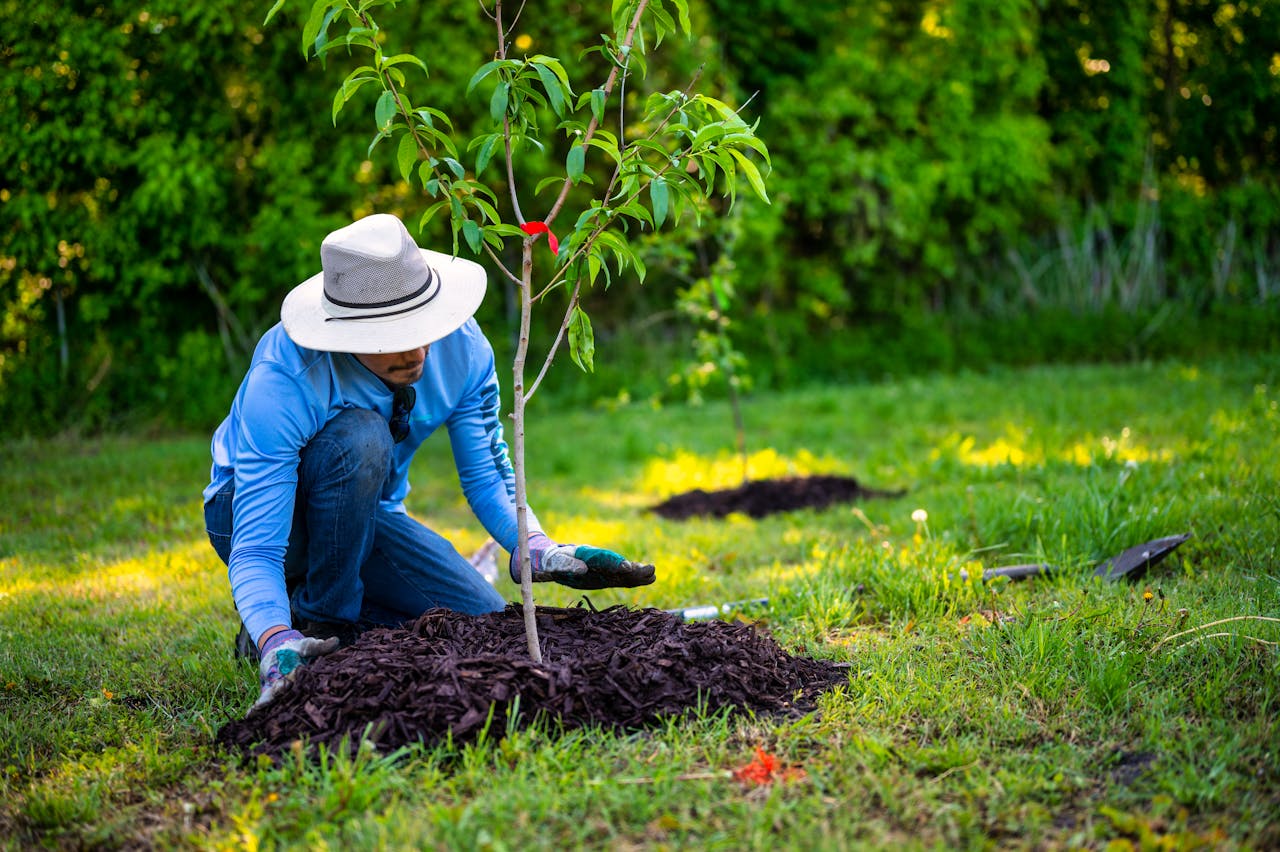
Mulch usually goes down as a sign of care, not neglect. A fresh layer makes beds look finished, slows weeds, and helps soil hold moisture through long dry spells. Still, horticulture experts keep seeing the same pattern in stressed shrubs, perennials, and young trees: the mulch was applied too deep, too close, or onto already soggy ground. The trouble builds slowly, so it is easy to blame heat, insects, or a weak plant. By the time leaves droop and stems soften, the real issue is often trapped moisture around crowns and roots. Most early setbacks are preventable once the common placement mistakes are easier to spot.
Piling Mulch Against Trunks and Stems
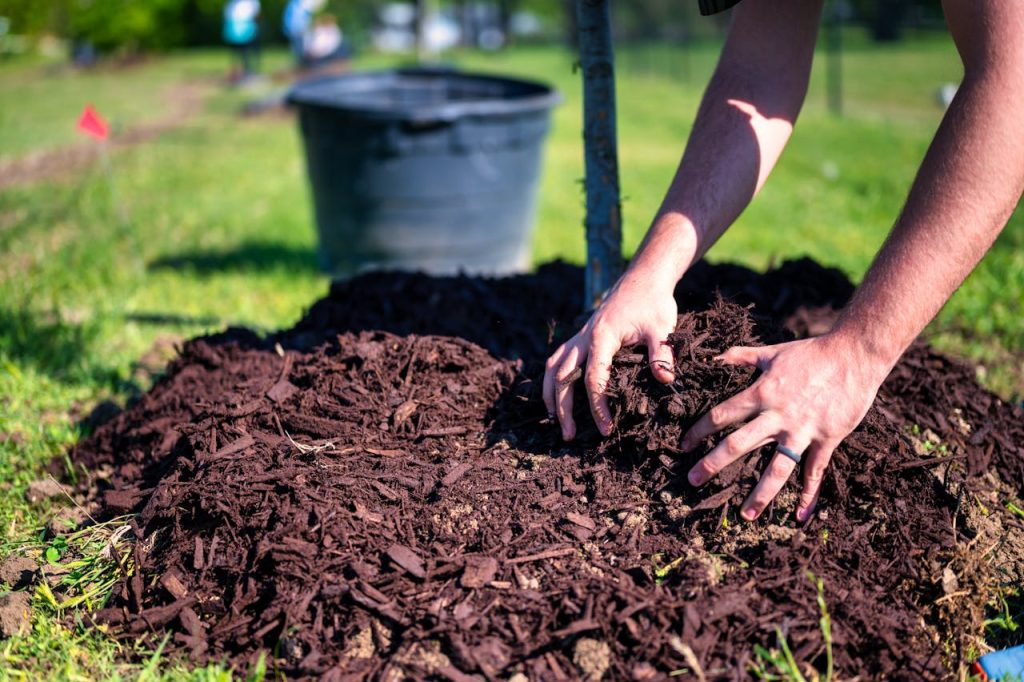
Mulch pushed tight against trunks and stems keeps bark damp far longer than it should stay. RHS guidance notes that direct stem contact can soften tissue and raise disease risk, and Maryland Extension warns the same setup can create bark decay and entry points for pests and pathogens. It is a common cause of decline in otherwise tidy beds.
A clean mulch ring works better than a neat mound. Horticulture teams usually recommend leaving a small gap at the base, then spreading mulch outward over the root zone, so moisture stays in the soil instead of sitting against the bark line where rot often begins after watering or rain.
Smothering Perennial Crowns Under a Blanket
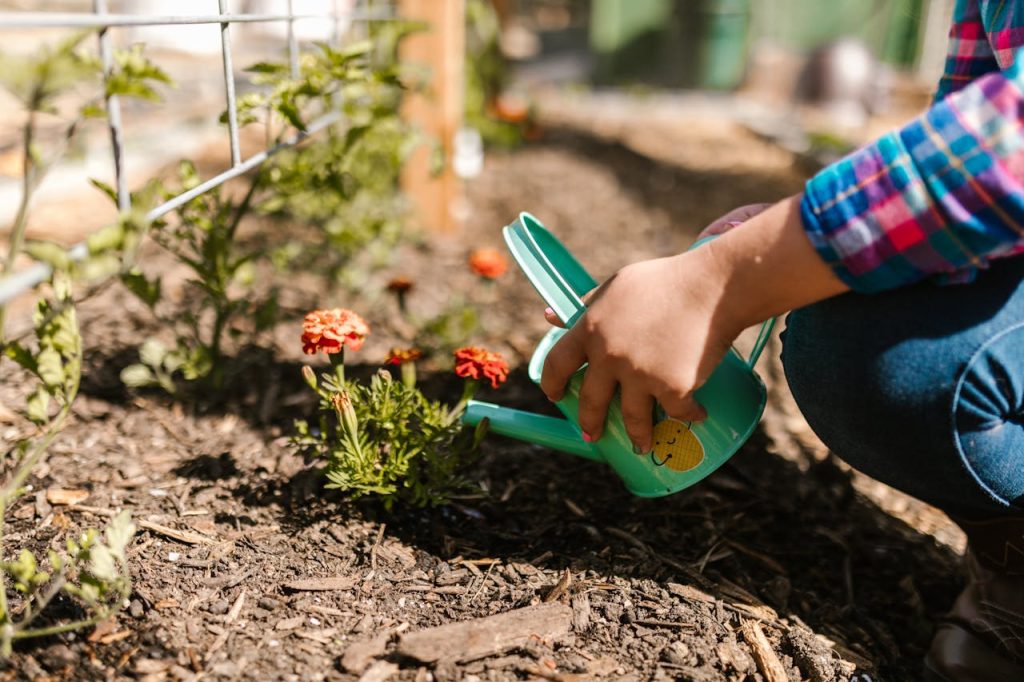
In mixed beds, the most overlooked mistake is covering the crown, the point where stems meet the soil. Iowa State advises keeping mulch around perennials but not directly over the crown, and UC ANR also warns that mulch on top of crowns or too close to stems can encourage crown rot. The same issue shows up in shrubs when mulch gets tucked tight.
This often happens during a fast cleanup when mulch is tucked in to make the bed look finished. The plant may look protected at first, but the buried crown loses airflow and stays damp after irrigation, which is exactly the condition rot organisms prefer and early growth struggles in.
Letting Total Mulch Depth Creep Too High
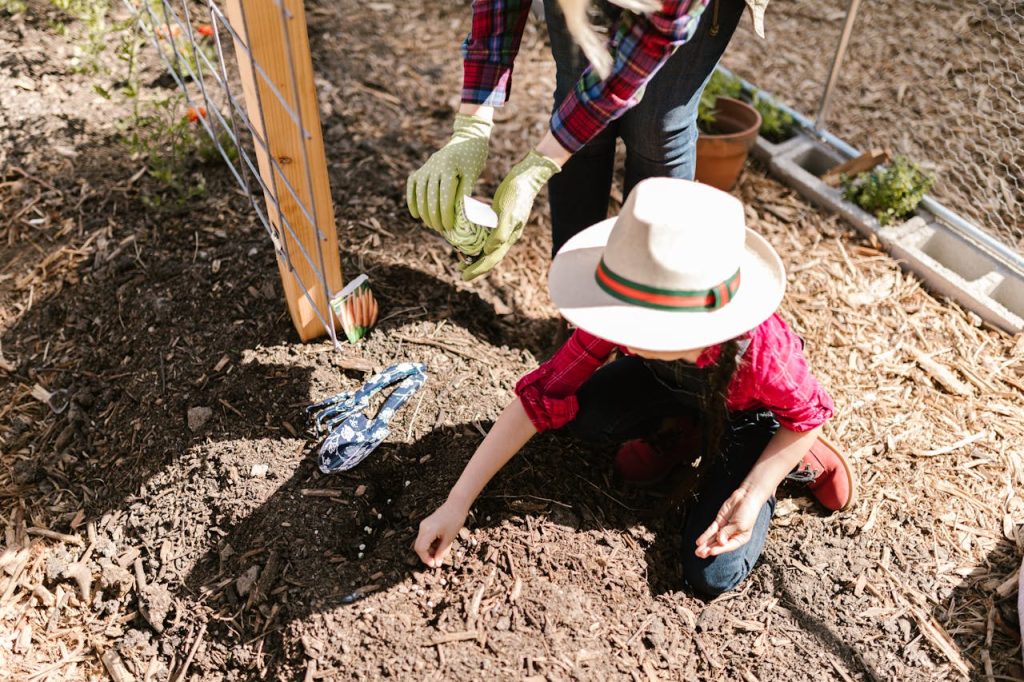
Depth problems rarely happen in one day. They build season by season when a fresh layer goes on top of old mulch without checking the total. Rutgers says mulch should stay at a total depth of about 3 inches, including what remains from earlier years, and Maryland Extension gives the same 3 inch limit for organic mulches. That extra inch often starts the trouble.
When the layer gets thicker, oxygen movement drops and roots struggle. Maryland notes excess mulch can reduce soil oxygen and drive roots upward into the mulch, where they dry out faster when surface moisture changes and the bed swings between soggy spells and dry crusts.
Using Fine Mulch at Coarse-Mulch Depths

Texture changes the rules, but many gardeners spread all mulch at the same depth. Oklahoma State recommends coarse mulch at about 3 inches and fine mulch at about 2 inches, while Rutgers and Iowa State both explain that finer mulch packs tightly and can restrict airflow when piled too deep. Fine shredded bark often looks polished, so it gets overapplied.
That packed layer can look moist and tidy while the soil below loses oxygen. Rutgers also notes that fine mulch can become water repellent as it dries and knits together, which makes watering less even and keeps the root zone on a stressful cycle during warm weather.
Adding New Mulch Without Resetting Old Layers
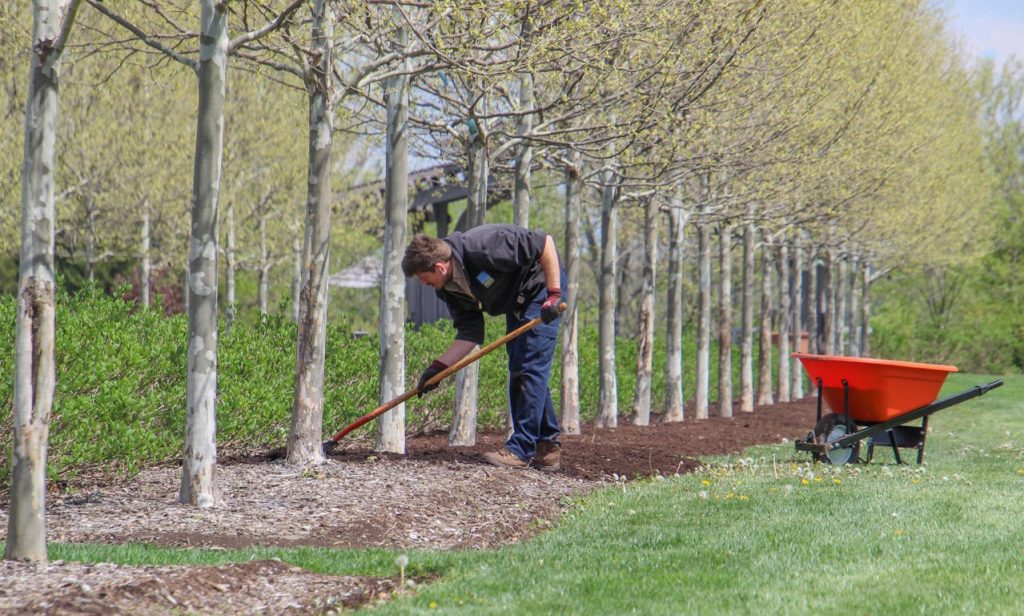
A quick topoff every spring seems harmless, but it is one of the easiest ways to create hidden buildup. Rutgers includes leftover mulch in the total depth limit, and Maryland Extension says mulch should be replaced only as needed to maintain its original depth, not stacked higher each season. Beds can look freshly maintained while the lower layers stay compressed and damp.
Old mulch also compacts over time. Rutgers points out that a light raking may be enough to break crusted layers so water can soak through again, which is often more useful than dropping another inch on top and sealing the bed even tighter near crowns and stems.
Mulching Waterlogged or Compacted Beds
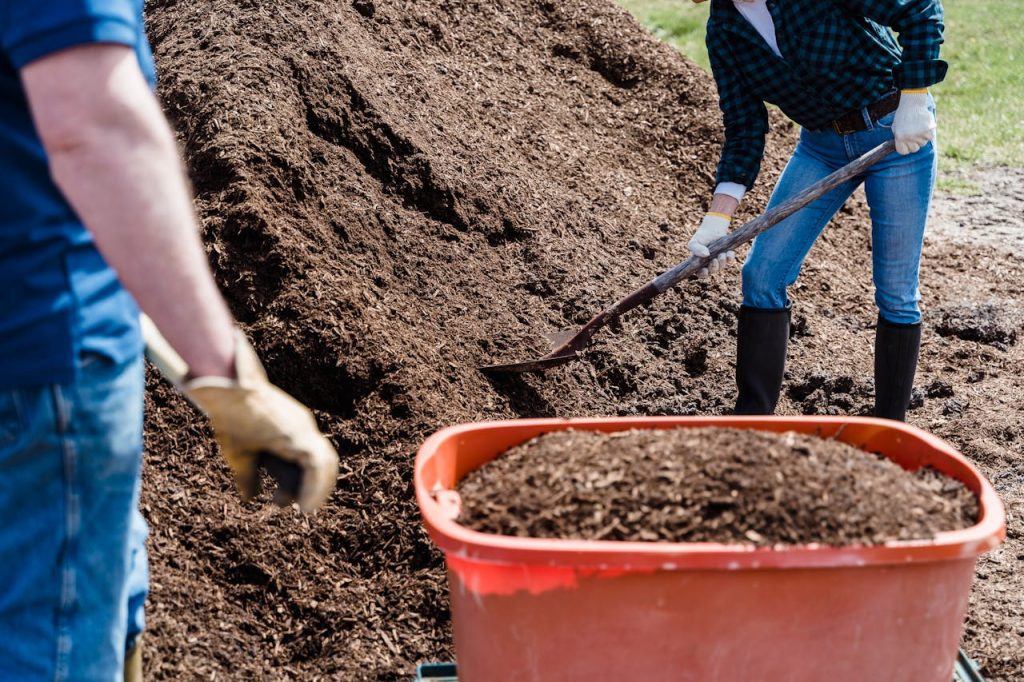
Mulch cannot fix poor drainage, and in wet ground it can make a slow problem linger longer. Rutgers advises using less mulch on compacted or poorly drained soils and says waterlogged sites may not need mulch at all, because oxygen is already limited in the root zone. Heavy clay beds and low spots are where this mistake shows up most often after long rain spells.
Wisconsin horticulture guidance on root and crown rots also stresses that these diseases favor wet soil conditions. In beds that stay soggy after rain, the first fix is drainage and watering control, not a thicker layer meant to make the surface look finished and uniform.
Watering by the Mulch Surface Instead of the Soil
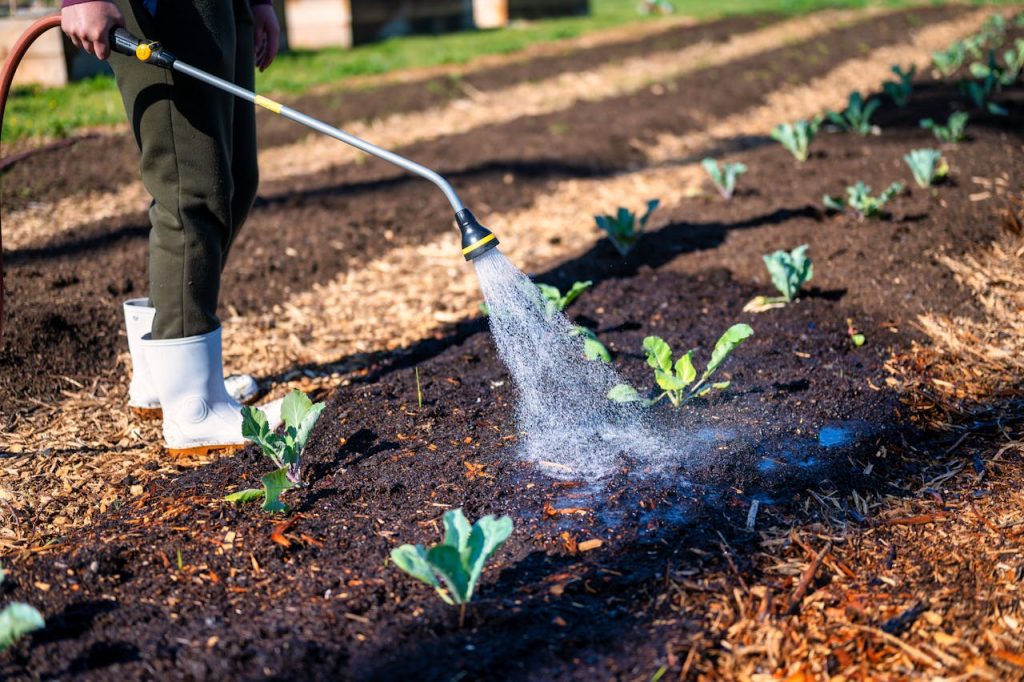
Fresh mulch changes how water moves, but many watering habits stay the same. Maryland Extension notes that light watering may wet only the mulch layer while the soil underneath stays dry, and RHS also notes that mulch can mean water must soak deeper to reach roots. The surface can look dark and damp even when the active root zone is still dry.
That mismatch leads to a common cycle of frequent surface watering. Wisconsin warns that root and crown rots prefer wet soils and advises reducing excess moisture and avoiding overwatering, so irrigation should be based on soil moisture, not on how damp the mulch looks from above.