

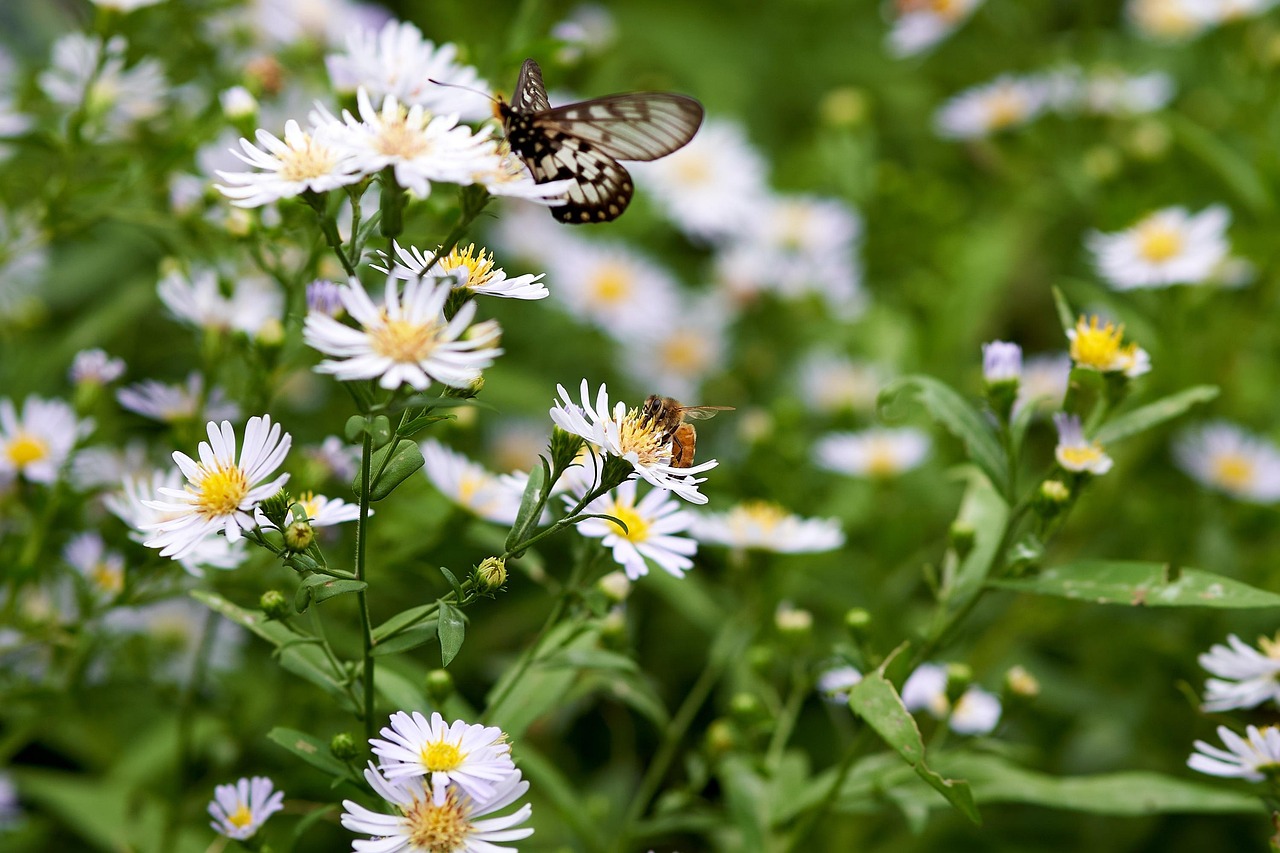
A pollinator garden can look bright, tidy, and full of color, yet still go quiet by midsummer when the bloom cycle breaks and the air loses that low, steady motion. Garden educators and habitat specialists often see the same pattern in home yards: strong visual planning, but weak support for insects between seasons. Bees and butterflies rely on timing, shelter, and simple habitat details, so a few common choices can make a bed look beautiful while giving them very little reason to stay. Most of the trouble starts with gaps that are easy to miss and simple to fix early once they are seen.
Letting Bloom Gaps Open in Summer
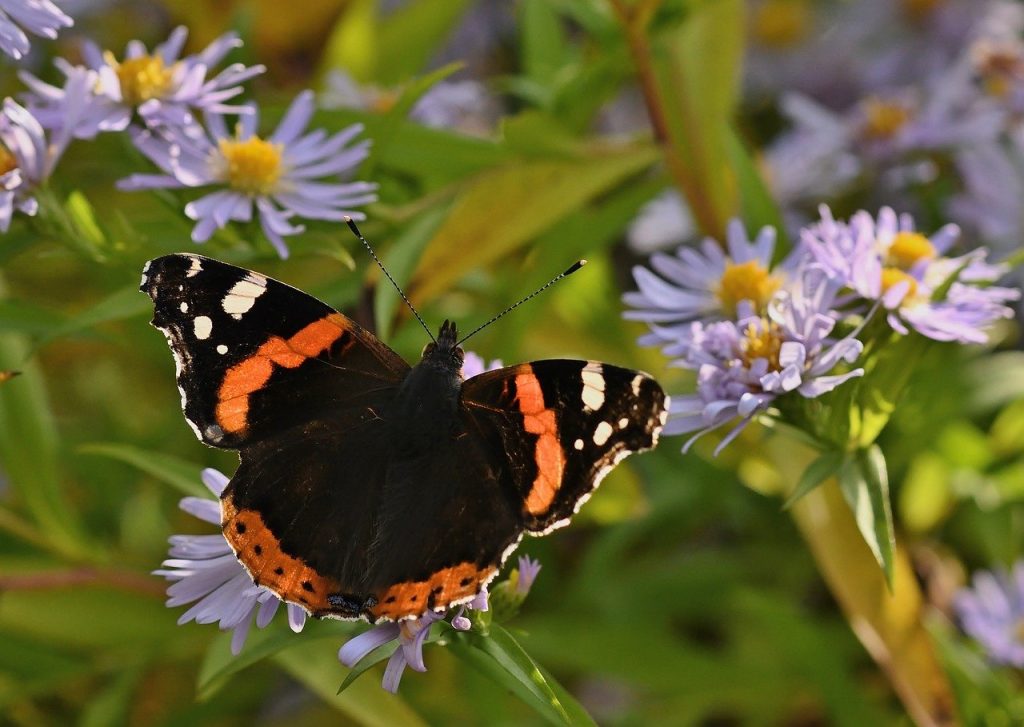
Many pollinator beds flare up in spring, then stall when early bloomers finish and summer heat arrives, leaving long stretches with little nectar or pollen. That gap is easy to miss from a patio view because foliage still looks full, but foraging insects read the bed as a shrinking food stop.
USDA and extension guidance both stress bloom succession, with overlapping flowers from spring through fall and strong mid- to late-summer coverage, when butterfly activity is often highest. When bloom timing is staggered on purpose, the garden stays useful instead of peaking once and going quiet for the rest of the season.
Mixing One-Of-Each Plants Instead of Clear Drifts
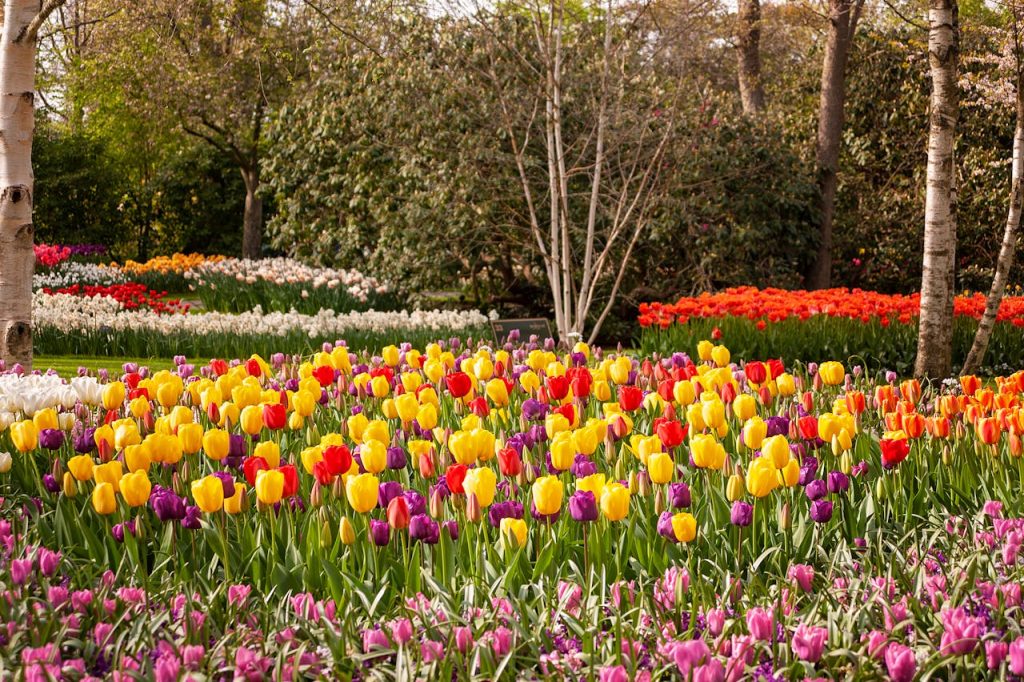
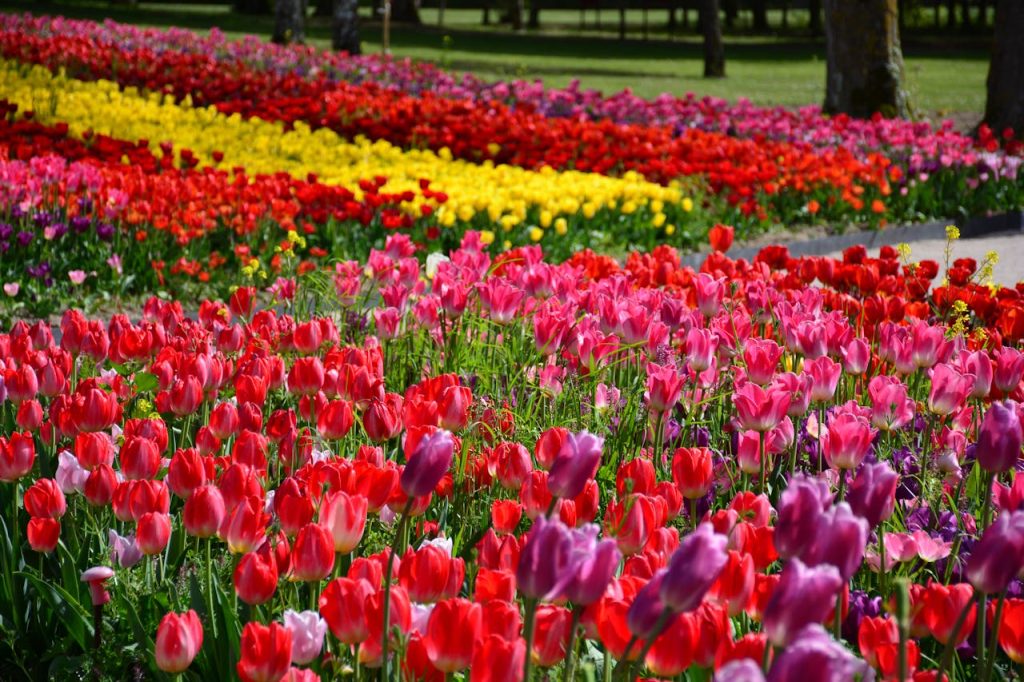
A mixed border with one of everything often looks busy to people, but it can be harder for bees and butterflies to work efficiently because the flowers are scattered in tiny, disconnected pockets. Pollinators spend more energy searching when each useful plant appears as a single stop instead of a clear patch.
Cornell and the Forest Service both recommend regionally adapted native plants and grouping them in drifts or clumps, which makes forage easier to find and more dependable across changing weather. That simple layout shift usually brings steadier visits than a bed built like a catalog sampler.
Filling Beds With Double Flowers and Heavy Hybrids
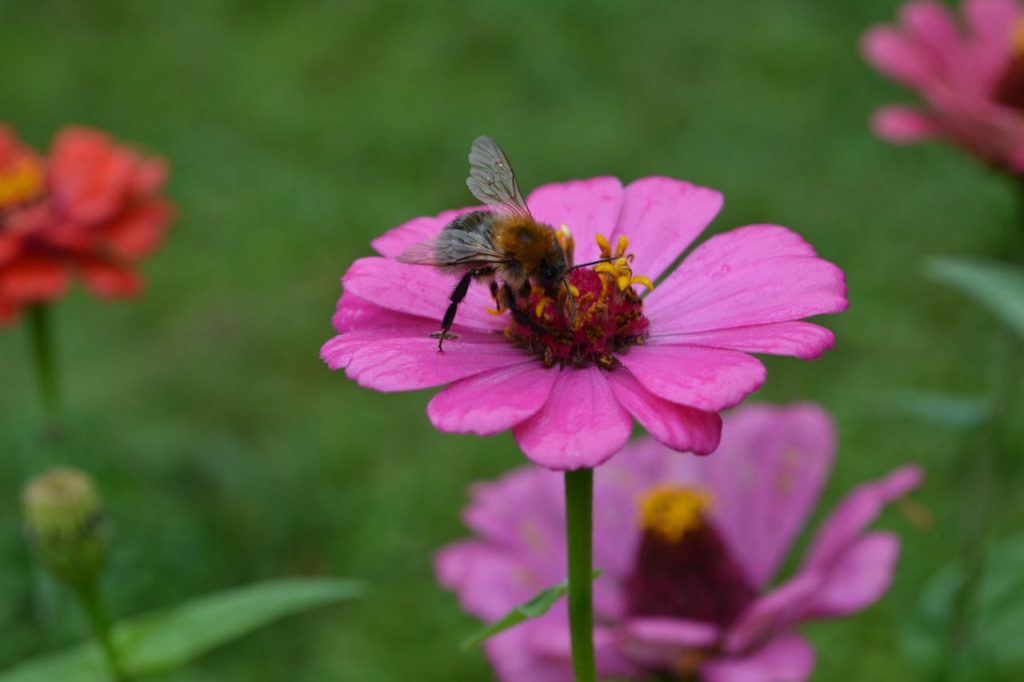
Some of the showiest garden flowers are the least useful to pollinators because they were bred for extra petals and a perfect shape, not easy access to nectar or pollen. A bed can look lush and expensive, while insects struggle to reach what little food is left inside layered blooms.
The Forest Service, Cornell, and UMN all warn that hybrid or double flowers may offer weak rewards compared with simpler forms, especially for butterflies and other nectar seekers. Open, single blooms usually read better to pollinators and keep the planting attractive without sacrificing function all season.
Planting Nectar Flowers but Skipping Host Plants
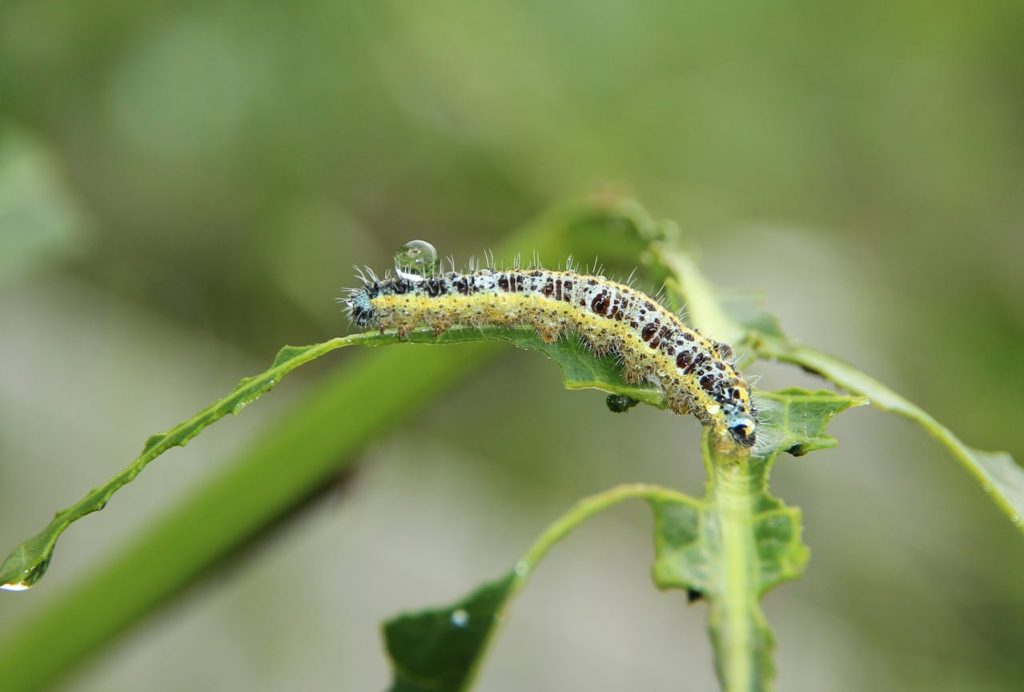
A nectar-heavy border may still disappoint if it only feeds adult butterflies and offers nothing for caterpillars, which need specific leaves long before wings appear. When every chewed leaf gets clipped away or every host plant is skipped, the garden supports visits but not the full life cycle.
UMN, Cornell, and the Forest Service all emphasize larval host plants because many caterpillars use a limited range of species, and adults return where their young can develop. A few tolerated nibbles are often the sign that a pollinator bed is doing habitat work, not just seasonal decoration.
Using Pesticides as a Routine Garden Habit
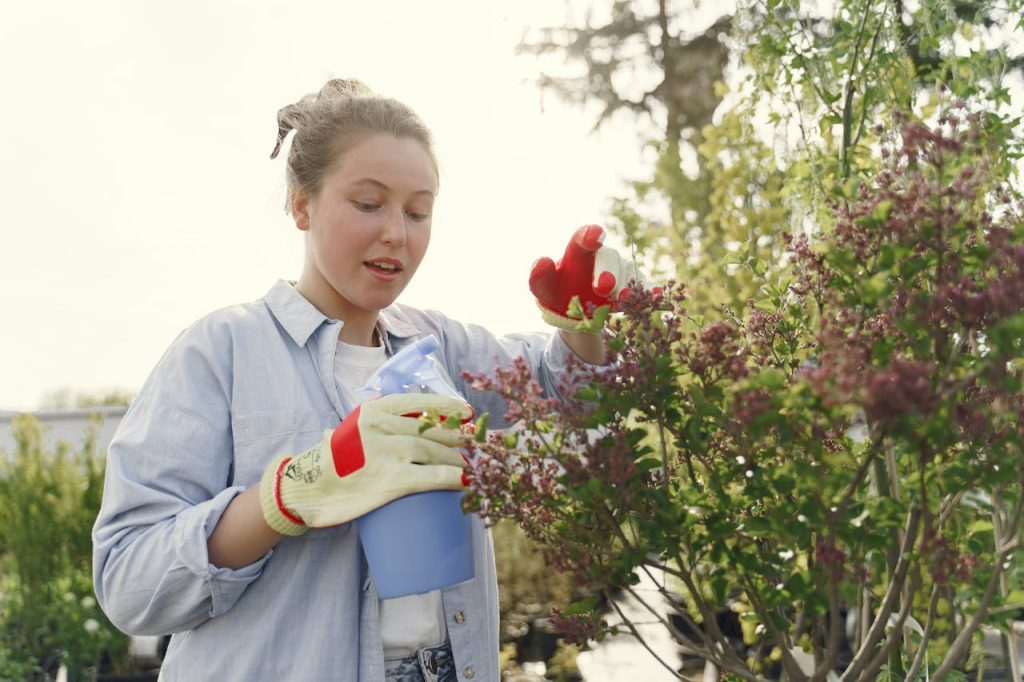
Even a well-planted bed can empty out fast when pesticides are used as a routine fix, especially if spray lands on blooms or drifts across flowers. Pollinators can be exposed during normal foraging, and the garden starts feeling risky instead of reliable.
USDA guidance and NPIC both recommend cutting pesticide use whenever possible, using the least-toxic option when treatment is necessary, avoiding direct flower spraying, and timing applications for evening when pollinators are less active. Keeping the spray close to the target pest reduces drift onto the flowers that are meant to support them.
Cleaning Up Stems and Wood Too Aggressively
A garden that is cut back hard and cleaned too early can lose the nesting and overwintering spaces many native bees rely on, even when the flower choices are excellent. Neat edges and bare stems may look finished, but they remove the rough texture pollinators use as shelter.
NC State Extension found that perennial stems can provide nesting habitat, and Cornell plus the Forest Service also point gardeners to dead wood and habitat layers as part of a pollinator-friendly yard. Leaving some stems, grass, and woody material in place gives the garden structure that works long after bloom time.
Forgetting Water, Bare Soil, and Puddling Spots
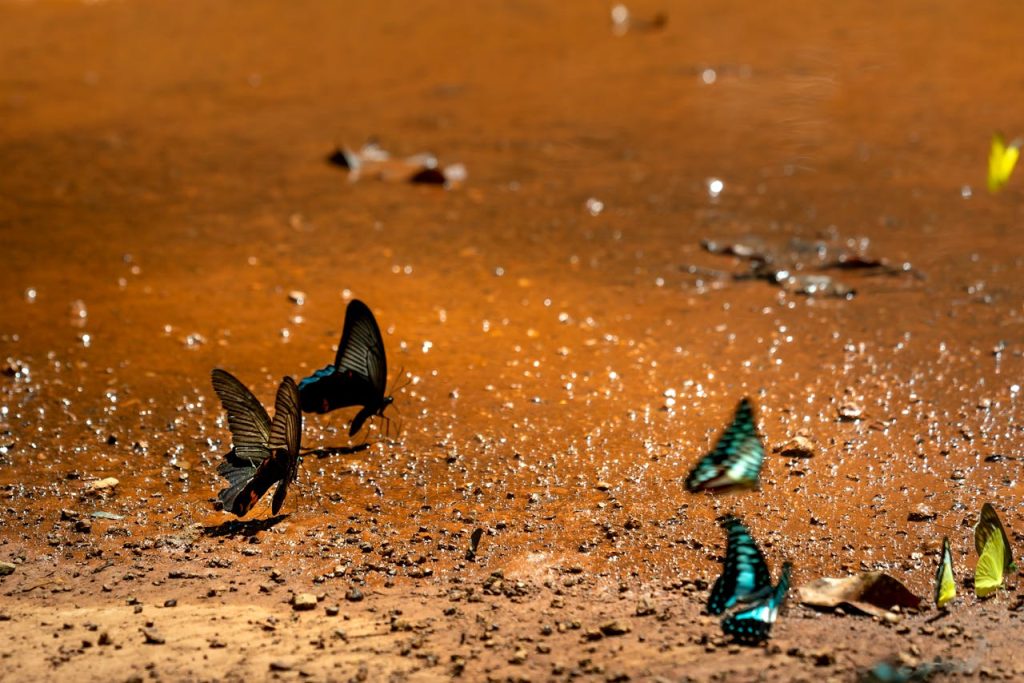
Flowers alone are not enough if the bed is dry, exposed, and heavily mulched from edge to edge, with no damp spot, no bare soil, and no tucked-away cover. Bees and butterflies use those quieter features to drink, gather minerals, nest, and pause between feeding rounds.
Cornell recommends water, bare ground, and a butterfly puddling area with sand, salt, and water, while the Forest Service also suggests a damp salt lick and nesting space from dead limbs. When those basics are missing, even a colorful garden can function more like a brief stop than a dependable habitat through summer heat and drought.
The gardens that stay lively through summer usually are not the ones managed to look perfect every week. They are the ones with overlapping bloom times, a little bare soil, a few stems left standing, and enough patience for habitat to feel lived in. Once those layers settle into place, the garden starts sounding alive again, and the change is hard to miss.