

Ranking animal intelligence is tricky, because the smartest behavior is often quiet: a tool made once, a shortcut remembered, a partner waited for. This lineup focuses on real-world problem solving, the kind that shows up in the wild as tools, planning, flexible strategies, and learning that spreads. Each species here has strong evidence of solving practical challenges in its own environment, not in a human classroom. The point is not who is most like people. It is how many different ways a mind can meet a problem and still win.
Chimpanzees
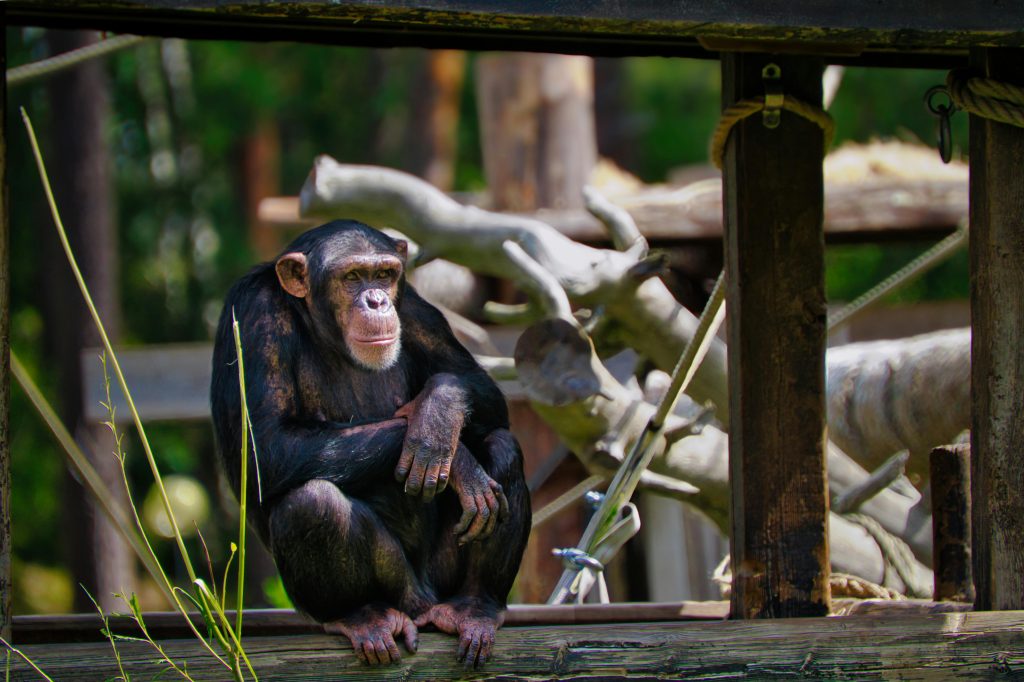
Chimpanzees solve problems with hands-on logic, turning twigs, stems, and stones into tools, then refining technique until a task becomes routine. Jane Goodall’s field report in “Nature” described free-living chimps using tools and aimed throwing, overturning the belief that tool use was uniquely human and pushing the bar for animal cognition. Across Africa, populations termite-fish, crack nuts, probe for honey, and even make leaf sponges, with youngsters watching, copying, and improving, so the solution travels through the group instead of resetting every morning. Local traditions differ by troop; habits become culture, and fixes remain put.
Bottlenose Dolphins
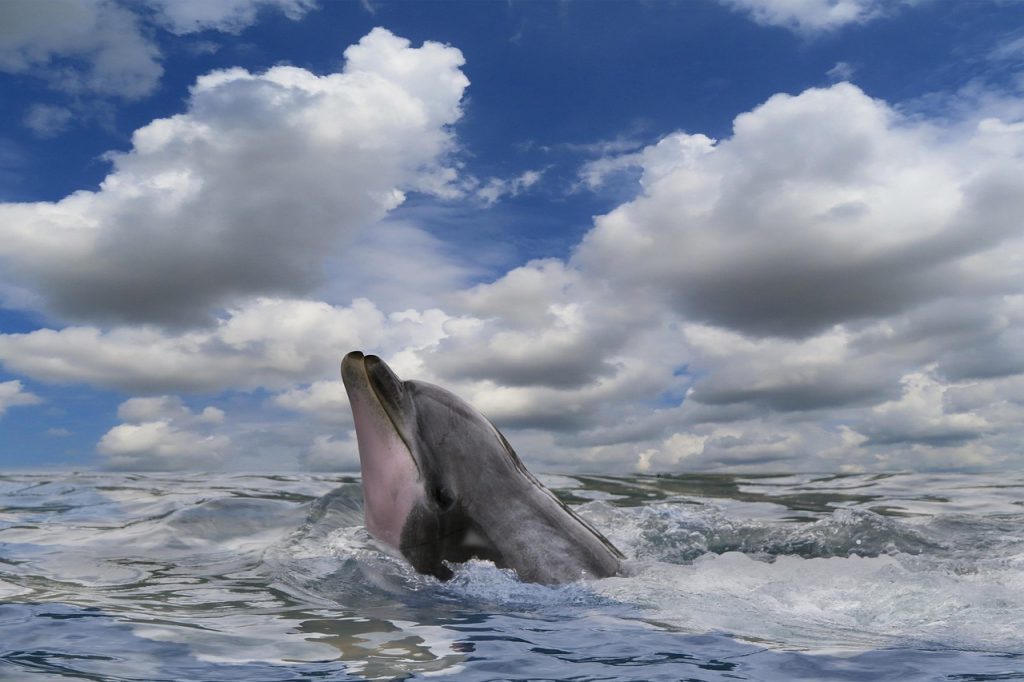
Bottlenose dolphins solve problems in moving water, where prey hides in sand, currents shift, and mistakes burn precious oxygen and energy. In Shark Bay, a small minority use marine sponges as hunting tools, wearing them on the rostrum to protect skin while rummaging along rough seafloor for fish, and the practice is passed from mother to calf. Because sponging is rare, time-consuming, and learned over years while also distorting echolocation, it reads as real-world problem solving: accept a handicap, adapt, and keep using the method when it yields meals. Only about 5% in Shark Bay are spongers so the tactic stays exclusive for decades there.
Caledonian Crows
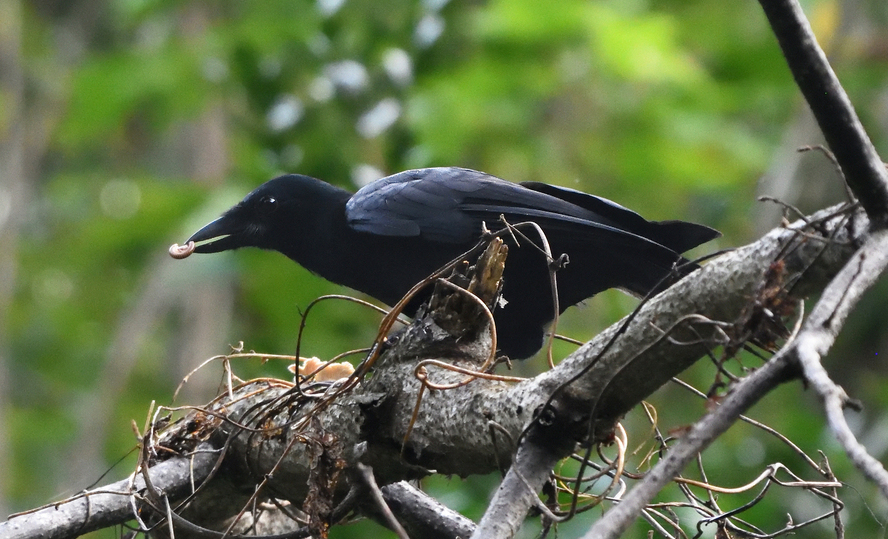
New Caledonian crows treat sticks and leaves like raw materials, shaping, selecting, and carrying tools that match a specific goal rather than grabbing whatever is nearby. Studies show they can combine separate elements to build novel compound tools, and research on tool bending documents how they manufacture hooked shapes to retrieve food from narrow tubes and holes. In the wild, their tool traditions persist within local groups, blending learning, memory, and innovation into a practical craft for prey hidden in bark, deadwood, and crevices, where a tiny design change can decide success. Some craft hooked plant tools and reuse them for days.
Octopuses
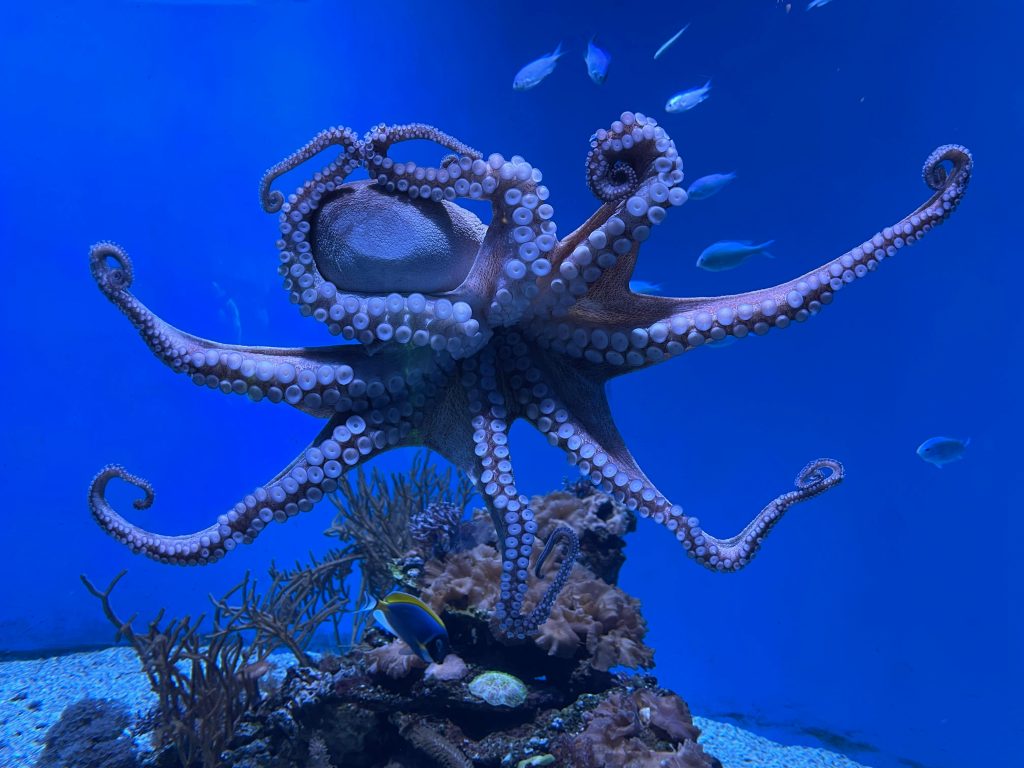
Octopuses solve problems without bones, language, or a family group, relying on exploration, memory, and a body that can test angles, textures, and gaps no vertebrate can. Field observations documented coconut-carrying octopuses collecting shell halves, transporting them across open ground, and assembling a shelter later, a clear case of tool use deployed for future defense when danger arrives. Husbandry research on escape behavior shows species differ sharply in their likelihood to break out, and it captures a familiar pattern: an octopus evaluates lids and drains, learns the weak point, then slips through with calm precision. overnight too.
Elephants
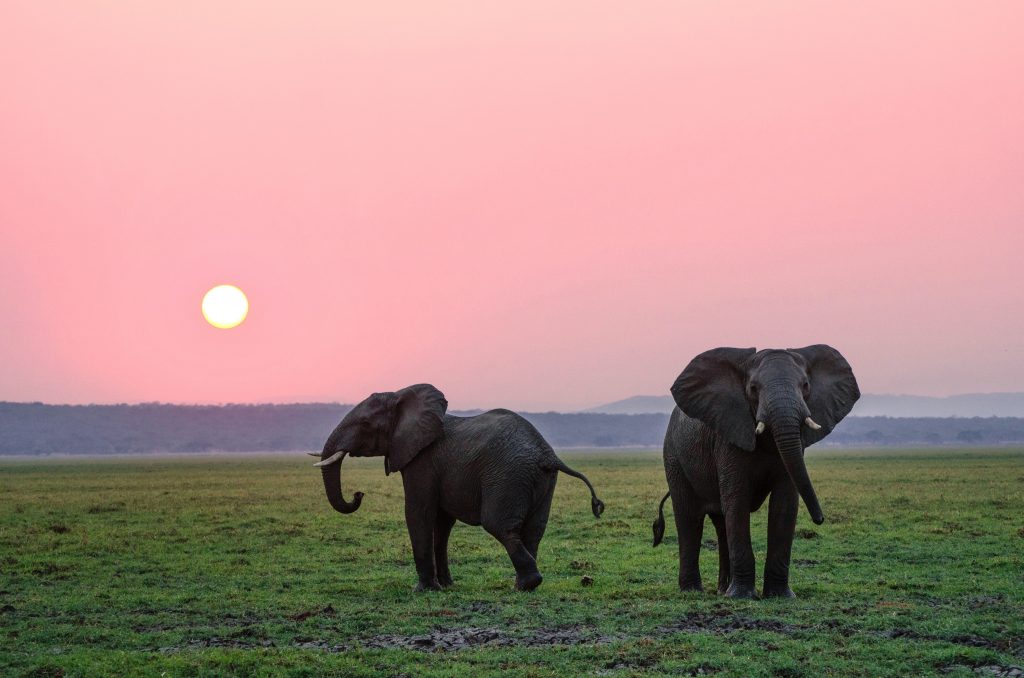
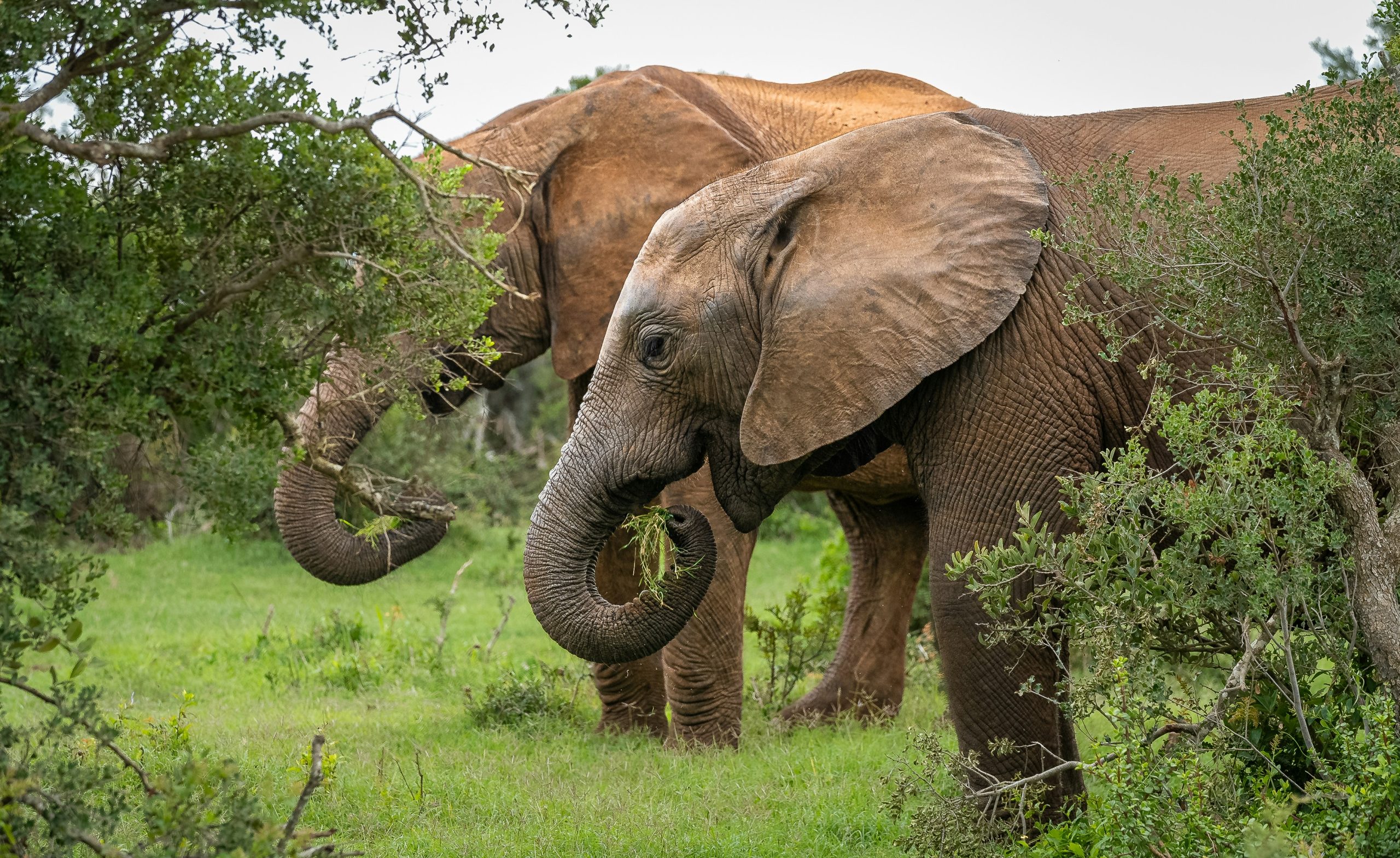
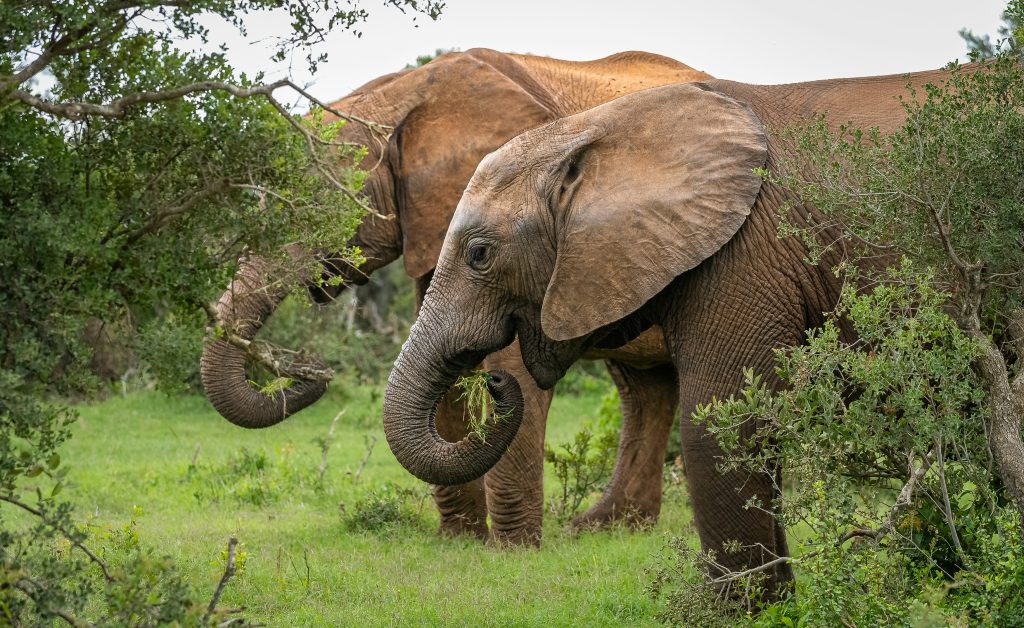
Elephants combine patience with physics, using objects, space, and timing to reach rewards that sit just beyond trunk range. In one experiment, an Asian elephant moved a large cube into position, stood on it, and reached hanging food without trial-and-error fumbling, then retrieved the cube from different locations and repeated the solution when the setup changed. In separate rope-pulling research, elephants coordinated with partners and waited for help when needed, showing that their problem solving includes timing, self-control, and cooperation, not only clever solo moves. It is insight with social timing built in not just strength or luck.
Orangutans
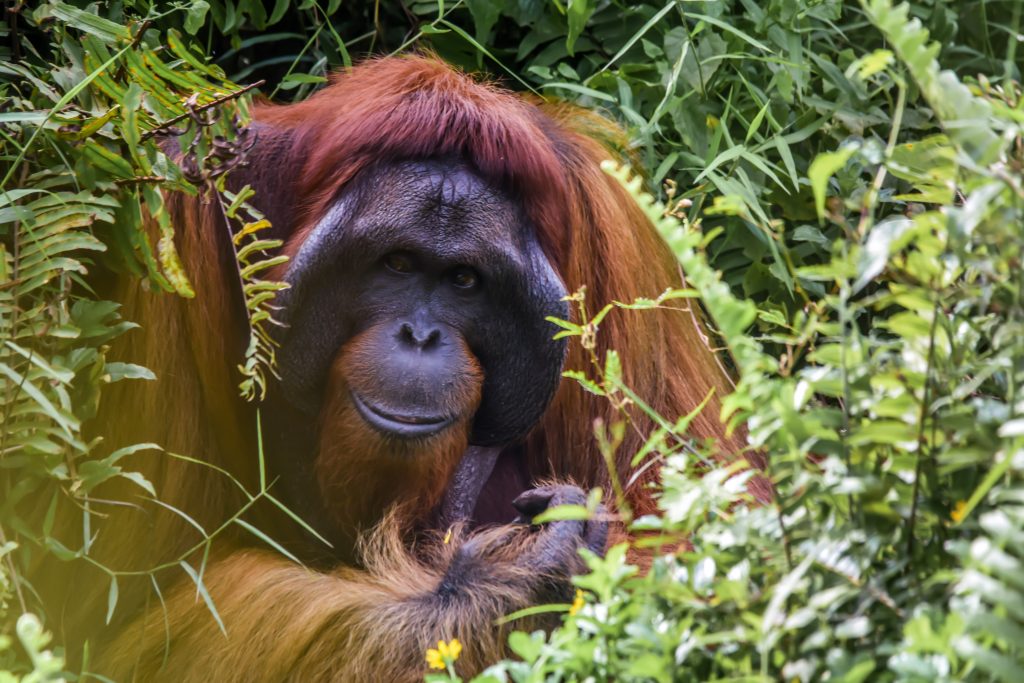
Orangutans often work alone, which makes their problem solving look quiet, deliberate, and unusually self-directed high in forest canopy. Research documented an orangutan hanging up a tool in anticipation of future use, a small act of foresight that protects an object for later instead of dropping it when attention shifts. Across wild populations, orangutans also use tools for extractive foraging and comfort, choosing efficient methods that reduce risk and effort while increasing payoff, and their solutions can vary by place, hinting at learning shaped by local conditions. Over time, the forest becomes a map of fixes and options held in mind.
African Grey Parrots
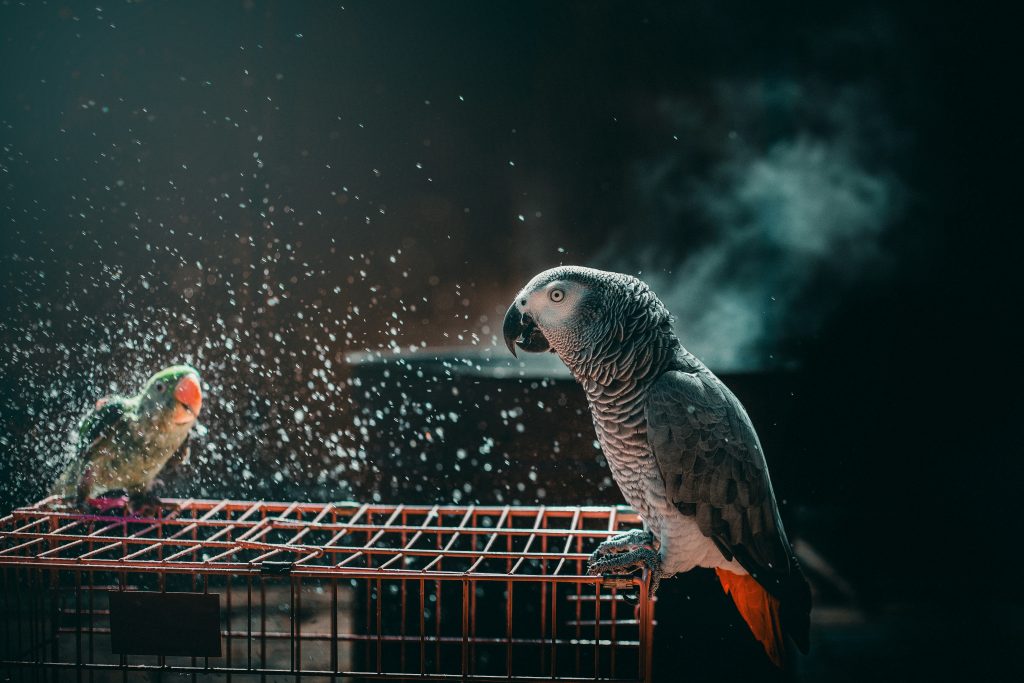
African grey parrots turn sound into cognition, using labels to solve problems instead of merely echoing human noise. Work by Irene Pepperberg with the parrot Alex reported numerical competence, including answering quantity questions and using “none” appropriately, supporting a grasp of absence rather than rote counting or simple mimicry. That flexibility matters in real settings because it reflects concept-based reasoning: sorting by color or shape, comparing more versus less, and changing choices when the first approach fails, all while staying socially engaged and attentive. That agility is why training can look like dialogue not drilling.