

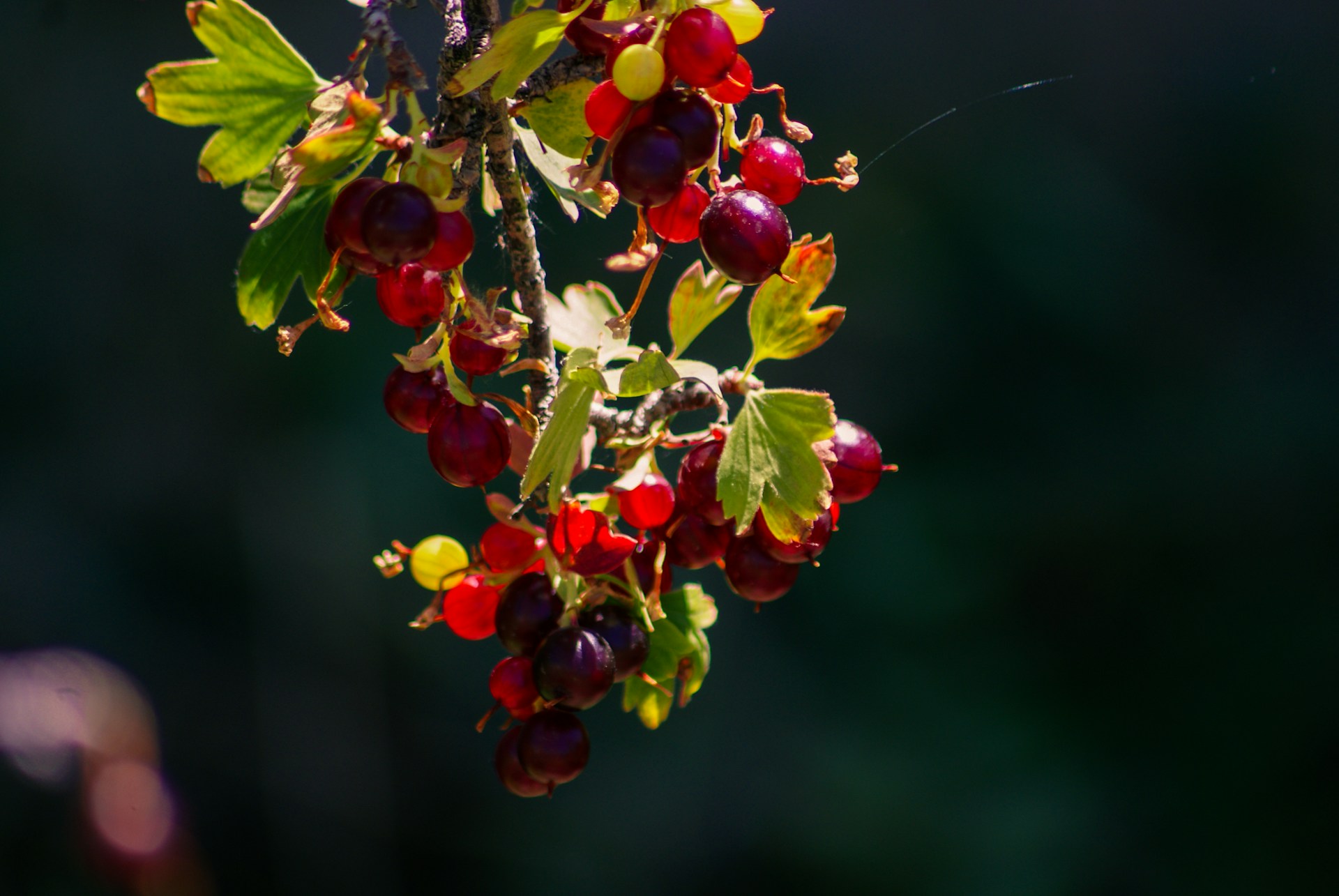
Late summer foraging can feel like an old family ritual, with stained fingers, quiet trails, and coffee cans filling under hedgerows. That comfort is exactly what makes berry mistakes easy. In many parts of North America, several toxic plants produce fruit that looks close enough to familiar edible berries to fool a rushed picker. Vines and shrubs often share the same fence lines, stream banks, and woodland edges, so a mixed patch can trick even confident eyes. Foragers who stay careful tend to slow down and read the whole plant, because color alone can hide the difference between a good harvest and a long, uneasy night.
Mistaking Pokeweed For Elderberry
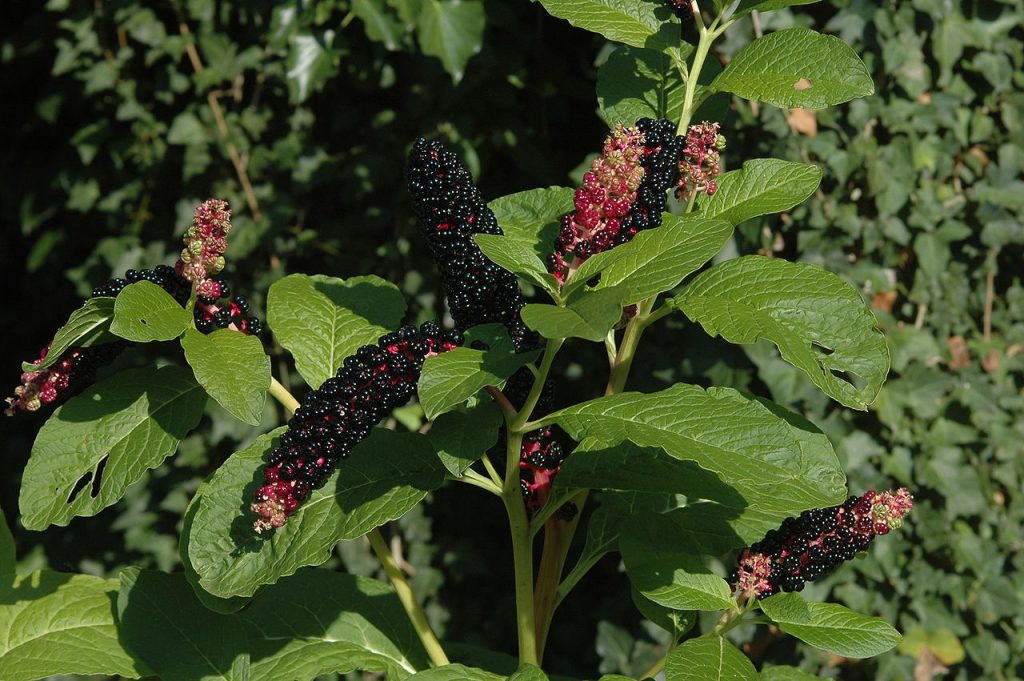
One of the oldest foraging mix-ups is pokeweed mistaken for elderberry. The fruits can both appear in dark clusters, but pokeweed grows on fleshy stems that are often reddish, while elderberry grows as a woody shrub with bark-like stems and compound leaves.
Virginia naturalist guidance notes that pokeweed berries are larger, dented, and hang in longer, thinner clusters, while elderberry fruits sit in flatter clusters. Pokeweed is poisonous throughout the plant, and poison experts report that eating several berries can bring on stomach pain, nausea, vomiting, and diarrhea. Ripening time also helps, since pokeweed often matures later.
Treating Moonseed Like A Wild Grape Vine
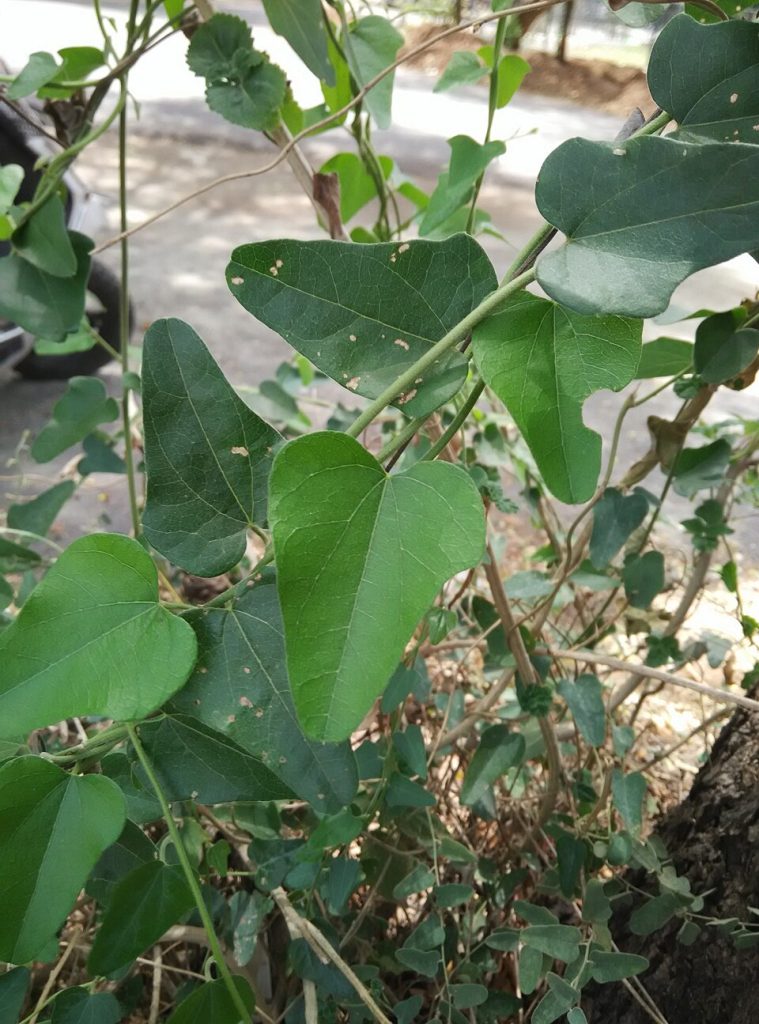
Common moonseed causes another classic mistake because its dark fruits can look like small wild grapes at a glance. Missouri conservation guidance flags this often, especially where vines tangle through streamside thickets and fence rows in late summer.
The safer check is the whole vine: moonseed lacks the curling tendrils that grapes use to climb, and its leaf margins are not toothed like grape leaves. The fruit usually has a single crescent-shaped seed, while grapes have different seeds, and the plant is considered toxic to people if eaten. Birds may still peck at the fruit later on, which can mislead a hurried picker.
Harvesting From Mixed Vines Without Spotting Virginia Creeper
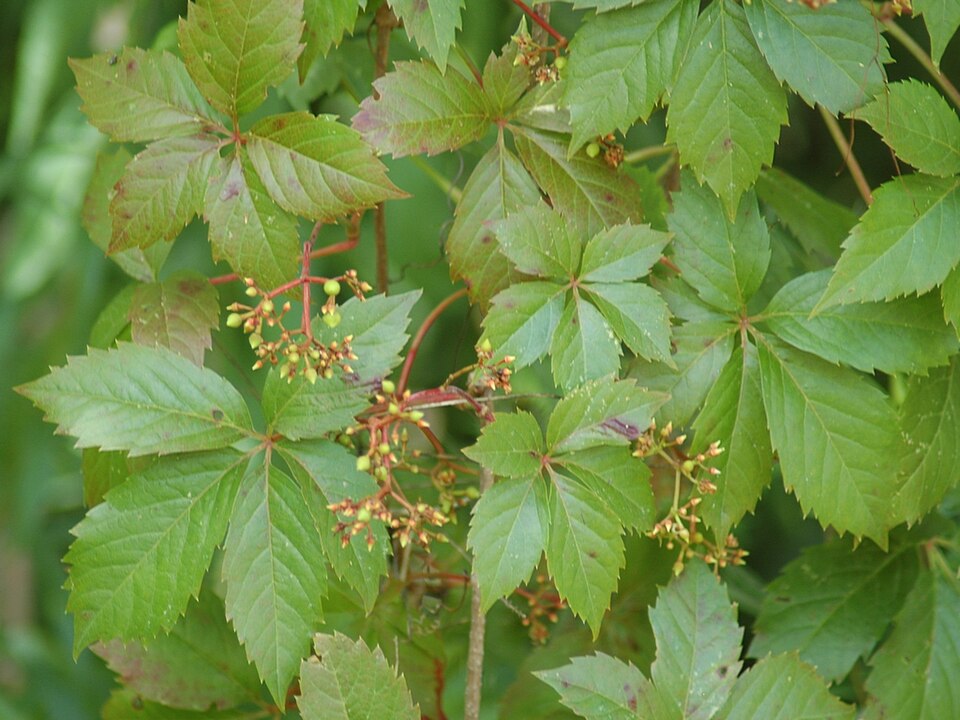
Virginia creeper creates a similar problem because its blue-black berries can read as grape-like when vines are draped across fences or trees. Poison Control notes that the berries resemble purple grapes, which is exactly why quick harvesting from mixed vines can go wrong.
The plant gives better clues than the fruit does. Extension guides describe Virginia creeper as a woody vine with palmately compound leaves, usually five toothed leaflets, and poison experts warn that chewing the berries or leaves can release oxalate crystals that irritate the mouth and throat and may trigger stomach upset. Shared fence lines make mistakes common.
Trusting Bright Woodland Berries Without Checking For Baneberry
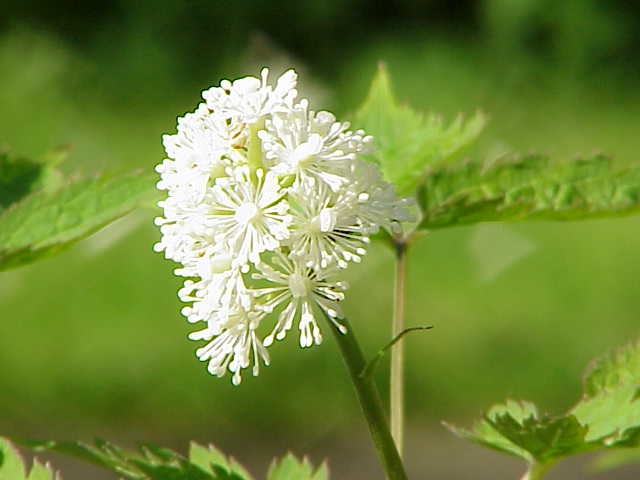
Baneberry is another woodland trap for people who trust bright color more than plant structure. In shaded woods, red baneberry and white baneberry can look like the kind of small fruit that might be edible, especially when only the berry clusters are visible through summer undergrowth.
Wisconsin Extension describes both species as toxic, with roots and berries the most poisonous, and notes that white baneberry often shows the striking black dot that gives it the name doll’s eyes. The same source also notes that birds can eat the berries, so bird activity around a patch does not make those fruits safe for people to try.
Ignoring The Vine Clues On Bittersweet Nightshade
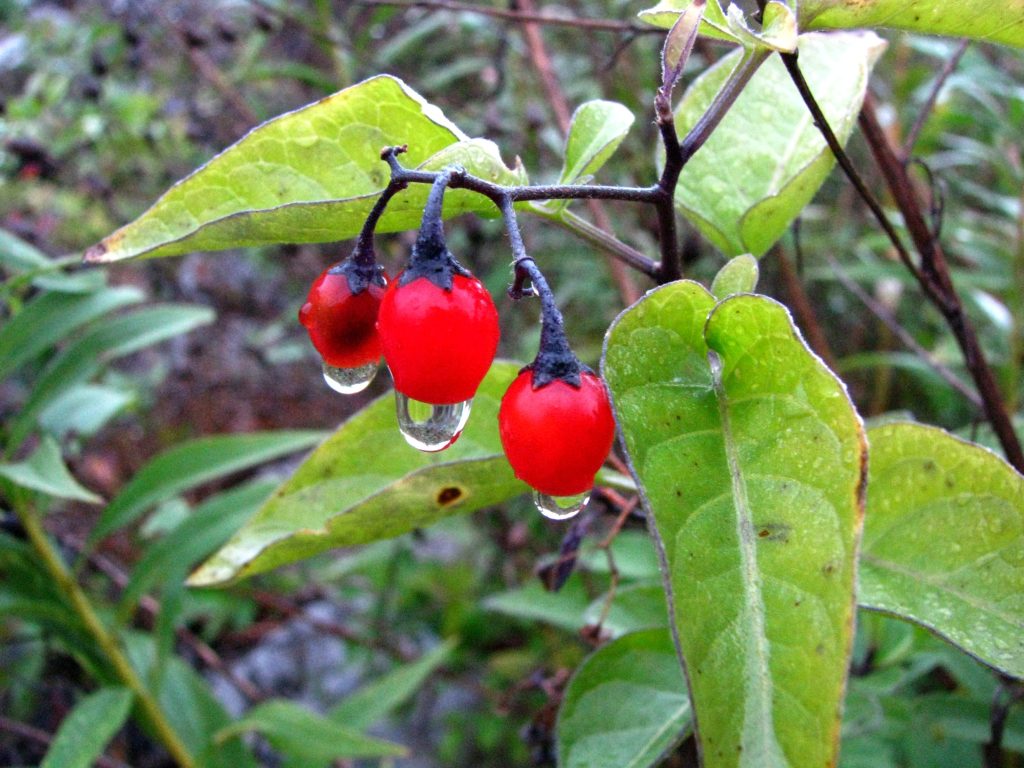
Bittersweet nightshade often fools people because the plant carries shiny berries in clusters and threads through shrubs where real edible fruit grows. New foragers sometimes notice only the bright fruit and miss the vine itself, especially when berries are at different colors on the same stem.
Extension descriptions make it easier to slow down: the vine has purple star-shaped flowers with a yellow center, and the berries shift from green to yellow, orange, and then red as they ripen. North Carolina and Utah sources both warn that all parts of bittersweet nightshade are toxic, even though birds and some animals may eat the fruit.
Assuming Hedge Berries Are Safe Because They Look Clean And Ripe
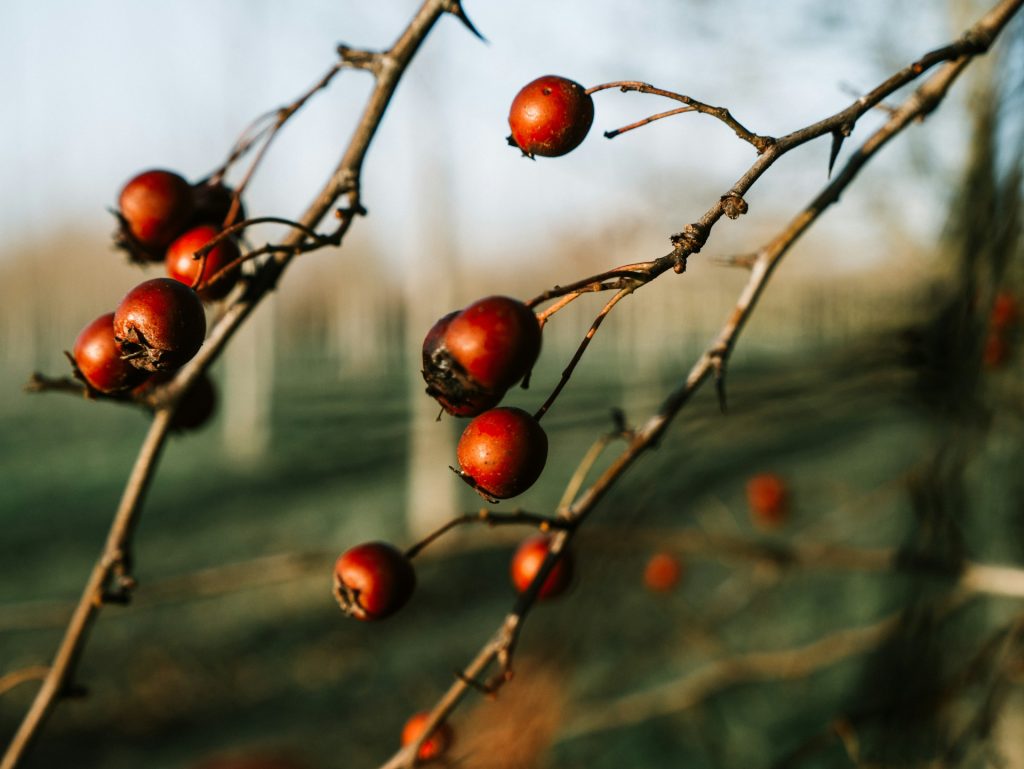
A common mistake happens near old homes, trailheads, and property edges where ornamental shrubs mingle with volunteer plants. A picker sees bright red berries and assumes wild food, but many of those fruits belong to landscape species that were never meant for snacking.
Poison Control notes that yew is a popular shrub with attractive red berries, yet the needles and the seed inside the berry are poisonous. The same Poison Control library also warns that holly berries are poisonous and can cause nausea, vomiting, and diarrhea, which is why careful foragers skip unidentified hedge fruit even when it looks clean and ripe.