

Out on the range, the story often gets simplified into a single villain, but livestock losses rarely follow a neat script. When a calf goes missing or lambing season turns rough, the first suspicion can travel faster than the evidence. USDA tracking of sheep and lamb losses shows wolves represent a small share of predator-caused deaths, while several other species outpace them by wide margins. Those animals thrive near fence lines, river bottoms, brushy draws, and even backyards, where a quick hit can look like anything after the fact. The real lesson is that blame should follow hard signs on the ground, not folklore.
Coyotes
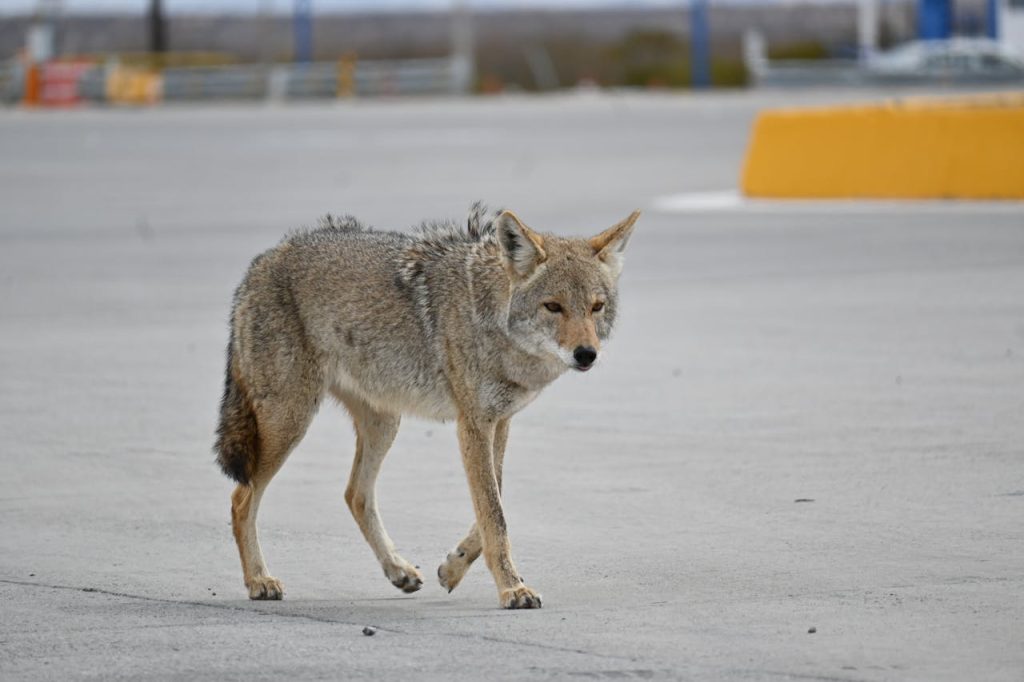
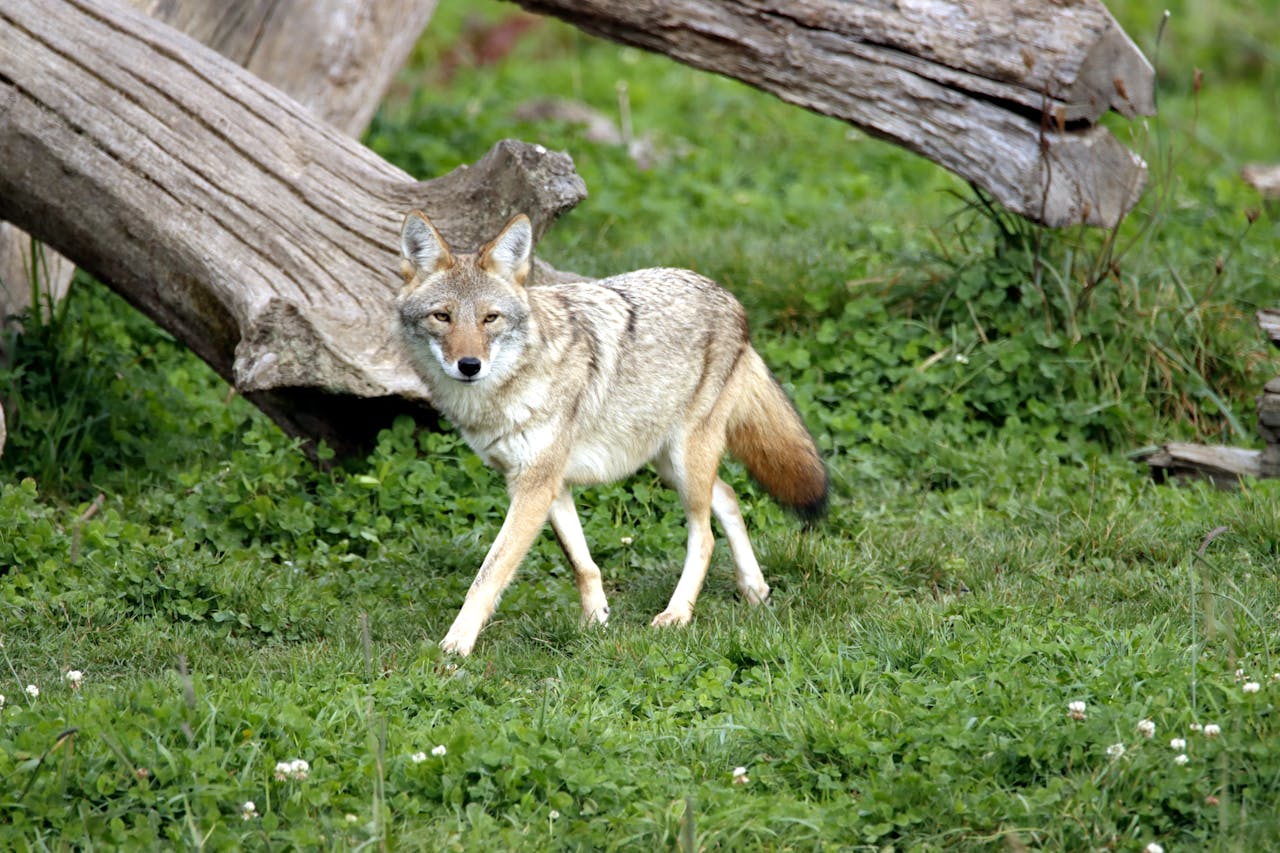
Coyotes are the constant background noise of ranch country, adaptable enough to live in sage flats, suburbs, and everything between. In USDA tallies for sheep and lamb losses, coyotes sit at the top by a wide margin, which is why their pressure can feel nonstop when the weather turns and newborns arrive.
They often work edges: draws, creek bottoms, windbreaks, and the first weak spot in a fence. Because they show up as singles, pairs, or family groups, the pattern is easy to underestimate until it repeats. The cost is not only missing animals, but scattered herds, stressed mothers, and hours pulled from feeding and water checks.
Domestic Dogs
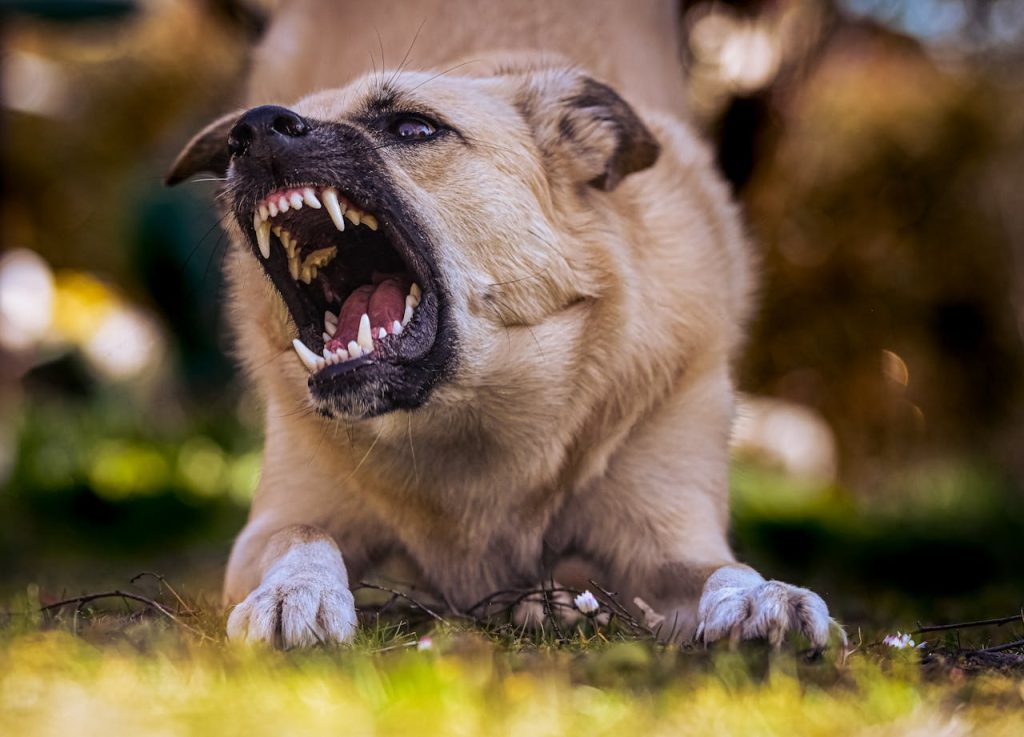
Loose domestic dogs rarely look like predators at first glance, which is part of the problem in open country. In national sheep and lamb loss data, dogs rank near the top, and smaller flocks can be hit hardest when a roaming pair learns a route and returns again quietly.
Unlike wildlife, dogs often arrive without fear of barns, lights, or roads, especially at night. The damage can come from a short chase that breaks legs, separates lambs, or triggers a panic run into wire. Because the animals belong to someone, every incident can turn into a neighborhood dispute, and the pattern of losses stays underreported for months.
Black Bears

Bears tend to enter the conversation as a once-in-a-while shock, yet the numbers add up across big country. USDA sheep-loss reporting groups bears together, and large operations report them as a major source of predator-caused deaths, especially where timber meets pasture and lambing sheds sit near cover.
A bear can turn a quiet night into a wrecked pen, broken feeders, and animals that refuse to bed down afterward. The sign can look dramatic, so it draws attention, but it also gets mislabeled as wolves when tracks blur in mud or snow. Spring green-up and fall berries can pull bears closer to stock at the worst times.
Mountain Lions
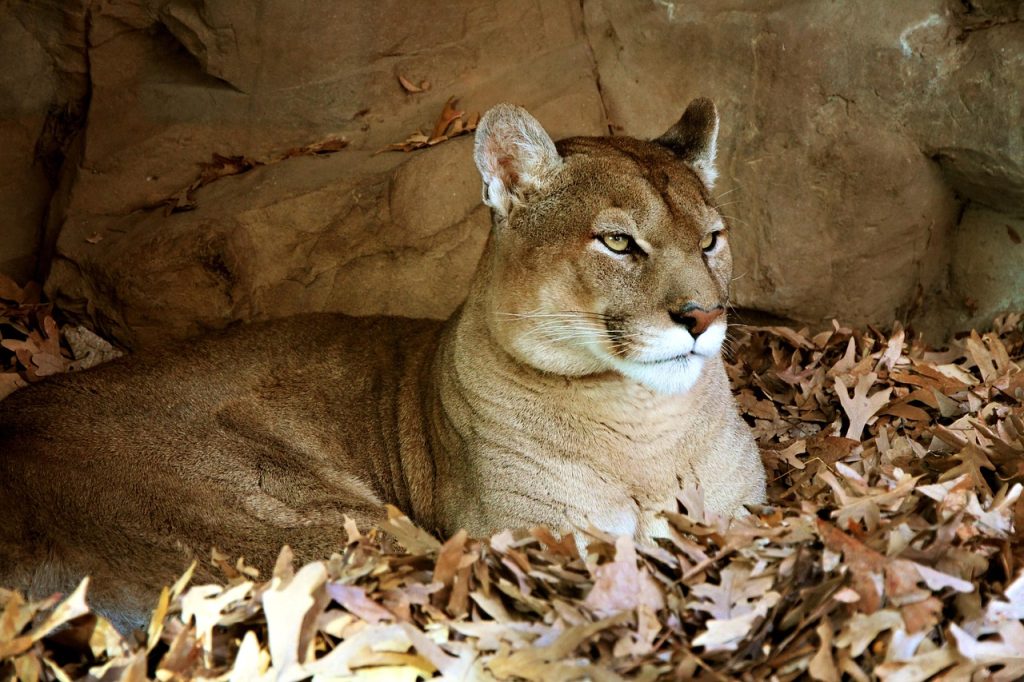
Mountain lions keep a low profile, which makes their impact easy to miss until a pattern emerges. In national sheep-loss tallies, cougars sit well above wolves in reported deaths, and the losses often cluster around rimrock, creek corridors, and rough canyons.
A single cat can focus on the same pasture for days, taking advantage of dusk, draws, and blind corners on a hillside. Because the predator is silent and the herd scatters, the first discovery may be a missing headcount rather than an obvious scene. Producers end up watching the same choke points night after night, waiting for a shadow that never announces itself.
Bobcats and Lynx
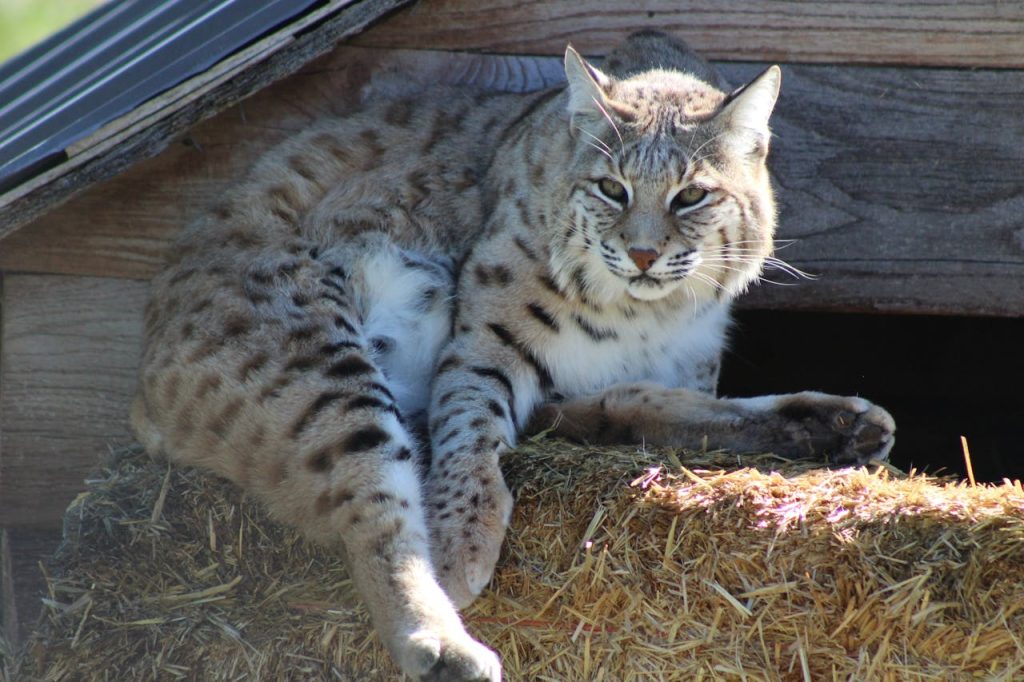
Bobcats and lynx rarely get headline treatment, but they show up steadily in national loss reporting. They tend to target smaller animals, so the risk rises in lambing lots, kidding pens, and pastures with thick brush close by, where visibility drops fast.
Their tracks can vanish in grass, and the predators slip through gaps that stop larger animals, especially along rock piles and gullies. Losses may look like simple disappearances, which is why they are easy to write off as sickness or bad luck. When frustration finally boils over, the blame can jump to wolves even in places where cats are the more regular visitor.
Golden Eagles
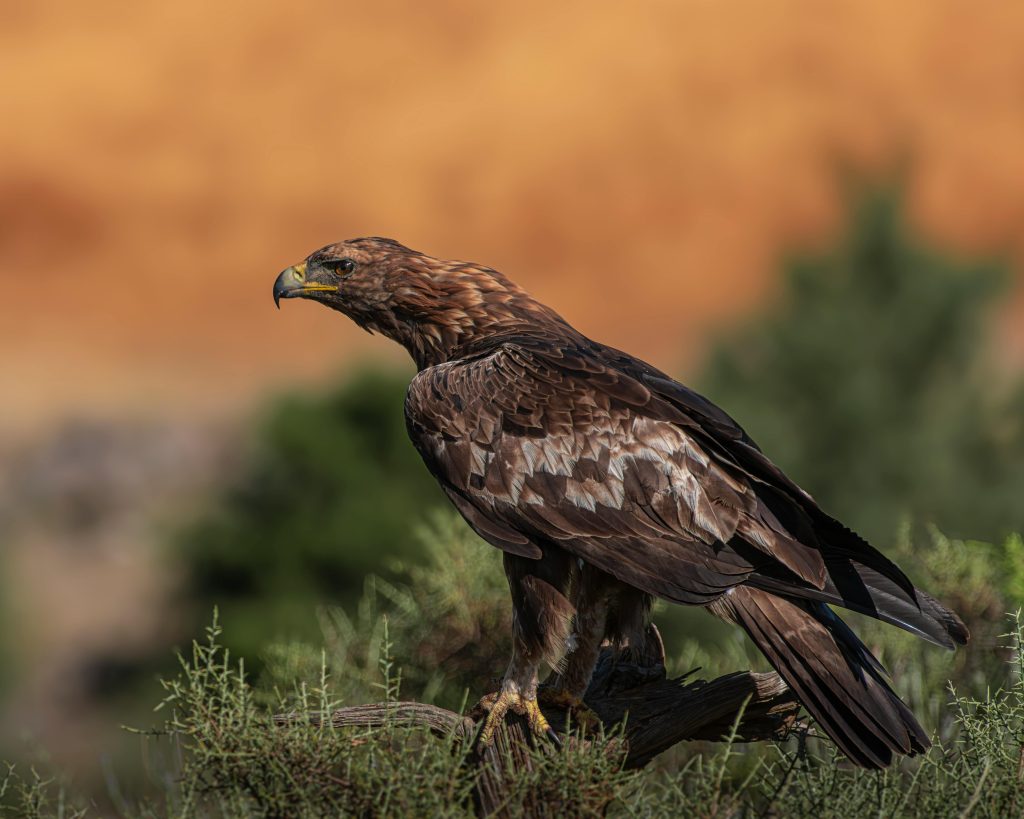
Eagles can be a surprise entry in predator conversations, but they are documented in national sheep and lamb loss reporting. Open range, breaks, and long sightlines give them room to work, and lambing out on pasture can raise exposure for the smallest, newest animals.
When wind and weather push animals into tight pockets, an eagle can take advantage of isolation at the edge of the group. The losses are often scattered and hard to catch in the moment, so they get blamed on whatever four-legged predator is nearby. Because eagles are protected by law, most operations focus on deterrence and timing rather than any direct response.
Vultures
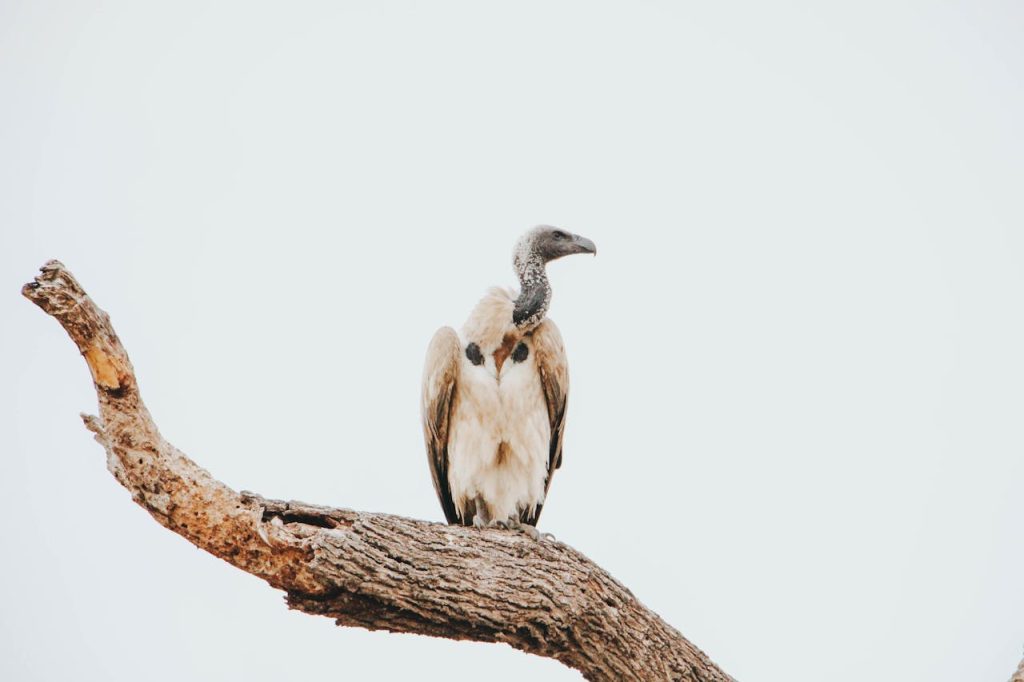
Vultures are often treated as cleanup crews, yet loss reporting shows they are sometimes linked to sheep and lamb deaths. The risk is highest where flocks lamb in open pastures, and birds learn the schedule of birth, afterbirth, and slow-moving animals.
Their presence can start as circling in the distance, then turn into repeated visits that stress mothers and separate pairs. Because they arrive after other events too, their role gets argued over, and clear answers can be hard without quick investigation. Either way, the pressure is real enough that many ranchers adjust lambing locations and increase daylight checks.
Feral Pigs
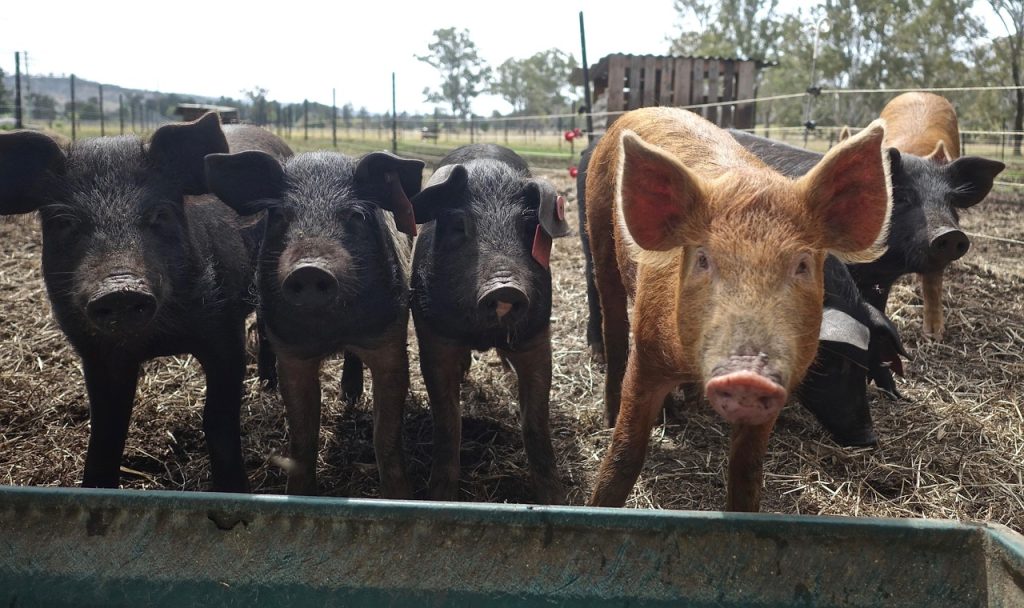
Feral pigs do damage that looks like weather at first: rooted pastures, broken springs, and fence lines pushed into chaos. They also appear in sheep and lamb loss reporting, and their impact can spike fast because sounders expand quickly and travel far overnight.
They move like a bulldozer through feed, mineral, and water, which pulls stock into new grazing patterns and creates more injury risk. In some areas they pressure newborn animals, and even near misses can split a flock into smaller, harder-to-guard pieces. Unlike many predators, their signature lingers in the land itself for weeks, long after the tracks have dried.