

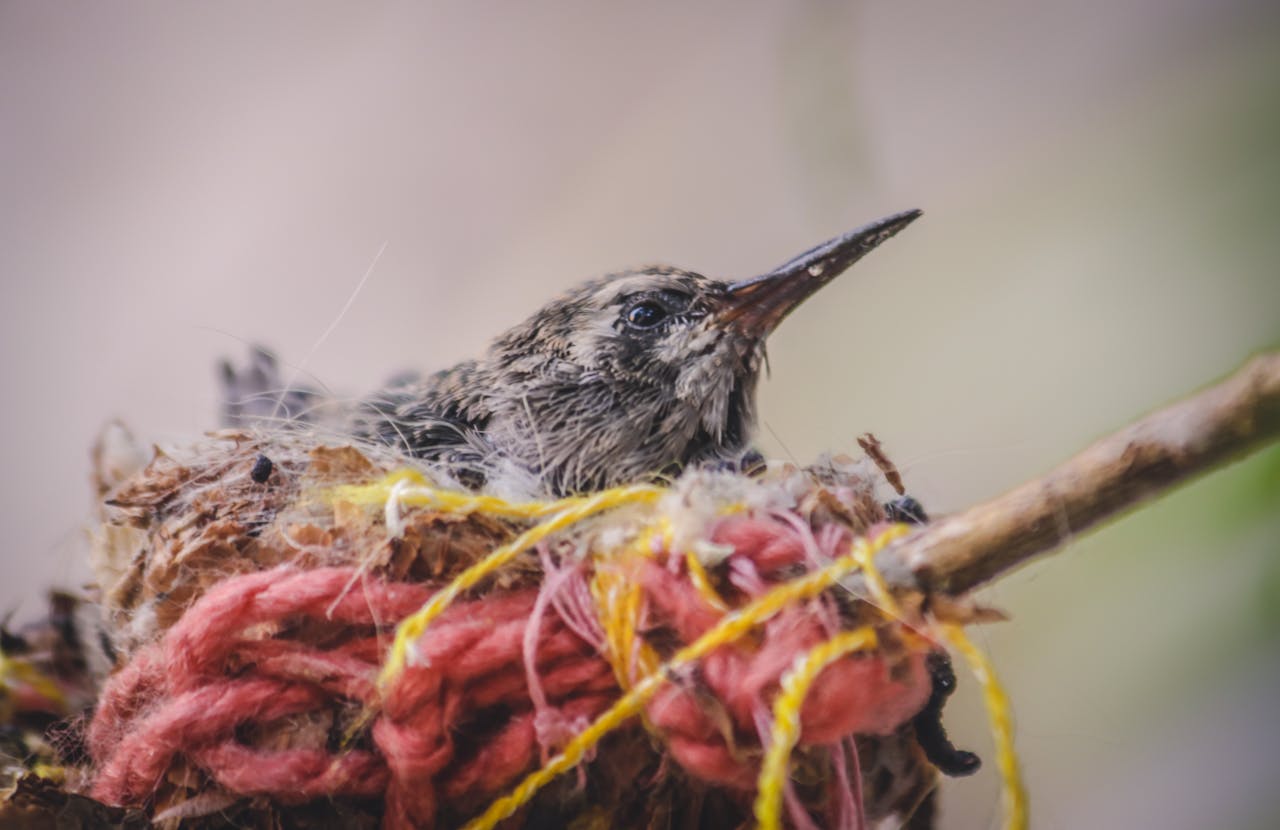
Spring returns, and a female hummingbird begins a race against weather, insects, and time. In many regions, babies hatch in late spring or early summer, then move from egg to fledging in roughly four to five weeks. The schedule looks efficient, but it leaves little room for error when cold snaps, storms, or food gaps appear. Each stage is tiny, fast, and exposed. What looks like a quiet nest on a branch is often a high-risk nursery, where survival depends on precise timing, stable habitat, and one exhausted mother getting almost everything right. That hidden fragility is why early life is the hardest stretch of all.
Their Birth Window Is Fast and Fragile
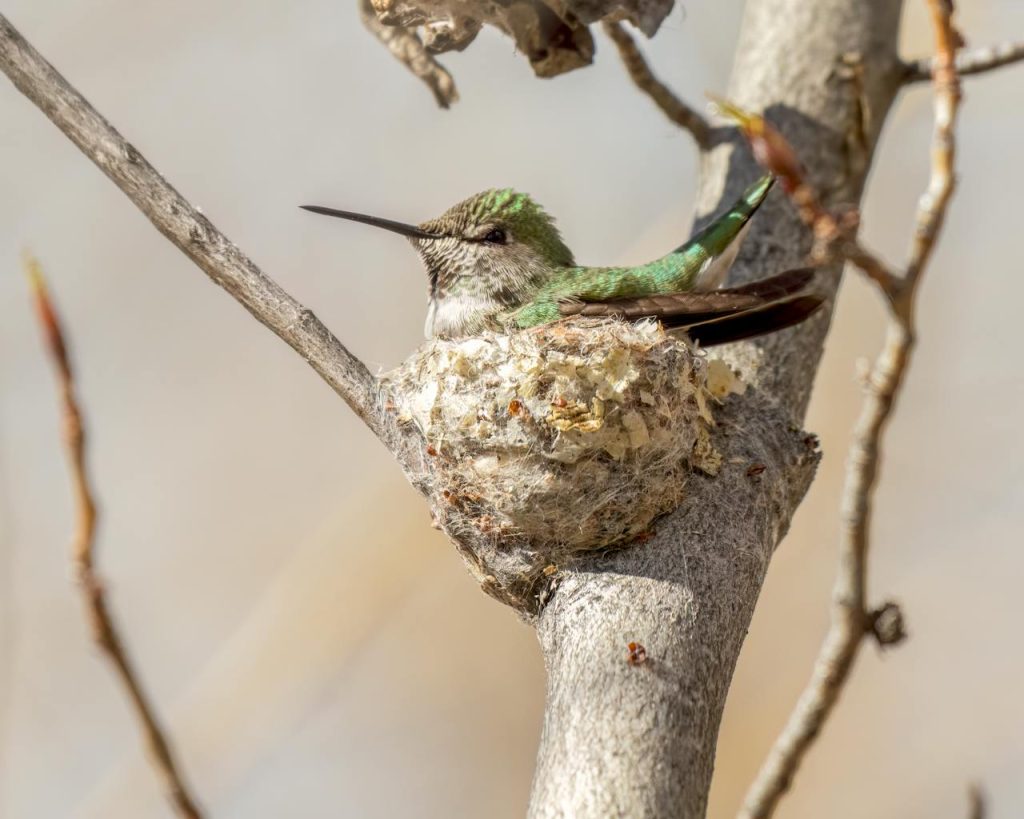
Most baby hummingbirds arrive in late spring or early summer, and the full nesting cycle is compressed. The female incubates for about two weeks, chicks stay in the nest about three more weeks, and the total run from egg to fledging is often four to five weeks. Some mothers even begin preparing a second nest while still monitoring the first brood.
That speed is impressive, but it creates a narrow survival window. A short spell of cold rain can reduce insect activity, slow feeding, and leave chicks with almost no buffer before energy reserves run thin. When timing slips, survival odds can slip with it. Early life runs on margins.
Two Eggs Means No Margin for Loss
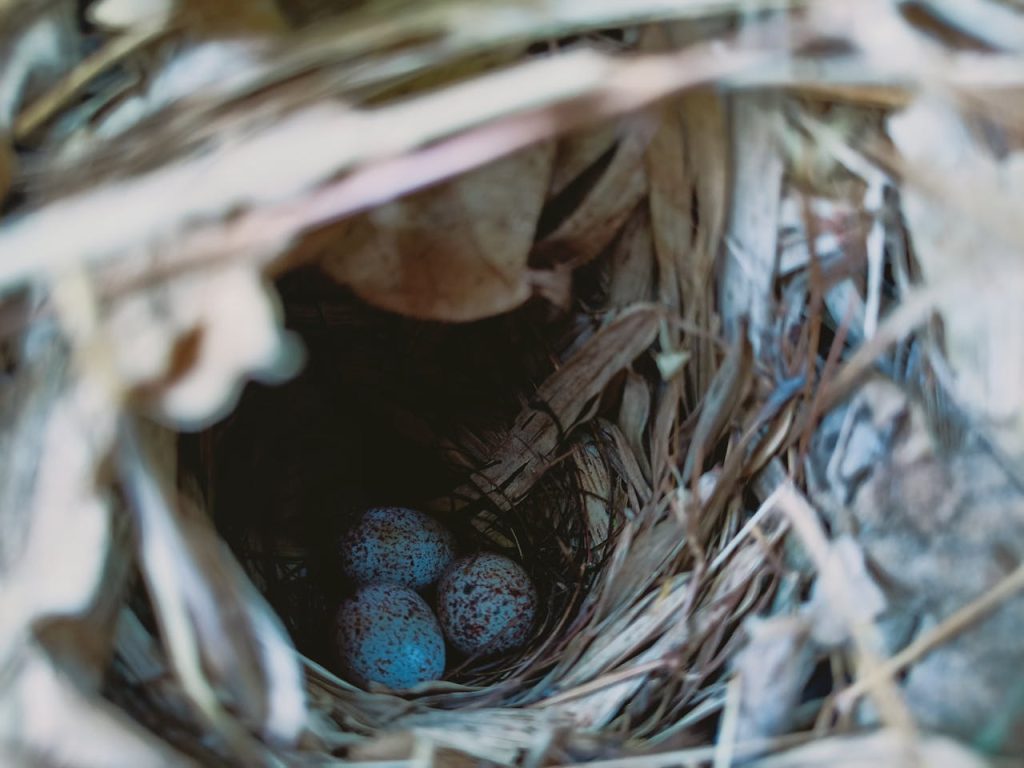
A typical hummingbird clutch is two eggs, each tiny enough to compare with a jelly bean. In ruby-throated hummingbirds, clutch size can range from one to three, but two is common, too. That small clutch is part of the strategy: a light nest, lower energy burden, and a faster cycle in a short season.
But the math is unforgiving. With only two eggs, the loss of even one cuts the brood in half, and any failure from infertility, weather, or predation has an outsized effect on that nest’s success. Small clutch size keeps flight efficient and reduces maternal load, yet it leaves almost no room for recovery once trouble starts.
The Nest Is Brilliant and Exposed at the Same Time
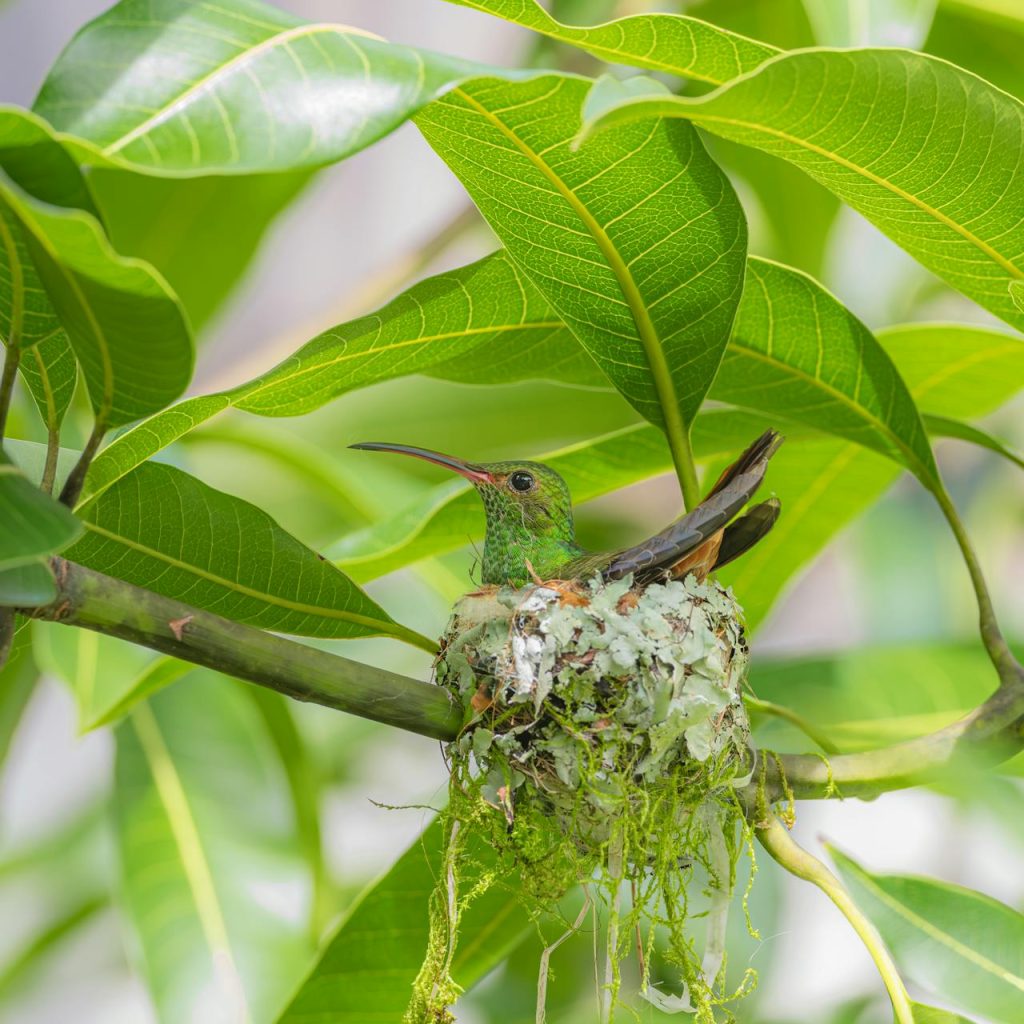
A hummingbird nest is famously small, often described as thimble-sized, about 2 inches across and roughly 1 inch deep. It is built with plant fibers, lichen, and stretchy spider silk that lets the cup expand as chicks grow. From a distance, the outer surface blends with bark and moss, which provides camouflage.
That design is elegant and efficient, yet it is also exposed. Open-cup nests can be vulnerable to predators and harsh weather, and repeated disturbance near the nest can raise risk by drawing attention. A thin branch that sways in wind may hide the nest, but it also leaves eggs and chicks one hard storm away from failure.
Hatchlings Start Life Almost Entirely Dependent
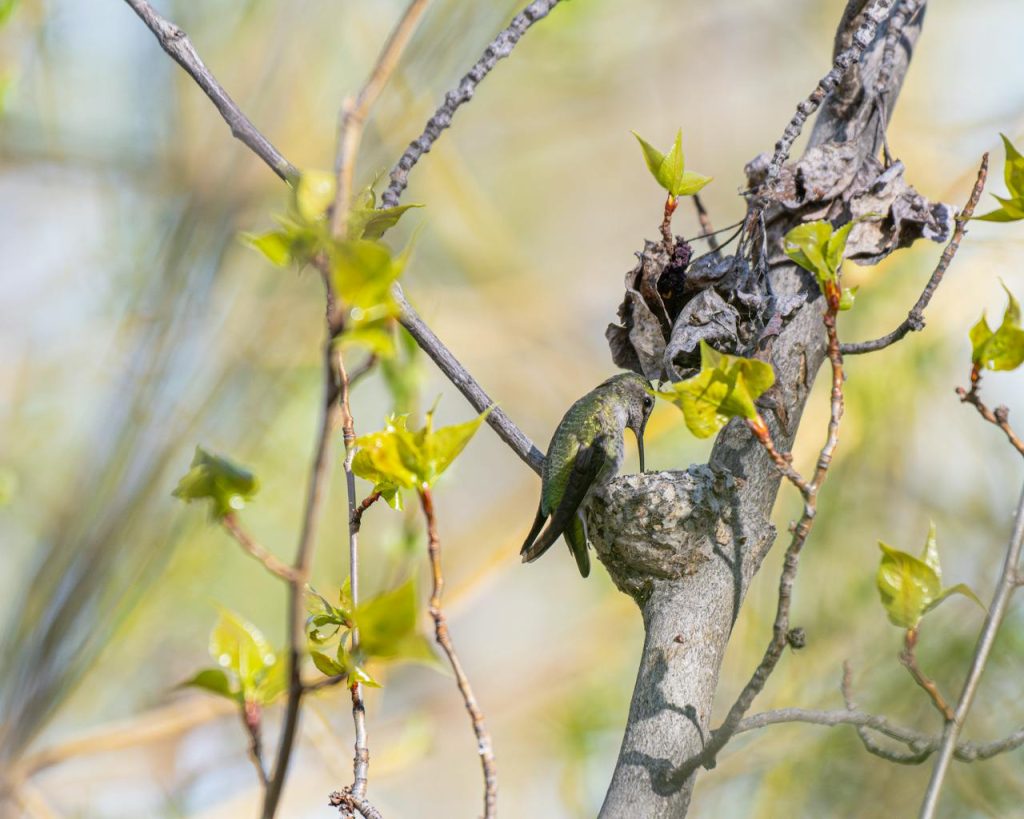
When chicks hatch, they are tiny, mostly featherless, and unable to regulate much on their own. Eyes stay closed at first, movement is limited, and nearly every calorie must come from the mother. During this phase, brooding and frequent feeding are essential, because heat loss and hunger can compound quickly in such small bodies.
This is the hidden survival problem in plain view: complete dependence during a high-metabolism life stage. If the mother is delayed by weather, predators, or habitat pressure, nestlings cannot compensate. Early growth is rapid, but rapid growth also means missed feedings carry immediate biological cost.
Their Diet Shift Creates a Critical Growth Bottleneck
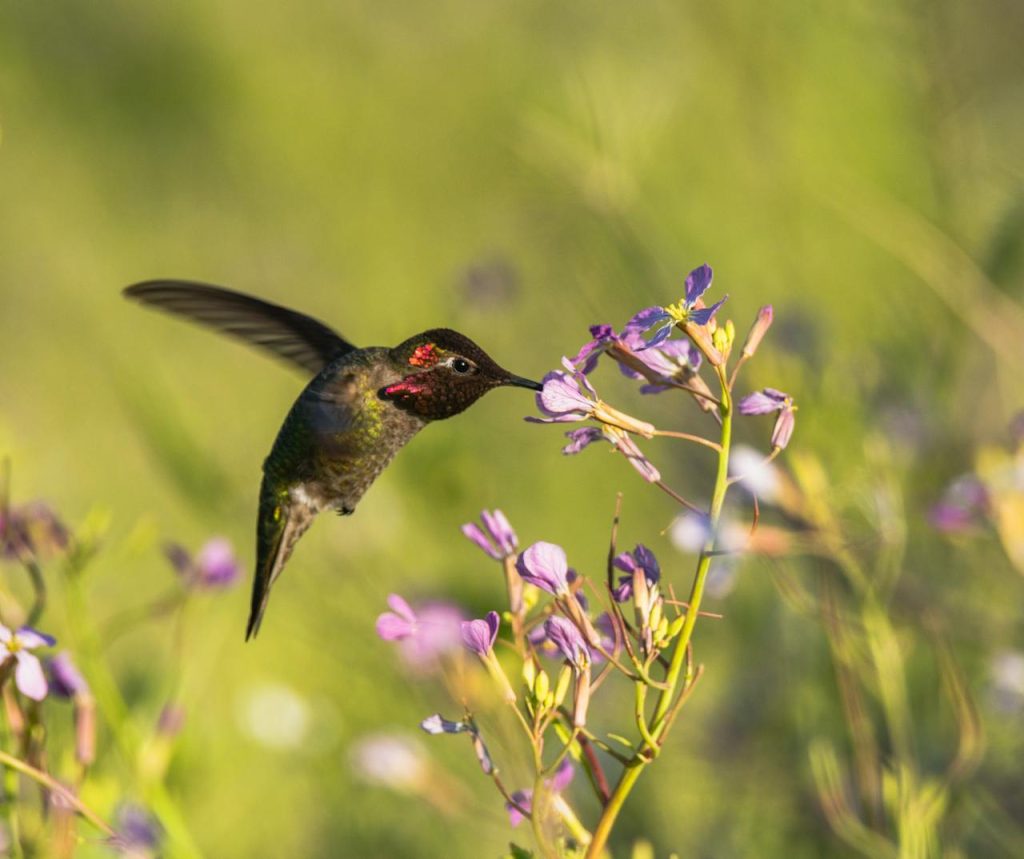
In the nest, food arrives as a regurgitated nectar-rich slurry, delivered directly by the mother. Around day 15, she begins adding more tiny insects, which provide protein for muscle, feather, and organ development. These trips are frequent and costly, because one adult must gather sugars and animal protein in the same daylight window.
That diet shift is a survival hinge. Nectar supports energy, but insects support structure, and nestlings need both on a tight schedule. When insect availability drops during prolonged rain or in simplified habitat, a nutritional gap can appear exactly when growth demand peaks. Timing gets harsh.
First Flight Happens Before Full Independence
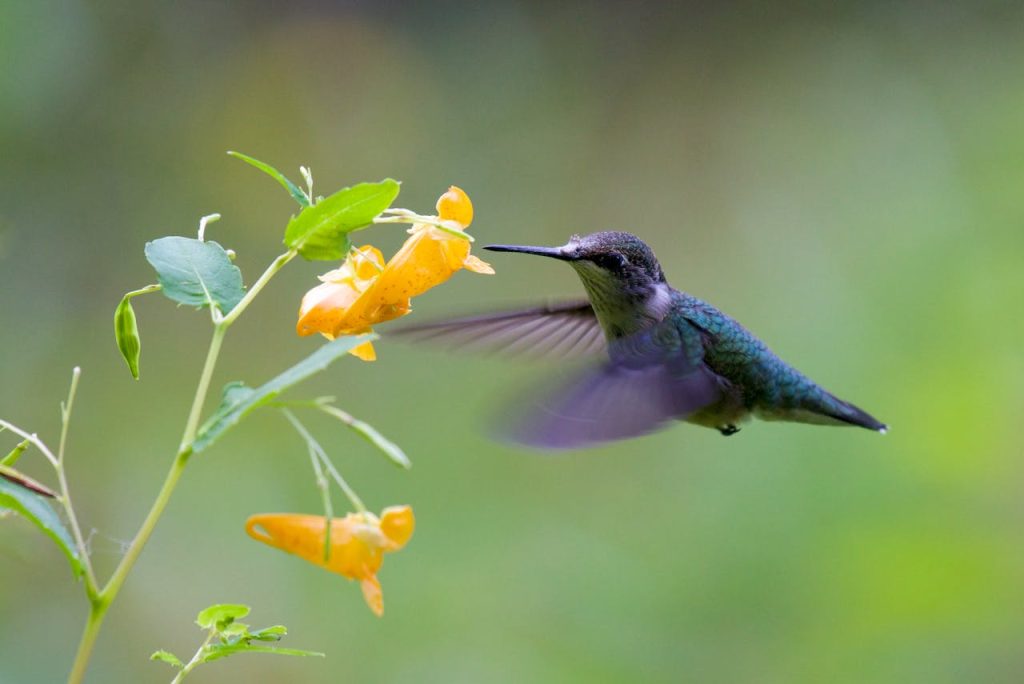
Around two weeks after hatching, chicks begin wing-stretching at the nest edge, building strength through repeated micro-movements. First flights often come near week three, but fledging does not mean independence.
For another one to two weeks, the mother commonly continues feeding young birds as they practice hovering, perching, and precise flower approaches. This transition period is risky: newly fledged birds are mobile but still inexperienced, with high energy needs, uneven coordination, and limited foraging skill. Early flight is less a graduation than an exposed apprenticeship. A single bad day can reset progress.
Juveniles Often Hide in Plain Sight
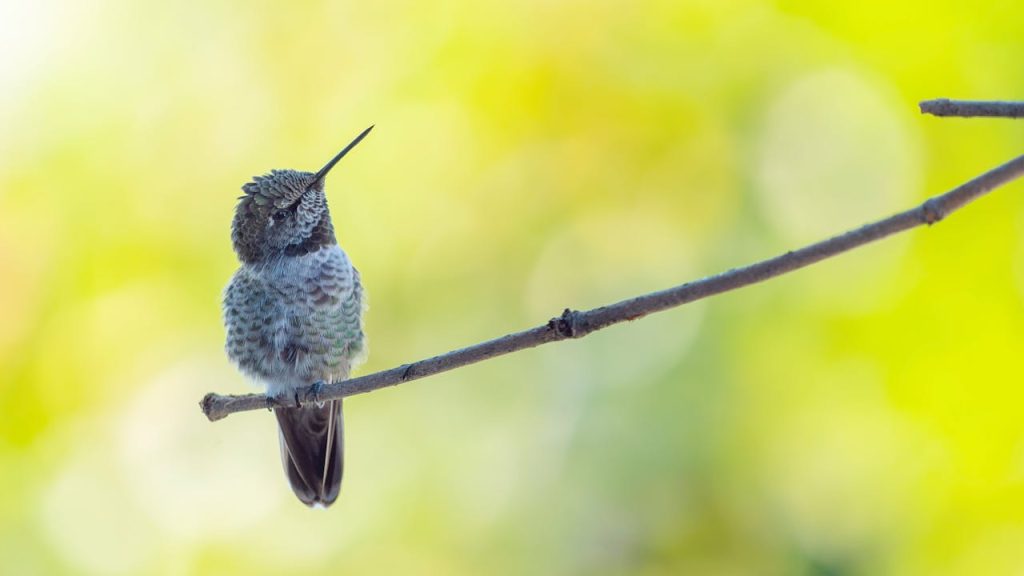
Newly fledged hummingbirds often look very similar to adult females, especially in common backyard species. That visual overlap can confuse casual observers during late summer, when juveniles begin dispersing around feeders and flowering patches.
The resemblance is not just a birding trivia point. Misidentification can hide how many first-year birds are actually making it through early life, which complicates local conservation awareness. When survival data look blurry, early warning signs such as poor fledging years or habitat stress can take longer to notice and address. Clear records matter when populations are under pressure.
Second Broods Can Increase Output and Pressure
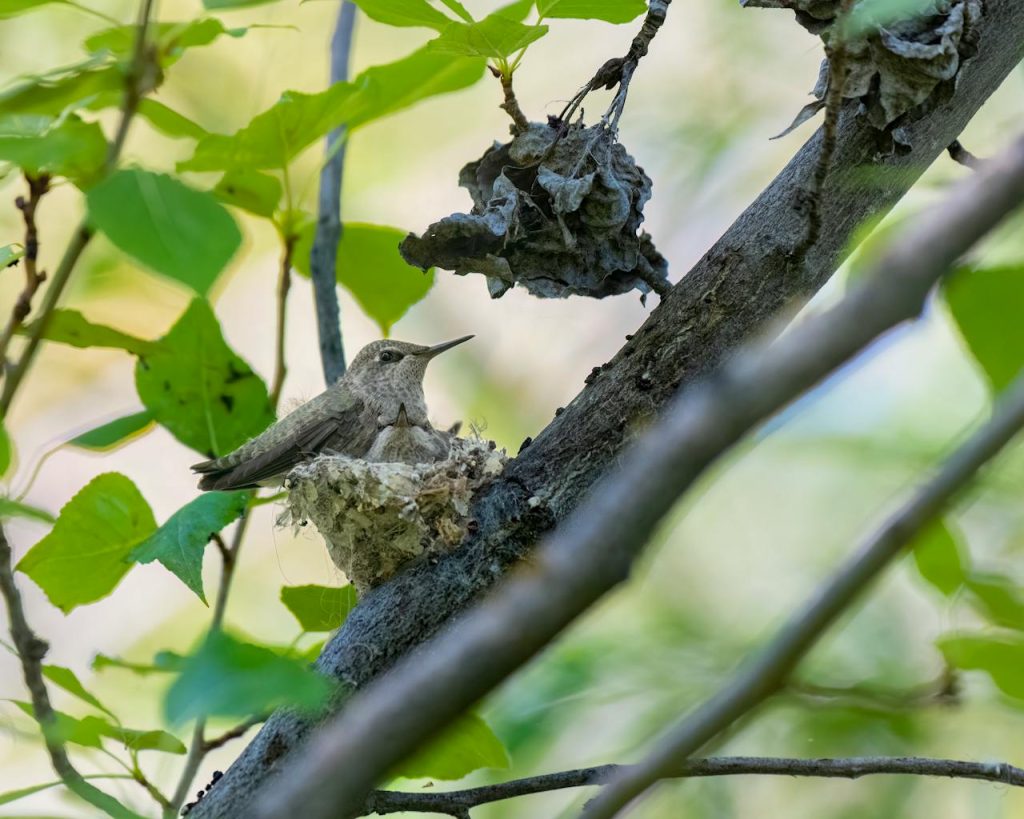
Hummingbird mothers may begin building a second nest while still supervising the first brood. From an evolutionary perspective, that overlap can increase annual reproductive output, especially where warm weather lasts longer.
From a survival perspective, it also exposes a bottleneck: one adult female must incubate, feed, defend, and relocate resources across overlapping demands. If flowers fade early, insect numbers dip, or repeated disturbances push her farther between food and nest, both broods can feel the strain. The species strategy is efficient, but the margin of safety stays thin. Success often hangs on habitat quality.