

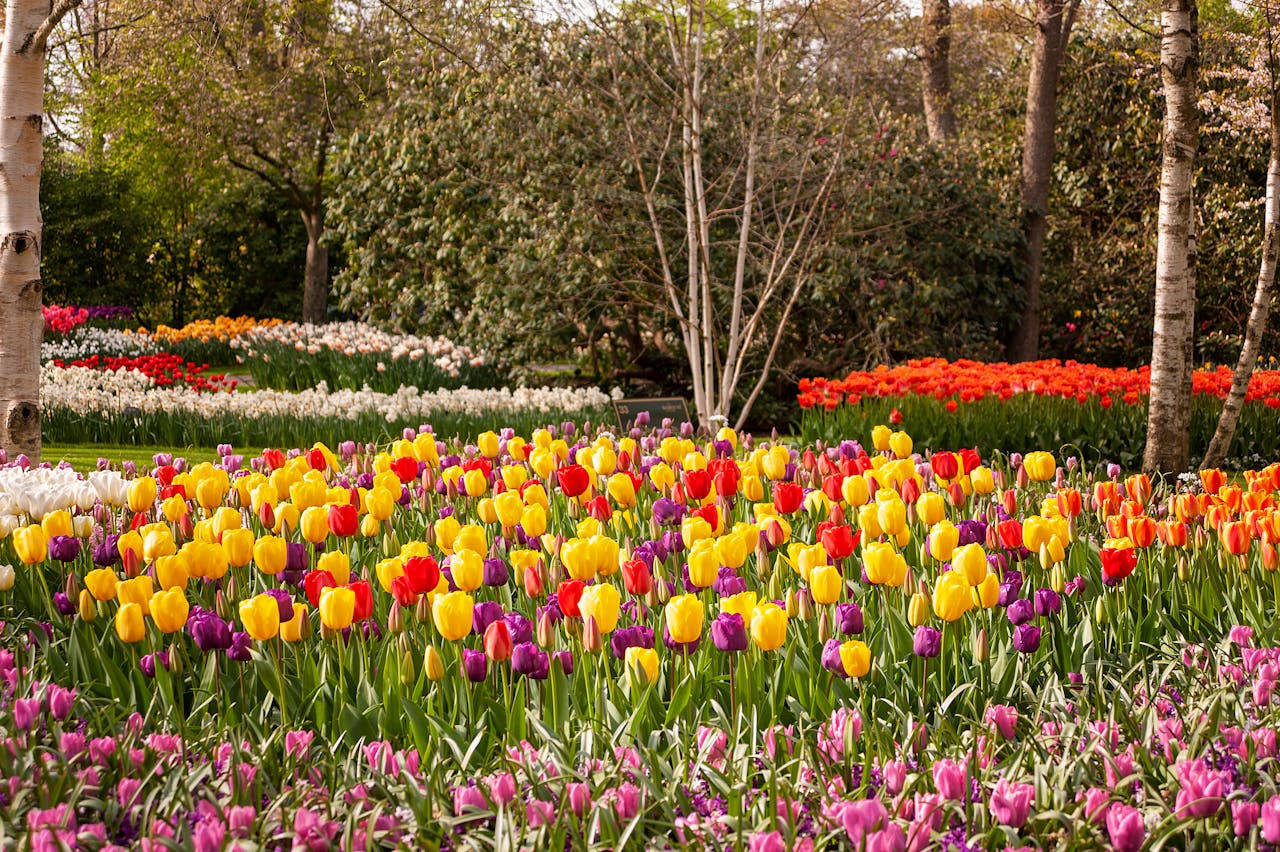
Habitat work often looks ordinary at first. It starts in side yards, fence lines, and the narrow edges of neighborhoods where pollinators still search for blooms and birds still hunt for insects. Federal agencies keep repeating the same message because the pattern is now hard to ignore: pollinator populations are declining, and small habitat losses add up lot by lot. The hopeful part is just as real. A backyard with native plants, water, shelter, and darker nights can become a useful patch in a larger neighborhood network, and those small patches are where recovery often begins. Those gains are modest, but they compound.
Plant Native Layers Instead of Flat Beds
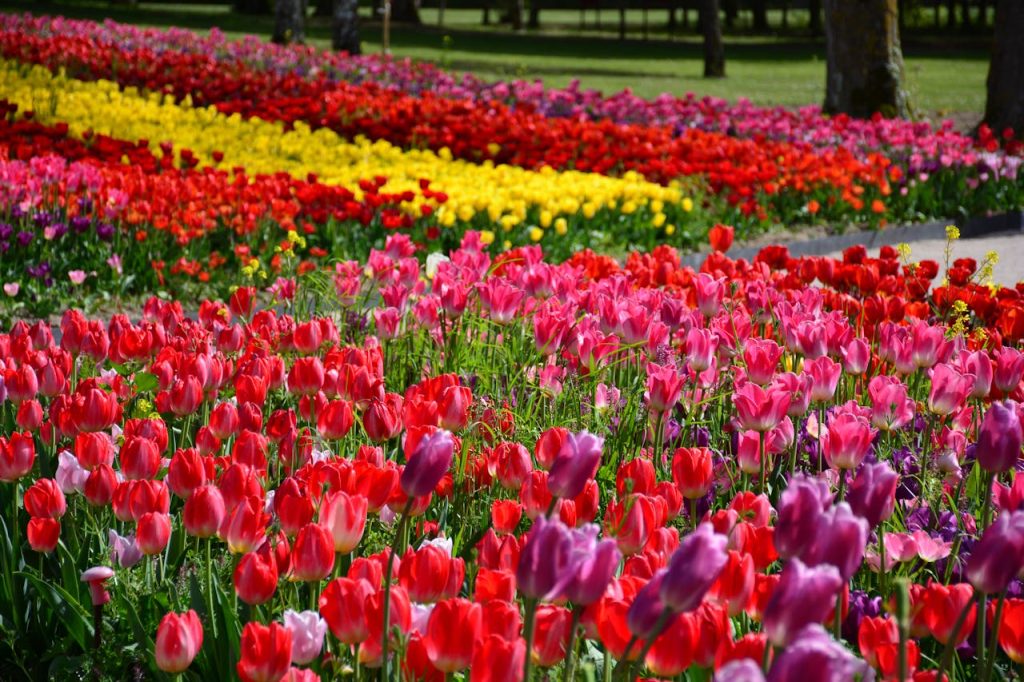
Officials usually begin with plants, because the food web starts there. National Park Service guidance explains that many insects depend on long-evolved relationships with native plants, and those insects feed birds, mammals, reptiles, and amphibians across the seasons.
The same NPS guide also urges homeowners to think in layers, not flat beds, by adding canopy, understory, shrubs, and ground cover. That structure creates more places to feed, hide, and nest, and it helps a yard behave more like habitat than decor as the planting matures. It also smooths out blooms and cover from spring into winter. Layered yards stay useful longer.
Shrink Turf Grass in Stages
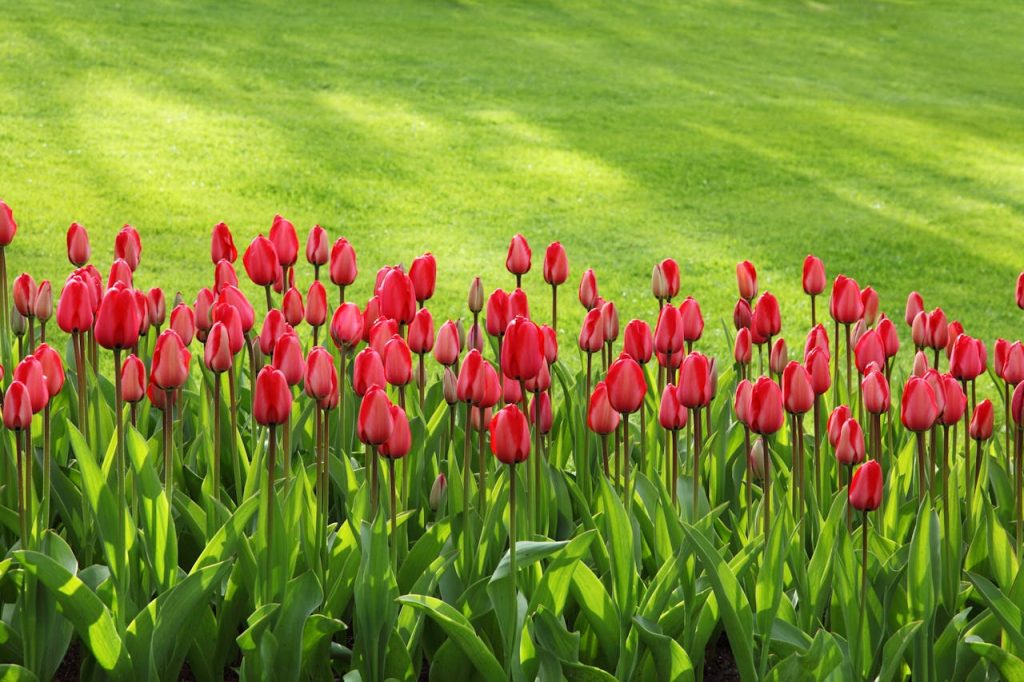
A neat lawn can look open and orderly, but ecologically it is often thin. The National Park Service notes that introduced plants add little to the food web, and it points to the replacement of native plants with turf across millions of acres as a major source of habitat loss.
That is why officials often suggest shrinking grass in stages instead of forcing a full redesign at once. One native border, one pollinator strip, or one low ground cover patch can rebuild food and shelter, while also reducing mowing in the quiet places wildlife needs most. The shift stays manageable, and wildlife responds quickly. That pace stays realistic.
Leave Shelter In The Messier Corners
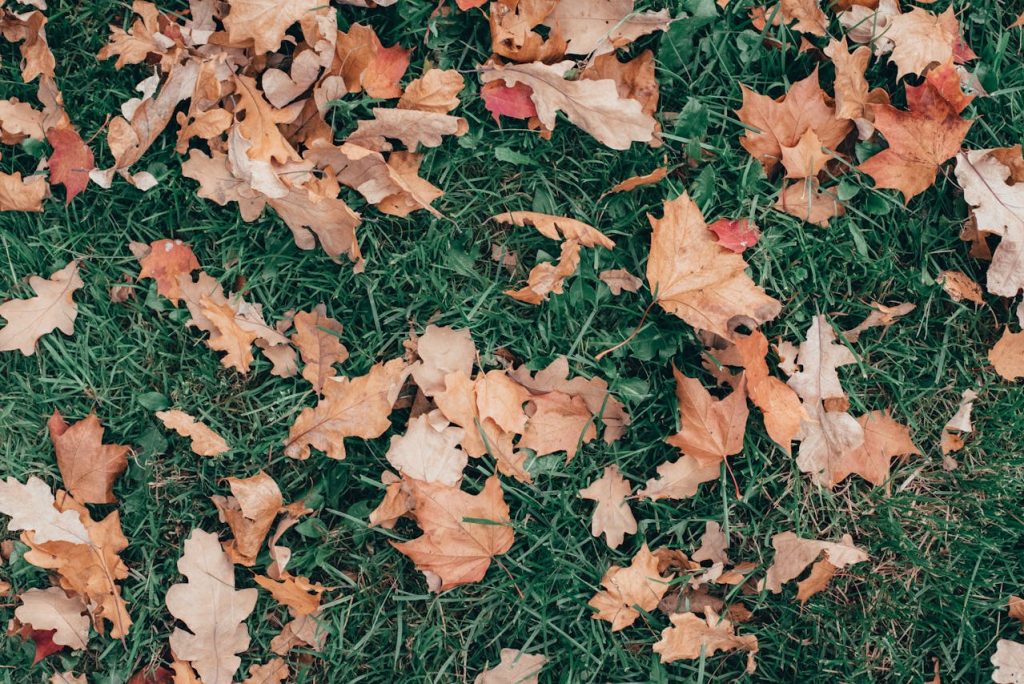
Backyard shelter is often lost through over-cleaning. U.S. Fish and Wildlife Service guidance for wildlife-friendly yards recommends brush or rock piles, leaf litter, wild patches, and even leaving hollow stems uncut so insects and small animals still have places to rest and hide through the year.
Those details matter more than they seem. When every corner is trimmed bare, yards lose the cool, covered spaces many species use between feeding periods, and the neighborhood becomes harder to cross during heat, wind, and sudden storms, even with food nearby. Shelter gaps are often the first thing wildlife notices. Shelter gaps show up.
Add Water That Also Slows Runoff
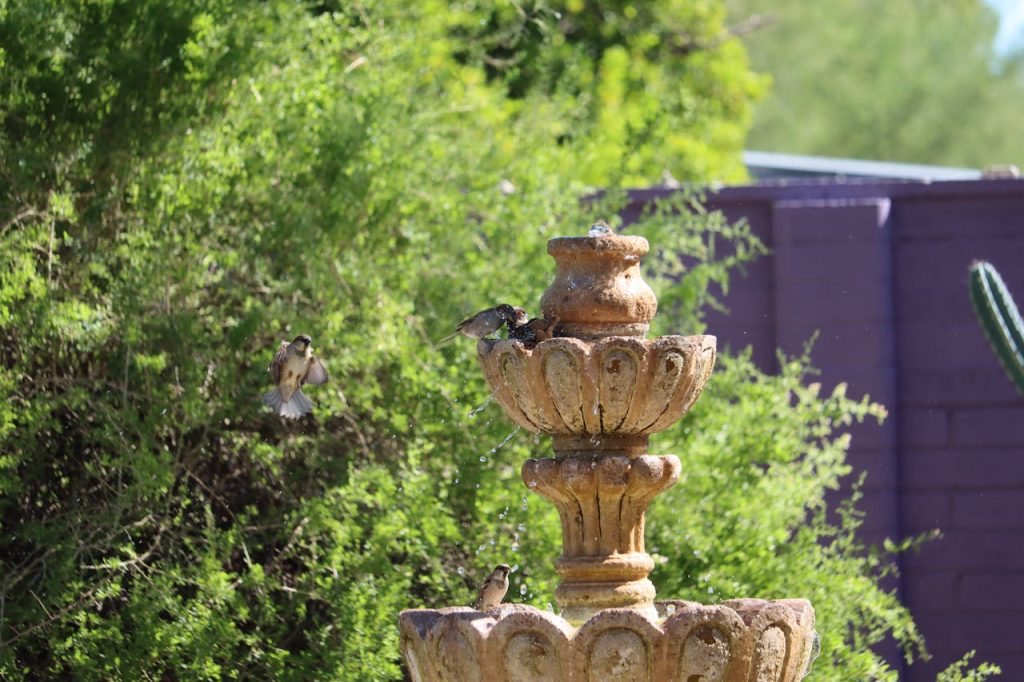
Water changes how a yard functions, especially in neighborhoods full of roofs and pavement. Fish and Wildlife Service guidance recommends simple options such as bird baths, bee watering stations, and small water features, while EPA rain garden guidance adds a clear runoff benefit.
EPA describes a rain garden as a planted depression that collects runoff and lets it soak into the ground, helping reduce runoff and filter pollutants. In one backyard, that can support birds and butterflies while also easing pressure on nearby drains, creeks, and stormwater systems after rain. It is practical conservation with visible, local results.
Use Targeted Pest Control, Not Blanket Sprays
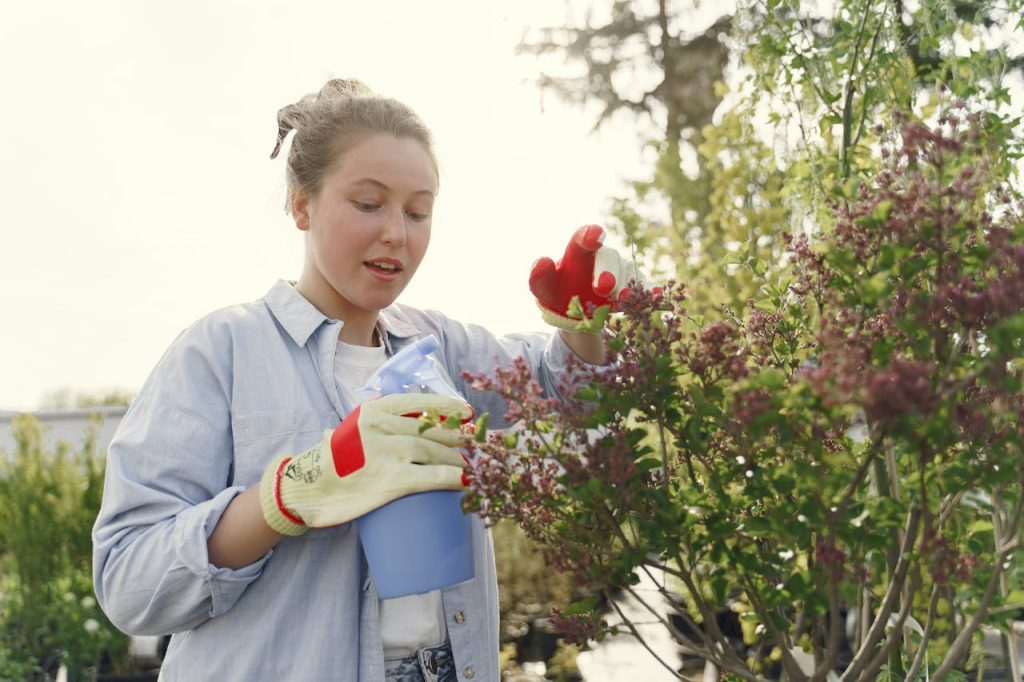
Pest control is where many yards lose habitat value without meaning to. EPA guidance on Integrated Pest Management says IPM starts with understanding the pest and using a mix of practical methods, with the least possible hazard to people, property, and the environment.
EPA wildlife guidance also tells homeowners to use pesticides only when necessary, treat only the areas that need treatment, and keep products away from water. That slower, more targeted approach protects bees, birds, and beneficial insects while still handling real pest problems in a practical way. It also reduces unnecessary drift and runoff. It keeps balance.
Remove Invasives Before They Spread
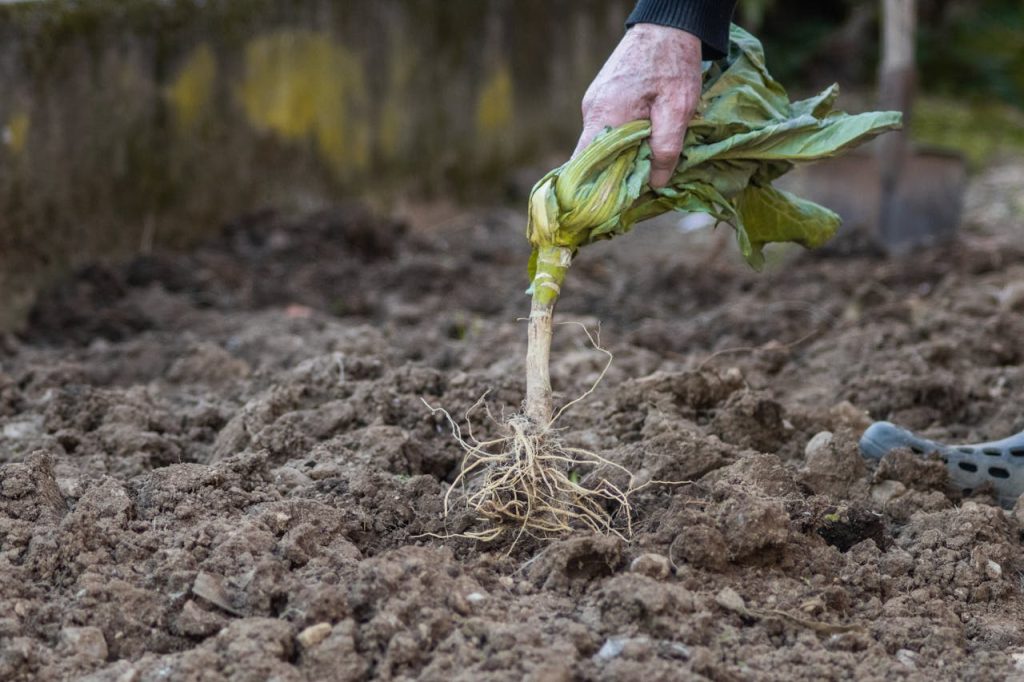
Invasive plants often spread because they grow fast and seem low effort at first. The Forest Service warns that invasive species compete with native species for light, moisture, nutrients, and space, and the agency notes they can reduce plant diversity and degrade wildlife habitat over time.
Fish and Wildlife Service yard guidance makes the next step practical: learn which invasive plants and animals are common locally, remove them carefully, and avoid replanting known spreaders. Early action keeps a small backyard issue from turning into a block-wide problem that is much harder to reverse. Acting early usually saves work later.
Cut Light Spill After Sunset
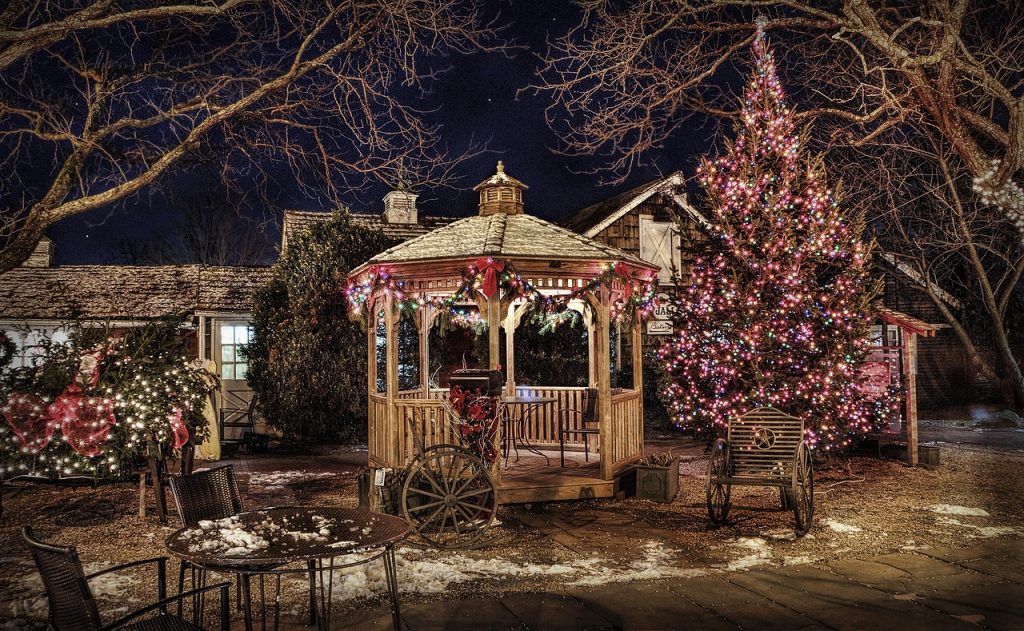
Outdoor lighting shapes habitat after sunset, even when a yard looks calm. The National Park Service defines light pollution as excess or inappropriate artificial light, and it notes that brightened nights have ecological effects that extend well beyond city centers.
NPS night-sky guidance also explains that nocturnal and migratory animals depend on darkness, and artificial light can disrupt feeding and reproduction. Simple changes like timers, shielding, and warmer bulbs help keep yards usable for people while preserving darker pathways for birds, insects, and other wildlife nearby. Small lighting changes still help.
Make Windows And Pet Habits Safer For Wildlife
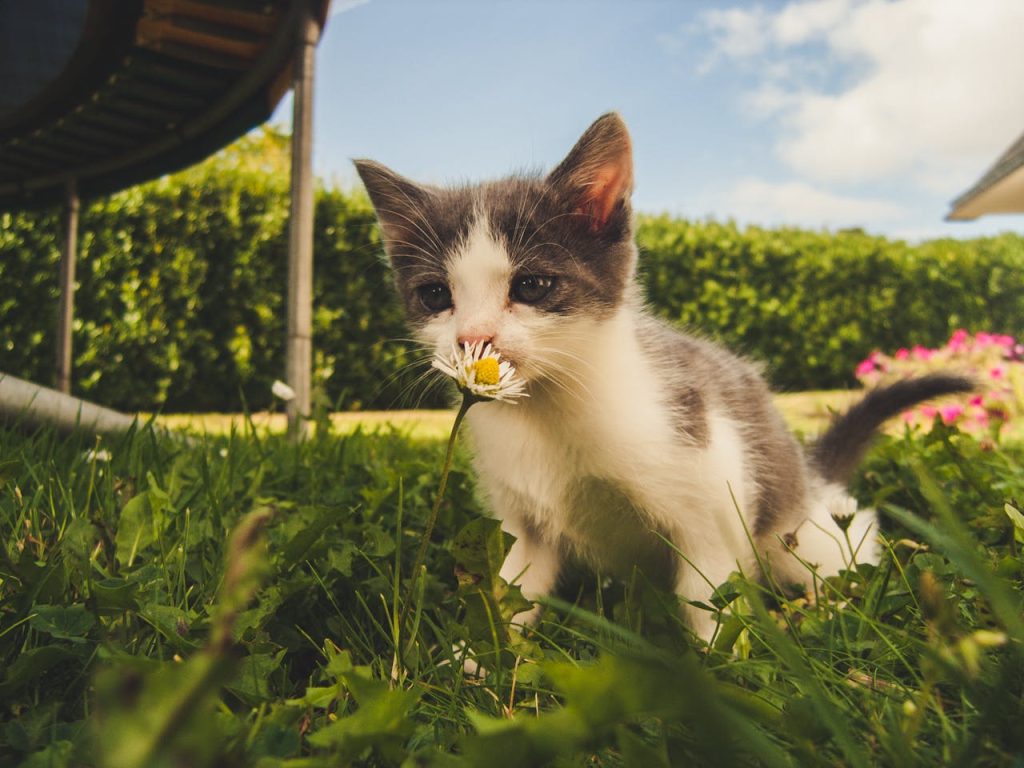
A wildlife-friendly yard still needs basic safety fixes. U.S. Fish and Wildlife Service guidance recommends bird-safe windows with decals, keeping cats indoors or in a catio, and reducing evening light so feeding and resting areas are less likely to become collision or hunting zones.
The same guidance also supports bird houses, bat boxes, and mason bee habitat, but those features work best when hazards are reduced first. A safer yard does not need to feel empty; it simply gives birds and pollinators a steadier chance to feed, rest, and remain in the neighborhood. Small fixes often make the biggest difference. It still feels local.
What makes these changes powerful is how ordinary they are. A few native plants, a darker porch, a shallow water source, and a corner left a little wild can connect one property to the next, which is the kind of habitat connectivity agencies say local conservation now depends on. Over time, the result is easy to hear before it is easy to measure: more insect activity at dusk, more birdsong at dawn, and a neighborhood that feels alive again in a steady, grounded way.