

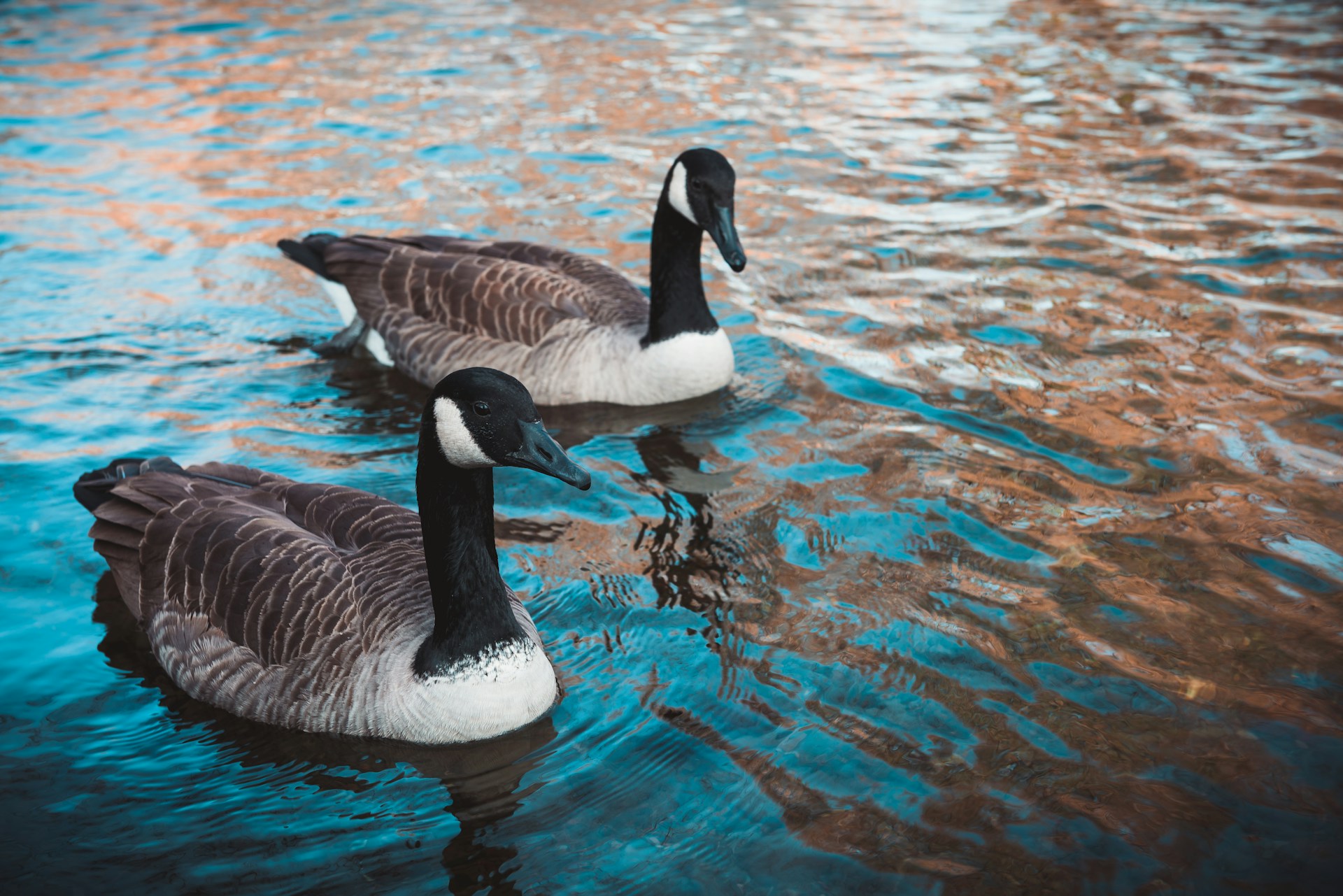
Birds are often filed under beauty first: bright feathers, clean silhouettes, dawn songs, and the easy comfort of seeing life perched on a fence or gliding over water. Yet some species carry a very different kind of presence, one shaped by territorial instinct, nesting season, immense body power, or the simple refusal to retreat when stressed. Their danger usually does not come from malice. It comes from size, speed, sharp claws, hard wings, or fearless defense, which is exactly why ordinary encounters can turn startling in a matter of seconds. The surprise is what makes these birds so easy to underestimate at times.
Cassowary
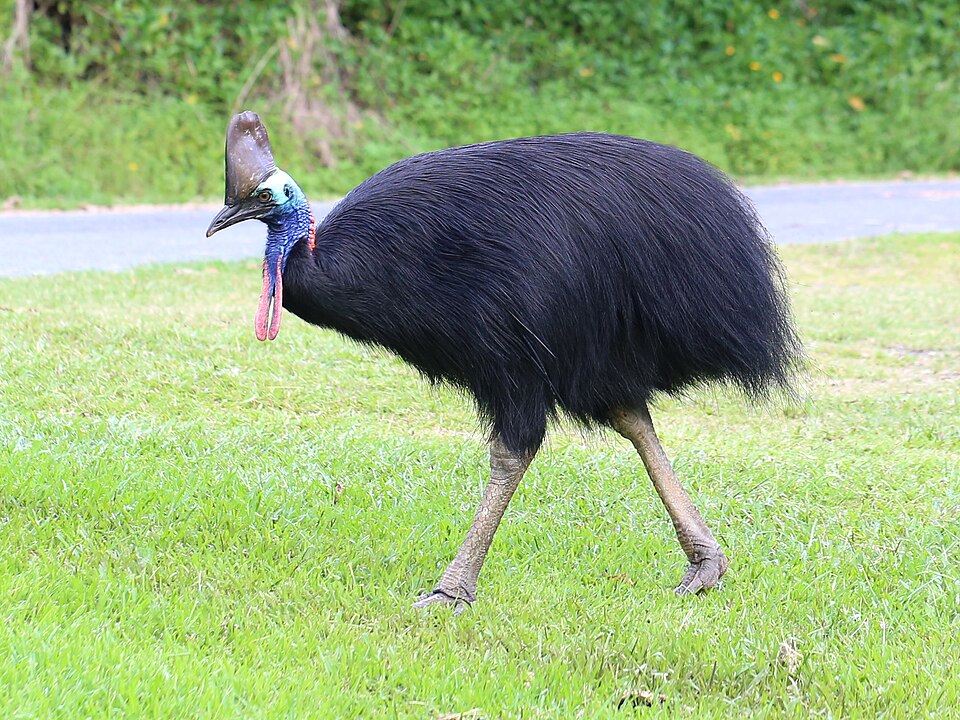
The cassowary looks almost prehistoric, and that impression is not misleading. San Diego Zoo notes that each foot carries a dagger-like inner claw up to 4 inches long, and the bird can slash with a single kick while running at roughly 31 miles per hour through dense forest.
What makes it unnerving is not constant aggression but explosive force. The Library of Congress notes attacks are rare and cassowaries are usually shy, yet when cornered, provoked, or handled badly, the same bird can inflict catastrophic injuries in seconds. That contrast is why so many people misread it until it is too close, and already defensive.
Ostrich
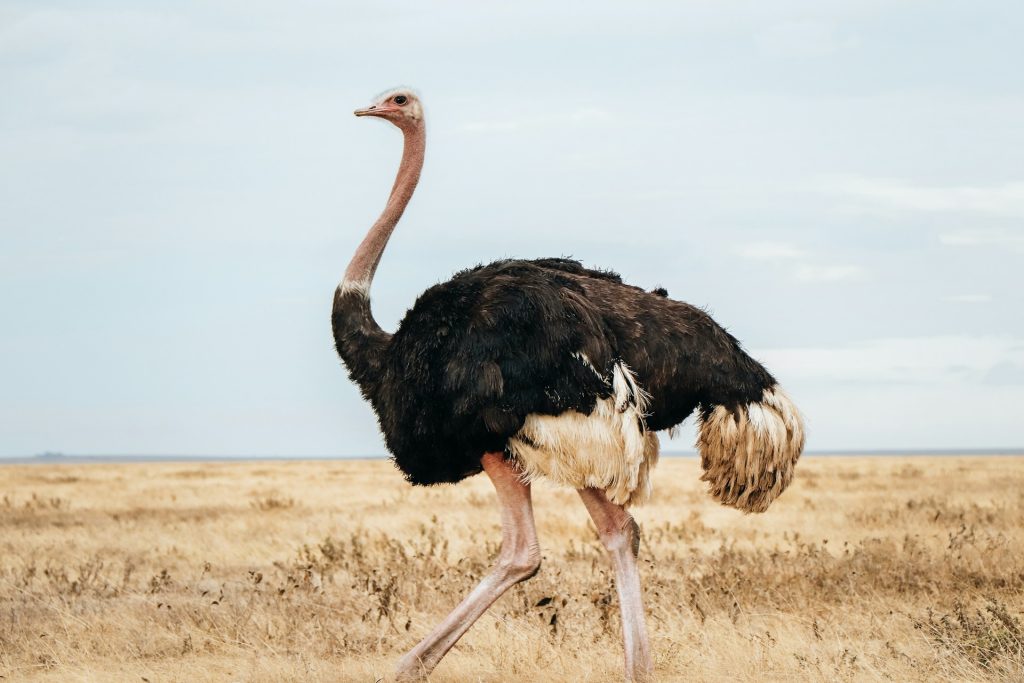
The ostrich gets treated like a comic giant, all legs and eyelashes, but its size is only half the story. San Diego Zoo describes it as the largest and heaviest living bird, built to sprint up to 43 miles per hour, and medical literature has documented severe human injuries from ostrich kicks.
That danger comes from mechanics more than temperament. A startled or territorial ostrich drives power through long legs and clawed feet, turning one forward strike into something more like a slashing blow than a shove. It is a bird that often looks awkward from a distance and absolutely is not awkward up close, especially in breeding season.
Emu
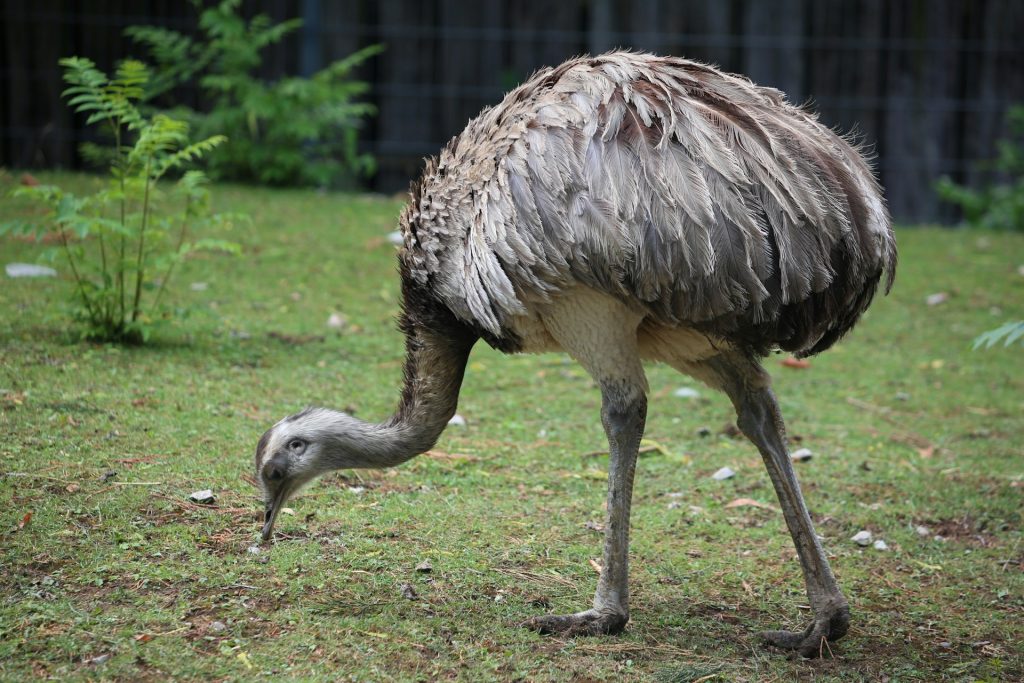
The emu does not carry the same reputation as the cassowary or ostrich, which is exactly why it slips past people’s caution. San Diego Zoo notes that emus can sprint about 30 miles per hour, jump 7 feet straight up, and defend themselves by striking and ripping with heavy feet and nails.
Its danger is easy to miss because the bird often reads as curious rather than combative. But a large, cornered emu has reach, balance, and force, and it does not need fangs to leave damage behind. In the wrong moment, that calm, rubbery-faced expression hides a runner that can kick like a weapon with feathers and close ground fast, too.
Canada Goose
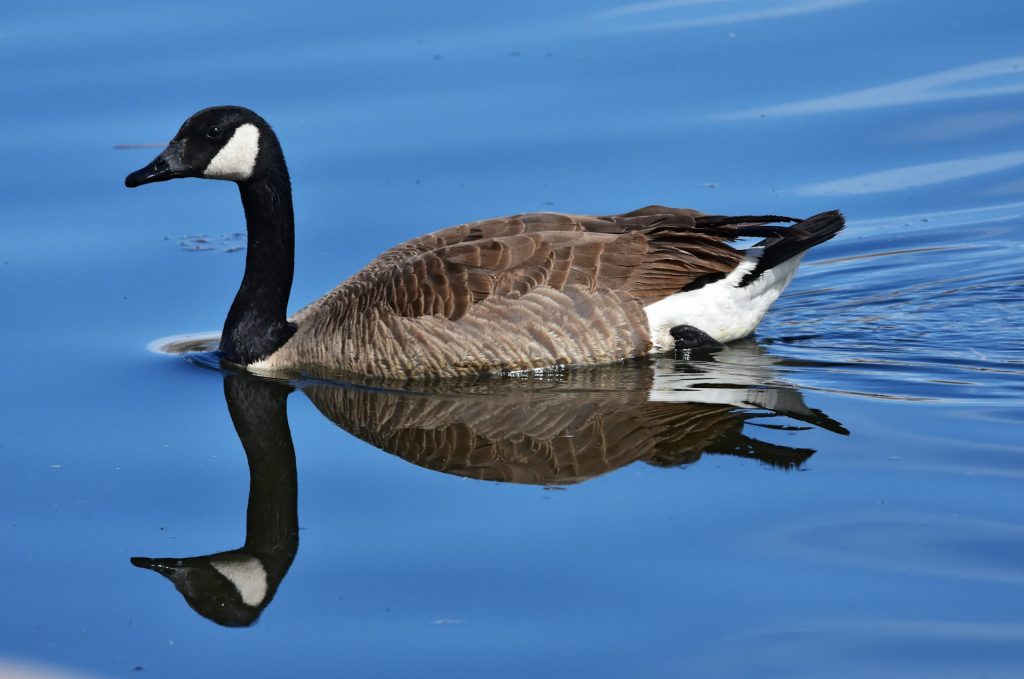
The Canada goose is so familiar that many people stop reading it as wildlife at all. That is a mistake. Washington’s Department of Fish and Wildlife warns that nesting geese may attack people who come near nests or young, and their confidence rises even more in places where hand-feeding has taught them not to fear humans.
The real risk is less about raw power than chaos at close range. A charging goose hisses, wings out, neck forward, and forces a split-second retreat that can send children, runners, cyclists, or older adults stumbling. What looks like a park bird in April can feel very different once a brood is on the ground.
Mute Swan
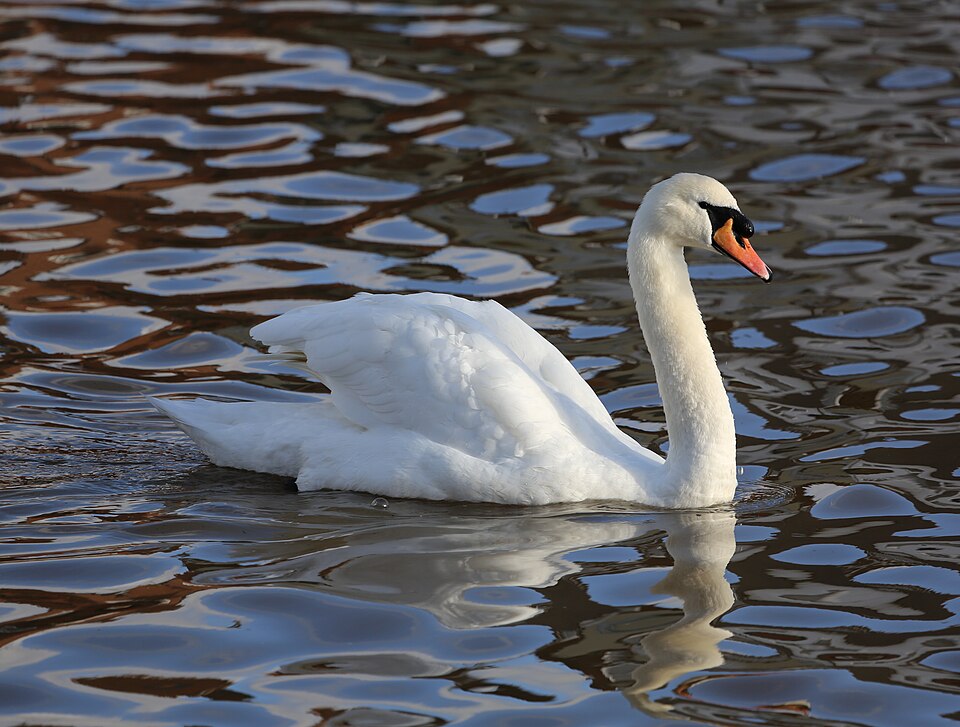
The mute swan still carries an old-world elegance that makes people assume grace equals gentleness. Wildlife agencies say otherwise. New York’s DEC notes aggressive behavior toward people, and Maryland’s management plan describes breeding pairs that defend nests and young with alarming intensity.
Part of the surprise is scale. A big white swan on open water feels serene until it starts advancing with a 6-foot wingspan, hard wingbeats, and no intention of backing off. Management plans have also described swans injuring people, overturning small watercraft, and turning peaceful coves into places others simply avoid for a season.
Great Horned Owl
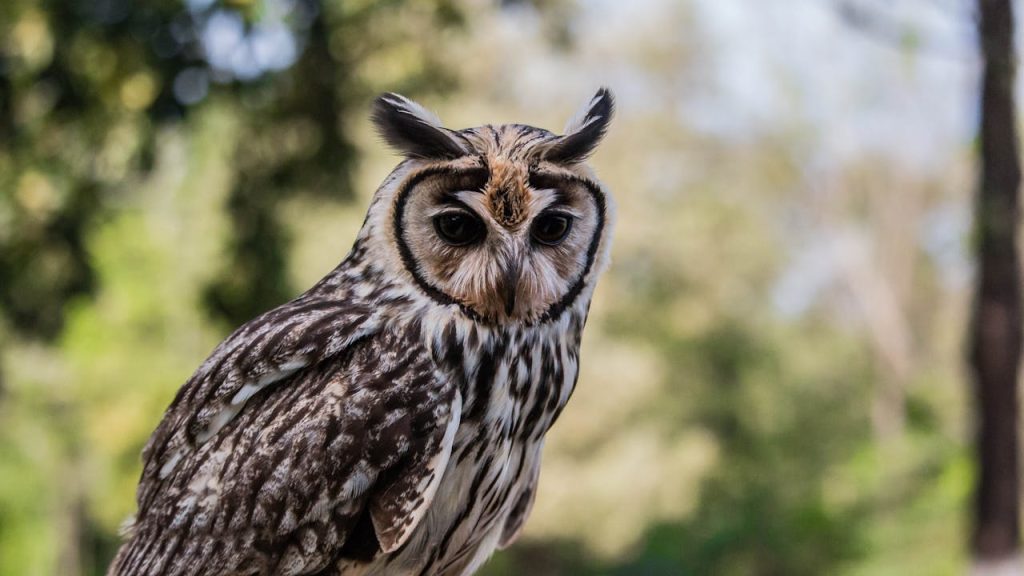
The great horned owl is usually admired for silence, patience, and that unmistakable stare, not for conflict with people. Yet Pennsylvania’s Game Commission notes that incubating or brooding pairs may defend nests and young fiercely and have attacked humans who got too close.
That matters because this is not a bluffing songbird. It is a heavy raptor built to seize live prey, and when a nest is nearby, a wooded trail or urban park can change tone fast. Most incidents happen during nesting season, which makes the bird less malicious than protective, but a protective owl arriving from behind is enough to leave panic, scratches, blood.
Wild Turkey
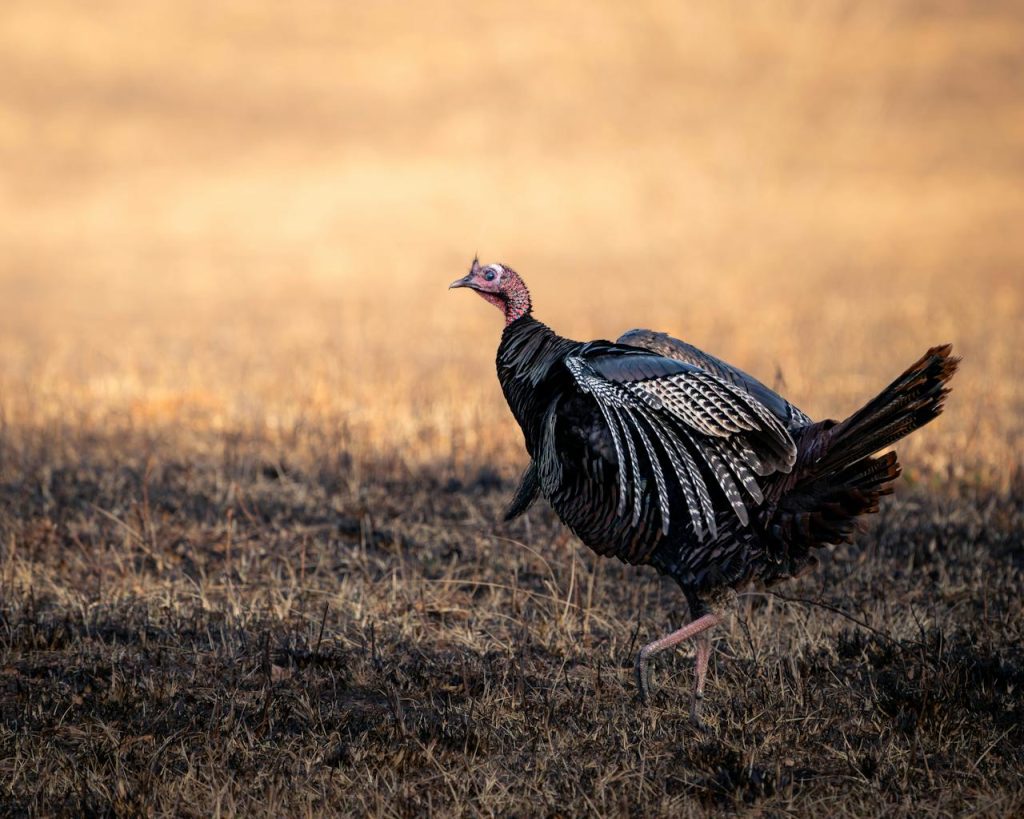
The wild turkey surprises people because it looks ordinary beside suburban lawns, driveways, and school edges. Official guidance from California and APHIS warns that turkeys can become aggressive during breeding season, especially when feeding or constant proximity teaches them to stop fearing people.
That social logic is what makes the encounters so strange. A gobbler may charge, posture, flap, block paths, or chase someone it reads as subordinate. The risk often comes from boldness rather than brute strength, and boldness is more than enough to rattle a neighborhood that thought it was watching harmless local color.
Red-Winged Blackbird
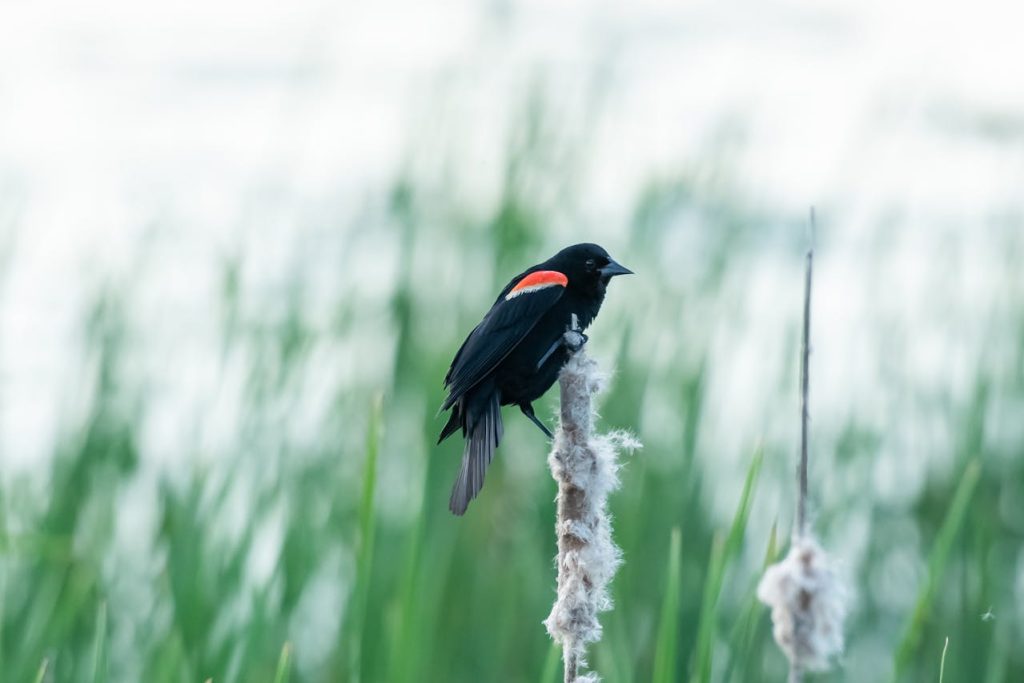
The red-winged blackbird may be the most underestimated bird here because it is small, common, and woven into everyday wetland scenes. Cornell’s All About Birds notes that males fiercely defend breeding territories and may go after much larger animals, including horses and people.
Its danger is not size. It is surprise, repetition, and fearless targeting from above or behind. During nesting season, a trail or marsh boardwalk can become contested airspace, with a male bird swooping again and again at heads that crossed the wrong invisible line. Even a light strike feels bigger when it comes out of nowhere. That is enough.