

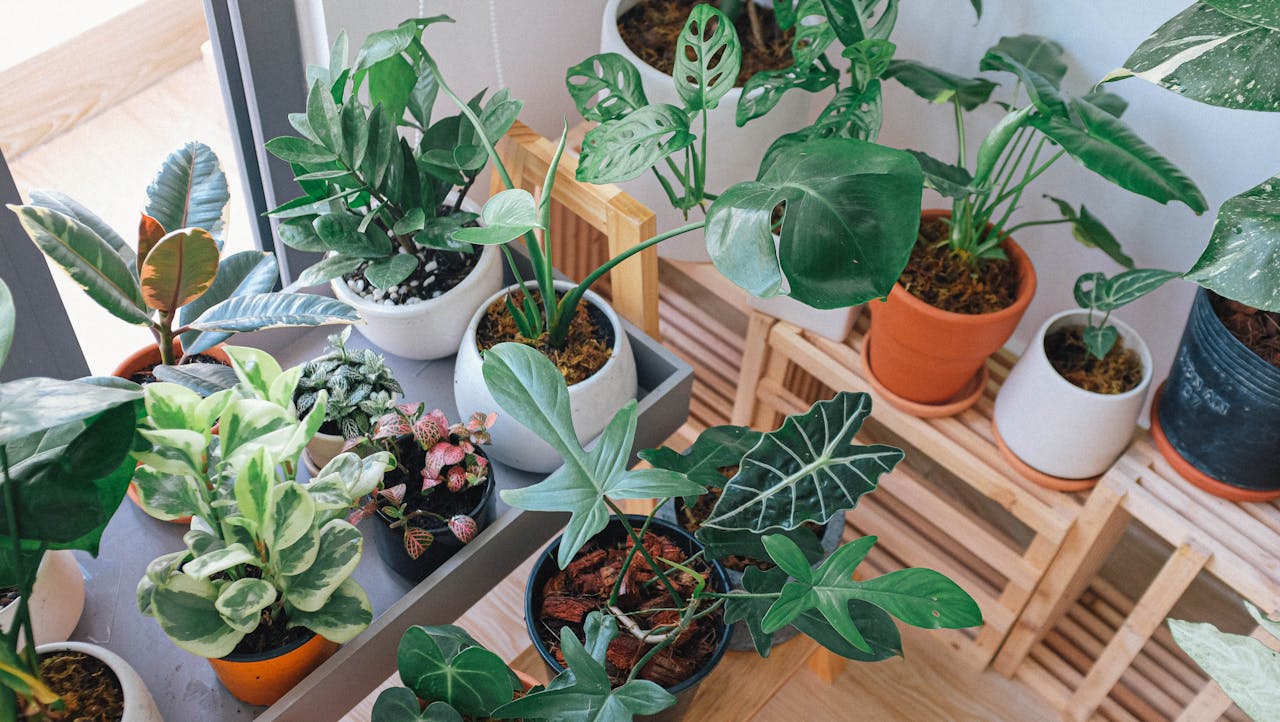
Container planting looks simple from a porch or balcony, but horticulturists know the real story starts below the soil line. Roots in pots live in a small, unstable space where water, air, and temperature shift fast, so small care mistakes cause bigger problems than they do in the ground.
That is why root failure often seems sudden. A plant may hold its color for a while, then stall, wilt, or fade because the root zone lost oxygen, structure, or room to grow. Most container setbacks trace back to a few repeat mistakes, and each one is easier to prevent than to reverse once roots start declining.
Skipping Real Drainage Holes
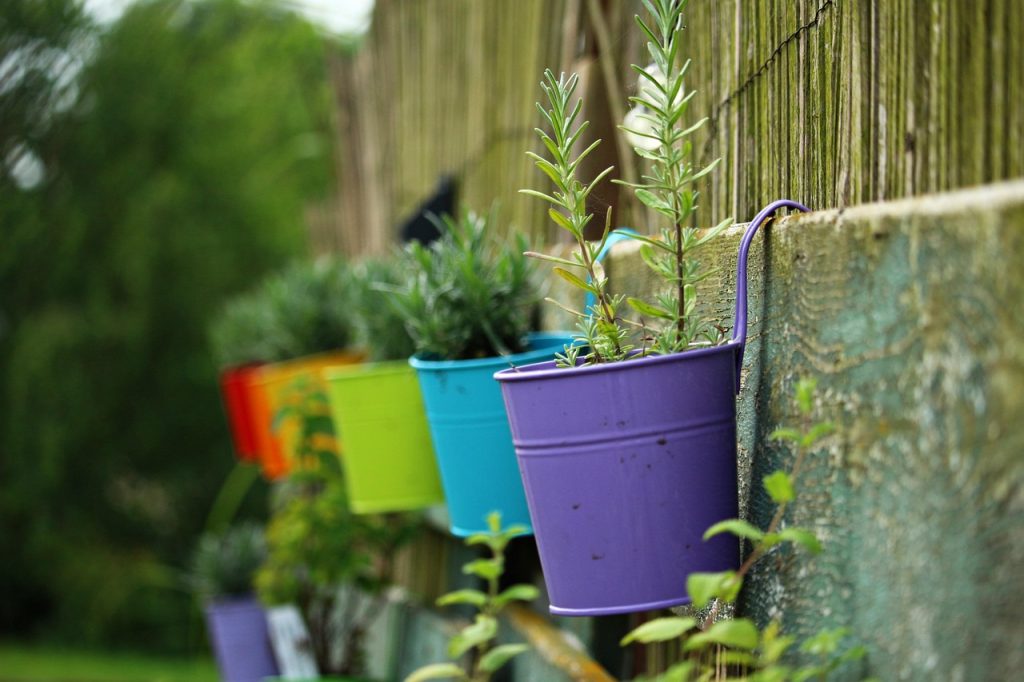
Drainage is the first rule because container roots need water to move through the pot, not collect around them. Illinois Extension notes that even small holes let water drain with little media loss, and Washington State guidance is blunt that containers must have drainage holes for root aeration in container plantings.
Problems start when a planter has no opening, the hole stays blocked, or runoff cannot escape after watering. In that condition, the mix stays saturated longer, air spaces shrink, and roots lose oxygen. A pretty pot without a clear drain path often becomes a hidden root problem that only shows up later in the leaves.
Adding Gravel Or Pot Shards At The Bottom
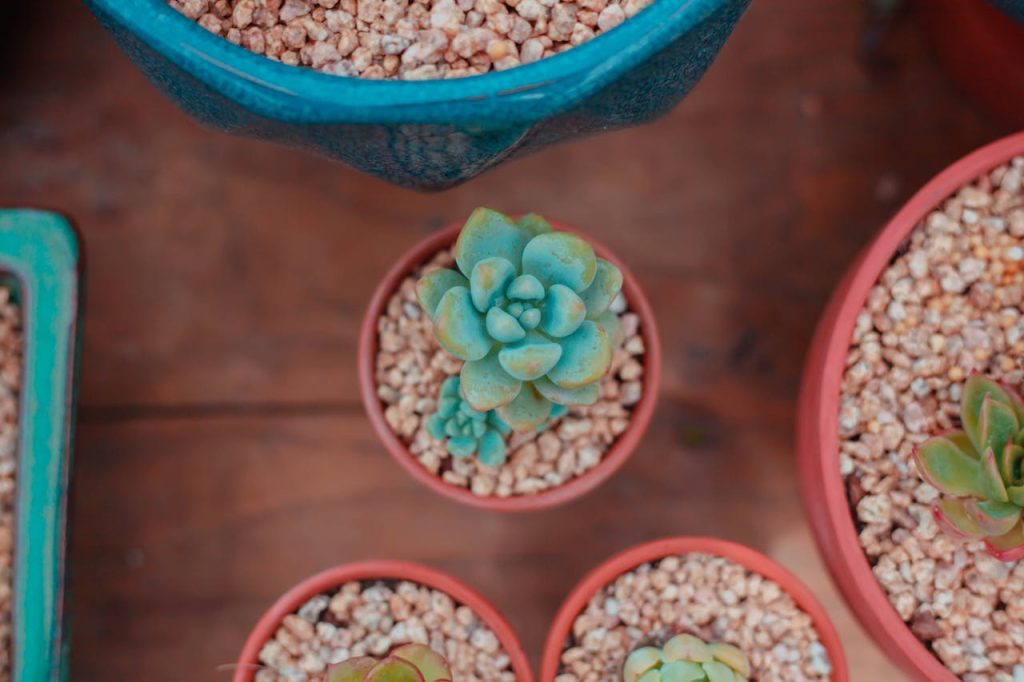
The gravel layer habit sounds practical, but horticulturists keep warning that it works against the root zone. Washington State Extension explains that water does not move freely from a finer potting mix into a coarser layer until the upper mix is saturated, so moisture lingers higher in the pot.
That means stones, shards, or gravel at the bottom do not improve drainage and can leave roots sitting in wetter media. The layer also takes away rooting space in a container that already has limited volume. A screen over the hole and a good potting mix solve the real issue without creating a false drainage layer that slows water movement.
Using Garden Soil In Place Of Potting Mix
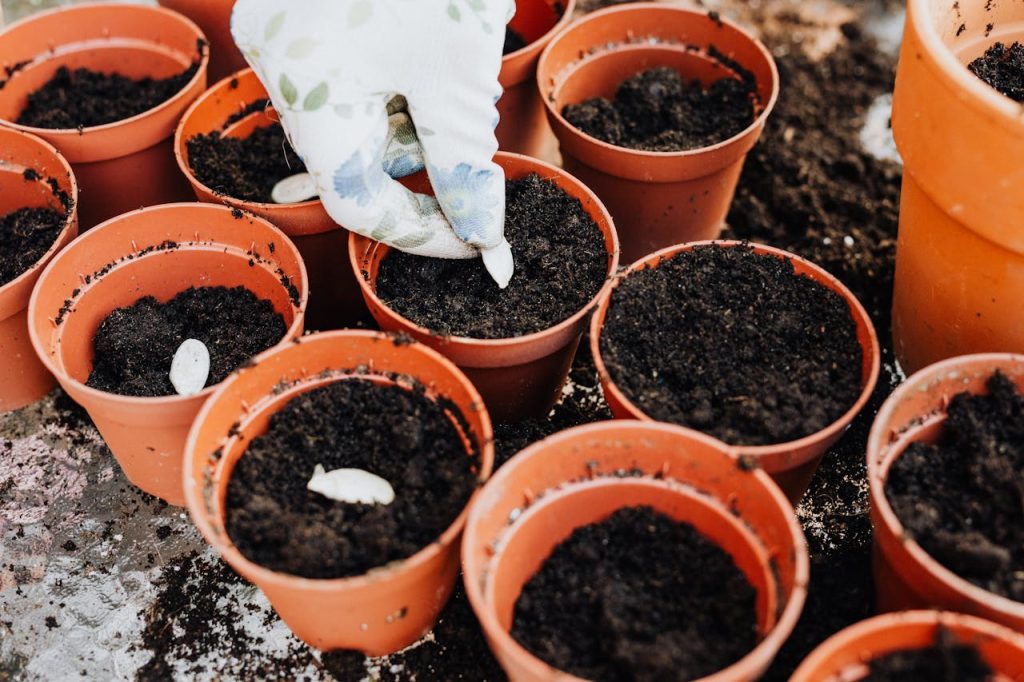
Container roots fail early when garden soil is used like potting mix. Illinois Extension points out that soil suited for beds needs to be changed for containers, and Maryland Extension stresses that roots in pots depend on a small volume of media and cannot spread out to work around dense spots.
In a container, heavy soil compacts faster, drains poorly, and reduces the air pockets roots need. NC State guidance emphasizes that good mixes balance aeration, drainage, and moisture retention, which is why commercial soilless blends usually outperform backyard soil in pots. The root system can only work as well as the medium holding it.
Choosing A Pot That Is Far Too Large Or Too Tight
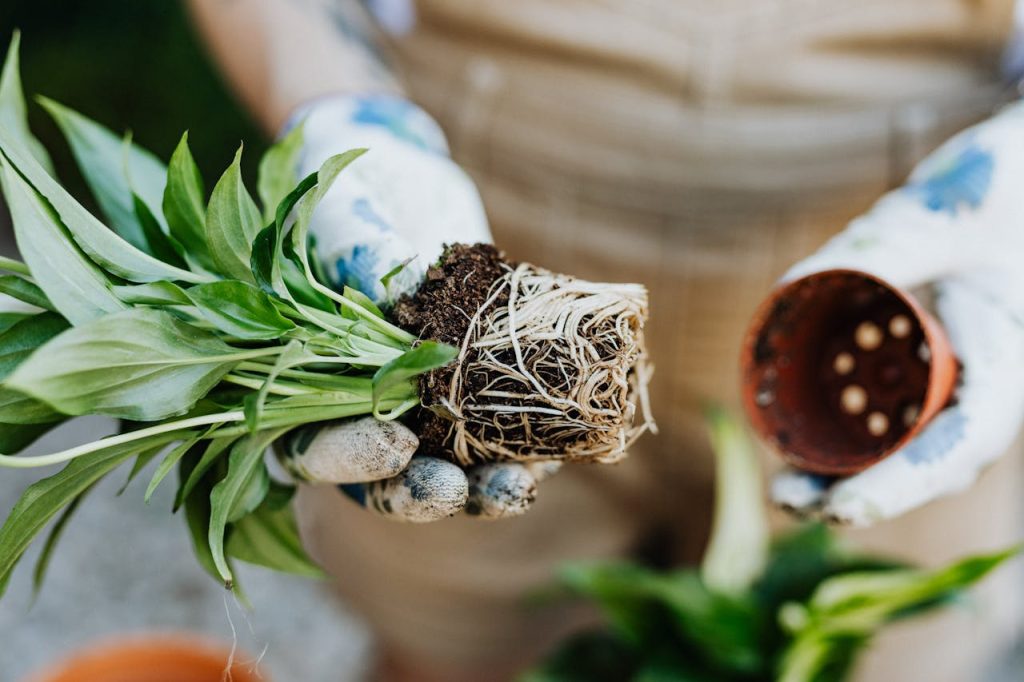
Pot size mistakes cause trouble from both directions. RHS warns that overpotting leaves a ring of fresh compost sitting wet around a small root ball, which reduces aeration and can lead to root rot before roots expand into the new media. It looks generous, but it often slows root recovery in the early weeks.
A pot that is too small creates a different strain. NC State notes that constricted roots run out of water and nutrients faster, and root systems that keep the shape of the old pot need loosening or cutting at repotting. Horticulturists usually move up one size so the root-to-media balance stays steady and easier to manage.
Watering By Routine Instead Of By Soil Moisture
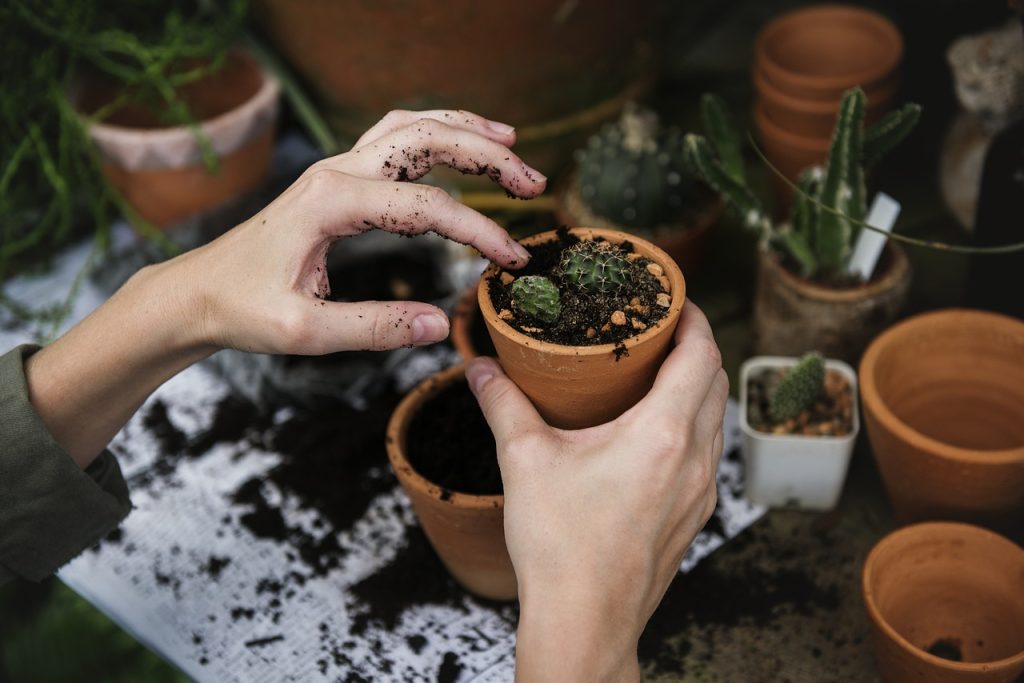
Watering by habit instead of by soil feel is one of the most common container mistakes. Illinois Extension recommends checking the first inch or so of soil and watering when it is dry, not by a fixed schedule that ignores weather, wind, pot size, and plant type from day to day.
The same guidance also says each watering should moisten the whole soil ball until water starts dripping from the drainage holes. That deeper soak helps prevent dry pockets and gives some leaching through the mix. Calendar watering often swings between too dry and too wet, which gradually weakens roots and blurs the warning signs in the foliage.
Waiting Too Long To Repot And Refresh The Mix
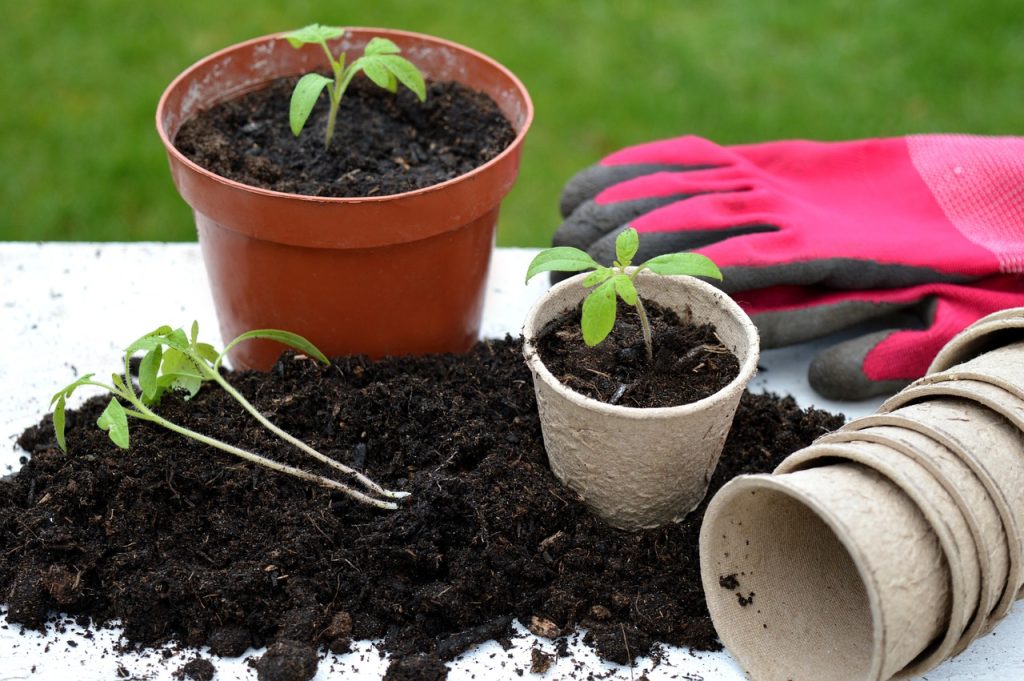
Roots do not stay healthy in the same container forever, even when the plant still looks acceptable from above. RHS notes that roots eventually fill pots and growth drops, while older compost breaks down and becomes soggy, dense, and short on air spaces with age and use.
Maryland and NC State guidance describe the next step clearly: repot into a larger container when needed, and loosen or cut circling roots so they spread outward again. Waiting too long leaves roots tangled, media degraded, and watering harder to manage evenly in heat. Repotting early keeps the root zone functional before decline becomes harder to reverse.
Letting Fertilizer And Mineral Salts Build Up
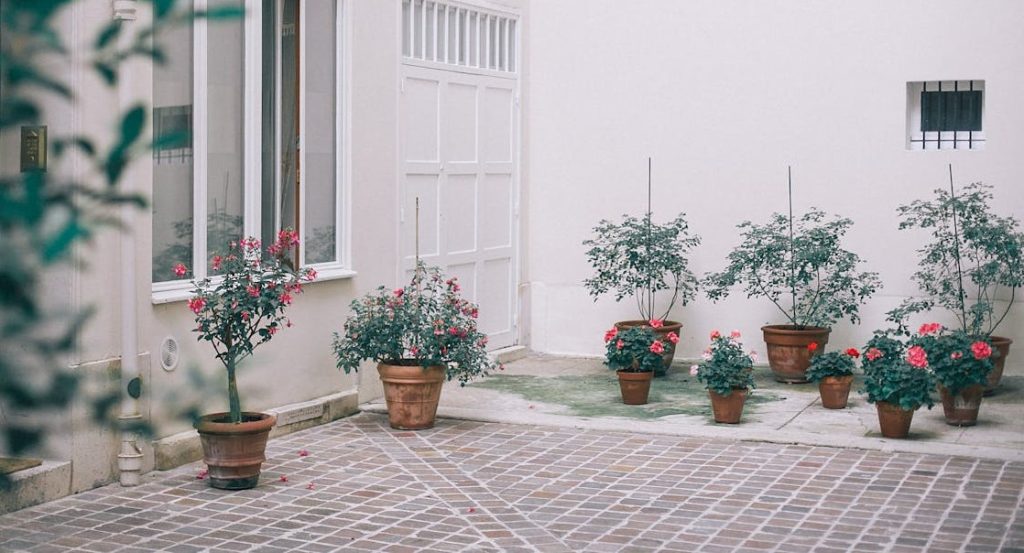
Salt buildup is a quiet container problem because it often starts with normal watering and feeding habits. Maryland Extension says mineral and fertilizer salts show up as white crust on the media or pot, and those deposits can compete for moisture, burn tissues, shift pH, and block nutrient uptake.
The same guidance links buildup to hard water, soluble fertilizers, and heavy feeding, then recommends prevention through proper rates and flushing from the top with several volumes of clean water. It also warns against bottom watering or pots without drain holes when salts are accumulating. Roots decline when residue stays trapped.
Ignoring Heat Build-Up Around The Container
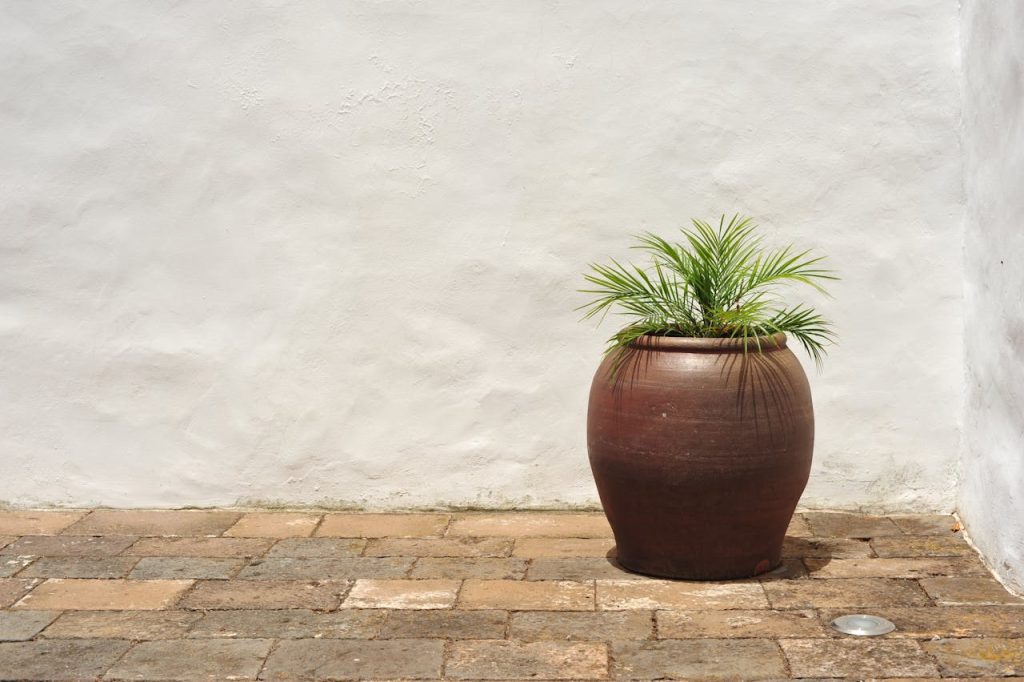
Heat around the container can damage roots even when the plant looks watered and well cared for. In a 2025 Agriculture study, black pots ran hotter in the root zone than white pots, and plants in black pots spent six to seven times more hours above critical root-temperature thresholds in summer.
That finding matches what horticulturists see on patios, driveways, and sunny walls where pots absorb and hold heat. The same study also found cyclic irrigation lowered peak root-zone temperatures in black pots during hot afternoons. Lighter containers, better spacing, and afternoon shade help keep heat from building up around roots.
When container plants stay healthy, it is usually because the root zone gets steady attention before visible stress takes over. Good drainage, the right media, measured watering, timely repotting, and cooler pot conditions give roots room to keep working, and the whole planting holds its shape and vigor much longer.