

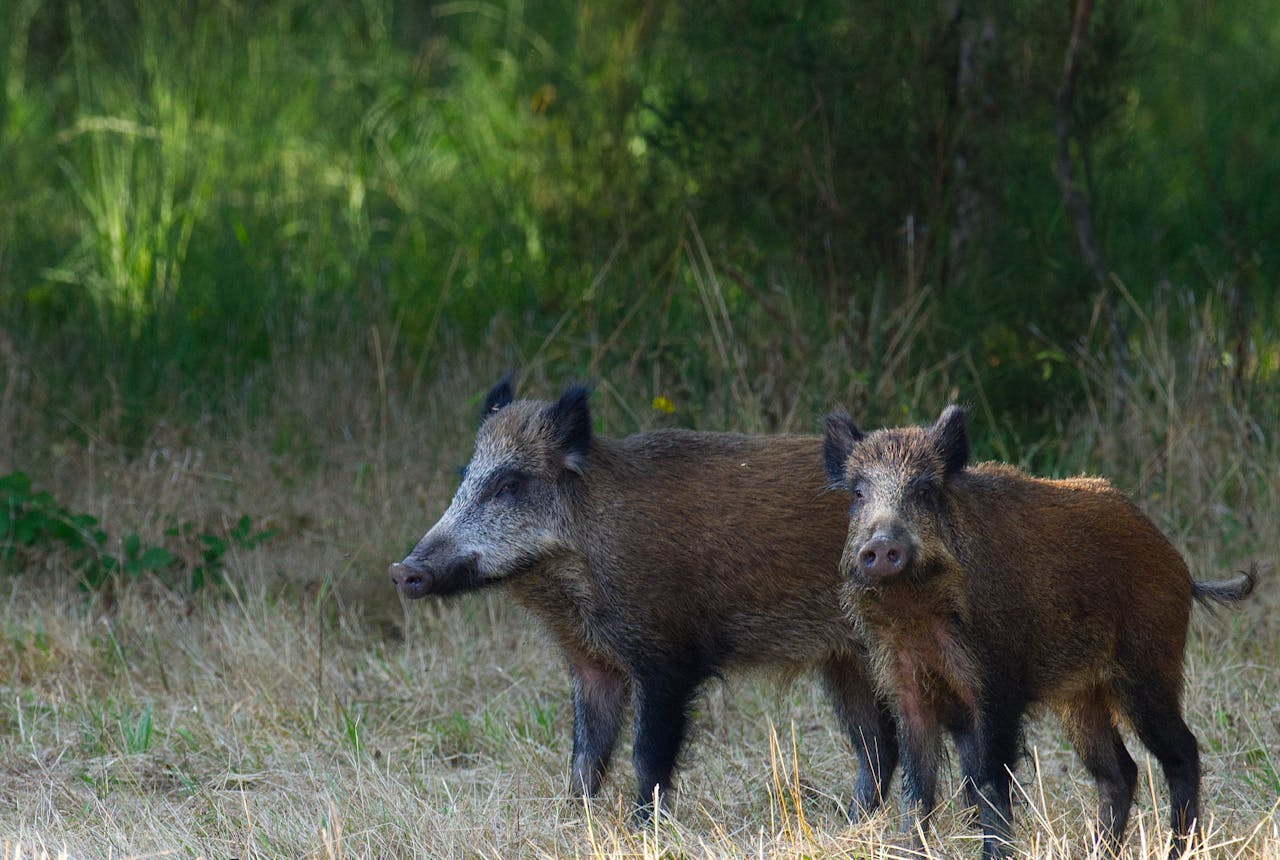
At dawn, the ground tells a quiet story before cameras or headlines catch up. Fresh rooting along creek bends, narrow tunnels through cane, and muddy wallows near field edges often appear weeks before a county is labeled a new hotspot. Biologists track these signs because feral hogs spread through repeatable landscape routes, not random luck.
With year-round breeding and rapid maturation, a small sounder can turn a narrow foothold into a persistent front. The strongest forecasts now come from reading corridors where water, food, cover, and human movement overlap. These patterns often surface months before maps are updated.
Streambank Sign Along Perennial Water
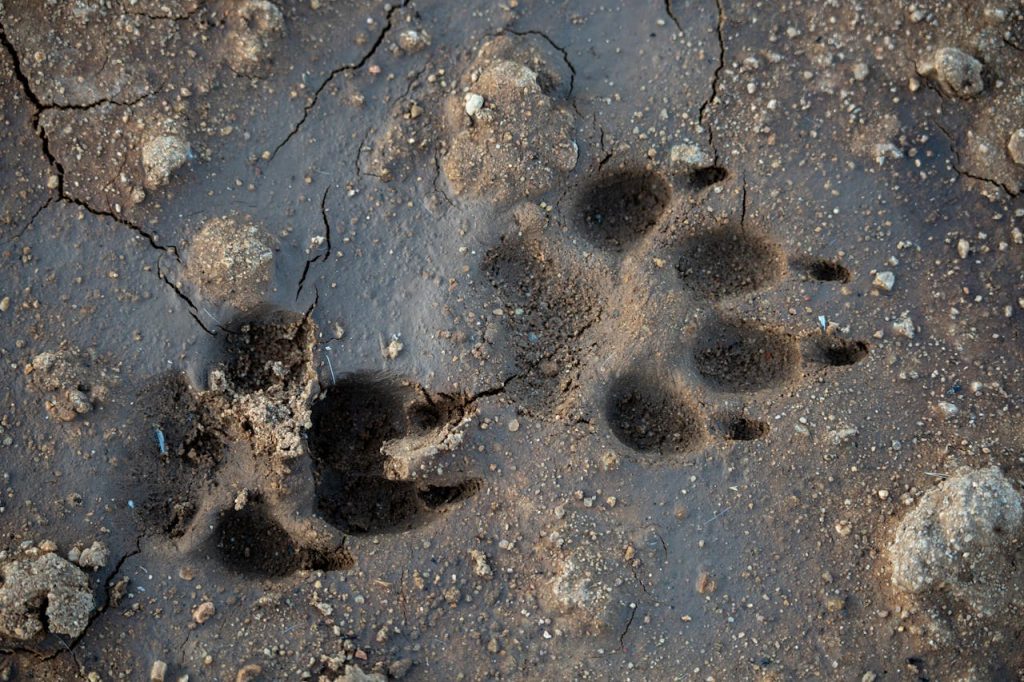
When fresh hoof prints cluster near springs, ponds, and low creek crossings, expansion risk rises because those damp lines keep cover, mud, and thermal refuge connected across boundaries. USDA guidance treats wallows, tunnel-like trails in thick vegetation, and repeated tracks near streams as core signs, and these features usually recur in the same travel lanes rather than showing up as random scatter.
Recent movement work in bottomland forests found pigs selecting areas closer to perennial streams, wetlands, and fields, so new streamside sign in adjacent counties is often an early corridor signal instead of background disturbance.
Wetland-Field Pinch Points
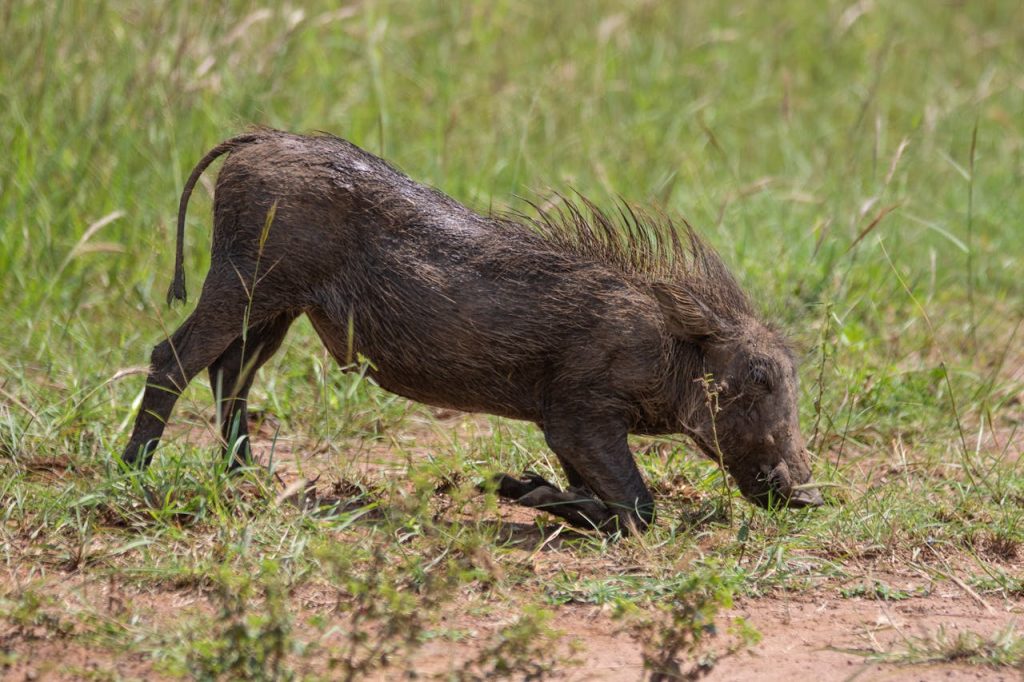
Expansion often accelerates where woody wetlands, herbaceous cover, and crop fields touch the same block of land, because food, moisture, and concealment sit within one short movement circuit. Telemetry analyses identified hotspots around fields near streams, indicating that floodplain farms and marsh margins can act like stepping stones that pull sounders outward season by season.
When rooting begins in soft wet soils and then advances to pasture or cultivated edges, the sequence usually reflects corridor learning rather than random feeding, and fence-line damage soon marks the next pressure band in nearby parcels now.
Mast-To-Stream Seasonal Commutes
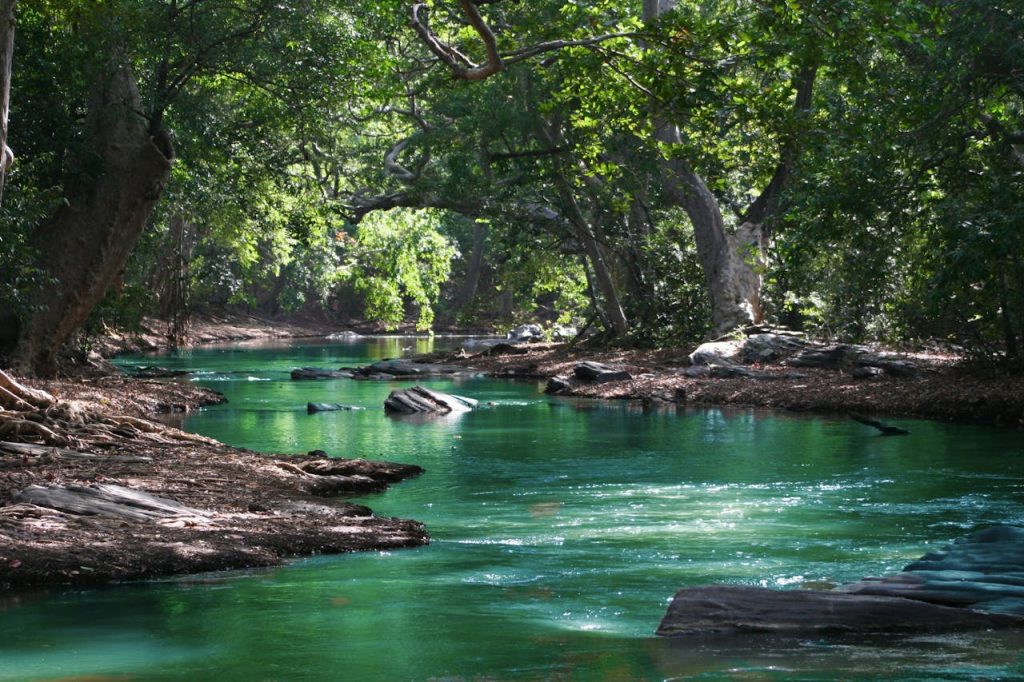
Autumn and early winter food pulses can redraw movement maps within weeks, especially where mast-producing ridges sit above creek systems that provide dependable water and cover. Tracking in a Mississippi refuge showed daily travel increasing into fall, with evidence that cooling conditions and hard mast such as acorns and hickory nuts can widen space use across connected habitat.
When fresh sign appears on ridge-to-bottom transitions during strong mast years, managers treat it as a corridor clue that nearby unoccupied blocks may be next rather than a short-lived feeding detour, and that seasonal rhythm can persist for months.
Reproduction Pressure in Narrow Corridors
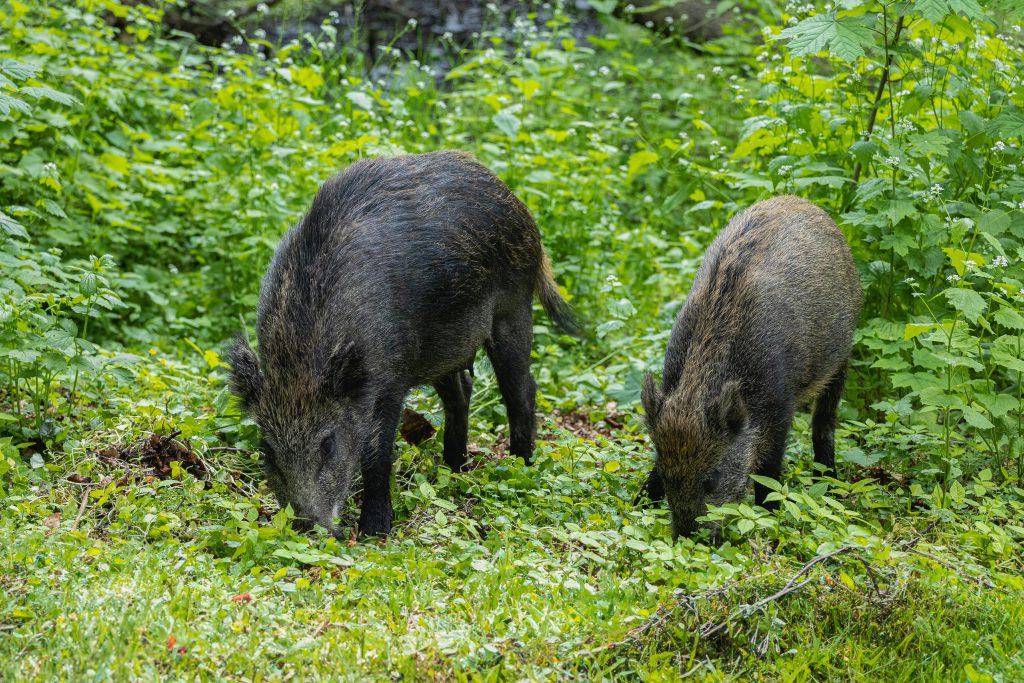
A narrow corridor can become a durable expansion front once swine secure cover and water, because population growth can outrun what casual sightings suggest on the ground. USDA notes that feral swine can breed year-round, produce up to two litters of 4 to 12 piglets annually, and reach sexual maturity at 6 to 8 months, creating unusual momentum from small founding groups.
That biology means repeat tracks near irrigation ditches, drainage canals, or brushy rights-of-way should be read as growth indicators, and juvenile sign beside adult tracks can push risk from possible to probable within one season for nearby counties.
Night Activity at Heat and Disturbance Edges
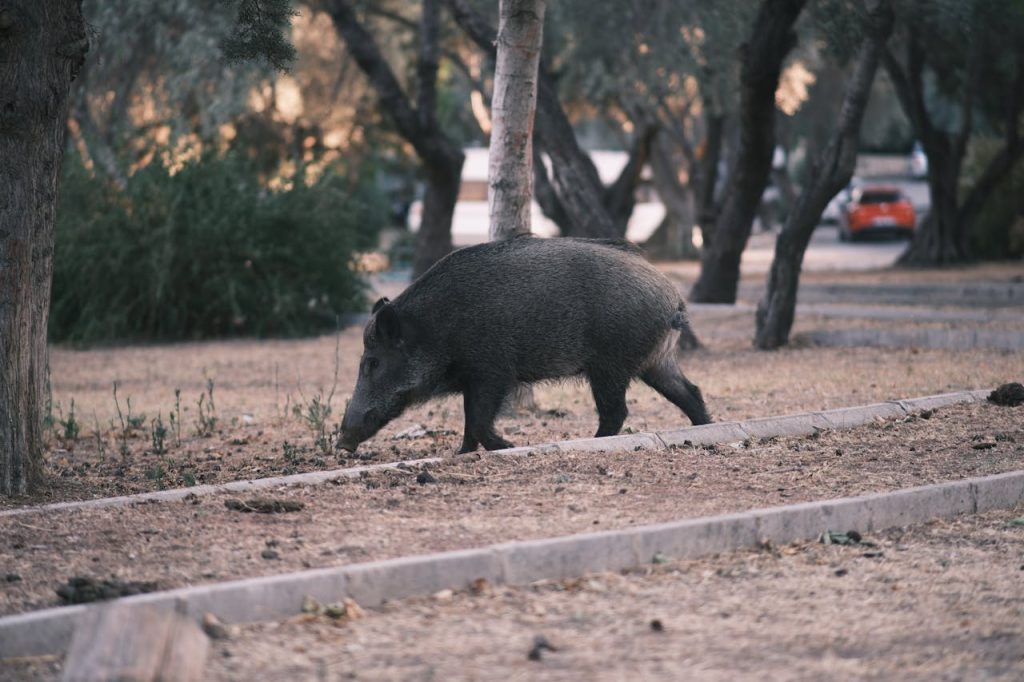
Corridor prediction improves when timing is treated as evidence, not just location, because activity windows shift with temperature and disturbance even when habitat stays constant. APHIS notes that hogs are often more active at night in hot, humid climates, and movement studies show daytime travel tightening during heavier human pressure, including firearms season.
When overnight rooting repeats along creek-adjacent field roads while daytime sightings stay scarce, expansion can already be underway, and dawn track surveys with trail cameras usually detect advancing use earlier than midday observation on the same ground.
Human-Assisted Jump Routes
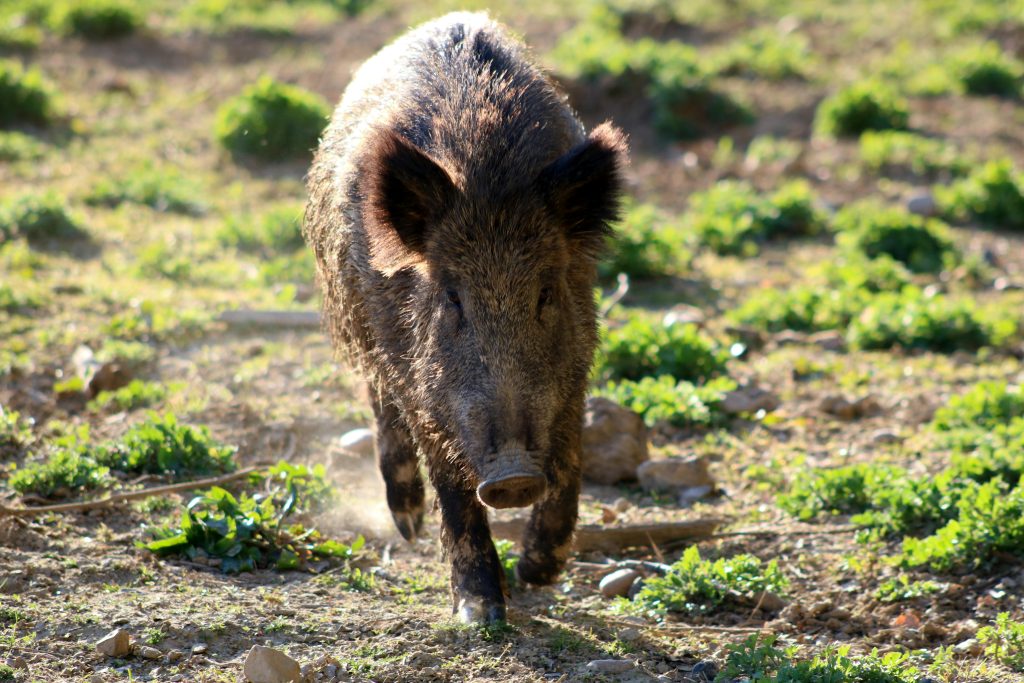
Natural spread often follows range boundaries, but sudden appearances far from known populations usually indicate human-assisted jumps that bypass ecological stepping stones. A national spread model concluded that control must focus on occupied-range edges to slow natural advance while policy targets anthropogenic transport and release, because both processes shape where invasions appear next.
Counties linked to animal transport routes or repeated relocation reports carry disproportionate risk, so isolated new sign with no nearby history is often a logistical corridor clue as much as an environmental one for managers.
Riparian Contamination and Reuse Loops
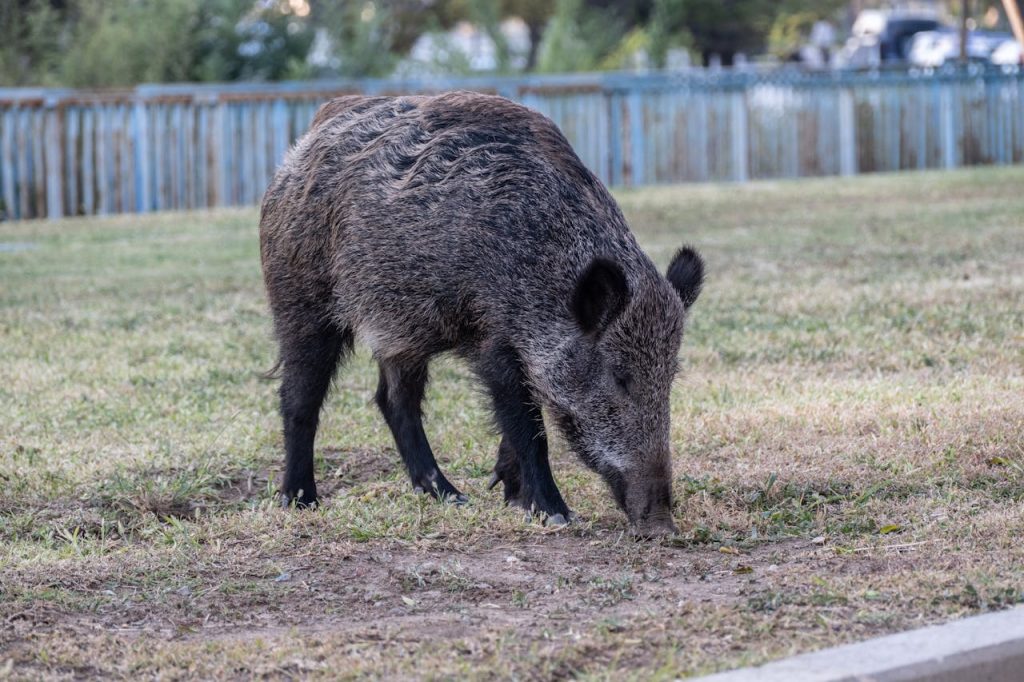
Riparian disturbance can flag expansion before head counts rise, because repeated wallowing and rooting at water edges create persistent movement lines across connected lowlands. USDA researchers recently reported watersheds with feral swine access showing markedly higher E. coli and Enterococcus concentrations, with stronger microbial loading where pigs used stream corridors and floodplain margins.
When new sign appears beside tributaries, irrigation intakes, or wet pasture drains, the signal reaches beyond crop loss and points to a corridor where repeated use can stabilize occupancy and push pressure into downstream habitat.
Northern Edge Corridors in Milder Winters
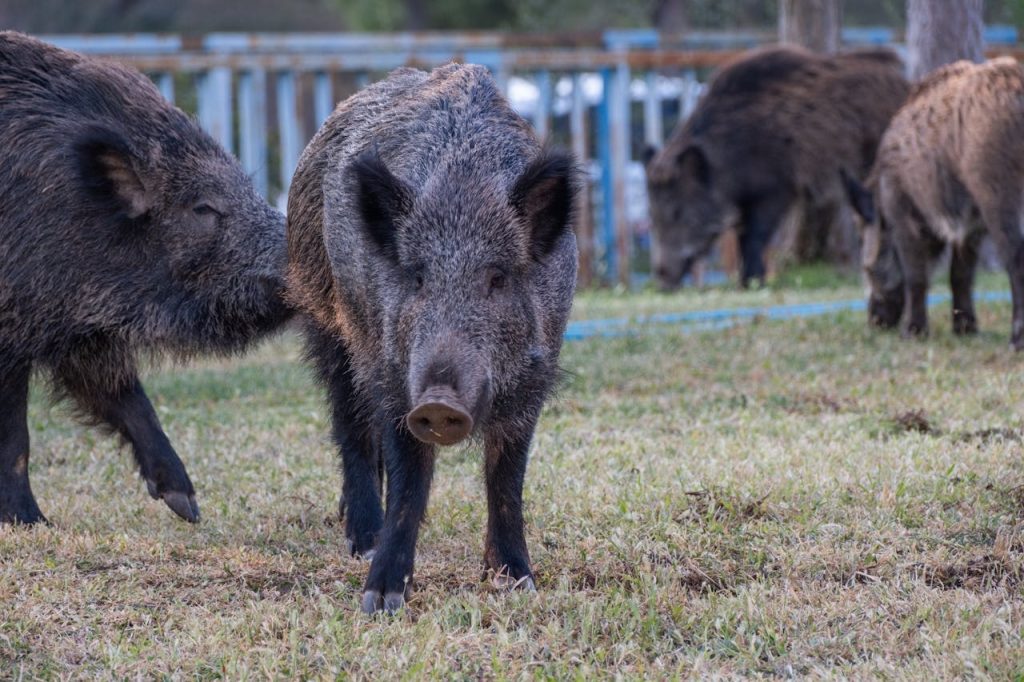
At northern edges, the next corridor appears where winters are trending milder and snow cover fades faster, allowing exploratory groups to hold ground longer between cold periods. A U.S. spread model found northward expansion accelerating and linked future invasion risk to milder winters, while USDA climate guidance in the Northwest also warns that warming winters can raise food availability for feral swine.
When fresh sign emerges in river valleys or sheltered agricultural lowlands beyond the historic core, rapid reporting and coordinated response can still prevent seasonal use from hardening into permanent occupancy.