

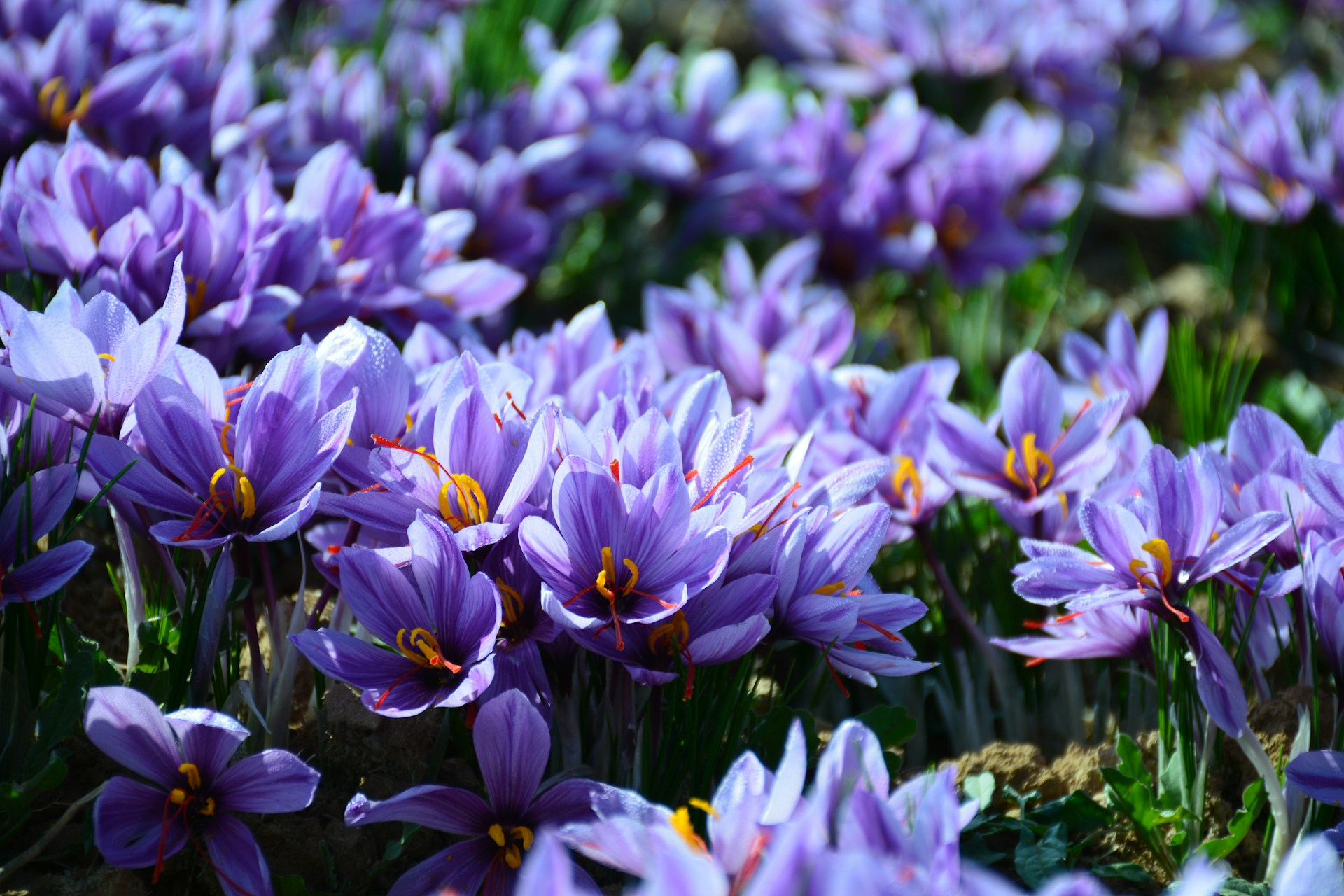
March arrives with a strange mix of hope and caution. Warm afternoons coax out bumble bee queens, mason bees and hoverflies, yet the next cold snap can still lock soil into a wet chill.
Early-spring success comes from choosing flowers built for that swing, planting only where drainage is decent, and leaving a little leaf litter for shelter. It also helps to skip mulch right on crowns, water sparingly until roots settle, and favor species that naturalize instead of sulking. The result is early color and dependable forage without the usual regrets of frost-burned buds, drowned roots, or nursery plants pushed with chemicals.
Crocus
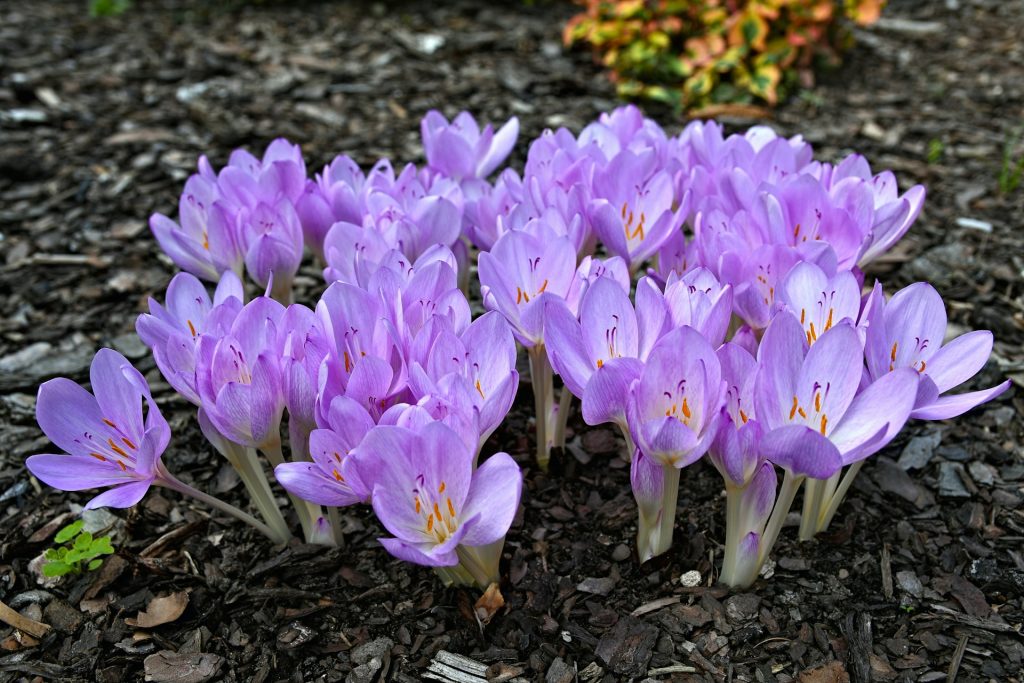
Crocus is often the first bright signal that winter is loosening its grip, and early bees notice fast. On mild March afternoons, the open cups offer quick pollen when tree buds still look asleep, particularly in small drifts where snow melts first, planted in clusters.
The common mistake is expecting spring-planted dry bulbs to bloom right away, or tucking plants into soggy clay that rots corms. For March impact, bulbs go in during fall, but nursery pots can be slipped into sunny, well-drained borders now; mulch should be kept off crowns, and the fading leaves should stay until they yellow so the plant can recharge for next year.
Snowdrops
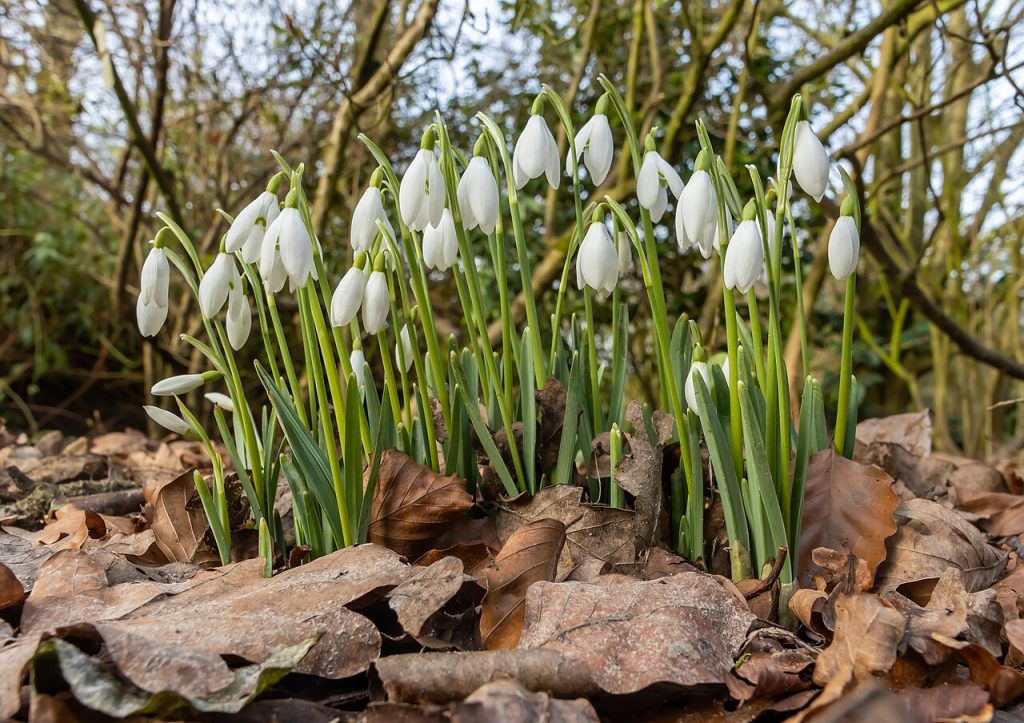
Snowdrops bloom with a quiet confidence, sometimes pushing through late snow and still offering nectar on the first thawed mornings. Their nodding bells may look delicate, yet they are timed perfectly for early bees searching for any reward near south-facing beds and stone edges.
Trouble usually starts when bulbs sit in waterlogged soil, get buried under thick mulch, or are yanked up during a too-aggressive spring cleanup. The safest move is fall planting, but clumps can also be transplanted in March while still leafy, placed in moist-but-drained soil, and allowed to naturalize without constant digging or early leaf cuts.
Winter Aconite
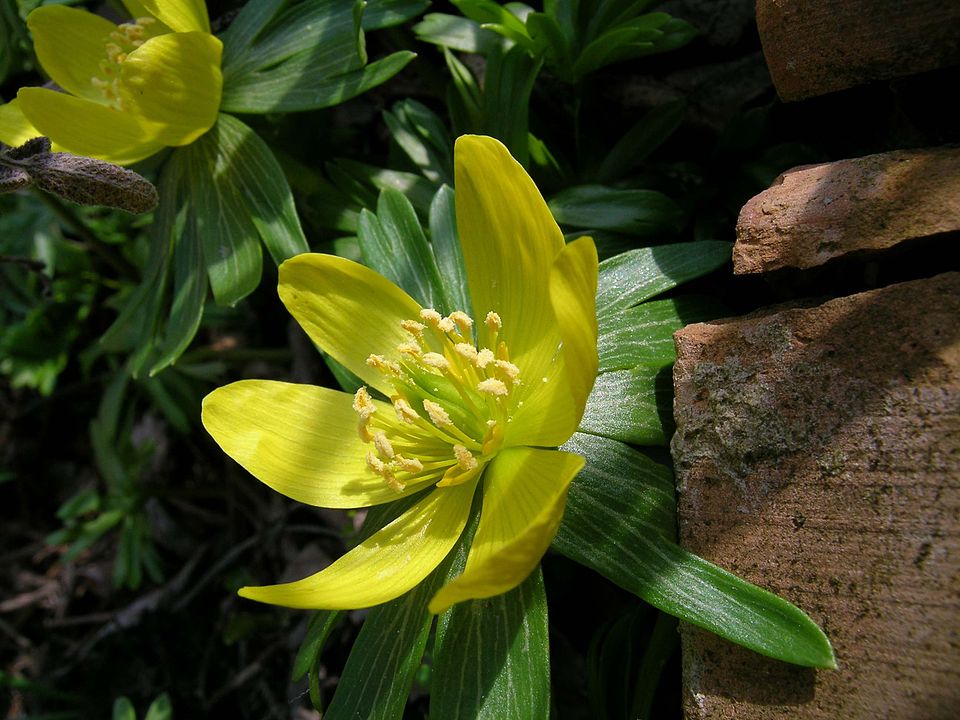
Winter aconite shows up like a little lantern, with buttery-yellow flowers that can bloom in late Feb. and carry into March. When a brief warm spell hits, early bees often work the blooms hard because options are still scarce.
Regret usually comes from letting the tubers dry out before planting, burying them too deep, or placing them where spring rain pools and chills the roots. Tubers are best planted in fall, sometimes after a quick soak to plump them, set a couple inches deep in humus-rich soil that drains well, and then left alone so the patch can expand without being sliced by edging or disturbed by constant digging.
Hellebore
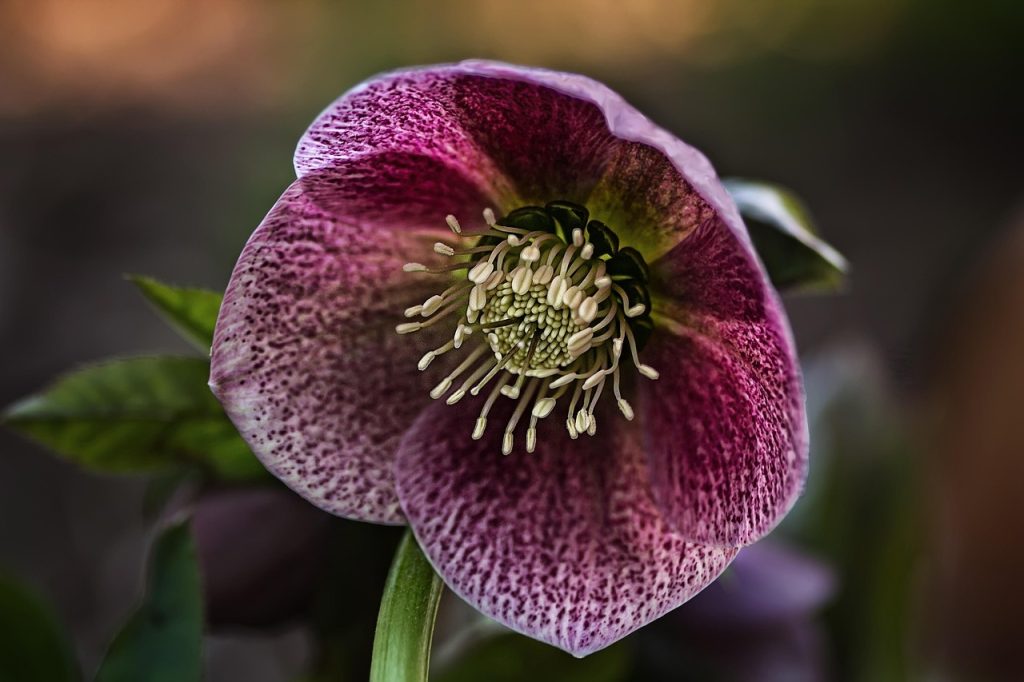
Hellebores bloom when the calendar still feels unreliable, opening long-lasting flowers that hold up through frosty nights and windy days. The nodding blooms provide early pollen, and the evergreen leaves keep shady beds from looking empty.
Early-spring trouble starts when plants are dropped into sticky soil that stays cold and wet, or when crowns get buried under mulch and debris, inviting rot and leaf spotting. Hellebores prefer sharp drainage, compost worked in around the root zone, and crowns set slightly above grade; a tidy removal of last year’s battered leaves helps, but cutting into new shoots can stall the show.
Lungwort
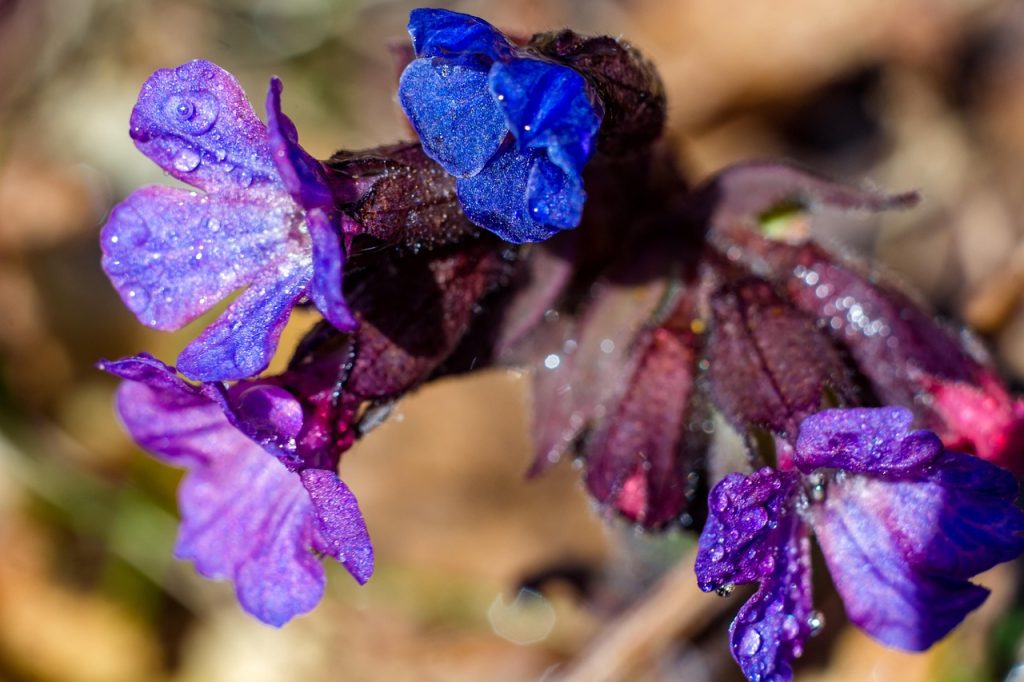
Lungwort earns its keep in early spring, sending up pink-to-blue flowers that draw bumble bees and other early visitors when lawns are still half-brown. The spotted foliage stays handsome after bloom, adding texture to beds that wake up slowly.
Problems usually come from treating it like a drought plant, planting it under thirsty tree roots with no compost, or crowding it so leaves stay damp and invite mildew. Pulmonaria likes cool soil that holds moisture yet drains, morning sun with afternoon shade, and a light trim of tired leaves after flowering, which refreshes the clump without pushing soft growth into late frosts.
Primrose
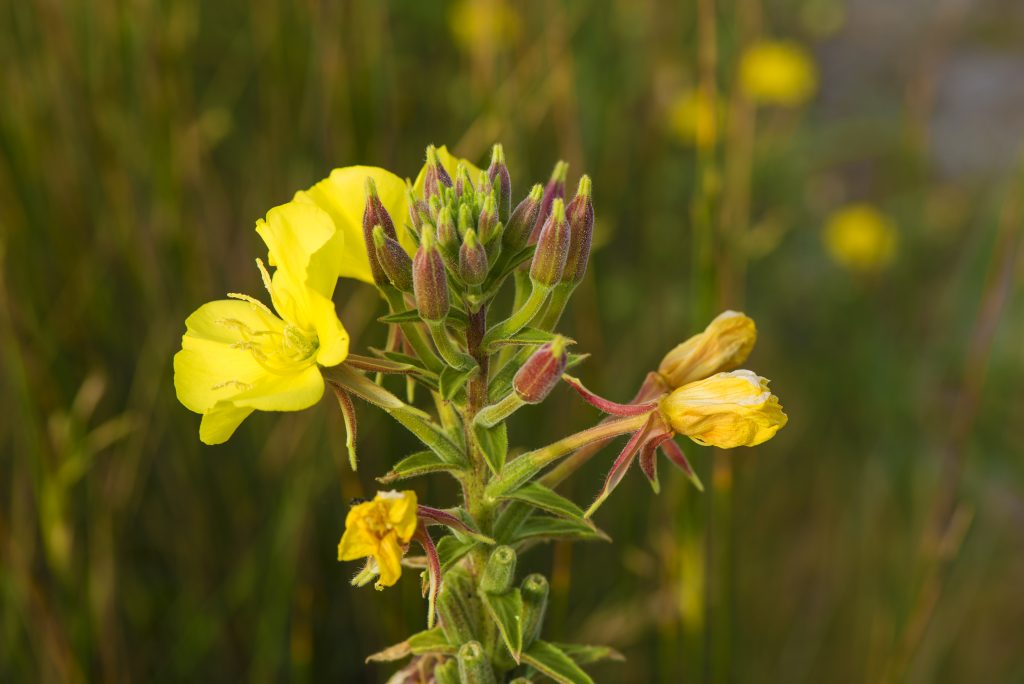
Primroses bring a cheerful, old-garden look in sheltered borders right when the season still feels undecided, with blooms that can open in March during milder stretches. On warm mid-mornings, early bees and small butterflies will often linger over the nectar.
The biggest early-spring misstep is planting primroses in hot afternoon sun or sandy soil that dries between cold fronts, which stresses roots and shortens bloom. Primula prefers humus-rich soil, steady moisture, and crowns set at soil level, not buried; with a light top-dress of compost and protection from harsh wind, the plants settle in and keep returning each spring.
Grape Hyacinth
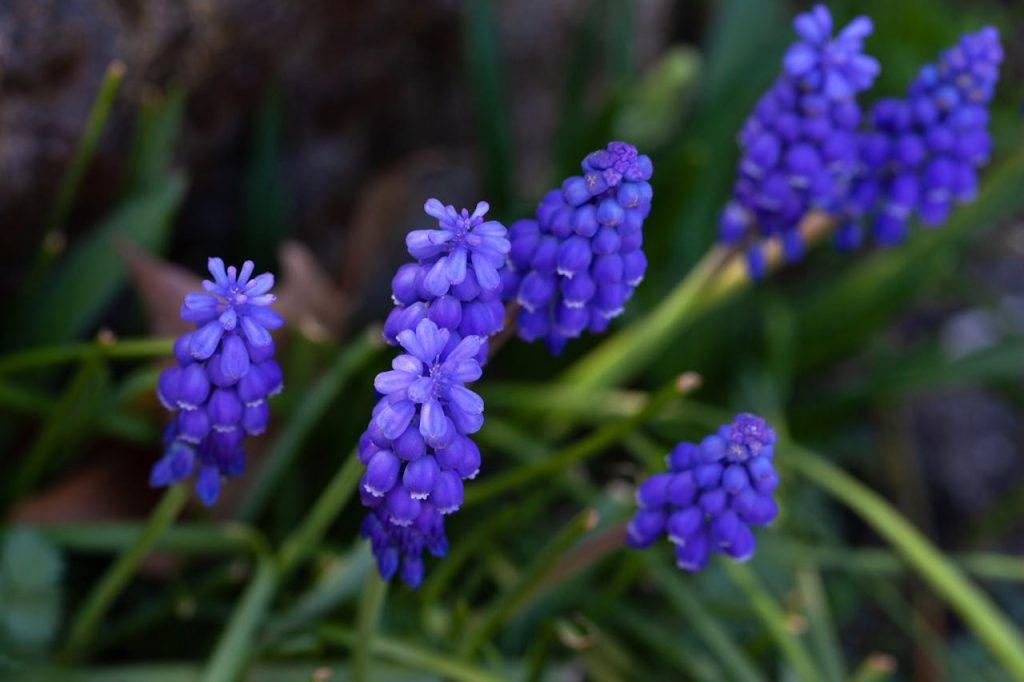
Grape hyacinth packs a lot of scent and color into tiny blue spikes, and it often blooms in March alongside daffodils and early tulips. For pollinators, those clustered florets act like a small buffet when the day warms above the mid-40s.
Early-spring disappointment comes from planting it too deep in cold, compacted soil or smothering emerging tips under heavy mulch, then cutting foliage early; bulbs are best planted in fall, but pots can be set out in March and planted after bloom, with full to part sun, decent drainage, and time for leaves to yellow so next year’s flower spikes stay strong as the patch slowly expands.
Creeping Phlox
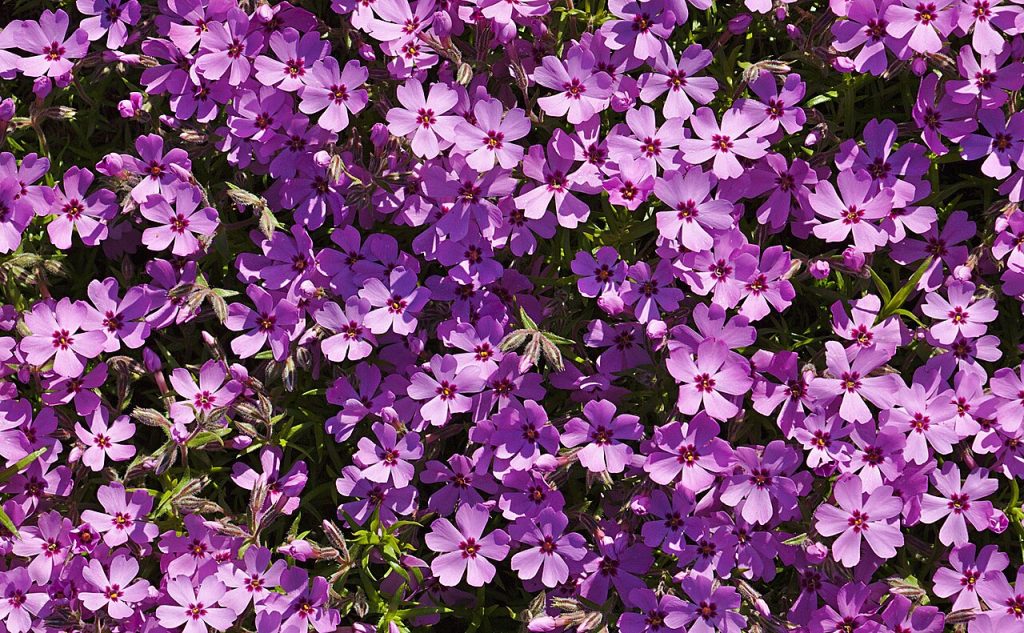
Creeping phlox turns sunny banks, slopes, and stone edges into a spring waterfall, blooming in early to mid-March in milder areas and a bit later where winters linger. The dense flowers offer nectar for early bees and provide a gentle, colorful bridge between bulbs and later perennials.
Disappointment usually comes from planting it in shade or wet soil, then overfeeding with rich fertilizer that makes soft growth flop and thin; a sunny, well-drained spot with lean soil is ideal, watering is only needed while roots establish, and a light trim right after flowering keeps mats tidy without cutting off the next set of buds.