

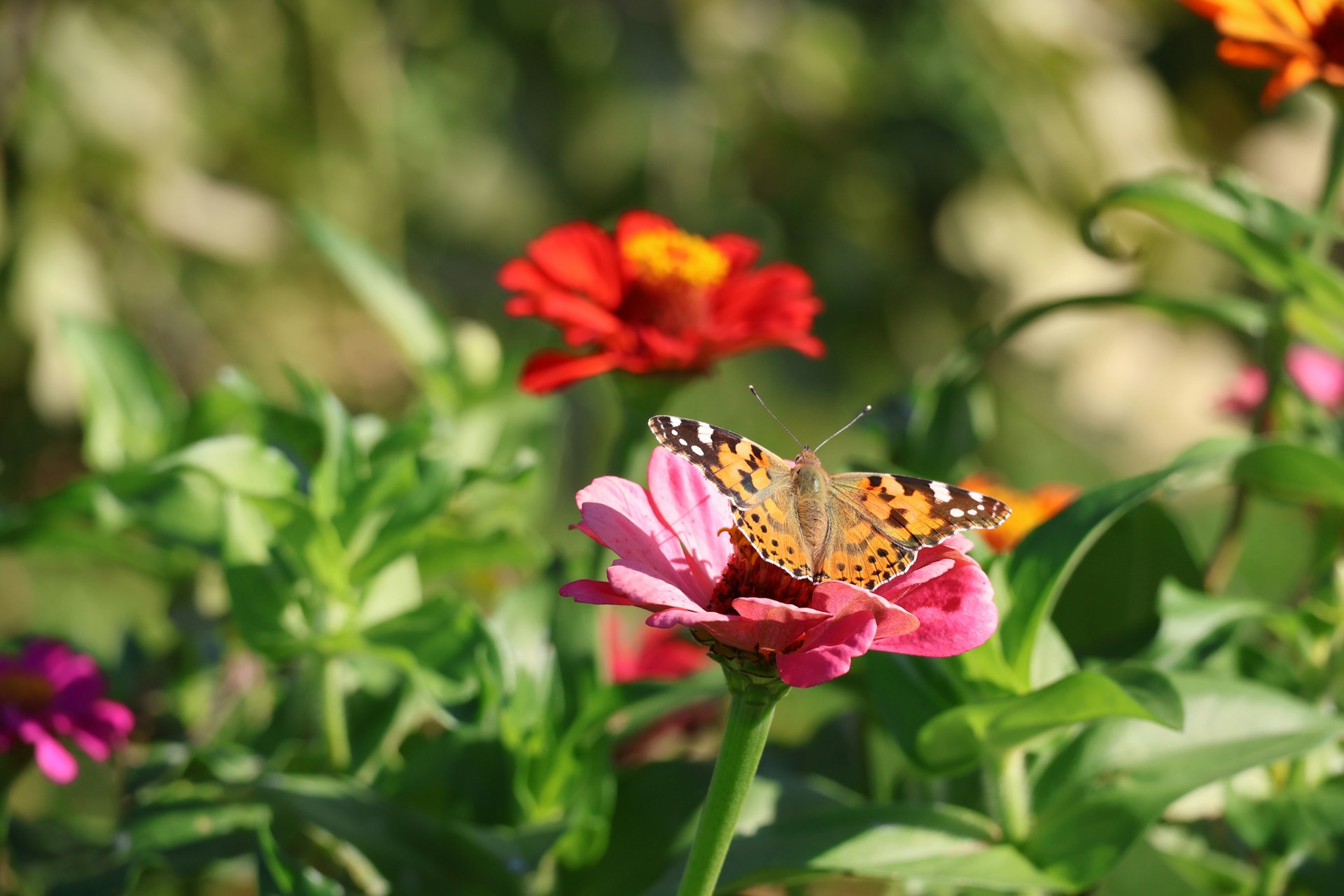
A garden starts pulling in beneficial insects when it offers more than color. It gives them nectar across the season, places to nest, cover from weather, and enough calm to stay put. That usually means loosening the grip of neatness and letting the yard hold a little texture, timing, and roughness. When flowers, stems, leaves, soil, and shade work together, lady beetles, hoverflies, lacewings, native bees, and tiny parasitoid wasps find what they need. The result is not a staged display. It is a living system that pollinates harder, steadies pest pressure, and sounds more alive from spring into fall, year after year.
Plant Native Flowers In Modest Drifts
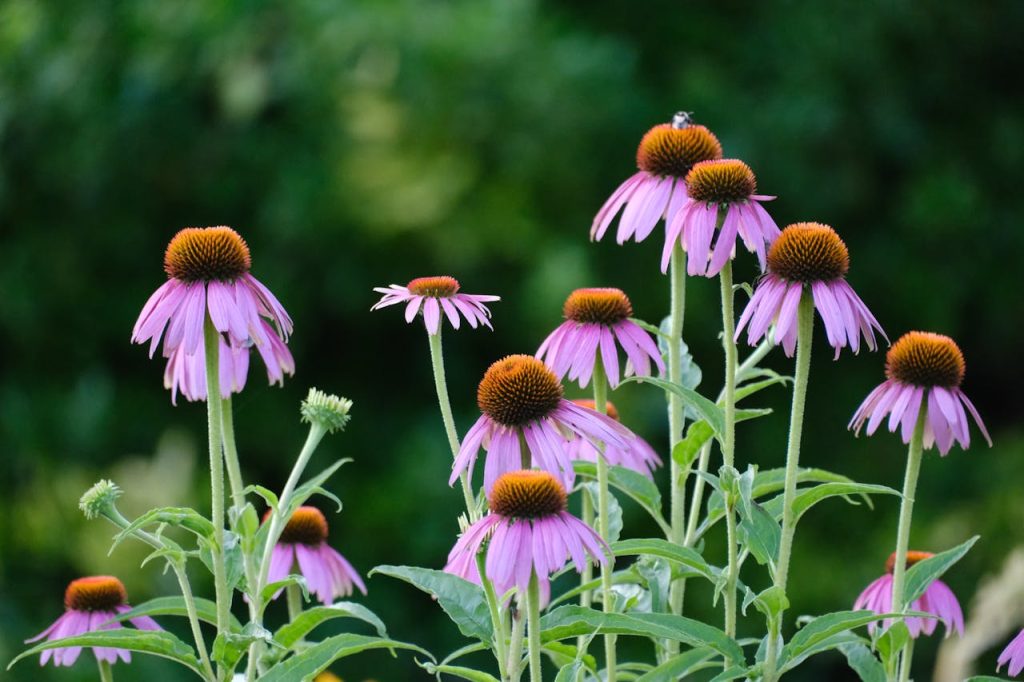
Beneficial insects do not read plant tags, but they do respond to what fits the place. Native flowers line up better with local bee tongues, bloom timing, and the life cycles of hoverflies, beetles, and small wasps that feed on nectar before working elsewhere in the garden.
The other part is layout. A few plants repeated in loose clumps are easier for insects to find than single specimens scattered one by one, so each stop becomes more efficient. A drift of aster, goldenrod, yarrow, or mountain mint feels less like decoration and more like a standing invitation.
That shift makes the bed easier to read and easier to use.
Keep Blooms Coming From Spring Through Fall
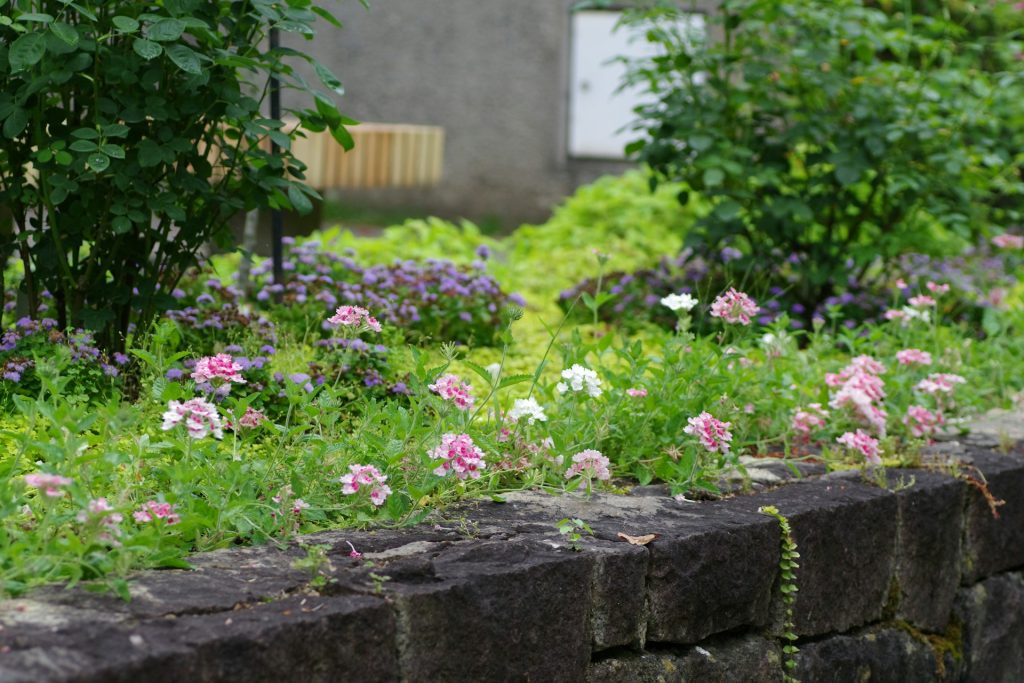
Many beneficial insects need more than one good week in the garden. Adults of lacewings, hoverflies, lady beetles, and many tiny wasps rely on nectar and pollen, so a yard that peaks in early summer and goes quiet later will not hold them for long.
A stronger plan spreads food across the calendar. Early bloomers carry insects out of cool weather, midsummer flowers keep populations steady, and late blooms support insects still feeding and laying eggs. That longer floral runway helps hold helpful species nearby when the season shifts.
Timing matters almost as much as color. Hungry gaps empty a bed fast.
Let A Few Herbs Go To Flower
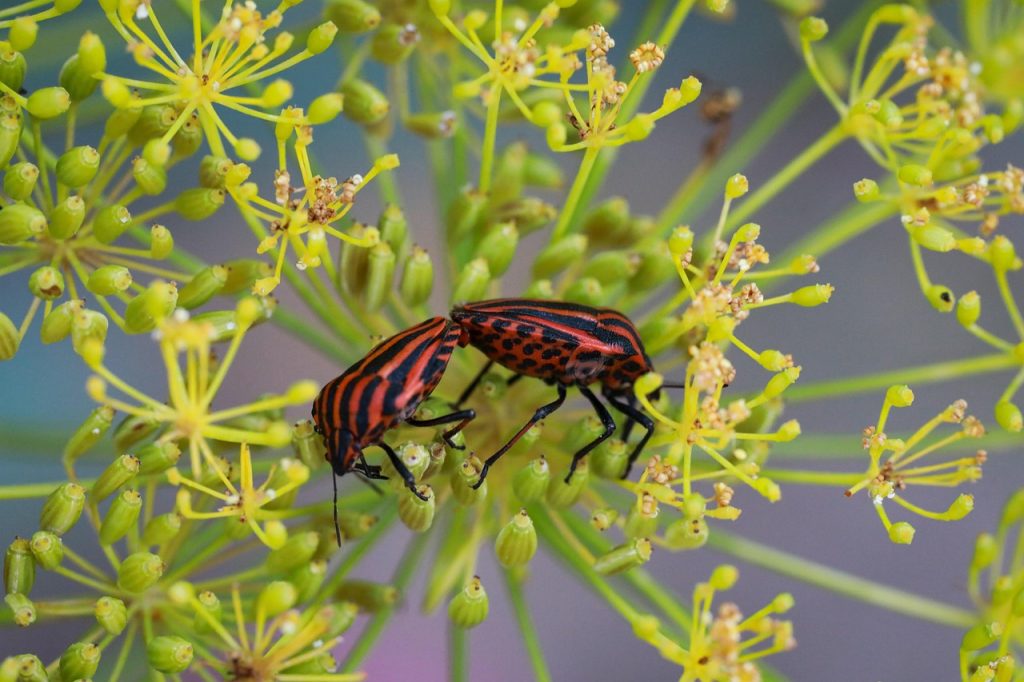
Neat kitchen gardens often miss an easy opportunity. Dill, cilantro, fennel, oregano, thyme, and basil make small, accessible flowers that suit hoverflies, parasitoid wasps, and other beneficial insects that cannot work deep, crowded blooms.
Those flowers do real support work in vegetable beds. They offer nectar and pollen close to tomatoes, peppers, greens, and beans, which helps adult insects stay fed while their larvae or hunting stages focus on aphids and caterpillars. Harvest most of the patch, then let a few plants bolt on purpose.
That small trade steadies the whole plot. It keeps bloom close to the crops that need help.
Choose Single Flowers Over Double Blooms
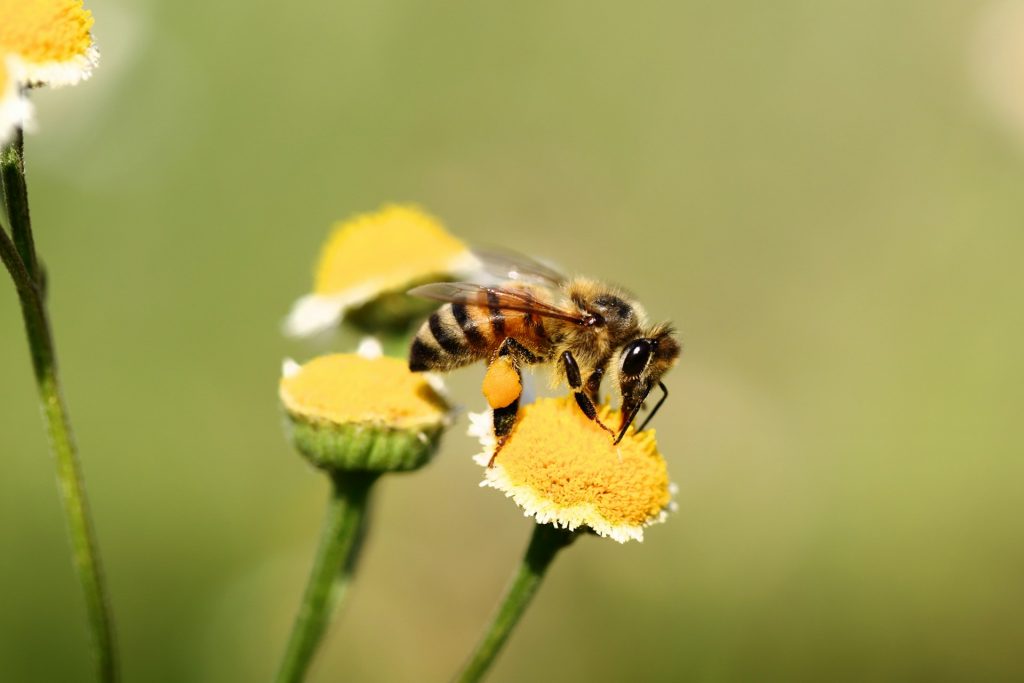
A flower can look generous and still offer very little to insects. Double blooms often pack petals so tightly that nectar and pollen become hard to reach, especially for native bees, hoverflies, and small beetles that need a clear landing spot and open center.
Single forms usually do the job better. Cosmos, asters, sunflowers, coreopsis, and similar flowers with visible centers tend to be easier to work, and that simple access adds up over days of feeding and pollen movement. The border still looks full, but more of its beauty is actually usable.
It is one of the simplest edits a gardener can make. That detail changes a bed.
Leave Some Bare, Undisturbed Soil
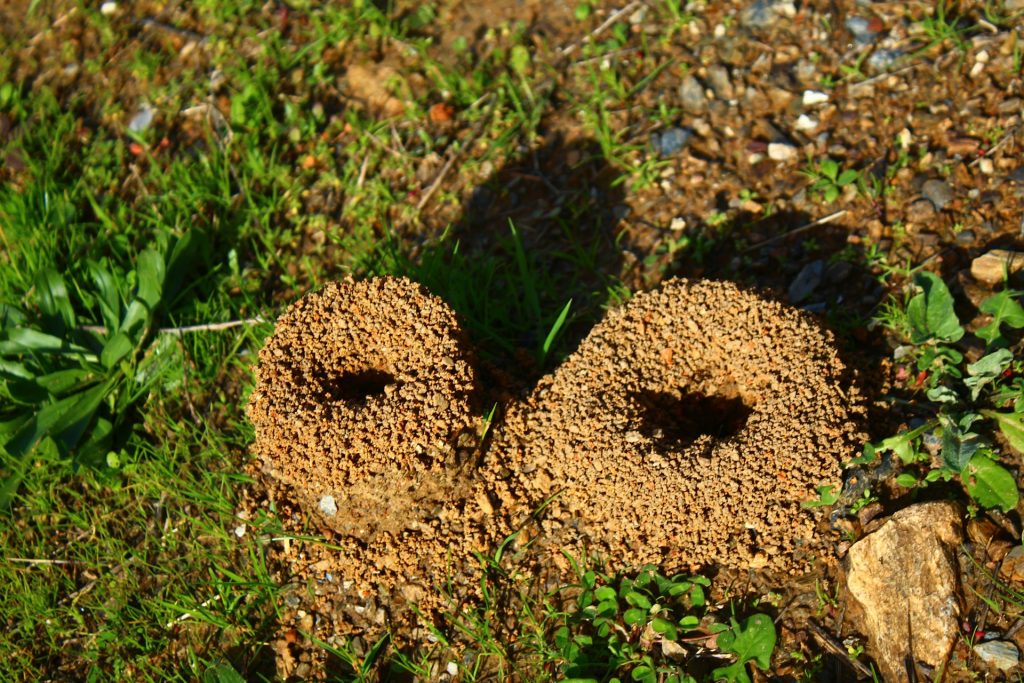
A heavily mulched garden may look finished, but it can close off nesting space. About 70 percent of native bee species in the United States nest in the ground, usually in sunny, well-drained, lightly vegetated soil where females can dig tunnels and provision their young.
When every inch is sealed under bark, gravel, or fabric, flowers alone are not enough. Leave a few open patches along path edges, warm borders, or less formal beds. Those spots may look plain, but to ground-nesting bees they are the part of the garden that makes the rest of it work.
Open soil is not unfinished space. It is infrastructure.
Set Out Shallow Water And A Muddy Edge
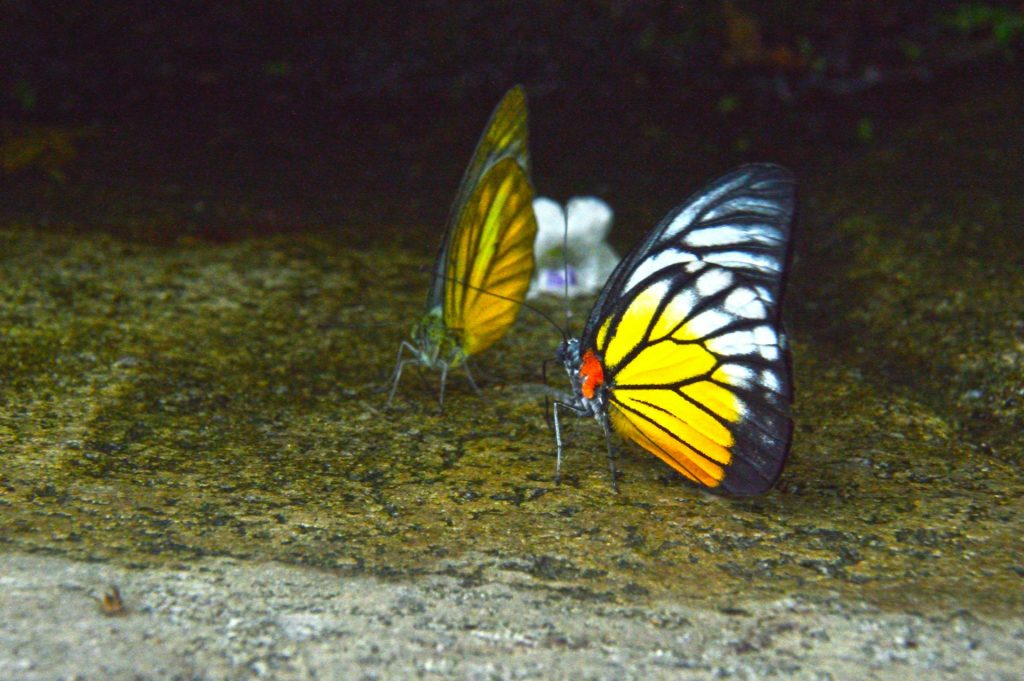
Flower-rich gardens still fall short if there is nowhere safe to drink. Bees prefer shallow water with landing points, butterflies gather minerals from damp ground, and mason bees use mud as part of the work of building their nests.
The answer does not need to be elaborate. A saucer with pebbles, a shallow dish refreshed often, or a small damp patch near flowering beds can supply water without becoming a deep, slick basin. In hot spells especially, that moisture gives insects one more reason to stay and keep working the garden.
Safe access matters more than volume, and simple usually works best.
Create Shelter With Brush, Logs, And Stones
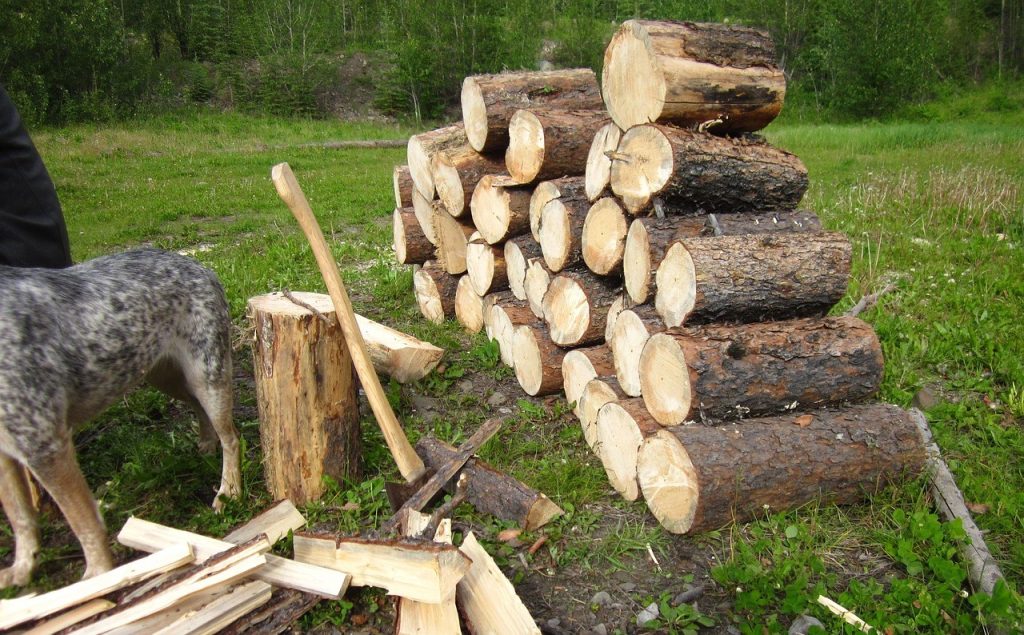
Flowers draw insects in, but shelter is what helps many stay. Ground beetles, solitary wasps, butterflies, and other beneficial species use rough pockets in the garden for cover, especially when the rest of the yard is clipped, exposed, or regularly disturbed.
A small brush pile behind shrubs, a log tucked along a fence, or a few stones set where the soil stays fairly stable can create cool hiding places and overwintering sites with almost no cost or fuss. These quieter corners can be the difference between a garden insects visit and one they actually use as home base.
Some of the best habitat starts as a pile of leftovers.
Dim Outdoor Lights After Sunset
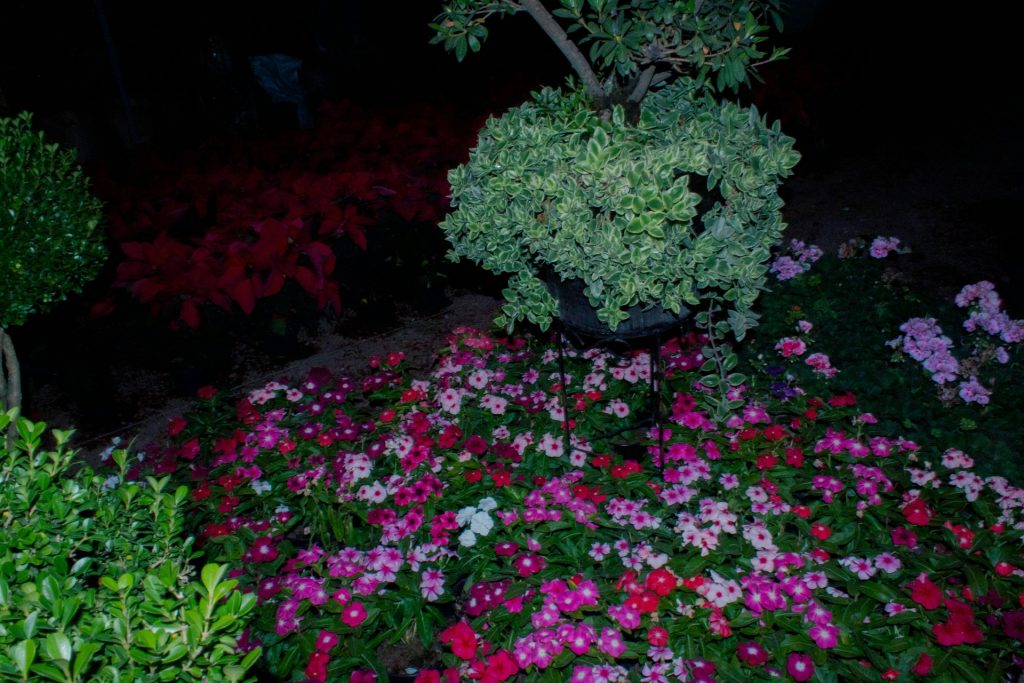
Nighttime lighting changes in a garden more than most people realize. Artificial light can disrupt the feeding, navigation, courtship, and signaling of nocturnal insects, including moths, fireflies, and other species that support pollination and food webs after dark.
That does not mean a yard has to go completely dark. It means using less light, aiming it downward, relying on motion sensors where possible, and keeping planting areas out of glare. Dusk feels calmer, firefly flashes are easier to see, and the garden keeps more of its natural rhythm at night.
Once that shift happens, evening garden starts acting like itself again.