

Spring and summer pull families, campers, crews, and school groups into trail edges where poison ivy and poison oak blend into ordinary green. Outdoor educators see the same pattern every season: the rash rarely begins with a dramatic mistake, and it rarely starts where anyone expects.
It usually starts with a quick brush against a vine, a hand on a fence, or a bag set down in weeds. Urushiol oil then rides along on skin, sleeves, laces, pet fur, and tools, turning one small contact into a chain of exposures that shows up later on a wrist, neck, or ankle after everyone is already home. That lag is what catches people off guard.
Mistaking a Simple Rhyme for Real Identification
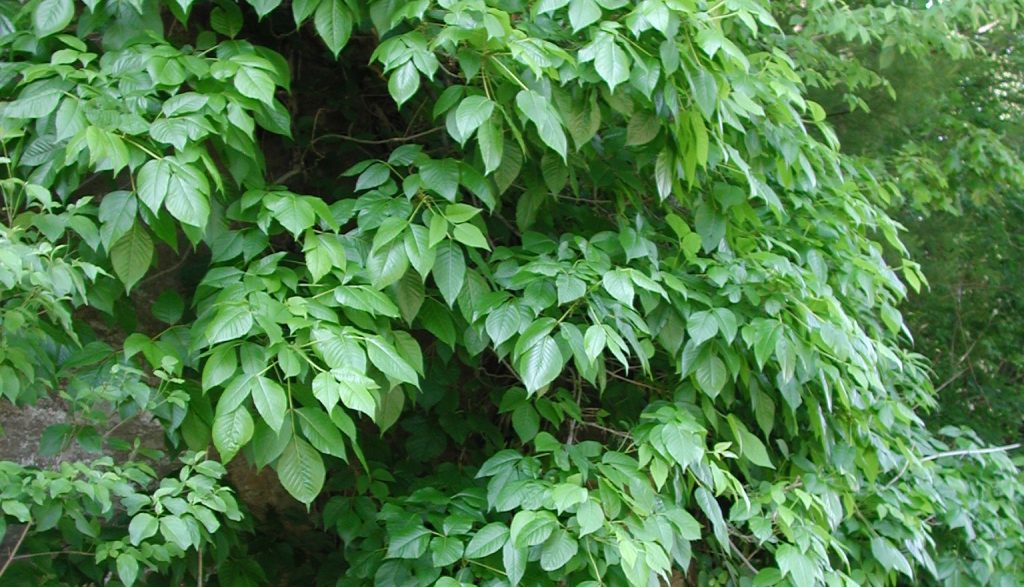
One common mistake is treating leaves of three as the whole lesson and moving on. Educators warn that poison ivy and poison oak can look surprisingly different from one patch to the next, especially when new growth is red or shiny and older leaves turn dull, toothed, or lobed. Leaf shape shifts with season.
Stronger clues hold up better in the field: the center leaflet usually sits on a longer stalk, leaflet clusters attach in an alternate pattern on the stem, and the plant may grow as a vine or shrub. That extra step helps separate it from look-alikes such as Virginia creeper and boxelder seedlings before hands ever touch the stems.
Assuming Bare Vines Are Safe in Cooler Months

Another mistake shows up in cooler months, when bare stems or dead-looking vines get treated like harmless brush. Poison ivy and poison oak remain a problem year-round, and urushiol can still be present on stems, roots, and old vines after leaves drop. A winter cleanup day can create the same exposure as a July trail walk outdoors, even then.
Outdoor educators often point out hairy climbing vines on trees and fence posts because they are easy to grab during pruning or firewood work. A fall yard project may feel low risk, but the plant oil does not disappear with the leaves, and it can still move onto gloves, sleeves, and tools.
Waiting Too Long to Wash After Contact

Delay is one of the biggest reasons a small exposure becomes a full rash. Educators often watch people wait until evening to wash, even though dermatology and CDC guidance says fast cleanup with rubbing alcohol, poison plant wash, or dish soap and plenty of water can reduce the reaction. AAD notes early washing, especially within roughly 10 to 20 minutes, may help.
A second mistake is scrubbing too hard. The goal is to lift off oil, not grind it into warm skin, and CDC guidance also notes rinsing often so soap or wash solution does not dry on the skin and spread urushiol further while cleanup is still happening at home.
Forgetting Nails, Cuffs, and Small Contact Points
Many people wash the obvious spot on an arm and miss the places that keep the rash moving. Outdoor educators regularly see transfer happen during snack breaks, phone checks, or sunglasses adjustments after urushiol stays under fingernails or along the edges of sleeves and socks. Wristbands, watch straps, and glove cuffs can hold residue too.
That is why skin cleanup needs detail, not just speed. Dermatology and CDC guidance both stress washing under nails, and CDC specifically recommends a brush, because trapped oil can later reach the face, neck, or other sensitive skin after the trail is over and the day feels finished.
Cleaning Skin but Reusing Dirty Gear
A rash often seems to reappear because the plant oil never left the clothing and gear. Educators warn that boots, gloves, backpack straps, hat brims, and tool handles can hold urushiol long after the trail, so a clean shower alone does not end the exposure. The real problem is the second contact that happens during cleanup and laundry days later.
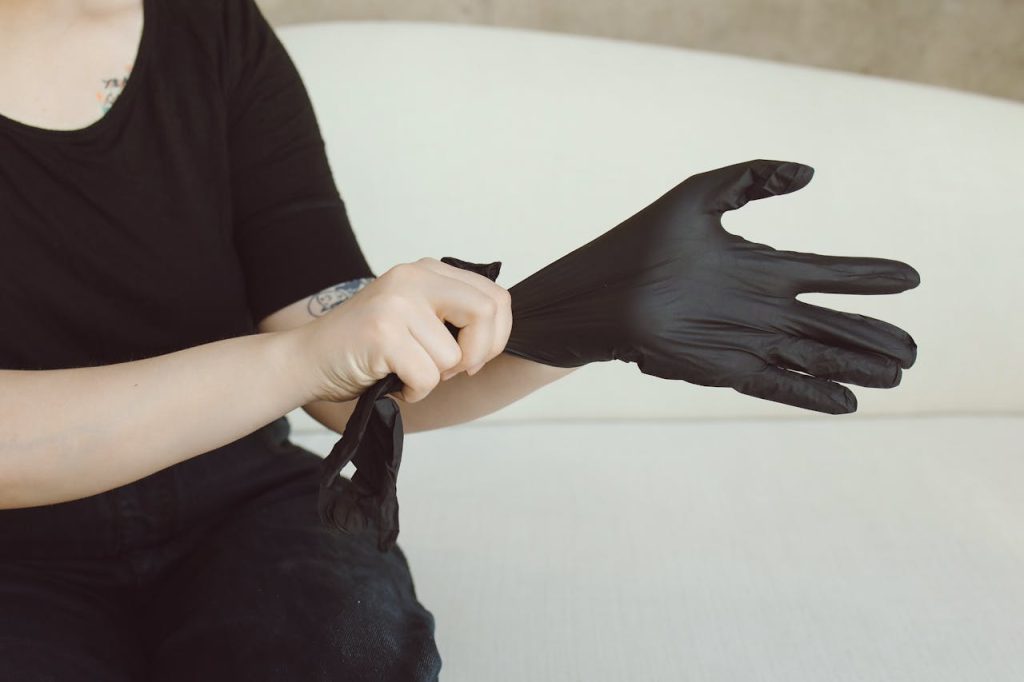
CDC advises washing exposed clothing separately in hot water with detergent and cleaning tools with rubbing alcohol or soap and lots of water. It also notes urushiol can stay active on surfaces for up to 5 years, and recommends disposable gloves while cleaning contaminated items.
Ignoring Pets as Part of the Exposure Chain

Pets are another easy miss, especially after hikes, yard work, or play near brushy edges. Many dogs and cats do not show much irritation, so families assume everything is fine, while urushiol sits on fur and transfers during a normal greeting on the porch or couch. The rash then appears later on hands, arms, or legs, which makes the source easy to miss inside the car.
FDA guidance is clear on this point: most pets are not sensitive, but the oil can stick to fur and trigger a reaction in the person petting them. Educators usually treat pet bathing, glove use, and leash and collar cleanup as part of the same exposure routine.
Burning Brush Without Checking the Pile
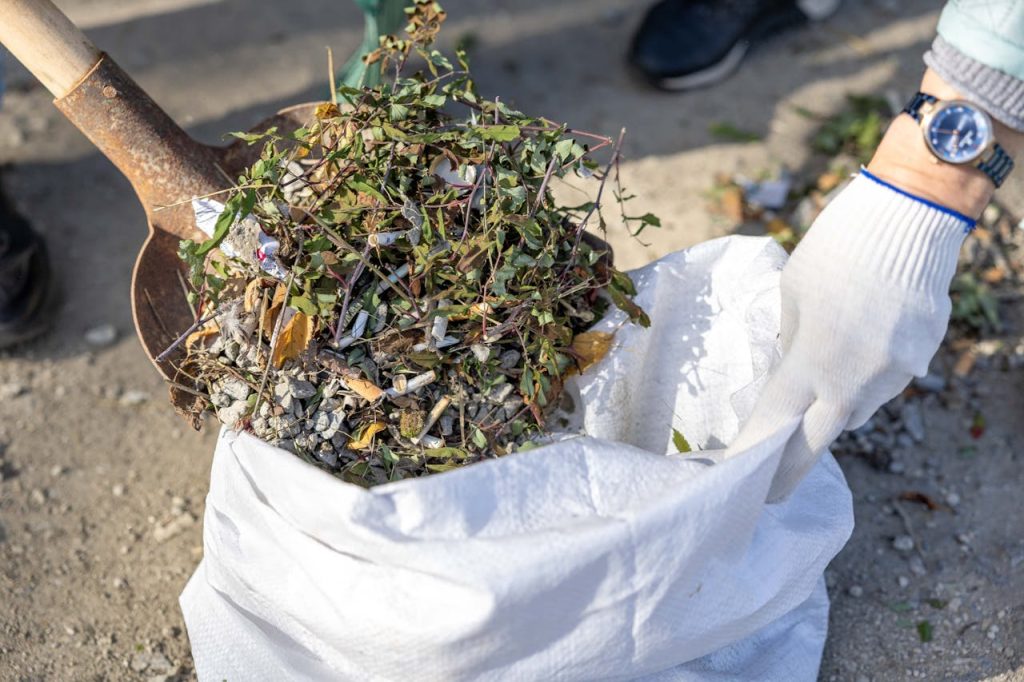
Burning yard debris without checking the pile is one of the riskiest mistakes educators warn about. Poison ivy and poison oak mixed into brush can release urushiol in smoke, and inhaling that smoke can cause serious allergic respiratory problems instead of a simple skin rash. The danger can spread beyond the person tending the fire and across nearby space on still days.
CDC guidance says not to burn plants that may be poison ivy, poison oak, or poison sumac. Careful identification and slow removal take more patience, but they prevent a cleanup job from turning into an urgent breathing issue or a wider exposure around the yard.
Believing Rash Myths and Delaying Care

The final mistake is believing common myths after the rash appears, then waiting too long to get help. Blister fluid does not spread poison ivy or poison oak, and later patches usually come from oil left on skin, nails, clothing, or other objects, or from uneven absorption. Scratching can also raise the risk of a skin infection during a long flare in humid weather.
Educators also warn against brushing off severe symptoms. Dermatology and Mayo Clinic guidance advise urgent care for trouble breathing or swallowing, and prompt medical care when the rash is widespread, on the face or genitals, or comes with fever or ongoing swelling.
Outdoor time stays calmer when plant safety is treated like a routine, not a scare. The strongest habits are simple and teachable: slow identification, fast washing, careful gear cleanup, and respect for how easily urushiol moves from one surface to another. That steady approach is what outdoor educators rely on, and it is usually what keeps a good day outside from turning into a long week of itching.