

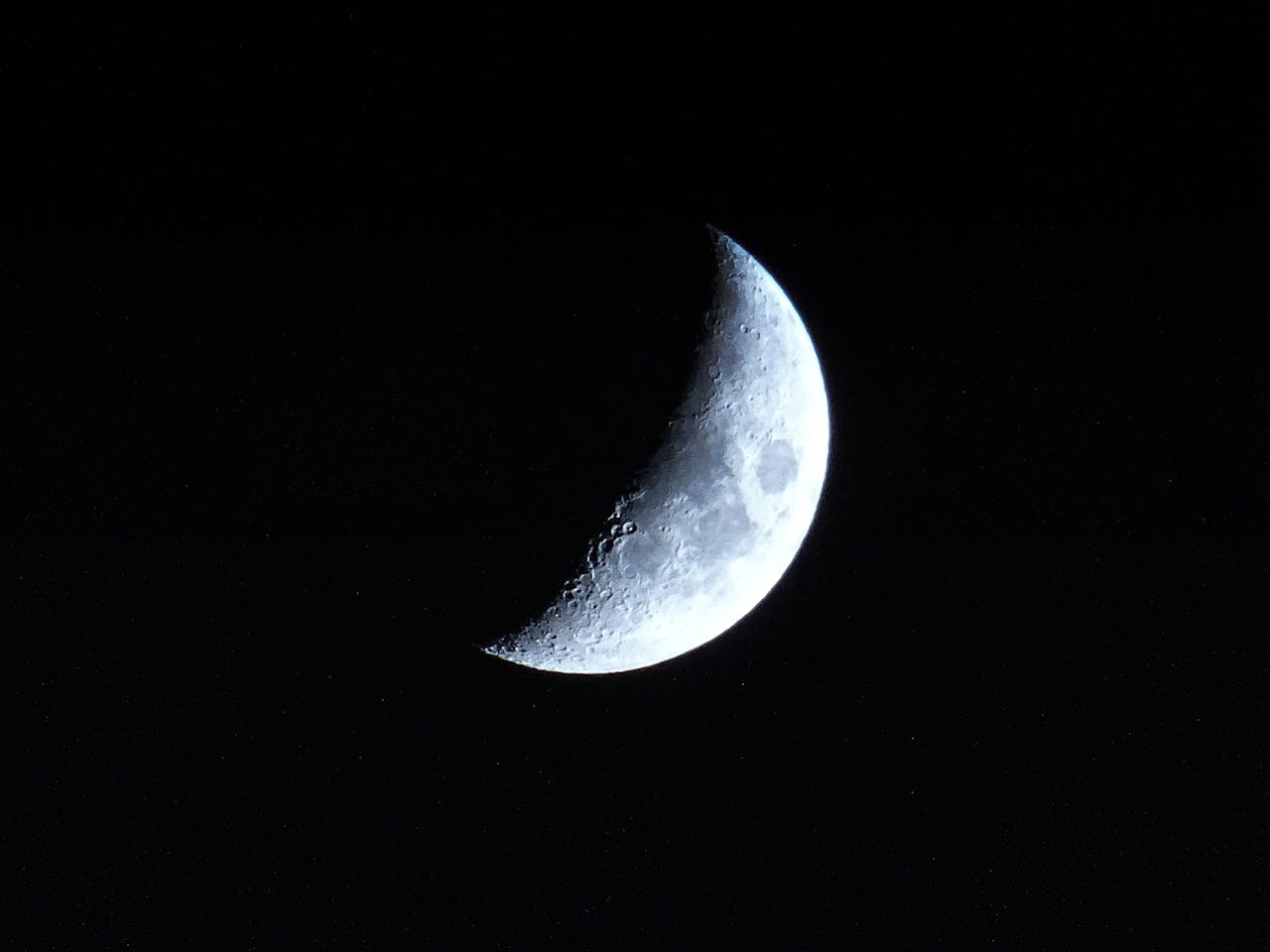
For generations, the Moon has carried a rumor like a shadow: one face is bright and familiar, the other is forever dark. The phrase sounds poetic, and poetry sticks, especially when the sky offers so little detail to the naked eye. But the Moon does not keep a permanent night side. It rotates, sunlight sweeps across the far side, and lunar day follows lunar night. The confusion comes from tidal locking, which keeps one hemisphere mostly turned toward Earth, not from any eternal darkness. Before spacecraft, that hidden hemisphere felt like a blank page. Add simple diagrams and pop culture, and the myth keeps breathing.
The Phrase Sounds Like a Fact
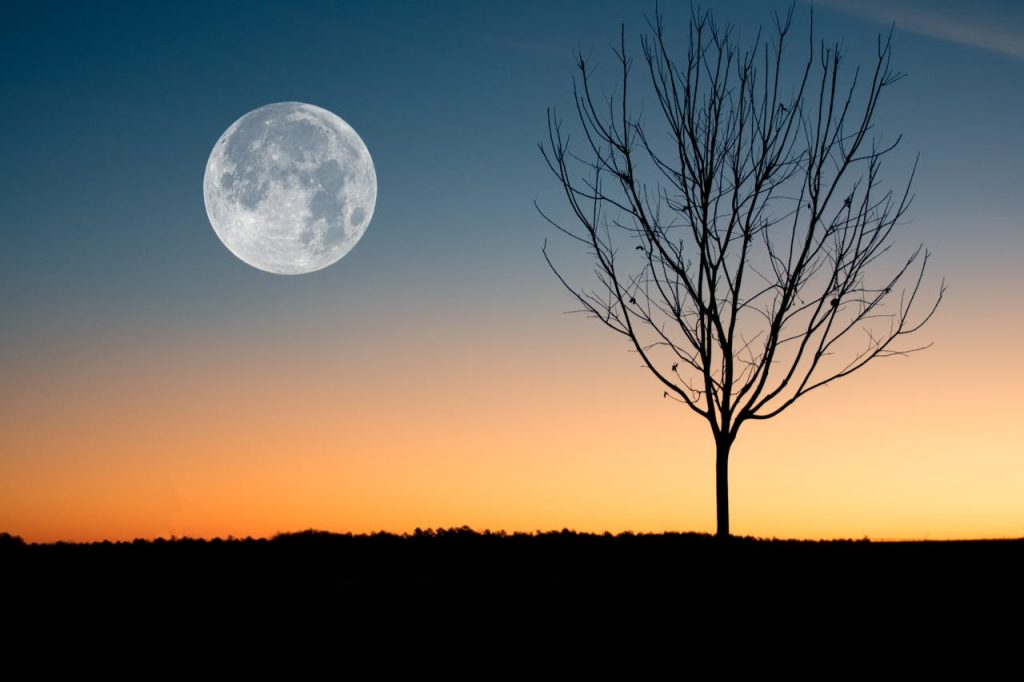
“Dark side” is a tidy phrase, and tidy phrases masquerade as truth. In everyday speech, dark can mean hidden, secret, or unknown, not literally unlit. The phrase also borrows weight from other “dark side” tropes people already know.
So when people hear “dark side of the Moon,” the brain files it as a physical condition, not a metaphor. The accurate term is “far side,” meaning the hemisphere that usually faces away from Earth.
Both hemispheres experience sunrise and sunset during the lunar day, roughly two Earth weeks of daylight and two of night. But language is sticky, and the catchy version keeps winning casual conversation.
Tidal Locking Sounds Like No Movement
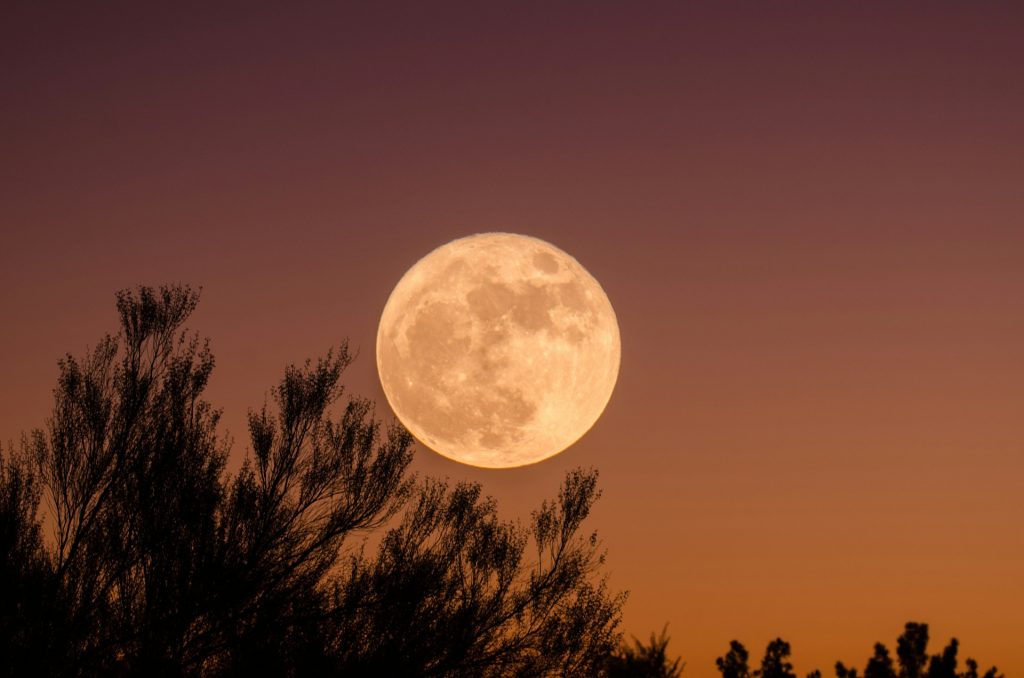
The Moon is tidally locked, a phrase that sounds like a padlock on motion. What it really means is that the Moon rotates once for every orbit around Earth, so the same face tends to look back. From a backyard, that rotation is almost impossible to notice.
That nuance is hard to picture without a moving model, and many explanations skip the rotation part to keep it simple. The shortcut leaves people thinking the far side never turns toward the Sun.
In reality, the far side gets plenty of daylight. It is just not the daylight Earth-based observers usually witness, which makes the misunderstanding feel oddly reasonable.
The Unseen Half Was a Blank Page for Centuries
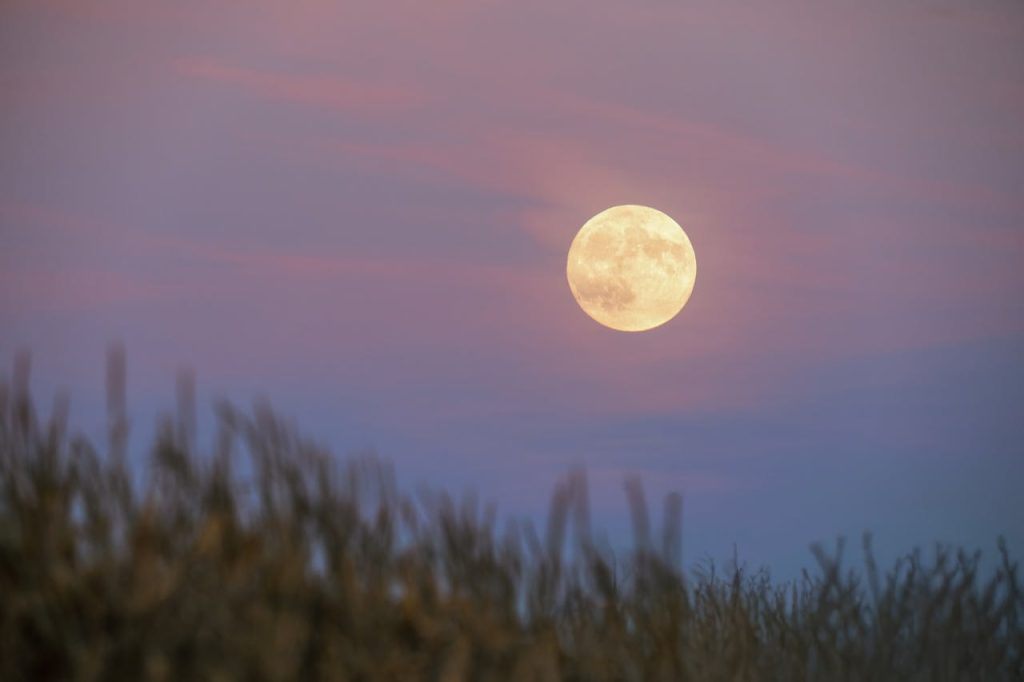
For most of human history, telescopes could only sketch the near side in detail. The rest was guesswork, and guesswork turns into folklore fast when a bright object hangs above every city and field, night after night, persistently.
Mapmakers left the unseen half as an absence, and absence rarely stays neutral. People filled it with imagined continents, hidden bases, and permanent night, because a place nobody can verify invites bold claims.
In 1959, the Soviet probe Luna 3 returned the first rough photos of the far side, but the myth had already settled in. A catchy story is simply easier to repeat than a careful correction.
Moon Phases Teach the Wrong Intuition
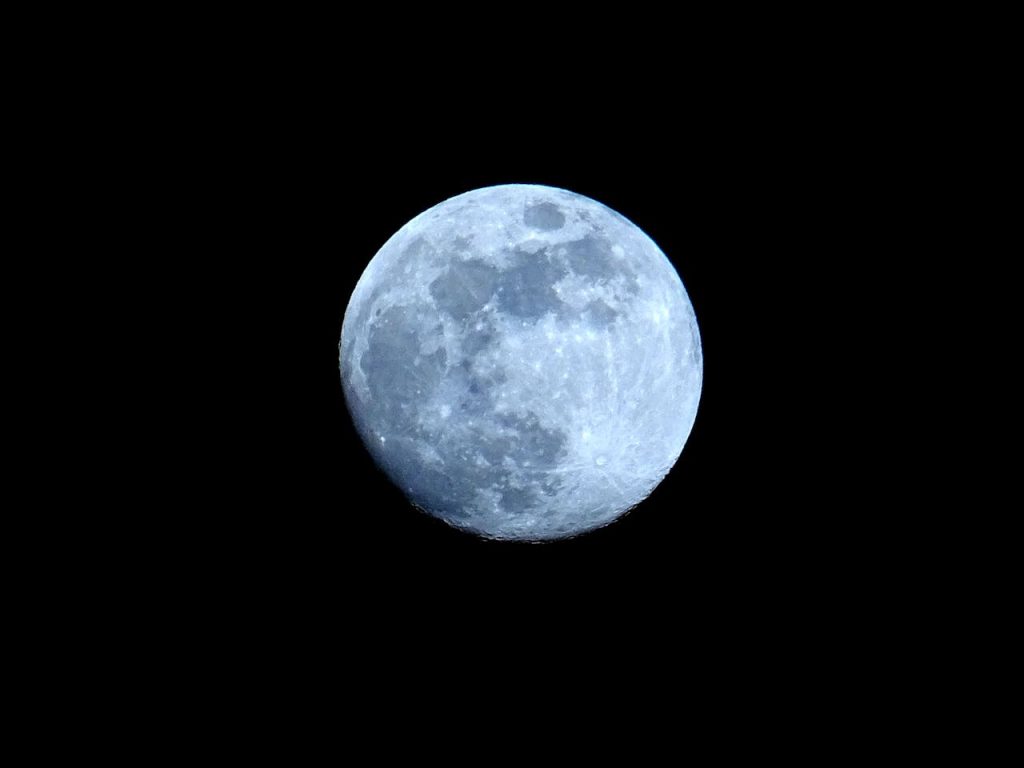
Most people experience the Moon through phases, not through orbital mechanics. A crescent Moon looks like a slice of light surrounded by darkness, and it is easy to assume the darkness belongs to some permanent place.
Photos reinforce the mistake. Many iconic shots are taken when the Sun sits low on the horizon, near lunar dawn or dusk, because long shadows reveal ridges, rims, and textures.
Without context, the eye reads shadow as a special region at a glance rather than a temporary angle. The far side becomes a convenient bucket for whatever seems unlit in a given picture, even though the near side has nights too.
Pop Culture Keeps Repeating the Shortcut
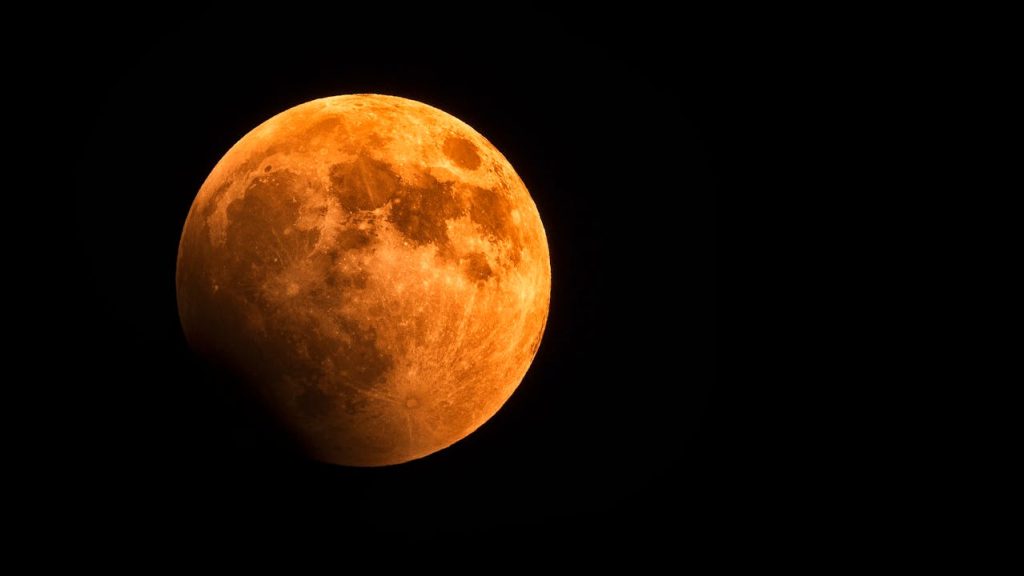
Pop culture did not invent the phrase, but it gave it a megaphone. Pink Floyd titled a blockbuster album “The Dark Side of the Moon,” and the words slid into everyday speech as shorthand for anything hidden behind a public face.
Movies, novels, and cartoons followed the same rhythm because the phrase is instantly legible. It carries mood, secrecy, and a hint of drama in three simple words, so writers reach for it without thinking.
When a line is memorable, it outruns footnotes. The scientific correction, “far side,” sounds clinical, so it rarely shows up in lyrics, headlines, or quick throwaway jokes at the dinner table.
Mystery Wins Over Mechanics
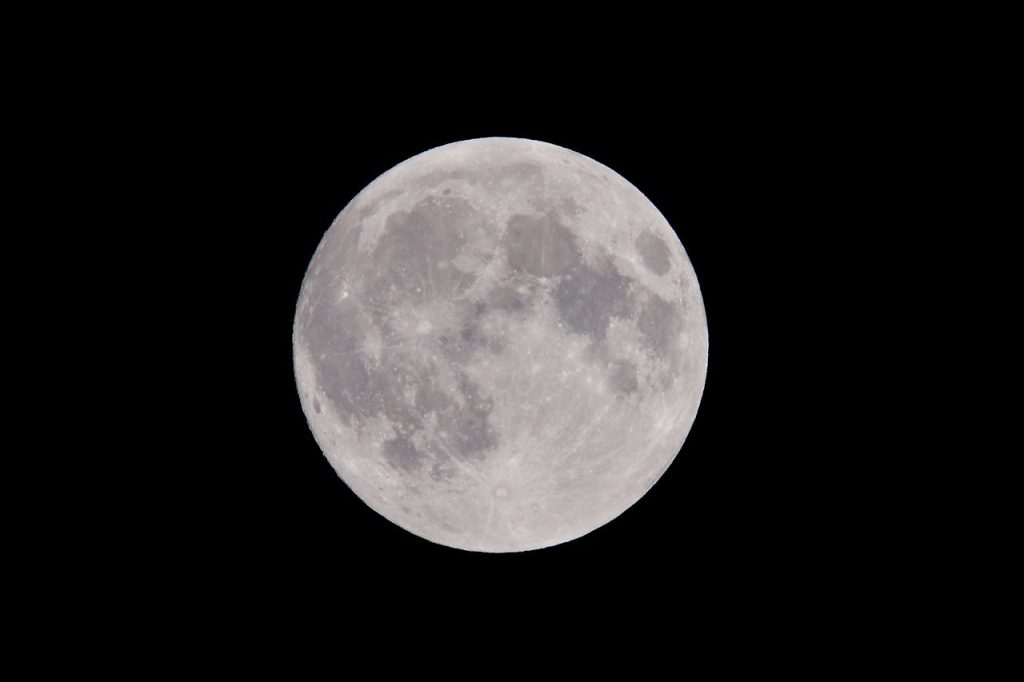
The myth survives because it is useful. A “dark side” suggests secrets, and secrets invite attention, whether the topic is space, celebrity, or office politics. Headline writers know the phrase carries instant suspense.
Explain tidal locking and lunar phases correctly, and the payoff is subtle: the Moon behaves like clockwork. Say one side is always dark, and the payoff is immediate: a hemisphere sounds like a forbidden place.
Platforms reward whatever sparks curiosity in seconds, not whatever builds understanding in minutes. The myth is engineered for sharing, while the truth asks for a small mental model and a little patience.
Classroom Visuals Create Sticky Mental Pictures
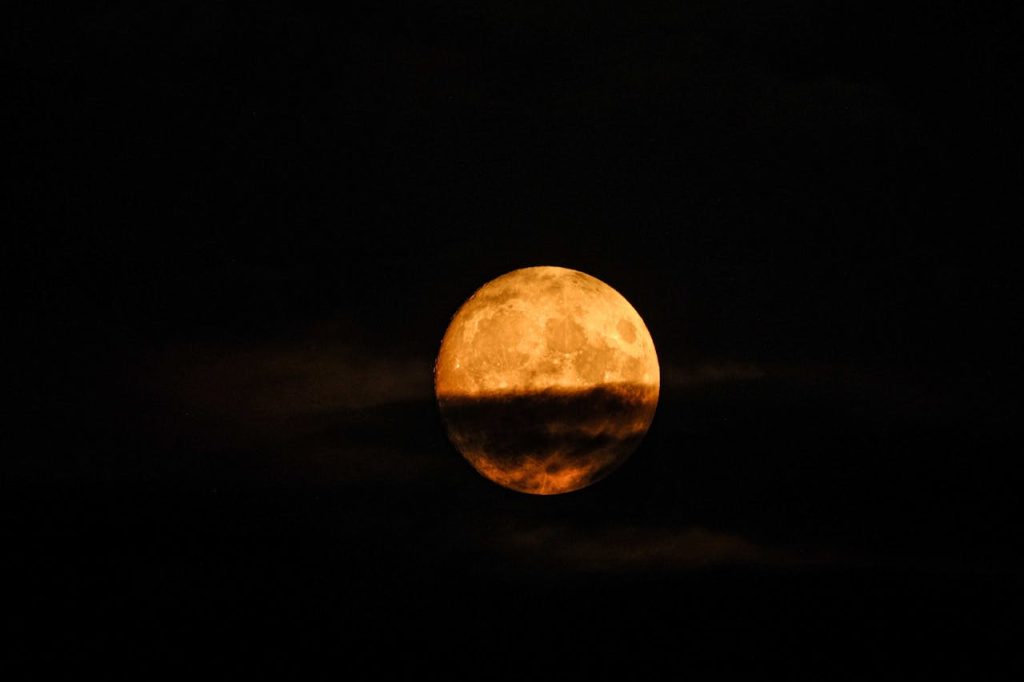
School posters and museum models often aim for clarity, not nuance. A diagram might show Earth, a Moon, and a neat line splitting light from dark, because it is the fastest way to explain phases.
But the picture can smuggle in a wrong conclusion: if half the Moon is drawn dark in every frame, it feels like that darkness belongs to a fixed region. Many toys and apps also reuse the near-side texture, unintentionally teaching that one face is all that matters.
Small visual habits set hard mental grooves. Later, when someone hears “dark side,” it clicks with the old diagram, and the correction sounds like a technicality.
Real Shadows Get Misapplied to the Whole Moon
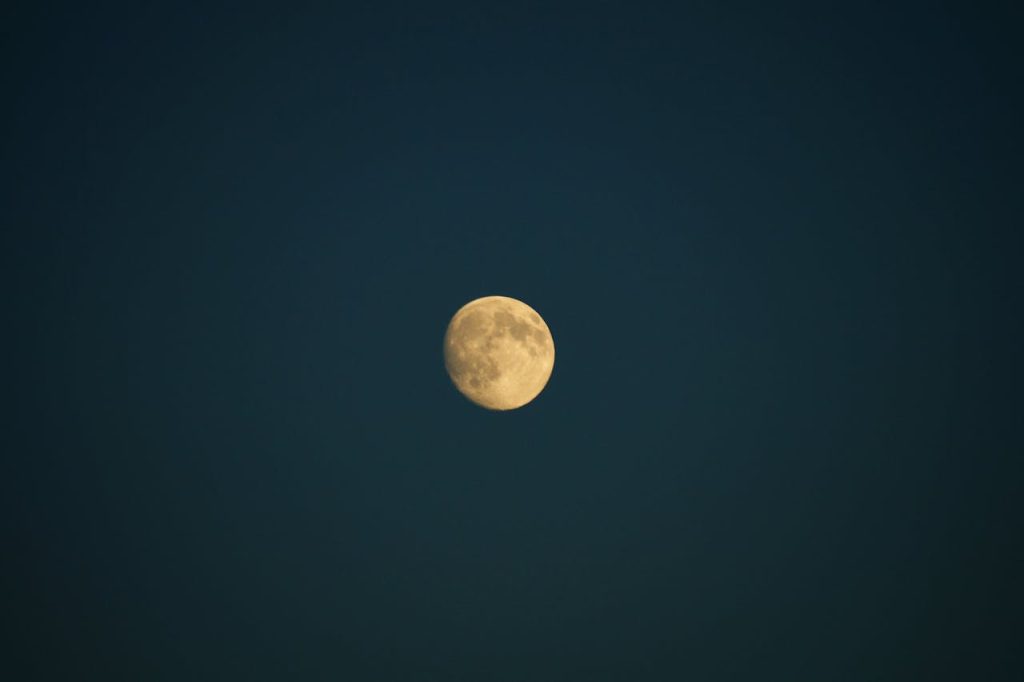
The far side looks different, and difference invites mythmaking. It has fewer broad, dark lava plains than the near side, so many images show a brighter, more cratered face. Since the near-side maria are easy to spot from Earth, the unseen half seems much stranger.
Some lunar regions truly stay in shadow for long stretches, especially in polar craters. Stories about cold traps and possible ice can blur into sloppy shorthand about an entire hemisphere.
Layer those real shadows onto the far side, and the label starts to feel earned. The details are partly true, but they point to local pockets, not a permanent night side.
Leave a Reply