

A beach can look easy to read right up until it is not. Families spread towels, children run toward the foam, and the water seems to settle into a pattern that feels familiar enough to trust. That comfort is part of the problem.
Rip currents rarely announce themselves in a loud or obvious way. The clues are small at first. More often, they show up as breaks in color, texture, and wave shape that many swimmers dismiss in seconds. By the time the ocean makes its point clearly, the better choice was often the guarded stretch nearby, the posted warning, or the patch of water that looked a little less inviting from the start.
The Water Looks Too Calm In One Narrow Gap
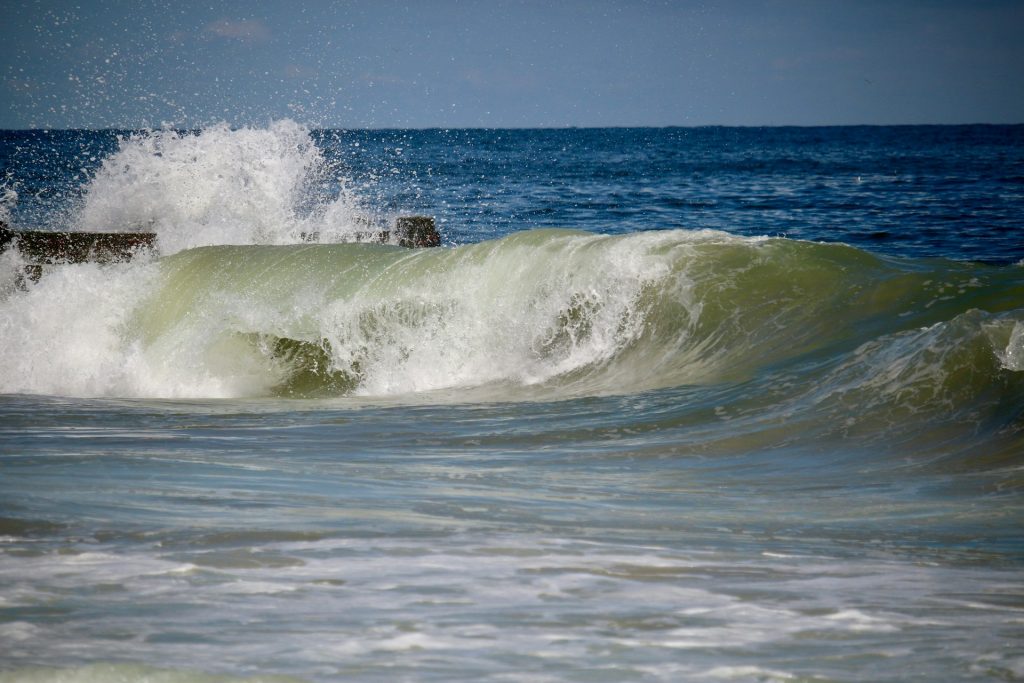
One of the easiest signs to misread is the stretch of water that looks quieter than everything around it. When waves are breaking in rough white lines on both sides, that middle lane can seem like the comfortable way in, especially to tired swimmers or parents watching children from the sand.
The National Weather Service warns that a rip current can appear as a narrow gap of darker, seemingly calmer water between areas of breaking waves and whitewater. What looks gentle is often the place where water is slipping back offshore in a focused channel. That false calm is part of the trap, especially from shore at first glance.
A Darker Channel Cuts Through The Surf
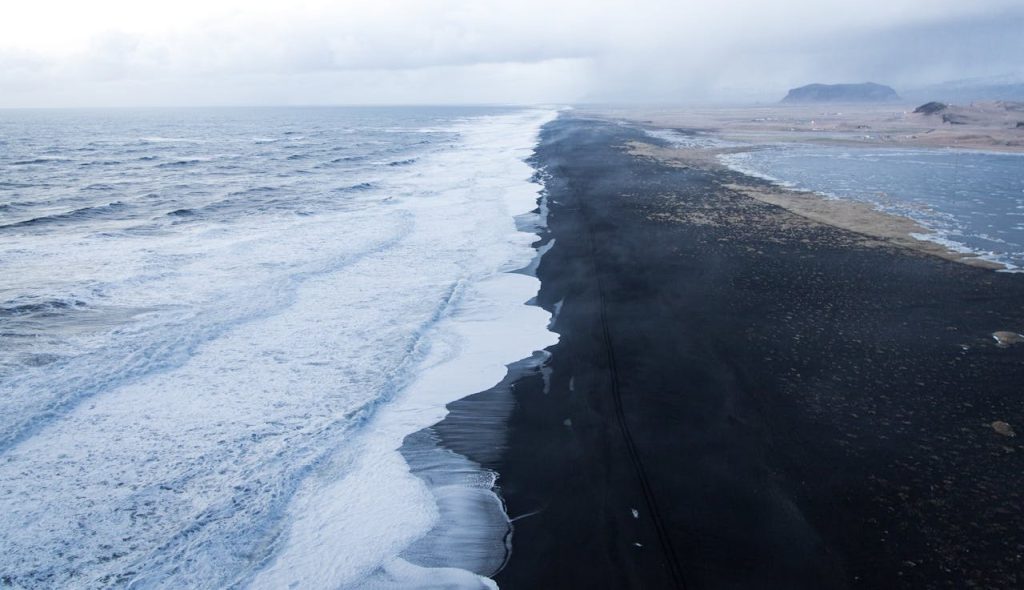
Color tells a story before force does. A rip current often stands out as a darker strip that cuts through lighter water, either because the channel is deeper or because sand has been stirred up and pulled along in a steady path away from shore.
The Weather Service says beachgoers should watch for a notable difference in water color compared with nearby surf. That contrast is easy to brush off as shifting light, a cloud shadow, or a harmless dip in the bottom. On many beaches, though, that darker lane is one of the clearest signs that the water is moving in a very different way from the surf beside it for a reason that matters.
Waves Break On Both Sides, Not In The Middle
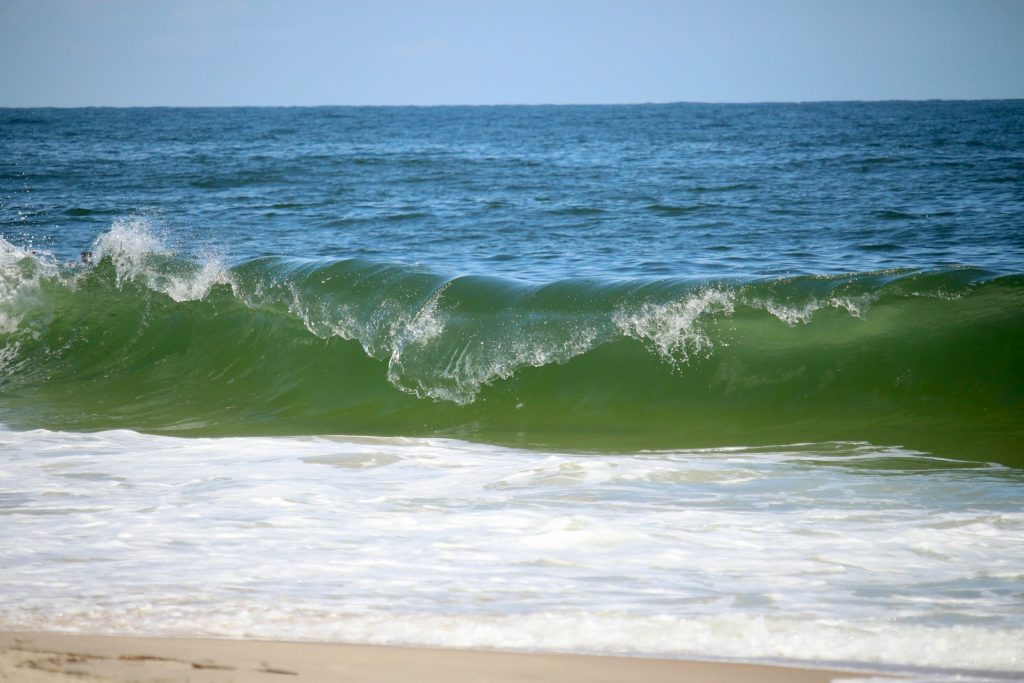
Many swimmers look for the path of least resistance. If waves are breaking in clean rows across the beach but leave an odd opening in the middle, that break can feel like an obvious route into calmer water without as much force pushing back toward shore.
That instinct gets people into trouble. The National Weather Service lists a break in the incoming wave pattern as one of the classic clues of a rip current. In plain terms, when waves are folding and crashing on both sides but not in one narrow section, that open lane may be where water is gathering and running back out through the surf instead of rolling safely toward the beach.
Foam, Seaweed, Or Debris Keeps Sliding Seaward
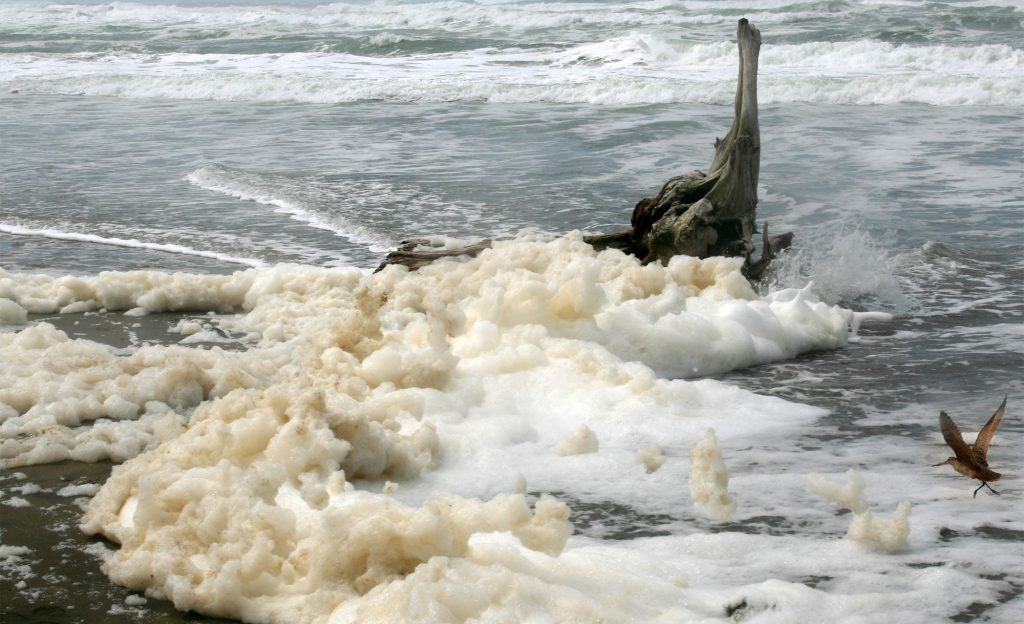
Foam, seaweed, and bits of floating debris look ordinary at the shoreline, so most swimmers barely register them. The important detail is not that they are there, but that they are moving in a steady line away from the beach instead of drifting back and forth with the wash.
The Weather Service specifically advises beachgoers to watch for a line of foam, seaweed, or debris moving steadily seaward. That surface trail can act like a marker pen for the current below. It may seem minor when seen from a towel or beach chair, yet it often shows exactly where the ocean is pulling water offshore with more focus than the surrounding surf.
The Surface Looks Choppy In One Tight Lane
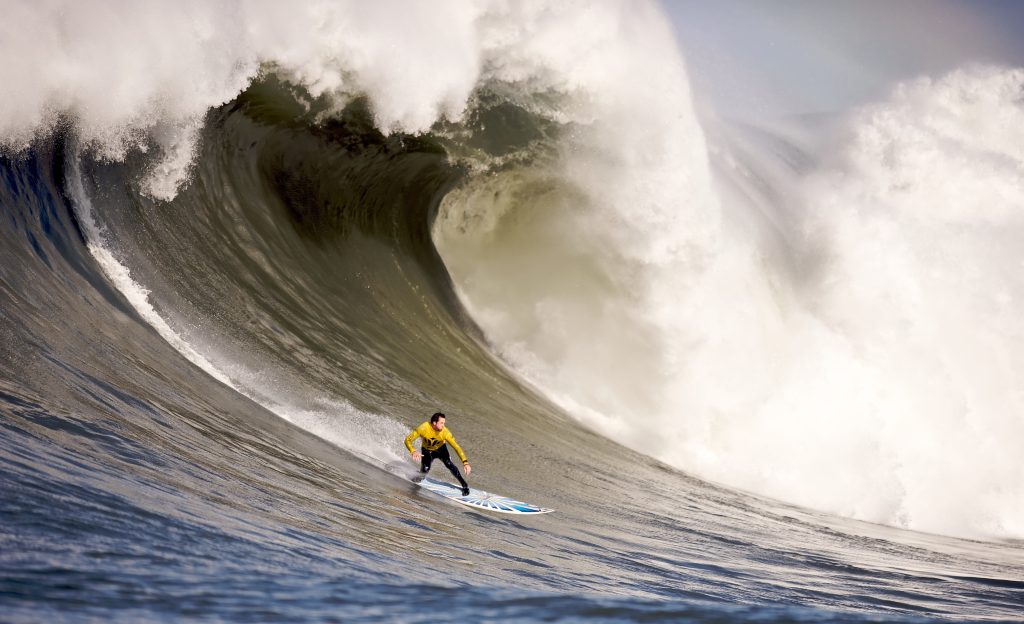
Not every rip current looks smooth. Some look restless instead, with a narrow strip of water that appears chopped up, churned, or slightly confused while the surf around it keeps a more regular rhythm. From beach level, that uneven patch can seem like random texture and nothing more.
The National Weather Service includes a channel of churning, choppy water among the main visual clues. In some cases, flash rips can even show up as a tight band of turbulent whitewater moving away from shore. When one lane looks rough in a way the water beside it does not, that inconsistency is worth taking seriously before anyone steps in.
The Risk Sits Near Piers, Jetties, Or Sandbar Breaks

Sometimes the warning sign is location itself. Rip currents most often form at low spots or breaks in sandbars and near structures such as piers and jetties, where wave energy and returning water get funneled into a narrower path back offshore.
That matters because people naturally gather near obvious landmarks. A pier feels easy to orient around, and a break in a sandbar can look like the simplest place to enter the surf. The Weather Service notes that these are exactly the areas where rip currents commonly develop. A shoreline can look familiar and still be arranged in a way that favors a fast-moving channel away from the beach.
The Day Looks Pleasant, So Everyone Relaxes Too Much

A quiet beach day can lower everyone’s guard. When the sky is clear, the breeze feels manageable, and the surf does not look wild, swimmers tend to trust the mood of the shoreline more than the mechanics of the water moving underneath it.
The National Weather Service makes this point plainly: great weather does not always mean it is safe to swim, and rip currents often form on calm, sunny days. That mismatch is why so many people get fooled. They are not ignoring a storm. They are responding to a beach that looks pleasant, ordinary, and easier to read than it really is once they step beyond the first line of breakers.
Flags, Signs, And Lifeguards Are Pointing Elsewhere
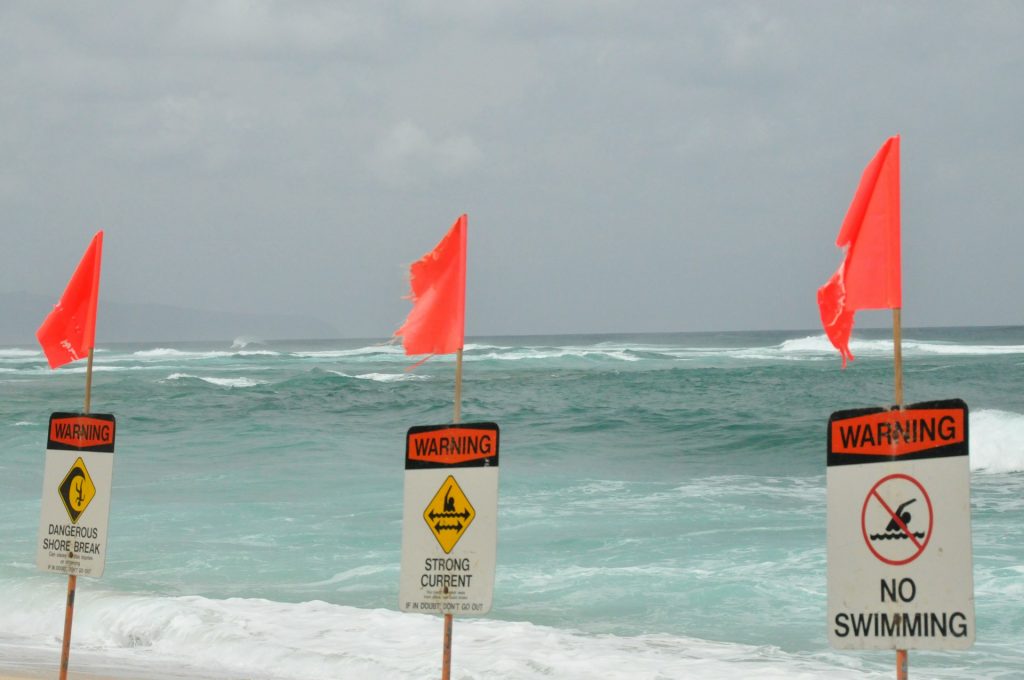
Sometimes the clearest warning sign is the one posted in plain view. Beach warning flags, entrance signs, and lifeguards steering swimmers away from one stretch of shore can all signal a rip risk that trained eyes catch faster than casual visitors do.
The Weather Service advises swimmers to check warning flags and signs, and to ask lifeguards about hazards before entering the surf. It also notes that flag meanings can vary by location, which makes local guidance worth reading. When a guarded beach points people somewhere else, that decision is usually based on water patterns that deserve respect, not a vague sense of caution.