

A lawn usually does not fade all at once. It starts with small clues that look harmless, a puddle that lingers, a strip of grass that never rebounds, a patch that turns rough in summer even after rain. In many yards, the hidden issue is soil compaction, where squeezed soil loses the pore space roots need for air, water movement, and steady growth. Extension turf and soil specialists note that compaction often builds slowly from foot traffic, mowing patterns, clay heavy ground, or old construction disturbance, then shows up as thinning turf and stubborn wet or dry patches. The warning signs usually appear much earlier.
Rainwater Puddles After Routine Rain
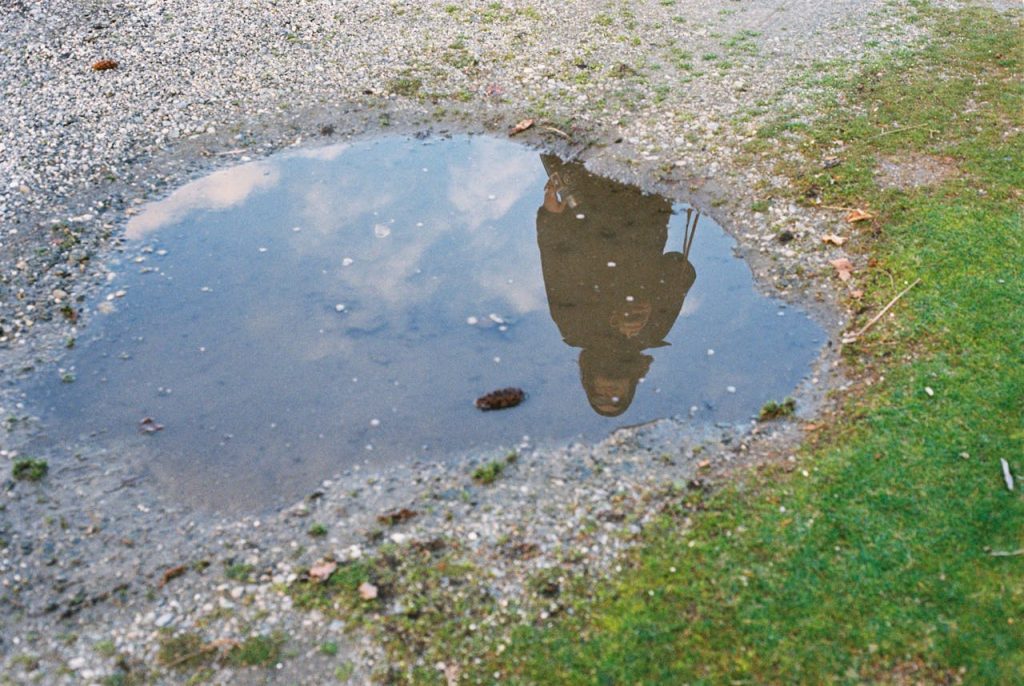
One of the clearest early signals is water ponding on the lawn after an ordinary rain or irrigation cycle. Rutgers and Maryland Extension both flag surface ponding as a common clue that water is not moving through the soil profile the way it should, especially where compacted layers or heavy clay are present.
Compacted soil has fewer large pores, so infiltration slows down and drainage also suffers. Minnesota Extension notes that this change in pore space reduces both water entry and gas exchange, which is why wet spots often become weak grass spots a few weeks later. Those patches can look minor in spring and spread by summer.
Soil Feels Hard Even When It Is Moist

Compacted ground often feels dense and resistant, even when the surface is slightly moist and workable. Rutgers advises checking suspected areas a couple of days after rain, because moist soil that is still hard to dig through or break apart is showing a classic compaction response.
Delaware Extension and Maryland Extension describe the same pattern with simple field checks, a probe, wire, or similar tool barely enters the soil, or it bends before reaching depth. That physical resistance matters because roots meet the same barrier below the grass. Compacted spots may also break into dense clods or flat, plate like layers.
Footpaths And Wheel Tracks Stay Bare
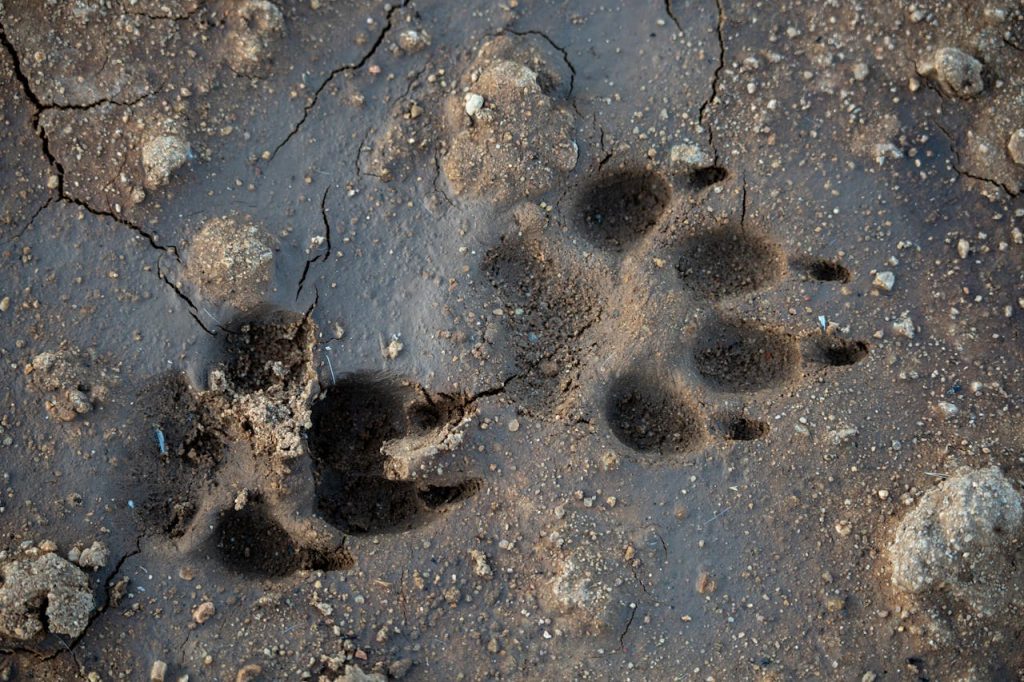
Compaction often maps itself across a yard in visible lines. Rutgers highlights recurring footpaths, mower routes, and vehicle tracks as high risk zones, especially when those strips stay bare, hold tire ruts, or keep losing grass while nearby areas remain fairly normal.
These lanes usually cycle between two extremes, muddy after rain, then dusty and hard when dry. That pattern points to compressed soil with poor structure, not just random wear, and it often explains why reseeding the same strip fails again and again. Traffic is a major cause of compaction, and clay rich soils usually show the damage faster than sandy soils.
Grass Thins Out In The Busy Parts Of The Lawn

When compaction deepens, the turf canopy usually starts to thin before it fully breaks apart. Mississippi State and Michigan State turf guidance both note that compacted lawns lose pore space, which limits oxygen exchange, water movement, and root growth, so even well cared for grass starts looking weak.
Colorado State also points out that heavy traffic and thin turf go hand in hand, and that fertility alone will not thicken a lawn when compaction is the real limiting factor. Patchy density in play zones and mowing turns is often an early warning, not a cosmetic issue. The grass can fade unevenly even under the same weather.
Roots Stay Shallow And Creep Near The Surface
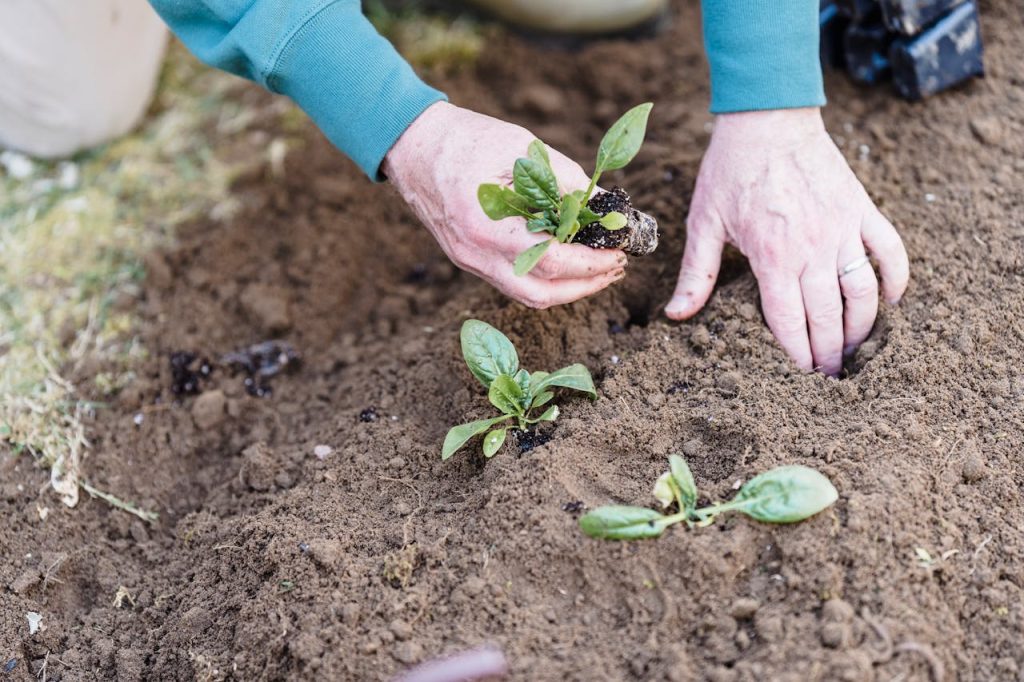
Healthy turf roots should move down through open pore spaces, but compacted soil pushes them toward the surface. Rutgers notes that exposed or very shallow roots can signal compaction, and Minnesota Extension adds that compacted soils commonly produce roots that are shallow and poorly formed.
A quick dig in a weak patch can reveal the difference, roots may cluster in the top layer instead of spreading deeper where moisture stays more stable. That shallow rooting leaves grass more vulnerable to heat stress, dry spells, and nutrient shortages. Delaware also lists stubby or twisted roots as a common compaction clue in yards.
Compaction Tolerant Weeds Start Filling The Gaps
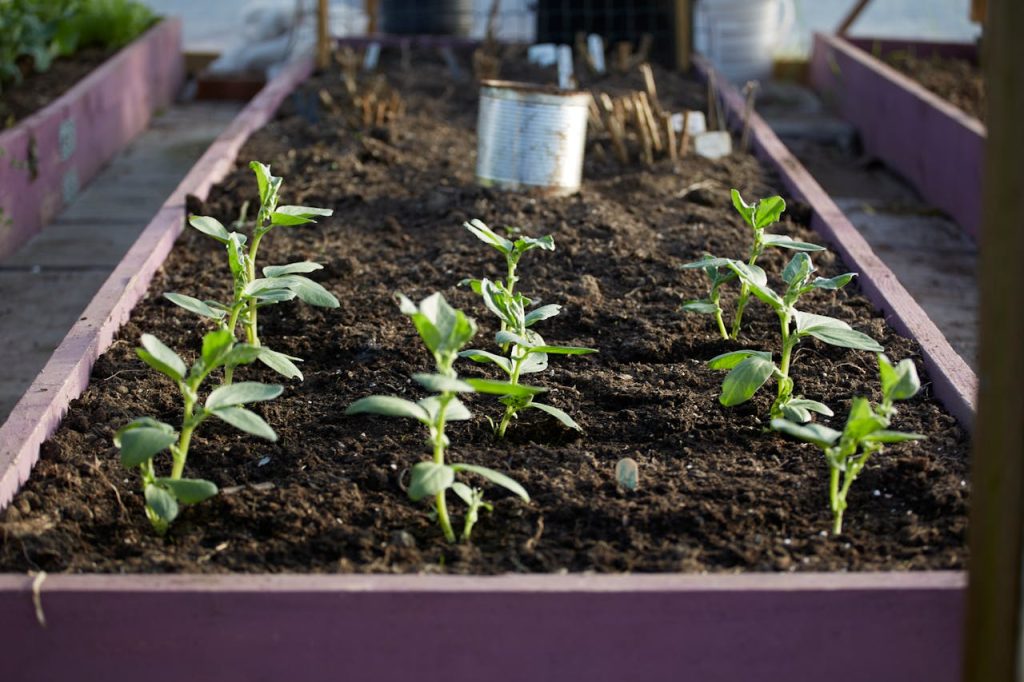
A compacted lawn rarely stays empty for long, because the grass weakens while tougher opportunists move in. Colorado State identifies several weeds that commonly thrive in compacted turf, including plantain, crabgrass, knotweed, clover, and annual bluegrass, especially where traffic keeps thinning the canopy.
When those weeds cluster in the same worn strips year after year, the pattern often tells more than the species itself. The underlying issue is usually soil condition and pore space loss, so weed control alone gives only short lived cosmetic improvement. That is why freshly treated spots can reopen as soon as traffic returns.
The Lawn Flips Between Soggy And Stressed
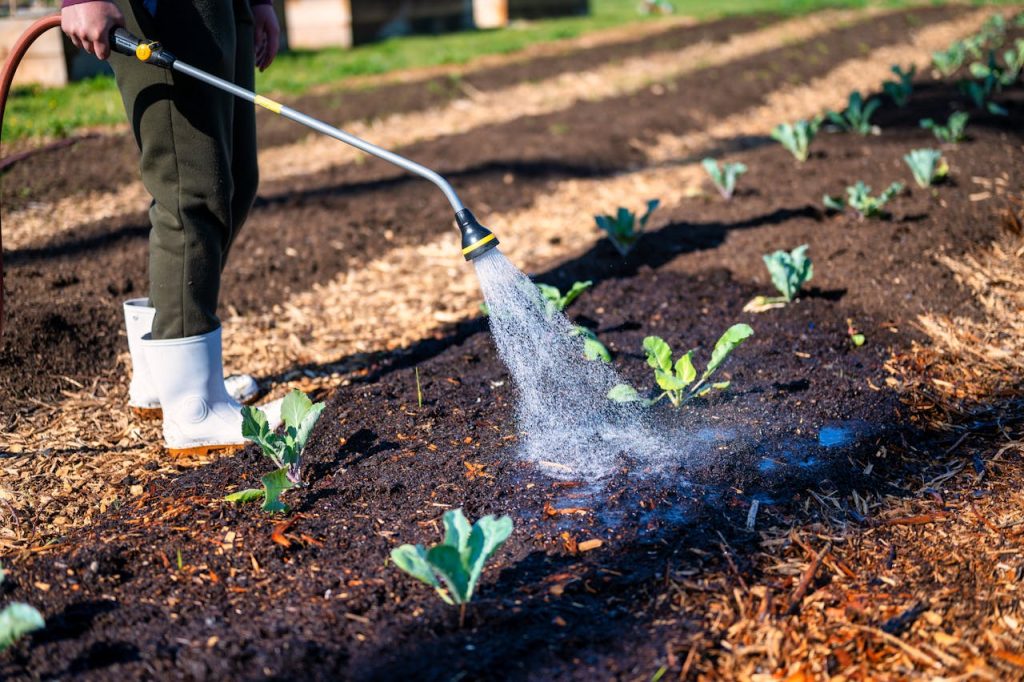
Compacted yards often behave unpredictably with water. Minnesota Extension explains that compaction reduces both infiltration and drainage, while Michigan State turf guidance notes poor water movement and shallow rooting, so the same patch may stay wet after rain and then struggle quickly in heat.
Delaware and Iowa State also connect compaction with drought stress and nutrient deficiency symptoms because restricted roots cannot explore enough soil. Yellowing, slowed growth, and a tired look after normal weather swings can be a soil structure problem, not just a watering mistake. The surface may look moist while roots still strain.
Rain Runs Off Faster Than It Soaks In
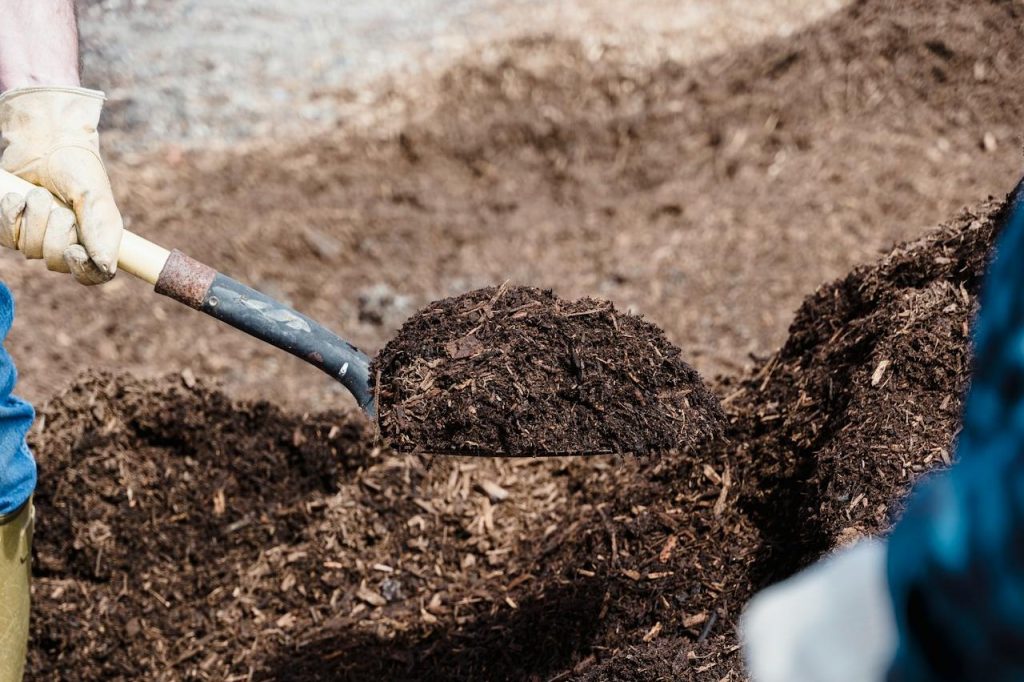
Another strong sign appears when rainfall starts moving across the yard instead of into it. Iowa State lists slow infiltration, higher surface runoff, and even soil erosion after normal rain as common compaction indicators, and Minnesota Extension links the same pattern to the loss of large pores that normally carry water downward.
On sloped lawns, that runoff can carve small channels, wash seed away, and leave thin grass behind. Even flatter yards may show a sheen of moving water, which is a clue that the surface is sealing faster than the soil can absorb moisture. That shift usually appears before a full decline is obvious.